
Reviewed · WILDLIFE
Napier: Cape Kidnappers Gannet, Nature & Sightseeing Tour
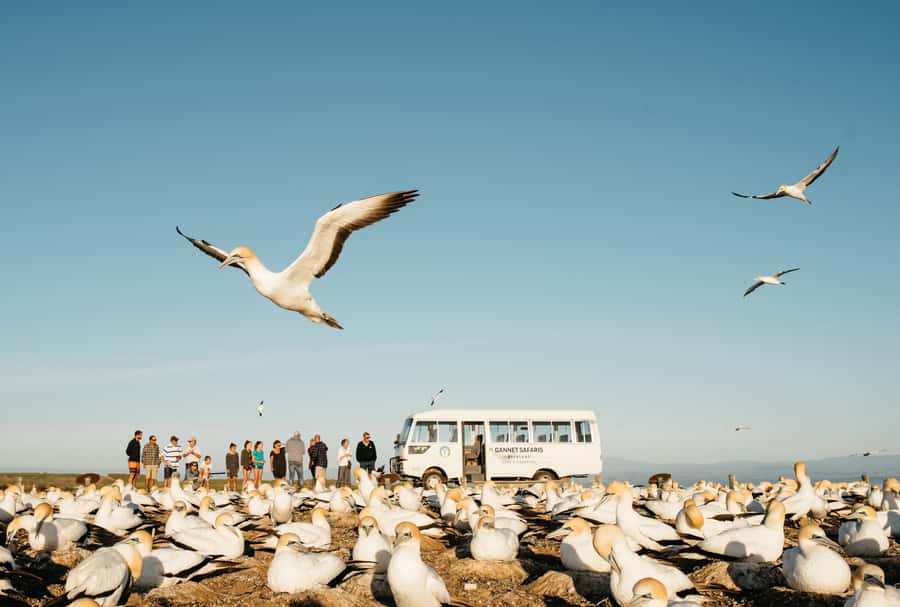
Cape Kidnappers puts you remarkably close to one of New Zealand’s great bird colonies. Around 20,000 gannets gather above the cliffs, with adults carrying fish overhead, pairs performing their recognition ritual, and young birds packed into orderly rows. You can watch from only a few feet away.
I like two things right away: the tour takes you across private land that you could not reach independently, and the guide commentary adds local stories, Maori legends, conservation facts, and farm history to the scenery. The main consideration is the ride. It can be bumpy, the back seats may have weaker sound, and the Cape can be cold and windy.
Key points to know
- See gannets from only a few feet away: Watch courtship rituals, feeding, preening, and young birds in the colony.
- Visit in the right season: The birds are present from September to early April, with chicks arriving in December and January.
- Travel without a hike: The air-conditioned 4×4 coach takes you close to the colony, though some people may find parts of the track steep or rough.
- Expect strong guiding: Jan, Marcus, Tom, Trevor, Marty, Garth, and other local guides are praised for humor, history, and bird knowledge.
- More than a bird stop: The route includes a native forest, production forest, predator-proof reserve, Maori stories, and wide coastal views.
- Check the meeting details: Meet at Gannet Safaris Overland, 396 Clifton Road, Te Awanga. Hotel transfers are not included.
Why Cape Kidnappers is such a special bird stop
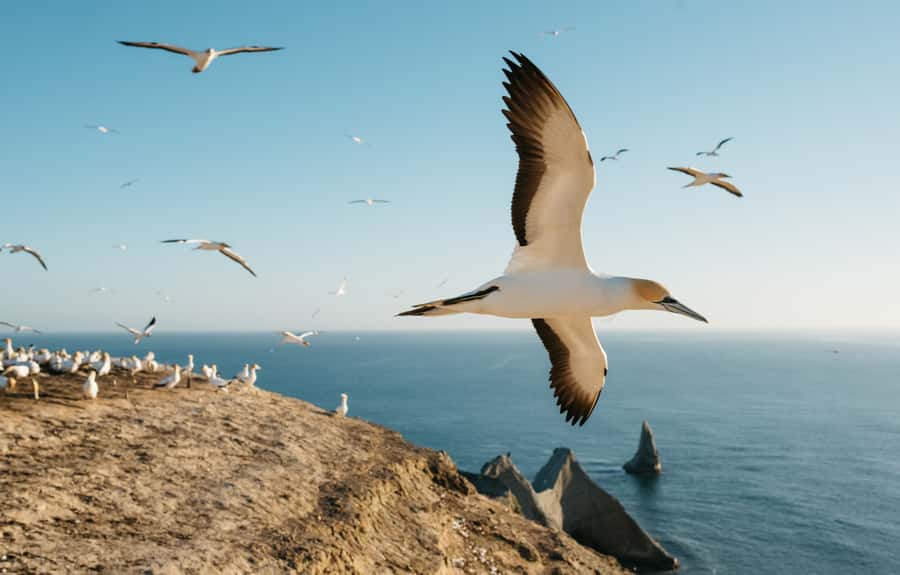
Cape Kidnappers is home to the world’s largest accessible mainland gannet colony. The scale is impressive, but the close viewing is what makes this outing memorable. You are not looking at tiny white dots through binoculars. The birds are near enough to see their pale gold crowns, black eye markings, long bills, and fine feather patterns.
Gannets belong to the booby family. They have wingspans of about 6 feet, or 2 meters, and they sweep over the colony as they return with fish. On the ground, pairs greet each other with a lively recognition ritual. They face one another, stretch their necks, and perform a display that looks both formal and comical.
The colony is active from September through early April. In September, the birds return from their winter migration and prepare their nests. Chicks arrive in December and January, so this is a particularly appealing time if you want to see young birds among the adults. By late April, the young birds leave for warmer regions, and the colony is no longer available in the same way.
That seasonal timing matters. If seeing chicks is your main goal, January offers a strong chance based on the breeding calendar. September and October bring returning adults and nest building. March and early April can offer a different look at older chicks preparing for departure.
More city tours in New Zealand:
- Half Day Sightseeing and Taste Tour
★ 5.0 · 35 reviews - Small group – Napier City & Art Deco Tour, 2 hours
★ 4.5 · 18 reviews - Napier: Highlights & Tour Exploring the Best of this Region
★ 4.6 · 11 reviews
The ride from Te Awanga to the Cape
The tour begins at Gannet Safaris Overland on Clifton Road in Te Awanga, near Napier. Look for the Gannet Safaris sign beside the road. You need to make your own way there because hotel pickup and drop-off are not included.
From the meeting point, an air-conditioned 4×4 coach carries you across the Cape Kidnappers area. The vehicle is important here. The colony sits on private land and is reached by a rough route that would not be practical to explore on your own. The coach gets you close without requiring a long walk or steep climb.
The ride is part of the experience, not simply a transfer. Your driver-guide explains the area as you go, with commentary on local history, Maori stories, farming, forest management, wildlife, and conservation. Guides such as Jan, Marcus, Tom, Trevor, Marty, and Garth have all been praised for keeping the ride lively as well as informative.
There are a few tradeoffs. The journey can feel bumpy, and one person found the ride warm when the air conditioning was switched off. Sound may also be less clear from the back row. If you have a choice of seats, sitting closer to the guide should make it easier to follow the commentary.
The route may include steep or daunting sections of track. You do not need to walk to reach the gannet viewing area, but comfortable shoes remain sensible, especially if you want to move around at the stops. The road conditions are part of reaching a place that is otherwise difficult to access.
Forest, farm, and predator control along the route
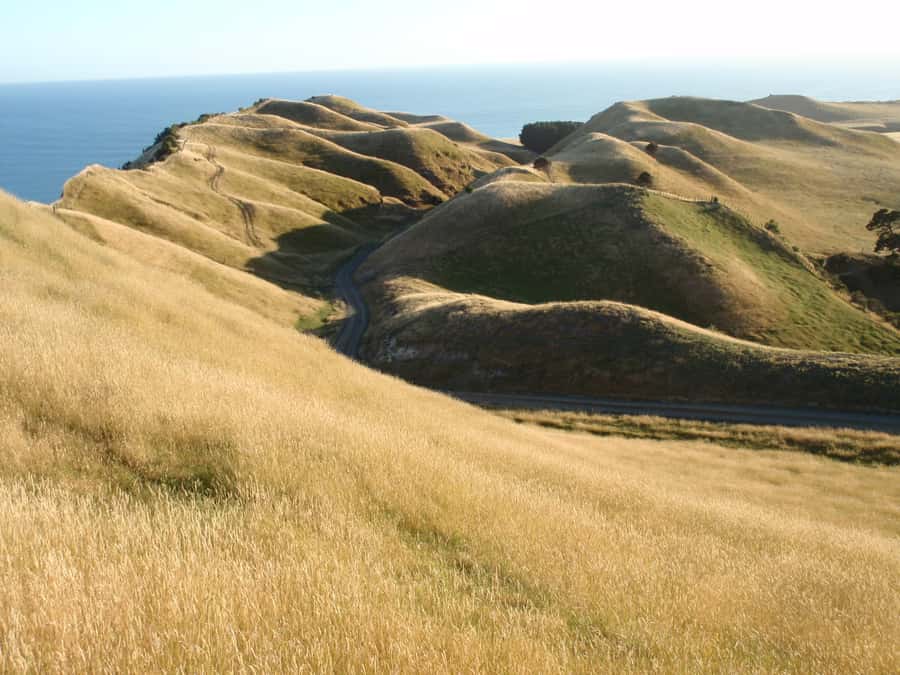
The tour is not limited to the colony. Along the way, you see a native New Zealand forest and a production forest, giving you a quick look at two different ways the land is used. The exact amount of time at each area can vary, but the guide commentary helps connect the scenery with local land management.
You also view a predator-proof reserve. This is a useful part of the outing because it places the gannets within a wider conservation story. New Zealand’s native birds face pressure from introduced predators, so predator control is not a side note here. It helps explain why protected areas and careful land management matter.
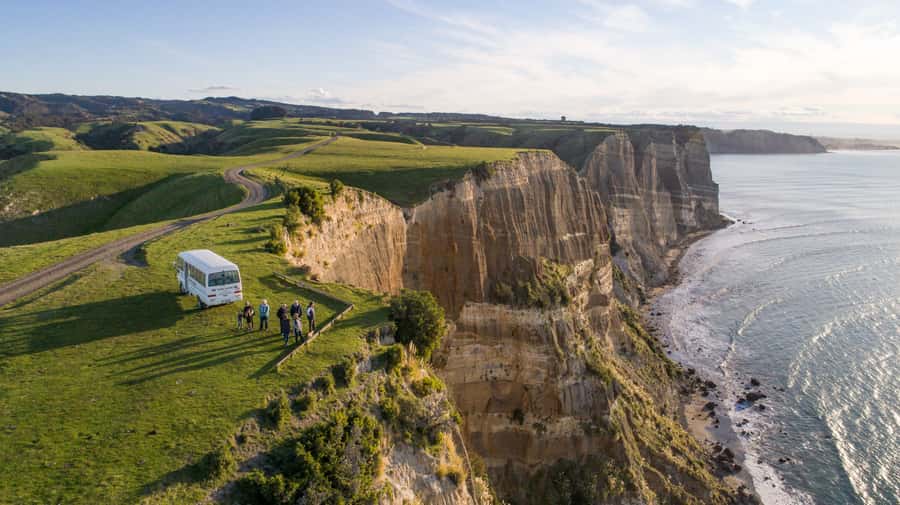
The route crosses private property, which is one of the tour’s practical strengths. Without this vehicle and access arrangement, you would not be able to reach the colony in the same way. The view changes from farm country to open coastal scenery, with cliffs and wide skies providing a dramatic setting for the birds.
Guides often add personal local detail. One guide grew up on the farm and could explain past and present life in the area. That sort of connection gives the ride more character than a simple recorded narration. You may hear local stories alongside facts about breeding, pest control, and the nearby lodge.
Standing only feet from 20,000 gannets

The main stop is the reason to book. The colony is arranged in dense rows, with adult birds and chicks occupying small spaces close together. You can see pairs preening, calling, and greeting one another while other birds fly above the group.
The closeness is striking. You may expect a wildlife stop to involve a distant viewpoint, but this one brings you to within a few feet of the birds. That makes the trip especially good for photography. Bring a camera with enough reach for portraits, but do not overlook the wider view of the colony and cliffs.
The birds are not performing for you, of course. Their daily routine continues around the group: adults return with food, pairs maintain their bond, and young birds wait for meals. That natural activity gives the stop its value. You are watching a working colony rather than a staged animal encounter.
There is also a practical sensory detail: thousands of seabirds in one place can smell. One person described the birds as rather smelly, which is fair warning. Wind can be strong on the Cape, and temperatures may feel cooler than they did at the meeting point. Pack a jacket or jumper even on a pleasant day.
A hot drink and biscuit have been welcomed by people who arrived with chilled fingers. Light refreshments are included, though a full meal is not. If you need more food, plan ahead, since food is not included in the tour price.
More wildlife in New Zealand:
- Gannet Safaris Overland tour to Cape Kidnappers Gannet Colony
★ 5.0 · 942 reviews - Oamaru: Penguins Evening Viewing Ticket
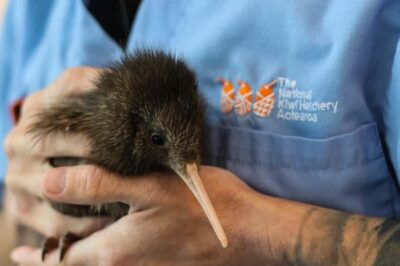
★ 4.5 · 682 reviews - Rotorua: The National Kiwi Hatchery Kiwi Encounter Tour
★ 4.7 · 671 reviews - Clearwater Wildlife Tours (small group 10max) Otago Peninsula
★ 5.0 · 531 reviews
Why the guides matter
The guide can make the difference between a scenic drive and a worthwhile three-hour outing. The strongest part of this experience is the quality of the live commentary. Guides are expected to speak English and combine information with local anecdotes and humor.
Marcus is praised for entertaining commentary and strong knowledge. Jan is described as patient, funny, and especially good at explaining both New Zealand history and the birds. Tom, Trevor, Marty, and Garth are also singled out for warm, informative guiding.
That variety is worth noting. You are not booking a named guide, so the exact style will depend on who leads your departure. Still, the repeated praise for the guiding suggests that the company places real value on interpretation, rather than treating the driver as someone who simply gets you to the stop.
A few people found the speech quick or less clear from the back of the coach. If you have hearing difficulty, sit near the front and mention it to the guide. This is a commentary-led experience, so your position in the vehicle can affect how much you get from it.
Is $59 good value for three hours?
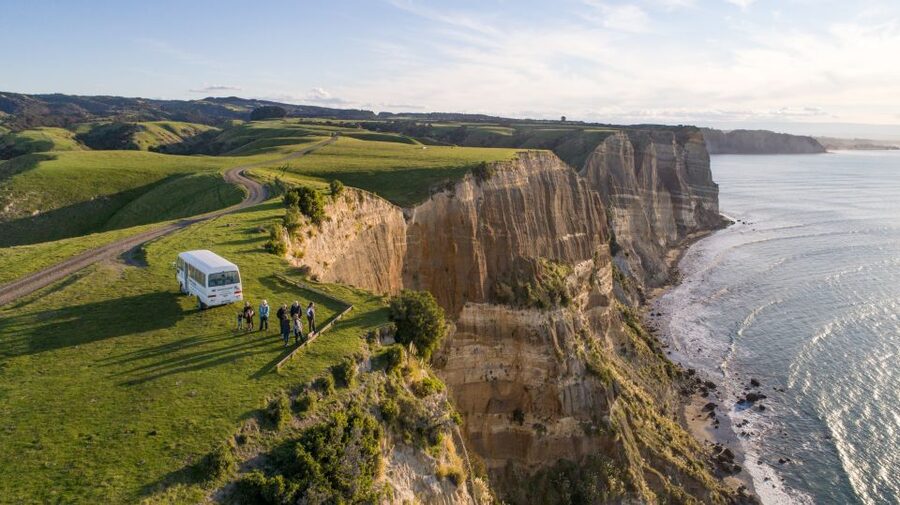
At $59 per person, this is a strong value if your goal is to see the gannets up close. The price includes the three-hour guided outing, transport in an air-conditioned 4×4 coach, gannet viewing, and light refreshments. It also covers access across private land, which is central to the experience.
You are paying for more than a short lookout stop. The fee includes the vehicle, a live guide, access to the colony, and the chance to see several parts of the Cape area. The private-land access is especially important because independent visitors cannot simply drive to the same viewing point.
The value is less clear if you are not interested in birds or if you expect a smooth scenic coach ride. The track can be rough, seating can feel cramped, and the tour does not include hotel transport or a meal. A full morning at the Cape also requires you to reach Te Awanga on your own.
For wildlife fans, photographers, families, and people who prefer not to hike, the price makes sense. The ability to get close without a long walk is a real advantage. You can still wear comfortable shoes and walk a little at stops, but walking is not required.
Who should book this experience?
I would put this near the top of a Hawke’s Bay plan if you care about birds, coastal scenery, or local conservation. It is also a good choice for anyone who wants a wildlife outing without committing to a strenuous hike.
Families can enjoy the variety. The ride, stories, forest, reserve, views, and birds keep the morning moving, and children get to see wildlife at close range. Older people or anyone with limited walking ability may appreciate the coach access, though the rough ride and steep track sections are worth keeping in mind.
Photographers should be happy here. You get close subjects, large numbers of birds, open views, and plenty of activity. A jacket is more important than fancy equipment, since the wind can be the main challenge.
This is not the best fit if you dislike bumpy roads, need hotel pickup, or want a quiet, self-guided visit. The tour is built around a driver-guide’s commentary, and the vehicle journey is an important part of the outing. If you are joining from a cruise ship, this particular booking is not available. A separate cruise excursion can be booked directly through the operator’s website.
Practical details before you go
Plan on three hours, but check the available starting time when booking. The meeting point is Gannet Safaris Overland Ltd, 396 Clifton Road, Te Awanga 4172, New Zealand.
Bring:
- A warm jacket or jumper
- Comfortable shoes
- A camera or phone with enough battery
- Any food you need beyond the included light refreshments
No walking is required if you prefer to remain close to the coach and viewing area. Still, comfortable shoes are wise because the ground and track can be uneven, and some people have found sections steep.
The tour is conducted in English with a live guide. You can cancel up to 24 hours before departure for a full refund, and the reserve-now, pay-later option allows some flexibility when arranging your Hawke’s Bay plans.
Should you book the Cape Kidnappers gannet tour?
Book it if you want the rare combination of close wildlife viewing, private-land access, and a guide who can explain the place beyond the birds. The colony is the star, but the Maori stories, forest, predator-proof reserve, farm history, and dramatic coastal setting give the three hours useful depth.
Choose your timing carefully. September through early April is the viewing season, while December and January give you the best chance of seeing chicks. Wear warm clothing, sit near the front if commentary matters to you, and expect a bumpy ride.
At $59, this is a practical and fairly priced way to reach Cape Kidnappers. It is not polished sightseeing from a smooth highway, and that is part of its appeal. You are taking the rough route to a place where thousands of gannets carry on with their noisy, crowded, fascinating lives.
FAQ
How long is the Cape Kidnappers gannet tour?
The tour lasts three hours.
Where does the tour meet?
Meet at Gannet Safaris Overland Ltd, 396 Clifton Road, Te Awanga 4172, New Zealand. Look for the Gannet Safaris sign beside the road.
How much does the tour cost?
The listed price is $59 per person.
Are hotel transfers included?
No. Hotel pickup and drop-off are not included. Transfers are available only with direct bookings through the operator’s website.
Is walking required?
No. Walking is not required if you do not want to walk. The coach takes you close to the gannet colony.
When can I see the gannets?
The gannets can be seen from September to early April. They return in September, chicks arrive during December and January, and the young birds leave in late April.
Are food and drinks included?
Light refreshments are included. A full meal is not included.
What should I bring?
Bring comfortable shoes and a jacket or jumper. The Cape can be windy and chilly.
Can cruise ship passengers book this tour?
Not through this particular booking. Cruise ship excursions are available directly through the operator’s website.
Just added in New Zealand
- Auckland: Half-Day Sea Kayak Tour to Motukorea Island★ 5.0 · 6 reviews
- Stewart Island: Village and Bays Tour★ 4.8 · 141 reviews
- Waiheke Island Bush & Beach Walk★ 5.0 · 48 reviews
- Akaroa Wildlife Cruise★ 5.0 · 101 reviews
- Waiheke Island Vineyards and Bush Walk★ 5.0 · 48 reviews
- Auckland Food Walking Tour★ 5.0 · 73 reviews
- ‘Express’ Wine Tour & Māori Culture Wānaka★ 5.0 · 85 reviews
- Full Day Guided Walking Tour and Picnic around Godley Head★ 5.0 · 147 reviews
Wildlife, compared.
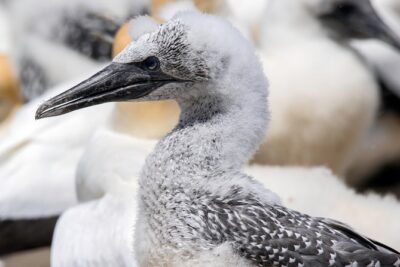
Gannet Safaris Overland tour to Cape Kidnappers Gannet Colony
Read our review →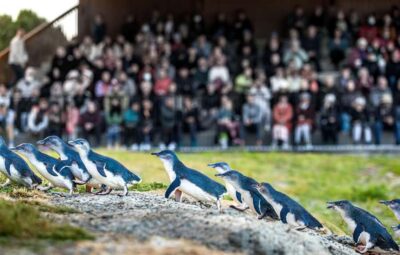

Clearwater Wildlife Tours (small group 10max) Otago Peninsula
Read our review →
Guided Evening Penguin Viewing Otago Peninsula, Dunedin, New Zealand
Read our review →
Browse the lists this tour appears in