
Reviewed · WILDLIFE
Stewart Island: Wild Kiwi Experiences
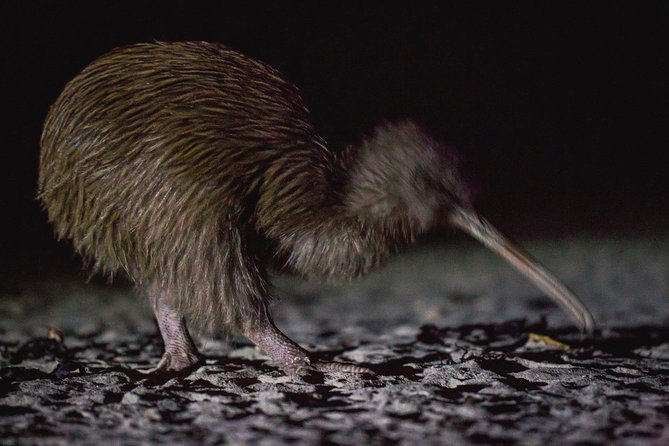
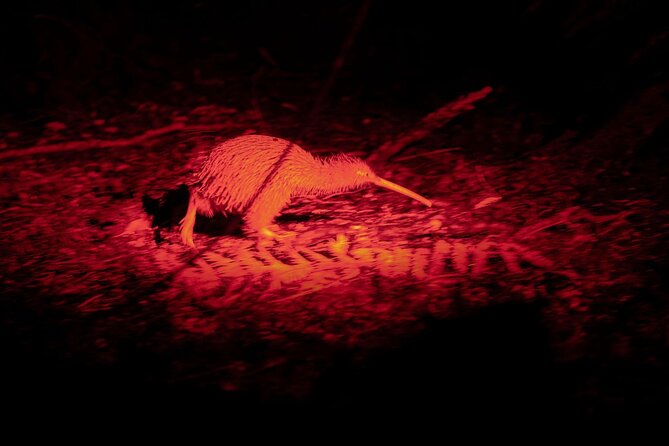
Seeing a wild tokoeka kiwi in its own forest is the heart of this four-hour Stewart Island outing. The bird may appear quietly on the track, feed on the beach, or stay hidden altogether. That uncertainty is part of the experience, not a flaw in the planning.
I like the way the evening gives you two very different wildlife encounters: a pre-sunset boat trip for penguins, seals, sea lions, and seabirds, followed by a silent night walk. I also like the small touches, such as hot cocoa, tea, coffee, biscuits, torches, and guides who work hard to give everyone a fair view.
The main drawback is simple: there is no guaranteed kiwi sighting, and the late return means you need accommodation already arranged in Oban. The walk is not technical, but muddy, uneven ground and about two hours on foot require reasonable fitness.
Key points to know before you book
- The kiwi search begins after a wildlife cruise, so you get marine viewing before the forest walk.
- The walk lasts about two hours and can include uneven or muddy ground, beach, bush, and low-light conditions.
- Small groups are limited to 10 people, though a few people still feel the group could be smaller.
- Wild kiwi are unpredictable, but trained guides greatly improve your chances of finding one.
- The return is late, so book a room on Stewart Island for that night.
- Bring warm, waterproof clothing and quiet footwear, and leave flash photography at home.
Why this Stewart Island kiwi outing feels different
Rakiura, the Māori name for Stewart Island, is a good place to look for kiwi because the island still has broad areas of native bush and relatively little traffic. This tour takes advantage of that setting without turning the bird into a captive display.
You are not driven to a fenced enclosure, handed a checklist, and sent away. Instead, you travel by boat to a remote coastal area, walk slowly through the dark, and listen for movement. The guides explain how kiwi behave and where to look, but the bird remains free to set the terms.
That matters. You may see one feeding close to the group for several minutes. You may spot tracks or hear a kiwi without seeing it. You may walk through the forest and find only the night sounds, damp earth, and shore beyond the trees. Each result feels different because the encounter is genuinely wild.
The tour costs $154 per person. That is a serious price for four hours, but the fee covers a boat, skipper, specialist guides, equipment, access to a remote site, and conservation support. If no kiwi appears, $20 per person is donated to conservation work at Little Glory Cove rather than offering a refund. I consider that a fair approach, provided you understand that you are paying for the search and the full outing, not a guaranteed photograph.
More wildlife in New Zealand:
- Gannet Safaris Overland tour to Cape Kidnappers Gannet Colony
★ 5.0 · 942 reviews - Oamaru: Penguins Evening Viewing Ticket
★ 4.5 · 682 reviews - Rotorua: The National Kiwi Hatchery Kiwi Encounter Tour
★ 4.7 · 671 reviews
Meeting at Oban and setting out before dark
The trip leaves from the Visitor Terminal in central Oban, not Bluff. Arrive 20 minutes early. This detail matters because Stewart Island connections can involve separate boat services, and turning up at the wrong port would ruin the evening before it starts.
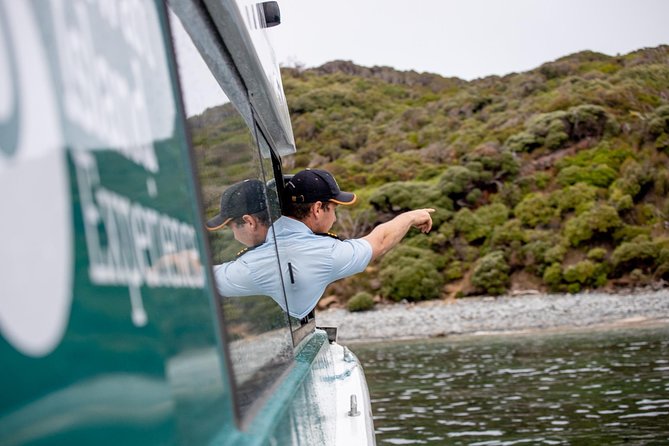
The excursion begins about an hour and a half before nightfall. That timing lets you see the coastal waters in fading daylight before the kiwi search begins. You cruise around nearby islands and sheltered waters while the guides point out birds and marine life.
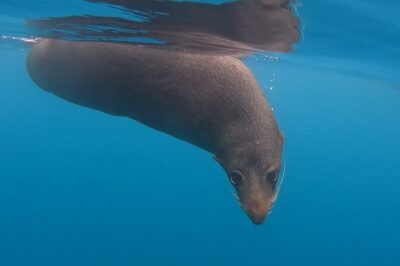
Depending on conditions, you might see little penguins, yellow-eyed penguins, Fiordland crested penguins, albatross, cape petrels, giant petrels, shags, fur seals, and sea lions. Several people have also had close views of birds on the water or shore. The skipper may turn the boat so people on different sides get a proper look, and binoculars may be available during the wildlife viewing.
Do not treat the boat ride as a short transfer. It is a major part of the value. You get a broad introduction to Stewart Island’s coastal wildlife before focusing on one species. The changing light also makes the trip more atmospheric than a daytime cruise, though sunset conditions depend on the weather and season.
The water can be cool and exposed. Bring a windproof layer even if Oban feels mild when you leave. A clear evening may reveal an impressive southern sky later on, while cloud or rain can change the mood without stopping the wildlife interest.
The boat ride adds real value
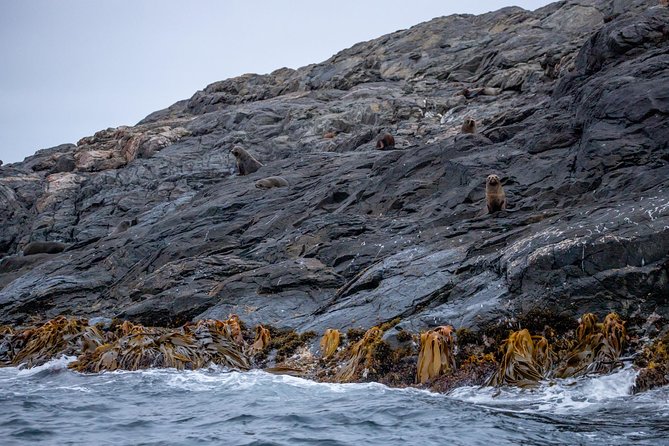
Many kiwi outings would begin and end with a forest walk. Here, you get a pelagic-style wildlife cruise first, which gives the $154 price a stronger case.
The boat reaches places that are difficult to visit independently, and the crew can help you identify animals that would be easy to miss from shore. You might see a penguin swimming, a seal hauled out, or an albatross passing at a distance. The boat also gives you a sense of how the islands fit together and why marine life is such a large part of Rakiura’s appeal.
The boat cannot control wildlife sightings. Rough weather can limit visibility, and some animals may stay out of view. Still, even a quiet cruise prepares you for the main activity by slowing the pace and putting you in observation mode.
The guides also share information about local wildlife, Māori and European connections, and the island’s past. The best part is the link between the natural setting and the people who have cared for it. You are not simply collecting animal sightings. You are learning why these places matter.
Reaching Little Glory Cove or Oneke after sunset
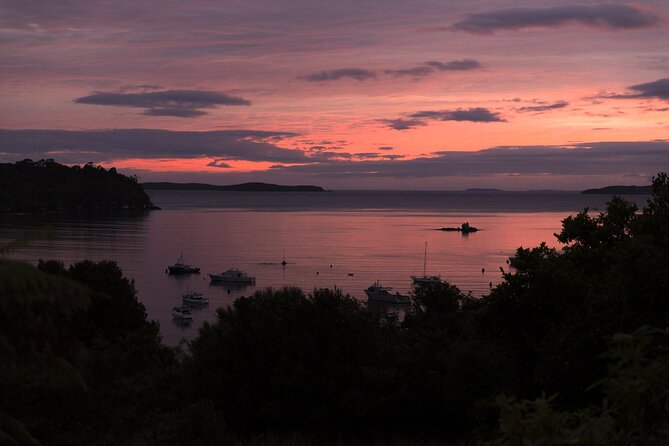
As daylight fades, the group reaches the walking area, described as Little Glory Cove or Oneke, known as The Neck. This is where the mood changes.
You leave the boat and move into a forest and beach setting with torches. The group walks carefully, often stopping to listen and scan the ground. Kiwi are nocturnal and can feed on the forest floor or shoreline, so the guides watch for movement, tracks, sounds, and other signs.
The walk takes about two hours in total. It is not described as steep or highly technical, but the ground can be uneven and muddy. You need to manage at least 1.5 kilometres independently, and you should be comfortable walking outside at night. Wheelchair users and people who struggle on uneven ground should choose another activity.
Wear hiking shoes with good grip. Rain gear is essential, not optional. Warm layers matter because you may stand still for long periods, and insect repellent is worth packing. Avoid noisy outer clothing where possible. One person found that rustling waterproof fabric made it harder to move quietly, especially when reaching for a camera.
Use the supplied torch and follow the guides’ instructions. Flash photography is not allowed. That protects the kiwi and helps the group preserve the dark, quiet conditions needed for a close encounter.
Same base, a different kind of day:
- Hobbiton Movie Set: Guided Tour Ticket
★ 4.9 · 8,167 reviews - Waitomo: Glowworm Caves Guided Tour by Boat
★ 4.5 · 4,908 reviews - Rotorua Canopy Tours: 2.5Hour Native Forest Zipline Adventure
★ 5.0 · 4,563 reviews - Hobbiton™ Movie Set Walking Tour from Shires Rest
★ 5.0 · 3,577 reviews
How the kiwi search actually works
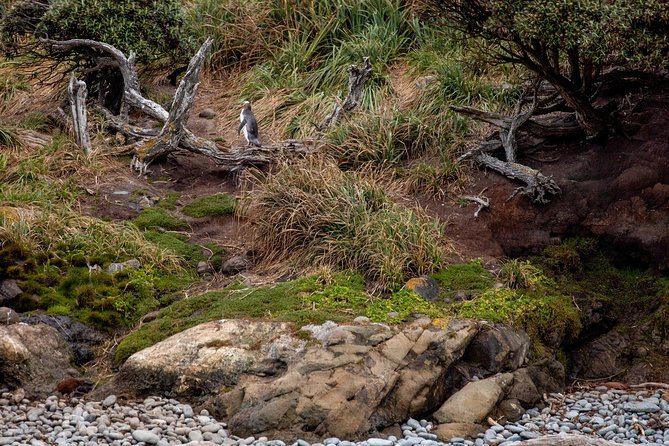
The guides do much of the difficult work. They know where kiwi are likely to feed, how to interpret tracks, and how to position the group without surrounding or alarming the bird.
You may hear a kiwi before you see it. You may notice a shape moving near the edge of the path. On some evenings, a bird has remained nearby for 15 or 30 minutes, feeding while the group watches quietly. On other evenings, people have seen several kiwi. One evening produced five sightings, while another produced none.
That range is important. A high sighting rate does not turn the tour into a guarantee. Kiwi are wild, and weather, food, sound, and chance all play a part.
If a bird appears, everyone is given time to see it. The guides may move people into a quiet viewing position and manage the group so that those at the back are not left out. That is especially useful in darkness, when a few people at the front could otherwise take the whole opportunity.
The best attitude is to value the search itself. A kiwi sighting is the prize, but walking through native forest at night, hearing unfamiliar sounds, and watching the guides work is still worthwhile. Even the person who saw no kiwi described the night walk as memorable because of the smells, sounds, and atmosphere.
Warm drinks, stars, and the trip back
The outing includes cocoa, tea, coffee, and biscuits. This sounds minor, but it is welcome after standing outside in cool or damp conditions. The warm drink is served in a traditional whare during the cultural version of the experience, giving you a sheltered place to pause and hear more about the area.
The coastal setting can be especially good for stargazing. On a clear night, you may see the Southern Cross and a wide spread of stars. A few fortunate evenings have included a glimpse of the Aurora Australis, but that is a bonus and should not shape your booking decision.
After the walk, you return to Oban by boat under the night sky. The late cruise gives the evening a satisfying finish, but it also creates a practical issue: you need accommodation arranged for that night. This is not a tour to take before a late ferry, onward transfer, or flight.
The listed duration is four hours, although the exact start time changes with the season and available departure. Check the current timing carefully before booking.
Guides, group size, and the human side
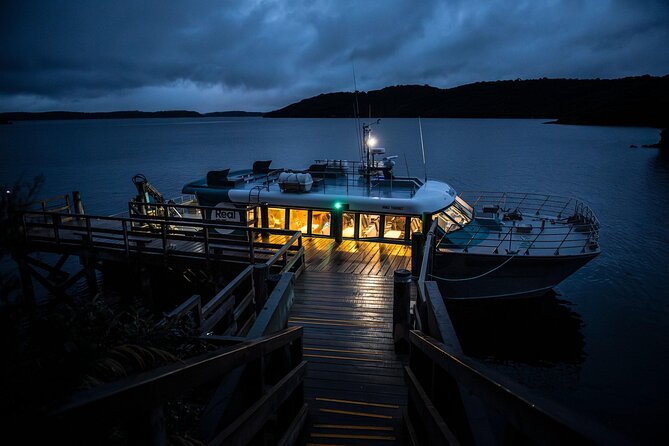
The guides are one of the strongest parts of this experience. Staff named in past outings include Sarah, Karen, Natasha, Jan, Matt, Jaq, India, Grace, and Henry, with skippers including Nick Marshall and Nic Marshall. Staff assignments can change, so do not book expecting one particular guide.
What you should expect is a team that explains wildlife clearly, shares local stories, answers questions, and keeps the group focused when a kiwi appears. Several outings have been praised for guides who made the evening feel like a shared search rather than a rushed commercial stop.
The group is limited to 10 people. That is small enough for a more personal outing and gives guides a reasonable chance to position everyone for a sighting. Still, some people have wished for an even smaller group, especially during close kiwi encounters.
If you dislike organized activities, this one has a good chance of winning you over because the structure serves a real purpose. You cannot easily reach these sites, identify kiwi signs, or manage a night wildlife search on your own. The group format also helps protect the bird.
Who should book, and who should skip it
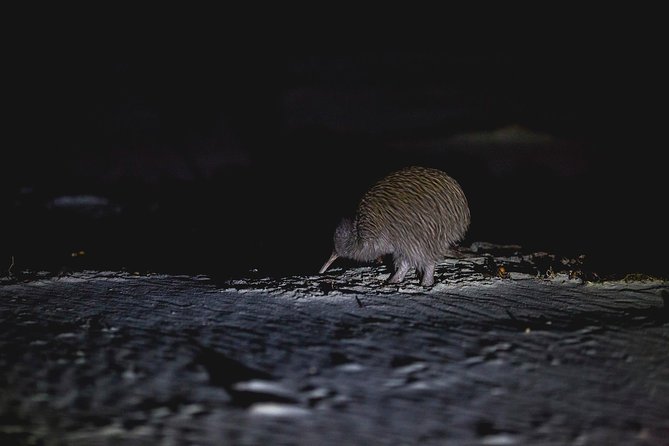
I would recommend this outing to anyone who places a high value on wild animals, patient observation, and local conservation. It is especially good for people who want more than a quick kiwi photograph and who enjoy combining a boat trip with a short wilderness walk.
It suits adults and older teenagers, but children under 15 are not accepted. You should be steady on your feet, comfortable in darkness, and prepared for mud, wind, and rain.
I would not choose it if you need a guaranteed sighting, dislike boats, or want a relaxed evening with very little walking. The tour is also a poor fit if you are leaving Stewart Island that night or have not arranged a room in Oban.
The experience has a 4.8 rating from 177 bookings, with 89 percent awarding transport a perfect score. Those numbers match the practical picture: the operation is well organized, the crew is a major asset, and the wildlife results can vary because nature has the final say.
You can cancel up to 24 hours ahead for a full refund, and reserve now while paying later. That flexibility helps if your South Island plans are weather-sensitive, since departures depend on conditions.
Should you book the Stewart Island Wild Kiwi Experience?
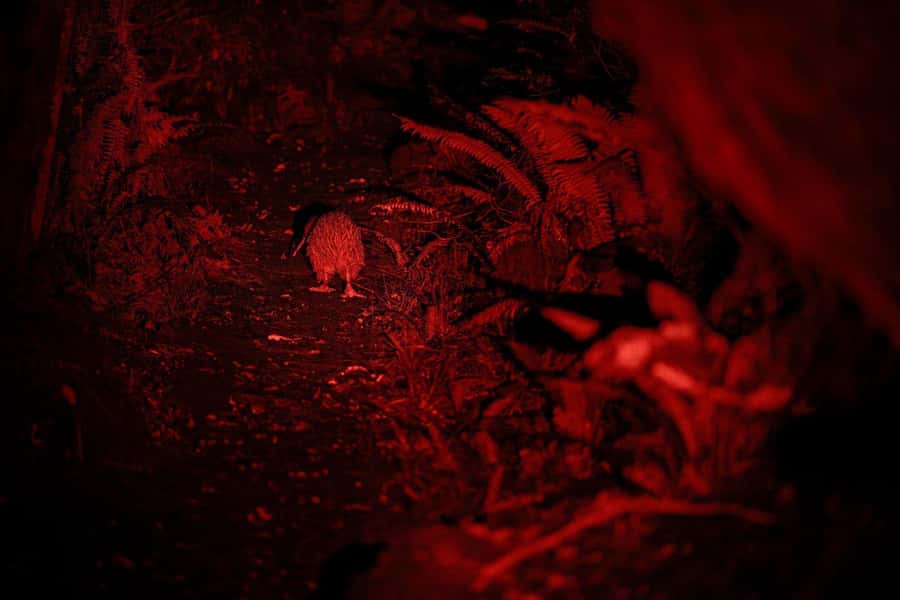
Book it if you want a serious chance to see a wild kiwi and you will be happy with the whole evening even if the bird stays hidden. The boat ride, remote shore, night forest, cultural stories, hot drinks, and southern stars make this more than a single-animal hunt.
At $154, it is not cheap. But the combination of marine wildlife, specialist guiding, small-group access, and conservation support makes the price reasonable for a memorable Stewart Island night. Pack for cold rain, wear quiet walking shoes, keep your expectations realistic, and let the guides handle the search.
FAQ
Where does the Stewart Island kiwi experience depart from?
It departs from the Visitor Terminal in central Oban on Stewart Island. It does not depart from Bluff. Arrive 20 minutes before the activity begins.
How long does the experience last?
The experience lasts about four hours. Start times vary, so check availability for the date you want.
How much walking is involved?
Total walking time is about two hours. You should be able to walk independently for more than 1.5 kilometres on uneven ground.
Is seeing a kiwi guaranteed?
No. Kiwi are wild and unpredictable, so there is no guaranteed sighting. If no kiwi appears, $20 per person is donated to conservation work at Little Glory Cove, and refunds are not offered for a missed sighting.
What wildlife might I see from the boat?
Possible sightings include penguins, albatross, cape petrels, giant petrels, shags, seals, fur seals, and sea lions. Wildlife sightings depend on conditions and animal activity.
What should I bring?
Bring warm clothing, hiking shoes, rain gear, and insect repellent. A windproof and waterproof jacket is strongly recommended.
Can children or wheelchair users join?
Children under 15 are not permitted. The experience is not suitable for wheelchair users or anyone who cannot walk independently on uneven ground.
Do I need accommodation on Stewart Island?
Yes. The tour returns to Oban late, so arrange accommodation for that evening before you book.
Just added in New Zealand
- Auckland: Half-Day Sea Kayak Tour to Motukorea Island★ 5.0 · 6 reviews
- Auckland Food Walking Tour★ 5.0 · 73 reviews
- ‘Express’ Wine Tour & Māori Culture Wānaka★ 5.0 · 85 reviews
- Full Day Guided Walking Tour and Picnic around Godley Head★ 5.0 · 147 reviews
- Lake Wanaka 1-Hour Cruise Including Wine and Cheese★ 4.5 · 95 reviews
- Ōtautahi: Christchurch Small-Group Inner City Food Walking Tour★ 5.0 · 85 reviews
- Lake Cruise & Mou Waho Island Nature Walk★ 5.0 · 148 reviews
- Akaroa: Pohatu Little Penguins 3-Hour Evening Experience★ 4.8 · 119 reviews
Wildlife, compared.
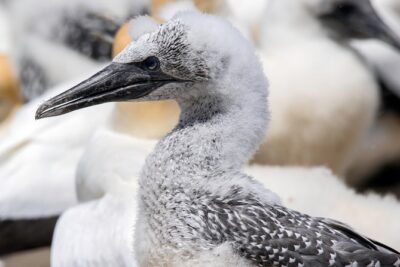
Gannet Safaris Overland tour to Cape Kidnappers Gannet Colony
Read our review →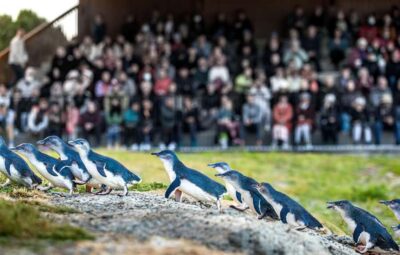
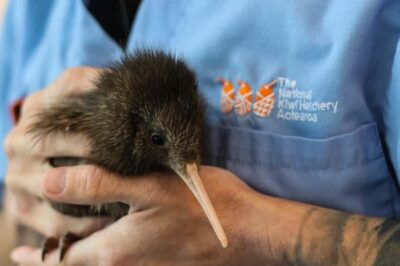
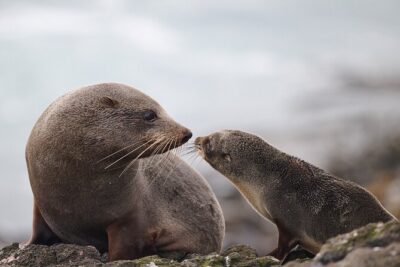
Clearwater Wildlife Tours (small group 10max) Otago Peninsula
Read our review →
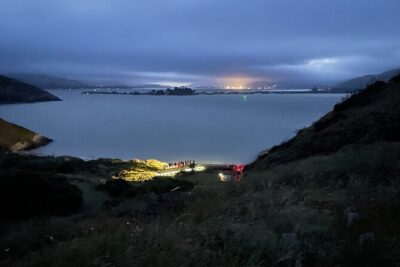
Guided Evening Penguin Viewing Otago Peninsula, Dunedin, New Zealand
Read our review →
Browse the lists this tour appears in