
Reviewed · WILDLIFE
Auckland (Tawharanui): Wild Kiwi Bird Spotting Encounter
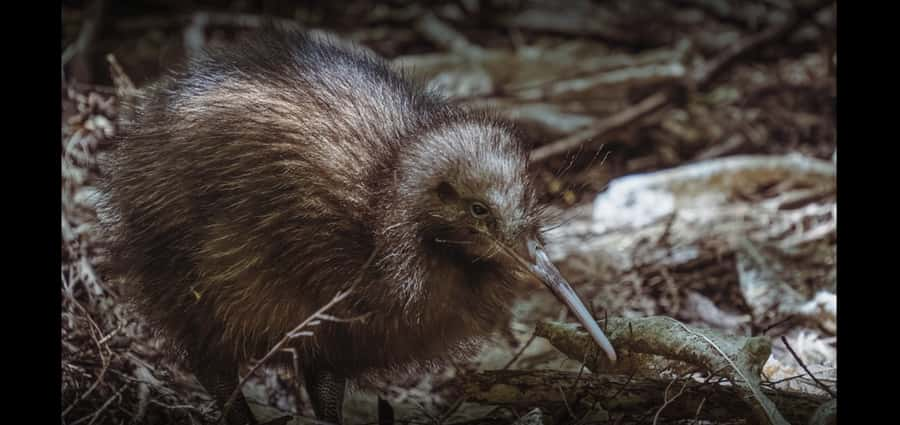
Seeing a kiwi in the wild is the main event here. At Tāwharanui Regional Park, you walk slowly through native bush after dark, listening for calls and watching for quick movement near the track. Guides such as Legend, Chris, Millie, and Lucas know how to search without turning the outing into a noisy chase.
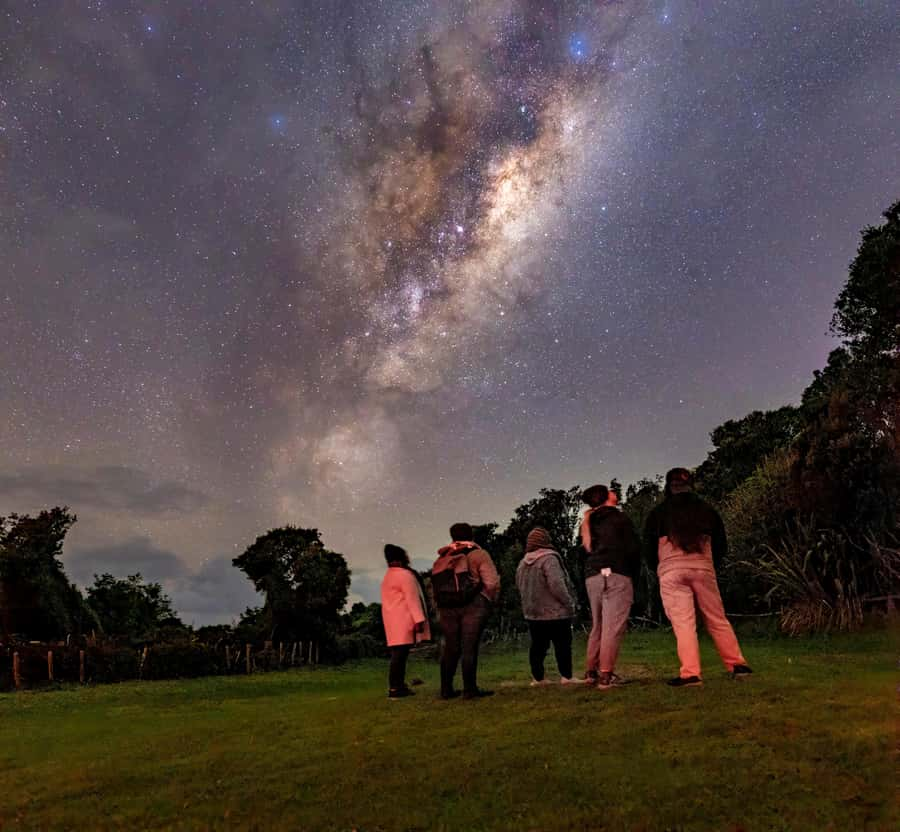
I like two things right away: the kiwi live in their natural habitat, and the night sky gives the tour a second act. I also like the calm pace. This is not a rushed wildlife checklist. It asks you to be patient, quiet, and ready for a bird that may appear for only a few seconds.
The catch is simple: wild kiwi are never guaranteed. Some groups see two or three, while others report six, ten, or even more. Cloud can also wipe out the stargazing, and the walk can feel slow if you are hoping for constant action.
Key points at a glance
- Wild North Island brown kiwi: Search for one of New Zealand’s most famous birds in protected bush, not in an enclosure.
- Auckland’s dark-sky escape: Tāwharanui’s distance from city lights gives you a good setting for stars, planets, and constellations.
- Patient guiding matters: Guides use torches, headlamps, tracking skills, and careful listening to locate fast-moving kiwi.
- More than birdwatching: You may hear ruru calls, learn about native plants and insects, and hear Māori stories linked to the stars.
- Bioluminescence is possible: In the right conditions, movement near the shore may produce a soft blue glow, but this is not promised.
- Optional comfort upgrades: Transport from Auckland and a glamping stay can be added, although campsite fees and food are separate.
Why a wild kiwi encounter is special
A kiwi is easy to recognize in photographs, but much harder to find outdoors. It is nocturnal, flightless, quick on its feet, and well suited to disappearing into dark bush. That makes this outing feel more like a quiet search than a standard animal viewing stop.
Tāwharanui Regional Park is an important conservation area north of Auckland. Its protected setting supports native wildlife, restored indigenous forest, and a coastal environment with little artificial light. The park’s conservation work matters because seeing kiwi in the wild depends on safe habitat and careful control of threats.
Your guide begins with a short briefing near the public toilets at the end of Takatu Road. You get the plan for the evening, safety advice, and an introduction to the park. Guides also explain what signs to watch for, how kiwi behave, and why the birds need continued protection.
This introduction is useful because the experience depends on your group working together. Loud voices, bright lights, or sudden movement can make a sighting harder. You are not simply following a guide with a torch. You are learning how to share the bush with a nocturnal animal.
More wildlife in Auckland:
- Nocturnal Wonders Tawharanui Kiwi Spotting and Stargazing Tour
★ 5.0 · 23 reviews - Private tour from Auckland – Waitomo Glowworm Caves, Zealong Tea & Kiwi Bird
★ 5.0 · 20 reviews - From Auckland: Waitomo Caves and Kiwi House Group Tour
★ 4.8 · 20 reviews
Walking the Tāwharanui bush after dark
The main walk lasts about two hours. You move through native bush and open areas at a deliberate pace, stopping often to listen and scan. Your guide may point out calls, movement, or other clues that are easy to miss when you are on your own.
The walk is part of the reward. You might hear ruru, New Zealand’s morepork owl, calling from the trees. You may also learn about insects, plants used as medicine, and the wider ecology of the reserve. The exact mix changes with weather, wildlife activity, and the instincts of your guide.
This is not the best choice if you want a brisk hike. A group may wait quietly in one place, then move only a short distance before stopping again. That slower rhythm can test children and anyone who dislikes uncertainty, but it is the right approach for a wild animal.
Wear comfortable shoes with a good grip, warm clothing, and bring water. Winter evenings can feel cold, and even summer nights may be cooler than expected near the coast. A warm layer is more useful than dressing only for the daytime forecast.
What you can realistically expect to see
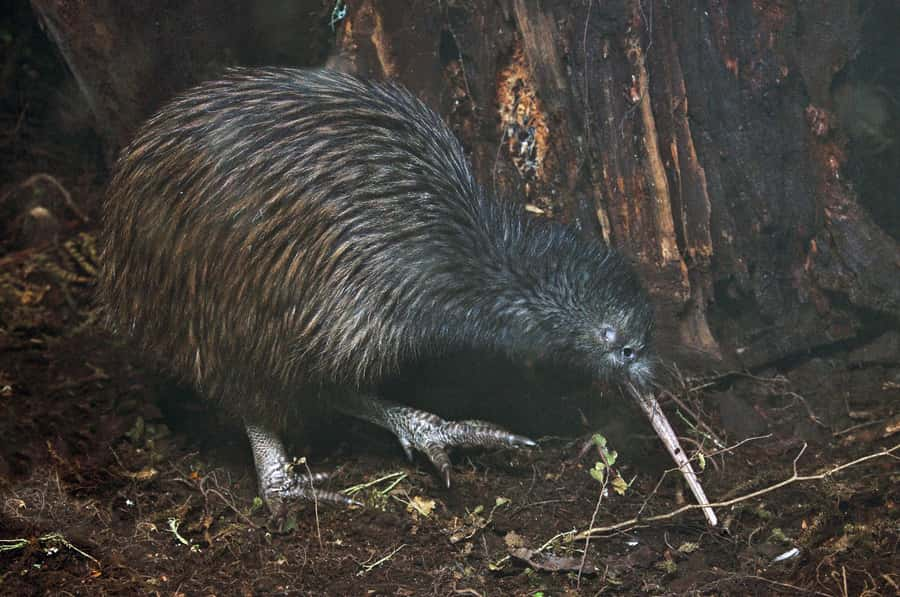
The results vary widely, which is normal for a wild encounter. Some outings produce only a brief glimpse. Others have seen several kiwi in one evening, including groups that spotted six, seven, eight, fourteen, or more than fifteen birds.
You may see one crossing the track, moving through low vegetation, or pausing long enough for the group to watch. A few visitors have had unusually clear sightings, including a bird that stopped and allowed several photographs. Those moments are lucky, not standard.
Your guide’s skill makes a real difference. Legend is repeatedly praised for spotting birds and for explaining their habits, while Chris, Millie, Lucas, Sean, Ryan, and Sharn have also led highly regarded outings. The guides do not simply point and move on. They explain what you are seeing and why the bird is behaving that way.
Still, avoid booking this as a guaranteed kiwi count. You could see several birds, or you could spend much of the night listening and searching. I consider that uncertainty part of the honest value of the outing. A captive display is more predictable, but it does not offer the same sense of discovery.
Stars, planets, and Māori sky stories
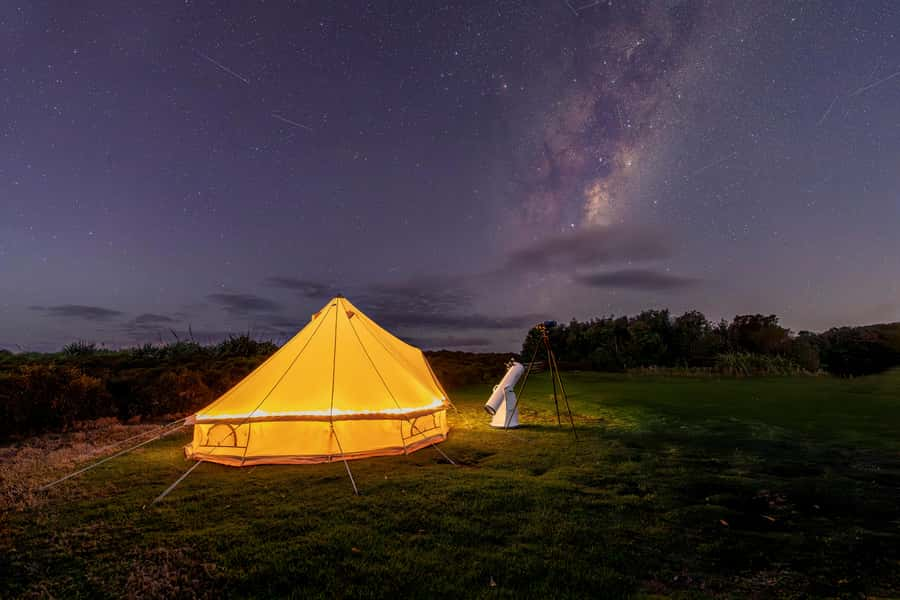
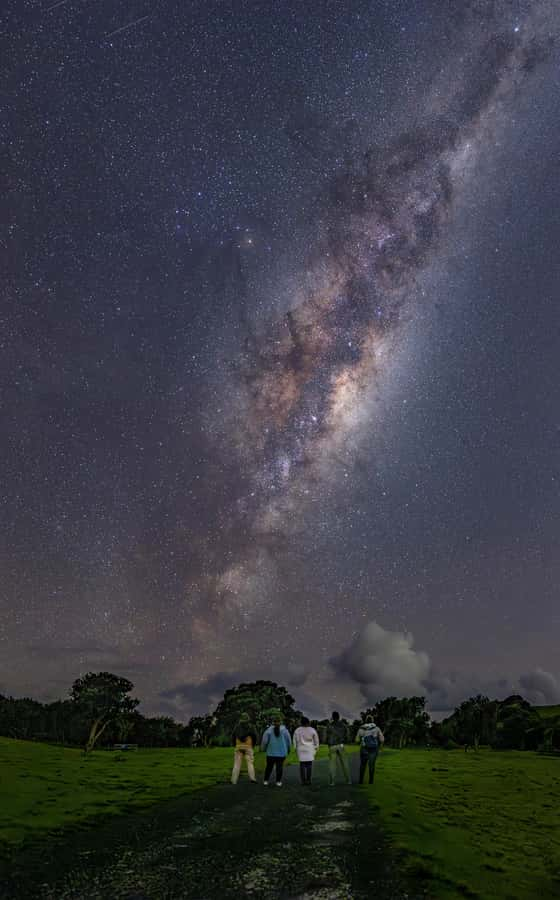
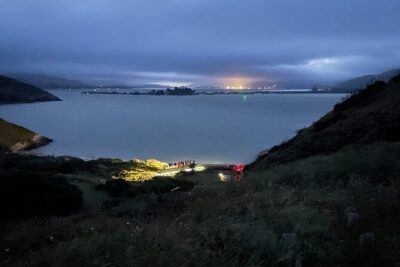
Once full darkness arrives, the sky becomes the second attraction. Tāwharanui is far enough from Auckland’s lights to offer a strong setting for stargazing. On a clear night, you may see dense star fields, planets, seasonal constellations, and the Southern Hemisphere sky in a way that is difficult in the city.
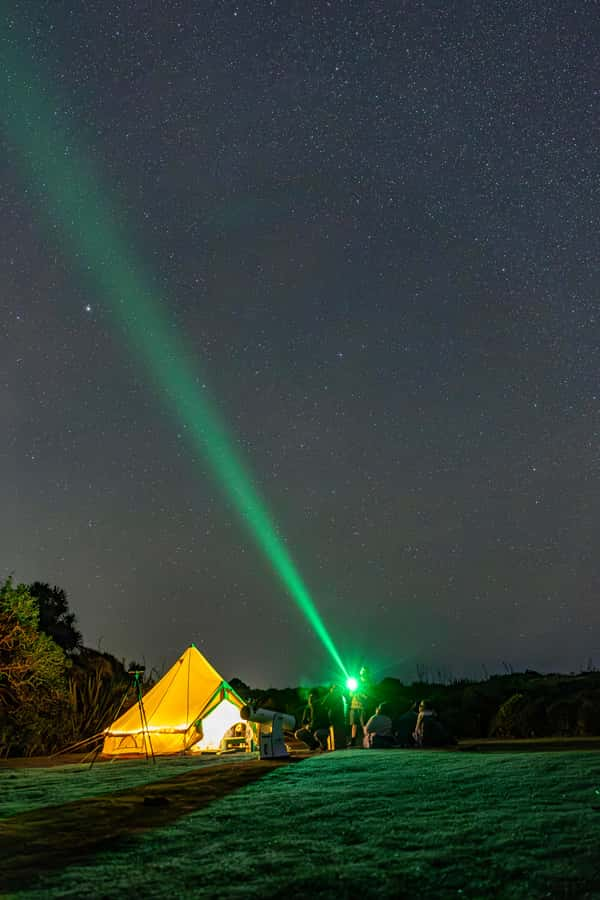
The equipment includes stargazing and kiwi-spotting gear. Previous outings have used torches, headlamps, binoculars, and a telescope. The telescope has shown the Moon’s craters, while planets such as Venus, Jupiter, and Saturn have been visible on especially good nights.
The guide also connects the sky with Māori stories and astrology. That gives the stargazing a local sense of place instead of turning it into a basic list of star names. You learn not only what is overhead, but also how the night sky has been read and understood in Aotearoa.
Cloud is the main spoiler. One outing had no stargazing because the sky was fully covered, so the group focused on kiwi instead. That is a useful point when judging the price: the tour has two main subjects, but the weather may reduce one of them.
Same base, a different kind of day:
- Waiheke Island: Ferry & Hop-On Hop-Off Explorer Bus Tickets
★ 4.6 · 3,311 reviews - Hobbiton & Waitomo Caves Guided Day Trip from Auckland incl lunch
★ 5.0 · 2,677 reviews - From Auckland: Hobbiton & Waitomo Caves Day Trip with Lunch
★ 4.9 · 2,505 reviews - Auckland Dolphin and Whale Watching Eco-Safari Cruise
★ 4.5 · 1,790 reviews
A possible blue glow along the shore
Under the right conditions, you might encounter bioluminescence near the shoreline or in shallow water. Movement in the sand or water can trigger a faint electric-blue glow from microscopic organisms.
This is a bonus, not a scheduled part of the evening. The glow depends on natural conditions and cannot be guaranteed. If it appears, your guide can explain the science behind it and how glowing marine organisms create the effect.
Do not book this tour mainly for bioluminescence. Think of it as a rare extra that adds another layer to the night. The core experience remains the kiwi search, the bush walk, and the stars.
The meeting point and optional transport
The meeting point is near the public bathrooms at the end of Takatu Road inside Tāwharanui Regional Park. You need to reach the park yourself unless you add transport at checkout.
The drive from Auckland is scenic but important to plan for. If you do not have a car, transport can be added, and one outing returned to Auckland around 2 a.m. after a comfortable ride. That option is especially useful because the tour takes place late and the park is outside the city.
The public toilet is a practical meeting point, not a visitor center with extensive facilities. Arrive prepared with water, warm clothes, and suitable footwear. Food and drinks are not included, so eat beforehand or bring what you need.
The optional glamping stay
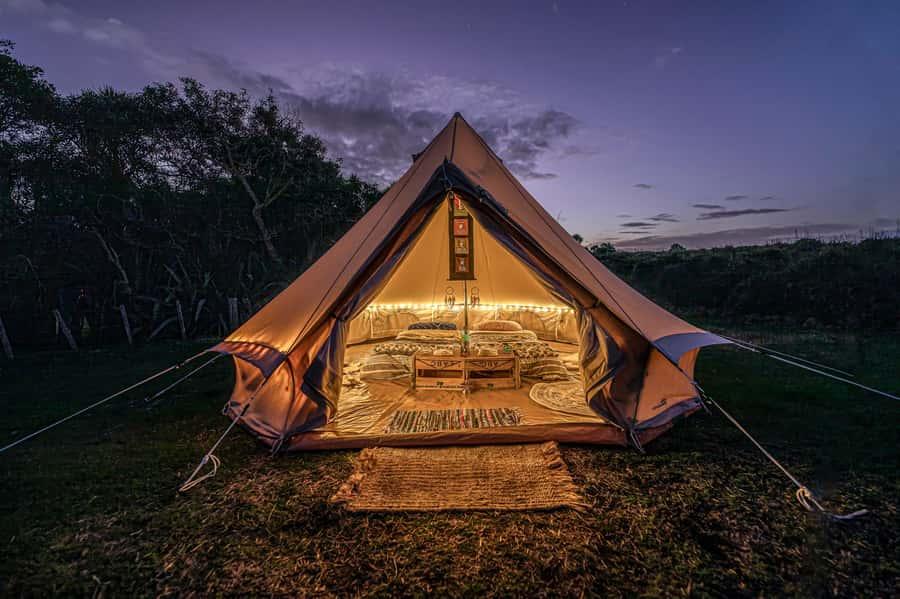
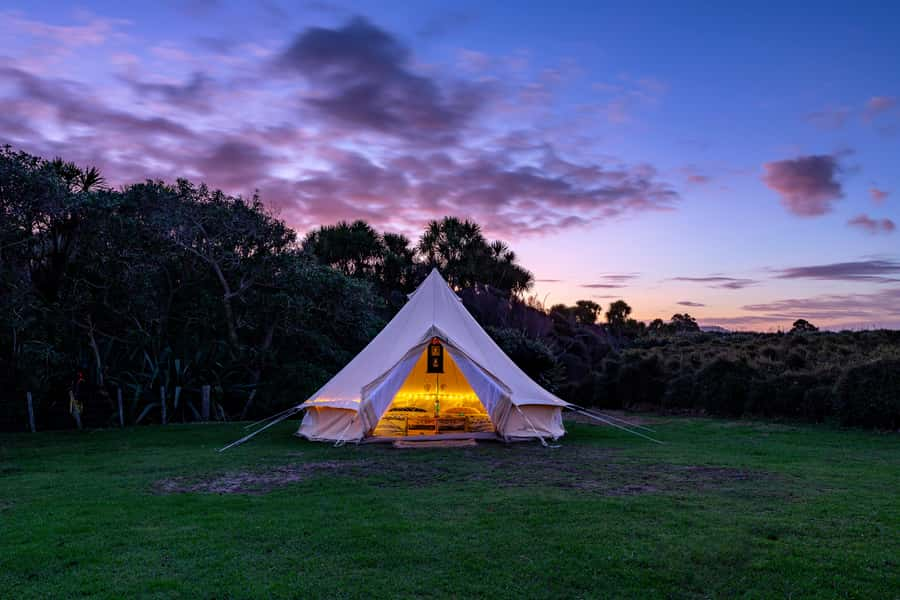
The activity can include an overnight glamping stay if you select that option. The tent may be set up before the tour, with blankets, foam mattresses, small snacks, and basic necessities provided.
This changes the evening from a late return to Auckland into a night at the park. It may suit you if you want to avoid a long drive after the walk or if you want more time in the reserve. The overnight option does not mean every booking includes accommodation, so check the exact choice before paying.
Campsite booking and fees are not included. Extra food and drinks are also separate. That makes the glamping option worth checking carefully, since the advertised price of $89 per person applies to the core experience rather than automatically covering every add-on.
Is $89 good value?
At $89 per person, the price is fair if you value skilled wildlife guiding and a small-group night experience. You are paying for access to a protected area after dark, a guide who can find signs you would likely miss, wildlife and conservation interpretation, and stargazing equipment.
The value improves if you see several kiwi and have clear skies. It also improves if you would otherwise need to arrange your own transport or struggle to search safely at night. A guide who can switch between kiwi tracking, Māori sky stories, local ecology, and astronomy gives the evening more substance than a simple two-hour walk.
The value is less certain if you need a guaranteed sighting or a fixed schedule. You may spend a long time waiting, and clouds can remove the astronomy portion. I would compare this with a daytime park visit only if your main goal is scenery. For a wild kiwi encounter, the night setting is the reason to pay.
Free cancellation up to 24 hours before the start and reserve-now, pay-later booking make it easier to fit into a changeable New Zealand itinerary. Check the available start time before booking, since the activity timing changes with the season and darkness.
Who will enjoy this most
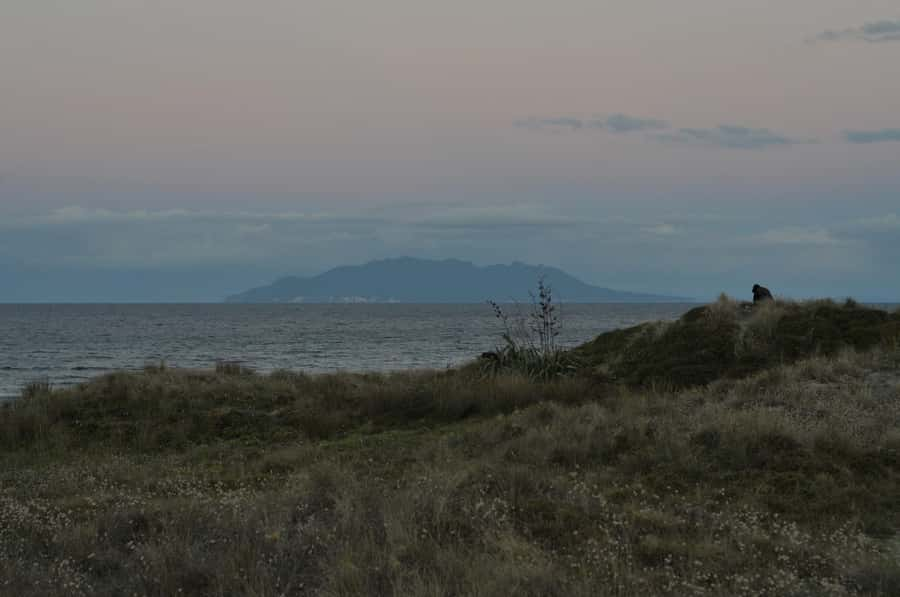
I would recommend it to wildlife lovers, birdwatchers, couples, families with older children, and anyone who wants an experience beyond Auckland’s city center. A nine-year-old has enjoyed the excitement of seeing kiwi in the bush, and an 11-year-old joined a family group that saw more than fifteen.
The outing also suits first-time visitors who want several New Zealand themes in one night: native wildlife, conservation, Māori stories, coastal nature, and southern stars. It is a particularly good choice if seeing a wild kiwi has been a personal goal.
You should think twice if you dislike walking slowly, standing quietly, or accepting an uncertain result. The tour is not a performance with a guaranteed finale. It rewards patience.
Should you book the Tawharanui kiwi tour?
Yes, if you want the best chance of seeing a wild North Island brown kiwi near Auckland and you understand that nature sets the schedule. The guides, especially names such as Legend, Chris, Millie, and Lucas, add real value through careful searching and clear explanations.
Choose a clear-weather night if you can, but do not cancel the experience simply because the stars may be hidden. The kiwi search remains the main reason to go. Add transport if you do not have a car, bring warm layers, and consider glamping if a late return to Auckland sounds tiring.
I would skip it only if you need a guaranteed animal sighting or prefer a fast, tightly timed tour. For everyone else, this is a thoughtful way to meet New Zealand’s nocturnal world without turning it into a staged show.
FAQ
Where does the kiwi spotting tour meet?
Meet near the public bathrooms at the end of Takatu Road in Tāwharanui Regional Park.
How long does the experience last?
The core guided kiwi-spotting and stargazing experience lasts about two hours. A longer park itinerary and optional overnight stay may be available depending on the booking choice.
How much does the tour cost?
The listed price is $89 per person. Transport, food and drinks, campsite booking and fees, and optional glamping are not automatically included.
Is transport from Auckland included?
Transport is not included in the base activity, but it can be added at checkout. One available transport option has returned to Auckland around 2 a.m.
Are kiwi sightings guaranteed?
No. Kiwi are wild animals, so sightings depend on weather, conditions, and wildlife activity. Some outings see only a few birds, while others see many more.
What should I bring?
Bring comfortable shoes, warm clothing, and water. Warm layers are especially important during colder evenings.
Is stargazing included?
Yes, stargazing equipment is included in the guided experience. Clear skies are not guaranteed, so clouds may limit views of stars and planets.
Can I stay overnight?
A glamping stay is available if you select that option. Campsite booking and fees are not included, and extra food and drinks are separate.
Just added in Auckland
- Ex Hamilton: TRIPLE DEAL Wai O Tapu, Redwood Forest & Blue Spring★ 4.5 · 3 reviews
- Zombie Bite Escape Room Experiences★ 5.0 · 54 reviews
- Auckland Airport Private One-Way or Round-Trip Transfer★ 4.5 · 14 reviews
- Auckland’s Wild West Coast & Black Sand Beaches Tour inc Lunch★ 5.0 · 12 reviews
- Wētā Workshop Unleashed – Intro to Scars and Scrapes Workshop★ 5.0 · 5 reviews
- West Coast Discovery Tour★ 5.0 · 37 reviews
- Vineyards Honey and Black Sand Beaches from Auckland★ 5.0 · 93 reviews
- Kumeu Wine Region Shuttle from Auckland★ 4.5 · 19 reviews
Wildlife, compared.
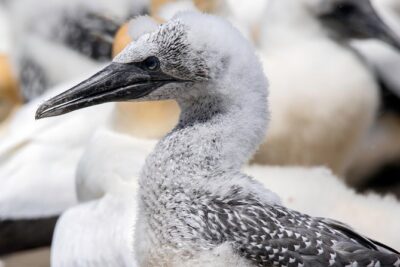
Gannet Safaris Overland tour to Cape Kidnappers Gannet Colony
Read our review →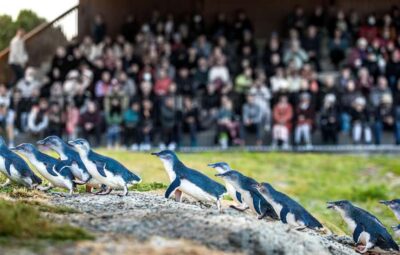
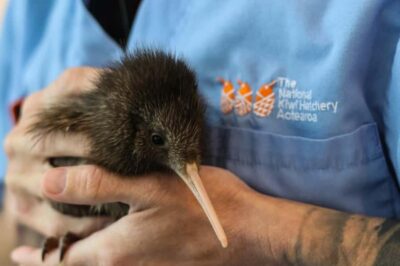

Clearwater Wildlife Tours (small group 10max) Otago Peninsula
Read our review →
Guided Evening Penguin Viewing Otago Peninsula, Dunedin, New Zealand
Read our review →
Browse the lists this tour appears in