
Reviewed · MOUNT COOK & LAKE TEKAPO TOURS
Lake Tekapo: Indoor Māori Cultural Astronomy Experience
Lake Tekapo’s Māori Cultural Astronomy Experience turns stargazing into a daytime cultural lesson. Inside four theatrical zones, you’ll learn how Māori read stars, ocean currents, and seasonal patterns, then see the restored 125-year-old Brashear telescope up close. It is a smart choice when clouds or an early bedtime get in the way of outdoor stargazing.
I like the way the tour connects Māori knowledge with modern science, rather than treating astronomy as only a technical subject. I also like the practical indoor format: the 45-minute visit works well for families, mixed-age groups, and anyone needing a weatherproof activity. The main concern is sound clarity, especially with young children nearby or if your guide has a strong accent. One New Zealand visitor found the guide difficult to hear in a noisy group.
Key points to know
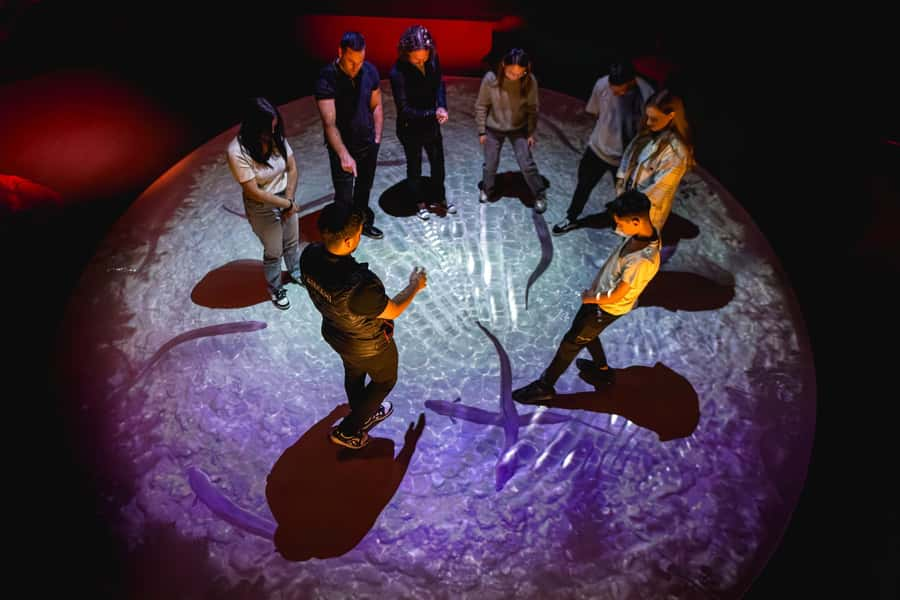
- Four interactive zones: Learn about Māori navigation, star clusters, creation stories, and the Milky Way in a guided indoor setting.
- A real historic telescope: The restored Brashear telescope is a 125-year-old Victorian instrument, not just a display image.
- Daytime astronomy: You do not need to wait for darkness or depend on clear skies.
- Cultural context first: The tour shows how Māori relationships with the sky shaped travel, stories, and an understanding of the natural world.
- Short and easy to fit in: The 45-minute format leaves room for other Lake Tekapo activities.
- Good access for families: The purpose-built indoor zone is family-friendly and wheelchair accessible.
Why Māori astronomy changes the way you see Tekapo’s sky
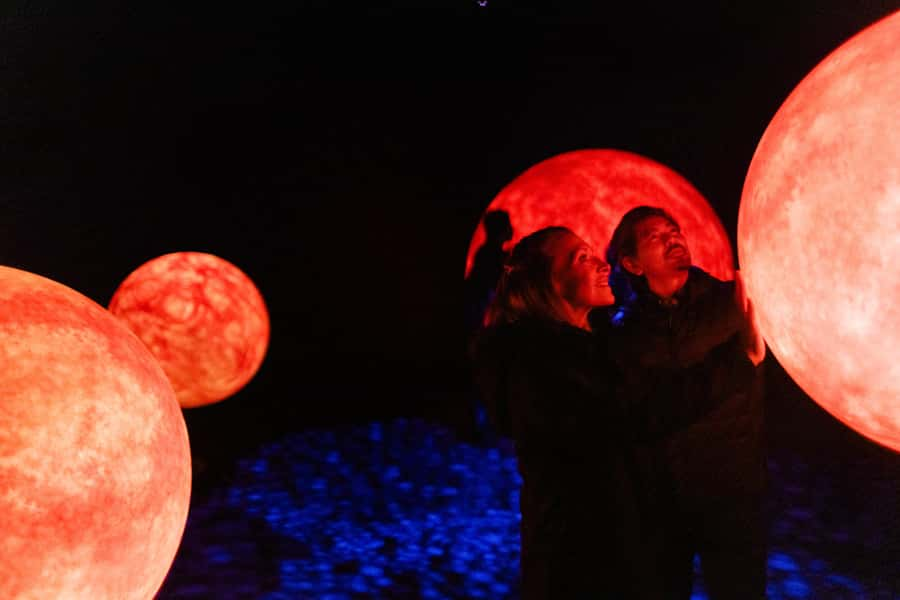
Lake Tekapo is famous for its clear night skies, but this experience asks you to look at the stars through more than a telescope. Māori astronomy connects the sky with navigation, seasons, ocean movement, ancestry, and the origins of living things.
That matters because you begin to see stars as part of a working system rather than as distant points of light. The sky helped Māori voyagers travel across the Pacific, recognize patterns, and place stories within a wider understanding of the world.
The experience also gives you useful context for the Aoraki Mackenzie International Dark Sky Reserve. You are not simply being shown a dark sky. You are being shown why the sky has mattered to people for generations, and how cultural knowledge and scientific discovery can sit side by side.
I find that approach more memorable than a basic list of constellations. You may forget a star’s technical classification, but you are more likely to remember how it helped people find direction or marked an important point in the year.
Other Mount Cook and Tekapo days from Lake Tekapo:
- Lake Tekapo: Alpine Stargazing Experience with a Guide
★ 4.5 · 626 reviews - Lake Tekapo: Stargazing Experience
★ 4.9 · 607 reviews - Tekapo Shuttle: Mt Cook Day Tour via Pukaki & Tasman Lake
★ 4.8 · 307 reviews
The four zones, and what each one adds
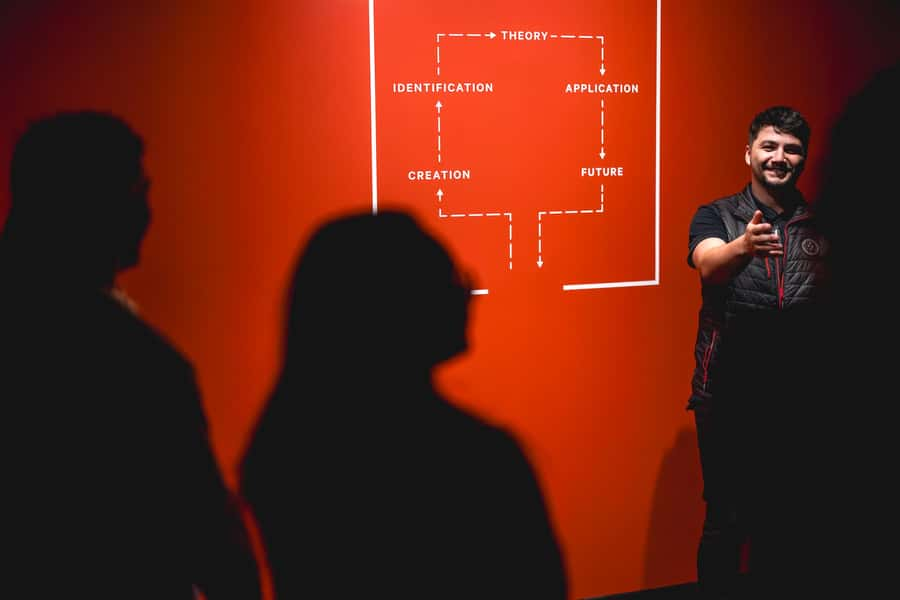
The exact presentation can vary with the guide, but the experience is built around four interactive areas. Each zone handles a different part of the Māori astronomy story, with theatrical lighting and sound helping create a sense of movement from the earth to the wider sky.
The first section introduces the Māori relationship with the stars and the natural world. This is where the experience establishes its main idea: astronomy was not separate from daily life. It was tied to travel, food gathering, timekeeping, storytelling, and the origins of living beings.
You can expect a science-based account of how life came to be, combined with Māori ideas about the connections between people, nature, and the sky. That combination should suit you if you like your cultural experiences to offer ideas to think about, not just facts to memorize.
The navigation section explains how Māori used constellations and ocean currents. This is one of the strongest practical parts of the tour because it shows astronomy in action. The stars were not only objects of wonder. They helped guide long ocean voyages, while currents offered another set of clues for finding a route.
The presentation also shows why navigation required several kinds of knowledge at once. A navigator needed to read the sky, understand the sea, and recognize patterns over time. That makes the subject accessible even if you have little interest in technical astronomy.
Another zone focuses on star clusters and their meaning. You will learn why groups of stars can be more useful than isolated points, both for finding your way and for placing cultural stories in the sky.
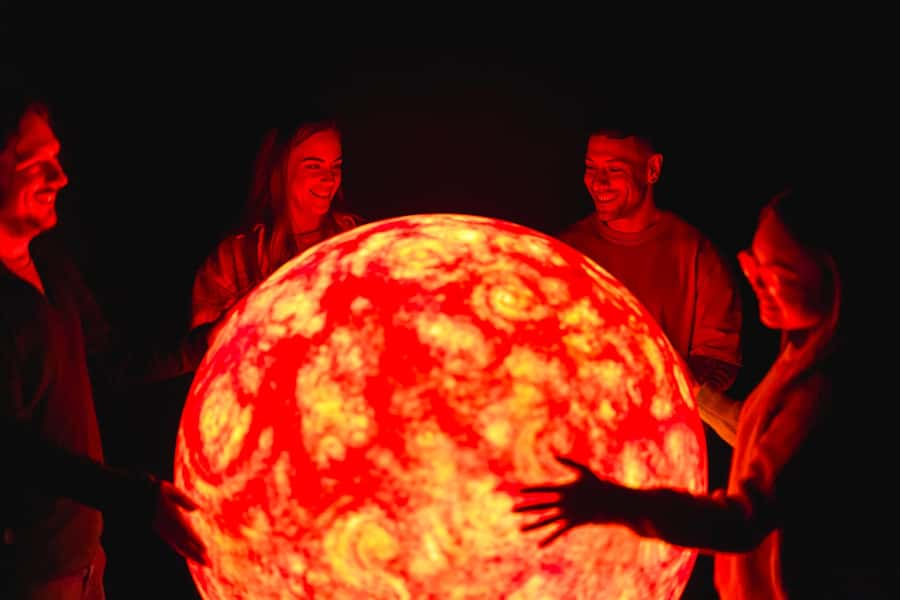
The final section takes you toward the Milky Way and the larger universe. The theatrical lighting and sound are designed to create a sense of scale, moving the experience beyond local geography and into the wider structure of the night sky.
This is not a long planetarium show. The 45-minute format keeps the material moving, but it also means the tour cannot explain every Māori constellation or astronomical tradition in detail. You should see it as a thoughtful introduction rather than a full course in Māori astronomy.
The Brashear telescope is the physical star of the visit
The restored Brashear telescope gives the experience a solid historical object at its center. At 125 years old, this Victorian-era instrument links the scientific side of astronomy with the cultural stories presented in the zones.
You get an up-close view of the telescope, which helps make the history of observation feel tangible. Instead of hearing only about astronomy as an abstract field, you can see the kind of instrument people used to study the sky more than a century ago.
The telescope is also a useful reminder that astronomy has always depended on both human imagination and practical tools. Māori navigators read the sky without Victorian optical equipment, while later astronomers used carefully built instruments to extend what the human eye could see.
Do not expect this short visit to operate as a hands-on telescope viewing session. The important point is seeing the restored instrument and understanding its place in the experience. If your main goal is to observe stars through a telescope at night, you will need to consider a separate activity.
What the theatrical presentation feels like
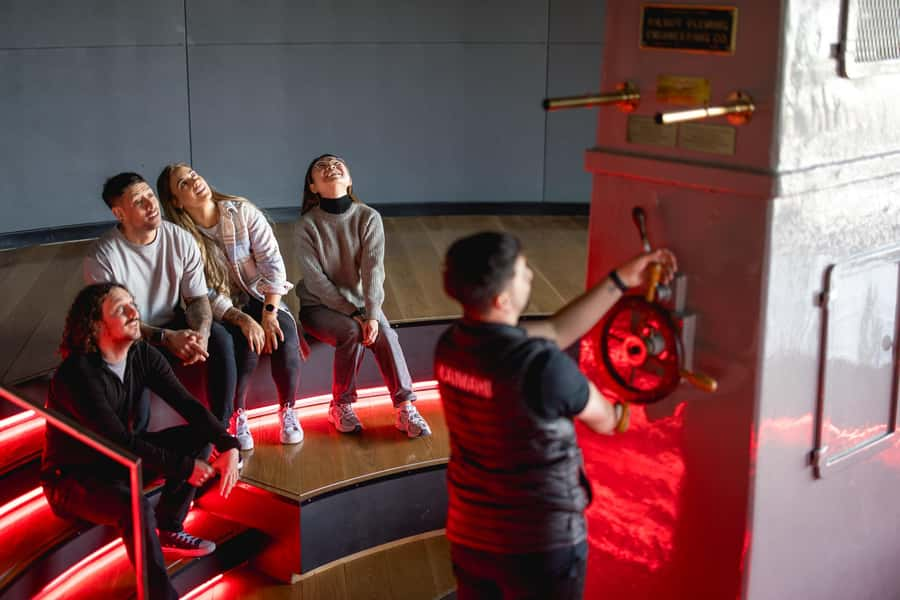
The tour uses lighting and sound to create a guided indoor experience rather than a standard museum talk. This helps the information land with children and with adults who prefer a visual presentation to a lecture.
A live guide leads the full 45 minutes. English and Chinese tours are available, so check the language when you choose a starting time. The guides are intended to entertain as well as explain, and the storytelling format is a major part of the visit.
Sound is the main practical point to watch. One person found the guide hard to understand because children under five were noisy, while another praised the guide’s warmth and information but still found the speech difficult to follow. That does not make the tour unsuitable for families, but it does mean you should keep young children close and consider where you stand or sit in the group.
Because the information includes Māori terms, astronomy vocabulary, and cultural stories, clear delivery matters. If you have hearing difficulties or rely heavily on spoken explanation, ask the venue about the best position before the tour begins. The experience is wheelchair accessible, but the supplied information does not specify details such as seating, hearing assistance, or captioning.
Other Maori cultural experiences around Lake Tekapo:
- Dark Sky Indoor Maori Cultural Astronomy Experience
★ 4.5 · 70 reviews - Mitai Maori Village: Cultural Experience and Dinner Buffet
★ 4.7 · 3,575 reviews - Cultural Experience & Seasonal Māori Cuisine at Te Pā Tū
★ 5.0 · 1,546 reviews - Mitai Maori Village Cultural Experience in Rotorua
★ 4.5 · 1,294 reviews
Why the indoor format earns its place in Lake Tekapo
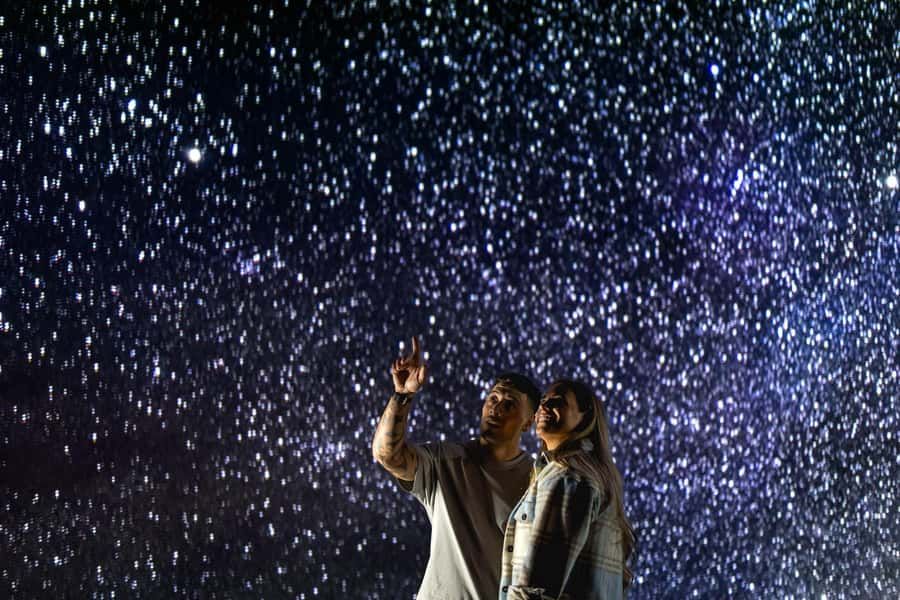
Outdoor stargazing depends on darkness and weather. This experience does not. You can attend during the day, in rain, cloud, or strong wind, and still get a guided look at astronomy in Tekapo.
That makes it particularly useful in a busy South Island itinerary. You might have a scenic drive, a walk, or a lake visit planned for later, and this 45-minute activity can fill a gap without taking over your day. It also works when children are too tired to stay up for a late-night astronomy session.
The indoor setting is not a replacement for seeing the real night sky. You will not get the same feeling as standing beneath the Milky Way in the Dark Sky Reserve. Instead, it gives you cultural and scientific background that can make an outdoor view more meaningful later.
I would treat the two types of activity as partners rather than competitors. Choose this tour if you want explanation and cultural context. Choose nighttime stargazing if your priority is actual sky viewing. If your schedule allows only one, your choice depends on whether you value storytelling or direct observation more.
The $35 price and the time you get

At $35 per person, the experience is priced as a short guided attraction rather than a full evening astronomy outing. The value comes from the combination of four interactive zones, a live guide, theatrical production, Māori cultural content, and access to the historic Brashear telescope.
The 45-minute length is both a benefit and a limit. You receive a focused introduction without committing half a day, but you should not expect lengthy discussion or extensive free time at each station. This is a good price for adding a meaningful cultural activity to a Lake Tekapo stay, particularly if you want something that works in daylight.
The tour is also less risky than a weather-dependent outdoor activity. You are paying for a scheduled experience that operates in all weather conditions, not for the chance of clear skies. That reliability adds value during a short visit to the region.
Free cancellation up to 24 hours before the start gives you some flexibility, and the reserve now, pay later option can help if you are still arranging a South Island itinerary. Food, drinks, hotel pickup, and drop-off are not included, so plan to reach the meeting point yourself and eat separately.
Finding the meeting point in central Lake Tekapo
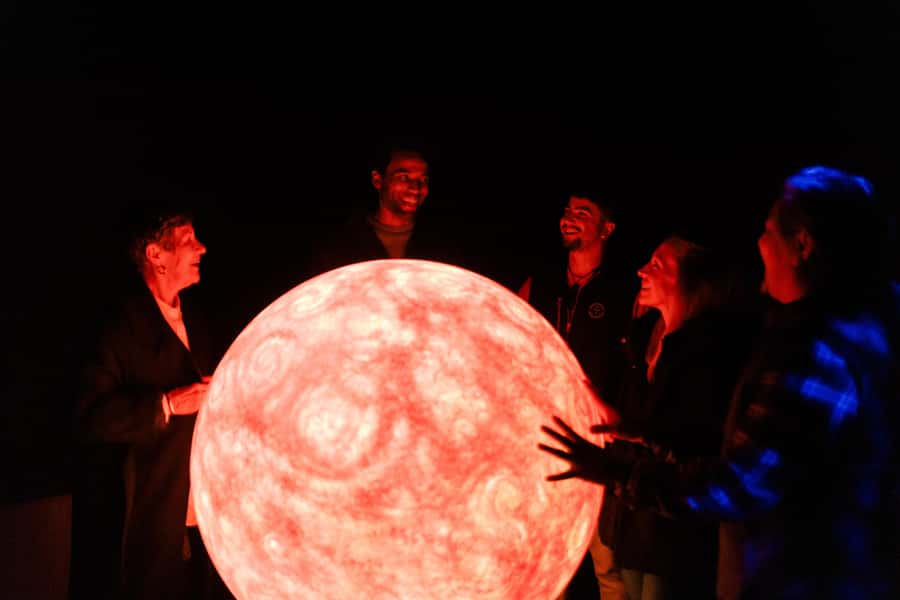
The meeting point is at 1 Motuariki Lane, Lake Tekapo 7999. It is about 100 metres, or 110 yards, from the Four Square Supermarket, making it easy to locate in the central part of town.
There is no hotel pickup or drop-off. You should allow a little extra time to walk from your accommodation or find the entrance, especially if you are travelling with children or using a wheelchair.
The purpose-built experience zone is indoors and wheelchair accessible. Since the tour operates in all weather, it can be a useful fallback when outdoor plans are spoiled. Check the available start times before booking because the activity lasts 45 minutes and is not a drop-in visit.
Who will enjoy this most
I would recommend this tour to families, first-time visitors to Lake Tekapo, and anyone interested in how Māori culture interprets the sky. It is also a good match for visitors who want a shorter activity between drives and meals.
Children may respond well to the lighting, sound, and interactive zones, but the quietest possible group will make the guide easier to hear. If you are travelling with children under five, keep noise in mind because the stories and explanations are central to the experience.
The tour also suits visitors who cannot attend a late-night stargazing session. You get a cultural astronomy lesson during the day, with no need to wait for darkness or hope for clear weather.
You may want to skip it if you are looking only for a powerful outdoor view through a telescope. The Brashear telescope is shown up close, but the main focus is guided interpretation, not a long session of night-sky observation.
How to get the most from the 45 minutes
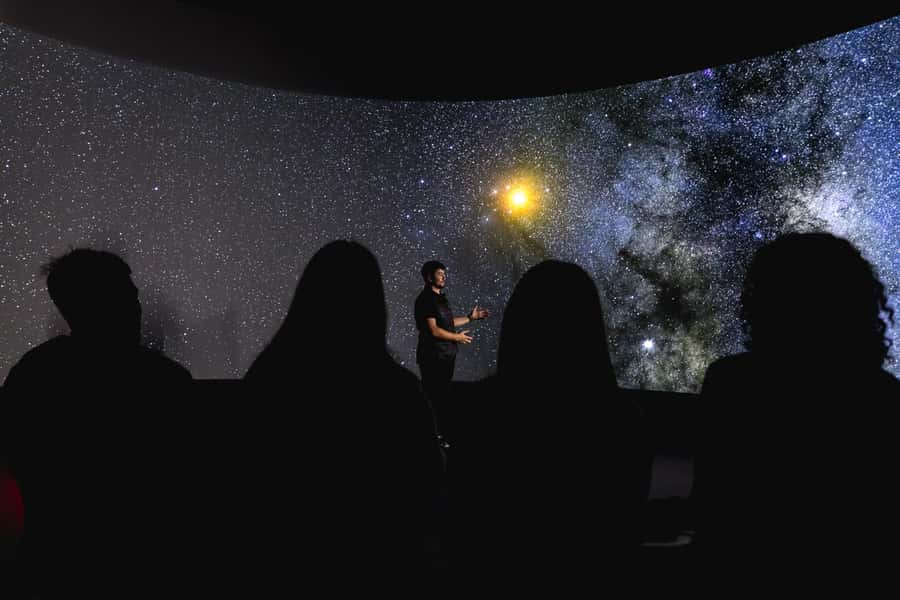
Before entering, bring the questions you want answered. You might ask how Māori navigators used star patterns, why ocean currents mattered, or how cultural stories connect with scientific ideas about the Milky Way.
Listen for the links between the four zones. The strongest part of the experience is not any single display. It is the way navigation, star clusters, creation, and the wider universe fit together.
If the group is noisy, move as close to the guide as practical and keep young children engaged with the visual elements. The tour’s content is easier to follow when you can hear each explanation clearly.
Afterward, take a few minutes to look at the night sky if conditions allow. You may not remember every name, but you should leave with a better sense of how to look for patterns and meaning rather than simply counting stars.
Should you book the Māori Cultural Astronomy Experience?
Book it if you want a short, weatherproof activity that combines Māori culture, astronomy, storytelling, and a historic telescope. The strongest reasons are the four interactive zones, the cultural approach to navigation and star knowledge, and the chance to see the restored Brashear telescope in person.
Think twice if you want actual nighttime telescope viewing or a long, quiet astronomy lecture. Also consider the sound issue if your group includes very young children or anyone who may struggle with a strong accent in a busy room.
For $35, I see this as a worthwhile addition to a Lake Tekapo itinerary, especially on a cloudy day or before an evening outdoors. It will not replace the experience of standing under the Mackenzie Basin’s dark sky, but it can help you understand what you are seeing when the stars come out.
FAQ
How long does the Māori Cultural Astronomy Experience last?
The guided experience lasts 45 minutes.
Where does the experience take place?
It takes place at 1 Motuariki Lane, Lake Tekapo 7999, New Zealand, about 100 metres from the Four Square Supermarket.
Is the astronomy experience indoors?
Yes. It takes place inside a purpose-built experience zone.
Does the tour operate in bad weather?
Yes. The indoor tour operates in all weather conditions.
What languages are available?
Live guided tours are available in English and Chinese.
Is the experience wheelchair accessible?
Yes, the experience is wheelchair accessible.
Is the Brashear telescope part of the tour?
Yes. You will see the restored 125-year-old Brashear Victorian-era telescope up close.
Are food and drinks included?
No. Food and drinks are not included.
Can I cancel my booking?
Yes. You can cancel up to 24 hours in advance for a full refund.
Just added in Lake Tekapo
- Silver River Stargazing Experience in Lake Tekapo★ 4.5 · 106 reviews
- Tekapo Star Gazing Tour – Soak in the Stars★ 4.5 · 109 reviews
- Scenic 4WD Tour Lake Tekapo Backcountry★ 5.0 · 77 reviews
- Lake Tekapo Scenic Wilderness Cass Valley Tour★ 4.5 · 19 reviews
- Lake Tekapo to Mt Cook One-Way Small Group Tour★ 4.0 · 5 reviews
- Mt Cook Day Tour From Tekapo (Small Group, Carbon Neutral)★ 4.5 · 11 reviews
- Dark Sky Indoor Maori Cultural Astronomy Experience★ 4.5 · 70 reviews
- Lake Tekapo Ultimate Stargazing Experience★ 5.0 · 3 reviews
Mount Cook & Lake Tekapo Tours, compared.


Mt Cook Small Group Scenic Day Tour from Queenstown
Read our review →

Mount Cook, Lake Tekapo and Tasman Glacier Tour from Christchurch
Read our review →
Tekapo Shuttle: Mt Cook Day Tour via Pukaki & Tasman Lake
Read our review →
Mt Cook & Tasman Glacier lookout Small Group Tour from Queenstown
Read our review →Browse the lists this tour appears in