
Reviewed · HIKING & TREKKING
Tongariro Alpine Crossing: Premium Guided Hike
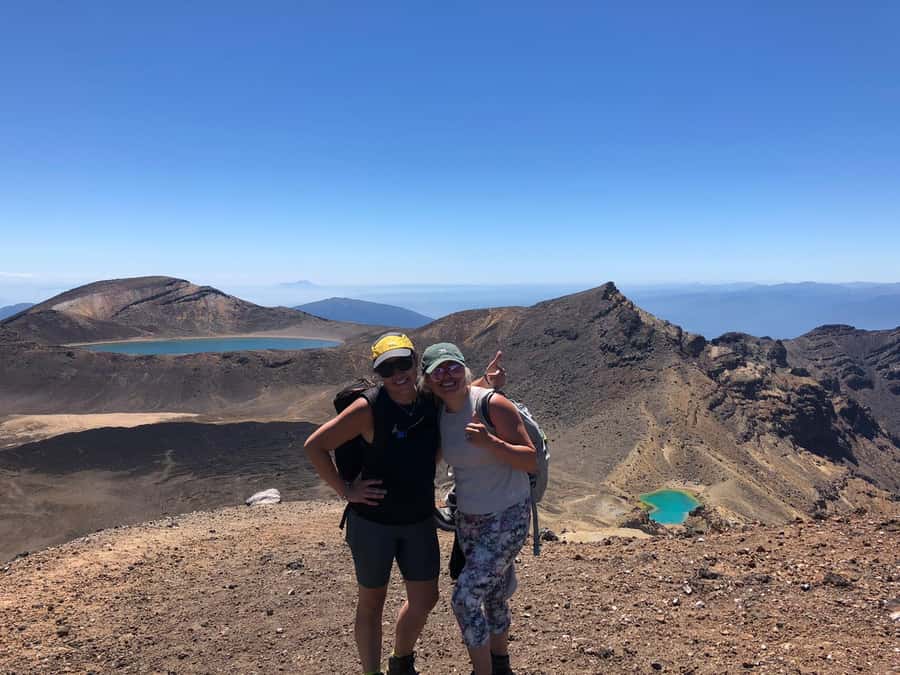
The Tongariro Alpine Crossing is a serious mountain day disguised as a one-day walk. For about eight hours on foot, you pass red volcanic craters, scoured rock, springs, Emerald Lakes, and Blue Lake, with Mt Ngauruhoe, Mt Tongariro, and Mt Ruapehu shaping the views. It is one of New Zealand’s great outdoor days, but it is not a gentle stroll.
I like the small safety margin that a guide gives you when wind, snow, or fatigue changes the plan. I also like the practical extras: transport from the Adrift base, winter equipment when needed, and up to $60 of clothing and footwear hire. The catch is clear: the full crossing is never guaranteed, and the weather can force a shorter route or a hard, uncomfortable day.
Key points at a glance
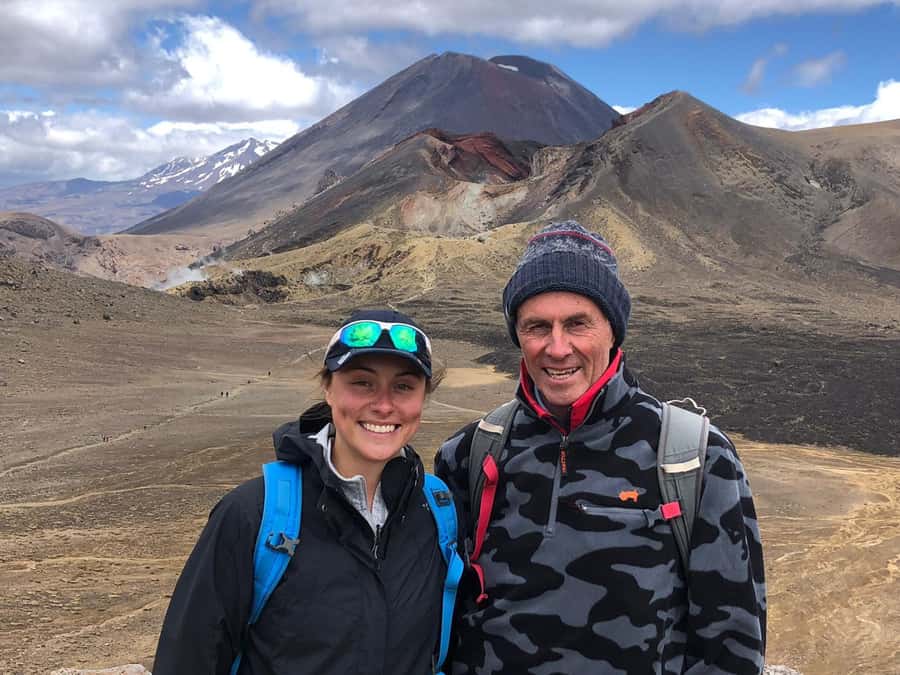
- Eight hours on volcanic ground: Expect a full mountain day, with steep sections, loose rock, and a long descent.
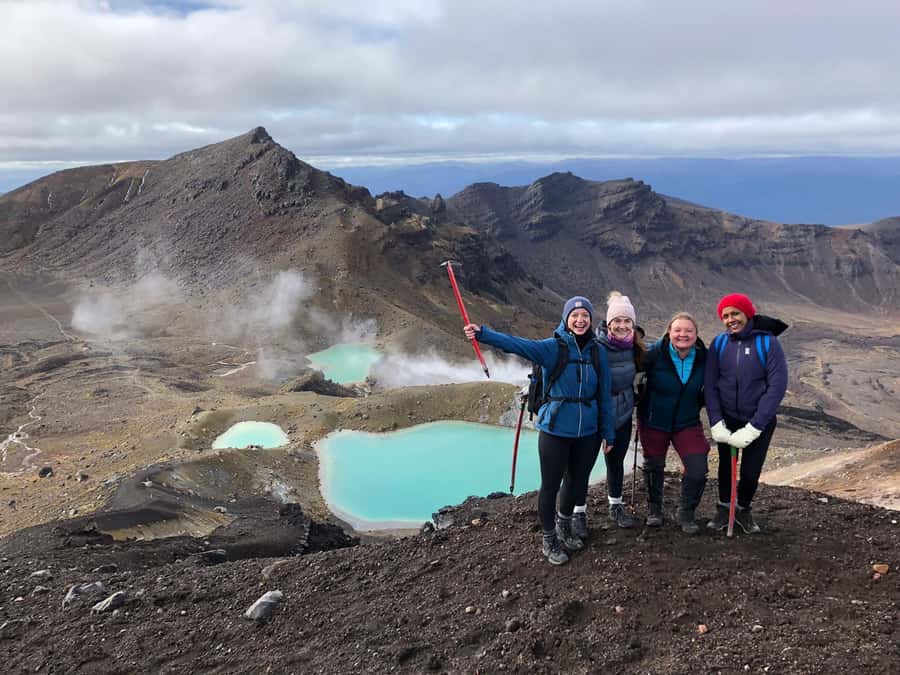
- The Emerald and Blue Lakes: These are the visual rewards of the crossing, surrounded by craters and mineral-streaked slopes.
- A guide who adapts the route: Adrift guides can use alternative paths to reduce crowding and adjust plans for weather and safety.
- Winter means real alpine conditions: Crampons and ice axes are supplied if required, though warm clothing and hiking boots remain your responsibility.
- The finish at Ketetahi may not happen: Wind, ice, avalanche risk, hypothermia, or group pace can change the day.
- $254 buys more than a ride: The fee covers guiding, activity transport, and some equipment support, but not lunch or transfers from Taupo, Turangi, or Whakapapa Village.
Why the Tongariro Crossing feels like several hikes in one
The appeal is the constant change underfoot. You begin among New Zealand native bush, then move into open volcanic country where the ground becomes rougher, darker, redder, and more exposed. Craters arrive in different shapes and colours, each shaped by volcanic activity at different times.
The scenery is not simply a row of pretty viewpoints. Sulphur, aluminium, silica, and other mineral deposits have coloured the rock and water. That gives the route its unusual reds, yellows, greys, greens, and black volcanic textures. You are walking through an active volcanic region, not just looking at a mountain from a distance.
The crossing also gives you several famous peaks in one day. Mt Ngauruhoe is often recognised as Mt Doom by Lord of the Rings fans, while Mt Tongariro and Mt Ruapehu add scale to the wider view. The route does not promise a clear summit view, though. Cloud can arrive quickly, and a sunny start can become a cold, wet afternoon.
More hiking & trekking in New Zealand:
- Franz Josef Glacier Heli-Hike
★ 4.5 · 618 reviews - Heli Hike Fox Glacier
★ 5.0 · 563 reviews - Waitomo’s Hidden Gem: Small-Group Off the Beaten Track Tour
★ 5.0 · 431 reviews
Leaving National Park at 53 Carroll Street
The day begins at Adrift Tongariro’s base and shop at 53 Carroll Street in National Park. From there, the included van transfer takes about 25 minutes to the walking area. That short ride matters because it keeps the morning simple and means you are not left arranging your own transport between trailheads.
The advertised activity lasts nine hours, including the transfers, with about eight hours set aside for walking and sightseeing. That is a long day for your legs. You should arrive ready to hike, not expecting a quick scenic outing with a few easy stops.
Bring your own lunch and snacks. Food is not included, and the route is long enough that poor planning can catch up with you. The company information asks you to carry one to two litres of water, personal medication, sun protection, rain gear, and a daypack.
From native bush to open volcanic country
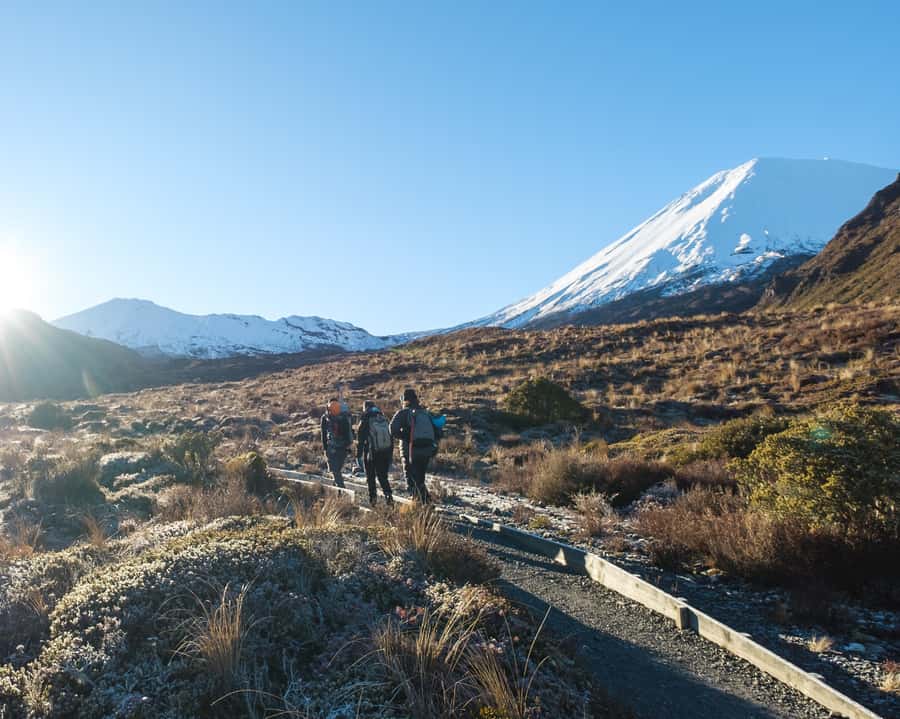
The first part introduces the native bush and gives you a chance to settle into the pace. This section may feel less dramatic than the craters ahead, but it provides a useful contrast. You start in a more sheltered setting before the route opens into a colder, windier alpine zone.
Your guide sets the walking pace and can discuss options if your fitness is a concern. That matters because the group may include people with very different hiking backgrounds. One first-time hiker found the route extremely tiring, especially on the descent, while another person with a long hiking background developed painful quad cramps. The useful lesson is simple: being generally fit does not make the crossing effortless.
Guides have helped with cramps, fatigue, and nausea during difficult days. They may carry or share basic energy items in an emergency, but you should still bring enough food for yourself. A guide can help you manage a problem, not remove the need to prepare.
Craters, mineral colours, and Mt Ngauruhoe
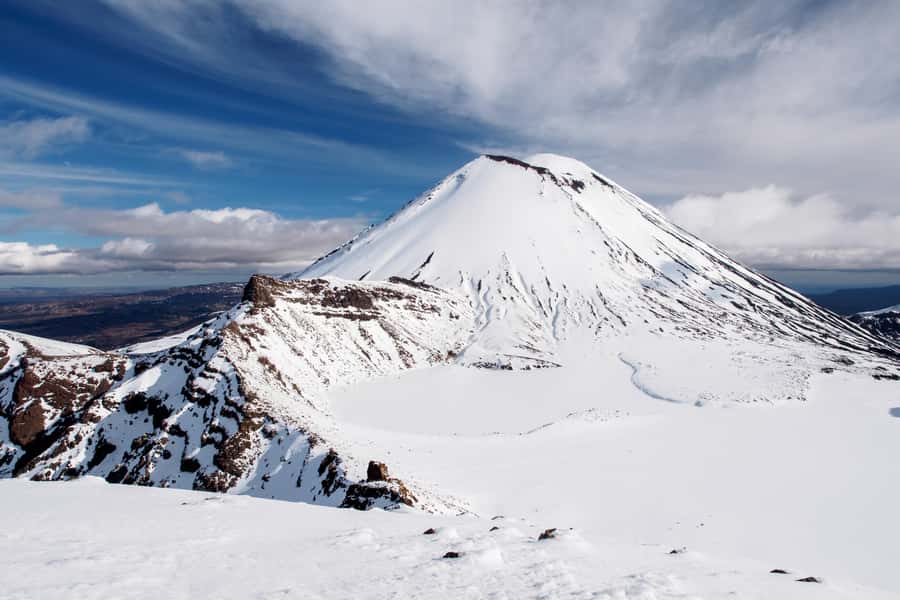
As the bush gives way to volcanic terrain, the route becomes the main event. You pass different crater forms, weathered volcanic rock, mountain springs, and coloured mineral deposits. The red crater is one of the most memorable sights, particularly when the light reaches its rust-coloured walls.
This is also where the crossing becomes more exposed. Wind can rise sharply, and weather can shift from mild to wintry in a short time. Several people have found the conditions challenging even when the day began well. Bring layers you can add or remove, rather than relying on one heavy jacket.
Mt Ngauruhoe is a major visual landmark. If you know the Lord of the Rings films, you may recognise the peak as Mt Doom. The tour focuses on the crossing rather than promising a separate climb of Ngauruhoe, so do not book this expecting a summit ascent of that mountain.
Alternative paths may be used to avoid some of the busiest sections while keeping the main sights in the day. That is a useful touch. You still see the famous craters and lakes, but the walk need not feel like a single-file march for every kilometre.
A few more things to do in New Zealand worth a look
- Hobbiton Movie Set: Guided Tour Ticket
★ 4.9 · 8,167 reviews - Waitomo: Glowworm Caves Guided Tour by Boat
★ 4.5 · 4,908 reviews - Hobbiton & Waitomo Caves Guided Day Trip from Auckland incl lunch
★ 5.0 · 2,677 reviews - Te Anau: Glowworm Caves Guided Tour
★ 4.6 · 2,611 reviews
The Emerald Lakes and Blue Lake
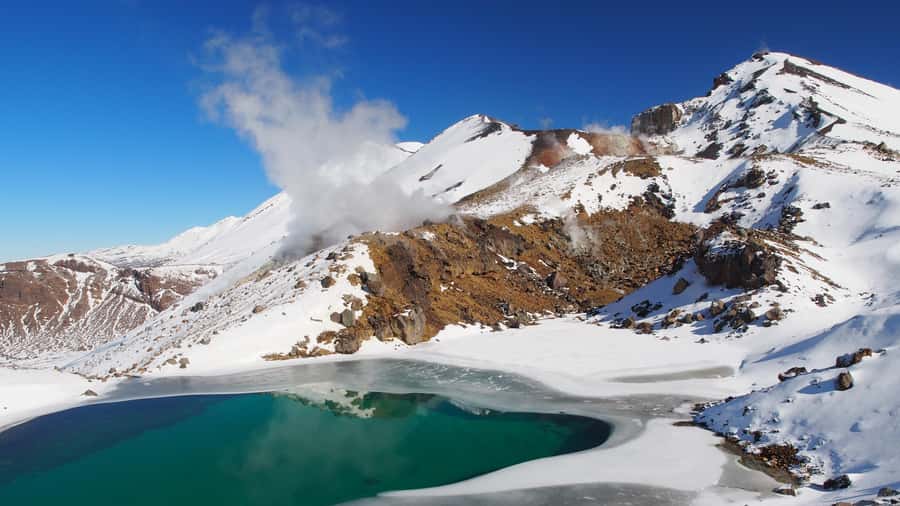
The Emerald Lakes are the route’s signature stop. Their bright colour comes from the volcanic setting and mineral deposits, not from a tropical beach atmosphere. The contrast between the water, red-brown crater walls, and dark rock makes this part especially striking.
Blue Lake offers another change in colour and mood. The lakes are the kind of sights that make the uphill effort feel worthwhile, but reaching them takes work. You should expect uneven ground, steep sections, and a pace that may slow as fatigue builds.
Do not assume that every famous viewpoint will be available on every departure. Cloud can hide the peaks, and strong wind may make exposed sections unsafe. On one difficult day, a guide had to manage conditions around a gorge because the wind was too strong to make a safe crossing. The decision can only be made once the group reaches the relevant section.
That uncertainty is part of the experience, and also the main reason to choose a guided trip. A photograph may show a sunny, calm crossing. Your day may bring mist, snow, heavy rain, or limited visibility.
Why the guide matters on a changeable mountain day
The guides are central to the value here. Their role is not just to point out Mt Ruapehu or name a crater. They monitor the group, explain the terrain, adjust the route, and decide when conditions are no longer reasonable.
Adrift’s guides have been praised for steady encouragement and practical help. Stuart, Kayla, Ty, Hannah, Hiro, and other guides have been singled out for keeping people moving and supported. Ty also shared Māori cultural knowledge, adding a human sense of place to the geology.
The guiding style appears to be supportive rather than overbearing. Pace and rest stops can be adjusted for different ages and ability levels, but the crossing still has limits. If you fall far behind or become unwell, the guide may arrange help or transport back. One participant became sick early in the day and was driven back to their accommodation by Robin, an example of the kind of response you want on a remote mountain route.
A guided group cannot guarantee that everyone will finish together. If completing every kilometre is your top priority, ask about a private option or discuss your fitness before setting out. A shared group tour offers support, but the pace must work for more than one person.
Summer and winter are two different experiences
In summer, you can expect more open trails, strong sun, and fewer technical snow concerns. That does not make the walk easy. You still need hiking shoes or boots, one to two litres of water, a waterproof raincoat, a sun hat, sunglasses, sunscreen, and several warm layers.
The suggested summer clothing is sensible: a light top plus two warm layers such as wool, merino, thermals, fleece, or a softshell. Weather can change dramatically, so a warm jacket alone is not enough if it cannot handle wind or rain.
Winter changes the character of the day. Snow can cover the route, and the crossing becomes an alpine experience rather than a straightforward hike. Adrift supplies crampons and ice axes when conditions require them, and personal clothing or footwear can be hired at the base.
You still need proper preparation. Bring thermal leggings or walking trousers with over-trousers, three warm upper layers, waterproof rain gear, a warm hat, and gloves. Winter equipment supplied by the operator does not replace dry clothing.
Winter conditions can also stop the group from completing the full route. One July group had good luck with the weather but could not finish because of conditions and differing group speeds. That is not a failure of the tour. It is the normal compromise of taking on a high mountain route in winter.
What $254 per person really covers
At $254, this is not the cheapest way to walk the Tongariro Crossing. The value comes from the parts that are easy to underestimate: an English-speaking guide, transport from the Adrift base to the activity, route decisions, group support, and up to $60 of clothing and footwear hire.
You do not pay separately for the guide or the short activity transfer. In winter, crampons and ice axes are supplied if required. Those inclusions make the price easier to justify for visitors who lack equipment or do not want to work out the route alone.
You still pay in time and preparation. Lunch, snacks, water, personal medication, and suitable clothing are yours to provide. Transfers from Taupo CBD, Turangi, or Whakapapa Village are available for an extra charge, with a minimum of two people. If you are staying in National Park, the stated meeting point is much more convenient.
For me, the price makes the most sense if you are new to alpine hiking, travelling alone, short on equipment, or uneasy about fast-changing weather. Experienced hikers with all their gear may prefer to compare the cost with a self-guided day, but the safety decisions on this route are not minor details.
Who should book this guided crossing
You should have a reasonable fitness level. The route is not recommended for children under 12, and the long distance, ascent, exposed sections, and descent can test strong walkers. No alpine experience is required, which is helpful, but no alpine experience does not mean no physical preparation.
This tour suits you if you want:
- A full day in Tongariro National Park with a guide setting the pace
- Help choosing layers and using winter equipment
- Context about volcanic features and Māori culture
- A safer option for uncertain weather
- Support if you suffer cramps, fatigue, or minor illness
- Flexibility to use alternative paths and adjust the route
It may not suit you if you need a guaranteed finish at Ketetahi, dislike group pacing, or want a relaxed nature walk. The route can be modified, and the decision may be made for safety rather than sightseeing.
Cancellation is free up to 14 days before the activity for a full refund. That long cutoff is worth noting when weather forecasts are still uncertain, though it does not remove the need to check the conditions close to your date.
Practical preparation for the nine-hour day
Wear hiking shoes or boots with good support. Bring waterproof rain gear even if the forecast looks friendly, since wind and rain are recurring concerns in the reviews and tour guidance.
Pack food you will actually eat while tired: lunch, snacks, and something useful for a long uphill or downhill stretch. The guides may help with basic energy needs, but your daypack should not depend on that.
Keep medication in your daypack, not in luggage left in the van. Add insect repellent, sunscreen, sunglasses, a hat, and spare warm layers. Breathable, quick-dry clothing is more useful than cotton if rain arrives.
Finally, tell the guide about fitness concerns before you start. That conversation gives the guide a chance to discuss route options and pace before the group is already high on the mountain.
Should you book Adrift Tongariro?
I would choose this tour if the Tongariro Crossing is a major goal and you want help making sensible calls in uncertain weather. The strongest reasons are the attentive guiding, included transport, winter gear support, and practical help when fatigue or cramps appear.
I would not book it expecting a guaranteed eight-hour route, perfect lake colours, or a carefree walk. Ketetahi may not be reached, exposed sections may close, and a bad-weather day can be wet, cold, and exhausting.
For a prepared hiker with a reasonable fitness level, this is a strong value choice at $254. You get the famous volcanic sights, but also the less glamorous support that can turn a difficult mountain day from a bad decision into a memorable one.
FAQ
How long does the Tongariro Alpine Crossing tour take?
The full experience lasts nine hours, including about 25 minutes of transport each way and roughly eight hours of guided walking, sightseeing, and hiking.
Where does the tour meet?
You meet at Adrift Tongariro Base and Shop, 53 Carroll Street, National Park 3948, New Zealand.
Is the full crossing to Ketetahi guaranteed?
No. The exact route depends on weather, avalanche risk, ice, wind, hypothermia concerns, and group conditions. Reaching the Ketetahi end is not guaranteed.
Are crampons and ice axes included?
Yes, Adrift Tongariro supplies crampons and ice axes when winter conditions require them. Personal footwear and clothing can also be hired at the Adrift base.
What should I bring for the hike?
Bring warm and weather-appropriate clothing, a windbreaker or waterproof raincoat, sunglasses, a hat, sunscreen, hiking shoes or boots, one to two litres of water, food, snacks, a daypack, personal medication, and extra layers. Winter walkers should also bring thermal clothing, gloves, and a warm hat.
Can I join if I have no alpine experience?
Yes. No alpine experience is required, and training and tuition are provided on the day. You do need a reasonable fitness level, and children under 12 are not permitted.
Just added in New Zealand
- Auckland: Half-Day Sea Kayak Tour to Motukorea Island★ 5.0 · 6 reviews
- Mou Waho Island: 3-Hour Cruise and Guided Nature Walk★ 4.9 · 66 reviews
- Tauranga Private Excursion: Rotorua -Te Puia-Geysers & Kiwi’s★ 4.5 · 115 reviews
- Napier: Afternoon Winery Tour Tasting at 3 Great Wineries★ 4.7 · 147 reviews
- Tongariro Crossing Park & Ride (Ketetahi)★ 4.0 · 98 reviews
- Picton Shore Excursion: Queen Charlotte Sounds Cruise★ 4.5 · 65 reviews
- Tongariro Alpine Crossing One Way Shuttle from Ketetahi★ 4.0 · 68 reviews
- Stevensons Island 2-Hour Cruise and Nature Walk★ 4.6 · 160 reviews
Hiking & Trekking, compared.
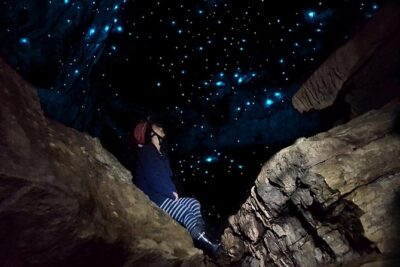
Waitomo’s Hidden Gem: Small-Group Off the Beaten Track Tour
Read our review →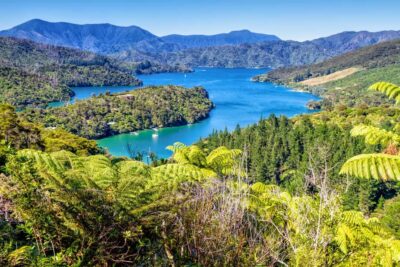
Queen Charlotte Track: Cruise & Self-Guided Hike from Picton
Read our review →
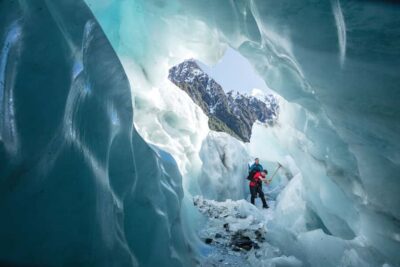
2.5 Hour Glacier Hike with Helicopter Transfer
Read our review →
Fox Glacier: Up to 3 Hours Hike with Helicopter Transfer
Read our review →
Otago Central Rail Trail One Day Wonder Cycle tour
Read our review →Browse the lists this tour appears in