
Reviewed · MAORI CULTURAL EXPERIENCES
Māori Cultural Experience & Auckland Museum Admission
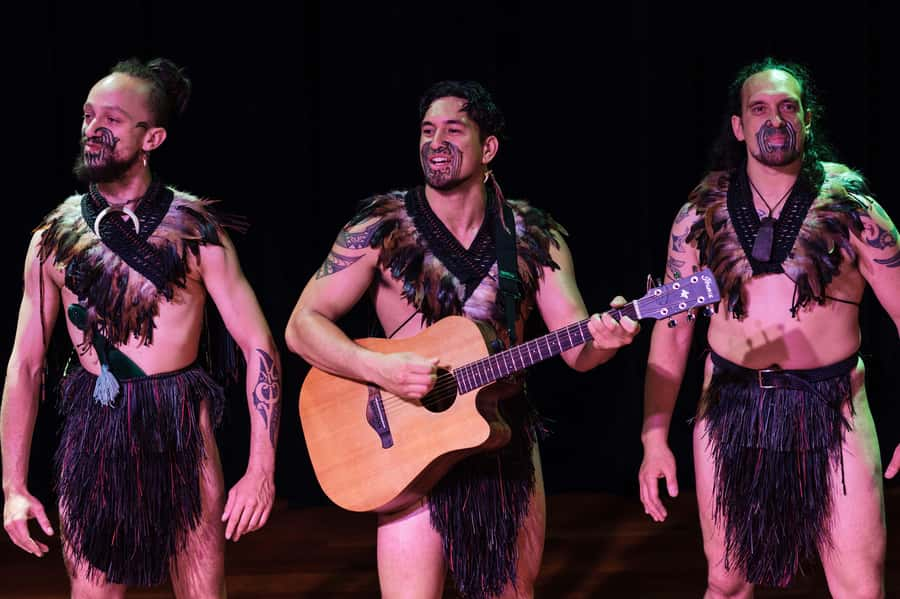
The heart of this Auckland experience is a 30-minute Māori performance built around waiata, poi, storytelling, and haka. It gives you more than a dance display: you learn what the movements mean and how these traditions express strength, unity, identity, and welcome. Then you have the rest of the day to explore Auckland Museum.
I like two things here. First, the cultural presentation is educational as well as entertaining, with clear narration, beautiful singing, chants, and demonstrations of traditional weapons. Second, your ticket gives you a full museum visit, so the performance can be part of a larger day rather than a stand-alone show. The main consideration is that the Māori Court and Pacific Galleries are temporarily closed, and the performance is not available every day.
Key points before you book
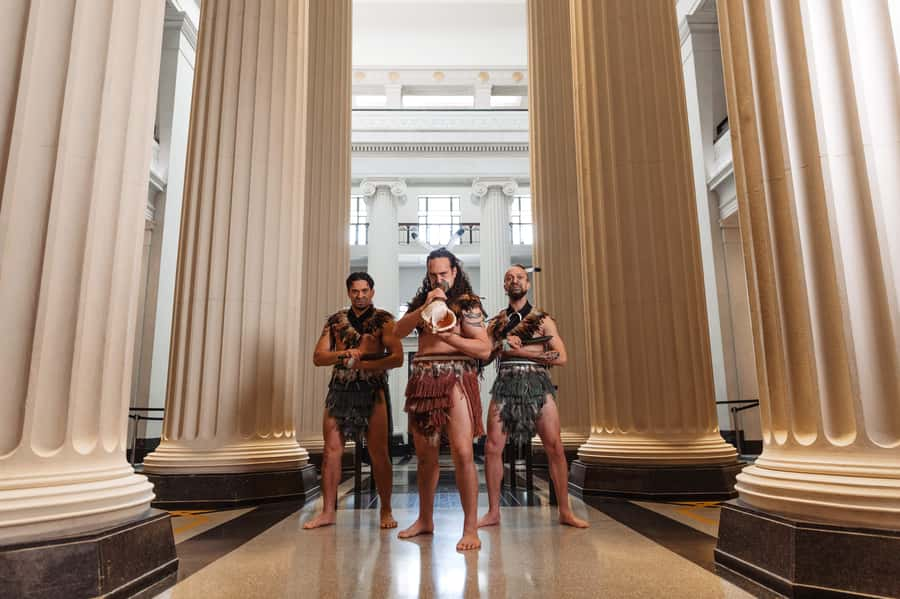
- A 30-minute Māori performance: Hear waiata, watch poi, and learn the purpose and meaning of haka.
- A full museum day: Your ticket includes general admission to Auckland Museum, including natural history and New Zealand heritage displays.
- Book the cultural session ahead: Places are subject to availability, so do not count on walking in at the last minute.
- Arrive early: Allow at least 20 minutes before the show, especially if you need to collect or sort out your ticket.
- A useful central Auckland stop: The museum is about a 30-minute walk or five-minute drive from the city center.
- Know about the closures: The Māori Court and Pacific Galleries are temporarily closed for essential maintenance.
Start with the Māori performance, not just the museum
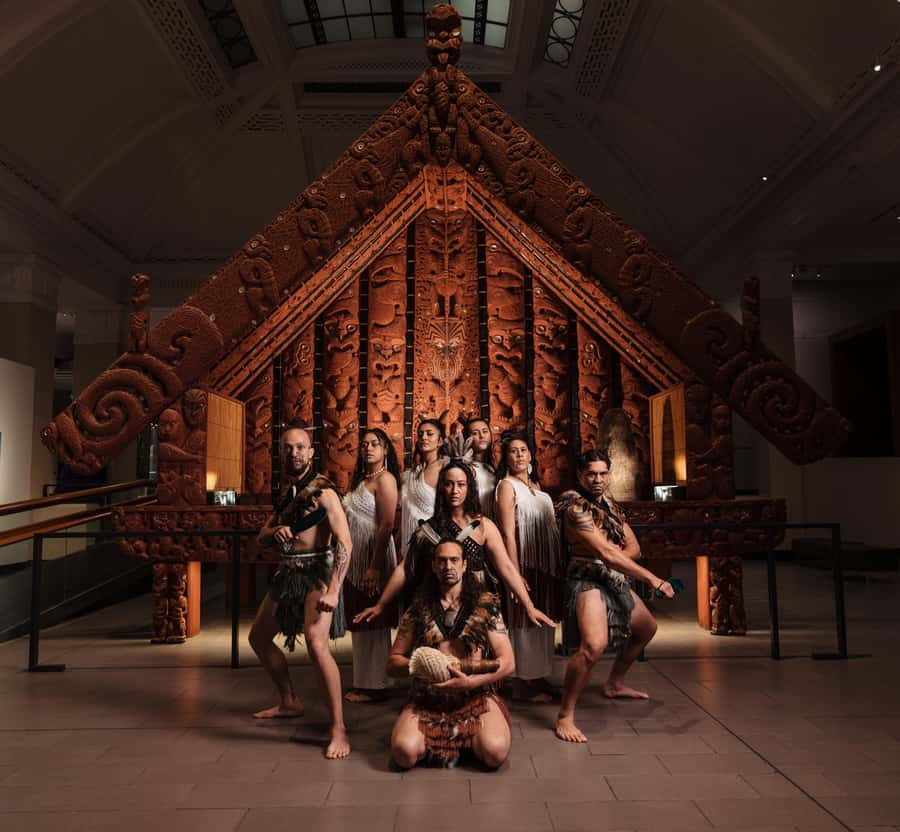
The Living Taonga presentation is the most focused part of the day. Taonga means something treasured or prized, and that idea fits the purpose of the session: Māori culture is presented as a living part of Aotearoa New Zealand, not simply as an old subject behind glass.
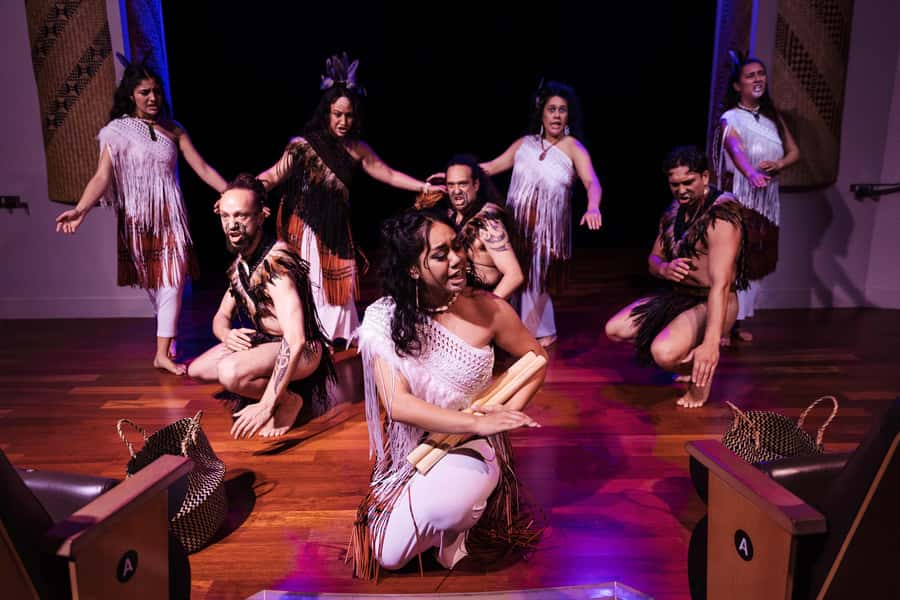
You can expect a group of Māori artists and orators to lead the program through song, movement, and spoken explanation. Waiata, or traditional songs, bring the performance its musical core. Poi adds precise movement and rhythm, while the haka brings the strongest visual and emotional force.
The useful feature is the explanation. You are not left to guess what each chant or gesture means. The presentation explains the origins and purpose of haka, including its links to strength, unity, and identity. That context matters because a haka is far more than the shouted performance often shown in sports coverage.
The show also includes humor and a friendly welcome. That helps keep the presentation open and approachable, especially if this is your first introduction to Māori culture. The narration has been praised for being clear, audible, and funny, which is important in a live setting where a soft voice or hurried explanation can lose half the room.
Plan on about 30 minutes for the performance. It is short enough to fit into a busy Auckland schedule, but substantial enough to give you a real starting point before you visit the museum galleries.
Other Maori cultural experiences around Auckland:
- Waitomo Caves & Rotorua – Te Puia Small-Group Tour from Auckland
★ 4.5 · 681 reviews - Auckland: Waitomo Caves & Rotorua – Te Puia Small-Group Tour
★ 4.8 · 223 reviews - Hobbiton & Rotorua Small Group Tour including Te Puia from Auckland
★ 5.0 · 190 reviews
Why the singing, poi, and haka matter
The best way to approach this experience is to pay attention to the links between movement and meaning. The songs are not background music. The chants, gestures, and group movements help carry stories and identity from one generation to the next.
Poi is especially useful to watch after you have heard a little explanation. The performers handle the swinging balls with timing and control, creating a display that is both graceful and exact. Haka brings a different energy, using forceful movement, vocal power, and unified action.
You may also see demonstrations of traditional weapons and learn what they were used for. That adds a practical layer to the program. Instead of treating Māori culture as a collection of costumes and dances, the presentation connects performance with daily life, conflict, ceremony, and community.
I would not expect a full course in Māori history in half an hour. One useful criticism is that the program could give more background before the performance. If you want a detailed account of Māori settlement, tribal organization, or the effects of colonization, you will need to spend time in the museum displays as well.
That is not a serious flaw, but it affects how you plan the day. Think of the show as an introduction and a guide to what you will see next, not as a complete history lesson.
Give Auckland Museum the rest of your day
The admission ticket changes the value of the experience. You are not paying for only a short performance. You can also enter Auckland Museum and spend the day with exhibits covering natural history, New Zealand heritage, and treasured cultural objects.
The museum is large enough to reward more than a quick visit. One careful visit can take several hours, particularly if you read the explanations and pause at the displays. I would allow most of a day if you want to connect the Māori presentation with the museum’s wider picture of New Zealand.
Start with the cultural material while the performance is fresh in your mind. The Living Taonga session gives you terms and ideas to watch for, including taonga, waiata, poi, and haka. Then move through the displays at your own pace rather than rushing from one gallery to another.
The museum also covers how New Zealand formed, its animals, and its distinctive natural environment. That makes the visit useful for people who want more than cultural performance. You can place Māori heritage beside the country’s natural history and later national story.
A café on site provides food, fresh items, and coffee, according to the information available for the museum. Food and drinks are not included in the activity, so you should budget separately. You also cannot bring food and drinks into the experience, and large bags or luggage are not allowed.
A practical Auckland location
Auckland War Memorial Museum is in Parnell, at the edge of Auckland Domain. From the city center, it is about a 30-minute walk or a five-minute drive. Public transport makes it easy to reach, and the location works well for a morning or afternoon built around the museum.
If you drive, the museum has two levels of secure parking. Free parking is also available in Auckland Domain for up to three hours. That limit may not suit you if you plan to stay all day, so check the parking conditions before relying on the free option.
The museum opens from 10:00 to 17:00 on weekdays, except Christmas Day. On weekends, public holidays, and school holidays, it opens from 09:00 to 17:00. Tuesdays run late until 20:30, which gives you a useful option if your daytime schedule is crowded.
The cultural session itself is subject to availability, so the museum’s opening hours do not guarantee a performance at any time you arrive. Check the starting time when booking, then arrive at least 20 minutes early. That extra time is especially sensible if you need help with your ticket.
A few more things to do in Auckland worth a look
- Auckland War Memorial Museum Entry Ticket
★ 4.5 · 293 reviews - Explore gardens & galleries filled with incredible art, Matakana
★ 5.0 · 186 reviews - Skip the Line: Auckland Museum General Admission Ticket
★ 4.5 · 183 reviews - Māori Cultural Experience & Auckland Museum General Admission
★ 4.5 · 92 reviews
Price and value at $37
At $37 per person, this is a good value if you plan to spend several hours at Auckland Museum. General admission alone gives you access to a substantial museum, and the Māori Cultural Experience adds a short, focused live presentation.
The value is less clear if you only want a quick performance and plan to leave immediately afterward. The show lasts around 30 minutes, so someone interested only in dancing and singing may feel the combined price is high compared with the time spent in the auditorium.
I see the better deal as a half-day or full-day museum visit with a performance included. The museum ticket gives your day structure, while the cultural session makes the visit more personal and memorable. You can also use the museum displays to add the historical context that the short show cannot cover on its own.
Older pricing may not match the current $37 rate. Admission prices and add-on costs can change, so use the current booking price when you compare this with other Auckland activities.
What the temporary closures mean
The Māori Court and Pacific Galleries are temporarily closed for essential maintenance. This is the most important limitation to understand before you book.
The Living Taonga performance still offers a direct introduction to Māori culture, but you will not have access to those specific museum spaces during the closure. If your main reason for visiting is to see the Māori Court or Pacific Galleries, postpone your visit or confirm reopening information before paying.
If you want a broader museum day, the remaining natural history and New Zealand heritage displays still give you plenty to see. Just adjust your expectations. The cultural performance is available, but the museum experience is not currently complete in the way it would be with every gallery open.
Who will enjoy this experience most
I would recommend this to first-time visitors who want a clear introduction to Māori culture without committing to a long specialist tour. The presentation is short, lively, and supported by explanation, so it works well for families, couples, and solo visitors.
It also suits people who want an indoor Auckland activity with flexible timing. You can visit the museum before or after the performance and spend as long as you like within the one-day validity period.
History-minded visitors may want more depth than the show alone provides. For you, the sensible plan is to treat the performance as an opening lesson, then spend several hours reading the museum displays.
People with limited time should consider the schedule carefully. The museum is not a quick pop-in if you want to see it properly, and the show requires advance booking. The performance is easy to add to an Auckland day, but it should not be squeezed between two tightly timed activities.
The museum is wheelchair accessible. Wheelchairs are available on site, subject to availability, but cannot be reserved in advance. Large bags and luggage are not allowed, so make other arrangements before you arrive.
Booking, timing, and cancellation
Bookings are essential for the Māori Cultural Experience because places depend on availability. You can reserve now and pay later, which helps if your Auckland plans are still shifting.
You may cancel up to 24 hours before the activity for a full refund. The experience is valid for one day, and the available starting times should be checked during booking.
The hosts or greeters speak English and Māori. The cultural presentation is therefore suitable for an English-speaking audience while still using Māori language and traditional forms as part of the experience.
The show is not available on Anzac Day, 25 April. It is also worth checking the calendar around Christmas, since the museum is closed on Christmas Day.
My call: book it if you want context, not just a show
Book this experience if you want a thoughtful first look at Māori culture and enough museum time to give that introduction context. The strongest parts are the singing, poi, haka, storytelling, and the clear explanation of what you are seeing.
I would skip it only if your schedule allows no time for the museum, or if seeing the Māori Court and Pacific Galleries is your main aim while those areas remain closed. For most visitors, the $37 price makes sense when you use the ticket as a full museum day rather than a 30-minute performance alone.
Arrive early, check the show time, leave your luggage elsewhere, and give yourself several hours after the presentation. That approach turns a short cultural performance into a much more useful Auckland experience.
FAQ
How long does the Māori Cultural Experience last?
The performance lasts about 30 minutes. Your museum admission is valid for one day, so you can continue exploring after the show.
What does the Māori performance include?
It includes traditional waiata, poi, storytelling, dance, and an explanation of the origins and meaning of haka. The program may also include demonstrations of traditional weapons and their uses.
Is Auckland Museum admission included?
Yes. The ticket includes general admission to Auckland Museum along with the Living Taonga Māori Cultural Experience.
What are Auckland Museum’s opening hours?
The museum is open weekdays from 10:00 to 17:00, except Christmas Day. On weekends, public holidays, and school holidays, it opens from 09:00 to 17:00. It stays open until 20:30 on Tuesdays.
Are the Māori Court and Pacific Galleries open?
No. The Māori Court and Pacific Galleries are temporarily closed for essential maintenance.
Is the museum wheelchair accessible?
Yes. The museum is wheelchair accessible. Wheelchairs are available on site subject to availability, but they cannot be pre-booked.
Can I cancel or pay later?
You can reserve now and pay later. Cancellation up to 24 hours in advance qualifies for a full refund.
Just added in Auckland
- Ex Hamilton: TRIPLE DEAL Wai O Tapu, Redwood Forest & Blue Spring★ 4.5 · 3 reviews
- Zombie Bite Escape Room Experiences★ 5.0 · 54 reviews
- Auckland Airport Private One-Way or Round-Trip Transfer★ 4.5 · 14 reviews
- Auckland’s Wild West Coast & Black Sand Beaches Tour inc Lunch★ 5.0 · 12 reviews
- Wētā Workshop Unleashed – Intro to Scars and Scrapes Workshop★ 5.0 · 5 reviews
- West Coast Discovery Tour★ 5.0 · 37 reviews
- Vineyards Honey and Black Sand Beaches from Auckland★ 5.0 · 93 reviews
- Kumeu Wine Region Shuttle from Auckland★ 4.5 · 19 reviews
Maori Cultural Experiences, compared.
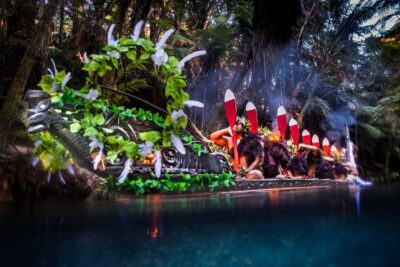
Mitai Maori Village: Cultural Experience and Dinner Buffet
Read our review →
Cultural Experience & Seasonal Māori Cuisine at Te Pā Tū
Read our review →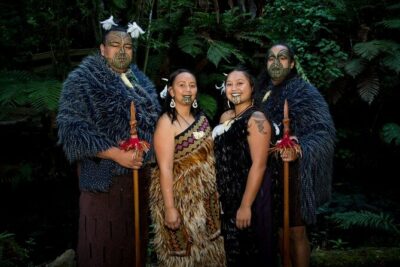
Mitai Maori Village Cultural Experience in Rotorua
Read our review →
Lake Taupo: Classical Sailing to the Māori Rock Carvings
Read our review →
Te Pa Tu Māori Cultural Experience with Dinner
Read our review →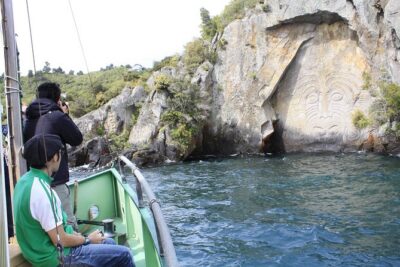
Lake Taupō Māori Rock Carvings Scenic Cruise aboard Ernest Kemp
Read our review →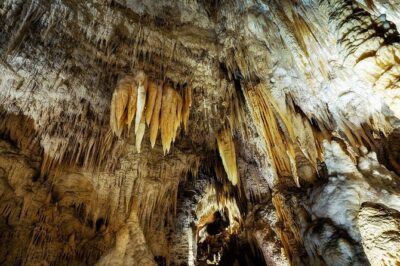
Waitomo Caves & Rotorua – Te Puia Small-Group Tour from Auckland
Read our review →
Lake Taupo: Maori Rock Carvings 10.30 AM 1.5-Hour Cruise
Read our review →Browse the lists this tour appears in