
Reviewed · WAITOMO GLOWWORM CAVES TOURS
Auckland North Shore Glowworm Tour
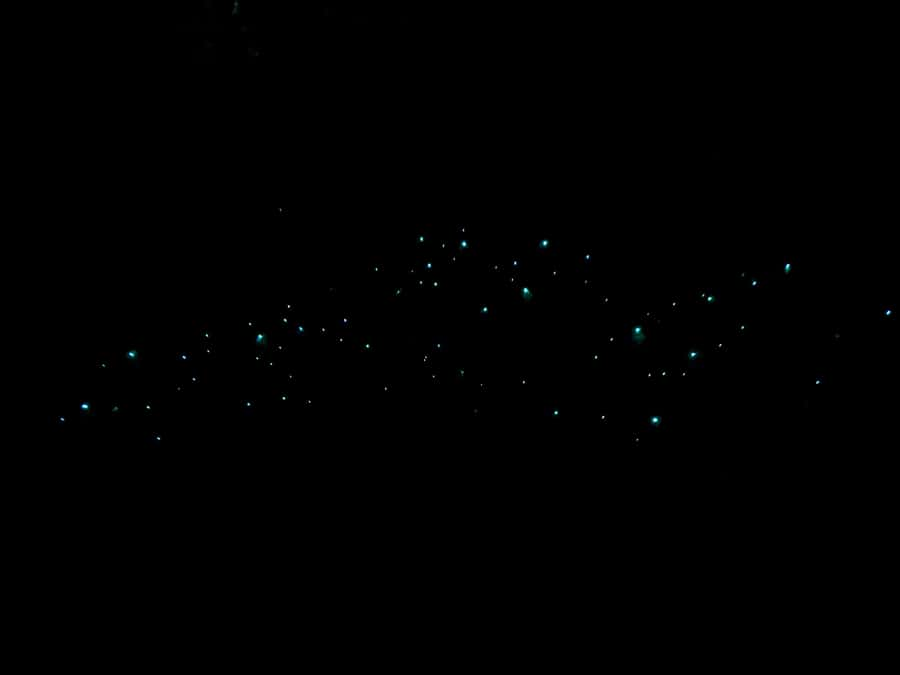
Auckland’s North Shore has a quiet night-time surprise: New Zealand glowworms shining in native bush, only a short walk from the Torbay meeting point. In Awaruku Reserve, you follow a guide into the dark forest and see Arachnocampa luminosa in its natural setting, with no glass wall or artificial display between you and the insects.
I like two things right away. First, this is a simple way to see glowworms without making the long trip to Waitomo. Second, the tour adds useful context about kauri trees, nikau palms, Māori settlement, native birds, and forest care. The small group, limited to 10 people, also gives you a better chance to ask questions.
One point needs checking before you book: the activity is described as lasting 45 minutes, but the itinerary also lists a 105-minute guided tour at Awaruku Reserve. Confirm the exact timing when you choose your date. The walk itself is reported as easy and well maintained, but you still need comfortable shoes and enough darkness for the glowworms to show well.
Key points about the North Shore glowworm walk
- Glowworms in open native bush: See Arachnocampa luminosa in its natural habitat rather than behind barriers.
- A short alternative to Waitomo: The Auckland setting lets you add glowworms to a city stay without arranging a long-distance excursion.
- Small groups of up to 10: A useful size for hearing the guide and asking about the forest.
- Guides who explain the science: Guides including Legend and Chris have been praised for clear explanations, humor, and friendly conversation.
- Awaruku Reserve’s wider story: The walk covers kauri, nikau palms, Māori settlement, native birds, and ecological restoration.
- Night conditions matter: Glowworm visibility is natural, and any coastal bioluminescence is dependent on conditions.
Why Awaruku Reserve makes this different
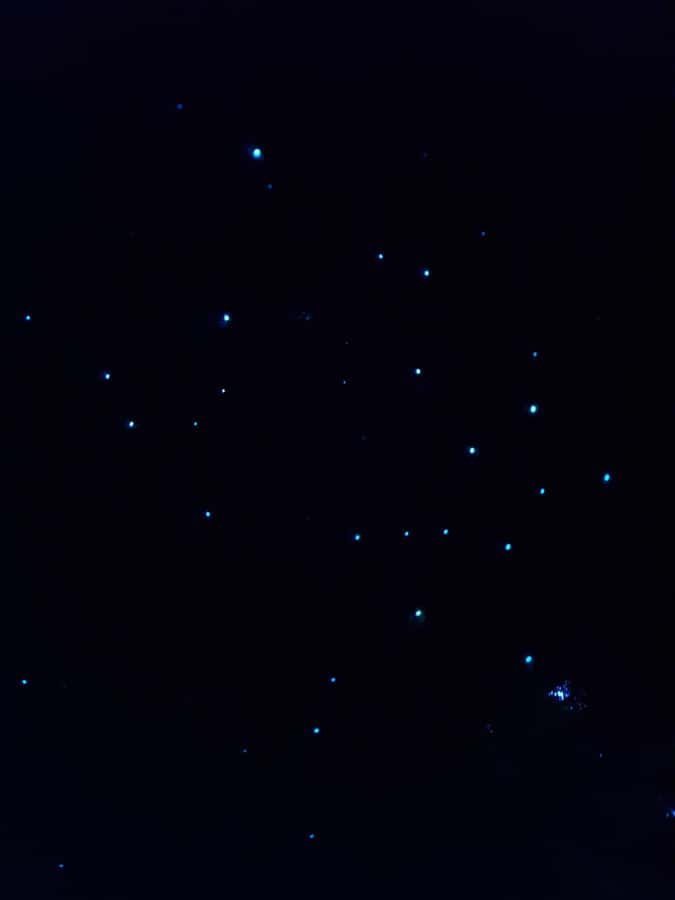
The appeal is not just the blue-green points of light. It is the setting. Awaruku Reserve covers more than 12 hectares of native forest, so the glowworms form part of a living bush environment rather than a purpose-built attraction.
You meet outside Hairluxx Boutique Torbay at the listed coordinates, -36.6982193, 174.7333069. From there, your guide gives a short introduction and safety briefing before leading the group toward the reserve.
This arrangement keeps the start simple, but it also means you should pay close attention to the meeting instructions. The tour does not begin from a major downtown visitor center. If you are staying elsewhere in Auckland, allow time to reach Torbay and find the exact meeting point.
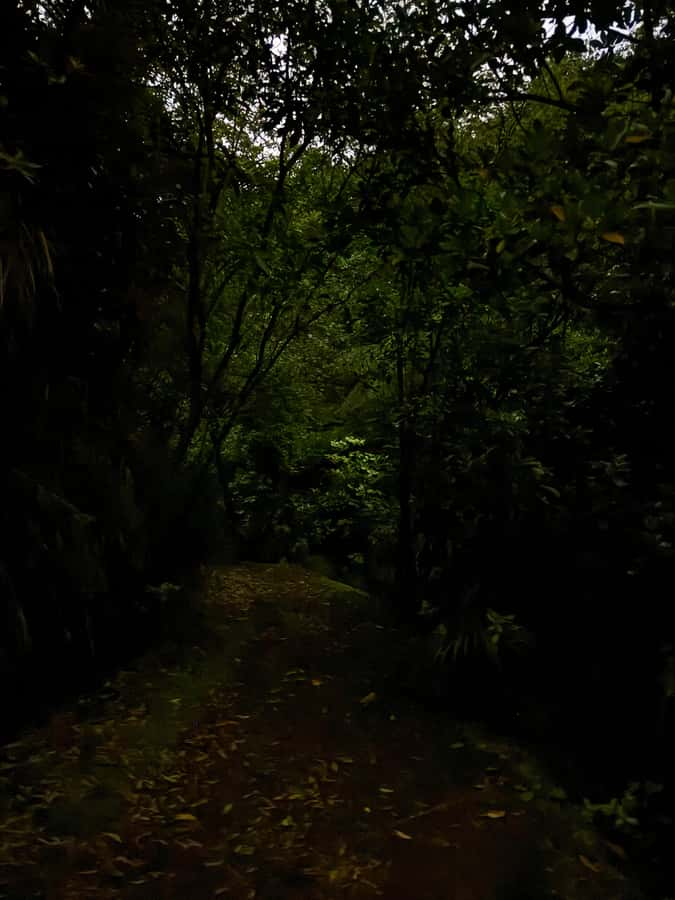
As daylight fades, the forest changes character. Kauri trees rise above the track, while nikau palms add a distinctly New Zealand touch. Your guide also explains that the area has links to ancient Māori settlements. That detail gives the walk more depth: you are not only looking for insects, but moving through a place shaped by people, plants, and conservation work over a long period.
Other glowworm cave trips from Auckland:
- Hobbiton & Waitomo Caves Guided Day Trip from Auckland incl lunch
★ 5.0 · 2,677 reviews - From Auckland: Hobbiton & Waitomo Caves Day Trip with Lunch
★ 4.9 · 2,505 reviews - Hobbiton & Waitomo Caves Small-Group Tour W Lunch from Auckland
★ 5.0 · 1,117 reviews
Walking from the meeting point into the bush
The route is intended to be an easy bush walk on a maintained track. That is good news if you want an evening nature experience without a strenuous hike. Still, darkness changes how any trail feels, so wear proper walking shoes rather than smooth-soled casual footwear.
The supplied information does not specify stairs, steep sections, or accessibility arrangements. If those details matter to you, ask the operator before booking. The guide leads the group, and the small size should make it easier to stay together and hear instructions.
The first part of the walk is also your chance to ask questions. Legend has been described as explaining the glowworms and their environment while also answering questions about the forest and other wildlife. Chris has been noted for sharing a wide range of facts in an entertaining way. Guide assignments can change, but the experience clearly depends on having someone who can connect the science with what you are seeing.
I like this guided approach. Without a guide, you might notice tiny lights but miss the reason they are there, how they feed, or why the forest needs protection. The walk turns a brief sighting into a compact natural-history lesson.
Finding Arachnocampa luminosa after dark
The main stop is a secluded part of the reserve where glowworms gather. You will need to let your eyes adjust, and the display can look different from one evening to the next. These are living larvae, not lamps, so the number and brightness are not controlled by the tour company.
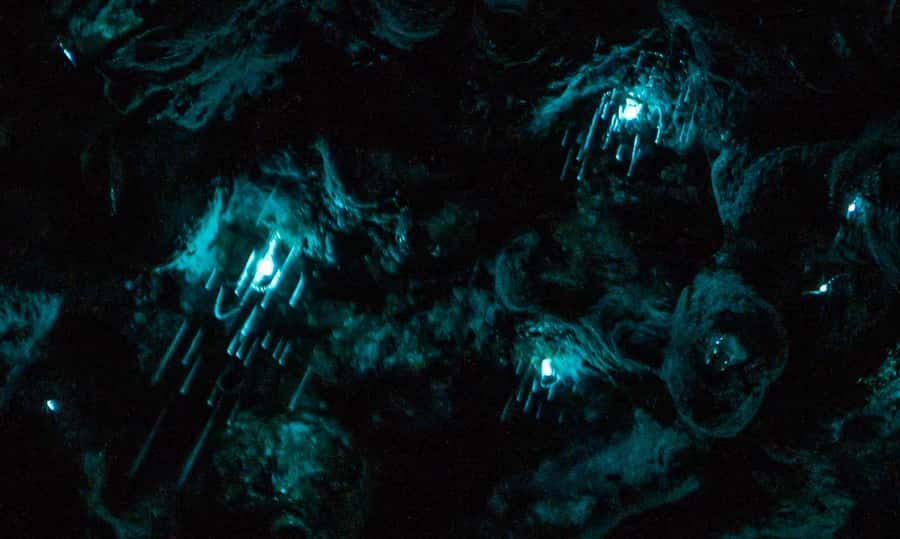
Arachnocampa luminosa is the species commonly called the New Zealand glowworm. The guide explains its life cycle and the way it uses light and sticky silk threads to catch prey. In the dark, the threads hang like fine lines beneath the glowworms, while their blue-green light helps create the effect people come to see.
The experience is strongest when the group stays quiet and gives everyone time to look. You are close to the forest floor and shaded areas, not standing before a large illuminated show. That makes the sight feel more personal, but it also means you should keep expectations realistic. This is a natural encounter, not a guaranteed wall of lights at every turn.
Past reports describe people getting very close to the glowworms and seeing many of them lighting the forest. The most useful interpretation is that the reserve can provide an impressive display, but nature sets the schedule. Darkness, moisture, and local conditions all affect what you see, even though the supplied information does not promise a particular number of glowworms.
What the guide adds beyond the light display
The glowworms may be the headline, but the guide is what makes the outing worthwhile. You learn why the larvae produce light, how their silk threads help them feed, and how the insects fit into the forest around them.
The tour also covers conservation. Awaruku Reserve provides habitat for native species such as the New Zealand kākā and kererū. Your guide explains restoration work intended to support these birds and protect the wider ecosystem.
That matters because it shifts the experience away from simple sightseeing. You are not being led into the bush only to take a picture. You are shown how a healthy forest supports insects, birds, trees, and people. For me, that is the strongest reason to choose a guided walk instead of trying to search for glowworms on your own.
The tour is conducted in English. A small group of no more than 10 people should help if you want to ask about Māori history, native trees, or the insects themselves. It also reduces the chance that the experience feels like a large procession through the bush.
Same base, a different kind of day:
- Waiheke Island: Ferry & Hop-On Hop-Off Explorer Bus Tickets
★ 4.6 · 3,311 reviews - Auckland Dolphin and Whale Watching Eco-Safari Cruise
★ 4.5 · 1,790 reviews - Skydive Auckland
★ 5.0 · 1,516 reviews - Auckland: Hobbiton Movie Set Day Trip with Festive Lunch
★ 4.8 · 1,431 reviews
Photography: bring a camera, but protect the atmosphere
You are encouraged to bring a camera for the glowworms and the surrounding nature. The reserve should give you subjects beyond the lights, including trees and the forest at dusk.
Night photography can be difficult, and the supplied details do not promise special lighting, tripods, or camera assistance. Your best approach is to treat photos as a bonus rather than the main goal. A bright phone screen or flashlight can disturb the dark setting and make it harder for others to see the glowworms.
Follow the guide’s instructions about lights and where to stand. The glowworms are fragile living creatures, and the reserve is being protected for native species as well as visitors. You will likely remember the scene more clearly if you give your eyes time to adjust instead of spending the whole stop trying to capture it.
A possible second kind of bioluminescence
The experience information also mentions that some evenings may include a coastal visit where bioluminescent organisms light up the water or shoreline. This is a different effect from the forest glowworms. Microscopic marine organisms called dinoflagellates can create glowing water, the same broad phenomenon associated with the operator’s dedicated bioluminescence kayak tour.
Treat this as a possibility, not part of the guaranteed core experience. Bioluminescence depends on natural conditions, and the tour description says sightings are not assured. The main focus here remains the glowworms in Awaruku Reserve.
This extra context is useful if you are comparing Auckland night activities. The tour can introduce you to more than one form of living light, but you should not book it expecting a coastal display every time. If kayaking on glowing water is your main goal, the dedicated kayak tour is the more direct choice. If you want an easy bush walk with glowworms, this outing is the better match.
Timing, duration, and the important booking detail
The activity is presented as a 45-minute experience, with starting times available according to the date you select. However, the itinerary also lists a 105-minute guided tour at Awaruku Reserve, followed by a return to Hairluxx Boutique.
That is a meaningful difference. A 45-minute outing is easy to fit around dinner or another Auckland activity. A 105-minute walk needs more room in your evening, especially if you must travel to Torbay first. I would confirm the actual duration with the operator before finalizing other plans.
The start and finish point is Hairluxx Boutique Torbay. The itinerary does not describe a separate transfer from central Auckland, so do not assume hotel pickup or included transportation. The meeting details provided are for the Torbay location only.
Cancellation is flexible: you can cancel up to 24 hours before the start for a full refund, and the reserve-now, pay-later option lets you keep your plans open. The price itself is not provided here, so value depends on the amount shown for your chosen date. I would judge it against the cost and time of traveling to Waitomo, while remembering that Waitomo’s cave experience is a different type of attraction.
Who will enjoy this Auckland activity most
I would recommend this tour to you if you want a short, focused nature outing during an Auckland stay. It is especially useful if Waitomo is not on your route or if you want to avoid spending much of a day on transport.
It suits people who enjoy small groups, local ecology, and guided interpretation. Families with older children may also like the clear science of the glowworms, though the data provided does not set an age range or confirm child-specific arrangements. Ask the operator if you are booking for young children.
You should choose something else if you want a large-scale cave show, guaranteed photographic conditions, or a full-day excursion. The magic here comes from a quiet forest, tiny insects, and natural conditions. That is also the limitation.
The walk may suit photographers who want atmospheric bush images, but it is not presented as a photography workshop. It will also appeal to anyone curious about New Zealand wildlife beyond the usual city sights. Seeing glowworms near Auckland makes the outing feel like a useful addition to a packed itinerary rather than a major expedition.
My verdict on value
The best value lies in convenience and setting. You can see New Zealand glowworms in native bush on the North Shore, learn how they feed, and hear about the reserve’s birds and restoration work. You do not need to commit to the long journey to Waitomo for a first look at this unusual part of New Zealand nature.
The small group is another practical advantage. With up to 10 people, the guide can keep the walk personal and answer questions. Names such as Legend and Chris are associated with explanations that are both informed and easygoing, which matters when the subject is small, dark, and easy to miss.
The main value question is duration. If the actual outing is 45 minutes, it is a convenient add-on. If it runs closer to the 105 minutes listed in the itinerary, it becomes a fuller evening walk. Confirm that detail before booking, and plan your transport to Torbay carefully.
Should you book the Awaruku Reserve glowworm tour?
Book it if you want to see glowworms close to Auckland, prefer a small English-speaking group, and enjoy learning about the forest as much as taking photos. The easy track, local setting, and guide-led explanations make it a practical choice for a city break.
I would skip it only if you need guaranteed conditions, a major cave attraction, or a clearly stated longer itinerary without checking the timing. For most people looking for a gentle, unusual night activity, Awaruku Reserve offers a memorable look at New Zealand’s living light, with enough ecology and local context to make the walk feel worthwhile.
FAQ
Where does the Auckland North Shore Glowworm Tour meet?
Meet outside Hairluxx Boutique Torbay. The listed coordinates are -36.6982193, 174.7333069.
Where does the tour take place?
The glowworm walk takes place in Awaruku Reserve on Auckland’s North Shore.
How long does the tour last?
The activity information gives a duration of 45 minutes, while the itinerary lists a 105-minute guided tour at Awaruku Reserve. Confirm the exact duration for your booking.
What language is the tour conducted in?
The live tour guide speaks English.
How many people can join the tour?
The tour is limited to 10 participants.
What will I see?
You can see New Zealand glowworms, Arachnocampa luminosa, in their natural bush habitat. The walk also includes native forest, kauri trees, nikau palms, and surrounding nature.
What will the guide explain?
The guide explains the glowworm life cycle, how the larvae use light and silk threads to catch prey, and the ecological and cultural history of Awaruku Reserve.
Is bioluminescent water guaranteed?
No. Some evenings may include coastal bioluminescence, but sightings depend on natural conditions.
What should I wear?
Wear comfortable walking shoes for the bush track.
Can I take photographs?
Yes. You are advised to bring a camera for photographs of the glowworms and surrounding nature, while following the guide’s instructions about lights and the forest environment.
Just added in Auckland
- Ex Hamilton: TRIPLE DEAL Wai O Tapu, Redwood Forest & Blue Spring★ 4.5 · 3 reviews
- Zombie Bite Escape Room Experiences★ 5.0 · 54 reviews
- Auckland Airport Private One-Way or Round-Trip Transfer★ 4.5 · 14 reviews
- Auckland’s Wild West Coast & Black Sand Beaches Tour inc Lunch★ 5.0 · 12 reviews
- Wētā Workshop Unleashed – Intro to Scars and Scrapes Workshop★ 5.0 · 5 reviews
- Kumeu Wine Region Shuttle from Auckland★ 4.5 · 19 reviews
- West Coast Discovery Tour★ 5.0 · 37 reviews
- Vineyards Honey and Black Sand Beaches from Auckland★ 5.0 · 93 reviews
Waitomo Glowworm Caves Tours, compared.
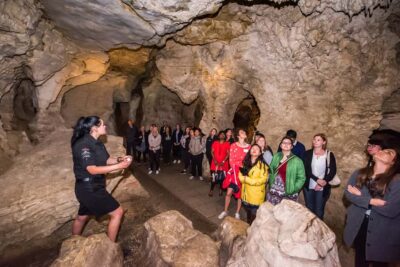
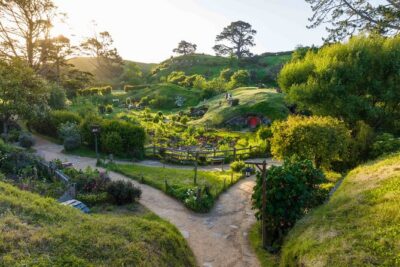
Hobbiton & Waitomo Caves Guided Day Trip from Auckland incl lunch
Read our review →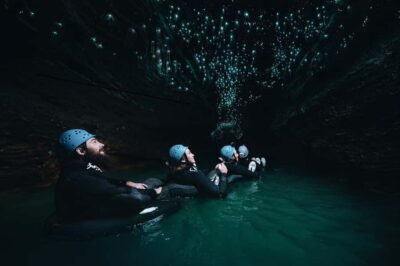
Waitomo Caves: Labyrinth Black Water Rafting Experience
Read our review →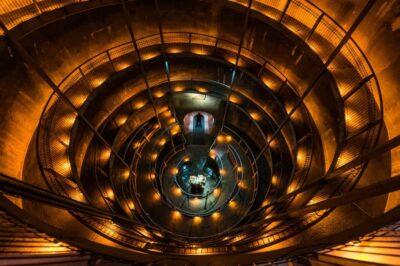
Waitomo Caves: Ruakuri Glowworm Cave Guided Walking Tour
Read our review →
Hobbiton & Waitomo Caves Small-Group Tour W Lunch from Auckland
Read our review →
Hobbiton & Waitomo Caves Guided Tour from Auckland with Lunch
Read our review →Browse the lists this tour appears in