Reviewed · TOURS IN AUCKLAND
Guided Tour at Pukorokoro Shorebird Centre
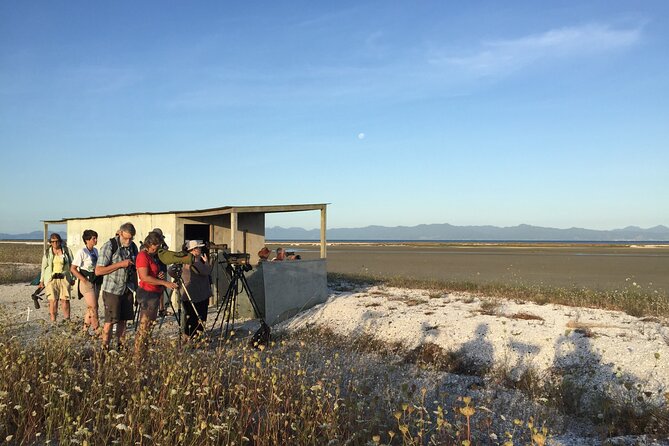
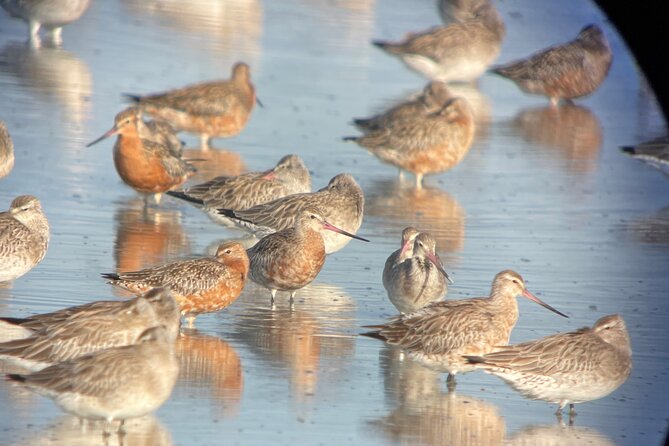
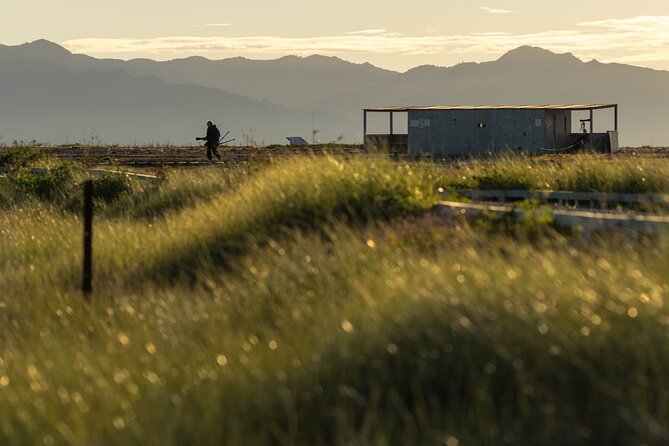
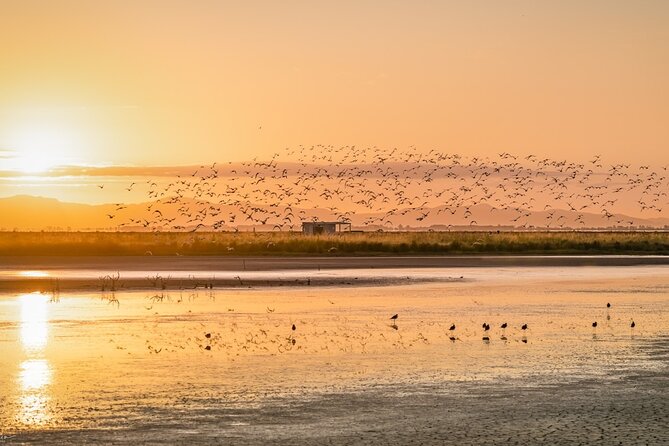
Thousands of shorebirds gather along the Pukorokoro Shorebird Coast, and the best way to understand this remarkable place is to see the birds through a telescope with a guide beside you. The tour follows the Robert Findlay Wildlife Reserve to its bird hides, where you may watch godwits, red knots, and other migrants feeding in the estuary.
I like two things right away: the guide helps you tell a wrybill from a godwit, and the tour is timed around the tides so the birds should be present. The $31.03 price also includes telescope use and a full 90-minute guided walk. The main drawback is simple: this is a birding outing, so limited mobility, poor weather, or little interest in birds can reduce the fun.
Key points at a glance
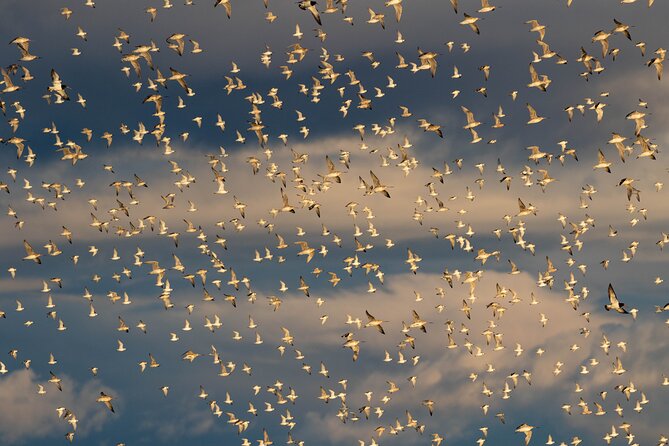
- Thousands of birds in one wetland: The reserve can bring large numbers of bar-tailed godwits, red knots, and other shorebirds into view.
- Tide-aware timing: The tour is arranged around the tides, an important detail when birds gather to feed.
- Telescopes included: You can use the centre’s telescopes instead of relying only on your own eyesight.
- A guide who explains the details: Learn to identify species and understand the long migration routes of the kuaka, or bar-tailed godwit.
- A conservation-focused visit: Your booking supports an organisation working to protect shorebirds and their habitat.
- A focused 90-minute outing: The walk is long enough for a proper introduction without taking up a full day.
Why Pukorokoro matters to shorebirds
At first glance, an estuary can seem like a broad stretch of mud and water. Look closer and it becomes a feeding ground, resting place, and seasonal meeting point for shorebirds that travel extraordinary distances.
Pukorokoro is important because the wetland supports migratory birds during their time in New Zealand. The tour introduces you to the kuaka, the Māori name for the bar-tailed godwit, and the demands of its migration. The birds’ journeys are one of the strongest reasons to visit. This is not only a lesson in names and markings. It is a chance to connect one quiet corner of the coast with a much larger natural system.
You will also hear about the geology that helped create the sanctuary. That context matters. The reserve is not an isolated bird enclosure. It is part of an estuary shaped by water, tides, and coastal processes, and the birds depend on those conditions.
I find this kind of guided visit more rewarding than simply arriving with a camera and hoping to spot something. A guide can direct your attention to a distant flock, explain what it is doing, and help you see why the site matters.
A few more things to do in Auckland worth a look
- Hobbiton & Waitomo Caves Guided Day Trip from Auckland incl lunch
★ 5.0 · 2,677 reviews - Hobbiton & Waitomo Caves Guided Tour from Auckland with Lunch
★ 4.5 · 796 reviews - Auckland: All Blacks Experience Guided Cultural Tour
★ 4.7 · 453 reviews
The 90-minute walk through Robert Findlay Wildlife Reserve
The entire scheduled activity takes about one hour and 30 minutes. The main stop is the Robert Findlay Wildlife Reserve, where you walk around the reserve and continue to the bird hides.
The route is built around observation rather than speed. You are not racing between a long list of stops. Instead, the guide can pause to point out birds, explain the estuary, and use the telescopes to bring distant activity closer.
The bird hides are especially useful. Shorebirds may be spread across open wetland, and many will be too far away for a clear look with the naked eye. A telescope gives you a better chance to examine shape, colour, and behaviour. You may see large groups of bar-tailed godwits, red knots, and other migratory species, though exact sightings can change with tide, weather, and season.
Bring binoculars if you own them. One of the strongest practical tips from the experience is to bring your own pair, even though telescopes are supplied. A telescope is excellent for a fixed view, while binoculars let you scan the wider area and follow movement between groups.
The walking itself should suit most people, but the activity is not recommended for anyone with very limited mobility. The information does not describe the route in detail, so you should be prepared for a walk around a nature reserve rather than a fully accessible indoor presentation.
Why the tides shape your visit
Tide timing is not a minor scheduling trick here. It is central to the quality of the visit.
Shorebirds feed in tidal wetlands, and the birds can be much easier to see when the water level brings them into the right areas. The tour is timed so the birds should be present, giving your 90 minutes a better chance of producing useful sightings.
That does not mean nature follows a perfect timetable. You are still visiting a living wetland, not a wildlife show. Bird numbers and locations can change, and no guide can promise a particular species. Still, tide-aware planning gives this tour a clear advantage over a random stop at the coast.
When you book, pay attention to the start time and local time zone. The cancellation terms also reflect the outdoor setting. You can cancel up to 24 hours before the start for a full refund, but changes or cancellations inside that window are not accepted for a refund. If poor weather forces cancellation, you are offered another date or a full refund.
Learning to tell a wrybill from a godwit
A good shorebird tour gives you more than a list of species. It teaches you how to look.
The guides help you distinguish birds that might appear similar at first. The wrybill and godwit are a useful example. Once you know what to watch for, the flock stops being a blur of small moving shapes and becomes a group of different birds with different habits and features.
The guides associated with this experience include Trudy and Chelsea. Trudy is connected with a relaxed, informative Saturday outing, while Chelsea is noted for answering questions and sharing facts about the birds. Guide assignments can change, but the important point is that the experience depends on a personal guide rather than an audio recording or self-guided signboard.
I especially like that the tour connects identification with conservation. You are not only learning a name for a bird. You are learning why a wetland matters, how migration places pressure on these species, and what can be lost if feeding and resting areas are damaged.
This approach works for both dedicated birders and curious beginners. You do not need to arrive already knowing the difference between a red knot and a godwit. The guide is there to give you a starting point.
Same base, a different kind of day:
- Waiheke Island: Ferry & Hop-On Hop-Off Explorer Bus Tickets
★ 4.6 · 3,311 reviews - From Auckland: Hobbiton & Waitomo Caves Day Trip with Lunch
★ 4.9 · 2,505 reviews - Auckland Dolphin and Whale Watching Eco-Safari Cruise
★ 4.5 · 1,790 reviews - Skydive Auckland
★ 5.0 · 1,516 reviews
The remarkable story of the kuaka
The kuaka, or bar-tailed godwit, is one of the experience’s key subjects. Its migration is difficult to grasp until you see large numbers of these birds gathered in one place.
The tour presents the migration as part of the bird’s wider life, not as an isolated fact to memorise. A bird that looks small through a telescope may have travelled vast distances before arriving at the estuary. Seeing thousands together gives scale to that story.
This is also where the visit becomes more than a short nature walk. You begin to understand that the reserve is linked to other coastal sites and migration routes. Protection at one wetland can matter far beyond the immediate shoreline.
You may also see red knots and other migrators. The exact mix is not guaranteed, but the reserve’s value comes from its role as an important wetland for shorebirds. If your main goal is one particular species, keep your expectations flexible. If you want to learn how several species use the estuary, the setting is better suited to you.
What the $31.03 price covers
At $31.03 per person, the tour is priced as a short, specialist nature experience. The fee includes admission to the guided walk, use of telescopes, and the guide’s interpretation during the 90-minute visit.
That is a fair arrangement if you would otherwise struggle to find the birds or identify them. The telescope access is meaningful because shorebirds often appear at a distance. The guide’s help also saves you from spending the whole visit wondering whether the flock in front of you is made up of godwits, red knots, or something else.
The value is lower if you only want a quick scenic stop or do not enjoy watching wildlife at a patient pace. There is no bottled water or food included. You can refill bottles at the centre, and staff can recommend local places to eat, but you should plan those needs separately.
The private format is another factor. Only your group participates, rather than joining a large mixed party. That can make it easier to ask questions and spend time on the birds that interest you. The available information does not state the maximum group size, so you should not assume the booking means a one-person tour.
Who will enjoy this most
This outing suits you best if you like nature, birdwatching, conservation, or unusual day trips from Auckland. It is also a good choice if you want an experience with a clear local purpose rather than a quick photo stop.
You do not need advanced birding skills. Beginners can learn basic identification from the guide, while experienced birders may appreciate the chance to see large groups and focus on particular species.
Families and mixed-interest groups may find the 90-minute length manageable, but the appeal depends on patience. Birds do not perform on demand, and the most rewarding moments may come from standing quietly at a hide while the guide explains what is happening in the wetland.
The activity is less suitable if you have very limited mobility, need a fully described accessible route, or want a weather-proof attraction. The experience requires good weather, and poor conditions can lead to a rescheduled visit or refund.
Making the most of your time at the centre
Bring binoculars if you have them. The centre provides telescopes, but binoculars give you a second way to scan the wider reserve and keep watching when the telescope is pointed elsewhere.
Bring a refillable water bottle. Bottled water is not included, but you can refill at the centre. Snacks are also not supplied, so use the centre’s local food recommendations if you need something before or after the walk.
Arrive ready for an outdoor activity. The information confirms a guided walk around the reserve and bird hides, but it does not provide a detailed surface or distance description. Comfortable walking clothing is a sensible choice, though specific clothing requirements are not stated.
Try to keep your schedule flexible around the tide and weather. The tour’s timing has been set for a reason, and changing it at short notice may not be possible. If you are choosing between a fixed indoor attraction and this visit, remember that the reward here depends on natural conditions.
The centre also offers comfortable accommodation for overnight stays. That option may appeal if you want to spend more time with the birds rather than squeeze the visit into a tight day. The supplied information does not give room details or accommodation prices, so check those separately before making plans.
Should you book this shorebird tour?
Book it if you want a focused, educational encounter with New Zealand’s coastal birds and you are willing to let the tide and weather shape the experience. The combination of telescopes, bird hides, a private group format, and guide-led identification gives you much more than a casual walk by the water.
The best reason to go is the chance to see large numbers of migratory shorebirds while learning why the estuary matters. The strongest practical reason to hesitate is accessibility, followed by the fact that nature cannot promise a fixed species list.
At $31.03, I think it offers solid value for birders, conservation-minded visitors, and anyone looking for something different in the Auckland area. Bring binoculars, carry water, allow the full 90 minutes, and book with enough notice to protect your refund option. If the kuaka, tidal wetlands, and long-distance migration sound interesting, this is a worthwhile small-scale nature experience.
FAQ
Where does the tour take place?
The tour takes place at Pukorokoro Shorebird Centre in Auckland, with the guided walk held in the Robert Findlay Wildlife Reserve.
How long does the guided tour last?
The tour lasts approximately one hour and 30 minutes.
What is included in the price?
The price includes admission to the guided walking tour and use of telescopes.
Are bottled water and snacks included?
No. Bottled water and snacks are not included. You can refill bottles at the centre, and staff can recommend local places to eat.
What birds might I see?
You may see bar-tailed godwits, red knots, wrybills, and other shorebirds. Exact sightings are not guaranteed.
Is the tour suitable for beginners?
Yes. The guide introduces shorebird species and explains migration, so you do not need to have prior birdwatching experience.
Is the tour private?
Yes. Only your group participates in the private tour or activity. The maximum group size is not specified.
Is the tour suitable for people with limited mobility?
It is not recommended for people with very limited mobility because the experience includes walking around the reserve and to the bird hides.
What happens if the weather is poor?
The experience requires good weather. If it is canceled because of poor weather, you will be offered a different date or a full refund.
Just added in Auckland
- Ex Hamilton: TRIPLE DEAL Wai O Tapu, Redwood Forest & Blue Spring★ 4.5 · 3 reviews
- Zombie Bite Escape Room Experiences★ 5.0 · 54 reviews
- Auckland Airport Private One-Way or Round-Trip Transfer★ 4.5 · 14 reviews
- Auckland’s Wild West Coast & Black Sand Beaches Tour inc Lunch★ 5.0 · 12 reviews
- Wētā Workshop Unleashed – Intro to Scars and Scrapes Workshop★ 5.0 · 5 reviews
- West Coast Discovery Tour★ 5.0 · 37 reviews
- Vineyards Honey and Black Sand Beaches from Auckland★ 5.0 · 93 reviews
- Kumeu Wine Region Shuttle from Auckland★ 4.5 · 19 reviews
Tours in Auckland, compared.
Hobbiton & Waitomo Caves Guided Day Trip from Auckland incl lunch
Read our review →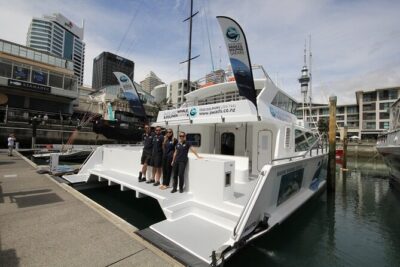
Auckland Dolphin and Whale Watching Eco-Safari Cruise
Read our review →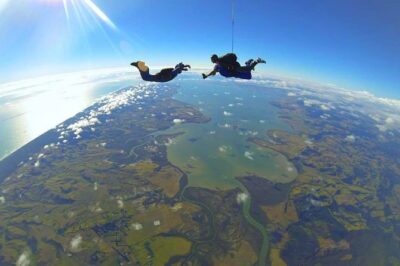
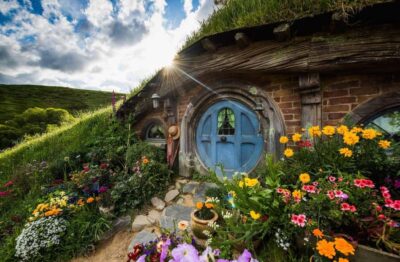
Hobbiton Movie Set Day Trip with Festive Lunch
Read our review →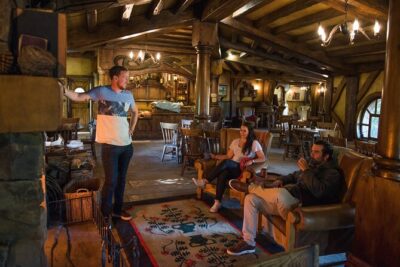
Hobbiton Movie Set Small Group Tour from Auckland
Read our review →
Auckland Explorer: Sightseeing Hop-on Hop-off Tour
Read our review →