
Reviewed · STARGAZING TOURS
Nocturnal Wonders Tawharanui Kiwi Spotting and Stargazing Tour
The best part of this tour is the change in mood after dark. Tawharanui Regional Park becomes a quiet search ground for the North Island brown kiwi, followed by a clear-sky session with telescopes and binoculars. One recent outing produced three kiwi sightings, including one bird seen at close range, though wildlife is never guaranteed.
I like the small group, capped at 10, because you can ask questions without shouting across a crowd. I also like the two-part plan: a guided bush walk for wildlife, then a secluded stargazing stop with stories of Indigenous astronomy.
The main drawback is simple: this is a night activity, so weather and animal behavior control much of the result. You also need to reach the meeting point at Tawharanui Regional Park yourself, and glamping is an extra cost rather than part of the $93.09 tour price.
Key points to know before booking
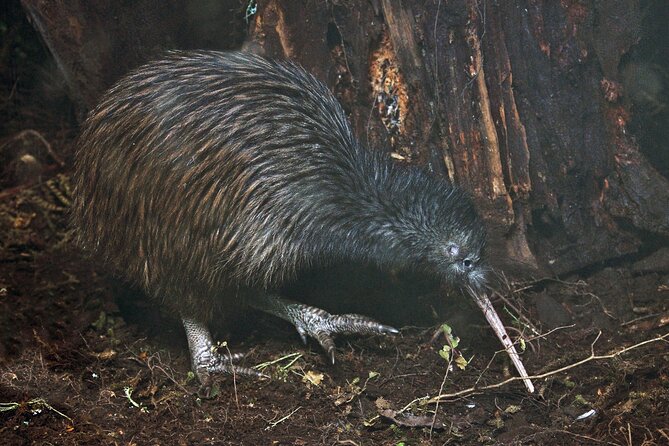
- Kiwi search after twilight: Walk through native bush with a guide looking for signs and sounds of nocturnal wildlife.
- Three hours in Tawharanui: The tour returns to the same meeting point, making it manageable as an evening outing.
- Small group of up to 10: The format gives you more room for questions and quieter wildlife watching.
- Telescopes and binoculars supplied: You do not need to bring specialist viewing equipment for the stargazing session.
- Stargazing away from city glare: The tour uses a secluded site inside the regional park for views of stars, planets, and constellations.
- Camping is optional and separate: Glamping tents may extend the experience, but campsite bookings and fees are not included.
Why night changes Tawharanui Regional Park
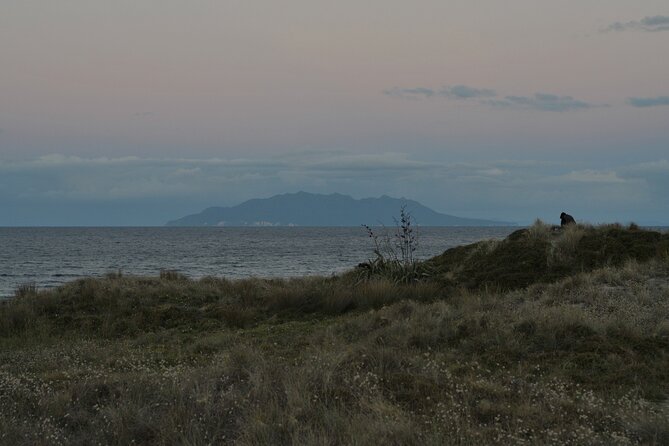
Most visits to Tawharanui happen in daylight, when the peninsula is known for open scenery, native bush, and coastal views. This tour takes a different route through the park’s after-dark life. You are not simply seeing the same place with less light. You are listening more carefully, walking at a slower pace, and watching for animals that rarely appear during a daytime outing.
The timing begins around twilight and continues into the night. That matters because the first part of the walk takes place during the transition from daylight to darkness. You get a gradual change in the bush rather than stepping straight from a car into a pitch-black trail.
Your guide leads the walk and explains the kiwi search as you go. The focus is not only on spotting a bird. You learn about kiwi behavior and look for traces of activity in the native bush. That makes the experience worthwhile even if a kiwi stays out of sight.
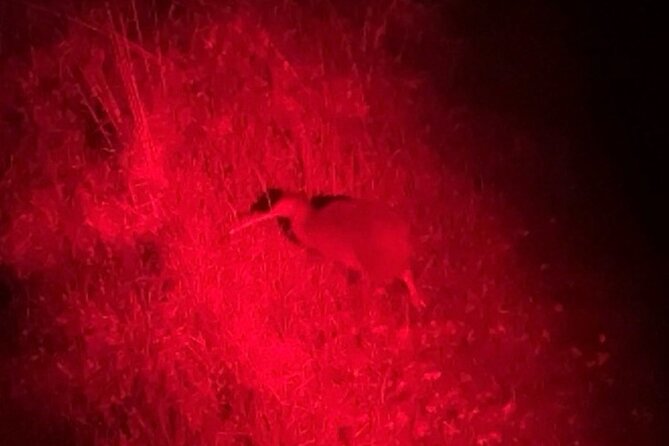
Still, you should book this with realistic expectations. A wild kiwi is not a scheduled performer. One outing resulted in three sightings, which is an excellent result, but it should be treated as a fortunate possibility rather than a promise. The guide can improve your chances by knowing what to look and listen for, yet nature keeps the final say.
Other dark-sky nights around Auckland:
- Lake Tekapo: Alpine Stargazing Experience with a Guide
★ 4.5 · 626 reviews - Lake Tekapo: Stargazing Experience
★ 4.9 · 607 reviews - Chameleon Stargazing Shared Tour
★ 5.0 · 181 reviews
The twilight kiwi search
The first main part of the experience is a walking tour through Tawharanui Peninsula. As evening settles, your guide takes you into the park’s native bush and helps you search for signs of kiwi activity.
This is where the small-group design earns its keep. A group of no more than 10 people is easier to keep quiet and together than a large tour party. You also have a better chance to ask about the birds, the park, and the clues you are seeing along the way.
The walk is described as a close-to-nature experience, but that does not mean you should expect to handle wildlife or approach every animal. The attraction is the chance to observe a wild bird in its own setting. If a kiwi appears, patience and careful movement matter more than speed.
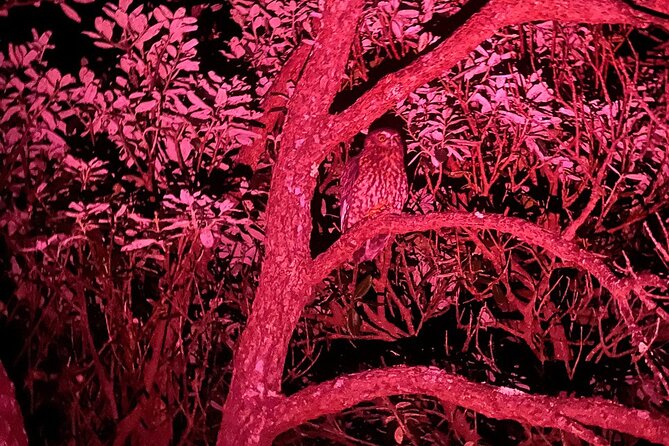
The tour also includes attention to nocturnal insects and reptiles. These smaller creatures can be easy to overlook, especially if your only goal is a kiwi. I would treat the walk as a broader night-wildlife search. The kiwi is the headline sighting, but the park’s after-dark life gives the walk its character.
A reported sighting of three kiwi, including one at close range, shows what can happen on a good night. It also highlights why the guide’s role matters. You are not wandering into the bush alone and hoping to stumble across a bird. You are following someone who can explain what you are looking for and help you stay alert.
The stargazing stop inside the park
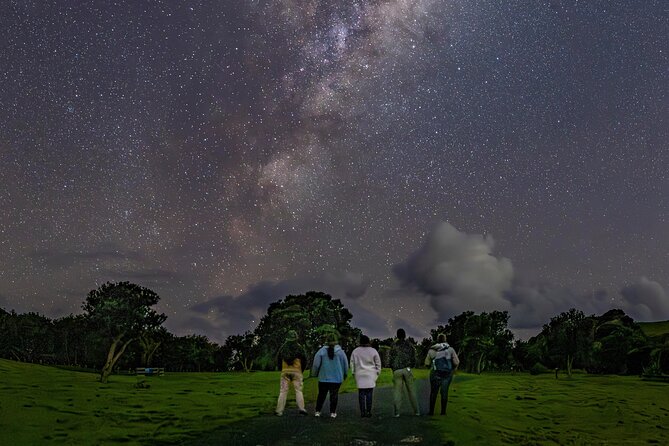
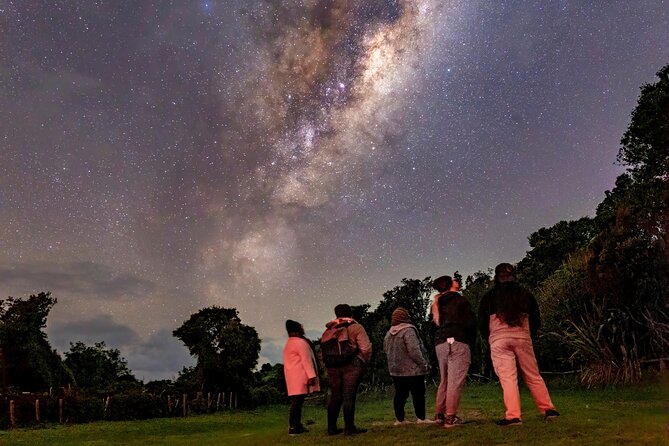
After the wildlife walk, the experience moves to a secluded stargazing site within Tawharanui Regional Park. The setting is away from the glare of Auckland’s city lights, which gives the night sky a better chance to show its detail.
Your guide provides telescopes and binoculars. That is useful for first-time stargazers, families, and anyone who does not want to carry extra gear. The equipment also gives the session some structure. Rather than simply standing outside and looking upward, you can examine selected stars, planets, and constellations with help.
The guide also shares stories of Indigenous astronomy. This adds cultural context to the sky above you. Constellations are not only points of light to identify with scientific names. The stories and knowledge connected to them offer another way to understand the night.
The quality of this part depends heavily on the weather. Clouds can reduce or remove the views, and the tour provider requires suitable conditions for the activity to run. If poor weather forces a cancellation, you are offered another date or a full refund. That policy is practical, but it does not change the need to keep your schedule flexible.
If the sky is clear, the combination of quiet bush and stargazing should feel quite different from an observatory visit in a city. You are still receiving guidance and using equipment, but the regional park setting keeps the experience connected to the natural world around you.
What the three-hour format means for you
Three hours is enough time for two distinct activities without turning the evening into a full expedition. The walk has room to unfold after twilight, and the stargazing session gives you time to use the equipment and ask questions.
You should plan to be at the meeting point on time because the tour begins at Tawharanui Regional Park, 1181 Takatu Road, Tāwharanui Peninsula. The activity ends back at that same meeting point. No transport to or from Auckland is included in the supplied details, so you need to arrange your own way there.
The mobile ticket is convenient. You can keep the booking on your phone rather than print a paper voucher. Confirmation is provided when you book.
The tour is priced at $93.09 per person. I see reasonable value here if you want both guided wildlife watching and an organized stargazing session. The fee covers the guide and specialized equipment, and the maximum group size keeps the outing more personal than a large coach-style tour.
The value is less clear if your only aim is to see a kiwi. There is no guarantee of a sighting, and a self-guided visit to the park would cost less if you already know the area and have your own wildlife and astronomy equipment. You are paying for the guide’s experience, the night-focused format, the equipment, and the chance to search in a group small enough to stay quiet.
More wildlife in Auckland:
- Auckland (Tawharanui): Wild Kiwi Bird Spotting Encounter
★ 4.9 · 78 reviews - Private tour from Auckland – Waitomo Glowworm Caves, Zealong Tea & Kiwi Bird
★ 5.0 · 20 reviews - From Auckland: Waitomo Caves and Kiwi House Group Tour
★ 4.8 · 20 reviews - AKL: Te Puia Maori Haka, Kiwi Birds, Redwood & Blue Springs
★ 4.3 · 16 reviews
The optional glamping add-on
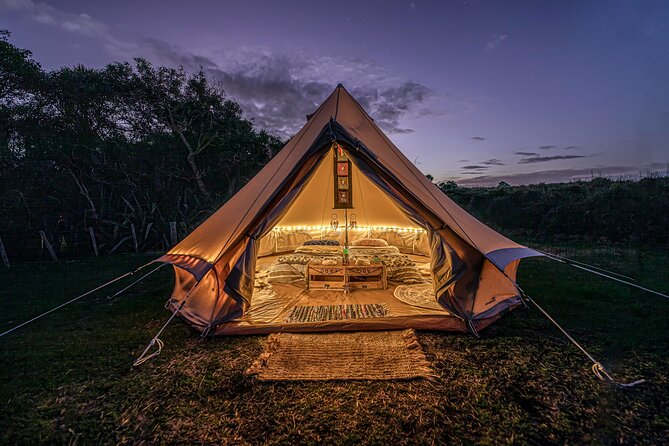
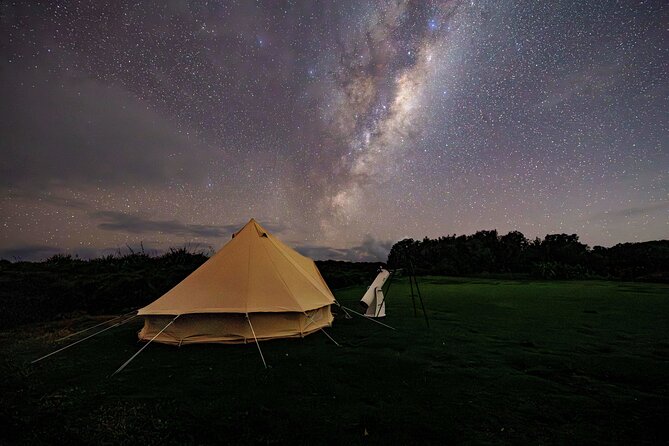
You can extend the outing by camping in glamping tents. This may suit you if you want to make Tawharanui the main event rather than drive away after the three-hour activity.
The important detail is that camping is not included in the tour price. Campsite bookings and fees are separate, so check those costs before assuming the overnight option is part of the package.
Glamping can also solve one practical problem: getting back to Auckland after a late evening. However, the supplied details do not state what the tents contain, how close they are to the meeting point, or what facilities are provided. Treat it as an optional extra that needs its own planning, not as a guaranteed feature of the standard booking.
Who should book this night walk
I would recommend this tour to you if you enjoy nature walks, have an interest in New Zealand wildlife, or want a quieter evening away from standard Auckland sightseeing. It is especially suited to people who like asking questions and learning as they go, since the small group leaves more space for conversation.
It also works well for first-time stargazers. The provided telescopes and binoculars mean you do not need to understand astronomy before arriving. The guide can help you focus on stars, planets, and constellations instead of trying to work everything out alone.
Families may find the format appealing, since the experience combines wildlife, a walk, and astronomy. The information states that most participants can take part, but it does not provide a detailed accessibility description. If you have mobility concerns, ask the provider about the walking conditions before booking.
This is less suitable if you dislike darkness, quiet walking, or uncertain wildlife sightings. It is also not the best choice if you need a fully weather-proof activity. The tour requires good weather, and cloud cover can affect the stargazing session even when the outing goes ahead.
Practical details that affect the experience
Wear clothing suited to an evening outdoors, though the supplied information does not specify a dress code or equipment list. You should expect a walking tour in native bush after dark, followed by time outside while looking through astronomy equipment.
The activity has free cancellation up to 24 hours before the start time. Cancellations made less than 24 hours in advance are not refunded, and changes inside that period are not accepted. The cut-off uses local time, so pay attention to the time in New Zealand when changing your plans.
The tour requires a minimum number of participants. If that minimum is not reached, you are offered another date or experience, or a full refund. That is worth remembering if your holiday schedule is tight.
The activity is operated by Social Nature Movement. The booking is confirmed at the time of purchase, and most people can participate. The 100 percent recommendation rate and 4.9 rating from 23 ratings suggest a strong record, with the clearest praise aimed at the guide’s knowledge and the chance to see kiwi at close range. The reported three-kiwi outing is encouraging, but you should still judge the tour by its whole format rather than by a single unusually successful night.
Should you book the Tawharanui kiwi and stargazing tour?
Book it if you want a guided night in nature and value the combination of kiwi searching, nocturnal wildlife, and astronomy. The strongest reasons are the small group, supplied viewing equipment, and the chance to experience Tawharanui after most day visitors have gone.
Skip it if your schedule cannot handle weather changes, if you want a guaranteed kiwi sighting, or if you expect camping to be included in the price. For the right visitor, $93.09 is a fair fee for a three-hour, two-part experience with a maximum of 10 people.
Go with curiosity rather than a checklist. A kiwi sighting would be the prize, but the quiet walk, the smaller night creatures, and the stars above the peninsula are what make the outing more than a simple wildlife hunt.
FAQ
Where does the tour start?
It starts at Tawharanui Regional Park, 1181 Takatu Road, Tāwharanui Peninsula 0986, New Zealand.
Where does the tour end?
The activity ends back at the meeting point in Tawharanui Regional Park.
How long does the experience last?
The tour lasts approximately three hours.
How much does the tour cost?
The listed price is $93.09 per person.
How many people can join the tour?
The group has a maximum of 10 participants.
What wildlife might I see?
The tour looks for North Island brown kiwi and may also include nocturnal insects and reptiles.
Is stargazing equipment provided?
Yes. The guide provides telescopes and binoculars.
What will the guide discuss during stargazing?
The session covers stars, planets, constellations, and stories connected with Indigenous astronomy.
Is camping included?
No. Glamping is an optional enhancement, and campsite bookings and fees are not included.
Can I cancel for a full refund?
Yes, if you cancel at least 24 hours before the experience starts. Poor weather or failure to meet the minimum number of participants may also result in a different date or a full refund.
Just added in Auckland
- Ex Hamilton: TRIPLE DEAL Wai O Tapu, Redwood Forest & Blue Spring★ 4.5 · 3 reviews
- Zombie Bite Escape Room Experiences★ 5.0 · 54 reviews
- Auckland Airport Private One-Way or Round-Trip Transfer★ 4.5 · 14 reviews
- Auckland’s Wild West Coast & Black Sand Beaches Tour inc Lunch★ 5.0 · 12 reviews
- Wētā Workshop Unleashed – Intro to Scars and Scrapes Workshop★ 5.0 · 5 reviews
- West Coast Discovery Tour★ 5.0 · 37 reviews
- Vineyards Honey and Black Sand Beaches from Auckland★ 5.0 · 93 reviews
- Kumeu Wine Region Shuttle from Auckland★ 4.5 · 19 reviews
Stargazing Tours, compared.
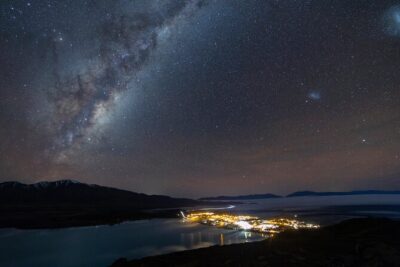
Mount John Observatory Stargazing Experience, Tekapo
Read our review →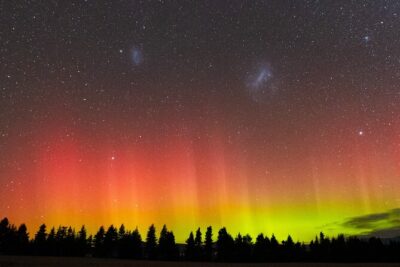
Silver River Stargazing Experience in Lake Tekapo
Read our review →
Stargazing Experience at Cowan’s Private Observatory
Read our review →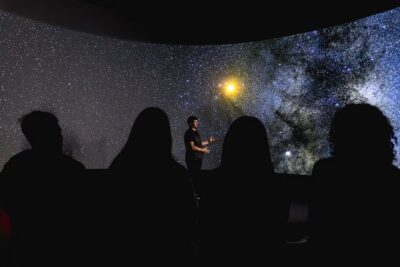
Dark Sky Indoor Maori Cultural Astronomy Experience
Read our review →Browse the lists this tour appears in