
Reviewed · TOURS IN FRANZ JOSEF
Okarito Nature Tour
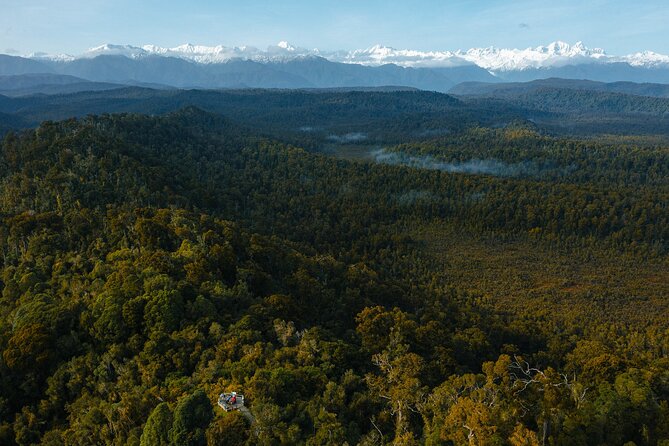
Okarito gives you a very different West Coast experience from the glacier viewpoints. This tiny former gold-mining village has about 35 permanent residents, old waterfront buildings, a broad lagoon, wild beaches, and birdlife that includes the rare kotuku, or white heron. The walk to Okarito Trig then opens into a wide view of the coast, Southern Alps, and glaciers.
I like the small group of no more than 10 people and the way the outing combines local history with a proper bush walk. I also like the practical help: hot drinks, walking poles, umbrellas, and wet-weather gear are available. The main consideration is the weather. This is an outdoor activity that operates in rain, and the two-hour walk needs moderate fitness.
Key points to know before you go
- Okarito has only about 35 permanent residents, giving the village a quiet, remote feel.
- Birdwatching is a major part of the outing, with chances to look for kotuku, royal spoonbills, rowi kiwi habitat, godwits, and banded dotterels.
- The Okarito Trig walk takes about two hours, with bush, native plants, mushrooms, orchids, and broad views at the top.
- Guides such as Petra, Cliff, and Louis focus on local nature and history, not just transport and photo stops.
- Rain gear, umbrellas, poles, and limited walking boots are available, but you need to arrange some items ahead of time.
- The $68.26 price is fair for a half-day outing, especially with transport from Franz Josef Village and a group capped at 10.
Why Okarito is worth leaving the glacier route for
Franz Josef and Fox Glacier draw most of the attention in this part of New Zealand. That makes sense, but it also means many people miss the coast. Okarito sits in a quieter corner of Westland, beside a large lagoon and the Tasman Sea, with the Southern Alps rising inland.
The village began as a gold-mining settlement in the 19th century. Today, its small population and old waterfront give it a sense of place that you will not get from a quick roadside photo stop. The pace is slow, the setting is open, and the focus is on birds, bush, water, and local stories.
I especially like the balance here. You get a scenic drive from Franz Josef, a short history stop, a chance to watch birds, and a walk with a worthwhile destination. This is not just a ride to a viewpoint. It gives you a better feel for how the coast, mountains, wetlands, and settlement fit together.
The drive from Franz Josef to the coast
The outing begins at 10:30 am, with transport from Franz Josef Village. The drive is part of the experience, since the route opens up photo opportunities between the inland glacier country and the coast.
The tour is designed for a small group, with a maximum of 10 people. That matters on a nature outing. You have a better chance to hear explanations clearly, stop without a large crowd, and ask about a bird, plant, or historic building when something catches your eye.
Hotel pickup is available in Franz Josef Village. If you are staying elsewhere, check the exact meeting details before booking, since the supplied information specifies Franz Josef pickup rather than a general pickup service throughout the wider region.
The activity starts at 10:30 am and takes roughly three to four hours. That timing works well if you want to keep the rest of the day open for another West Coast activity, though you should avoid scheduling anything immediately afterward if you prefer a relaxed pace.
Okarito village, wharf, lagoon, and beach
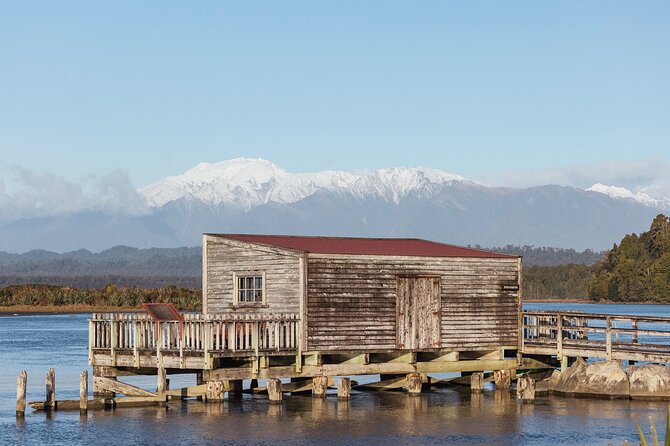
The first main stop is Okarito itself. You can expect about an hour in and around the village, with the historic wharf shed, lagoon, beach, and old buildings forming the core of the visit.
This is a useful stop because Okarito’s story is easy to miss if you simply drive through. The village’s gold-mining past helps explain why a settlement exists in such a remote place. Your guide can also connect the human story with the changing coast and wetland around it.
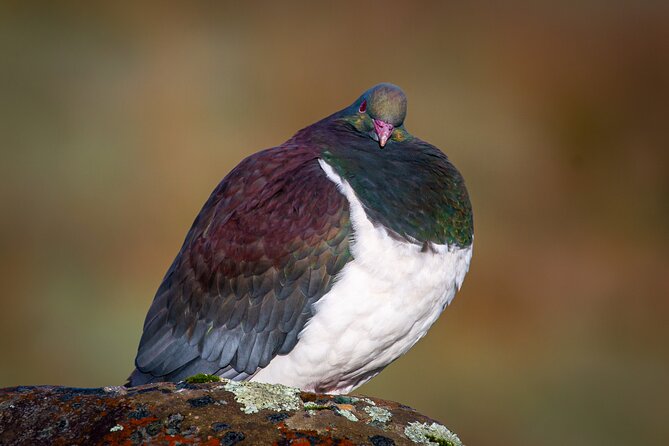
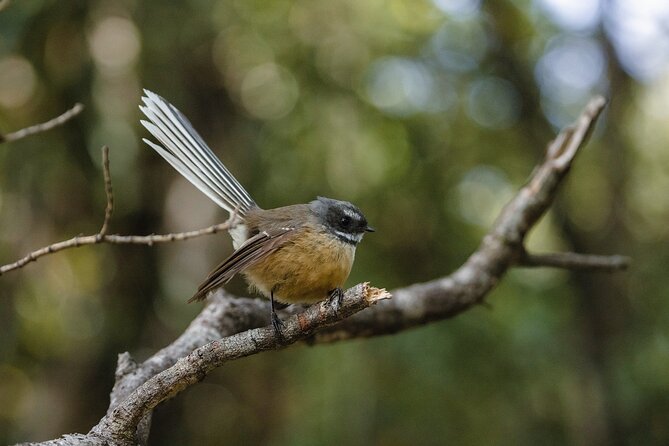
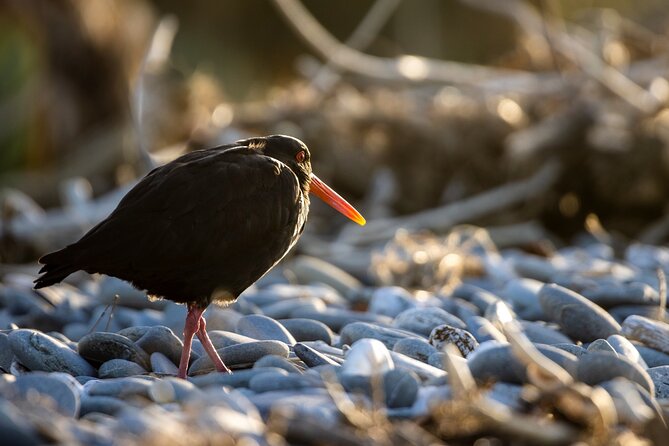
Birdwatching is central here. Okarito is home to around 75 sea and land bird species, including eastern bar-tailed godwits, banded dotterels, royal spoonbills, and the famous kotuku. The area is also linked with rowi kiwi habitat in Westland Tai Poutini National Park.
You should keep your expectations sensible. A bird sighting is never guaranteed, and the species you see can depend on tide, weather, season, and patience. Still, this is the right kind of place for birdwatching because you are moving through several habitats: lagoon edge, beach, forest, and open coastal areas.
The kotuku is the prize for many people. The white heron is rare, and spotting one is a matter of luck rather than something the guide can promise. Bring patience and binoculars if you have them. Even when the star bird stays out of sight, the range of other birds gives the stop plenty of interest.
The Okarito Trig walk and its 360-degree view
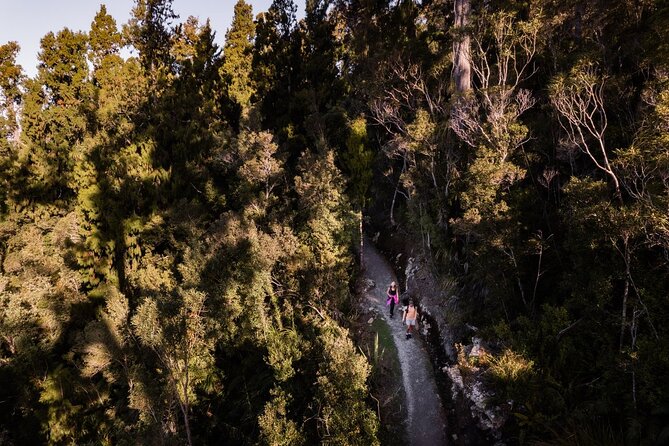
After exploring the village, you join the guided walk to Okarito Trig. The walk takes about two hours and passes through West Coast bush, with native flora and fauna along the track.
This is where the outing becomes more active. You need a moderate level of fitness, and the length is worth noting if you have spent the morning on a glacier or have a full day of walking planned. Walking poles are available if required, and limited walking boots can be arranged in advance.
The guide helps you notice details that are easy to miss on your own. The track may include native mushrooms and orchids, along with explanations of how glaciers shaped the area over time. That connection is one of the best parts of the route: the glaciers are not just distant scenery, but a force that helped form the valleys, coast, wetlands, and mountain edges around Okarito.
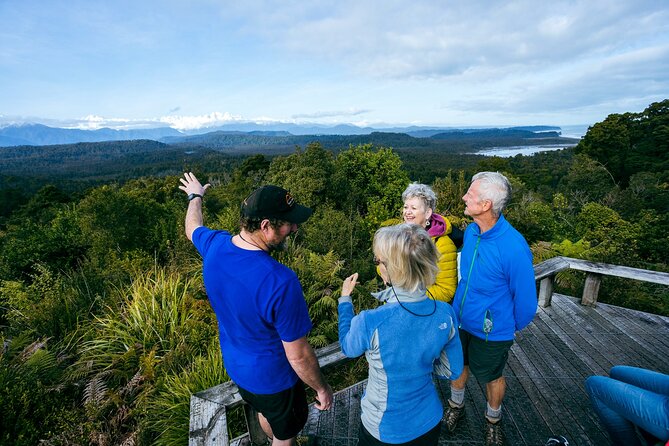
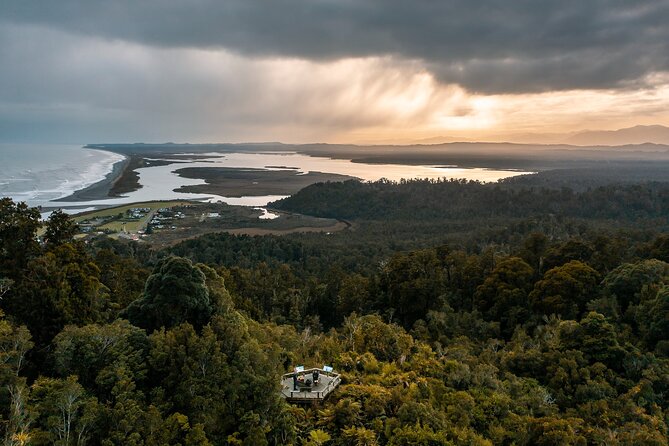
At the top, the view reaches in several directions. You can look over Okarito village, Okarito Lagoon, Three Mile Lagoon, the beach, and the coastline. Inland, the view includes Westland Tai Poutini National Park, Mount Cook, Mount Tasman, and Franz Josef Glacier.
The viewpoint gives you a useful sense of scale. From a single spot, you can see the relationship between the coast and the high mountains. It is also a strong reward for the uphill walk, especially on a clear day.
Cloud and rain can change the view quickly. That is not a reason to cancel automatically, since the bush and birdlife still provide interest in poor weather. It does mean you should book this for the experience of being outdoors, rather than only for a perfect mountain photograph.
Guides who add more than directions
The quality of this outing depends heavily on the guide, and the available information points to several named guides: Cliff, Petra, and Louis. Their roles go beyond leading the track.
Cliff brings local history into the visit, including explanations around the wharf and village. He has also led the Trig walk and connected the coastal stop with the wider glacier region. Petra focuses strongly on birds and the natural world, making her a good fit if you want to spend time identifying species and watching behavior.
Louis has a strong focus on flora and fauna, including forest birds and beach birds. That detail matters because birdwatching can otherwise feel like a series of quick, uncertain glimpses. A guide who knows where to look and what you are seeing can turn a brief movement in the trees into a meaningful part of the walk.
A past outing also included a hot drink and time for a picnic lunch, but lunch is not part of this tour’s listed inclusions. Treat that as a reminder to plan your own food rather than assuming it will be provided.
What happens in wet weather
The West Coast is famously changeable, and this tour operates in all weather conditions. Several people have completed the walk in steady rain, using supplied clothing and umbrellas to stay dry.
That practical approach is reassuring, but it does not make the outing weatherproof in the sense of being effortless. You still need warm layers and suitable clothing. Wet ground, rain, and low cloud can make the walk less comfortable and may reduce the long-distance views.
Wet weather can also make the birdwatching more difficult. On the other hand, rain brings out the character of the bush, and the guide’s explanations about plants, mushrooms, and the way glaciers shaped the area remain useful when the mountains disappear into cloud.
Rain gear is available, and walking poles can be supplied. Wet-weather clothing requires a call to arrange sizes, while walking boots are limited and also need advance booking. Water is not included, so bring your own bottle. Lunch is not included either.
Is $68.26 good value?
At $68.26 per person, this is reasonably priced for a three to four-hour small-group experience from Franz Josef. The value comes from the combination of transport, guiding, bird and nature interpretation, the village visit, and the Trig walk.
You are not paying only for a lookout. You are getting access to a quieter coastal area without having to organize the drive yourself, plus a guide who can explain the history and natural features. The maximum group size of 10 keeps the outing more personal than a large coach excursion.
The price is less attractive if you want only a short photo stop or if you are not interested in walking. The village portion alone is fairly brief, and the main reward comes from taking the full route to the Trig viewpoint.
For someone already spending time in Franz Josef, I think the cost makes sense as a half-day change of scene. It adds the coast and wetlands to a trip that might otherwise focus almost entirely on glaciers.
Who should book this outing?
I would recommend it most strongly to you if you enjoy birds, local history, native plants, and walks with a clear destination. It also suits photographers who are happy to wait for changing light, birds, and mountain views rather than expecting every shot to work.
Families with older children may enjoy it, but the moderate fitness requirement and two-hour walk need to be taken seriously. The information provided does not give a minimum age, so check before booking if you are traveling with young children.
This is also a good choice if you have already visited a glacier and want to see another side of the region. The coast, lagoon, small settlement, and forest offer a different rhythm from a glacier track.
I would hesitate if you dislike rain, have limited walking ability, or need guaranteed wildlife sightings. You should also allow enough time for the walk and avoid treating the activity as a quick add-on between tightly scheduled plans.
Booking details that matter
Confirmation is provided when you book, and the ticket is mobile, which is convenient for a day of sightseeing. The tour starts at 10:30 am and ends back at the meeting point.
Free cancellation is available if you cancel at least 24 hours before the local start time. Cancellations or changes made inside that window are not refunded or accepted. The tour also requires a minimum number of participants, so if the operator cancels because that minimum is not met, you will be offered another option or a full refund.
Bring water, warm layers, and clothing suited to rain. If you need walking boots or specific wet-weather sizes, arrange them before the day rather than waiting until pickup.
Should you book the Okarito Nature Tour?
Book it if you want a quieter, more varied half-day around Franz Josef. The strongest reasons are the small group, the mix of Okarito’s gold-mining past and coastal wildlife, and the high viewpoint looking from the Tasman Sea toward Mount Cook, Mount Tasman, and Franz Josef Glacier.
The tour is at its best when you treat it as a nature outing, not a checklist of guaranteed sightings. You might see the kotuku, royal spoonbills, godwits, or other birds, but the real value is the setting and the guide’s help in reading it.
If rain does not put you off and you can manage a two-hour bush walk, I would make room for this experience. It gives you the coast, wetlands, forest, and mountains in one well-sized outing, at a price that compares well with many shorter West Coast activities.
FAQ
Where does the Okarito Nature Tour take place?
The tour travels from Franz Josef Village to Okarito on New Zealand’s West Coast. The stops include Okarito village, the lagoon and wharf area, Okarito Beach, and the Okarito Trig track.
How long does the tour take?
The experience lasts approximately three to four hours. The village visit takes about one hour, and the guided Trig walk takes about two hours.
What time does the tour start?
The tour starts at 10:30 am.
Is hotel pickup available?
Convenient hotel pickup is included in Franz Josef Village. The activity ends back at the meeting point.
How large is the group?
The tour has a maximum of 10 participants.
What birds might I see?
Okarito is home to around 75 sea and land bird species. Possible sightings include the kotuku, royal spoonbill, eastern bar-tailed godwit, banded dotterel, and other forest and beach birds.
Is the kotuku guaranteed?
No. The kotuku is a rare white heron, so sightings depend on conditions and luck.
Is the walk physically demanding?
You need a moderate level of physical fitness for the approximately two-hour Okarito Trig walk. Walking poles are available if required.
What equipment is included?
Coffee or tea, walking poles if required, umbrellas, and wet-weather clothing are included. Walking boots are available in limited supply, but you need to call ahead to arrange them.
Is lunch or water included?
No. Lunch and water are not included, so you should bring your own.
Does the tour operate in rain?
Yes. The tour operates in all weather conditions. You should dress appropriately and arrange wet-weather clothing sizes ahead of time if needed.
What is the cancellation policy?
You can cancel for a full refund up to 24 hours before the local start time. Cancellations or changes made less than 24 hours before the start are not refunded or accepted.
Tours in Franz Josef, compared.
Franz Josef Glacier: Helicopter Flight & Alpine Landing
Read our review →
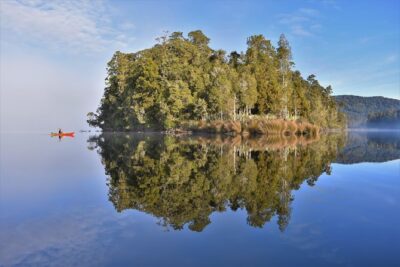
Small-Group Kayak Adventure from Franz Josef Glacier
Read our review →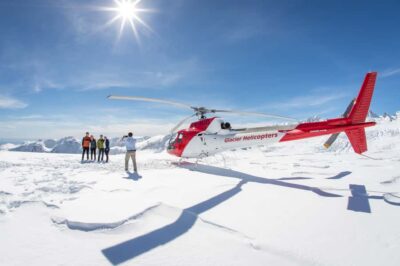
Franz Josef & Fox Glaciers Helicopter Flight & Snow Landing
Read our review →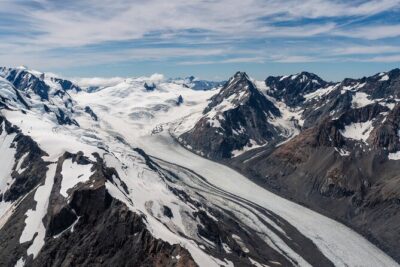
Pilot’s Choice: 2 Glaciers & Snow Landing – 35min
Read our review →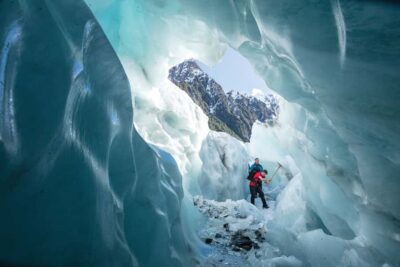
2.5 Hour Glacier Hike with Helicopter Transfer
Read our review →Browse the lists this tour appears in