
Reviewed · MAORI CULTURAL EXPERIENCES
Dark Sky Indoor Maori Cultural Astronomy Experience
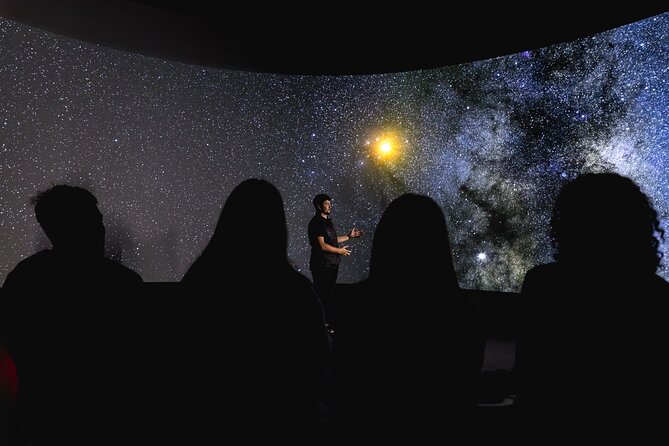
The best thing about this experience is that you can study the Southern Sky in daylight, rain, or cloud. At Lake Tekapo’s Dark Sky Project, a guide takes you through four indoor zones that connect Māori astronomy, navigation, mythology, and modern science.
I like the clear blend of Māori tradition and Western astronomy. I also like the family focus: hands-on displays, multimedia presentations, and a story-led format give children something to do while adults pick up useful context. Guides such as To bring an informal, engaging style to the presentation.
The main drawback is simple: this is an indoor introduction, not a stargazing session under the real sky. If you want telescopes, planets, and stars overhead, you will need a separate night tour. The guided portion lasts about 45 minutes, so visitors looking for a longer attraction may find it brief.
Key points to know before you go
- Southern Sky stories in daylight: Learn about stars and constellations without waiting for darkness or hoping for clear weather.
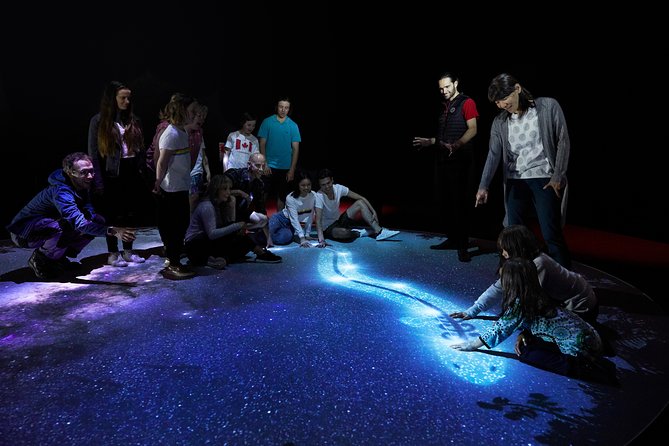
- Four interactive zones: Follow Māori ideas about navigation, star clusters, ocean currents, mythology, and the origins of life.
- A useful family stop: Multimedia exhibits and hands-on activities help keep younger children involved.
- Culture comes first, not as an afterthought: Māori connections to agriculture, navigation, and daily life shape the experience.
- A historic telescope indoors: See the restored 125-year-old Brashear Telescope, which rises nine metres inside the centre.
- Short and weatherproof: Plan on roughly one hour in total, with a 45-minute guided tour and time to take in the displays.
Why this Lake Tekapo experience works in bad weather
Lake Tekapo is famous for its night sky, but the weather does not always cooperate. Clouds, rain, and a full moon can all change your plans. This indoor experience gives you a useful alternative, especially if you have set aside one evening for stargazing and the forecast looks poor.
I like this kind of backup because it does not pretend to replace an outdoor astronomy session. Instead, it explains what you are looking at and why the sky matters. You can learn the stories, science, and navigation methods during the day, then use that knowledge later if the clouds clear.
The centre operates year-round, so you do not have to build your whole visit around a perfect forecast. That matters in the Aoraki Mackenzie International Dark Sky Reserve, where the sky is the main attraction but the weather remains out of your control.
The indoor setting also suits families with mixed interests. One person can enjoy the science, another can focus on Māori stories, and children can take part in the interactive elements. You will not need to keep everyone quiet in a dark observatory for a long period.
Other Maori cultural experiences around Lake Tekapo:
- Lake Tekapo: Indoor Māori Cultural Astronomy Experience
★ 4.5 · 43 reviews - Mitai Maori Village: Cultural Experience and Dinner Buffet
★ 4.7 · 3,575 reviews - Cultural Experience & Seasonal Māori Cuisine at Te Pā Tū
★ 5.0 · 1,546 reviews
Four zones that connect stars, people, and place
The guided tour moves through four interactive areas. The exact presentation can vary with the guide and group, but the central themes are clear.
The first major idea is how Māori used the sky to travel. Constellations were not simply patterns to admire. They helped people read direction and time, while knowledge of ocean currents supported long-distance navigation. This gives the stars a practical role in human history.
That context is valuable because many basic astronomy displays focus only on names and distances. Here, you see how sky knowledge connected with the sea, seasons, and movement across the Pacific. The subject feels less like a list of facts and more like a working system.
The experience also looks at star clusters and their cultural meaning. You will hear how groups of stars fit into Māori understandings of time, place, and the natural world. Mythology is part of the presentation, but it is paired with scientific explanation rather than treated as a separate curiosity.
This blend is one of the strongest parts of the visit. Science explains physical events and objects. Cultural knowledge explains how people understood their relationship with those objects. You get both viewpoints without having to choose between them.
Another section explores the science-based story of how living beings came to be. This gives the tour a wider reach than a simple guide to constellations. The focus moves from the night sky to life, the universe, and the way human communities place themselves within it.
The multimedia format helps break up the information. You are not expected to stand in one room and listen to a long lecture. The short zones create changes of pace, which is useful for children and anyone whose attention starts to wander after too much technical detail.
Māori astronomy is the heart of the experience
The cultural material is not a small introduction before a standard astronomy talk. It runs through the full experience. You learn about the Māori understanding of the universe and its role in navigation, farming, seasons, and everyday life.
That matters at Lake Tekapo. The sky here is often presented as a scientific resource because the region has very dark conditions. This experience adds a human and cultural layer, showing that the sky has long been a source of practical knowledge and meaning.
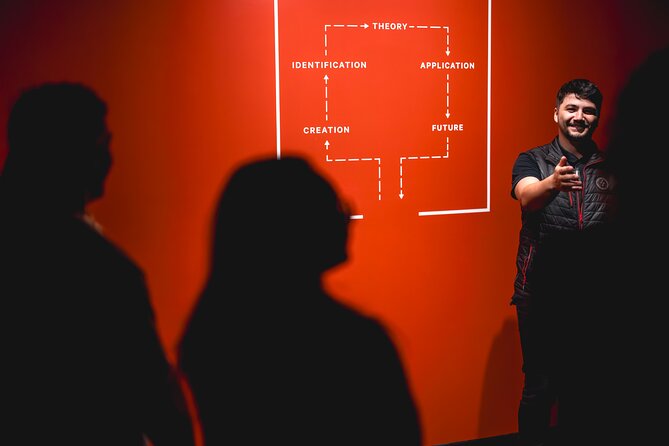
The guide’s storytelling makes a real difference. A strong presenter can make unfamiliar terms easy to follow, and the available feedback points to guides who explain the subject clearly, keep the tone relaxed, and welcome questions. One guide, To, is known for an informal style and a lively way of speaking.
You should expect a presentation designed for a broad audience, not a specialist astronomy class. The talk is easy to follow, and the science does not require prior knowledge. People with a serious interest in astronomy may want more technical detail, but families and first-time visitors will probably appreciate the accessible approach.
The cultural stories also help you understand why the Southern Sky deserves attention. This is not simply a Northern Hemisphere star tour with different names. The focus is on the southern constellations and the Māori relationship with them.
The Brashear Telescope adds a physical sense of history
One of the most striking objects inside the centre is the restored 125-year-old Brashear Telescope. The telescope reaches nine metres high, giving the indoor visit a strong visual centre.
You do not book this experience as a telescope viewing session, so keep your expectations in check. The telescope is part of the exhibition and helps show how astronomy has changed over time. Its age and size provide a useful contrast with the modern screens and interactive displays around it.
I like this detail because it gives the visit something substantial to look at. Digital presentations can sometimes feel temporary or interchangeable. A historic instrument makes the story of astronomy feel more physical.
It also links the cultural and scientific parts of the tour. Māori sky knowledge developed through close observation of nature, while European astronomy used instruments such as telescopes to gather different kinds of evidence. Seeing an old telescope alongside Māori stories reinforces the idea that people have used different tools to understand the same sky.
Other dark-sky nights around Lake Tekapo:
- Lake Tekapo: Alpine Stargazing Experience with a Guide
★ 4.5 · 626 reviews - Lake Tekapo: Stargazing Experience
★ 4.9 · 607 reviews - Chameleon Stargazing Shared Tour
★ 5.0 · 181 reviews - Lake Tekapo: Mountaintop Stargazing at Mount John Summit
★ 4.5 · 176 reviews
What the 45-minute guided tour feels like
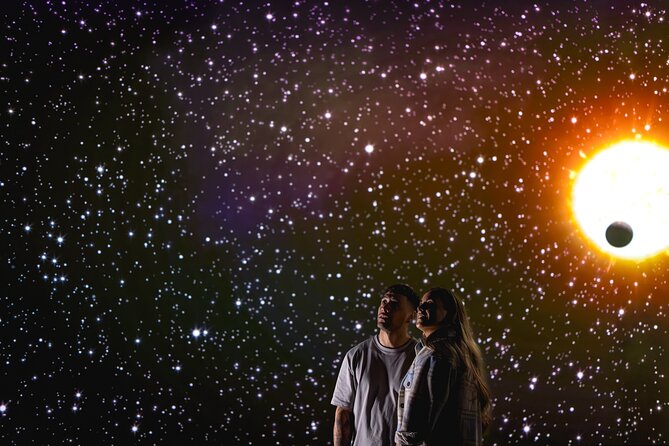
The guided portion takes about 45 minutes, with the whole visit listed at approximately one hour. That makes it easy to fit into a day around Lake Tekapo. You can schedule it before a meal, between scenic stops, or during a spell of bad weather.
The format is structured rather than free-form. A guide leads the group through the four zones, explaining the displays and drawing attention to the key ideas. This is helpful because the subject can be difficult to piece together alone, especially when cultural stories and scientific concepts appear together.
The group can include up to 26 people. That is not a private tour, but it is still a contained group size for an indoor presentation. Your experience will depend partly on where you are standing and how active the children in your group are. Arriving with a little time to spare may help you settle in before the talk begins.
The tone is meant to be entertaining as well as educational. The strongest moments come when the guide links a story to a practical use, such as navigation or seasonal planning. The presentation is less suited to visitors who want a long, quiet period for independent study.
You should also allow for differences between guides. The subject is fixed, but delivery matters. Some guides will lean more toward humour and audience interaction, while others may focus more tightly on the science and story structure.
Is the $37.56 price good value?
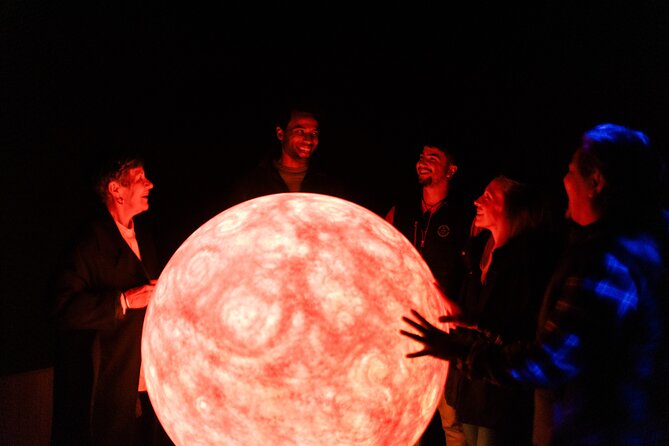
At $37.56 per person, this is not a free rainy-day filler, but it can be good value if you use it as a cultural and educational attraction rather than a substitute for outdoor stargazing.
You receive a guided presentation, four themed zones, interactive displays, Māori astronomy, Western science, and access to see the Brashear Telescope. For a family, the price also buys a dependable indoor activity that works in any season.
The value is strongest for people who already plan to visit Lake Tekapo’s night-sky attractions. The daytime session can give you a better framework for understanding what you see later. It is also useful for families who need an activity that works for adults and children at the same time.
The value is weaker if you expect a long museum visit or a live telescope observation. The guided section is only 45 minutes, and the experience ends back at the starting point. Snacks, coffee, and tea are not included, so plan those separately.
I would think of the ticket as a focused cultural attraction, not an all-day museum pass. At that price, it makes sense when the subject interests you, the weather is poor, or your family needs a reliable indoor plan.
Who should book this experience?
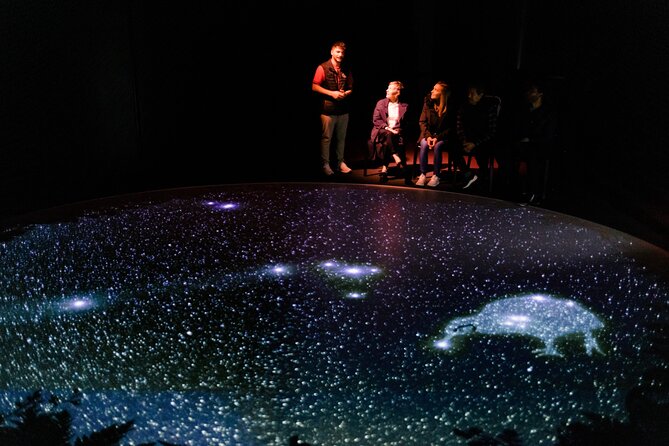
This is a strong choice for families. The interactive zones and multimedia displays offer children a way into a subject that can otherwise feel abstract. The tour is also suitable for adults who want a clear introduction to Māori astronomy without signing up for an advanced science talk.
It works well for first-time visitors to New Zealand who want cultural context alongside their scenic stops. The Māori material is central, and the links with navigation, agriculture, and daily life give you more than a generic explanation of star names.
I would also suggest it to anyone visiting in uncertain weather. Lake Tekapo’s night sky can be spectacular, but you cannot schedule clear conditions. This tour gives you a worthwhile plan that does not depend on the forecast.
People with a strong background in astronomy may find the presentation fairly basic. The attraction aims at a broad audience, so it focuses on clear storytelling rather than detailed astrophysics. If you want extended observing time, specialist equipment, or a long lecture, look for a separate astronomy activity.
The experience is also suitable for visitors who need an indoor option. Service animals are allowed, and the attraction is near public transportation. Most people can participate, but the supplied information does not provide detailed accessibility measurements, so you should confirm specific needs before booking.
Practical details for your Lake Tekapo day

The meeting point is 1 Motuariki Lane, Lake Tekapo 7999, New Zealand. The activity finishes at the same location, so you do not need to arrange a separate end point.
Your confirmation arrives when you book, and the ticket is mobile. That keeps the arrival process simple, especially if you are moving between several stops around Lake Tekapo.
The tour is offered year-round. You do not need to wait for darkness, and poor weather does not cancel the basic plan. That makes it easier to place this activity in the middle of your day instead of reserving your evening for it.
There is no food or drink included. That is not a major issue for a one-hour visit, but you should not count on the attraction as a café stop.
Free cancellation is available if you cancel at least 24 hours before the start time. Changes or cancellations made later are not refunded. The experience also requires a minimum number of participants, so a cancellation by the operator can result in another date, another experience, or a full refund.
Should you book the Dark Sky Indoor Māori Cultural Astronomy Experience?
Book it if you want Māori astronomy, accessible science, and a dependable indoor activity in Lake Tekapo. It is especially useful for families, first-time astronomy visitors, and anyone facing cloud or rain.
I would not book it as your only sky experience if your main goal is to look through a telescope or see the Milky Way outdoors. Think of it as the cultural and educational foundation for the region’s night-sky attractions.
At $37.56, the short running time is the main point to weigh. If you value a clear guide, interactive exhibits, and a weatherproof visit, the price is reasonable. If you want a longer attraction or more advanced astronomy, save your money for an outdoor session and treat this as optional.
FAQ
How long does the Dark Sky Indoor Māori Cultural Astronomy Experience last?
The full visit takes approximately one hour. The guided tour through the four zones lasts about 45 minutes.
Where does the experience begin and end?
It begins at 1 Motuariki Lane, Lake Tekapo 7999, New Zealand. The activity ends back at the same meeting point.
Is the experience suitable for children?
Yes. It is designed for all ages and includes multimedia exhibits and hands-on activities intended to keep families involved.
Does the experience depend on clear weather or darkness?
No. It is an indoor activity that operates during the day and year-round, so you can attend in cloudy or rainy conditions.
What does the admission include?
Admission includes the guided tour through four zones, the indoor space-and-culture presentation, and the opportunity to see the restored 125-year-old Brashear Telescope.
How many people can join the tour?
The activity has a maximum group size of 26 people.
Can I cancel for a full refund?
Yes, if you cancel at least 24 hours before the experience start time. Cancellations or changes made less than 24 hours in advance are not refunded.
Just added in Lake Tekapo
- Silver River Stargazing Experience in Lake Tekapo★ 4.5 · 106 reviews
- Tekapo Star Gazing Tour – Soak in the Stars★ 4.5 · 109 reviews
- Scenic 4WD Tour Lake Tekapo Backcountry★ 5.0 · 77 reviews
- Lake Tekapo Scenic Wilderness Cass Valley Tour★ 4.5 · 19 reviews
- Lake Tekapo to Mt Cook One-Way Small Group Tour★ 4.0 · 5 reviews
- Mt Cook Day Tour From Tekapo (Small Group, Carbon Neutral)★ 4.5 · 11 reviews
- Mount John Observatory Stargazing Experience, Tekapo★ 4.5 · 160 reviews
- Day Trip: Lake Tekapo to Mt Cook National Park★ 4.5 · 31 reviews
Maori Cultural Experiences, compared.
Mitai Maori Village: Cultural Experience and Dinner Buffet
Read our review →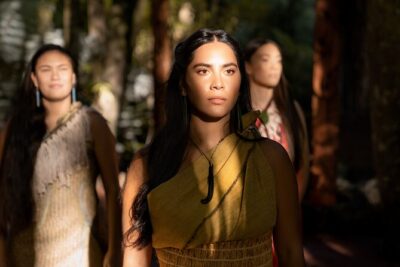
Cultural Experience & Seasonal Māori Cuisine at Te Pā Tū
Read our review →
Mitai Maori Village Cultural Experience in Rotorua
Read our review →
Lake Taupo: Classical Sailing to the Māori Rock Carvings
Read our review →
Te Pa Tu Māori Cultural Experience with Dinner
Read our review →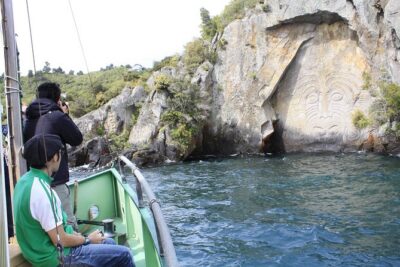
Lake Taupō Māori Rock Carvings Scenic Cruise aboard Ernest Kemp
Read our review →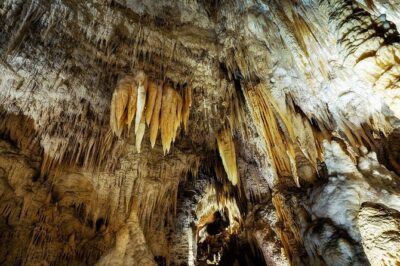
Waitomo Caves & Rotorua – Te Puia Small-Group Tour from Auckland
Read our review →
Lake Taupo: Maori Rock Carvings 10.30 AM 1.5-Hour Cruise
Read our review →Browse the lists this tour appears in