
Reviewed · CANOES & KAYAKS
Three Day Classic Kayaking in New Zealand
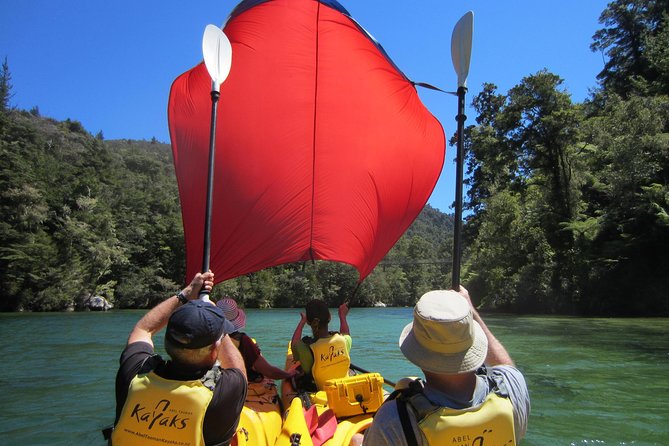
The best part of this three-day Abel Tasman trip is the change of pace. You paddle the coast from Totaranui or Awaroa south to Marahau, stopping at beaches, lagoons, islands, seal colonies, and old Māori pā sites instead of rushing through on a single water-taxi ride. The park’s northern end is quieter, and nights bring birdsong, waves, and a remarkably clear view of the Milky Way.
I like the fully catered camping, which removes the burden of carrying and cooking three days of food. I also like the guides’ broad knowledge of tides, birds, marine life, local stories, and park history. The main consideration is weather: this is a sea-based trip, and poor conditions can lead to changes or cancellation. You also need to arrange your own transport from Nelson or Motueka.
Key points to know before you book
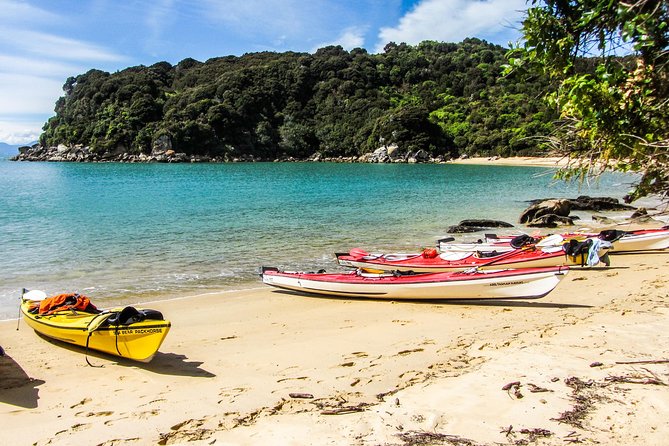
- Three days on the coast: Kayak from Totaranui or Awaroa in the north to Marahau in the south.
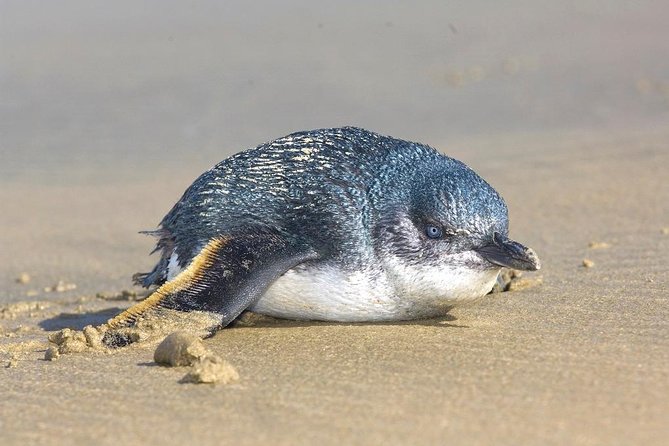
- Wildlife at close range: Look for New Zealand fur seals, blue penguins, coastal birds, and marine life around Tonga Island.
- Food is handled for you: Breakfast, lunch, dinner, and snacks are included, with dietary needs catered for.
- The northern park feels quieter: The route gives you time to explore beaches, lagoons, islands, and Māori pā sites.
- Guiding is a major part of the trip: Guides such as Mitchell, Whitney, Lou, Awatea, Darryl, and Louisa have led groups with a mix of practical care and local interpretation.
- Plan around the weather: You need a reasonable level of fitness for kayaking, and conditions can affect the itinerary.
Why three days is the right length for Abel Tasman
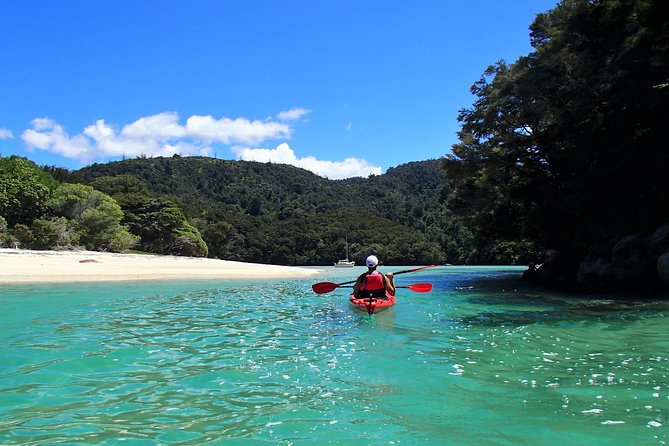
Abel Tasman National Park is famous for golden sand, green forest, clear coastal water, and easy access by boat. A short visit can show you the highlights, but it can also feel like a sequence of transfers. This three-day trip gives the coast room to unfold.
You begin at the northern end, around Totaranui or Awaroa, and work south toward Marahau. That direction matters because the northern section is less visited than the central and southern parts. You get more time to paddle along quiet shorelines, pause on beaches, and explore places that are easy to miss when you are simply moving between transport stops.
I like the way this route balances activity and rest. You spend time on the water, but the trip is not presented as a nonstop endurance test. You also walk, eat by the beach, explore coastal features, and settle into camp at the end of the day.
The pace suits people who want an active holiday without having to organize every detail themselves. You still need to paddle for several days, but the guide handles route decisions, safety briefings, food planning, and much of the day-to-day structure.
More canoes & kayaks in Marahau:
- Kayak & Walk
★ 5.0 · 161 reviews - Oarsome Marine Reserve Kayak Tour
★ 5.0 · 39 reviews - 1 Day Sea Kayak Rental
★ 5.0 · 36 reviews
Starting at Totaranui or Awaroa
The stated start of the classic route is Totaranui or Awaroa, with the journey ending at Marahau. The exact movement between these points depends on the operating plan, tides, and weather, so you should be prepared for the day to follow natural conditions rather than a rigid timetable.
The northern section is one of the strongest reasons to choose the full trip. It gives you a quieter introduction to the park, with time for long views across the water and a better sense of how the coast changes from one bay to the next.
You may paddle past beaches that invite a break, explore lagoons when the tide allows, and stop at islands and coastal sites. The guides also bring in Māori history and local lore, including the remains and setting of Māori pā sites. These stops add meaning to what might otherwise look like a series of pretty beaches.
Tides are important here. They affect access to lagoons, the timing of paddling, and the route your guide selects. One useful practical point is that the day can be especially rewarding when the tide works in your favor, allowing access to places such as Shag Harbour. You should not treat that as a guaranteed stop, but it shows why flexibility matters on this coast.
Tonga Island and the fur seals
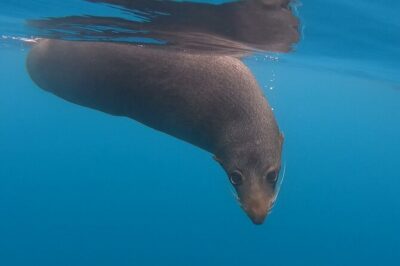
Tonga Island Marine Reserve is the wildlife centerpiece. The reserve is known for its large population of New Zealand fur seals, or kekeno, and kayaking gives you a quiet way to approach the coast.
You might see seals resting on rocks, moving through the water, or gathering around the island. Blue penguins are also listed as a possible sighting, along with coastal birds and other marine life. Wildlife is never guaranteed, but the marine reserve gives you a strong chance to see the natural life that makes this part of New Zealand special.
The guide’s role is important here. A good guide helps you keep a respectful distance, explains what you are seeing, and keeps the group moving safely around exposed coastline. Guides have also been praised for pointing out birdlife, bush, tides, flora, fauna, and marine life, so this is more than a scenic paddle.
The water can look calm and inviting, but this is still a sea-kayaking trip. Conditions can change, and you need to follow instructions about paddling technique, distance, and safety equipment. The operator identifies risks including seasickness, heatstroke, hypothermia, drowning, and property damage. That may sound blunt, but it is useful information to have before booking.
Beach lunches and fully catered days
Lunch by the beach is one of the simple pleasures of the trip. You stop, look out over the ocean, and eat without having to unpack a personal supply of trail food. That pause also gives your arms a break and lets you enjoy the coast from land.
Breakfast, lunch, dinner, and snacks are included. Dietary requirements are catered for, and the food has received especially warm praise from people managing special diets, including coeliac needs. You should still provide your requirements clearly when booking.
The included food adds real value to the price. A three-day kayak trip requires much more than a guide and a boat. Food must be planned, packed, transported, and prepared around a changing coastal schedule. Having meals covered also means you can carry less and spend less time managing camp supplies.
The trip is not a restaurant holiday. Meals are part of an outdoor camping experience, and exact menus are not provided in the information available. Still, the combination of catered meals and beach settings is a major advantage over arranging a self-guided trip.
Same base, a different kind of day:
- The Family Cruiser
★ 5.0 · 244 reviews - Sail, Seals, and Walk Tour in Abel Tasman
★ 4.5 · 34 reviews - Southern Duo kayak & walk tour
★ 5.0 · 23 reviews - Mārahau: Abel Tasman Marine Reserve Kayak Tour
★ 4.9 · 22 reviews
Camping under the Abel Tasman night sky
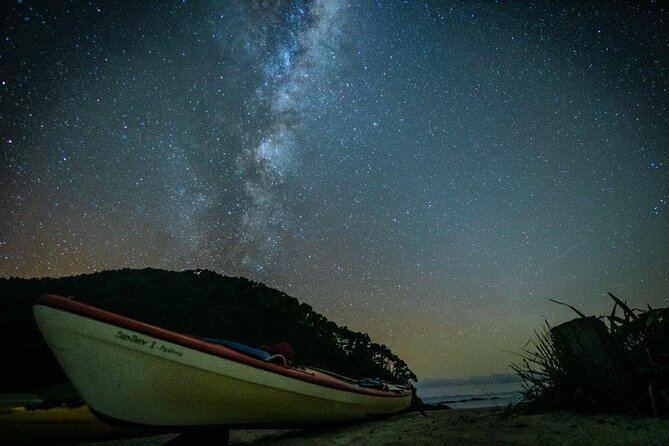
At night, the experience shifts from active to quiet. You settle into camp, listen to the waves, and wake to birdsong. When conditions are clear, the Milky Way can be striking in the park.
This is a good reason to choose three days rather than a day trip. A single outing shows you the coast in daylight. Overnight camping lets you experience the park after the day visitors and water traffic have moved on.
The accommodation is camping, so you need to be comfortable with basic outdoor living. The trip is fully outfitted, but the supplied information does not specify tent arrangements, bedding, or campsite facilities. Ask the operator what personal gear you need to bring before departure.
One practical detail from the end of the trip is access to a shower, which makes the finish at Marahau more comfortable. The activity ends back at the meeting point, and the day’s outdoor effort does not have to continue into your onward travel.
The guides make the difference
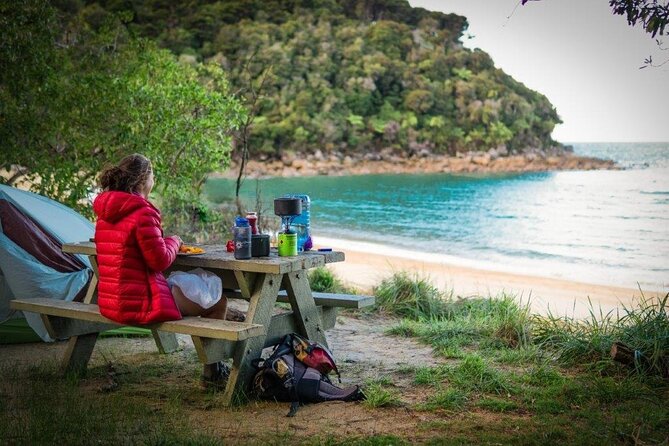
A three-day guided trip gives you more contact with the guide than a short excursion. That makes the guide’s manner and ability to read the group especially important.
Named guides associated with this experience include Mitchell, Whitney, Awatea, Lou, Louisa, and Darryl. Their strengths cover the things you want on a coastal trip: clear scheduling, safety awareness, local stories, wildlife interpretation, and regular checks on how people are managing.
Mitchell is noted for anticipating group needs and keeping the schedule on track. Whitney has led family groups with careful attention to food requirements and an unhurried pace. Lou has been valued for park information and for checking in with different members of the group.
Awatea is associated with a polished, friendly approach, while Louisa has covered subjects ranging from history and tides to birds, flora, fauna, and marine life. Darryl has also led mixed groups with a calm, capable style. You may not have any particular guide on your departure, but these examples give you a fair idea of the guiding standard to expect.
For me, this is one of the strongest reasons to choose a guided trip instead of going alone. The guide handles decisions that can be tiring or risky when you are unfamiliar with the coast. You can concentrate on paddling and looking around.
How demanding is the kayaking?
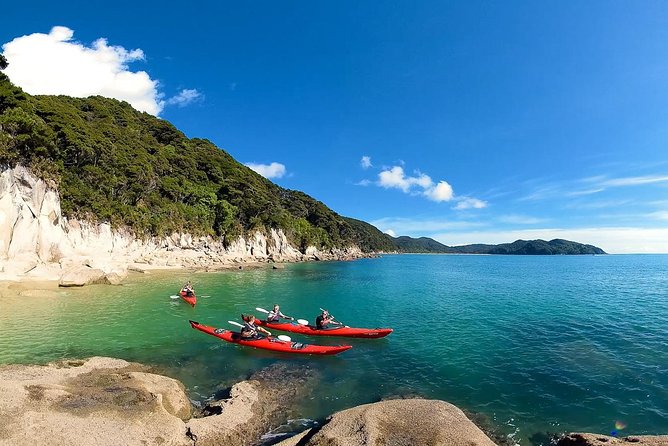
The operator says most people can participate, but that should not be read as a promise that the trip is effortless. You will be kayaking for three days, and weather, wind, tide, and group pace can all affect how demanding the experience feels.
You should be comfortable sitting in a kayak for extended periods and taking part in an active outdoor program. The trip includes walking and beach exploration as well as paddling, though the available information does not give exact daily distances or hours on the water.
A good guide adjusts the day to the group where possible, and the experience has been described as family-friendly with a reasonable amount of paddling each day. Still, families should consider the age, stamina, and confidence of every member before booking.
The marine reserve can also bring sea conditions that feel different from a sheltered lake. Listen carefully to the safety briefing, use the equipment provided, and take weather advice seriously. The operator can alter or cancel the activity when conditions threaten the safety of the group.
Price, transfers, and practical value
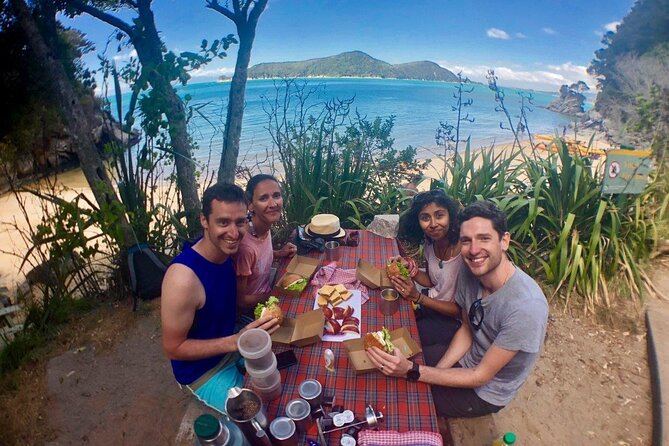
The listed price is $744.07 per person. That is a significant cost, but it covers a lot over three days: guided kayaking, camping, breakfast, lunch, dinner, snacks, park access by route, and local interpretation.
The biggest extra cost to remember is transport from Nelson or Motueka. Hassle-free pickup and transfers may be available, but return transport from those towns is not included in the trip price and must be booked separately. The meeting point is 273 Sandy Bay-Marahau Road in Mārahau, with an 8:15 am start.
For value, I would compare this with the cost and effort of arranging a multi-day kayak trip yourself. You would need to organize boats, safety gear, route planning, food, tides, campsites, and transport. Here, those tasks are bundled into one guided program.
The trip is booked an average of 58 days ahead, so I would not leave it until the last minute, especially for a preferred summer date. Confirmation is sent within 48 hours of booking, subject to availability.
Mobile tickets make the arrival process simple. Service animals are allowed, the meeting point is near public transportation, and the operator says most people can take part. You should still ask about any personal mobility, medical, or equipment concern before paying.
Weather, cancellations, and the best type of participant
This trip requires good weather. If poor conditions force cancellation, you can choose another date or receive a full refund. You can also cancel for a full refund up to 24 hours before the start time, but changes or cancellations inside that window are not accepted.
I would choose this trip if you want a real outdoor experience and prefer a guide to handle the complicated parts. It suits couples, families, and friends who are happy to share a small-group rhythm, paddle several days, sleep in a camp, and accept that tides and weather may shape the schedule.
It is less suitable if you want luxury accommodation, a fixed timetable, or a short and gentle sightseeing outing. The camping is part of the appeal, but it also means less privacy and fewer comforts than a lodge-based holiday.
The listed maximum is 100 participants, though the practical experience will depend on how groups are divided among guides. If you prefer a quieter feel, ask how many people will be in your specific kayak group.
Should you book the Three Day Classic?
I would book this if you want to see Abel Tasman National Park at a slower pace, with wildlife, beaches, Māori sites, catered meals, and a night under the stars. The northern route, Tonga Island Marine Reserve, and the chance to paddle with fur seals give it more substance than a simple coastal outing.
The best reason to choose it is the combination of support and freedom. Your guide manages the route, safety, food, and timing, while you get the pleasure of moving through the park by kayak.
Before booking, check the transfer cost from Nelson or Motueka, confirm what camping gear you must bring, and make sure everyone in your group is comfortable with three days of outdoor activity. If those points work for you, this is a strong way to experience the Abel Tasman coast without rushing it.
FAQ
Where does the three-day kayak trip start and finish?
The listed meeting point is 273 Sandy Bay-Marahau Road in Mārahau, with an 8:15 am start. The classic route runs from Totaranui or Awaroa in the north toward Marahau, and the activity ends back at the meeting point.
Is transport from Nelson or Motueka included?
No. Return transport from Nelson or Motueka is not included in the trip price and must be booked separately.
Are meals included?
Yes. Breakfast, lunch, dinner, and snacks are included. Dietary requirements are catered for, including special requirements such as coeliac needs.
What wildlife might I see?
The route includes Tonga Island Marine Reserve, which is known for New Zealand fur seals. You might also see blue penguins, coastal birds, and other marine life.
Can the trip be canceled because of weather?
Yes. The experience requires good weather. If the operator cancels because of poor conditions, you can choose another date or receive a full refund.
Can I cancel my booking?
You can cancel up to 24 hours before the experience start time for a full refund. Cancellations or changes made less than 24 hours before the start time are not accepted for a refund.
More 3-Day Experiences in Marahau
- 3 Day Unguided Kayaking starting in the Abel Tasman National Park New Zealand
★ 5.0 · 4 reviews - 3-Day Bay of Islands Tour from Auckland
★ 4.5 · 41 reviews - Auckland: Hobbiton, Rotorua, Waiotapu and Waitomo 3-Day Tour
★ 4.9 · 22 reviews - 3 Day Bay Of Islands Tour from Auckland including Waitangi and Cape Reinga
★ 4.0 · 18 reviews
Just added in Marahau
- Remote Marine Reserve – Guided Kayaking – New Zealand★ 5.0 · 14 reviews
- Southern Duo kayak & walk tour★ 5.0 · 23 reviews
- Lock, Stock & 2 Smoking Paddles★ 5.0 · 12 reviews
- Kayak & Pitt Head Nature Loop – Guided Kayak & Unguided Walk – New Zealand★ 5.0 · 5 reviews
- Seal Sanctuary Tour – Guided Kayaking – New Zealand★ 5.0 · 8 reviews
- Full-Day Freedom Kayak Rental in New Zealand★ 4.5 · 3 reviews
- 1 Day Freedom Rental★ 5.0 · 12 reviews
- 3 Day Unguided Kayaking starting in the Abel Tasman National Park New Zealand★ 5.0 · 4 reviews
Canoes & Kayaks, compared.
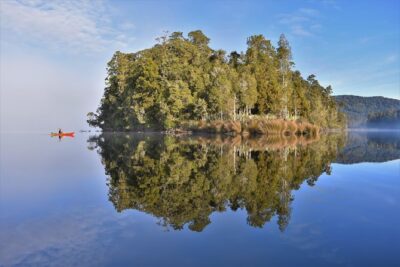
Small-Group Kayak Adventure from Franz Josef Glacier
Read our review →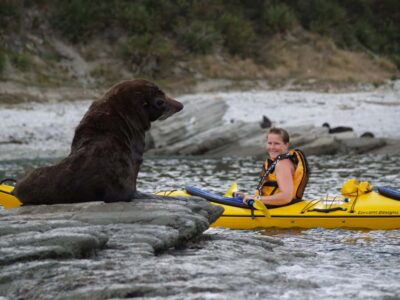
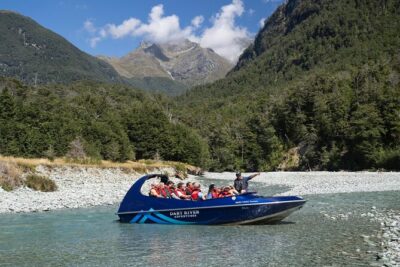
Dart River Canoe and Jet Boat Experience from Queenstown
Read our review →Browse the lists this tour appears in