
Reviewed · WILDLIFE
Albatross, seals, and sea birds-Wildlife Cruise
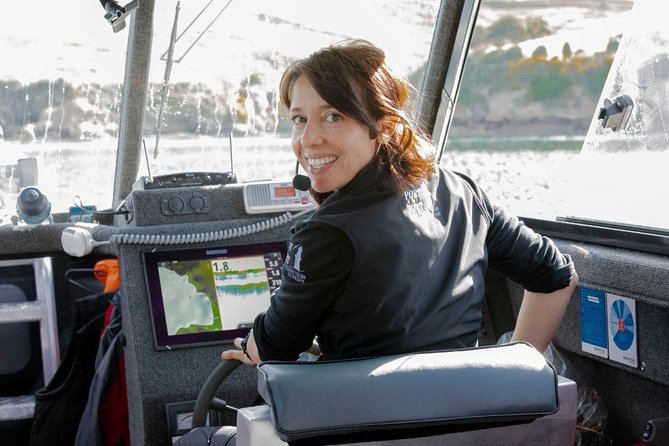
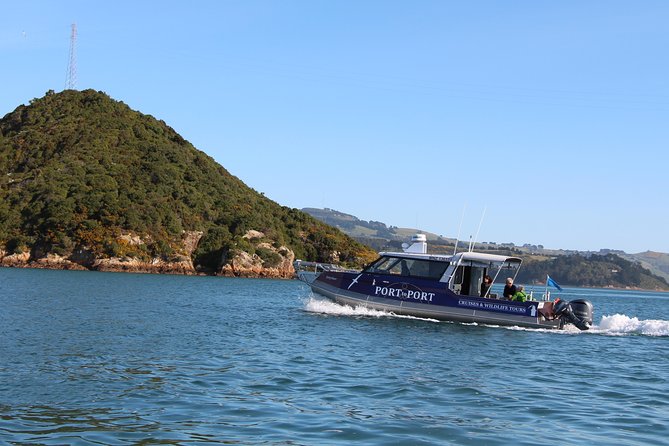
The real draw here is the chance to watch royal albatross and fur seals from a small boat rather than from a distant lookout. Captain Rachel McGregor pilots a fast custom-built vessel through Otago Harbour, past Taiaroa Head, roosting birds, old shipwrecks, and the working waterfront of Port Chalmers.
I like the small maximum group of 14, which gives you room to move between the heated cabin and open deck. I also like the practical wildlife kit: binoculars and identification sheets help you turn a quick glimpse into a proper sighting.
The main caution is the sea. Wind can make the trip choppy, and calm conditions may keep albatross from gliding close to the boat. Wildlife is never guaranteed, so book this for the setting, the commentary, and the chance of memorable sightings, not for a fixed list of animals.
Key points to know before booking
- Two cruise lengths: The trip lasts about 1.5 hours from Port Chalmers, or about 2 hours when joining from Portobello.
- A true small-group boat: The vessel carries no more than 14 people, a useful advantage when you want a clear view or need to move indoors.
- Wildlife can be close: Possible sightings include royal and other albatross, blue penguins, fur seals, sea lions, dolphins, shags, and wading birds.
- Useful equipment is provided: Binoculars and wildlife identification sheets make the search easier, especially for families and first-time bird watchers.
- The guide adds more than animal names: Commentary covers the harbor, fishing boats, dredges, historic buildings, quarantine stations, shipwrecks, and old defense sites.
- Dress for spray and wind: You can use the enclosed heated cabin, but warm clothing remains sensible for time on the outside deck.
Why this Port Chalmers cruise works so well
Otago Harbour is not simply a route to the open sea. It is a working waterway, wildlife area, and historical corridor all at once. In a short time, you can move from fishing boats and ship traffic to rocky outcrops with seals and seabirds.
That mix gives the cruise more substance than a simple ride in search of animals. You are watching the water for movement, but you are also learning how Port Chalmers functions and why the Otago Peninsula attracts such a wide range of birds and marine life.
The custom-built boat is suited to this kind of trip. You can sit inside the warm enclosed cabin when the wind picks up, then step onto the open outer deck when the light or wildlife makes a photograph worthwhile. That flexibility matters in southern New Zealand, where conditions can shift during a single outing.
The boat is small enough for a personal feel, but that also means the ride can feel lively in rough water. Several experiences have included choppy conditions, with Rachel adjusting her handling to keep people as comfortable as possible. If you are prone to seasickness, sit where the motion feels easiest and keep your expectations realistic on windy days.
More wildlife in New Zealand:
- Oamaru: Penguins Evening Viewing Ticket
★ 4.5 · 682 reviews - Clearwater Wildlife Tours (small group 10max) Otago Peninsula
★ 5.0 · 531 reviews - Guided Evening Penguin Viewing Otago Peninsula, Dunedin, New Zealand
★ 5.0 · 471 reviews
Leaving Port Chalmers and entering Otago Harbour
The cruise begins with views of Port Chalmers and Carey’s Bay. This is an active port rather than a polished tourist set piece, so you may see fishing boats, workboats, dredges, and larger ships as you leave the waterfront.
That working character is part of the appeal. Rachel’s commentary helps you understand what you are looking at instead of treating the harbor as scenery without a story. It also gives you something to follow during quiet wildlife periods.
The boat passes historic quarantine stations and old shipwrecks. These details add variety early in the trip and give you reasons to keep watching the shoreline between animal sightings. You may also see historic pilot houses, a searchlight, and gun emplacements connected with the harbor’s defensive past.
If you are joining from a cruise ship, the pickup point is in Port Chalmers, and the meeting location is described as an easy walk from the ship dock. Pickup is also offered, and the activity provides a mobile ticket. Still, check your exact meeting instructions carefully, since port timing matters when you have a ship departure later in the day.
Searching the roosting and feeding areas
Once away from the port, the focus shifts to sheltered places where birds feed, rest, and gather. The boat moves past areas used by wading birds, penguins, seals, and shags. Rachel points out animals that can be easy to miss, especially when they blend into rock, water, or shadow.
This is where the binoculars and identification sheets earn their keep. A bird that looks like a small dark shape at first may turn out to be a shag, penguin, or another seabird. You can check the guide sheet while listening to the explanation, which makes the experience more active than simply taking pictures.
The trip is especially useful for people who are new to seabirds. Albatross can look distant and difficult to identify when they are high above the water, while penguins may appear only briefly between waves. Clear commentary helps you know where to look and what behavior to watch for.
Families can get a lot from this format. Children have a reason to scan the water, compare birds on the sheet, and listen for the next sighting. The outing does not require a long walk across the peninsula, so it can suit anyone who wants wildlife without committing to a strenuous shore excursion.
The albatross search near Taiaroa Head
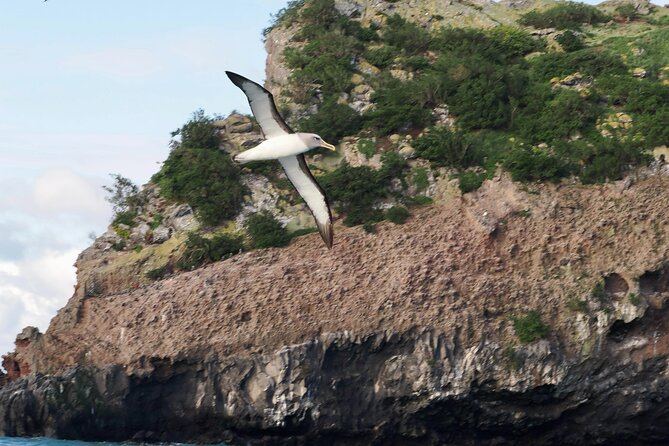
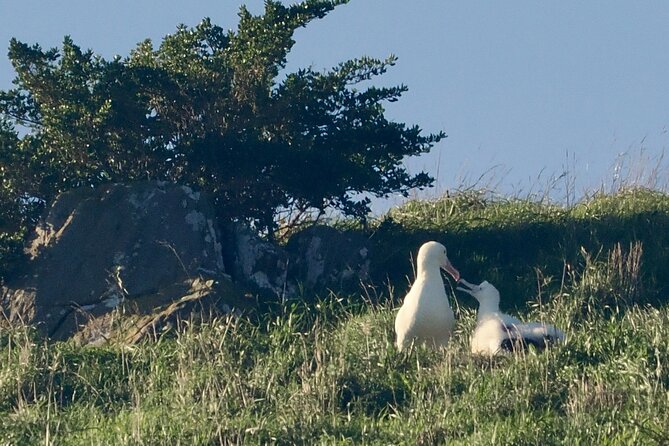
The trip’s signature sight is the albatross. The area is known for royal albatross, and the cruise may also produce other albatross species. One particularly good outing included four different types, while other trips produced three species or close views of a single bird flying near the boat.
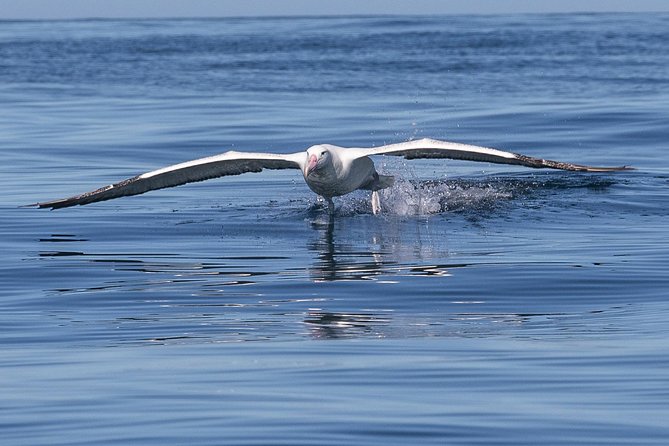
You may see albatross soaring overhead, taking off, landing, or holding their wings open on the water. Wind affects the display. Stronger conditions can create excellent gliding, while a calm sunny day may leave the birds sitting on the water or staying near the hill.
That variability is important. A calm day can still be rewarding, but you should not expect a dramatic flight show every time. One outing had little wind for flying, yet the group waited and watched an albatross on the hill. On another, the captain went farther out and found birds taking off and landing.
This is one of the benefits of a small boat. The guide can spend more time on a promising sighting and respond to what is happening around you. It does not guarantee better wildlife, but it gives the trip a less rigid feel than a large scheduled vessel.
Taiaroa Head also gives the cruise a strong visual finish. You are not just looking for birds in open water. You are seeing the headland, the harbor entrance, and the peninsula from water level, with the chance to watch one of the world’s largest flying birds moving overhead.
Same base, a different kind of day:
- Hobbiton Movie Set: Guided Tour Ticket
★ 4.9 · 8,167 reviews - Waitomo: Glowworm Caves Guided Tour by Boat
★ 4.5 · 4,908 reviews - Rotorua Canopy Tours: 2.5Hour Native Forest Zipline Adventure
★ 5.0 · 4,563 reviews - Hobbiton™ Movie Set Walking Tour from Shires Rest
★ 5.0 · 3,577 reviews
Seals, sea lions, penguins, and seabirds
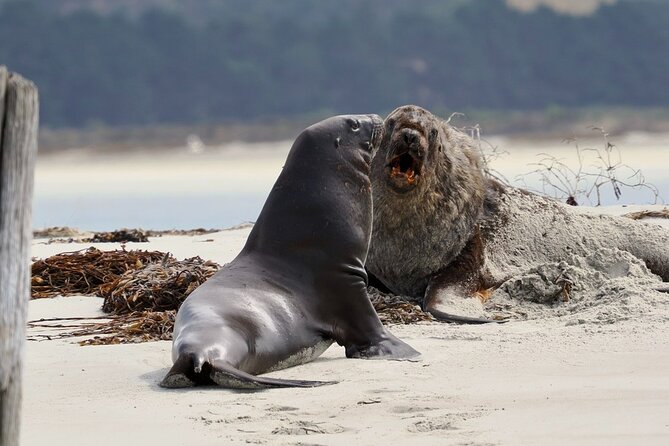
Fur seals are among the more regular highlights. The boat may pass rocky areas with adult seals and pups, allowing you to watch them resting or moving around the rocks. Sea lions are also possible, along with blue penguins riding the waves.
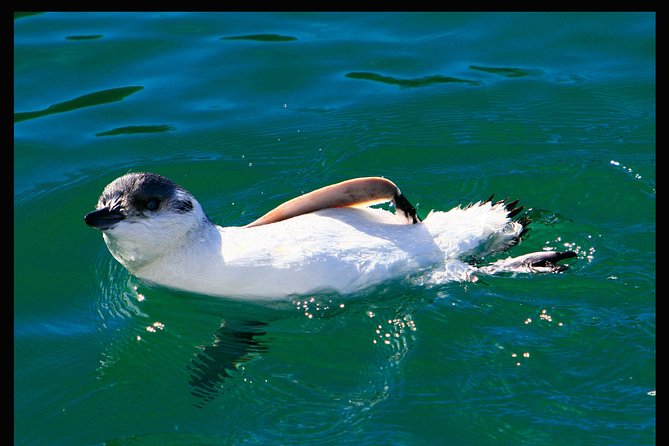
Blue penguins can be hard to predict. They are small, quick, and often visible only for a moment. A close sighting can be thrilling, but it is not something the operator can promise. The same applies to dolphins, which have appeared on some cruises but should be treated as a welcome extra.
The bird list can be broad. You might see shags, wading birds, and several types of seabirds in addition to albatross. The value of Rachel’s guiding is not just in spotting an animal, but in explaining what it is and where it fits into the harbor environment.
You will want a camera, but do not spend the entire outing looking through it. Wildlife moves quickly, and the best moments may happen just beside the boat or overhead. Use the open deck for photos, then return your attention to the water.
Rachel McGregor’s guiding and boat handling
Rachel McGregor is the skipper and guide, so you get one person responsible for both navigation and interpretation. That arrangement gives the cruise a consistent voice. She explains the harbor and animals while also managing the boat in changing conditions.
Her strongest quality is the combination of local wildlife knowledge and practical seamanship. On rougher outings, the boat has continued safely while she adjusted her approach to the conditions. Good handling matters here because a small vessel feels the wind and waves more than a large sightseeing boat.
The commentary also reaches beyond animal identification. You hear about the port, historical structures, working vessels, shipwrecks, quarantine stations, and military remains. This turns the cruise into a compact introduction to Otago Harbour rather than a narrow animal-spotting trip.
The group size helps the interaction. With a maximum of 14 people, you can ask questions and move around without fighting a crowd for the rail. The smaller capacity is one reason the price may feel higher than a standard harbor ride, but it also changes the quality of the outing.
Weather, comfort, and what to wear
The trip requires suitable weather, and the operator may cancel if conditions are poor. If that happens, you are offered another date or a full refund. That policy is sensible for a small open-water boat, but it means you should avoid scheduling the cruise too tightly against an important departure.
Even on a pleasant day, wear warm layers. Sea spray is possible, and the open deck can feel colder than the port. The heated cabin gives you a place to warm up, but you will get the best views by going outside when conditions allow.
Wind affects both comfort and wildlife. A calm day may be easy on the stomach but less favorable for albatross flight. A windy day may produce more dramatic bird movement but a rougher ride. This is a natural tradeoff, not a flaw in the tour, but you should know it before booking.
Most people can participate, and service animals are allowed. The operator has also provided support for people with disabilities, but the supplied information does not spell out every access detail. If you have specific mobility needs, contact the provider before reserving so you can confirm the boat and boarding arrangements.
Is the $105.50 price good value?
At $105.50 per person, this is not the cheapest way to see the Otago Harbour. You are paying for a small vessel, a limited group, a dedicated skipper, wildlife equipment, and roughly 90 minutes to two hours on the water.
I think the price makes sense if you care about birds and want a more personal outing. The binoculars, identification sheets, and constant commentary add value, especially when wildlife is distant or brief. You also avoid spending hours walking across the peninsula in hopes of finding a few animals.
The value is less certain if you need guaranteed sightings or expect large numbers of seals, whales, or birds. A fine-weather trip can still produce only a modest selection of wildlife. One outing had a disappointing number of animals despite good conditions, a useful reminder that nature sets the schedule.
The reported rating is 4.8 from 189 ratings, with 96 percent recommending the experience. Those figures suggest a strong overall record, while the less positive experiences point to the main risk: wildlife viewing is unpredictable, and a small boat can be bumpy.
Timing, duration, and cruise-day planning
From Port Chalmers, the cruise takes about 1.5 hours by default. If you join from Portobello, allow about two hours. Confirm the departure point and time when booking, particularly if you are arriving by cruise ship.
The shorter Port Chalmers option is convenient for a port day. It leaves room to explore Port Chalmers afterward, which is useful if you want both a wildlife outing and time ashore. The cruise itself is long enough to reach the harbor’s scenic and wildlife areas without consuming your entire day.
The operator offers morning and afternoon departures. Choose the time that gives you the most relaxed connection with your other plans. You do not want to spend the wildlife search watching the clock.
Free cancellation is available up to 24 hours before the start time. Changes or cancellations inside that window are not refunded, and the operator may require a minimum number of people to run the trip.
Who should book this wildlife cruise?
I would recommend it most strongly to bird watchers, families, photographers, and cruise passengers who want a small-group activity close to the ship. It also suits anyone who prefers learning about a place while moving through it, rather than sitting on a coach for a long trip around the peninsula.
You do not need to be an expert birder. Rachel’s explanations, the binoculars, and the identification sheets make the experience approachable. Children can enjoy the search, especially when a penguin, seal, dolphin, or albatross suddenly appears.
You may want to skip it if rough water quickly makes you ill, if your schedule cannot handle a weather change, or if you need guaranteed whale sightings. You should also think carefully if your main goal is a large wildlife colony. This is a guided search through a living harbor, not a controlled animal encounter.
Should you book it?
Book this cruise if you want a close, flexible look at Otago Harbour wildlife with a capable skipper and a small group. The strongest reasons are the limited capacity, Rachel’s clear commentary, the heated cabin, and the chance to see albatross, fur seals, blue penguins, sea lions, and many seabirds in one short outing.
Go in with sensible expectations. The animals decide what appears, wind can make the ride rough, and calm weather may reduce albatross flight. If you accept that uncertainty, the $105.50 fare offers a thoughtful way to see the harbor, learn its stories, and perhaps watch one of New Zealand’s great albatross sweep close over the water.
FAQ
How long is the wildlife cruise?
The cruise lasts about 1.5 hours when you join from Port Chalmers. It lasts about two hours when joining from Portobello.
Where does the cruise operate?
The experience departs from Port Chalmers and travels through Otago Harbour toward the Otago Peninsula and Taiaroa Head. Pickup is offered.
What wildlife might I see?
Possible sightings include royal albatross and other albatross species, blue penguins, fur seals, sea lions, dolphins, shags, wading birds, and other seabirds. Wildlife sightings are not guaranteed.
Is the boat enclosed?
The vessel has a warm, enclosed cabin and an open outer deck. You can move between the two during the cruise, though sea spray may occur outside.
How many people can join the cruise?
The tour has a maximum of 14 people, making it a small-group experience.
Can I cancel for a refund?
You can cancel up to 24 hours before the experience starts for a full refund. Cancellations or changes made less than 24 hours before departure are not refunded. If poor weather or an insufficient number of bookings causes cancellation, you are offered another date or a full refund.
Just added in New Zealand
- Auckland: Half-Day Sea Kayak Tour to Motukorea Island★ 5.0 · 6 reviews
- Akaroa: Pohatu Penguins Scenic Nature 2-Hour or 4-Hour Tour★ 4.9 · 125 reviews
- Waipara Wine Experience for 2 or more, inc tastings and lunch★ 5.0 · 147 reviews
- Wine Tour with Wine Tasting from Wanaka★ 4.5 · 67 reviews
- Christchurch: Guided Crater Rim Walk with Coastal Scenery★ 5.0 · 56 reviews
- Monteith’s Brewery Tour★ 4.5 · 93 reviews
- From Methven: Hot Air Balloon Flight in Canterbury with Wine★ 4.8 · 48 reviews
- West Coast Treetop Walk★ 4.5 · 131 reviews
Wildlife, compared.
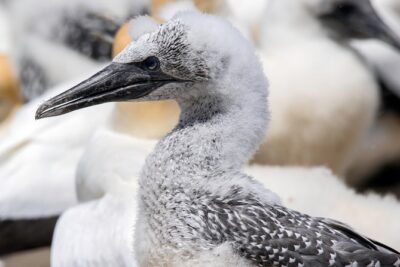
Gannet Safaris Overland tour to Cape Kidnappers Gannet Colony
Read our review →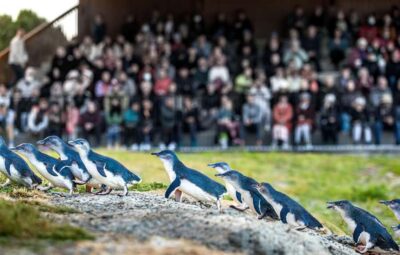
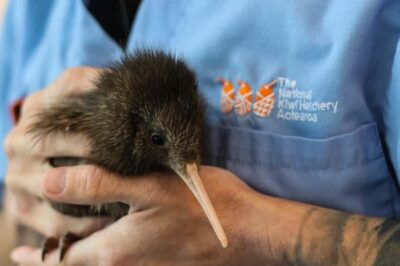
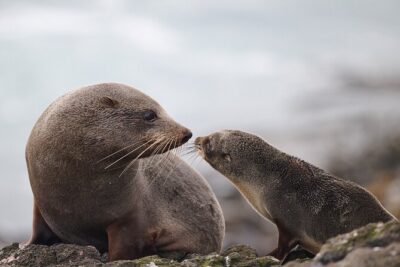
Clearwater Wildlife Tours (small group 10max) Otago Peninsula
Read our review →
Guided Evening Penguin Viewing Otago Peninsula, Dunedin, New Zealand
Read our review →
Browse the lists this tour appears in