
Reviewed · TOURS IN WELLINGTON
Zealandia by Day Tour
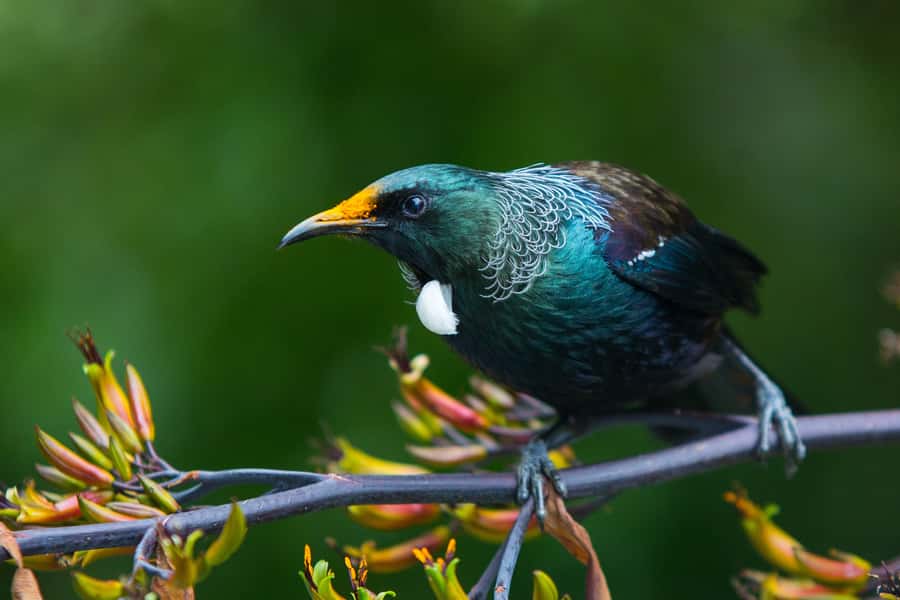
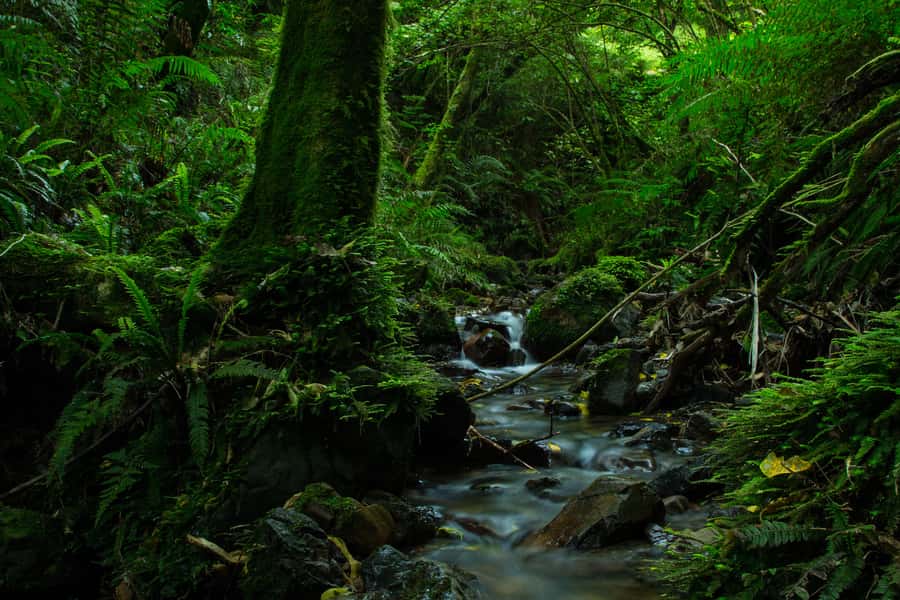
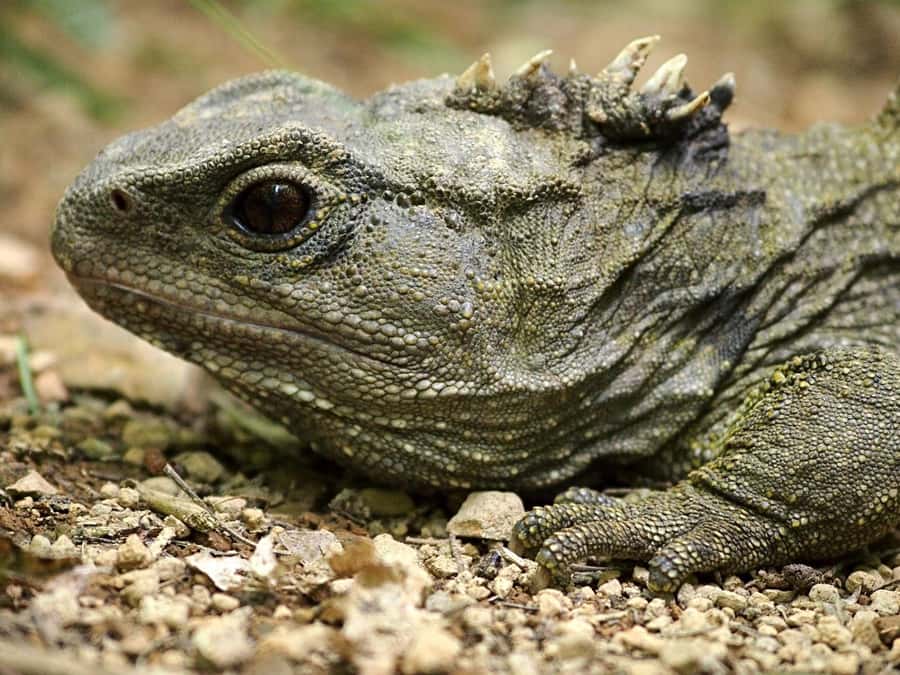
Zealandia is not simply a wildlife park. It is a large, fenced conservation project where native birds and reptiles live in protected forest just 10 minutes from Wellington’s city center. The best part is the sense of hearing New Zealand’s forest come back to life, with birdsong, native plants, and the occasional tuatara appearing along the paths.
I like two things especially: the small group, capped at 12 people, and the guides who know how to spot animals you might walk past alone. Guides such as Scott, Juli, Kieran, Maria, Kevin, and Merle have been praised for explaining both the wildlife and the long work behind the sanctuary.
The main consideration is the walking. The two-hour route covers uneven ground, and the pace can feel brisk when the group stops often for birds. This is not a good choice for people with mobility impairments or wheelchair users, and it operates in all weather, so proper clothing matters.
Key points about the Zealandia day tour
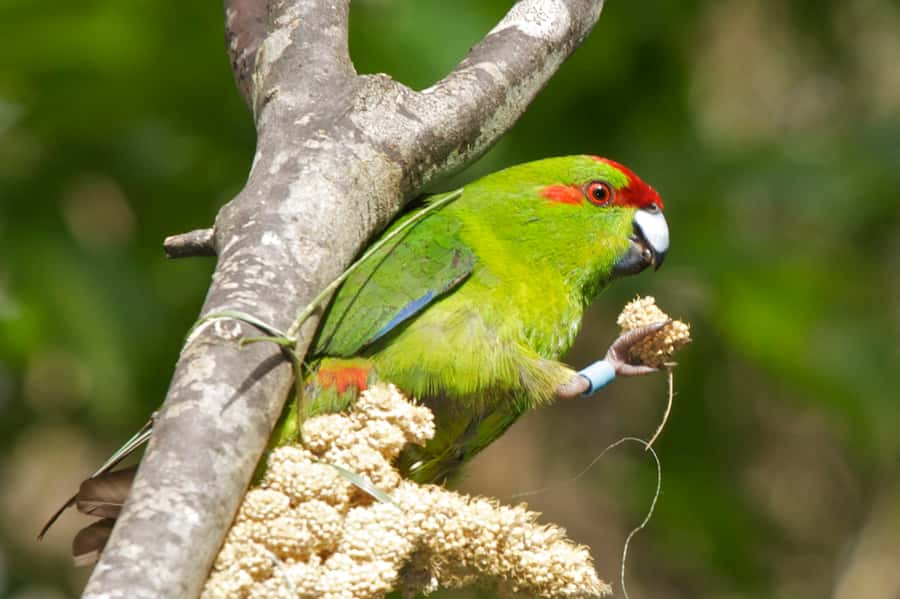
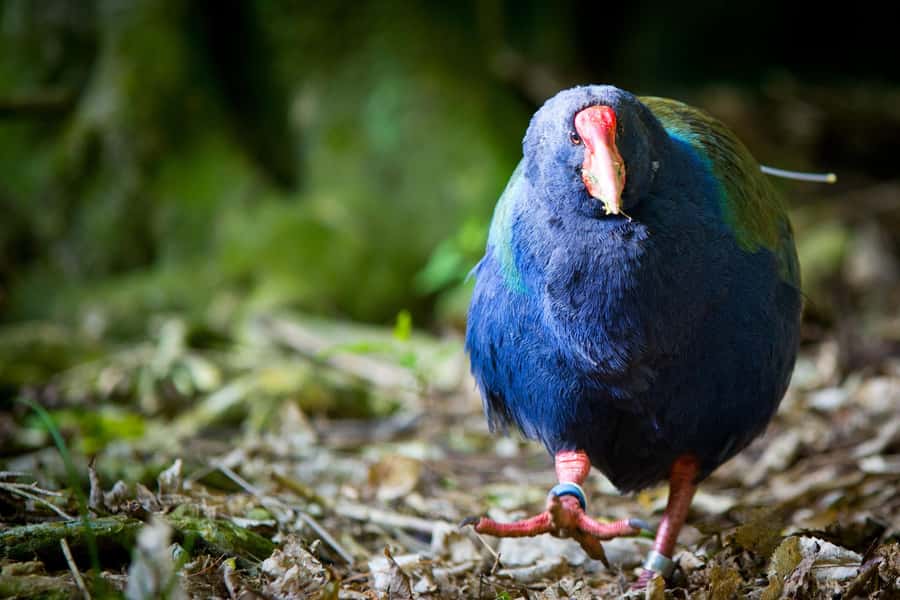
- Rare wildlife in a city setting: See if you can spot takahē, kākā, kākāriki, tūī, bellbirds, and tuatara inside a protected valley near central Wellington.
- A guide makes a real difference: Your guide helps you find animals and explains details you would likely miss on your own.
- Small groups keep the walk personal: The tour is limited to 12 people, allowing time for questions and closer help with sightings.
- Entry is included: The $41 price covers Zealandia admission, the professional guide, and the full two-hour walk.
- Expect moderate, uneven walking: Comfortable shoes and weather-ready clothing are essential, and children must stay with an adult.
Why Zealandia feels different from an ordinary wildlife visit
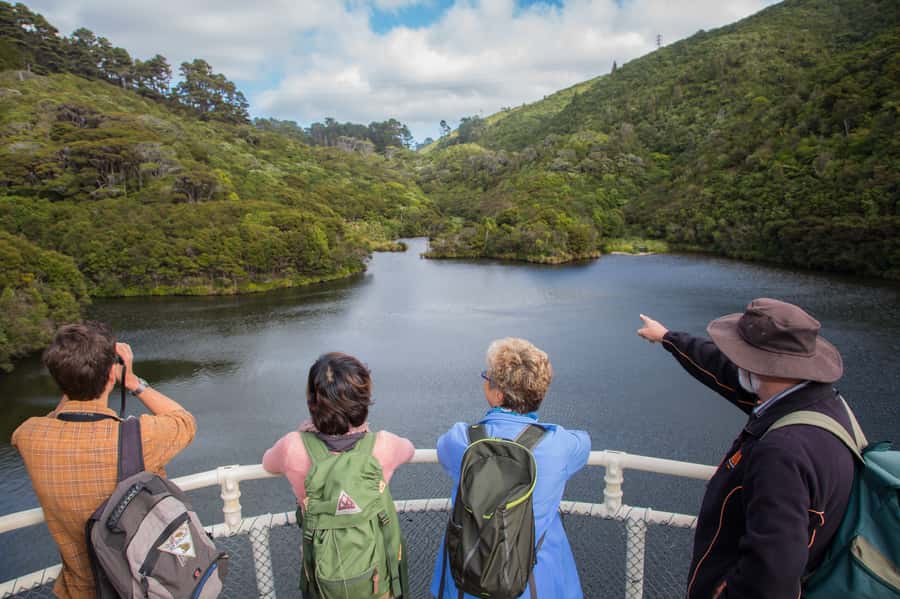
The first thing to understand is Zealandia’s purpose. This is a fully fenced, predator-free ecosanctuary built around the recovery of New Zealand’s native plants and animals. The fence and biosecurity rules are not minor formalities. They are central to how the place works.
At the visitor center, you check in at the ticket desk and meet your guide. The tour begins with an introduction in the exhibition area, giving you a useful starting point before you walk into the sanctuary.
You then complete a short biosecurity bag check. The staff are making sure you are not carrying anything that could threaten the protected area. That extra step may feel routine, but it helps explain why Zealandia can support animals that are vulnerable elsewhere.
I find this setup valuable because it gives the wildlife a proper setting. You are not moving from one enclosure to another. You are walking through a forest and valley where conservation work is part of the experience, not just a sign beside the path.
Other trips people book in Wellington:
- Wellington: Wētā Workshop Guided Tour Ticket
★ 4.7 · 997 reviews - Wētā Workshop Experiences Tour – Wellington
★ 5.0 · 875 reviews - Wellington: Return Cable Car Ticket
★ 4.6 · 714 reviews
The first walk through the protected valley
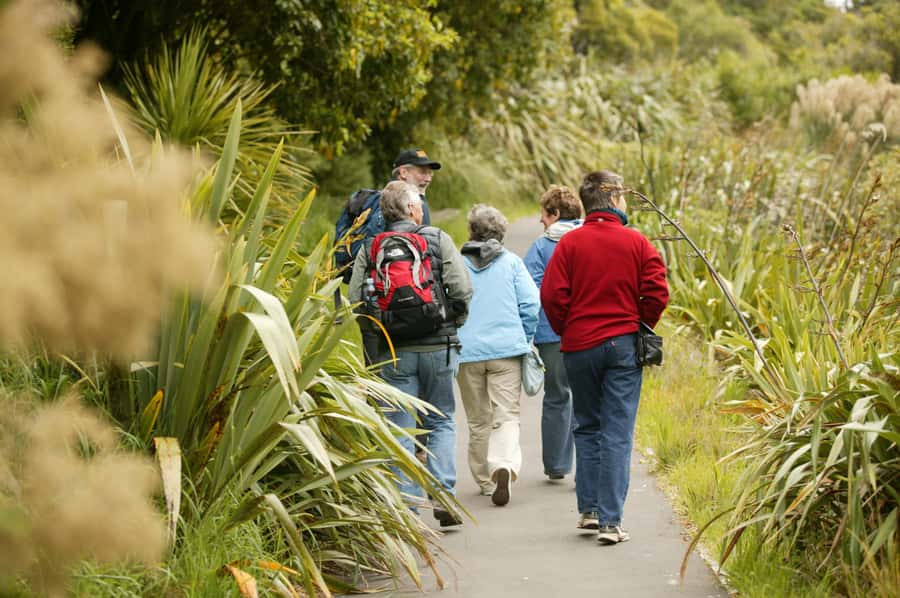
Once inside, your guide leads you along the sanctuary’s walking routes. The tour lasts two hours, with a moderate amount of walking over uneven surfaces. You should be ready to stop, listen, and move on when the guide points out a bird or plant.
The route is not just a race to collect species. Guides explain how the sanctuary was created, why predator control matters, and how native wildlife has responded to protection. That wider story gives meaning to each sighting.
You may hear native birds before you see them. This is one reason a guide is useful. A person familiar with the sanctuary can pause at the right time and direct your attention toward movement in the trees or a call that blends into the forest sounds.
The experience can feel peaceful, but it is not passive. You need to keep up with the group and stay alert. One visitor noted that conversations made it difficult to record the song of a tīeke, so if you hope to capture bird calls, be ready to ask the group for quiet during a special sighting.
Finding kākā, tūī, and other native birds
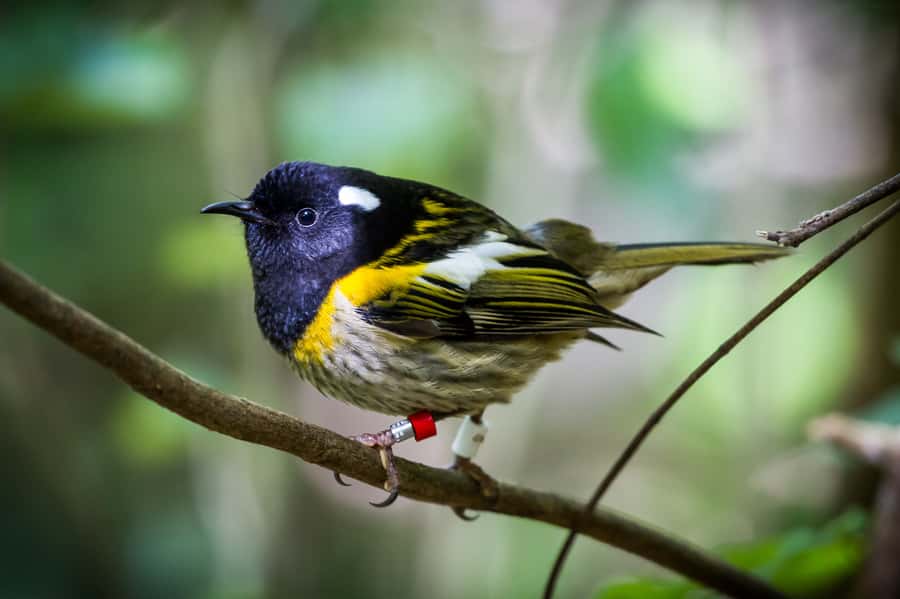
The feeding stations along the walkways are among the most reliable places to see bird activity. You may encounter highly intelligent kākā, along with kākāriki, tūī, and bellbirds. Sightings are not guaranteed, but the sanctuary’s protected setting gives you a strong chance to see several species during the walk.
Kākā are a particular highlight. These bush parrots are active and engaging, and the guides use them to explain more about native bird behavior. The feeding areas also give you a better chance to watch birds at close range without turning the visit into a staged animal show.
You may also look for takahē, one of New Zealand’s most important conservation success stories. The tour information identifies them among the sanctuary’s rare and endangered birds, but wildlife remains wildlife, so your guide will not promise that every animal will appear on every walk.
Tūī and bellbirds add a different pleasure. Their calls help fill the forest, even when the birds are hard to locate. If you enjoy sound as much as photographs, take a moment to stop looking at your camera and simply listen.
The guides receive some of the strongest praise for helping people notice these details. Scott is described as especially good at explaining both the history of New Zealand and the animals. Juli, Julia, Paul, Tom, and others have also been singled out for answering questions and adjusting their explanations to the group.
The tuatara moment
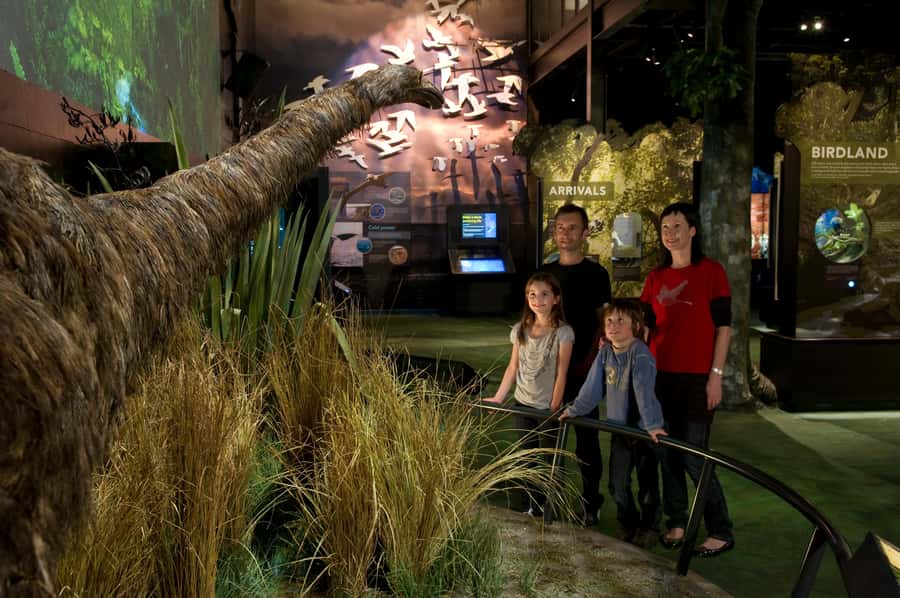
For many people, tuatara are the surprise stars of the walk. These ancient reptiles can be difficult to spot, but several tours have found them in their natural setting inside Zealandia.
Your guide may point one out when it is partly hidden or resting near the path. That makes the sighting feel earned. You are not guaranteed a close look, and you should not expect a dramatic animal encounter, but the possibility adds tension to an otherwise gentle forest walk.
The tuatara also help show why Zealandia matters. The sanctuary protects animals that need more than attractive scenery. Its fence, rules, habitat care, and ongoing monitoring create conditions where vulnerable native species have a better chance.
If you have children with you, tuatara can give the walk a clear focus. The guide can turn a quiet search into a lesson about New Zealand’s unusual wildlife. Children must be accompanied by an adult, and unaccompanied minors are not allowed on the tour.
Same base, a different kind of day:
- Half Day Tour of Wellington
★ 4.5 · 638 reviews - Wellington: Guided City Tour with Cable Car Ticket
★ 4.8 · 553 reviews - Wellington’s Original LOTR Experience – includes Weta and Lunch
★ 5.0 · 529 reviews - Kapiti Island Classic Guided Day Tour
★ 5.0 · 522 reviews
What the guide adds for $41
The $41 price per person includes entry to Zealandia, a professional guide, and the two-hour small-group walk. I consider that a fair price if you want more than a self-guided stroll.
You can walk around Zealandia without a guide, but you may miss animals, plants, and details that blend into the setting. The guide helps you find the feeding stations, identifies calls, and explains what you are seeing without requiring you to read every sign.
The strongest value comes from the interpretation. You are paying for access, but also for someone who can connect the birds to the sanctuary’s wider work. Guides have explained the fence, the predator-free system, native plants, and the goals of restoring wildlife.
The small group matters too. A maximum of 12 people is small enough for questions and personal attention. It is not a private tour, so you may still need to wait for other people or move at the group’s pace. One person found the information a little fast and noted that not everyone was present when a sighting was explained.
Some guides run longer than the scheduled two hours when the group wants more information. You should not count on extra time, but it is clear that the format can allow for a generous conversation when conditions permit.
Getting there from Wellington
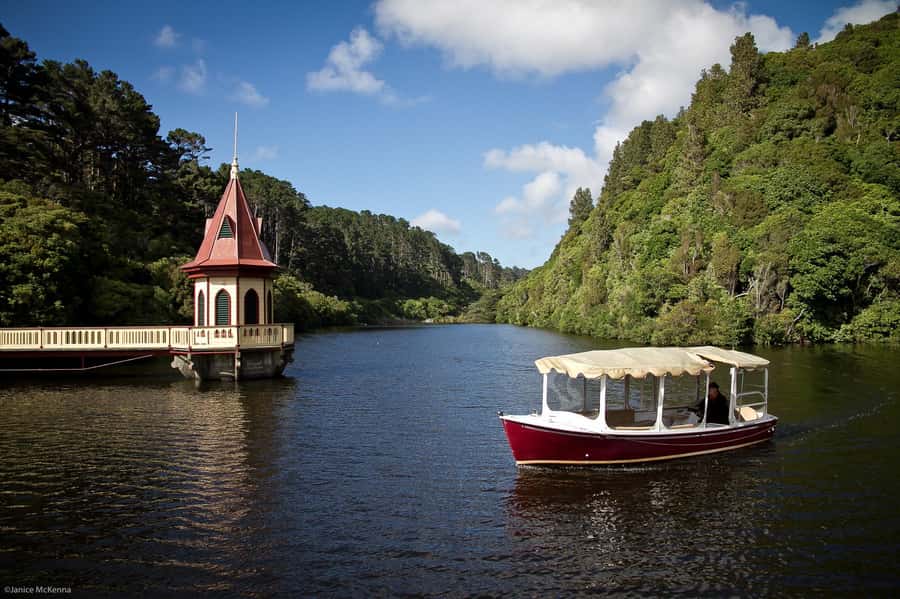
Zealandia is at 53 Waiapu Road in Karori, about 10 minutes from Wellington CBD. You can reach the visitor center by car, free shuttle, or cable car from central Wellington.
Hotel pickup and drop-off are not included, so you need to make your own way to the meeting point. The free shuttle is useful for keeping the visit simple, especially if you are staying in central Wellington. Check the starting time when booking, since the tour’s availability varies by day.
The shuttle itself can add useful local context. One visitor specifically praised a driver for sharing information on the way back into Wellington CBD. Still, treat transport as a way to reach Zealandia, not as part of the two-hour guided walk.
Allow enough time to find the visitor center and check in. You need to meet the guide at the ticket desk before the introduction and biosecurity check.
Walking comfort, weather, and pace
This is an outdoor activity in all weather. Wellington can be windy and wet, so bring weather-appropriate clothing even if the morning starts clear. Comfortable walking shoes are essential.
The paths include uneven surfaces, and the tour involves a moderate amount of walking. It is not recommended for people with walking disabilities or those using a wheelchair. If you have a medical condition such as asthma, tell the guide before setting out.
One positive detail is that the guides appear willing to help people feel included when possible. A participant using a scooter felt well supported during one tour, but the official information still warns that the experience is not suitable for people with mobility impairments. You should assess your own needs carefully rather than assume every route will be accessible.
The pace can vary. A guide may slow down for a good bird sighting, then move more quickly to cover the route. Some people will enjoy the steady activity, while others may prefer a quieter self-guided visit with more control over stops.
Rātā Cafe after the walk
After returning to the visitor center, you can relax at Rātā Cafe for coffee or a meal. Food and drinks are not included in the tour price, so plan to pay separately.
The cafe makes the visit easy to extend. You can have something before the walk, as one visitor did with porridge, or sit down afterward and give your legs a rest. This is also a useful option if you are coordinating the sanctuary with the shuttle back to Wellington.
The cafe is a separate part of the visit, not a promised element of the guided tour. One person found the cafe staff disappointing, so I would treat it as a convenient stop rather than a reason to book.
Who will get the most from this tour
I would choose this tour if you are visiting Wellington for a short time and want a clear introduction to New Zealand’s native wildlife. It suits people who enjoy walking, birds, conservation, and guided explanations more than people looking for a fast sightseeing stop.
Families can do well here if children are comfortable walking and staying with an adult. The guides have adapted explanations for mixed-age groups, and the possibility of seeing a tuatara or kākā gives younger visitors something specific to look for.
Birders and nature photographers should also consider it, though you need patience. The guide can help with locations and calls, but there are no guaranteed sightings and group conversation may affect sound recording.
I would skip the guided version if you strongly prefer to set your own pace, stop for long periods, or avoid uneven paths. You may prefer to explore independently, but you will give up much of the guide’s help with finding wildlife and understanding the conservation work.
The tour is offered in English or Chinese. If you want detailed explanations and a chance to ask questions, confirm the language option and departure time before booking.
Should you book Zealandia by Day?
Yes, if you want to understand what you are seeing rather than simply walk through a beautiful protected area. The fee is reasonable for admission plus two hours with a guide, especially when the guide helps you find birds and explains the work behind the sanctuary.
Book it with realistic expectations. You may see several birds and perhaps a tuatara, but no wildlife tour can promise every species. Bring proper clothing, wear good shoes, arrive ready for moderate walking, and expect the group to keep moving.
For me, the strongest reason to book is the combination of wildlife and conservation. Zealandia lets you see rare native animals while showing how much care is required to give them a safer home. If that sounds more rewarding than a quick photo stop, this is one of Wellington’s better-value nature outings.
FAQ
How long is the Zealandia by Day Tour?
The guided walk lasts two hours. The tour begins at the Zealandia visitor center and returns there after exploring the sanctuary.
How much does the tour cost?
The listed price is $41 per person. This includes sanctuary entry, a professional guide, and the two-hour small-group walking tour.
What wildlife might I see?
You might see takahē, kākā, kākāriki, tūī, bellbirds, and tuatara. Sightings depend on conditions and animal activity, so no species is guaranteed.
Is the tour suitable for children?
Children may join, but they must be accompanied by an adult. Unaccompanied minors are not allowed.
How large is the group?
The tour is limited to 12 people, making it a small-group experience.
Where does the tour meet?
Meet at the Zealandia Visitor Center at 53 Waiapu Road, Karori, Wellington, New Zealand.
How can I reach Zealandia?
You can reach Zealandia by car, free shuttle, or cable car from Wellington CBD. Hotel pickup and drop-off are not included.
Is the tour accessible for wheelchair users?
The tour involves moderate walking and uneven surfaces. It is not recommended for people with walking disabilities or those using a wheelchair.
What should I bring?
Bring comfortable shoes and clothing suitable for the weather. The tour operates in all weather conditions.
Just added in Wellington
- Private Martinborough Foodie Delights Tour from Wellington★ 5.0 · 23 reviews
- Remutaka Rail Trail Mountain Bike Explorer Cycle Tour★ 5.0 · 30 reviews
- Wellington Remutaka Rail Trail eBike Cycle Tour★ 5.0 · 23 reviews
- From Wellington: Remutaka Rail Trail eBike Tour★ 4.9 · 54 reviews
- Remutaka Rail Trail Mountain Bike Explorer Cycle Tour★ 5.0 · 49 reviews
- Martinborough Winery and Foodie Day Tour with vineyard lunch★ 5.0 · 39 reviews
- Wellington Electric Bike Rental★ 5.0 · 159 reviews
- Walking Food Odyssey Wellington★ 5.0 · 46 reviews
Tours in Wellington, compared.





Wellington’s Original LOTR Experience – includes Weta and Lunch
Read our review →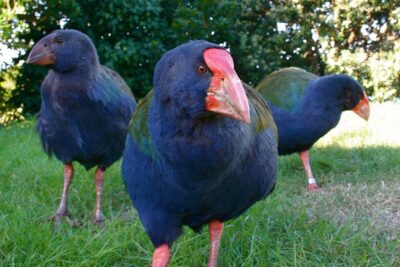
Northern Explorer Train Journey from Wellington to Auckland
Read our review →Browse the lists this tour appears in