
Reviewed · FRANZ JOSEF & FOX GLACIER TOURS
Franz Josef: West Coast Wildlife Centre Entry Ticket -48 hrs
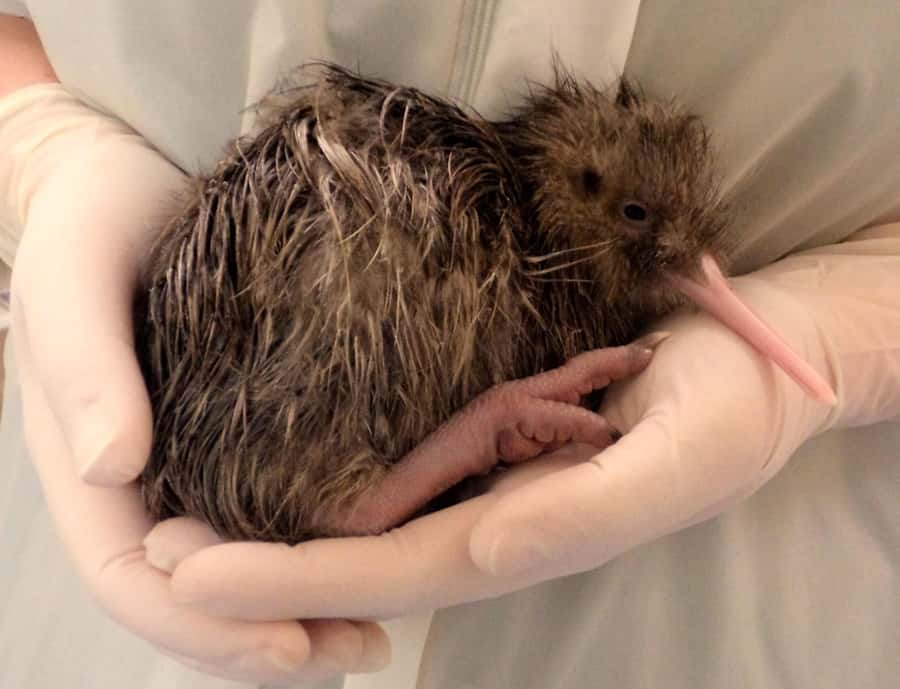
The West Coast Wildlife Centre gives you something rare in New Zealand: a close look at live kiwi without glass barriers, plus tuatara and rescued little blue penguins under one roof. Its most important work happens behind the scenes, with the South Island’s largest kiwi incubation and hatching facility supporting rowi and Haast tokoeka, two of the world’s most endangered kiwi species.
I like the all-weather setting and the chance to return for two days rather than rush through in half an hour. The main caution is animal viewing. The kiwi room may be unaccompanied, so you need to follow the quiet-room rules carefully and accept that the birds can be hard to spot.
Key things to know before you go
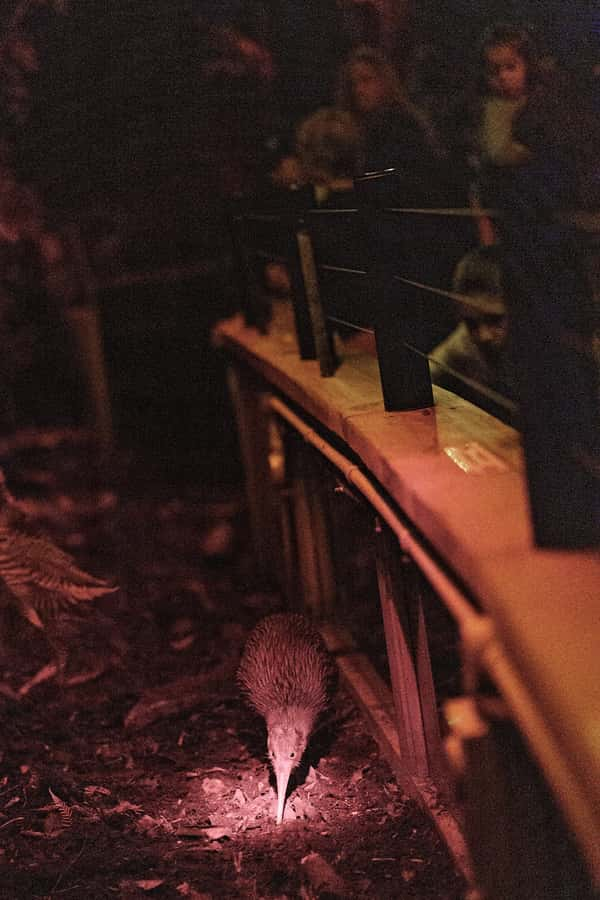
- Watch kiwi in an open nocturnal habitat: The kiwi area has no glass viewing barrier and is designed to resemble natural nighttime conditions.
- See three special New Zealand species: The centre brings together kiwi, tuatara, and kororā, also known as little blue penguins.
- Plan around penguin feeding: Live feeding takes place at 11am and 3pm.
- Use the 48-hour pass wisely: Your ticket is valid for two days after first activation, giving you time to return.
- Support working conservation: Your admission helps fund kiwi incubation, hatching, and recovery efforts.
- Expect an indoor visit: It is a useful stop in Franz Josef when rain, wind, or cloud blocks outdoor plans.
Why this Franz Josef wildlife stop matters
Franz Josef is best known for its glacier and dramatic West Coast scenery. The Wildlife Centre adds another layer to the visit, shifting your attention from ice and mountains to New Zealand’s small, unusual, and vulnerable native animals.
The centre is not simply a display of captive creatures. Its kiwi work is the reason to take the visit seriously. The facility handles incubation and hatching for rowi and Haast tokoeka, both rare kiwi species with serious conservation needs. You are seeing part of an active recovery effort, not just an animal exhibit made for a quick photo.
That matters because kiwi are easy to miss in the wild. They are nocturnal, shy, and rarely seen by people on ordinary walks. Here, the indoor kiwi environment lets you watch their movement and behavior in conditions built around their needs.
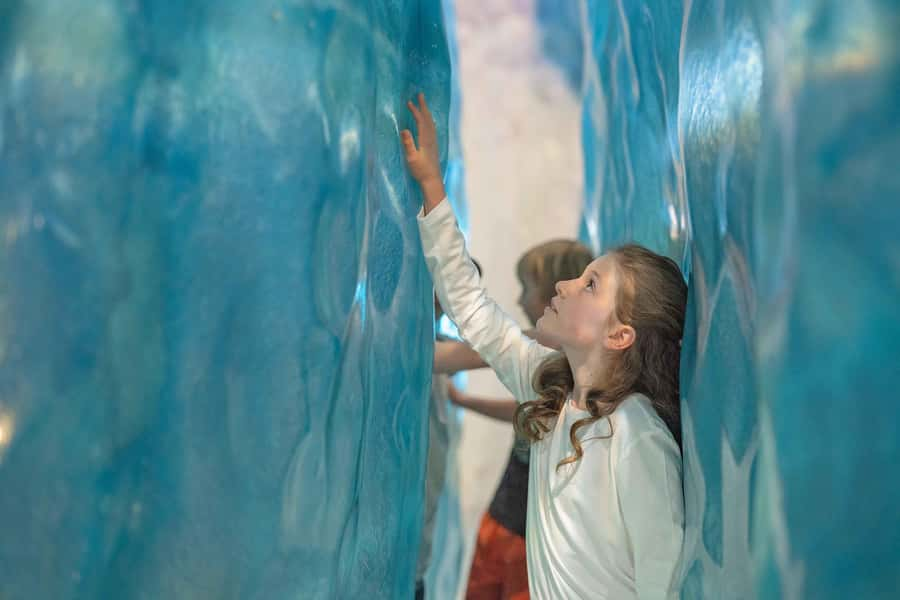
I also like that the centre connects animals with the wider West Coast setting. Displays cover glacier and wildlife stories, so you get a clearer sense of how New Zealand’s natural places and native species fit together.
The kiwi room and the working hatchery
The kiwi viewing area is the heart of the experience. It is kept dark to match a nocturnal habitat, and the birds move through an open setting rather than sitting behind a conventional glass panel. You will need to slow down, let your eyes adjust, and watch for movement.
Do not expect a guaranteed close-up. One practical account described seeing only two kiwi in a narrow, dark room. That is not necessarily a fault in the animals or the facility. Kiwi are active on their own schedule, and a dark room is part of giving them suitable conditions. Still, it means the experience can feel less immediate than a bright, open zoo enclosure.
The absence of glass is a real advantage when you can see a bird clearly. It feels less like looking at an exhibit and more like observing an animal in a night habitat. The tradeoff is that you may need patience, and you should not use a flash or make noise.
The centre also gives you access to the largest kiwi incubation and hatching facility on the South Island. You may not see every stage of the process at close range, but the facility helps explain the practical work behind kiwi recovery. Incubation, hatching, and the protection of young birds are essential parts of saving species that cannot rely on normal breeding conditions alone.
Take your time here. A rushed five-minute visit can leave you thinking the kiwi room is too dark or too small. A slower visit gives you a better chance to spot movement and understand why the room is set up this way.
Meeting New Zealand’s living dinosaur
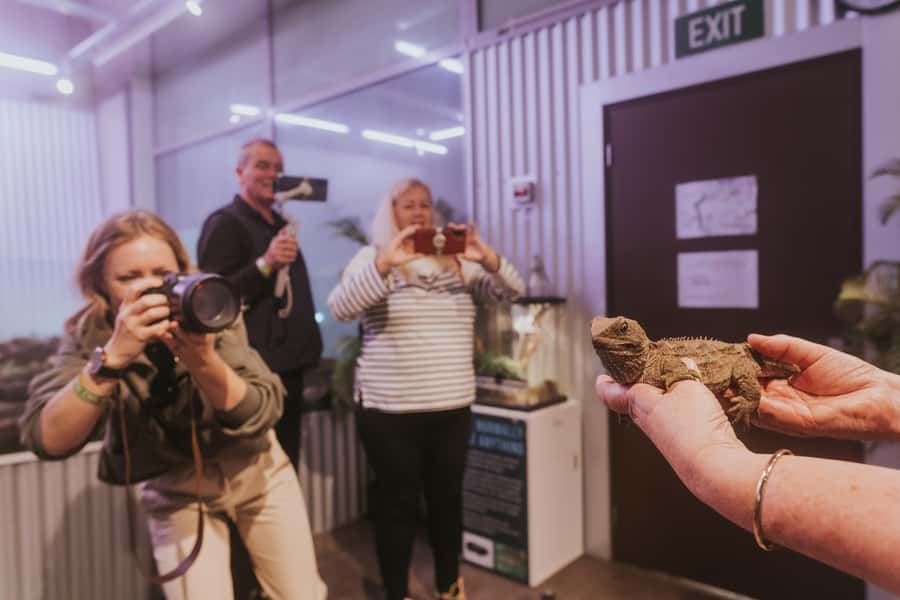
The tuatara encounter offers a different kind of wildlife experience. Tuatara are often called New Zealand’s living dinosaur because their lineage reaches back more than 200 million years. They are not dinosaurs in the strict scientific sense, but the nickname captures their ancient place in the story of life.
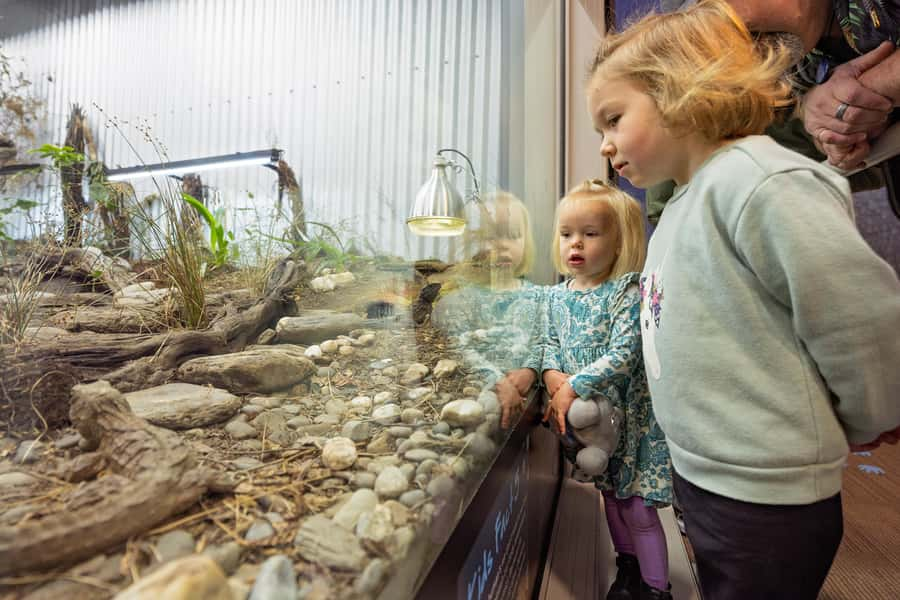
The centre keeps tuatara in a dedicated indoor habitat where you can watch them bask, feed, and move. Their pace is slower than a penguin’s and their appearance is less instantly cute than a kiwi’s, but that is part of the appeal. This is an animal worth observing rather than rushing past.
I would give the tuatara area more time than you might expect. Look for small movements and study the animal’s texture and shape. The habitat also gives useful context about survival, adaptation, and New Zealand’s unusual native wildlife.
For families, tuatara can be an especially good teaching point. Children often know the kiwi as a national symbol, but the tuatara adds a stranger and older story. It helps turn a short wildlife visit into a lesson about evolution and island species.
The Ambassador West Coast Penguin Encounter

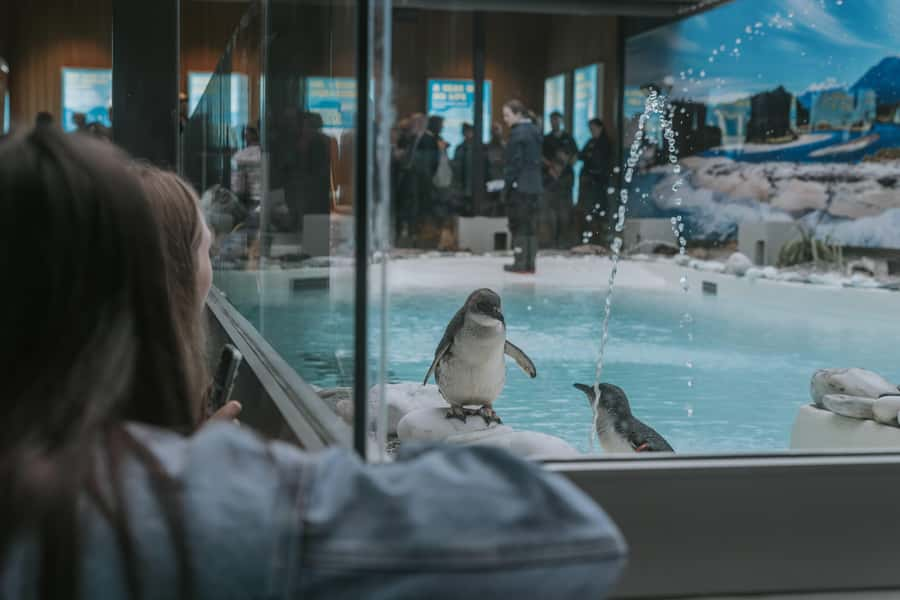
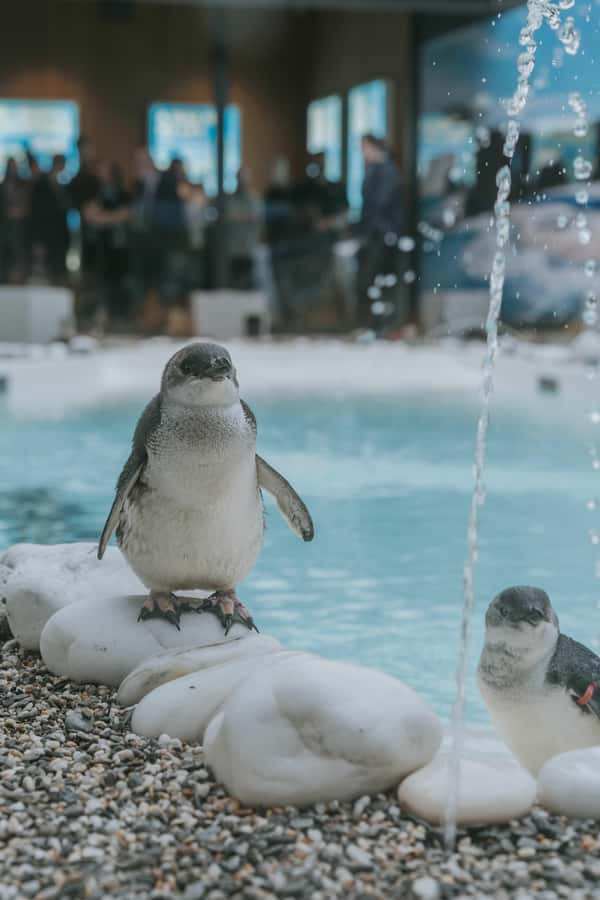
The newest major feature is the Ambassador West Coast Penguin Encounter, which opened on October 18, 2025. It houses rescued kororā, or little blue penguins, that cannot return to the wild.
These penguins live in a purpose-built habitat with daily keeper talks and stories about their rescue and care. You can see them at close range and learn why some birds need permanent protection rather than release. That message is important: conservation is not always about returning every animal to nature. Sometimes the responsible choice is a safe, permanent home.
Schedule your visit around the 11am or 3pm live feeding if you want more activity. Feeding times give the penguins a clear focus and provide a better chance to see their behavior. The encounter also adds a marine element to a centre otherwise known mainly for kiwi and tuatara.
The penguin area has been well received as a feature of the visit, but it does not erase the limitations of the kiwi room. I would treat the two experiences differently. The penguins are easier to follow during a keeper talk and feeding. The kiwi require more quiet attention and a little luck.
The centre describes the penguins as a conservation and education project, not a chance to handle wildlife. You are there to observe, listen, and understand the challenges facing kororā in the wild.
How long to spend inside
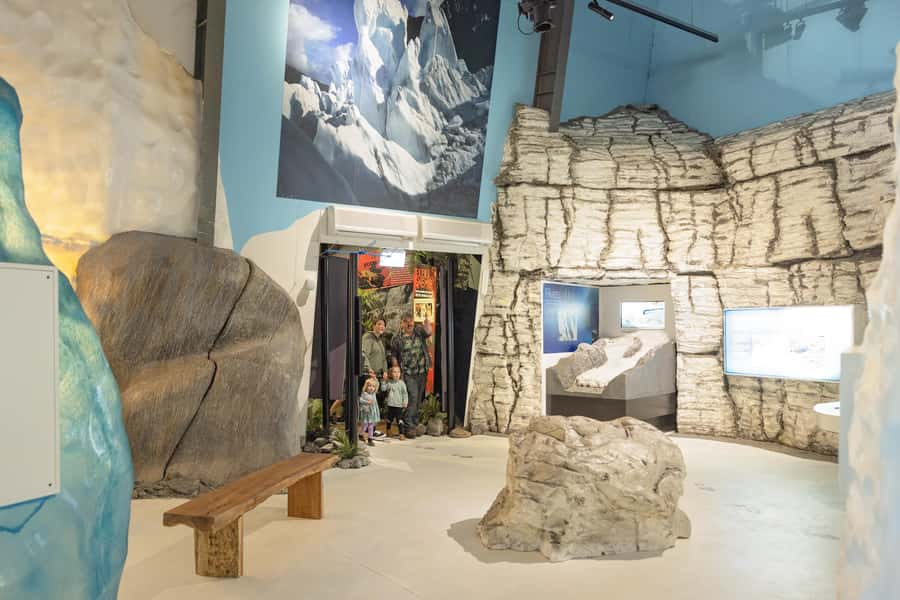
The official advice is to allow 30 minutes to 2 hours. I think that range is realistic, but your ideal timing depends on your interest in wildlife and your plans around Franz Josef Glacier.
A quick visit of 30 to 45 minutes can work if you want a rainy-day stop and are mainly interested in seeing the three species. You may have enough time to walk through the exhibits, check the tuatara, and look into the kiwi room.
Give yourself 1.5 to 2 hours if you want to read the displays, wait quietly for kiwi movement, watch a penguin feeding, and take in the conservation stories. The 48-hour ticket gives you an advantage here. You can visit once for a general look, then return at 11am or 3pm for penguin feeding.
The two-day validity is particularly useful for families. Younger children may not want to linger in a dark kiwi room, while adults may want more time with the conservation material. A second visit lets you adjust your pace rather than forcing everyone through the centre in one session.
The pass is valid for two days from first activation. The ticket counter is open from 8am to 5pm daily, and the centre opens at 8am, including most public holidays.
Is the $38 price good value?
At $38 per person, the ticket is not the cheapest short attraction in Franz Josef. Its value depends on how you use it.
For a single 30-minute visit, the price may feel high, especially if the kiwi stay hidden. You are paying for more than a standard animal display, though. Admission supports a real incubation and hatching programme, and the centre provides indoor access to rare species that are difficult to see in the wild.
The value improves if you stay for 1 to 2 hours or use the pass on both days. Add the penguin feeding time, return for a second look at the kiwi, and spend time with the tuatara and interpretation. You then get a fuller visit instead of a quick stop between glacier activities.
The ticket includes live kiwi viewing, live Ambassador Penguin viewing, the tuatara encounter, glacier and wildlife stories, and access to the incubation and hatching facility. Food, drinks, transport, and the optional VIP Backstage Pass Tours cost extra.
The VIP tours should be booked ahead because places are limited. I would consider that add-on only if you want more behind-the-scenes detail. The standard ticket already covers the main public experience.
Handling the kiwi room responsibly
The quiet rules are not decoration. The kiwi need a calm environment, and the dark room works only if people behave carefully.
Keep your voice low, avoid sudden movements, and follow all instructions in the room. The area may not always have a staff member present, so you have to take responsibility for your own behavior. If you are visiting with children, explain the rules before entering.
This is also the main point where the centre could feel less controlled than some wildlife attractions. Without constant supervision, a few careless people can affect the atmosphere for everyone and potentially stress the birds. I would make the kiwi room a quiet stop, not a place for group chatter or phone use.
If you do not see a kiwi right away, wait a little longer or return later. The 48-hour ticket makes that possible, and it is a better solution than expecting the animals to perform on demand.
Food, shops, and practical access
The centre has a coffee shop and gift shop, but food and drinks are not included in the ticket. The attraction does not include transportation, so you need to make your own way to the main ticketing counter in Franz Josef.
The centre is wheelchair accessible. It is also fully indoors, making it useful when rain prevents hiking or when low cloud limits views around the glacier.
English is the listed language, and a host or greeter is available in English. The attraction is open every day from 8am, including most public holidays, though you should arrive between 8am and 5pm to activate or use the pass.
The gift shop is sizeable. That can be useful if you want a souvenir, but keep your priorities clear. The strongest part of the visit is the animals and conservation work, not the retail area.
Who should book this experience?
I would recommend the centre to families, wildlife fans, and anyone who wants a meaningful indoor activity in Franz Josef. It is also a good choice if your glacier plans depend on weather and you want something that will still work on a wet day.
It suits you especially well if you can spare at least an hour, plan around penguin feeding, or may return within two days. The conservation programme gives the visit more purpose than a simple photo stop.
I would be more cautious if you want a guaranteed close encounter with kiwi or expect a large, highly staffed zoo-style attraction. The kiwi viewing can be dark and quiet, and the birds may be difficult to spot. You also need to accept that the best animal experience comes from patience, not constant action.
Should you book the West Coast Wildlife Centre?
Book it if you want to see rare New Zealand wildlife without depending on outdoor conditions, and if you value supporting kiwi recovery work. The 48-hour pass makes the $38 price easier to justify, especially when you return for the 11am or 3pm penguin feeding.
Go with realistic expectations. The rescued penguins and tuatara offer clear viewing, while the kiwi room asks for patience and respectful behavior. If you can give the animals that time, this is a worthwhile Franz Josef stop with a genuine conservation purpose.
FAQ
Where is the West Coast Wildlife Centre?
It is in Franz Josef on New Zealand’s South Island, near the Franz Josef Glacier area.
How much does admission cost?
The entry ticket costs $38 per person.
How long is the ticket valid?
The ticket is valid for 48 hours from first activation.
What are the opening hours?
The centre opens daily from 8am, including most public holidays. The main ticketing counter is open from 8am to 5pm.
What animals can I see?
You can see kiwi, tuatara, and rescued kororā, also called little blue penguins.
When are the penguin feedings?
Live penguin feeding takes place at 11am and 3pm.
Can I see kiwi without glass?
Yes. The kiwi are viewed in an open nocturnal environment without glass barriers.
Is the attraction suitable in bad weather?
Yes. The West Coast Wildlife Centre is an indoor, all-weather attraction.
Is transportation included?
No. Transportation to and from the centre is not included.
Is the VIP Backstage Pass included?
No. VIP Backstage Pass Tours cost extra, and booking ahead is recommended because availability is limited.
Is the centre wheelchair accessible?
Yes. The centre is wheelchair accessible.
Can I cancel my booking?
You can cancel up to 24 hours in advance for a full refund.
More wildlife in Franz Josef
- Gannet Safaris Overland tour to Cape Kidnappers Gannet Colony
★ 5.0 · 942 reviews - Oamaru: Penguins Evening Viewing Ticket
★ 4.5 · 682 reviews - Rotorua: The National Kiwi Hatchery Kiwi Encounter Tour
★ 4.7 · 671 reviews - Clearwater Wildlife Tours (small group 10max) Otago Peninsula
★ 5.0 · 531 reviews
More glacier trips from Franz Josef
- Franz Josef Glacier: Helicopter Flight & Alpine Landing
★ 4.8 · 619 reviews - Franz Josef Glacier Heli-Hike
★ 4.5 · 618 reviews - Heli Hike Fox Glacier
★ 5.0 · 563 reviews - Franz Josef: 35min Helicopter Trip over Two Glaciers
★ 4.8 · 451 reviews
Franz Josef & Fox Glacier Tours, compared.
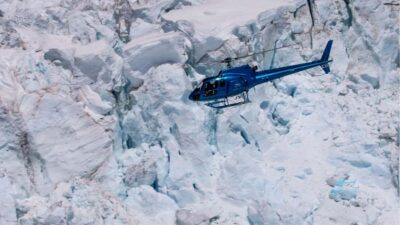
Franz Josef Glacier: Helicopter Flight & Alpine Landing
Read our review →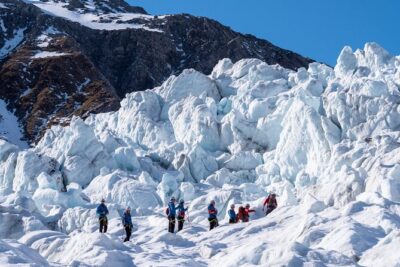

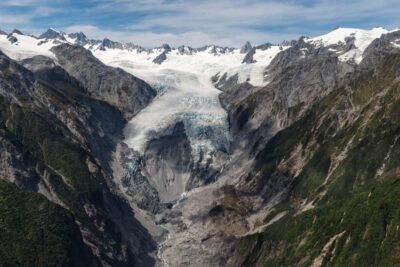
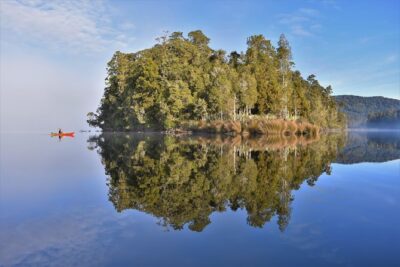
Small-Group Kayak Adventure from Franz Josef Glacier
Read our review →
Mount Cook, Lake Tekapo and Tasman Glacier Tour from Christchurch
Read our review →
Franz Josef & Fox Glaciers Helicopter Flight & Snow Landing
Read our review →
Pilot’s Choice: 2 Glaciers & Snow Landing – 35min
Read our review →Browse the lists this tour appears in