
Reviewed · MOUNT COOK & LAKE TEKAPO TOURS
Lake Tekapo: Mountaintop Stargazing at Mount John Summit
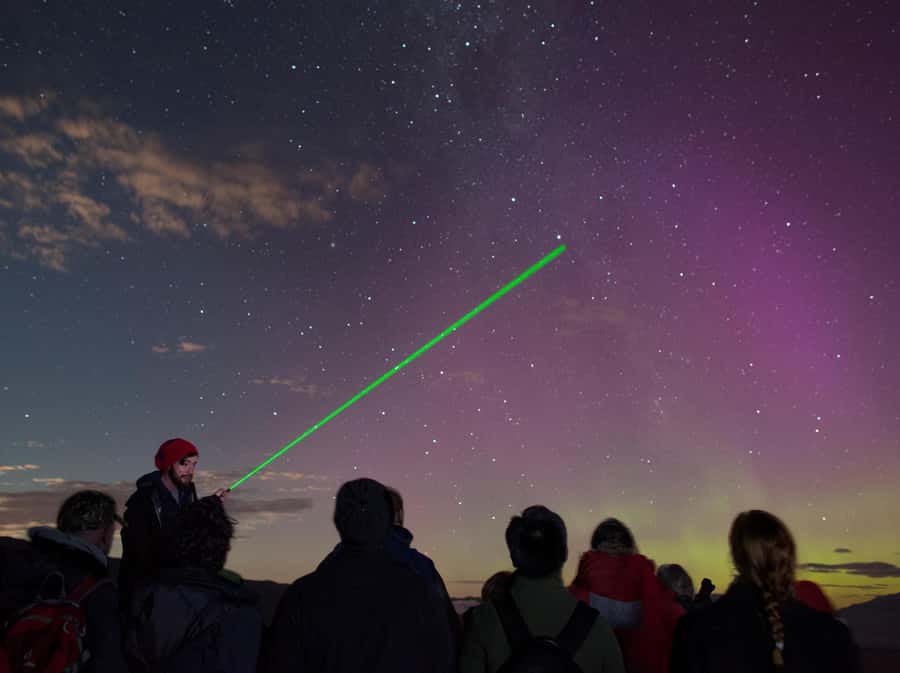
Mount John’s summit gives you something rare: a chance to look across Lake Tekapo’s dark-sky reserve from 1,029 meters, beside the University of Canterbury research centre. The best part is the clear, open view above the lake, where guides point out Southern Hemisphere stars with handheld lasers before turning to the telescopes.
I like the small, focused feel of the astronomy lesson, and I like that return transport and thick cold-weather jackets are included. Guides such as Oscar bring real energy to the explanations, and the short ride up the mountain adds a little fun before the serious star watching begins.
The main caution is simple: this is an outdoor activity at altitude, at night, in a place that can be extremely cold. It is also weather dependent, and the telescope views may not show giant, dramatic planets every evening. At $130 per person, you should book it for the setting and expert guidance, not just for a close-up of Saturn.
Key points to know before booking
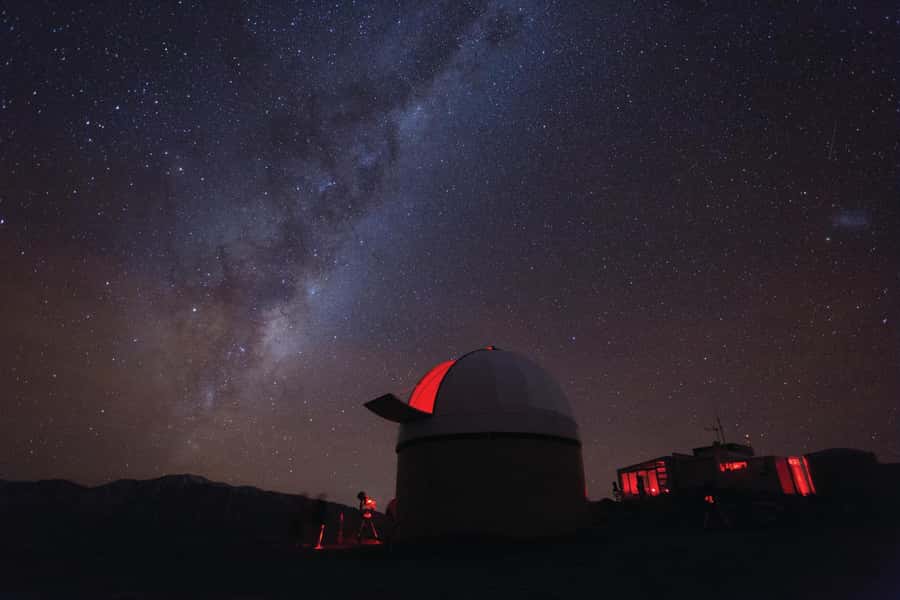
- Mount John summit access: You stargaze at 1,029 meters, surrounded by the University of Canterbury research centre.
- Southern Hemisphere sky lessons: Guides use handheld lasers to show you stars and celestial features you may not know how to find alone.
- Transport and jackets included: A return ride takes you from the Dark Sky Project base to the summit, and an extreme cold weather jacket is supplied.
- 105-minute evening program: The experience balances naked-eye viewing, guide commentary, and time at high-powered telescopes.
- Weather and moonlight matter: Clouds, wind, and a bright moon can change what you see, so flexible timing helps.
- Best for ages 10 and up: You need to walk about 100 meters up a gravel incline and manage a few steps in the dark.
Why Mount John is the right place for stargazing
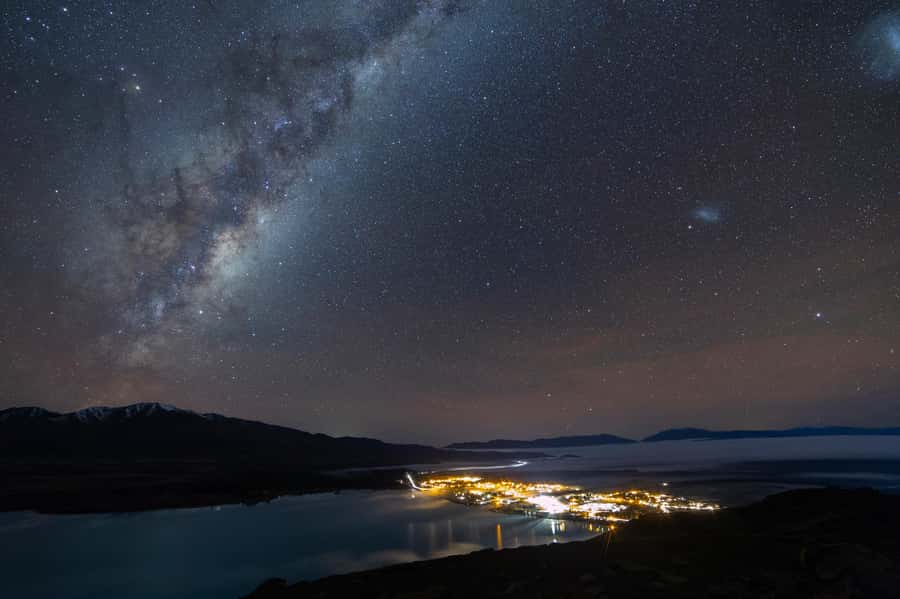
Tekapo is part of the world’s largest Gold Standard International Dark Sky Reserve. That designation matters because dark skies allow you to see far more than you normally can from a town or city.
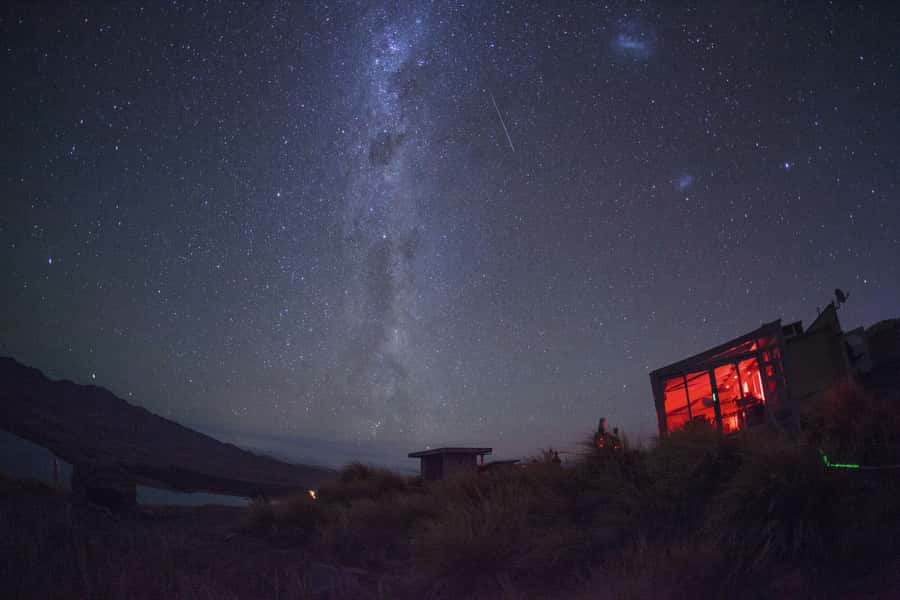
At Mount John, you are above Lake Tekapo and away from much of the light below. On a clear night, the sky can feel startlingly crowded with stars. The Milky Way may appear as a broad pale band, and the Southern Hemisphere gives you a different set of reference points from those familiar in Europe or North America.
I particularly like the fact that this is not only a telescope session. Your guide first helps you read the sky with your own eyes. That makes the experience more useful after the tour ends. You learn how to locate features such as the Southern Celestial Pole, Alpha Centauri, and other star groups instead of simply waiting for someone else to point them out.
The summit setting also adds real value. You are not looking through a telescope from a warm visitor centre. You are standing outdoors near an active research facility, with the sky open above you and the mountain falling away toward the lake. That setting is a major part of what you are paying for.
Other Mount Cook and Tekapo days from New Zealand:
- Lake Tekapo: Alpine Stargazing Experience with a Guide
★ 4.5 · 626 reviews - Lake Tekapo: Stargazing Experience
★ 4.9 · 607 reviews - Mount Cook: Scenic Helicopter Flight with Alpine Landing
★ 4.8 · 442 reviews
Check in at the Dark Sky Project base
Your evening begins at the Dark Sky Project base on the Takapō, or Tekapo, lakefront. Plan to arrive at least 20 minutes before departure. Hotel pickup is not included, so you need to make your own way to the base.
This early check-in is useful. It gives the staff time to prepare the group, issue the cold-weather jackets, and make sure everyone is ready for the mountain road and outdoor conditions. Bring warm clothing even if Tekapo feels mild in town. The summit can be much colder, and the activity takes place after dark.
The supplied extreme cold weather jacket is a welcome practical touch. You should still wear weather-appropriate layers, long trousers, and sturdy footwear. The jacket is extra protection, not a replacement for sensible clothing.
The tour is offered in English, Japanese, and Chinese. For safety, you must be able to speak the language of the tour you book. This is important because you will be walking in low light and following instructions near equipment and uneven ground.
The ride up Mount John adds to the evening
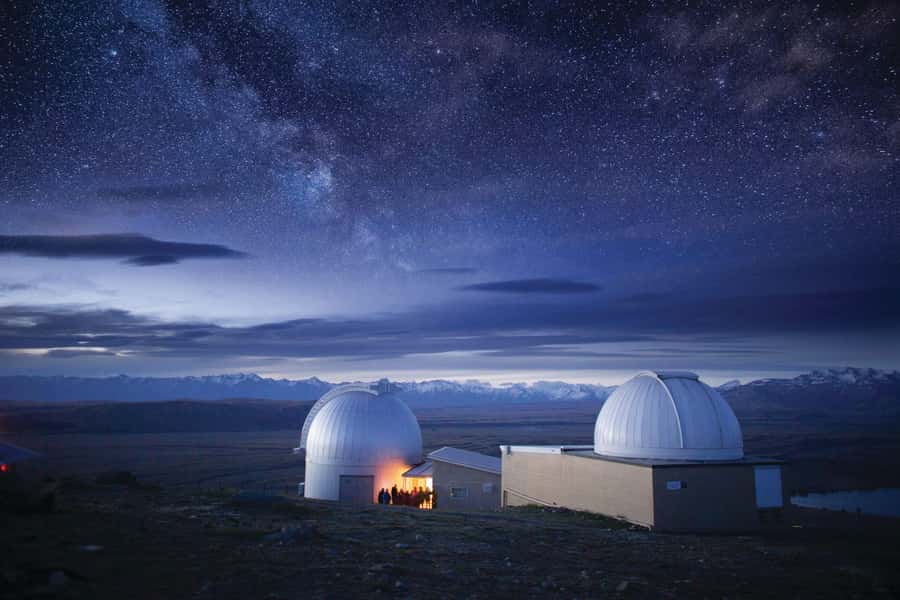
From the base, return transport takes you to the summit and back. The ride keeps you from dealing with the mountain road yourself and lets the evening begin as a group experience.
One guide has jokingly described the bus as the only nightclub in Tekapo. That gives you a sense of the tone: the trip up is not a silent transfer, but part of the warm-up to the astronomy session. The ride also saves energy for the outdoor portion, especially in cold weather.
Once you reach the summit, expect a short walk rather than a long hike. You need to feel comfortable walking about 100 meters on a gravel incline and climbing a couple of steps in the dark. This is not a demanding mountain trek, but it is not suitable for anyone who needs fully level, well-lit access.
A lanyard torch may be provided for finding your way, but you should not use a flash. Flash photography is not allowed. Bright light can spoil dark adaptation for everyone nearby, including the guide and other people trying to see faint stars.
Start with the naked-eye Southern Sky
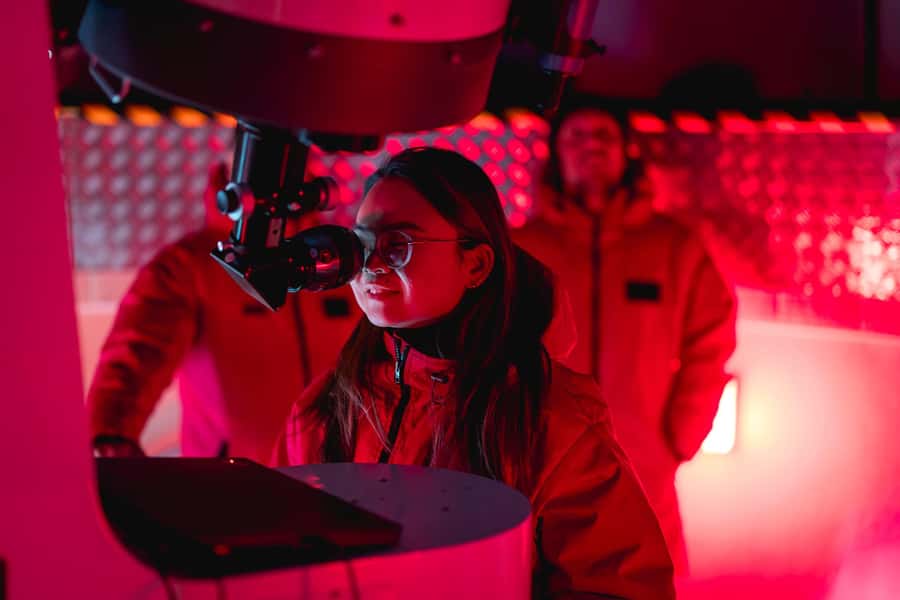
The first astronomy section uses no telescope. Your guide takes you outside and uses a handheld laser to mark stars, constellations, and other features overhead.
This is one of the strongest parts of the program because it teaches you how to look. In a dark place, the sheer number of stars can be confusing at first. A skilled guide gives you reference points and helps turn a mass of lights into a map.
The Southern Hemisphere has its own highlights. You might learn to locate the Southern Celestial Pole or identify Alpha Centauri, both mentioned during past sessions. Depending on the date and conditions, the guide may also show you other visible objects and star groups.
The exact sky changes every night. The season, time, moon phase, cloud cover, and position of planets all affect the program. That variety is a strength if you enjoy astronomy, since no two evenings need to be identical. It also means you should not arrive expecting one fixed checklist of planets.
Guides are a major part of the value. Oscar has been praised for bringing enthusiasm and clear explanations to the session, while other guides have been noted for answering questions carefully and making the science approachable. You do not need prior astronomy knowledge. The program is designed to help you build basic skills as you watch.
Other dark-sky nights around New Zealand:
- Chameleon Stargazing Shared Tour
★ 5.0 · 181 reviews
Telescopes bring the sky closer, with realistic expectations
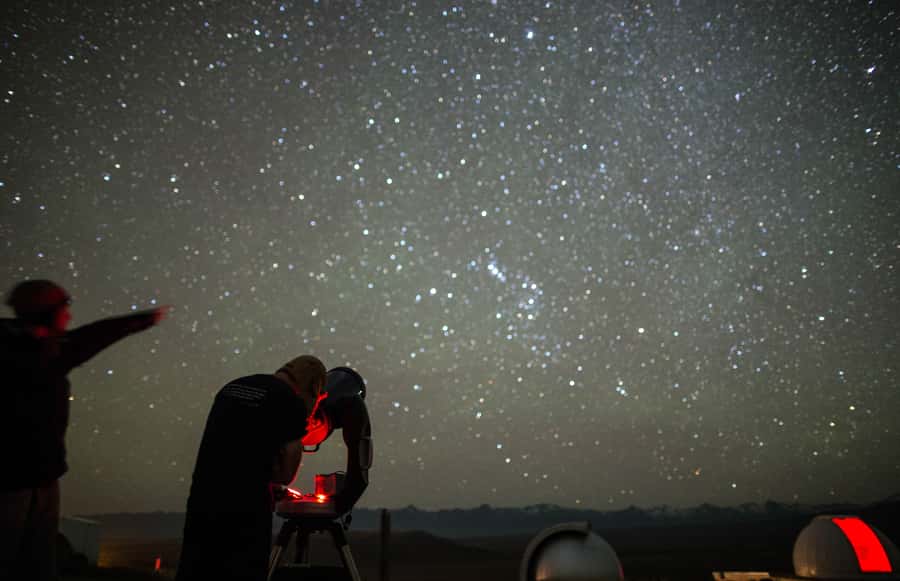
After the naked-eye introduction, you use high-powered telescopes to examine selected objects. Depending on the night, you might see a planet, star group, or another celestial object chosen by the guide.
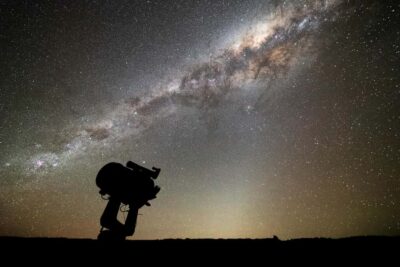
The telescope portion can be remarkable, particularly when the sky is clear. Mercury, Jupiter, and other objects have been seen during past sessions. The view through a telescope can also reveal details and patterns that are hard to notice with your eyes alone.
Still, set your expectations sensibly. A telescope does not always turn a planet into a huge, colorful picture. One visitor found that the stars appeared only slightly larger than they did to the naked eye and expected a larger telescope. That is a fair caution, especially if your main reason for booking is a dramatic close-up of a famous planet.
The equipment is only one part of the experience. The guide explains what you are looking at, why it is visible, and how to find it again. I would value that instruction even on a night when the telescope target is modest. The educational side helps turn a single viewing into something you can use later.
The absence of a particular planet is not a fault with the tour. Venus, Saturn, or the Moon may not be above the horizon at a useful time. Astronomy is governed by the sky, not by a visitor schedule.
Moon phase can change the whole mood
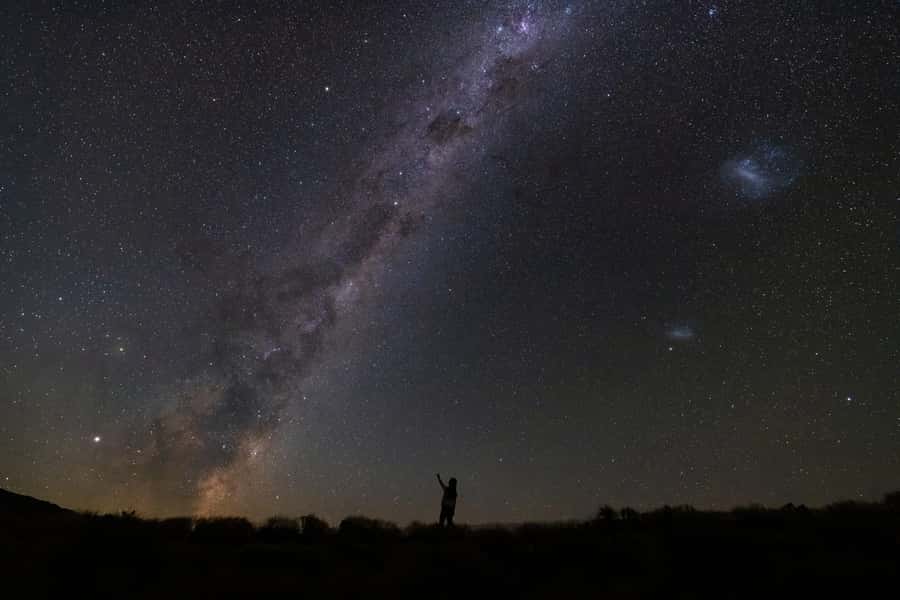
If you want the Milky Way at its strongest, pay attention to the moon phase when choosing your date. A new moon generally creates darker conditions, while a bright moon can wash out faint stars.
One evening with a bright moon still offered lovely telescope views, but the moonlight made the Milky Way harder to see. Another clear, moonless night allowed the stars and Milky Way to provide enough light to find your way around.
This does not mean a moonlit night is a bad night. The Moon itself can be an excellent telescope target when visible, and a little moonlight can make walking feel easier. It simply changes the balance between bright objects and faint stars.
I would choose a date near the new moon if your main goal is the Milky Way. If you care more about seeing the Moon or a bright planet, ask at booking time what may be visible, though the final view always depends on weather and timing.
Weather is the biggest factor in the decision
This is a weather-dependent activity. Wind, cloud, and other poor conditions can make a summit session unsafe or spoil the view. The tour may be cancelled in bad weather, with an indoor alternative or a full refund offered.
That policy reduces the risk, but it does not remove the need for flexibility. If your schedule allows, keep another evening open. One booking had to be moved because the weather blocked access to the summit, and the following night offered far better conditions with less wind and no cloud.
Clear skies are not the only requirement. Strong wind can make the cold much harder to handle, even with the supplied jacket. Check the forecast close to your departure and be ready to accept a change of plan.
The best practical approach is to book early in your stay if you can. That gives you some chance to reschedule if the first evening is cancelled. I would not leave it until the last possible night if stargazing is high on your Tekapo list.
How much value do you get for $130?
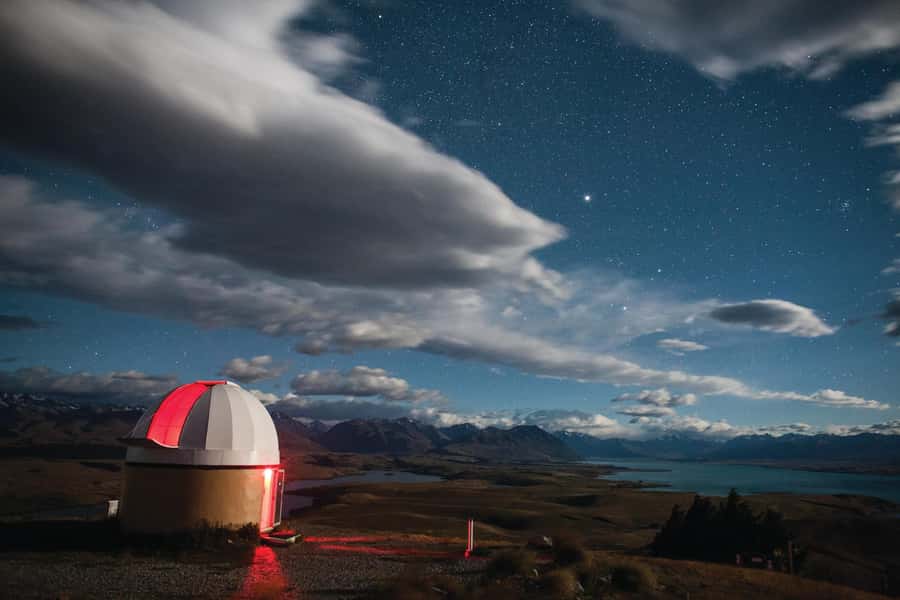
The advertised price is $130 per person. That is not a budget evening, so value depends on what you want from the outing.
You are paying for more than a telescope view. The price includes a 105-minute summit experience, return transport from the lakefront base, access to Mount John, an astronomy guide, and an extreme cold weather jacket. The setting beside a university research centre also gives the session a stronger scientific connection than a simple roadside stargazing stop.
I think the price makes the most sense if you value expert explanation and access to the summit. You are buying a guided introduction to the Southern Sky in one of New Zealand’s best-known dark-sky locations.
The value is weaker if you only want to take photographs or see a large planet through a telescope. Flash photography is prohibited, and astrophotography is not presented as the focus. A bright moon or cloud can also limit what you see, despite the quality of the guide and equipment.
Consider the experience as a live astronomy lesson in a powerful setting. On a clear night, that can feel well worth the cost. On a cloudy night, the indoor alternative may be useful, but it will not provide the same summit atmosphere.
Who will enjoy this most
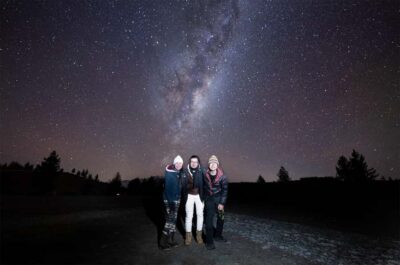
I would recommend the experience to adults, older children, and anyone curious about the sky rather than only interested in taking pictures. The minimum age is 10, so families with younger children need to choose another evening activity.
It suits you especially well if you:
- Want to learn how to identify Southern Hemisphere stars
- Enjoy asking questions and listening to science explained in plain language
- Can handle cold outdoor conditions
- Are willing to adjust your plans for weather
- Want a special evening during a South Island road trip
It is less suitable if you have mobility limitations, dislike cold, or expect a fully enclosed venue. You need to manage the gravel incline and steps in darkness, and the tour takes place outdoors on a mountain.
I would also think carefully if you are booking mainly for a particular planet. Objects such as Saturn, Venus, the Moon, or Mercury are not guaranteed. The guide can work with the sky available that night, but no astronomy tour can control what has risen or set.
Practical tips for a better night
Wear more layers than you think you need. Tekapo may feel comfortable before sunset, but the summit can be seriously cold once you stop moving. Bring gloves and a hat if you have them, even though a warm jacket is provided.
Arrive 20 minutes early at the Dark Sky Project base. You do not want to begin the evening rushed, especially since hotel pickup is not included.
Avoid flash photography and keep your phone brightness low. Your eyes need time to adjust to the dark, and a bright screen can affect the people around you.
If the Milky Way matters most, aim for a date close to the new moon and keep an eye on the forecast. If your plans are flexible, rescheduling for less wind and fewer clouds can make a major difference.
Remember that the tour is offered in English, Japanese, and Chinese, but you must speak the language of your selected session for health and safety. Ask questions during the astronomy talk. The guides are there to help you understand the sky, not merely point at it.
Should you book the Mount John summit experience?
Book it if you want a well-run introduction to the Southern Hemisphere sky, with transport to a special summit location and guides who clearly care about astronomy. The naked-eye lesson, Southern Celestial Pole, Alpha Centauri, telescope viewing, and clear mountain air make this more rewarding than a quick look at stars from town.
Do not book it expecting guaranteed planets, huge telescope images, or perfect weather. The strongest version of the experience needs a clear, calm, dark night, and even then the targets depend on what is visible.
My advice is to choose this tour if you can stay flexible and you are willing to dress for real cold. For most people who value the setting and the learning, $130 is a fair price. If your budget is tight or your only goal is photography, you may find the value harder to justify.
FAQ
Where does the Mount John stargazing tour meet?
You meet at the Dark Sky Project base on the Takapō, or Tekapo, lakefront. You should check in at least 20 minutes before departure.
How long does the experience last?
The stargazing experience lasts 105 minutes, or 1 hour and 45 minutes.
Is transport to Mount John included?
Yes. Return transport from the Dark Sky Project base to the summit of Mount John is included. Hotel pickup and drop-off are not included.
What languages are available?
The tour is offered in English, Japanese, and Chinese. You must speak the language of the tour you book for health and safety reasons.
What should I wear?
Wear weather-appropriate clothing and warm layers year-round. An extreme cold weather jacket is provided at check-in, but the summit can still be very cold.
Can children join the tour?
Children aged 10 and over can join. The experience is not suitable for children under 10.
Is the tour suitable for people with mobility impairments?
No. You need to walk about 100 meters on a gravel incline and climb a couple of steps in the dark. The activity is not suitable for people with mobility impairments.
What happens if the weather is bad?
The tour can be cancelled in bad weather. An indoor alternative may be offered, or you can receive a full refund.
Can I use flash photography?
No. Flash photography is not allowed during the experience.
Just added in New Zealand
- Auckland: Half-Day Sea Kayak Tour to Motukorea Island★ 5.0 · 6 reviews
- From Methven: Hot Air Balloon Flight in Canterbury with Wine★ 4.8 · 48 reviews
- West Coast Treetop Walk★ 4.5 · 131 reviews
- From Tauranga: Dolphin and Wildlife Cruise★ 4.5 · 96 reviews
- Napier: Afternoon Wine Tasting + visit Silky Oaks Chocolates★ 5.0 · 135 reviews
- Hokitika: West Coast Treetop Walkway Entrance Ticket★ 4.5 · 82 reviews
- Half Day Dolphin & Wildlife Cruise – Tauranga★ 4.5 · 103 reviews
- Milford Sound: Self-Guided Milford Track Day Walk★ 4.5 · 114 reviews
Mount Cook & Lake Tekapo Tours, compared.
Mt Cook Small Group Scenic Day Tour from Queenstown
Read our review →
Mount Cook, Lake Tekapo and Tasman Glacier Tour from Christchurch
Read our review →
Tekapo Shuttle: Mt Cook Day Tour via Pukaki & Tasman Lake
Read our review →
Mt Cook & Tasman Glacier lookout Small Group Tour from Queenstown
Read our review →Browse the lists this tour appears in