
Reviewed · WHALE WATCHING
Auckland: Whale and Dolphin Watching Half-Day Eco Cruise
A pod of dolphins can appear close to Auckland’s waterfront, with Rangitoto rising behind you and marine scientists working from the same boat. That is the special appeal of this 4.5-hour Hauraki Gulf eco-cruise: it feels like wildlife watching and a small research trip at once.
I like the careful approach to animals and the chance to hear practical science from crew members such as Emily, Sanaa, John and Toni. I also like the free second cruise if no marine mammals are seen. The drawback is simple: whales are never guaranteed, and open water can be windy, cool, or rough.
Key points to know before booking
- Research boat, not just a sightseeing vessel: Crew may collect plankton samples and explain how marine research is carried out.
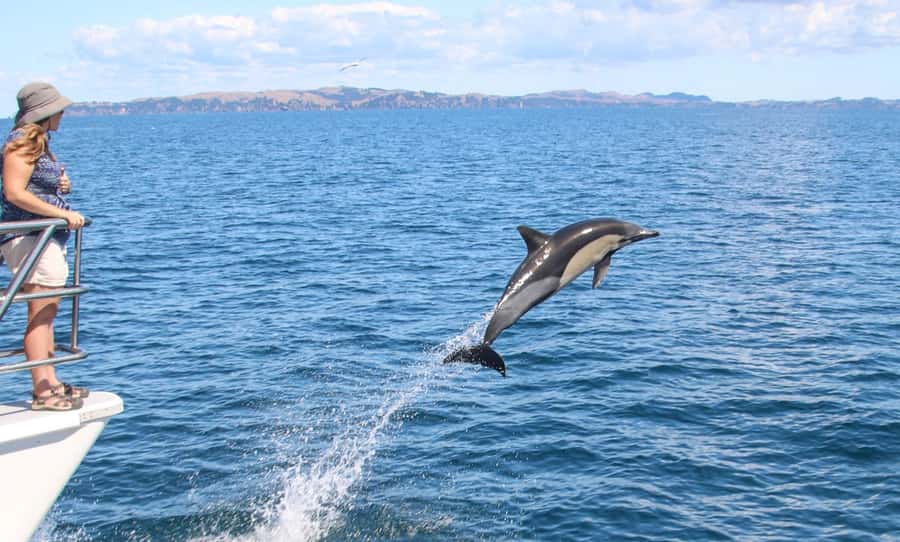
- Dolphins are the most likely highlight: Sightings can include large pods, young dolphins and animals swimming close to the catamaran.
- Whales may be distant: Bryde’s whales have been seen, but some trips see only a far-off whale or none at all.
- Strong Auckland setting: The route includes North Head, Devonport, Rangitoto Island and wide Hauraki Gulf views.
- Fair backup policy: If no marine mammals appear, you receive the chance to cruise again for free.
- Dress for the sea: Bring warm layers, a showerproof jacket, sun protection and sea-sickness medicine taken before departure.
Setting out from Auckland’s Eastern Viaduct
The trip starts at Berth 9, Eastern Viaduct Marina, opposite the Maritime Museum at the end of Quay Street. You check in at the top of the boarding ramp, 30 minutes before departure. Check-in closes 15 minutes before the boat leaves, so I would not cut this close, especially if you are walking from central Auckland.
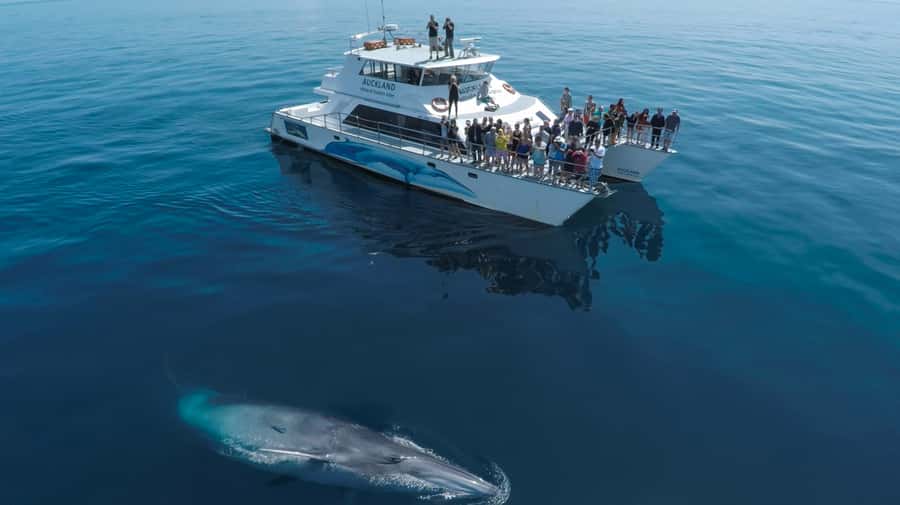
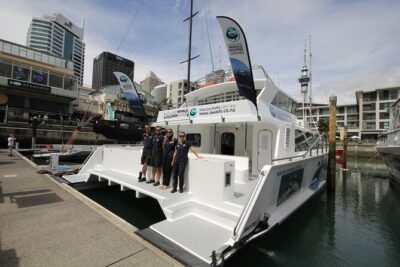
The vessel is the 65-foot luxury catamaran Dolphin Explorer. A catamaran gives you a stable platform, though stability does not mean you will avoid every bump. Wind and swell can still make the ride uncomfortable, particularly for anyone prone to sea-sickness.
The boat has seating options and enough room for people to find a viewing spot along the sides. It is not a tiny private outing, but it is also not described as a huge ferry. That balance matters: you get the capacity of a proper wildlife operation without losing the chance to see over the rail.
The vessel is not wheelchair accessible because of stairs and narrow doorways. Children under five may join only with close supervision, and unaccompanied minors are not permitted. The trip is also not suitable for heavily pregnant women.
More whale watching in Auckland:
- Auckland Dolphin and Whale Watching Eco-Safari Cruise
★ 4.5 · 1,790 reviews - Auckland: Tikapa Moana Whales, Dolphins and Islands Cruise
★ 3.9 · 292 reviews - Kaikoura: Whale Watching Cruise
★ 4.6 · 3,089 reviews
North Head, Devonport and the first Auckland views
The opening part of the journey gives you a quick water-level look at Auckland. North Head and Devonport provide an immediate sense of the harbor entrance, while the boat’s position offers a fresh view back toward the city.
Rangitoto Island is one of the route’s best visual markers. Its volcanic form makes it easy to spot from the water, and the island gives the trip a strong sense of place before the focus shifts to wildlife.
This early section is useful even if animals take time to appear. You are not simply motoring out into empty water. The skipper’s commentary covers the surrounding geography, the city and the marine park, helping you understand where you are before the search begins.
I would treat this portion as a slow change of pace rather than a formal sightseeing circuit. The wildlife remains the main event, but the harbor views help make the trip worthwhile on a quiet animal day.
Searching the Hauraki Gulf Marine Park
Once the boat reaches the wider waters of the Hauraki Gulf Marine Park, the pace becomes less predictable. The crew watches for signs of marine life and explains what they are looking for. Seabirds, feeding activity and surface movement can all help point the boat toward wildlife.
The search can produce common dolphins, bottlenose dolphins, Bryde’s whales, blue penguins, Australasian gannets, shearwaters and other seabirds. Sharks have also been seen, including blue sharks and a hammerhead shark, but these are occasional sightings rather than promised parts of the trip.
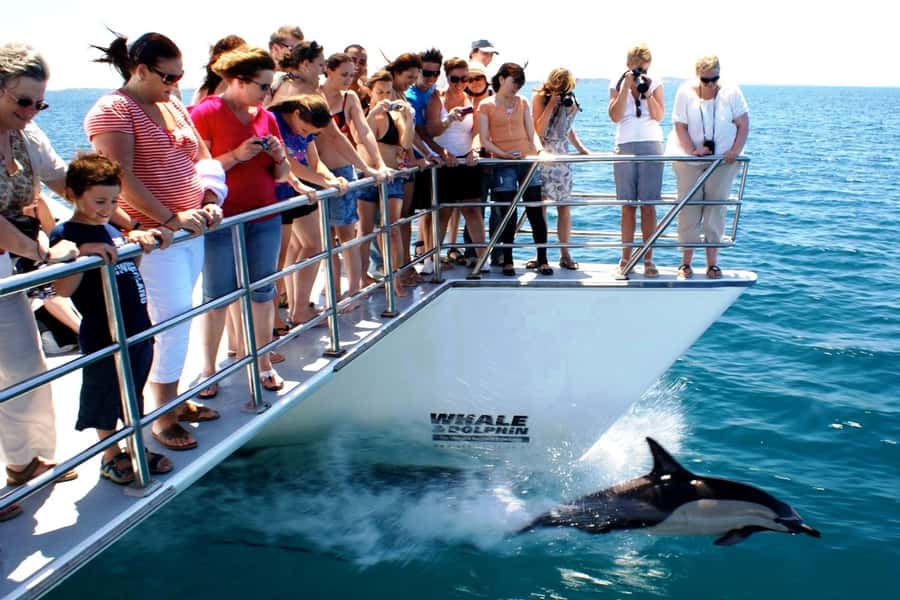
Dolphins are often the most reliable reward. Some outings have seen several pods, while one group counted more than 100 dolphins. You might watch young dolphins moving with the adults, or see animals pass beneath and beside the boat.
The close viewing is exciting, but the crew also has to manage distance and time around the animals. That is important. A good wildlife trip is not simply about getting as near as possible. The crew’s job is to give you a clear view while limiting pressure on the animals.
The water can look very different from one day to the next. Calm conditions make it easier to spot a fin or whale spout. Wind and rain can reduce visibility, and rough water can make the boat feel much less luxurious than it did at the dock.
What whale sightings are really like
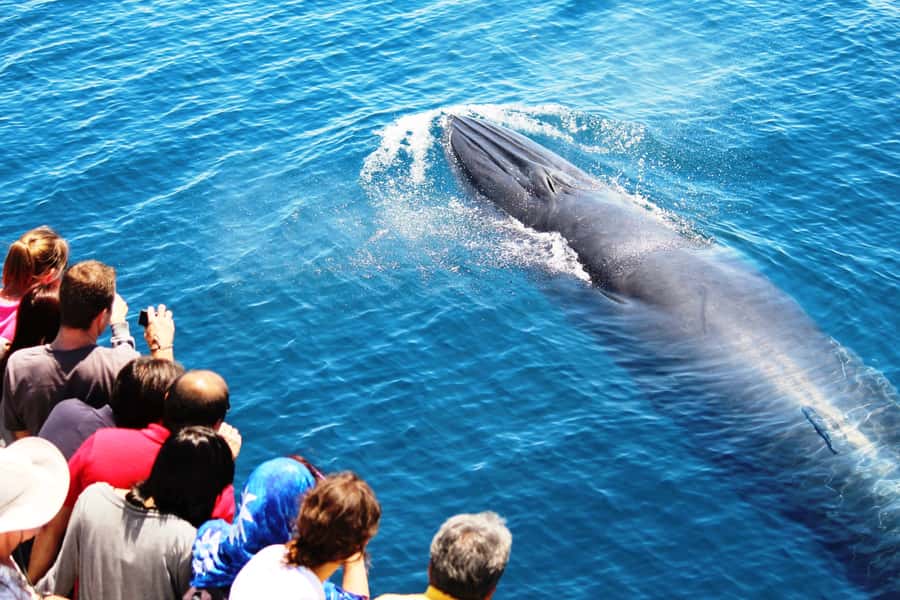
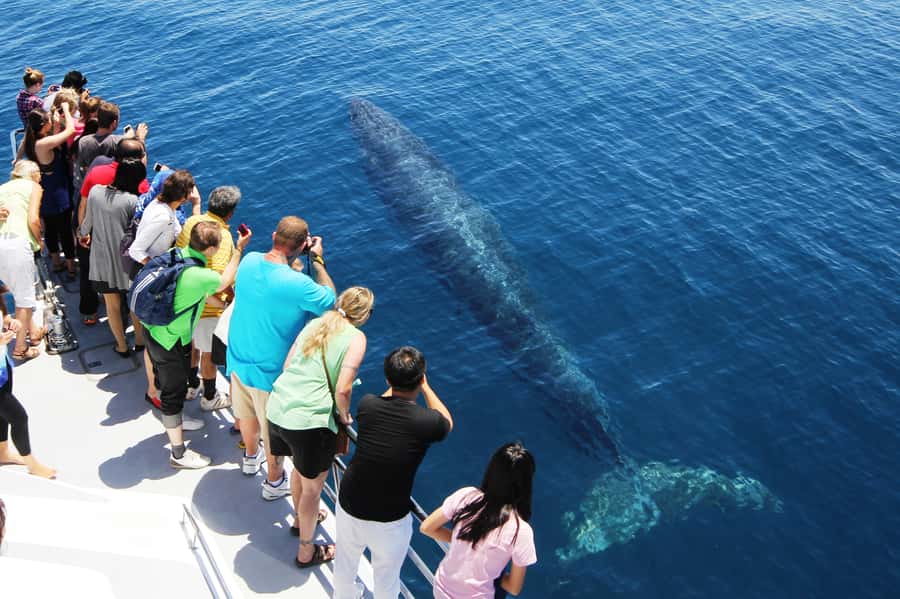
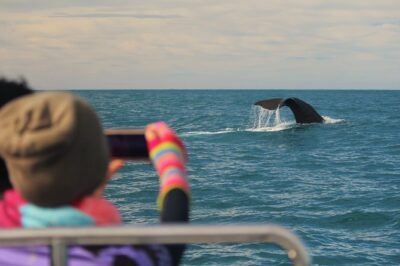
I would book this for the chance to see whales, not with the expectation that whales must appear. Bryde’s whales are among the sightings reported on this route, and some outings have seen one, two or even three. Other trips have spotted whales only in the distance, while some have seen none.
That unpredictability is part of the deal with wildlife in open water. A whale is not waiting at a fixed viewing point, and the crew cannot control its movements. You may get a brief surfacing, a distant back, or a longer encounter if conditions and luck line up.
The free second cruise makes the uncertainty easier to accept. If no marine mammals are seen, you can take the cruise again at no charge. The policy does not guarantee a whale on the second trip, but it shows that the operator recognizes the difference between an animal-rich outing and a day when the gulf stays quiet.
If you have only one day in Auckland, this backup offer may be less useful because you may not have time to return. If you are staying several days, it gives you a practical reason to try again.
Other dolphin trips leaving Auckland:
- Akaroa Dolphins ~ Harbour Nature Cruise
★ 5.0 · 2,143 reviews - Paihia/Russell: Hole in the Rock, Dolphins & Island Cruise
★ 4.6 · 821 reviews - Akaroa: Dolphin Nature Cruise
★ 4.9 · 440 reviews - Akaroa Harbour 2-Hour Dolphin Nature Cruise
★ 4.7 · 235 reviews
Marine science on board
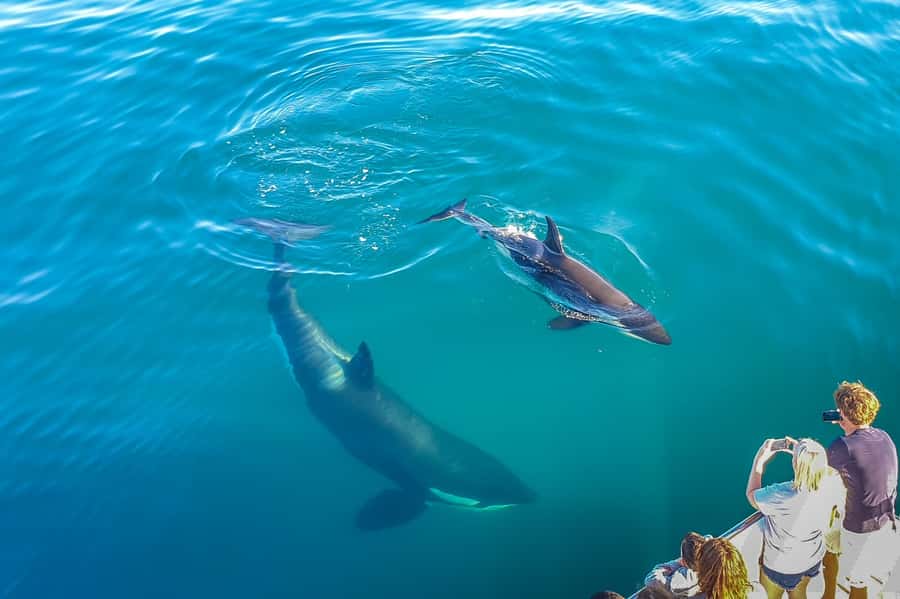
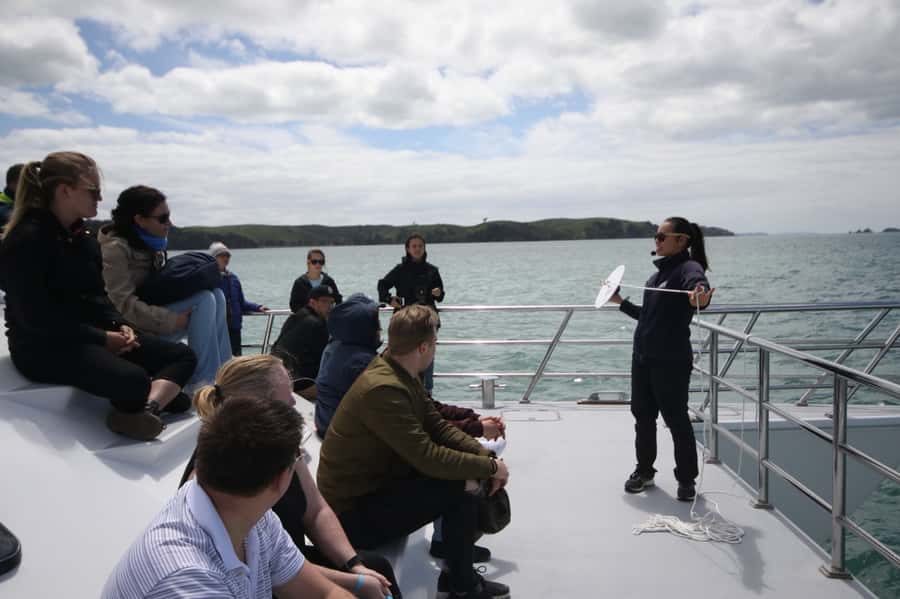
The research element adds more substance than standard wildlife commentary. Crew members include marine scientists and biologists who can explain animal behavior, local ecology and the work being done in the gulf.
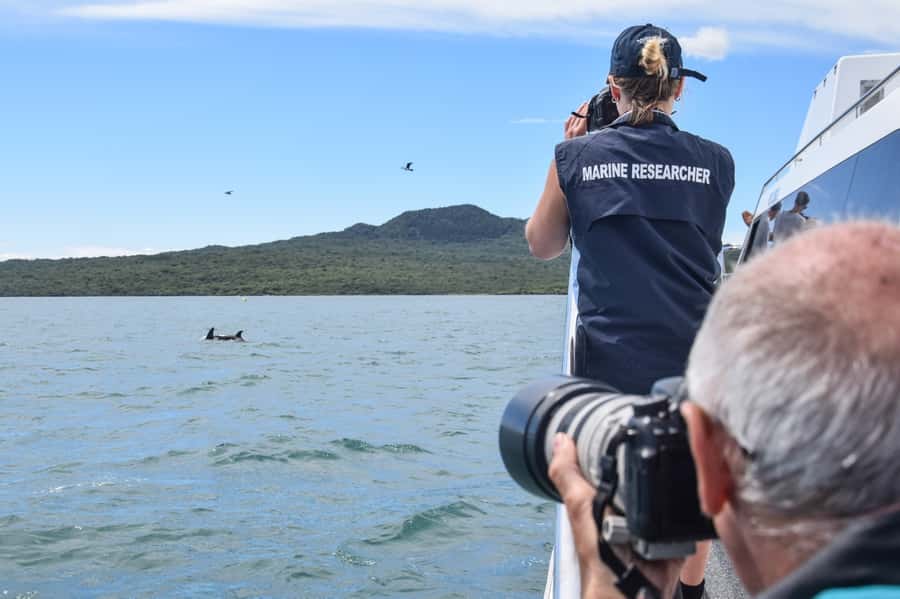
The boat has been used for plankton research, and the crew may stop to collect a sample. That small moment can change how you see the water. The gulf is not empty between dolphin sightings. Plankton supports the food chain, which supports seabirds, fish, dolphins and whales.
The team also uses workups as clues. A workup is a busy patch of sea where feeding activity draws birds and marine life together. Large groups of gannets dropping toward the water can signal that something is feeding below. You may see the crew tracking these signs rather than simply following a fixed route.
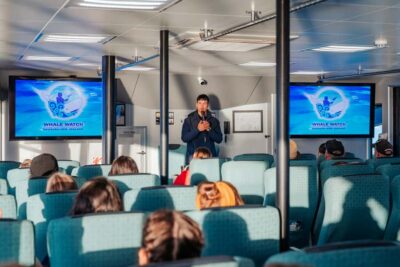
The commentary has been praised for covering more than mammals. You can hear about birds, geography, marine science and conservation, and there is time to ask questions. Crew members have included Emily, Sanaa, John, Joseph, George, Toni, Jo and Brittany on different outings, though the exact team will vary.
This is a good match for curious children and adults who want more than a quick photograph. It also makes a no-sighting trip more worthwhile because the natural history does not stop when whales fail to appear.
A conservation-minded way to spend $130
At $130 per person, this is not a budget harbor cruise. The value depends on what you want from the outing.
If you only want a short boat ride and city views, the price may feel high. The trip lasts 270 minutes, though, and includes a marine guide, a substantial journey into the gulf, wildlife searching and the possibility of a free return cruise. It also contributes one dollar from every ticket to the Hauraki Gulf Guardians fund.
That conservation contribution is modest on its own, but it fits the wider purpose of the operation. The vessel supports marine research, and the crew presents the animals as part of a living system rather than as props for photographs.
You still need to pay for food and drinks. A small selection of snacks, hot food and drinks is available on board, including beer and wine. I would eat something before boarding and bring water if you prefer not to rely on the onboard selection.
The strongest value comes when you enjoy the process as much as the result. If your only goal is to tick whale off a list, the cost may feel risky. If you care about the gulf, seabirds, research and a careful encounter with dolphins, the price is easier to justify.
Weather, comfort and what to pack
The trip operator can cancel because of wind, weather or sea conditions. That is sensible for a long open-water trip, and weather communication appears to be handled seriously. On some unsettled days, passengers have been offered a refund or a new date before departure.
Wear warm clothes, even if Auckland feels mild at the marina. Add a showerproof jacket, a sun hat and sunscreen. You should also bring your camera, binoculars and any personal medication.
Take sea-sickness medication before the trip rather than waiting until you feel ill. The catamaran may be comfortable, but no boat can remove the motion of open water.
Rain is possible, and the boat can be windy. The best clothing lets you move between sheltered areas and outdoor viewing points without becoming cold. Keep camera equipment protected from spray and sudden showers.
Who will enjoy this Auckland cruise most
I would recommend this trip to anyone with half a day in Auckland who wants wildlife in a natural setting rather than an aquarium. It suits people who enjoy seabirds, marine science and changing weather, as well as those hoping to see dolphins close to the boat.
Families can join, but young children need close supervision. The combination of open water, wind and a long duration may be tiring for very young children, especially if they are not used to boat trips.
It is also a good choice for repeat visitors. The route gives you city views, Rangitoto and marine life in one outing, and the return-cruise policy gives you another chance if the first trip produces no mammals.
I would hesitate if you dislike boats, cannot manage stairs and narrow doorways, or need a guaranteed animal sighting. I would also avoid placing this at the end of a tightly timed Auckland day. The trip lasts four and a half hours, and weather can alter plans.
Should you book the Dolphin Explorer?
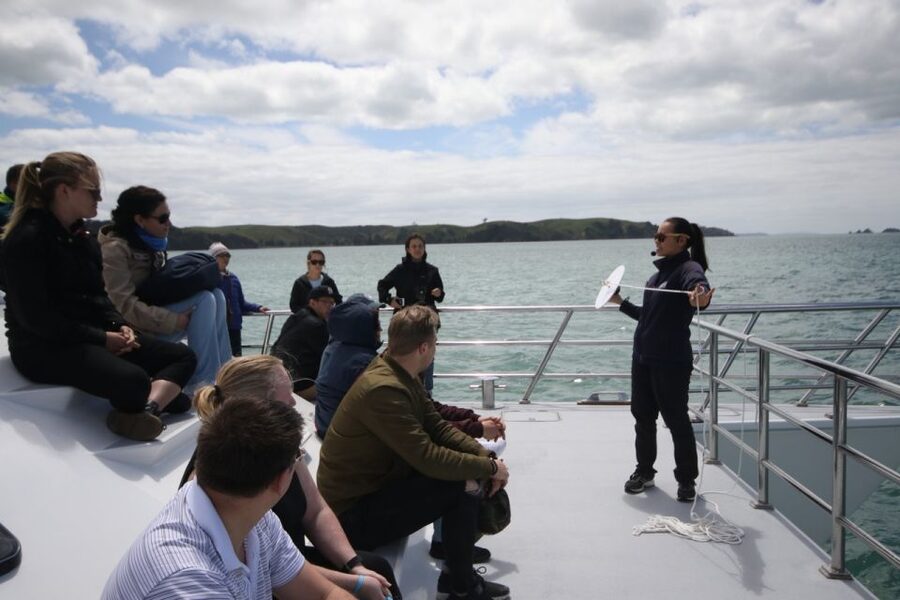
Book it if you can accept nature on its own terms. You may see dolphins close to the catamaran, whales in the distance, gannets feeding around a workup, blue penguins, sharks or an impressive mix of all of them. You may also see no marine mammals at all.
The best reasons to go are the careful wildlife approach, the marine research, the strong crew commentary and the practical second-cruise policy. The main caution is the price and the lack of certainty.
For a first Auckland visit, I think it is a worthwhile half-day choice if you have room in your schedule and dress properly. Go for the Hauraki Gulf as a whole, not only for a whale photograph.
FAQ
How long is the Auckland whale and dolphin cruise?
The cruise lasts 270 minutes, or four and a half hours.
Where does the boat depart from?
The boat departs from Berth 9 at Eastern Viaduct Marina, opposite the Maritime Museum at the end of Quay Street.
How early should I arrive?
You should check in 30 minutes before departure. Check-in closes 15 minutes before the scheduled departure time.
What happens if no marine mammals are seen?
You can take the cruise again for free if no marine mammals are seen.
Are food and drinks available?
Yes. A small range of snacks, hot food and drinks can be purchased on board, including beer and wine.
What should I bring?
Bring warm clothes, a showerproof jacket, a sun hat, sunscreen, a camera, binoculars, personal medication if needed and sea-sickness medication taken before the trip.
Is the vessel wheelchair accessible?
No. The vessel is not wheelchair accessible because it has stairs and narrow doorways.
Just added in Auckland
- Auckland: Half-Day Sea Kayak Tour to Motukorea Island★ 5.0 · 6 reviews
- Auckland Food Walking Tour★ 5.0 · 73 reviews
- Auckland: Segway to North Head Volcano Summit★ 4.9 · 53 reviews
- The Tastebud Tour, award winning food tour of Auckland★ 5.0 · 124 reviews
- Day sea kayak tour Rangitoto Island★ 5.0 · 79 reviews
- Sunset kayak tour to Rangitoto Island★ 5.0 · 168 reviews
- Hobbiton Movie Set Tour with lunch from Auckland★ 5.0 · 168 reviews
- Auckland: Rotorua Wai-O-Tapu, Te Puia with Haka★ 4.9 · 161 reviews
Whale Watching, compared.
Auckland Dolphin and Whale Watching Eco-Safari Cruise
Read our review →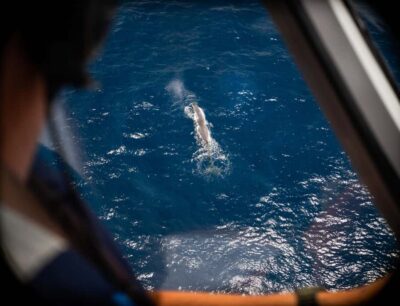
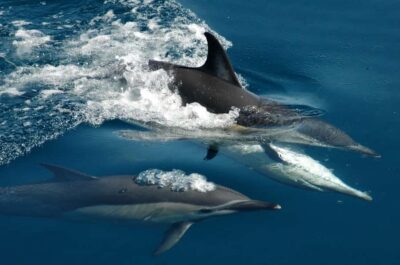
Tikapa Moana Whales, Dolphins and Islands Cruise
Read our review →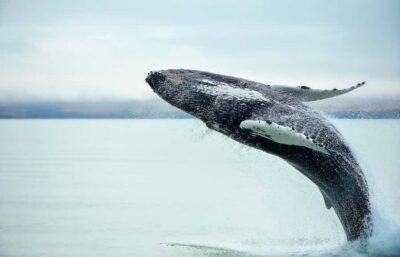
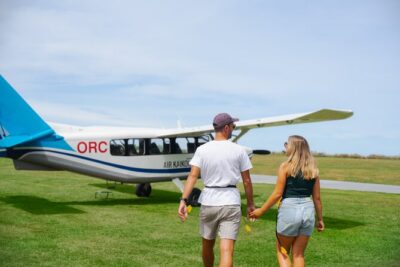
Kaikōura Whale Watching Scenic Flight (40 Minutes)
Read our review →
Kaikoura Whale Watch Day Tour from Christchurch
Read our review →Browse the lists this tour appears in