
Reviewed · TOURS IN KAIKOURA
Double Boat Dive with Equipment
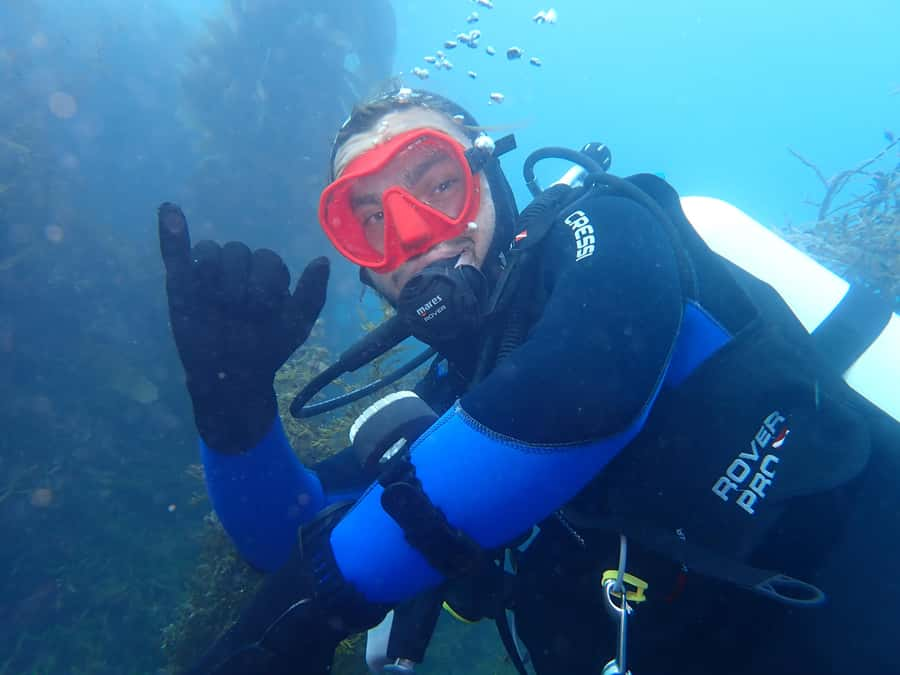
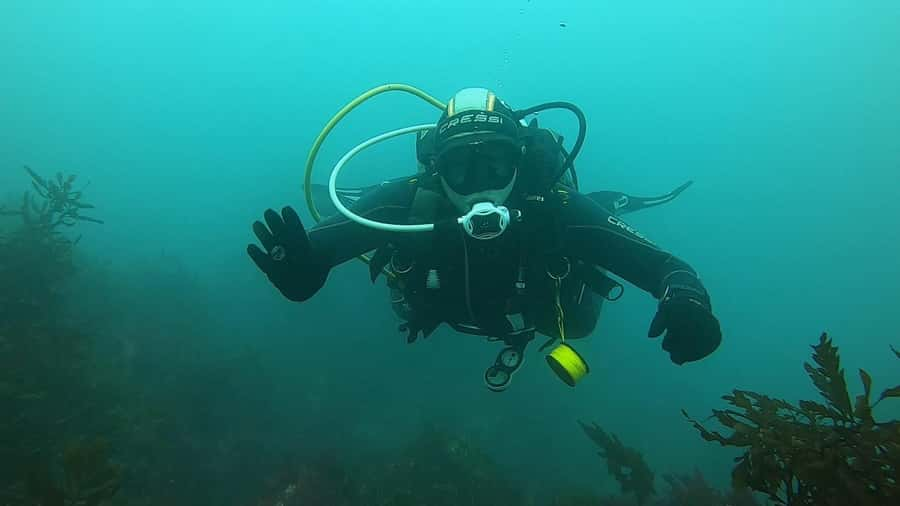
Kaikoura’s underwater world is a cool-water surprise. Beneath the meeting point of mountains and sea, rocky reefs carry forests of kelp and seaweed in red, orange, purple, green, and brown. I like that this trip gives you two one-hour underwater sessions, not one quick look, and that the small group is limited to four people.
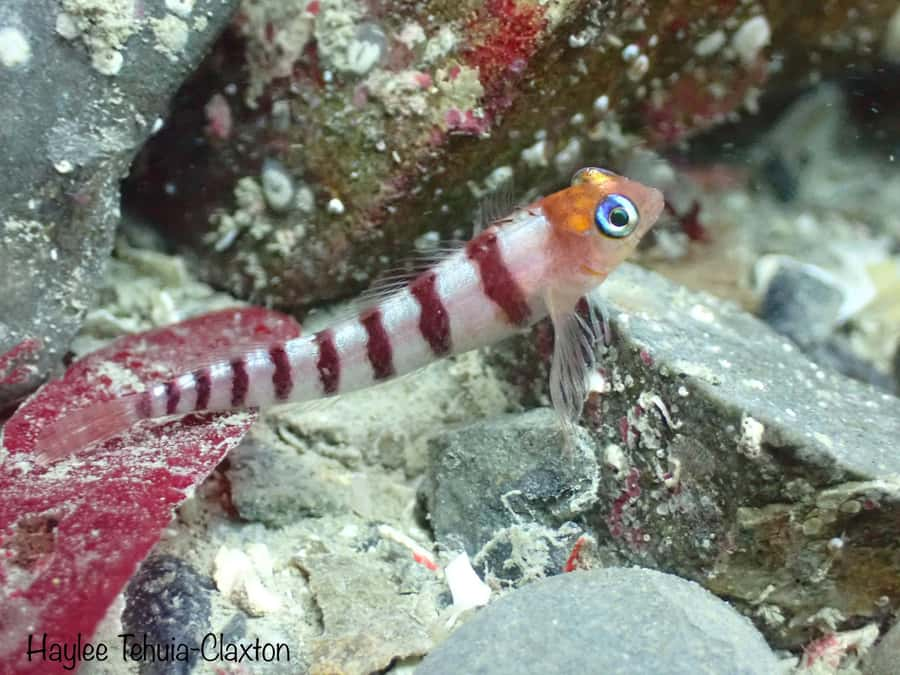
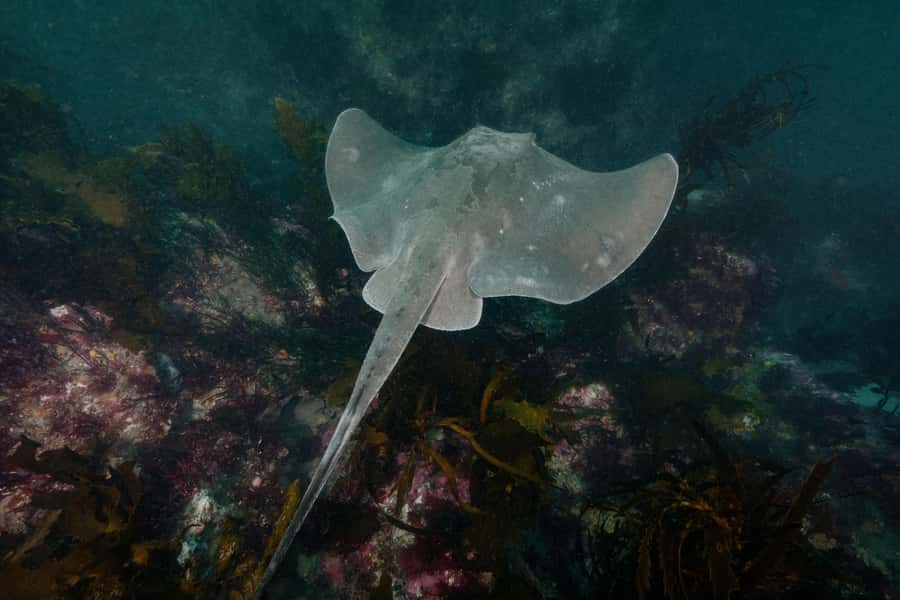
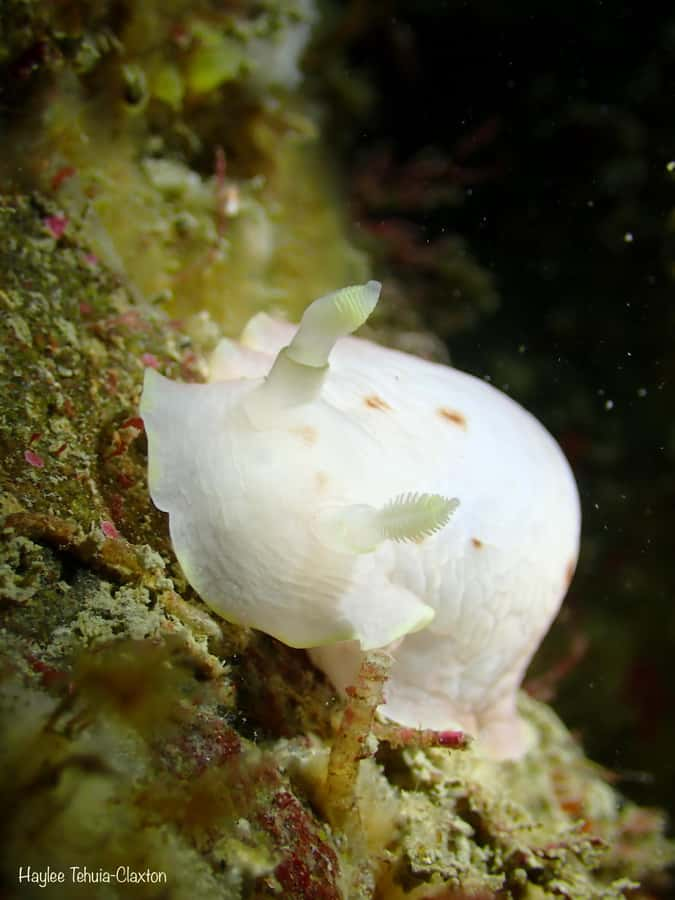
I also like the chance to see local species such as blue cod, moki, wrasse, butterfish, paua, kina, and nudibranchs in their own setting. The main caution is clear: this is cold-water, often low-visibility exploration, so it suits certified people who value natural marine life more than tropical colors and crystal-clear views.
Key points about the Kaikoura boat trip
- Two one-hour underwater sessions: You get a full second visit after a one-hour surface break.
- Kelp-covered rocky reefs: Expect seaweed in red, orange, purple, green, and brown rather than coral gardens.
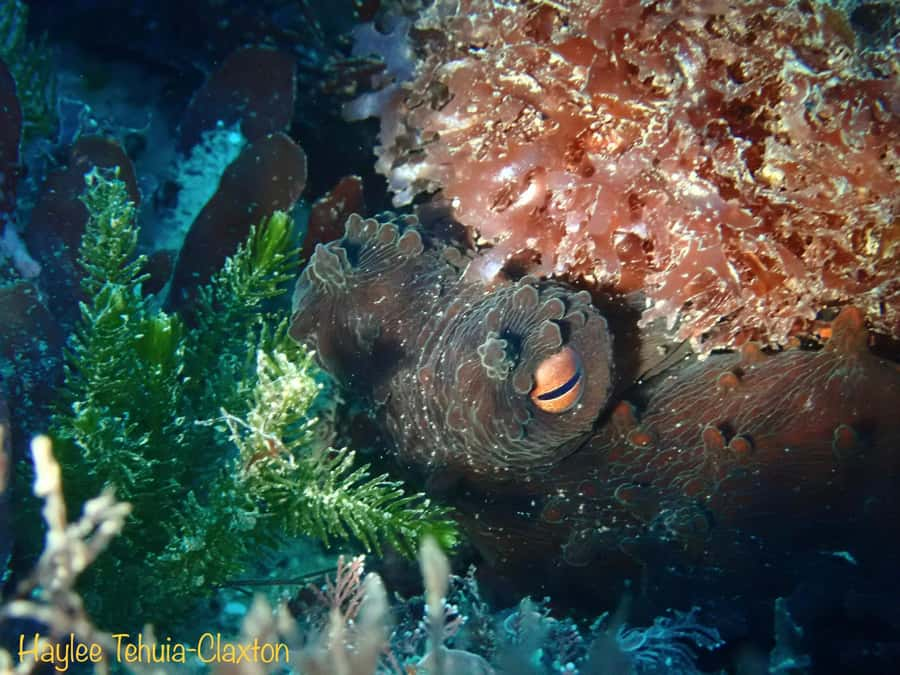
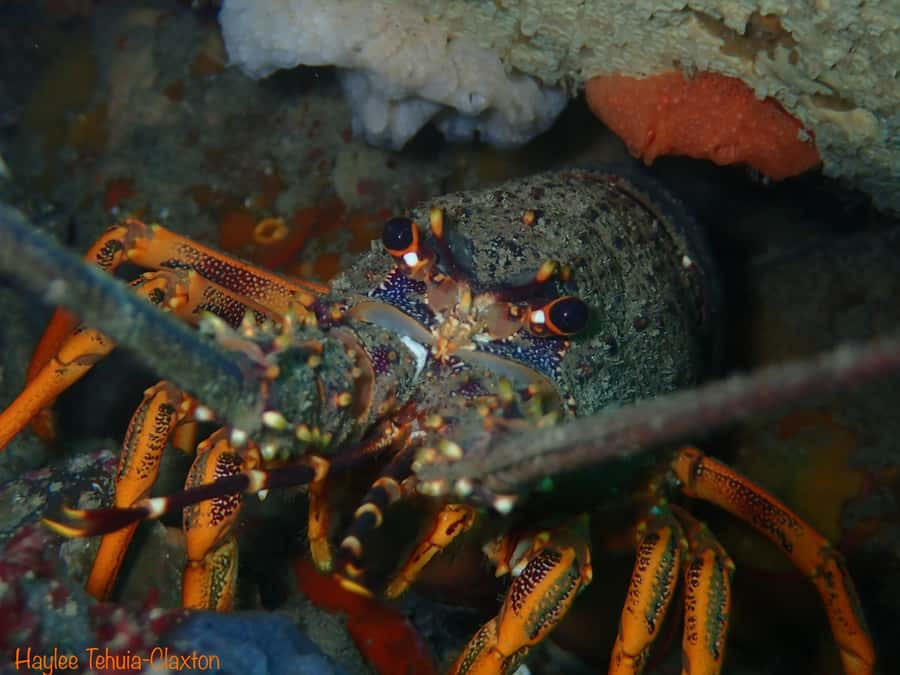
- Native New Zealand marine life: Look for octopus, moki, blue cod, wrasse, butterfish, crayfish, paua, Kina, and nudibranchs.
- A small group of four: The limited group size gives the English-speaking guide a practical setting for helping participants.
- Mountain and sea views: The boat ride adds a memorable coastal view before the underwater work begins.
- Cold, changeable conditions: Low visibility is typical, and poor sea conditions can cancel the trip.
Why Kaikoura looks different below the surface
Kaikoura is best known for the meeting of steep mountains and the Pacific, but the coast has plenty to offer below the waterline too. The underwater setting here is not built around warm seas, bright coral, or guaranteed clear views. It is a cooler New Zealand environment shaped by rocky reefs, kelp, seaweed, and native species.
That difference matters when you set expectations. I would choose this trip for texture, local wildlife, and the feeling of seeing a real coastal ecosystem. I would not choose it if your main goal is a postcard view through perfectly clear water.
The reefs are described as an underwater garden, but the character comes from local plant life rather than imported tropical scenery. Kelp and seaweed hang over the rocks in several colors, giving the seabed a layered look. In good moments, small details become the reward: a nudibranch, a hidden crayfish, a patch of paua, or a Kina bed.
The water can also feel busy with fish. Moki, blue cod, wrasse, and butterfish are among the species you might find. Schools of baitfish sometimes move through the area, adding motion to the scene. Octopus give you another reason to slow down and check the rocks carefully.
Other trips people book in Kaikoura:
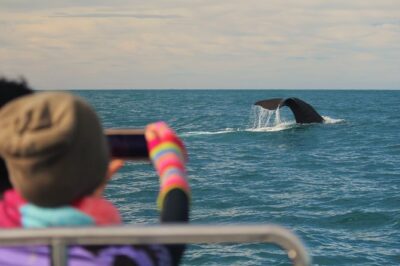
- Kaikoura: Whale Watching Cruise
★ 4.6 · 3,089 reviews - Whale Watching in Kaikoura by Boat
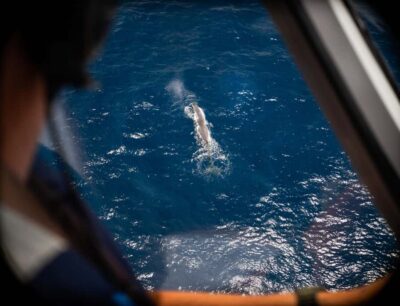
★ 4.5 · 2,906 reviews - Kaikoura: Whale Watching Flight with Commentary
★ 4.6 · 823 reviews
From 38 West End to the open water
The trip begins at 38 West End, the stated starting and finishing point. From there, you spend about 10 minutes on one transfer, followed by another transfer of about 20 minutes before reaching the Kaikoura area used for the underwater sessions.
The schedule shows 30 minutes of outward movement in total, though the exact route and timing can vary with conditions. That boat time is not just dead time. You get to see the coast from the water, with Kaikoura’s mountains rising behind the shoreline and the sea stretching out ahead.
I like this contrast. On land, the mountains can dominate your attention. From the boat, you see how abruptly the coast changes from high country to open water. It gives the trip a stronger sense of place than an enclosed pool session or a simple shore entry.
The ride can also help you shift gears. This is a five-hour outing, not a rushed activity squeezed into a short gap. You have time to prepare, travel to the site, spend an hour below, rest, and return for a second session.
Specific boat facilities and the exact travel route are not provided, so you should not expect a detailed sightseeing cruise. Treat the journey as the practical way to reach the chosen sites, with mountain views as an excellent bonus.
The first one-hour underwater session
The first underwater session lasts about one hour. The chosen site may vary, since trips depend on sea conditions, but the main setting is Kaikoura’s cold-water reef environment.
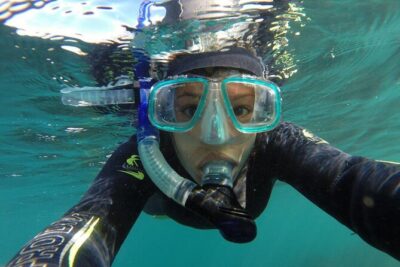
Your attention will likely move between larger animals and small finds. Native fish may pass over the rocks, while octopus and crayfish can stay tucked into cover. Paua and Kina beds give the seabed a distinctly New Zealand character, and nudibranchs reward anyone who takes time to inspect small surfaces rather than scanning only for large animals.
Low visibility changes how you explore. You may need to stay close to the guide and pay attention to the reef directly in front of you. That can make the session feel less like sightseeing and more like careful observation.
The lack of clear water is the biggest practical limitation, but it also makes the experience more focused. You are not simply looking far into blue space. You are checking the rocks, kelp, and seaweed for movement and color.
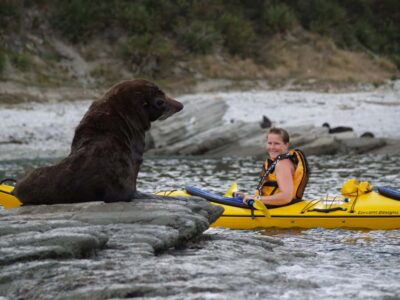
Fur seals are another possible treat. Your bubbles may attract their playful company, but this is clearly an occasional encounter, not a promise. Keep that distinction in mind when comparing this outing with a dedicated wildlife cruise.
The one-hour break between sessions
After the first hour, you have about one hour of break time. This surface interval gives you a chance to rest before the second session, which is important in cold water and makes the five-hour plan feel more sensible.
The available details do not state exactly how the break is arranged, so do not assume a particular meal, café stop, or shore excursion. It is best understood as time between the two boat sessions.
I like the two-part format because the first session helps you learn what to look for. On the second visit, you may be quicker to notice a fish tucked among the kelp or a small animal on the reef. You also get a fresh chance if the first site has poor visibility or limited wildlife.
The pause has a downside too. If you prefer short, fast activities, an hour between sessions may feel long. This is a full half-day commitment, and the schedule asks you to give the experience your attention rather than fitting it around several other Kaikoura stops.
Same base, a different kind of day:
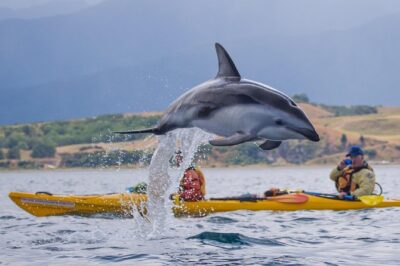
- Wildlife Sea Kayaking Tour – Kaikoura
★ 5.0 · 467 reviews - Seal Kayaking Adventure in Kaikoura
★ 5.0 · 422 reviews - Kaikoura: Half-Day Wildlife Kayaking Tour
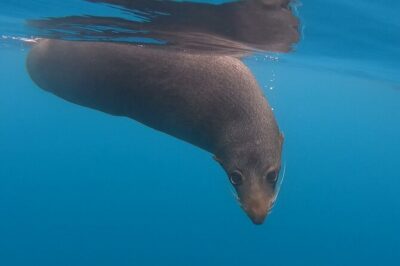
★ 4.6 · 390 reviews - Seal Swimming Tour from Kaikoura
★ 5.0 · 276 reviews
Returning for the second one-hour session
The second session lasts another hour. It may use the same general area or a different chosen site, but the supplied information does not promise a particular route or animal encounter.
This second period is where the trip earns its value for me. One underwater visit can be affected by visibility, weather, animal behavior, or simply the time it takes to settle in. A second hour gives you another chance to see the reef properly and notice details that escaped you earlier.
You might encounter schooling baitfish, native fish, or an octopus. You might also find that the small life is the main attraction. Nudibranchs, crayfish, paua, and Kina beds are easy to overlook if you rush, so the extra time helps.
Still, two sessions do not guarantee better conditions. Kaikoura is cold-water country, and visibility is typically low. You should book this with an open mind, not with a fixed checklist of species.
The ride back to West End
After the second session, the schedule allows about 20 minutes for one return transfer and another 10 minutes before arrival back at 38 West End. The total transfer time listed for the outing is about one hour, split between the outward and return journeys.
This gives you a clean five-hour structure:
- About 30 minutes of outward transfers
- One hour underwater
- One hour of break time
- One hour underwater
- About 30 minutes of return transfers
That leaves the trip easy to plan around. You should allow the full five hours rather than relying on an early finish. Starting times vary, so check the available schedule before building the rest of your day.
The return ride is also part of the visual appeal. You can look back toward the mountains and see the coast from a different angle than you had on the way out. The views do not replace the underwater time, but they add a strong Kaikoura setting to the outing.
What the equipment and group size mean
The experience is sold with equipment, which reduces the amount of specialist gear you need to arrange separately. The supplied details do not list each item or explain the fitting process, so confirm any personal requirements before booking.
The group is limited to four participants. That is a useful size for an activity where conditions may require close attention to the guide and the surrounding reef. A small group can also make it easier to ask questions in English and stay aware of the guide’s instructions.
The trip needs at least two people to operate. A booking does not mean the outing will run regardless of numbers or sea conditions. If the minimum is not met, or the water is unsafe, the plan may change.
This is not a lesson for beginners. You need certification to take part. The experience is aimed at people who already have the required underwater qualification and want to see Kaikoura’s local marine environment.
Cold water, visibility, and realistic expectations
The most important warning is also the one many people skip: the water is cold and visibility is typically low. These are not minor notes. They shape the entire experience.
Cold water affects comfort, concentration, and how long you want to remain below the surface. Low visibility affects what you can see and how you move around the reef. If you are used to warm-water sites with broad views, you may find this setting more demanding.
On the other hand, cold-water conditions create a habitat with its own appeal. The kelp and seaweed colors, reef life, and native fish make this a local ecological experience rather than a tropical imitation.
I would also avoid promising yourself a seal encounter. Fur seals may approach the bubbles, and that would be a memorable bonus, but wildlife stays on its own schedule. The same applies to schooling baitfish and larger fish sightings.
The best approach is to value the setting and the variety of small discoveries. If the water clears and a seal appears, enjoy the luck. If not, you still have two chances to inspect Kaikoura’s reefs.
Who will get the most from this experience
This outing suits certified people who already enjoy underwater exploration and are comfortable with the idea of cold water. It is a good choice if you want local marine life, natural reef structure, and a small group rather than a large sightseeing boat.
It also works well for someone who wants more than one short session. The second hour gives you time to settle into the conditions and look more carefully at the reef.
I would be cautious about booking it for anyone hoping for easy, bright visibility or a guaranteed encounter with a seal. It is also not suitable for people without certification.
The trip is conducted in English, which helps if you want instructions and guidance in that language. No other guide names are provided, so you should not expect to request a particular named guide from the available details.
Is the five-hour format good value?
No price is supplied here, so I cannot judge the exact cost against competing activities. I can judge what you receive for the time: equipment, guided boat access, two one-hour sessions, a one-hour break, a small group capped at four, and transport between 38 West End and the selected sites.
That is a substantial half-day outing. Compared with a single short underwater session, the second hour gives you more time to cope with conditions and see different parts of the reef. Compared with a wildlife cruise, this is a more active experience and places the focus below the surface rather than on whales, seals, or coastal viewing from the boat.
The value depends on your priorities. If you already have certification and want Kaikoura’s marine environment, the structure is strong. If you mainly want guaranteed wildlife sightings, a dedicated whale or seal trip may fit better, though it would offer a different kind of experience.
Flexible booking also helps. You can cancel up to 24 hours before the start for a full refund, and you can reserve now and pay later. If poor sea conditions prevent the trip from operating, a full refund is provided. Weather remains an important part of the decision, so keep some flexibility in your Kaikoura schedule.
Should you book the Kaikoura boat excursion?
Book it if you are certified, comfortable with cold water, and happy to search rocky reefs for native life in low visibility. The strongest reasons are the two one-hour sessions, the small group, the supplied equipment, and the chance to see a distinctly New Zealand underwater setting.
Skip it if you want warm water, clear long-range views, or a guaranteed seal encounter. For the right person, this is a thoughtful way to experience Kaikoura beyond the shoreline, with enough time to notice the kelp, fish, shellfish, and small reef animals that make the coast special.
FAQ
Where does the experience start?
The activity starts and finishes at 38 West End.
How long does the experience last?
The full activity lasts five hours.
How many underwater sessions are included?
You take part in two one-hour underwater sessions.
How long is the break between the sessions?
The scheduled break lasts one hour.
Is equipment included?
Yes. The experience is described as a boat excursion with equipment included.
Do I need certification?
Yes. The activity is not suitable for people without certification.
What language is the tour conducted in?
The live guide provides the experience in English.
How many people can join the group?
The group is limited to four participants, and at least two people are required for the trip to operate.
What happens if the sea conditions are poor?
The trip depends on the weather and sea conditions. If it cannot operate because of poor conditions, a full refund is provided.
Just added in Kaikoura
- Kaikōura Whale Watching – 1hr 20min Ultimate Adventure★ 5.0 · 8 reviews
- Kaikoura Whale Watching – 45 Minute Ocean Safari★ 5.0 · 39 reviews
- Llama Trek (Taster) – Kowhai River Valley and Native Woodland Tour★ 5.0 · 76 reviews
- Sunset Evening Kayaking Tour – Kaikoura★ 4.5 · 81 reviews
- Kaikōura Whale Watching and Scenic Landing – 1hr Premier Tour★ 5.0 · 24 reviews
- Private Seal Kayaking and Wildlife Tour in Kaikoura★ 5.0 · 7 reviews
- Private Wildlife Kayaking Tour – Kaikoura★ 5.0 · 44 reviews
- Sunset Kayak tour in Kaikoura★ 5.0 · 46 reviews
Tours in Kaikoura, compared.
Browse the lists this tour appears in