
Reviewed · MAORI CULTURAL EXPERIENCES
From Auckland: Rotorua Māori Village & Hot Springs with Haka
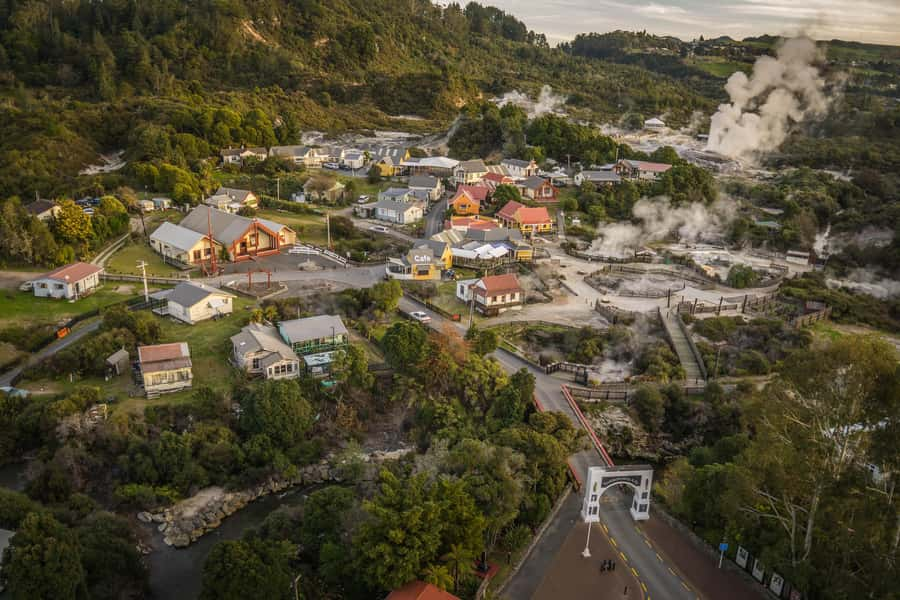
Rotorua’s geothermal drama is only half the story here. The more memorable part is seeing Whakarewarewa as a living Māori village, where people still live and work among steaming vents, bubbling mud, geysers, and hot pools. A local guide leads the three-hour visit, followed by songs, dancing, and a powerful haka.
I like the pairing of culture and relaxation. You get a serious look at Māori customs and daily life, then two quiet hours at the Polynesian Spa with views toward Lake Rotorua. The small group, limited to 11 people, also gives guides such as Huzefa, Matt, Brendan, and Jason room to answer questions and adjust the pace.
The catch is the road time. This is a 12-hour day, with roughly three hours each way between Auckland and Rotorua. It is a worthwhile way to reach Rotorua without changing hotels, but it is not a quick outing.
Key points to know before booking
- Whakarewarewa is a working Māori village, not simply a museum or staged cultural display.
- The three-hour village visit includes geothermal sights, local stories, cultural performances, and a haka.
- The Polynesian Spa gives you about two hours to soak in mineral-rich geothermal pools beside Lake Rotorua.
- Round-trip transport and downtown Auckland hotel pickup are included, with a small group of up to 11.
- Food and drinks are not included, though a traditional hangi meal may be available to buy at the village café.
- Plan for a long day and bring swimwear, flip-flops, and a reusable water bottle.
Why this Auckland to Rotorua trip works
Rotorua is one of New Zealand’s best places to connect Māori culture with the forces beneath the earth. The geothermal activity is not set apart from local life here. Steam rises beside paths, hot water has practical uses, and the village’s story is tied closely to the land.
That combination gives this tour more substance than a simple geyser stop. You are not only looking at strange rock formations and boiling pools. You are learning how Māori families live with this environment and how customs, food, performance, and community remain connected to it.
The day also has a smart rhythm. The village portion is active and information-heavy. The spa comes later, giving you a chance to sit still and let the day settle. I especially like that contrast for visitors with limited time in New Zealand. You see a major cultural site, then enjoy one of Rotorua’s best-known bathing experiences without arranging separate transport.
The tour costs $236 per person. That is not cheap, but the price includes transportation from Auckland, hotel pickup and drop-off, entry to Whakarewarewa, the village performances, entry to the Polynesian Spa, and a guide. If you would otherwise need to hire a car, pay for fuel, arrange parking, and buy two separate admissions, the package can make sense.
Still, the value depends on your tolerance for a long bus day. If you are already staying in Rotorua, you would not need this Auckland transfer and might prefer to visit both sites independently. If Auckland is your base and you want Rotorua without moving luggage, the convenience is the main selling point.
Other Maori cultural experiences around Auckland:
- Waitomo Caves & Rotorua – Te Puia Small-Group Tour from Auckland
★ 4.5 · 681 reviews - Auckland: Waitomo Caves & Rotorua – Te Puia Small-Group Tour
★ 4.8 · 223 reviews - Hobbiton & Rotorua Small Group Tour including Te Puia from Auckland
★ 5.0 · 190 reviews
The three-hour ride from Auckland
Pickup is available from a long list of central Auckland hotels, including the Sofitel Auckland Viaduct Harbour, Pullman Auckland, Cordis, Hilton Auckland, SkyCity hotels, M Social Auckland, and several others. Pickup times can begin up to 20 minutes before the scheduled departure, so you need to be outside and ready early.
The vehicle carries a small group of no more than 11 people. That matters on a full-day trip. You are not trying to hear a guide over a large coach, and the driver can make practical stops along the way. Guides have also pointed out sights, suggested photo stops, and adjusted plans around heavy holiday traffic.
The journey to Rotorua takes about three hours, and the return can take just as long. One guide, Matt, was praised for making rest stops and finding ways around traffic on the way back to Auckland. That sort of local road sense is useful, though it cannot erase the distance.
Bring something to drink and wear comfortable clothes. The coach ride is the least exciting part of the day, but it is the tradeoff for seeing Rotorua while keeping your Auckland accommodation.
Entering Whakarewarewa Māori Village
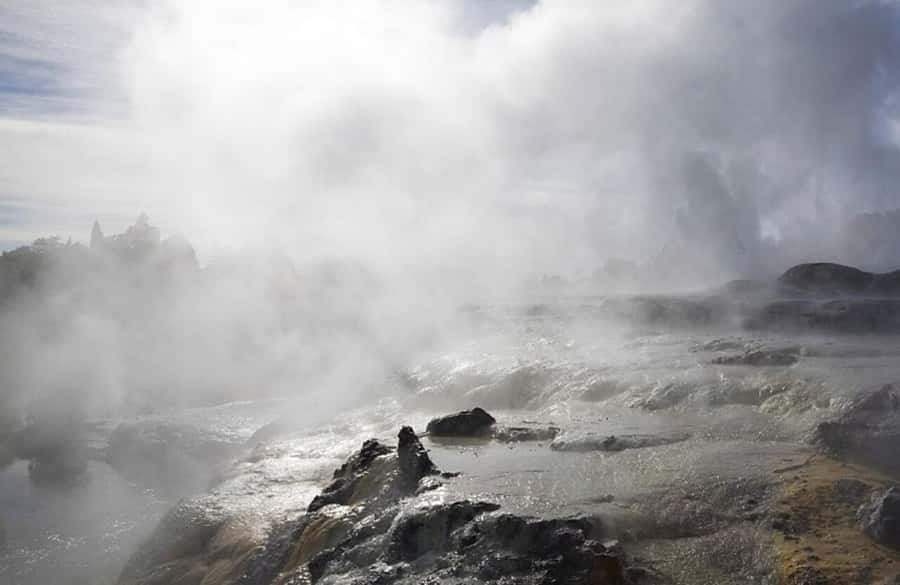
Whakarewarewa is an active Māori village with a strong sense of place. Steam, sulphur, mud, and hot water are not background scenery here. They are part of the setting in which the community lives.
Your guided visit lasts about three hours. A local guide explains customs, village life, and the connection between the Māori people and the geothermal ground beneath them. This local perspective is important. You are not simply being given a general introduction to Māori culture by someone passing through the area.
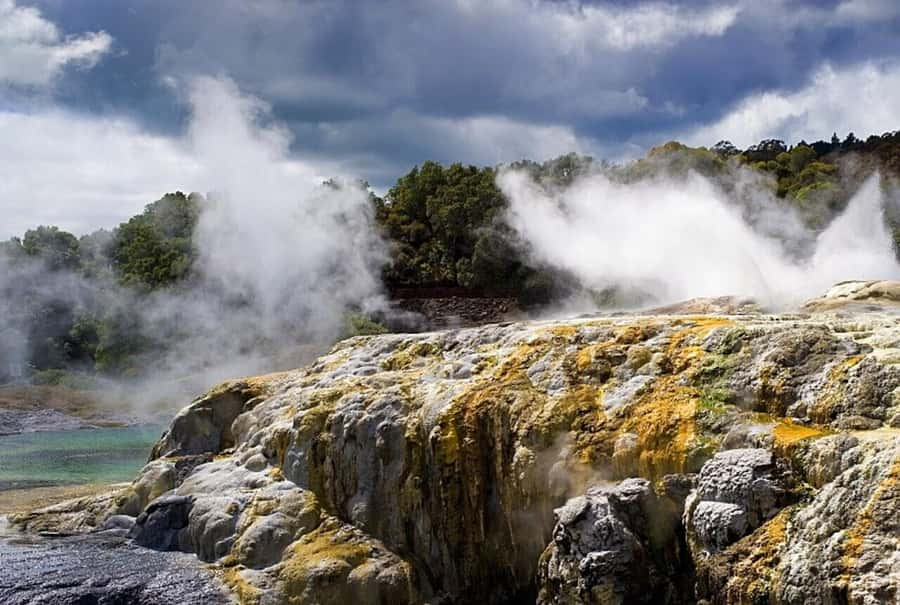
Expect a mixture of walking, listening, and stopping at geothermal features. You will see bubbling mud pools, steaming vents, boiling hot pools, and geysers. Silica formations add pale, sculpted shapes to the scene. These formations can look almost artificial, but they are made by mineral deposits carried through the hot water.
The tour also gives you time to explore the geothermal area at your own pace after the organized portion. That small amount of freedom is helpful. You can take photographs, look more closely at the pools, and absorb the unusual setting without having to keep moving with the guide.
Do not expect a silent nature walk. The ground is active, the air may smell strongly of sulphur, and the village visit is built around interpretation. That is exactly why this stop works well for someone who wants context rather than a quick photograph beside a geyser.
Māori customs, songs, and the haka
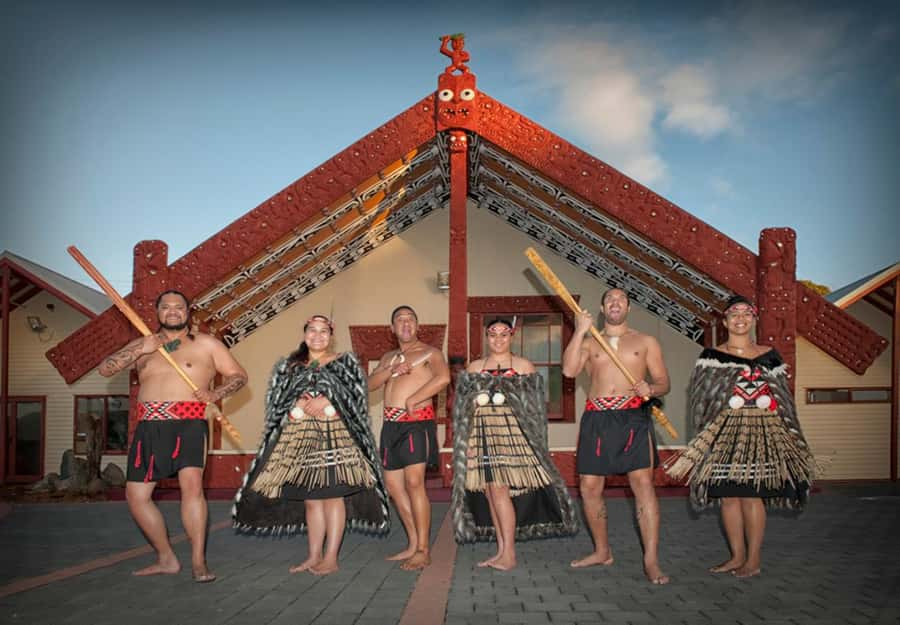
The cultural performance is one of the main reasons to choose this experience. Traditional songs and dances introduce you to Māori expression through movement, rhythm, and group performance. The haka brings a sharper edge, with forceful gestures and intense energy.
For many people, the haka is the highlight. It is easy to treat it as a short spectacle, but the performance makes more sense after you have spent time learning about the community and its customs. The cultural program gives the haka a setting and a purpose rather than presenting it as an isolated tourist photo opportunity.
The village guides are a major part of the experience. Michael led one village visit and explained daily life and the geothermal surroundings in clear detail. Other guides have praised the local stories and the way the performance connects to the wider visit.
You can also buy food at the village café. A hangi meal, cooked in the traditional geothermal style, has been available during visits. Food is not included in the tour price, so budget separately if you want lunch. The village café is a practical option because the schedule gives you limited time to arrange food elsewhere.
Other hot pools and geothermal parks around Auckland:
- Auckland: Hobbiton, Rotorua and Wai-O-Tapu Day Tour
★ 4.8 · 458 reviews - Hobbiton & Rotorua including Wai-O-Tapu – Small Group Tour from Auckland
★ 5.0 · 450 reviews - Auckland: Rotorua Wai-O-Tapu, Te Puia with Haka
★ 4.9 · 161 reviews - Auckland to Hobbiton Movie Set and Rotorua’s Geothermal Valley
★ 5.0 · 115 reviews
A two-hour soak at Polynesian Spa
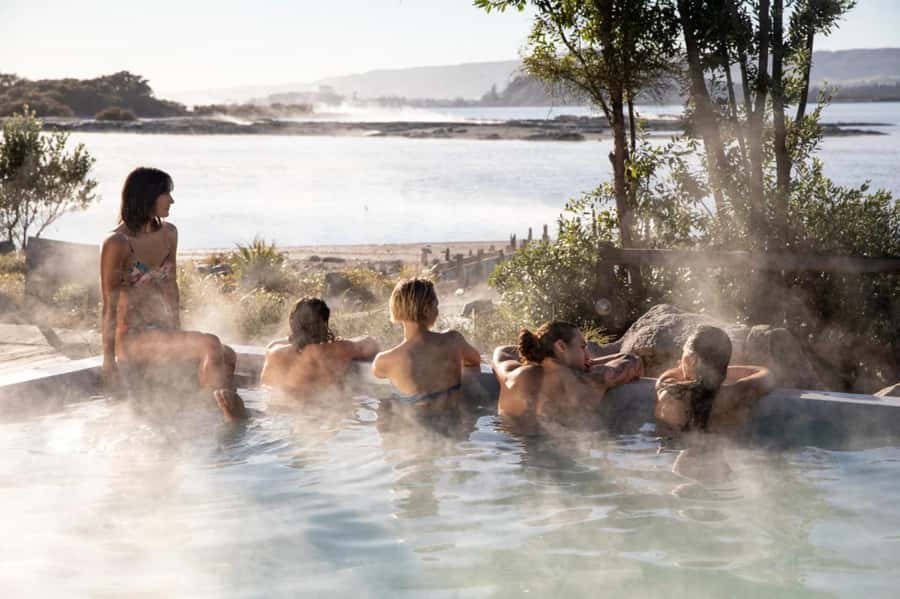
After the village, the tour continues to the Polynesian Spa for about two hours. This is not a rushed photo stop. You have time to change, enter the pools, and settle into a slower part of the day.
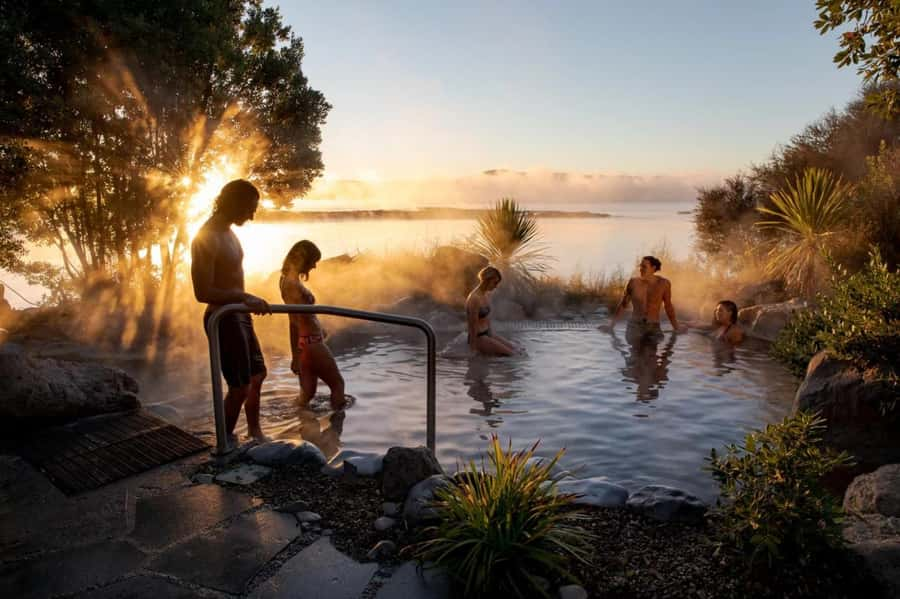
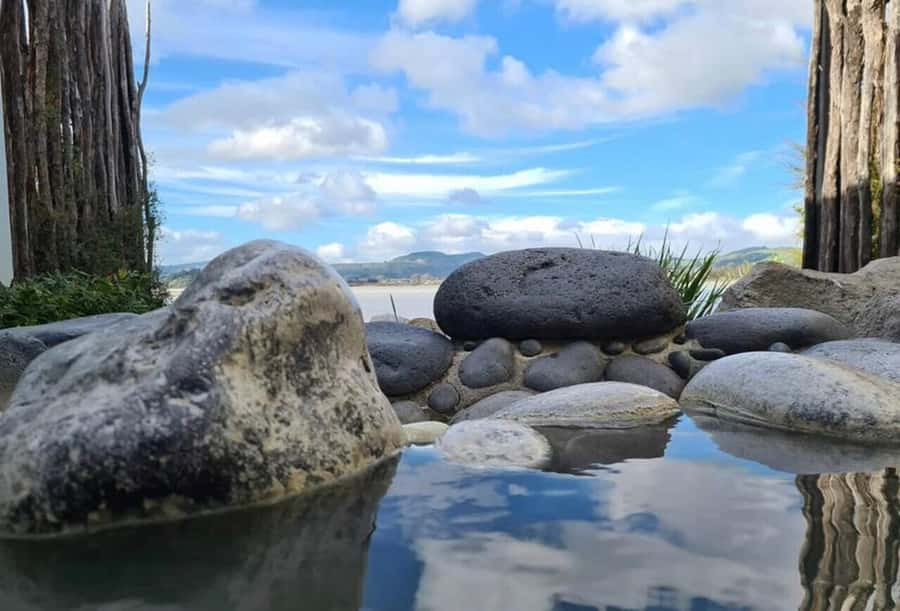
The spa uses natural geothermal water with mineral content. The pools include alkaline waters and acidic springs, offering different bathing experiences. You do not need to make the science complicated. The simple pleasure is sitting in warm mineral water while looking toward Lake Rotorua and the surrounding forest.
The setting makes the visit feel distinctly Rotorua. You are not just using an indoor pool. You are soaking near the lake, with geothermal water coming from beneath the region. After several hours of walking, listening, and traveling, the spa gives your legs and mind a break.
Bring swimwear and flip-flops. Adult swimwear can be hired or purchased at the Spa Essentials Shop, but it is simpler to bring your own. A reusable water bottle is also useful.
Take health warnings seriously. The spa advises pregnant people and anyone with heart complaints, other serious medical conditions, or a sulphur allergy to consult a medical practitioner first. The tour is not suitable for people with heart problems.
The Lake Rotorua view and the change of pace
Lake Rotorua is passed during the itinerary, with about 15 minutes set aside for sightseeing. The lake also forms part of the view from the Polynesian Spa, so it helps tie the two halves of the day together.
The village is full of movement and sound: geothermal activity, explanations, music, dance, and the haka. The spa is quiet and slow. That change is carefully timed, and it is one of the tour’s strongest features.
I would not book this trip if your main goal is to spend hours hiking around Rotorua’s wider geothermal region. The itinerary focuses on Whakarewarewa, the spa, and the journey between Auckland and Rotorua. It gives you depth at one cultural site rather than a broad tour of every attraction in the area.
What the guides add
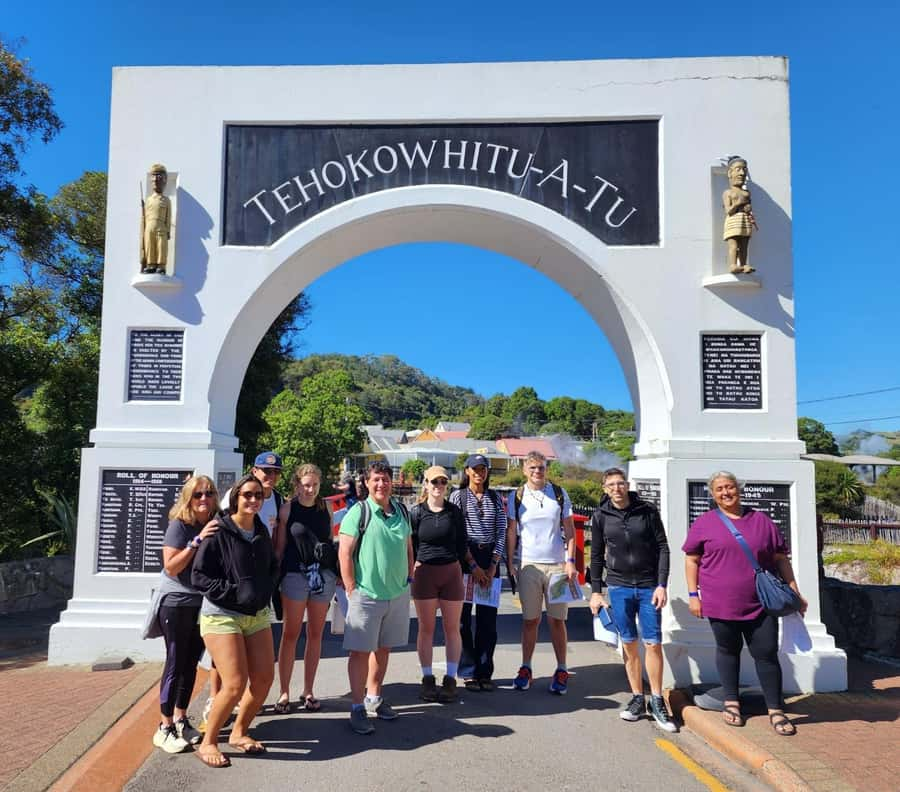
The guide can make or break a day with so much road time. The strongest part of this operation is the personal attention provided by the small group format.
Huzefa has been singled out for explaining New Zealand history, economics, and culture, while also making the road journey comfortable and adding extra photo stops. He contacted participants before departure to discuss logistics and was attentive throughout the day.
Matt has been praised for local knowledge, rest stops, and traffic management. Brendan was described as informative and enjoyable company, while Jason was noted for being accommodating and well informed. Guide JJ also received praise for keeping the day well paced.
These details matter because the drive is long. A good guide cannot make three hours feel like 30 minutes, but useful commentary, clear planning, and sensible stops make the time easier. Pickup arrangements can vary by day, so read the meeting instructions carefully and be ready five to 10 minutes early. The vehicle cannot wait for late arrivals.
Who should book this experience?
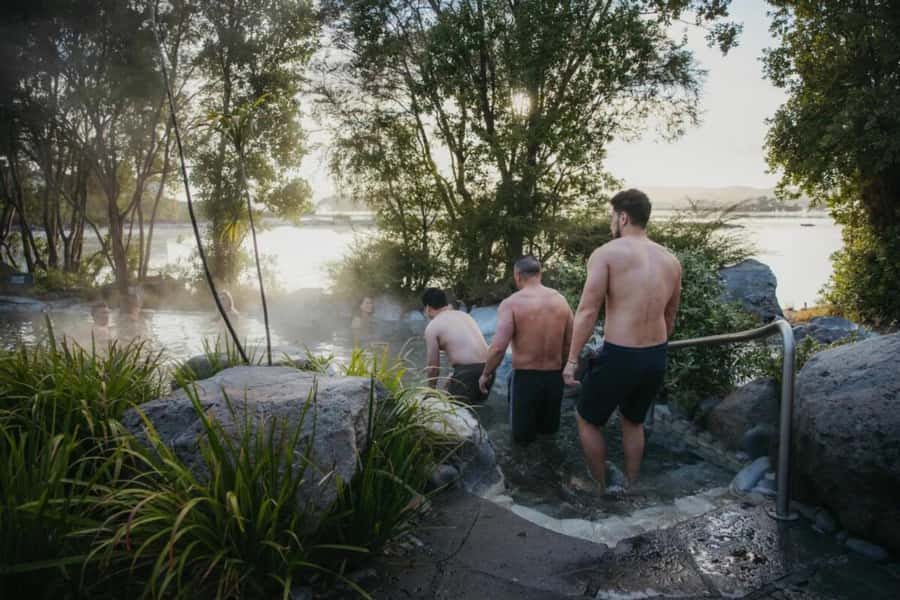
This day suits you if Auckland is your base and Rotorua is high on your New Zealand list. It is especially useful if you want Māori culture, geothermal sights, and the Polynesian Spa in one organized day.
It also works well for people who prefer a guide to handle the driving and timing. You do not need to arrange a rental car, navigate between the village and spa, or worry about returning to Auckland after dark.
The tour is a good match for:
- First-time visitors who want a focused introduction to Rotorua
- People interested in Māori customs and cultural performance
- Visitors who want to see a haka in a meaningful setting
- Couples or friends who like to mix sightseeing with a spa visit
- Anyone who prefers a small group over a large coach
It is less suitable for anyone who dislikes long road journeys, needs wheelchair access, or has medical concerns related to hot mineral pools. Children must be accompanied by an adult, and unaccompanied minors are not allowed.
Practical details that affect your day
The tour lasts 12 hours, so treat it as your main activity for the day. Do not schedule a late evening commitment in Auckland. Pickup and drop-off cover many central hotels, and travelers staying near the airport or in South Auckland can use The Sebel Auckland Manukau as the pickup point.
English is the tour language. The group size is limited to 11, and a live guide accompanies the trip. Entrance tickets to both Whakarewarewa and the Polynesian Spa are included, along with cultural performances and round-trip bus transport.
Food and drinks are extra. You should bring a water bottle and plan for lunch at the village café or another available stop. If a hangi meal is important to you, ask the guide about the day’s food arrangements rather than assuming it is included.
Free cancellation is available up to 24 hours before departure, and you can reserve now and pay later. That gives you some flexibility, but you still need to check the pickup point and starting time when booking.
Should you book it?
Book this tour if you want Rotorua’s culture and geothermal activity but need to remain based in Auckland. The village visit gives you far more context than a quick geyser stop, and the haka adds a memorable cultural centerpiece. The Polynesian Spa is an excellent finish, especially after a full day on the road.
Skip it if you already have transport and several days in Rotorua. You could then spread the sights out, spend longer at geothermal parks, and avoid the six-hour return journey.
For most Auckland-based visitors, I see the $236 price as fair rather than cheap. You are paying for transport, admissions, a small group, hotel transfers, a cultural program, and a guide who handles the day. The decision comes down to one question: do you value convenience enough to accept a long travel day? If yes, this is a strong way to reach Rotorua without changing your accommodation.
FAQ
How long does the Auckland to Rotorua tour last?
The full experience lasts 12 hours, including transportation between Auckland and Rotorua, the village visit, the spa, and the return trip.
How much time do you spend at Whakarewarewa Māori Village?
The guided visit lasts about three hours. It includes Māori cultural explanations, geothermal sights, and cultural performances.
Is the haka included?
Yes. Cultural performances at Whakarewarewa include traditional songs and dances, including a haka.
How long is the Polynesian Spa visit?
You spend about two hours at the Polynesian Spa. Entry is included in the tour price.
Is lunch included?
No. Food and drinks are not included. You may be able to buy a traditional hangi meal or other food at the village café.
What should I bring to the spa?
Bring swimwear, flip-flops, and a reusable water bottle. Adult swimwear can also be hired or purchased at the Spa Essentials Shop.
Is hotel pickup available in Auckland?
Yes. Pickup and drop-off are available from selected Auckland hotels. If your accommodation is not listed, you can select the nearest available pickup point. The Sebel Auckland Manukau is available for people near the airport or in South Auckland.
Is the tour suitable for wheelchair users?
No. The tour is not wheelchair accessible. It is also not suitable for people with heart problems, and anyone with serious medical conditions, a sulphur allergy, or who is pregnant should consult a medical practitioner before visiting the spa.
Just added in Auckland
- Ex Hamilton: TRIPLE DEAL Wai O Tapu, Redwood Forest & Blue Spring★ 4.5 · 3 reviews
- Zombie Bite Escape Room Experiences★ 5.0 · 54 reviews
- Auckland Airport Private One-Way or Round-Trip Transfer★ 4.5 · 14 reviews
- Auckland’s Wild West Coast & Black Sand Beaches Tour inc Lunch★ 5.0 · 12 reviews
- Wētā Workshop Unleashed – Intro to Scars and Scrapes Workshop★ 5.0 · 5 reviews
- Vineyards Honey and Black Sand Beaches from Auckland★ 5.0 · 93 reviews
- Kumeu Wine Region Shuttle from Auckland★ 4.5 · 19 reviews
- West Coast Discovery Tour★ 5.0 · 37 reviews
Maori Cultural Experiences, compared.
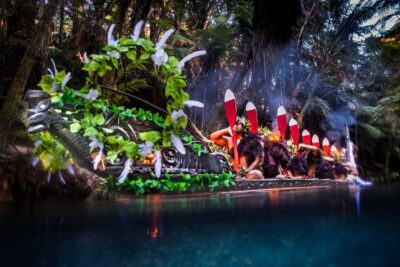
Mitai Maori Village: Cultural Experience and Dinner Buffet
Read our review →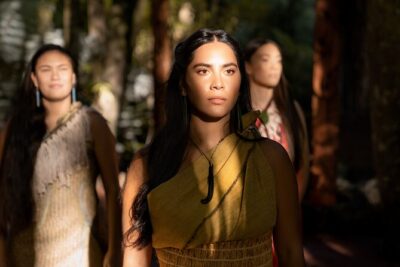
Cultural Experience & Seasonal Māori Cuisine at Te Pā Tū
Read our review →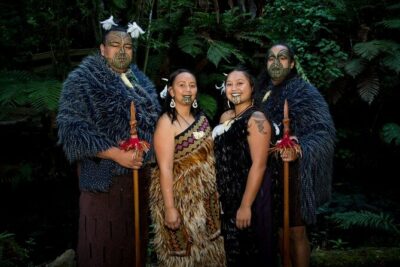
Mitai Maori Village Cultural Experience in Rotorua
Read our review →
Lake Taupo: Classical Sailing to the Māori Rock Carvings
Read our review →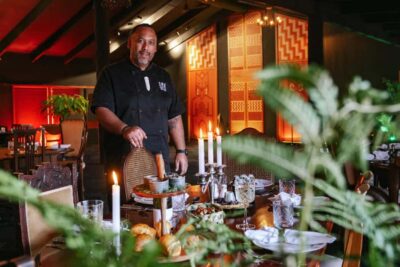
Te Pa Tu Māori Cultural Experience with Dinner
Read our review →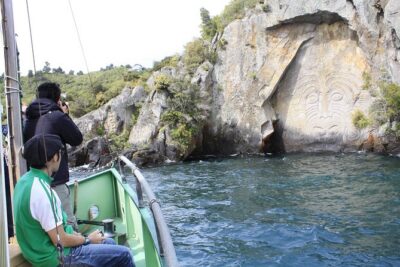
Lake Taupō Māori Rock Carvings Scenic Cruise aboard Ernest Kemp
Read our review →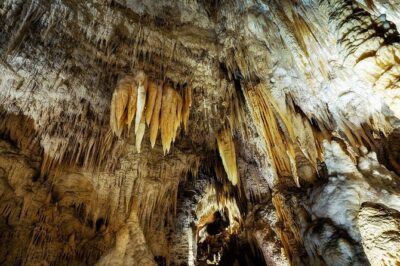
Waitomo Caves & Rotorua – Te Puia Small-Group Tour from Auckland
Read our review →
Lake Taupo: Maori Rock Carvings 10.30 AM 1.5-Hour Cruise
Read our review →Browse the lists this tour appears in