
Reviewed · WILDLIFE
Hokitika: The National Kiwi Centre Tickets
The National Kiwi Centre puts New Zealand’s most elusive bird behind glass, in a purpose-built nocturnal house designed for kiwi welfare. You’ll also see tuatara, giant eels, crayfish, and whitebait, making this more than a quick kiwi photo stop. The chance to watch kiwi at close range is the main draw, but the aquatic exhibits give the visit useful depth.
I like the scheduled giant eel feedings, which add movement and a lively explanation to the visit. I also like the friendly, hands-on feel of the displays and the staff’s clear commitment to native wildlife. The main drawback is simple: there are only two kiwi, and one may stay out of sight or appear for just a few seconds.
Key points to know before you go
- Two kiwi species: Look for both Brown Kiwi and Little Spotted Kiwi in the protected nocturnal house.
- Three eel-feeding times: Feeding takes place at 10:00 AM, 12:00 PM, and 3:00 PM.
- A wider wildlife collection: Tuatara, giant eels, crayfish, and whitebait round out the visit.
- One hour is enough: The centre fits neatly into a Hokitika stop without taking up half your day.
- Photography has limits: Kiwi protection rules mean you cannot take your own pictures in the kiwi area.
- Good access: The centre is wheelchair accessible, and the host or greeter speaks English.
Seeing kiwi in Hokitika’s nocturnal house
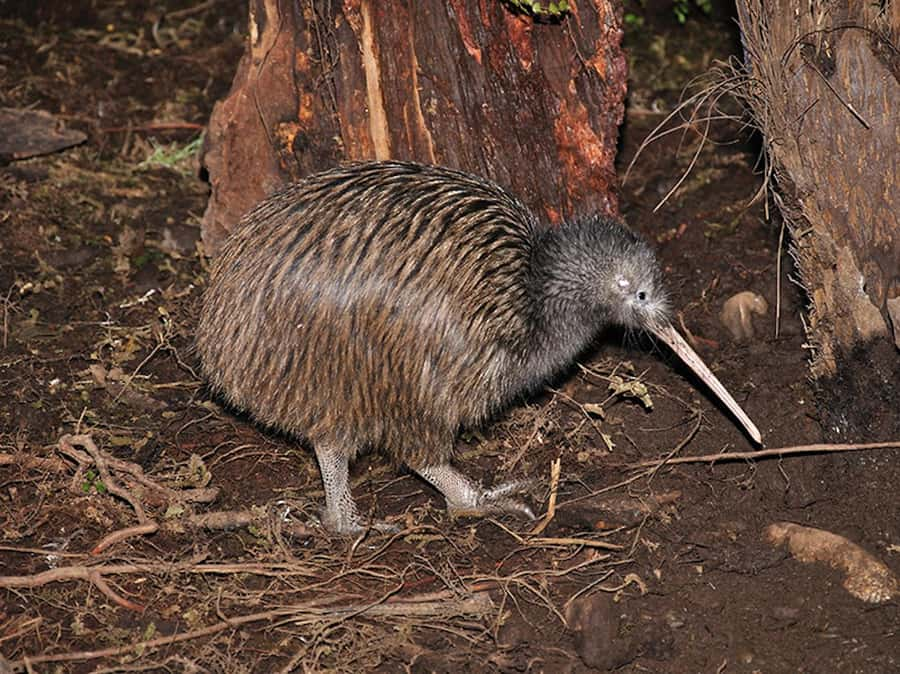
The kiwi is the reason most people come here, and the centre gives you a better chance of seeing one than you would have in the wild. These flightless birds are nocturnal, so the purpose-built house uses dark conditions to match their natural active hours. You’ll need to let your eyes adjust and watch carefully.
The setting is controlled for the birds’ safety and preservation. That matters because kiwi are not display animals in the usual zoo sense. Their welfare comes first, which means the room may feel quiet and the birds may not perform on demand.
You can see both Brown Kiwi and Little Spotted Kiwi here. The Brown Kiwi is the larger bird, and one particularly good viewing experience allowed a close look at a large kiwi moving through its enclosure. That kind of sighting can be memorable, especially if this is your first time seeing one.
Still, keep your expectations realistic. The centre has two kiwi, not a large flock. One may remain hidden, and another may come out only briefly. You should treat a short sighting as part of the experience, not as a failure of it. Kiwi are shy, nocturnal animals, and their unpredictable behavior is exactly why they are so special.
Photography is not permitted in the kiwi area to protect the birds. This can disappoint if you arrive hoping for your own close-up image, but it also keeps the room calmer and reduces disturbance. Some visits have included a complimentary kiwi picture, along with small extras such as chocolate, but those additions should not be the reason you book.
More wildlife in Greymouth:
- Gannet Safaris Overland tour to Cape Kidnappers Gannet Colony
★ 5.0 · 942 reviews - Oamaru: Penguins Evening Viewing Ticket
★ 4.5 · 682 reviews - Rotorua: The National Kiwi Hatchery Kiwi Encounter Tour
★ 4.7 · 671 reviews
Why the eel feeding is worth timing
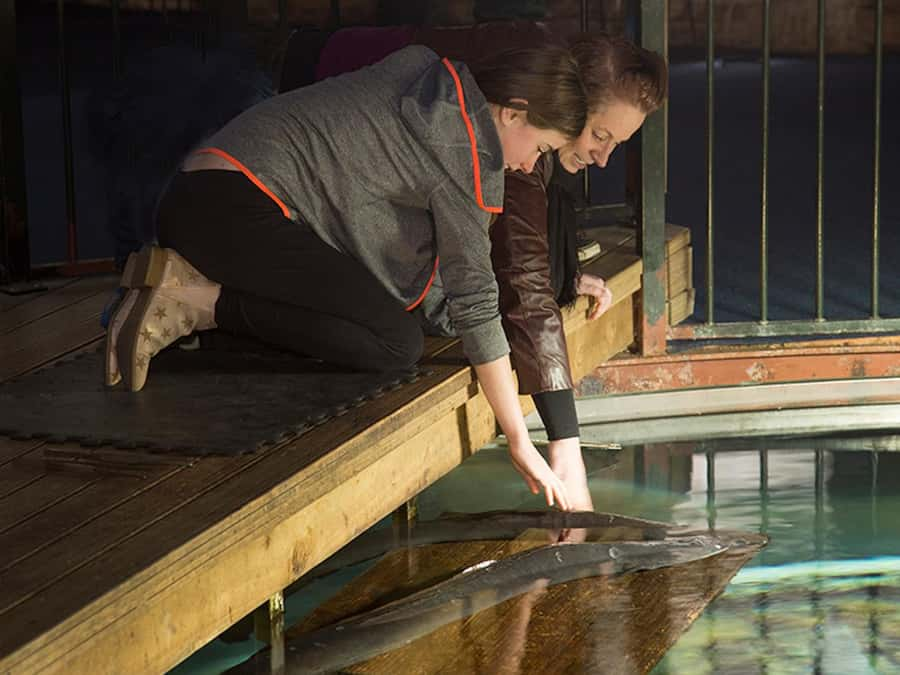
The giant eels are one of the centre’s strongest features, particularly if you arrive for a feeding. These large native fish are easy to overlook in a quiet tank, but feeding gives you a chance to watch their size, movement, and appetite up close.
The scheduled times are 10:00 AM, 12:00 PM, and 3:00 PM. If you can arrange your visit around one of these sessions, do it. The feeding provides a clear focal point and helps turn the eel exhibit into an active presentation rather than something you simply pass on the way to the kiwi.
The centre also offers an explanation of the eels, and a recent experience included a particularly good talk before the feeding. The staff’s enthusiasm is part of the appeal. You are not just looking at fish through glass. You are getting context about an unusual part of New Zealand’s native wildlife.
The visit may be especially good for families because feeding gives children something concrete to anticipate. It also breaks up the quieter kiwi viewing, where patience is needed. If you arrive between sessions, you can still see the eels, but you may miss the most engaging part of that display.
Tuatara, crayfish, and whitebait add variety
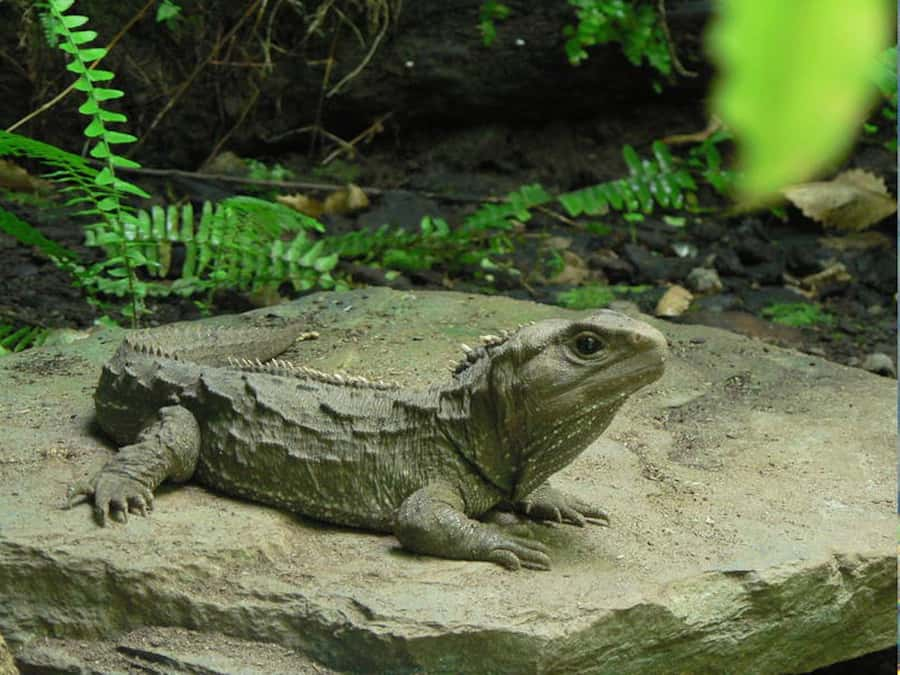
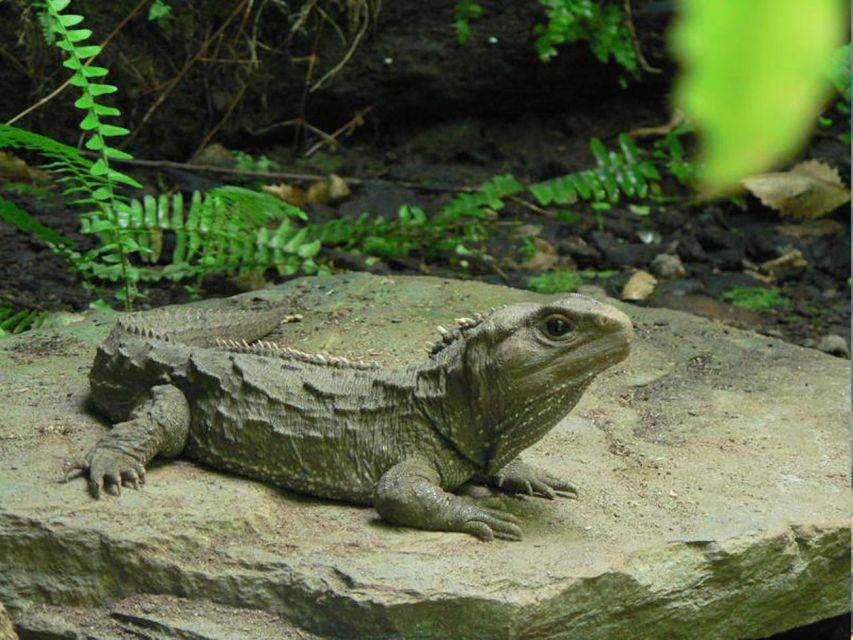
The centre’s collection goes beyond its name. Tuatara bring a link to New Zealand’s ancient native wildlife, while crayfish and whitebait show a different side of the country’s rivers and waterways.
The tuatara are worth taking time over. They are not simply another reptile in a tank. Their presence helps explain why conservation centres matter in New Zealand, where native species often need careful protection from habitat pressure and introduced threats. The display gives you a chance to observe an animal that is difficult to encounter casually during a South Island road trip.
The crayfish and whitebait make the centre feel connected to the West Coast’s waterways. You can move between land animals and aquatic life without needing a separate attraction. That variety also helps justify the visit for anyone in your group who is less interested in kiwi.
The displays are designed to be interactive, and the staff are available to explain what you are seeing. The visit is not built around a long formal tour, so you have room to move at your own pace. You can spend longer at the eels and tuatara, then return to the kiwi house if an animal was hidden the first time.
What the one-hour visit feels like
Plan on about an hour. That is enough time to see the main exhibits and, if your timing works, attend an eel feeding. The experience is compact, which is useful if you are passing through Hokitika or fitting several West Coast stops into one day.
A sensible order is to check the eel-feeding schedule first, then see the other exhibits before or after the session. The kiwi house deserves unhurried attention. You may see a bird quickly, or you may need to wait and scan the enclosure carefully.
The centre works best when you avoid rushing. An hour may sound short, but the quiet kiwi viewing can take more patience than expected. If you race through, you could miss a bird that appears only after you have moved away.
At the same time, this is not an all-day attraction. If you want a full wildlife park with many species, extensive outdoor areas, or a large collection of kiwi, this will feel limited. Its strength is the close look at a small group of distinctive native animals in a central Hokitika setting.
A few more things to do in Greymouth worth a look
- Hokitika: West Coast Treetop Walkway Entrance Ticket
★ 4.5 · 82 reviews - Skip the Line: Shantytown Heritage Park Experience Ticket
★ 4.0 · 59 reviews - Hobbiton Movie Set: Guided Tour Ticket
★ 4.9 · 8,167 reviews - Waiheke Island: Ferry & Hop-On Hop-Off Explorer Bus Tickets
★ 4.6 · 3,311 reviews
Staff explanations make the exhibits more useful
The staff are a meaningful part of the experience. They are described as welcoming and enthusiastic, and their explanations give the animals more context than a basic self-guided display would provide.
The eel talk is a particular highlight. It gives the feeding a clear purpose and helps you understand why the animals are worth protecting. Staff also support the centre’s wider conservation message, which runs through the kiwi house and the other native species displays.
There are no named guides provided for this activity, and the host or greeter operates in English. You should expect English-language explanations rather than a multilingual presentation.
The tone is informal and approachable. You can ask questions, watch the animals, and spend time with the displays without being pushed through a strict group schedule. That suits you if you prefer a small attraction where the staff interaction feels direct.
The limits of a small kiwi collection
The biggest consideration is the number of kiwi. With only two birds, your viewing can be excellent or brief. One may be active while the other stays hidden, and natural behavior cannot be guaranteed.
That limitation is worth understanding before you pay. A $23 admission price is reasonable if you value the chance to see kiwi, the eel feeding, and the other native animals in one stop. It feels less convincing if your only goal is to see several kiwi moving in the open.
I would not judge the centre by the number of birds alone. Kiwi require a protected environment, and a quiet, carefully managed enclosure is more important than a crowded display. Still, the centre could leave you disappointed if you expect a large population or a guaranteed long viewing.
The best approach is to think of the kiwi as the central possibility, not a timed performance. Give yourself enough time, keep your eyes moving, and accept that a few seconds of clear viewing may be the most authentic outcome.
Is $23 a fair price?
At $23 per person, the centre sits in the affordable range for a focused wildlife stop. The price includes entry and giant eel feeding access, while food and drinks are separate.
The value improves if you attend one of the three feeding sessions. You get the kiwi house, the aquatic exhibits, the tuatara, and a scheduled moment with the eels. The centre also works well as a short break during a Hokitika day, so you do not need to build an entire afternoon around it.
The price is harder to justify if you are looking only for guaranteed kiwi photographs. You cannot take your own pictures in the kiwi area, and sightings may be short. The attraction is better understood as a conservation-focused wildlife visit than as a photo opportunity.
I consider it good value for families, first-time visitors to New Zealand, and anyone curious about species that are hard to see in the wild. It is also useful when rain makes outdoor plans less appealing, although the supplied information does not describe the centre’s full indoor layout.
Practical timing and access
You can check available starting times when booking, but the important fixed times are the eel feedings at 10:00 AM, 12:00 PM, and 3:00 PM. Pick the session that best matches your day, then allow about an hour for the whole visit.
The centre is wheelchair accessible. That makes it a practical choice for people who need step-free access, although the information provided does not give detailed measurements or describe every surface.
English is the activity language. Food and beverages are not included, so plan those separately if you need refreshments before or after the visit.
Booking remains flexible with free cancellation up to 24 hours in advance for a full refund. You can also reserve now and pay later, which helps if your South Island road trip schedule may change.
Who will enjoy the National Kiwi Centre?
You should consider this centre if you want:
- A close look at New Zealand’s iconic kiwi
- A short, easy-to-fit wildlife experience in Hokitika
- A scheduled animal feeding with staff explanation
- A mix of birds, reptiles, fish, and crustaceans
- An accessible attraction for a mixed-age group
- A conservation setting rather than a large commercial zoo
Families will appreciate the variety and the eel feeding. First-time visitors to New Zealand will get an introduction to several unusual native species in one place. You may also like it if you have already spent time outdoors and want a quieter, more controlled wildlife stop.
You might skip it if you need a guaranteed long kiwi sighting, a large collection of birds, or extensive outdoor grounds. The centre is small, and its appeal depends on your willingness to slow down and observe.
Should you book this Hokitika wildlife experience?
Book it if seeing a kiwi is high on your list and you are comfortable with a quiet, unpredictable viewing. The Brown Kiwi and Little Spotted Kiwi house gives you a genuine chance to see these rare birds, while the tuatara, crayfish, whitebait, and giant eels prevent the visit from resting on one exhibit alone.
Try to arrive for the 10:00 AM, 12:00 PM, or 3:00 PM eel feeding. At $23, that combination makes the centre a sensible one-hour stop in Hokitika.
Skip it only if you expect many kiwi or guaranteed close-up photographs. For everyone else, this is a compact and worthwhile introduction to West Coast wildlife, with friendly staff and enough variety to make the short visit feel complete.
FAQ
How much does entry to the National Kiwi Centre cost?
Entry costs $23 per person. Giant eel feeding access is included.
How long does the visit take?
The activity lasts about one hour.
What animals can I see?
You can see Brown Kiwi, Little Spotted Kiwi, tuatara, giant eels, crayfish, and whitebait.
What time are the giant eels fed?
Feedings take place at 10:00 AM, 12:00 PM, and 3:00 PM.
Can I take photographs of the kiwi?
You are not allowed to take your own photographs in the kiwi area to protect the birds.
Is the National Kiwi Centre wheelchair accessible?
Yes, the centre is wheelchair accessible.
Can I cancel my booking?
Yes. You can cancel up to 24 hours in advance for a full refund. You can also reserve now and pay later.
Just added in Greymouth
- West Coast Tower Zipline & Treetop Walk Combo★ 4.5 · 19 reviews
- Full Day Tour of the Sights and Tastes of the West Coast★ 5.0 · 20 reviews
- Skip the Line: Shantytown Heritage Park Experience Ticket★ 4.0 · 59 reviews
- West Coast Full Day Tour★ 5.0 · 6 reviews
- Punakaiki Blow Holes & Pancake Rocks Scenic Tour★ 5.0 · 60 reviews
- Explore Hokitika Gorge and Tree Top Walkway★ 4.5 · 30 reviews
- Hokitika: West Coast Tree Top Tower Zip Line and Walk★ 4.2 · 55 reviews
- Greymouth to Franz Josef via Hokitika small group tour 1 Way★ 4.4 · 4 reviews
Wildlife, compared.
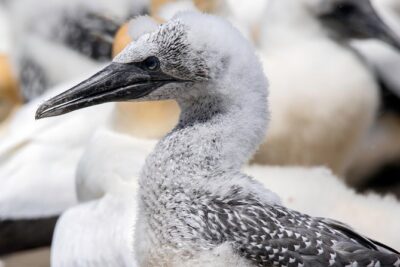
Gannet Safaris Overland tour to Cape Kidnappers Gannet Colony
Read our review →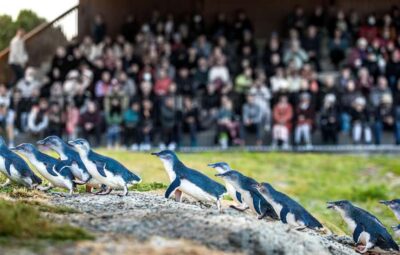
Clearwater Wildlife Tours (small group 10max) Otago Peninsula
Read our review →
Guided Evening Penguin Viewing Otago Peninsula, Dunedin, New Zealand
Read our review →
Browse the lists this tour appears in