
Reviewed · WILDLIFE
Kiwi Park Queenstown Admission
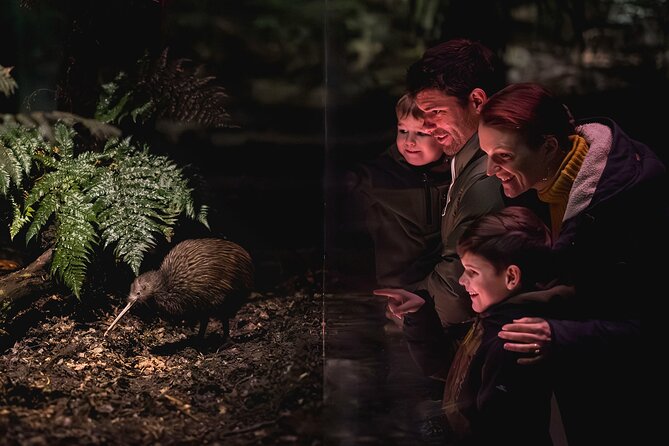
The star here is the kiwi encounter, where you watch New Zealand’s national bird forage in a darkened enclosure built around its nocturnal habits. Give your eyes time to adjust, and you may see more than a quick shadow moving through the undergrowth.
I like the all-day ticket, which lets you return to a favorite enclosure or fit the park around the gondola. I also like the conservation focus: the park helps rehabilitate injured wildlife and breeds kiwi for release. The main drawback is size. Five acres is pleasant to walk, but some people may find the $39.72 admission high if they expect a large zoo.
Key points at a glance
- Kiwi viewing in a nocturnal house: The dark enclosure is designed for the birds, so patience matters.
- Central Queenstown location: The park is beside the gondola and close to public transport.
- Free audio guide: Maps and headsets help you explore at your own pace, with several language options noted.
- Conservation shows: Seasonal keeper presentations bring birds such as kereru, kakariki, and birds of prey close to the audience.
- Tuatara Encounter: See the ancient-looking tuatara, a reptile found only in New Zealand.
- Allow two to three hours: The park is compact, but talks, kiwi viewing, and a slow forest walk take time.
What Kiwi Park is really like
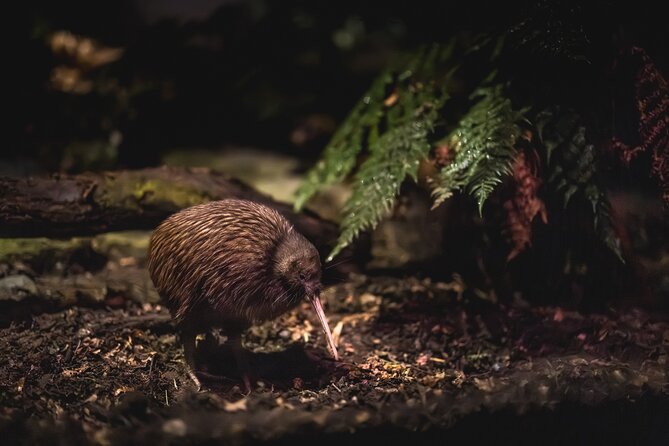
Kiwi Birdlife Park covers about 5 acres, or 2 hectares, in central Queenstown. You enter near the base of the gondola, then follow paths through native bush, bird enclosures, streams, and small wildlife areas.
This is not a full-scale zoo. Its appeal comes from a focused look at New Zealand wildlife, especially birds that can be hard to spot in the wild. You can see more than 20 native bird species, along with the tuatara, and learn how local conservation programs work.
I would plan on two to three hours. You can move quickly in about two hours if kiwi viewing is your only goal, or use the all-day admission to take a slower walk, attend presentations, and stop at the cafe or shops.
The park is open daily from 9:30 a.m. to 5:30 p.m. That makes it easy to fit into a Queenstown day, particularly if weather interrupts an outdoor plan. Sun protection and comfortable walking shoes are sensible, since some paths are outdoors and parts of the route are a little steep.
More wildlife in Queenstown:
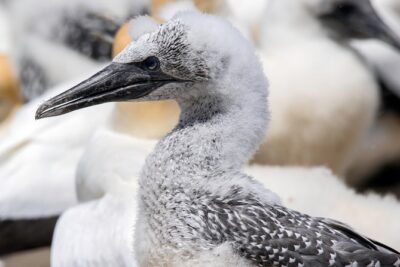
- Gannet Safaris Overland tour to Cape Kidnappers Gannet Colony
★ 5.0 · 942 reviews - Oamaru: Penguins Evening Viewing Ticket
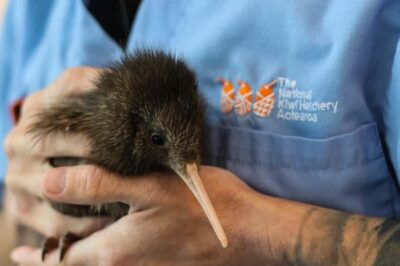
★ 4.5 · 682 reviews - Rotorua: The National Kiwi Hatchery Kiwi Encounter Tour
★ 4.7 · 671 reviews
Start with the kiwi encounter
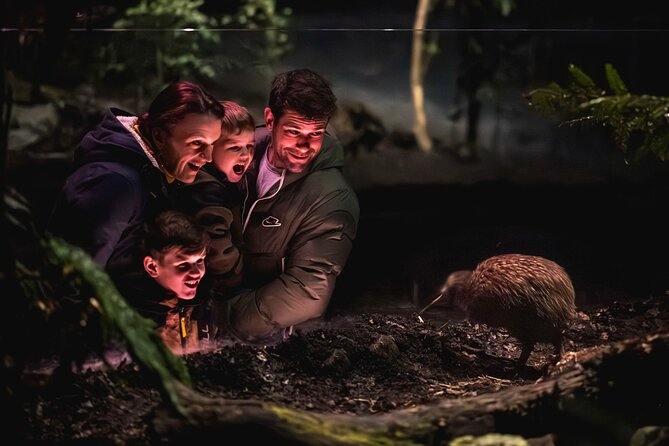
The kiwi house is the reason most people come, and it is worth planning around. Kiwis are nocturnal, so the enclosure stays very dark during the day. This protects their natural routine and gives you a better chance to see normal behavior, but it also means the first few minutes can feel unproductive.
Let your eyes adjust. Once they do, you may see the birds moving across the floor, probing for food with their long bills, or searching around their habitat. Some people see several active kiwi, while others mainly catch outlines and shadows. The experience depends on where the birds are and how much time you give them.
The park offers scheduled Kiwi Encounters throughout the day. From October through April, times are listed at 10 a.m., 11 a.m., 12:15 p.m., 1 p.m., 2:15 p.m., 3 p.m., 4:15 p.m., and 5 p.m. From May through September, the listed times are 10 a.m., 11 a.m., 12:15 p.m., 1 p.m., 2 p.m., 3:45 p.m., and 4:43 p.m.
The schedule matters because you do not want to rush through the rest of the park and then miss your best chance at the kiwi house. I would choose an early encounter, then walk through the bird areas before attending the conservation show. Starting early also gives you more flexibility if the birds are tucked out of sight at first.
The kiwi viewing area is not a bright photo stop. Flash photography would be unsuitable for the birds, and you should expect limited visibility. Keep voices low, especially around children, since loud noise can disturb the animals and make it harder for everyone to notice movement.
The conservation show brings the birds closer
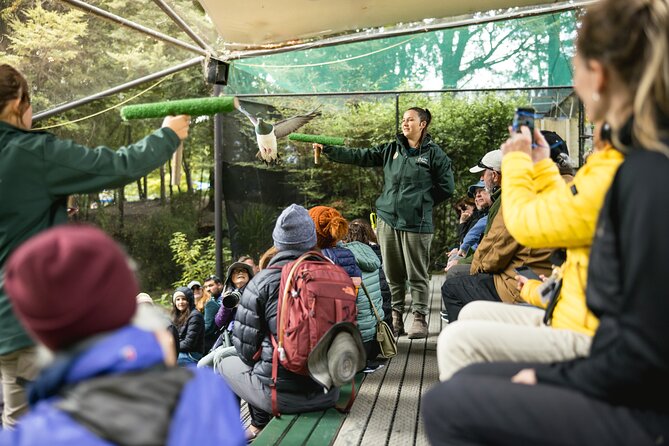
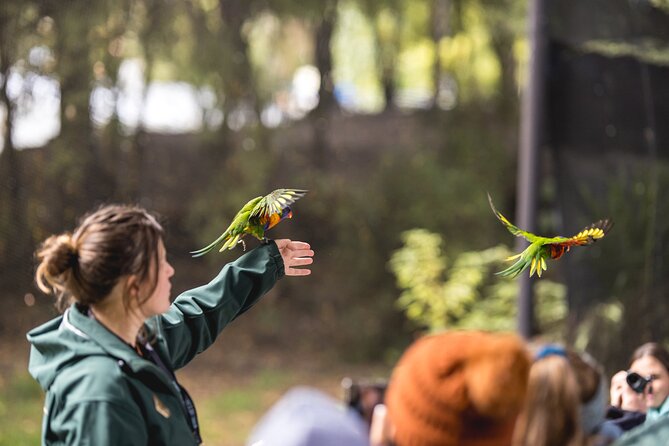
The outdoor New Zealand Conservation Show is one of the strongest parts of the visit. It takes place in a netted area, where some birds can fly free while keepers explain their behavior and the park’s conservation work.
You may see a kakariki, a small parakeet, and a kereru, New Zealand’s large native pigeon. The program also covers pateke, buff weka, and Antipodes Island parakeets, along with birds of prey. The format gives you a better look than you usually get on a forest walk, where native birds can disappear into thick cover.
From October through April, shows are listed at 11:30 a.m., 1:30 p.m., and 3:30 p.m. From April through September, the listed times are 11:30 a.m. and 3 p.m. The seasonal information overlaps slightly around April, so check the day’s schedule when you arrive.
The show is educational without being a dry lecture. Keepers explain what makes each bird special and may bring animals close enough for a useful look. It also helps put the kiwi encounter into context. You are not simply looking at rare birds in cages. You are seeing part of a wider effort to protect species that have lost habitat or face predators in the wild.
If you are visiting with children, this is a good anchor for the day. It gives the visit a clear rhythm and offers a chance to see wildlife in motion, rather than only through an enclosure.
Walk the native bush and smaller exhibits
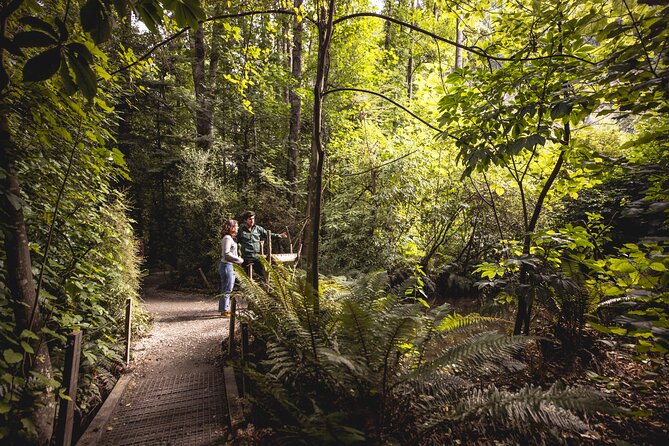
Between scheduled programs, follow the forest path through the park. It passes trout-filled streams and planted native bush, giving the compact site a calmer feel than its central Queenstown address suggests.
The walk is not long, but it slows the pace and adds useful context. You can see how the park creates habitats for species that are difficult to find outdoors. Some areas allow you to step into bird enclosures, offering a closer view than a standard fenced exhibit.
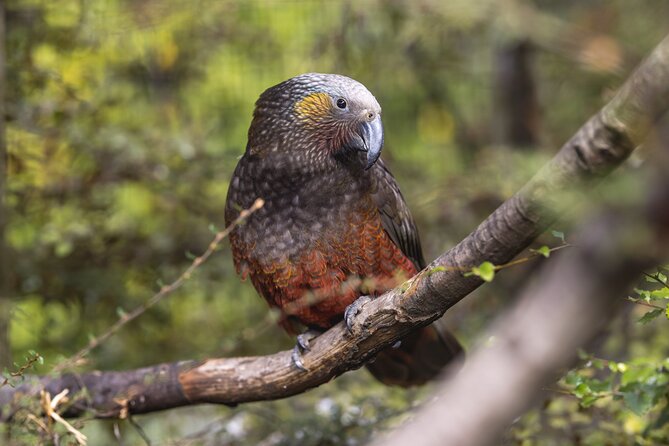
The bird collection includes native species and island birds, with the kea enclosure often a favorite. Kea are large alpine parrots with strong personalities, and a close look at one can be more memorable than a distant sighting on a mountain road.
You will also see other native birds and wildlife exhibits along the route. The park’s strength is variety within a small area, not the number of large animals. If you want big mammals or a long safari-style circuit, this is not the right attraction. If you want an introduction to New Zealand’s unusual birds, it works well.
A map and complimentary audio equipment help you find your way. Audio options in several languages are available, including Mandarin, which can make the exhibits more useful for families and international visitors who are not comfortable with English commentary.
Same base, a different kind of day:
- Queenstown: Walter Peak Gourmet BBQ & Lake Whakatipu Cruise
★ 4.8 · 2,713 reviews - Shotover River Extreme Jet Boat Ride in Queenstown
★ 5.0 · 2,540 reviews - Small Group, Award Winning Milford Sound Day Experience & Cruise
★ 5.0 · 2,416 reviews - Milford Sound Fly-Cruise-Fly Tour from Queenstown
★ 5.0 · 1,792 reviews
Meet a tuatara, New Zealand’s ancient reptile
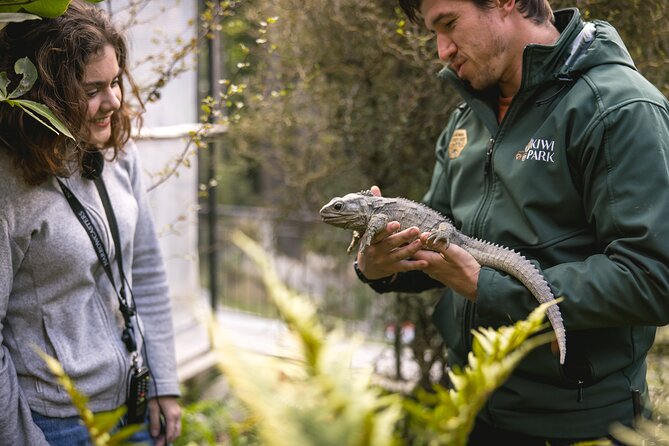
The Tuatara Encounter adds something different from the bird exhibits. The tuatara looks like a lizard, but it belongs to a very old reptile line and is often described as a living dinosaur.
You can see one at close range and learn why this animal matters to New Zealand conservation. It is a small exhibit, but it breaks up the bird-focused route and gives you a chance to notice a species you are unlikely to encounter during an ordinary Queenstown walk.
I would save this area for a quieter stretch between the kiwi encounter and the conservation show. The tuatara does not offer the same movement and drama as the birds, but it rewards a slower look.
Conservation gives the visit a purpose
The park supports the rehabilitation of injured wildlife and breeds kiwi for release into the wild. That mission changes how I judge the admission price. You are paying for a small wildlife park, but your ticket also supports work aimed at protecting native species.
The kiwi program is especially meaningful because the birds are so difficult to see in nature. The park can offer controlled viewing while explaining why kiwi spend daylight hours in underground burrows and move around at night.
The keeper presentations also make the conservation message practical. Instead of treating endangered birds as display pieces, they show you the work required to care for them, raise young birds, and return them to suitable habitat.
That does not erase the price concern. At $39.72 per person, the ticket is not a cheap filler activity. The park is small, and the kiwi house may be the main attraction for you. But if you attend at least one show, see the tuatara, use the audio guide, and take the forest walk, the visit feels more complete.
How long should you allow?
Two hours is enough for a focused visit. You can see the kiwi, walk through the main exhibits, and attend one conservation presentation without lingering.
Two and a half to three hours is better if you want the full experience. That gives you time to:
- Attend a conservation show
- Wait for a scheduled Kiwi Encounter
- Let your eyes adjust in the dark enclosure
- Walk the native bush paths
- Visit the tuatara and kea exhibits
- Listen to audio commentary at your own pace
- Stop at the cafe, honey shop, or gift shop
The all-day ticket gives you room to spread this out. You could visit in the morning, leave for lunch or another Queenstown activity, and return later the same day. That flexibility is useful because the park is close to the gondola and central transport routes.
Location and practical planning
Kiwi Park is in central Queenstown beside the gondola entrance. It is near public transportation, so you do not need hotel pickup or drop-off. Parking is not included, and the ticket does not cover transport.
Its location makes the park easy to pair with a gondola visit, though you should allow enough time for the scheduled animal programs. The nearby gondola is also a useful landmark if the entrance is not obvious at first.
Wear comfortable walking shoes. Some paths are steep, so anyone with mobility concerns should take the route slowly and ask staff about the easiest way through. The attraction is generally suitable for most people, but it is not a completely flat indoor museum.
The park works particularly well on a rainy or cold day because the bird buildings and presentations provide breaks from the weather. Still, part of the experience is outdoors, so bring sun protection in clear weather and a jacket when conditions are cool.
Is $39.72 good value?
The price makes sense if seeing a kiwi is high on your Queenstown list. A close encounter with a nocturnal kiwi is hard to arrange in the wild, and the park gives you several chances throughout the day.
Value is less certain if you only want a quick walk. Some people may finish in around two hours and feel the park is too small for the admission cost. The attraction does not have a large collection of mammals or a huge number of exhibits.
I would judge the ticket by the full program rather than the size of the grounds. Attend a conservation show, use the audio guide, watch the kiwi feeding or keeper talk, and take time with the tuatara and kea. The park then feels like a compact conservation center rather than a simple bird enclosure.
The fact that the ticket is valid all day helps. You are not forced to race from one exhibit to the next, and you can plan around the gondola, weather, or a child’s attention span.
Who will enjoy Kiwi Park most?
I recommend it for families who want a gentle, educational activity in Queenstown. Children get close views of unusual birds, a tuatara that looks prehistoric, and scheduled presentations that give the visit structure.
It also suits anyone who has never seen a kiwi. Even if the bird is hard to spot at first, the dark enclosure gives you a real chance to see one behaving naturally. The quiet setting can feel special once your eyes adjust.
Bird lovers will get the most from the visit, especially those interested in kea, kereru, kakariki, weka, and conservation breeding. The audio guide is useful if you prefer to explore independently rather than follow a group.
I would be more cautious if you want a large zoo, lots of mammals, or a full-day attraction with constant activity. The park is compact, and its focus is clearly New Zealand birds and conservation.
Should you book Kiwi Park Queenstown?
Book it if you want a reliable chance to see a kiwi in Queenstown, especially on a cool or wet day. Arrive with enough time for a scheduled encounter, attend the conservation show, and do not judge the kiwi house in the first few seconds. The dark is part of the design, not a flaw, though it can make the bird difficult to see.
Skip it if the $39.72 price feels high for a small park and you are not especially interested in native birds. For everyone else, the central location, all-day entry, free audio guide, tuatara exhibit, and strong conservation focus make it a useful addition to a Queenstown stay.
Free cancellation is available if you cancel at least 24 hours before the start time. Cancellations within 24 hours are not refunded, and changes inside that period are not accepted.
FAQ
How much does Kiwi Park Queenstown admission cost?
Admission costs $39.72 per person.
How long does a visit to Kiwi Park take?
Plan on approximately two to three hours. The all-day ticket allows you to spend longer or return later the same day.
What are the opening hours?
The park is open Monday through Sunday from 9:30 a.m. to 5:30 p.m.
Is kiwi viewing included?
Yes. Kiwi viewing is included with admission, along with the audio guide and conservation show.
When are the Kiwi Encounters held?
From October through April, listed times include 10 a.m., 11 a.m., 12:15 p.m., 1 p.m., 2:15 p.m., 3 p.m., 4:15 p.m., and 5 p.m. From May through September, listed times include 10 a.m., 11 a.m., 12:15 p.m., 1 p.m., 2 p.m., 3:45 p.m., and 4:43 p.m.
When are the conservation shows held?
From October through April, shows are listed at 11:30 a.m., 1:30 p.m., and 3:30 p.m. From April through September, shows are listed at 11:30 a.m. and 3 p.m.
Is hotel pickup or parking included?
No. Hotel pickup, drop-off, and parking are not included. The park is near public transportation and beside the Queenstown gondola.
Can I cancel for a refund?
Yes, if you cancel at least 24 hours before the experience start time. Cancellations made less than 24 hours before the start time are not refunded.
Just added in Queenstown
- The Original Queenstown Wine Trail Tour – Celebrating 33+ Years!★ 5.0 · 141 reviews
- Photography Tour from Queenstown to Glenorchy – 1/2 Day★ 5.0 · 32 reviews
- Gold Discovery Trail Horse Trek Cardrona – Most popular!★ 5.0 · 151 reviews
- Full Day Queenstown & Southern Lakes Private Photography Tour★ 5.0 · 27 reviews
- AuthenticAs Star Gazing -Nightscape Portrait Photography Tour★ 5.0 · 59 reviews
- The Wine Trail Tour★ 5.0 · 158 reviews
- Half-Day Queenstown Photography Tour★ 5.0 · 28 reviews
- Queenstown: Guided Segway Tour★ 4.7 · 112 reviews
Wildlife, compared.
Gannet Safaris Overland tour to Cape Kidnappers Gannet Colony
Read our review →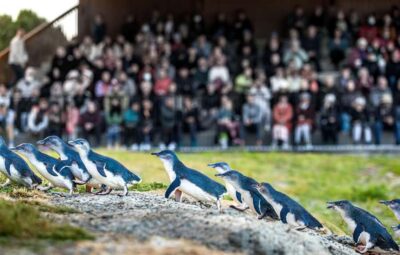

Clearwater Wildlife Tours (small group 10max) Otago Peninsula
Read our review →
Guided Evening Penguin Viewing Otago Peninsula, Dunedin, New Zealand
Read our review →
Browse the lists this tour appears in