
Reviewed · TRAIN EXPERIENCES
Queenstown to Dunedin Incl Taieri Gorge Train (One-Way)
The best part of this trip is the change of pace. You leave Queenstown by comfortable Mercedes-Benz vehicle, pass vineyards and river gorges, wander through old gold-mining settlements, then finish by train through Otago’s roughest country. The road-and-rail combination gives you far more variety than a direct transfer.
I especially like the stop at Dunstan House in Clyde, where you can buy morning tea in a restored 1898 hotel, and the half-hour visit to St Bathans, with its Blue Lake and old buildings. The main drawback is the fixed eight-hour schedule: some stops are short, and the tour is not suitable for wheelchair users.
Key points to know before booking
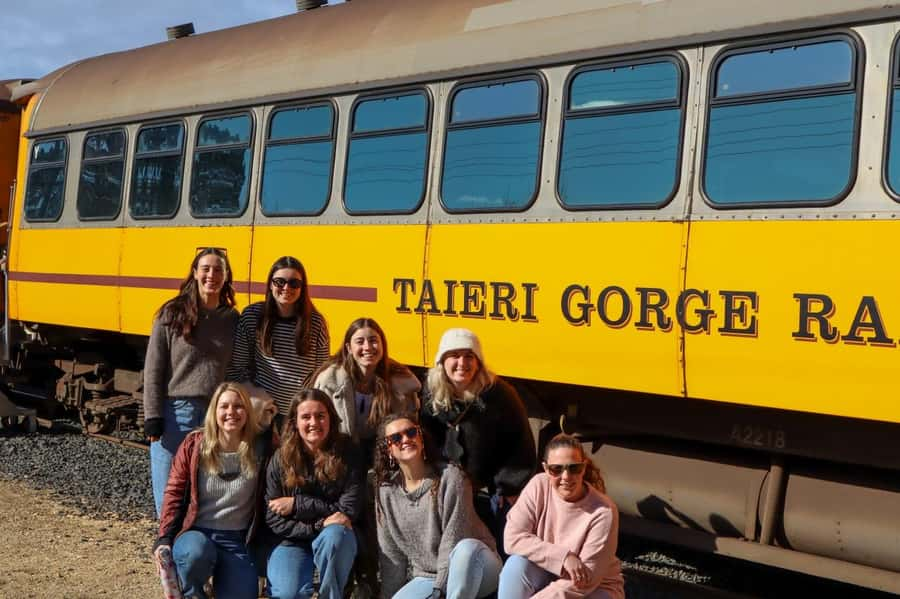
- A road trip becomes a railway journey: You travel by Mercedes-Benz vehicle from Queenstown to Pukerangi, then take the Taieri Gorge Train to Dunedin.
- Small-group transport matters: With a maximum of 16 people, the trip feels more personal than a large coach transfer.
- St Bathans is the most unusual stop: You have about 30 minutes to see the old settlement, Blue Lake, and the remains of its gold-mining past.
- Dunstan House is a useful break: Morning tea is available to buy during a 15-minute stop in Clyde.
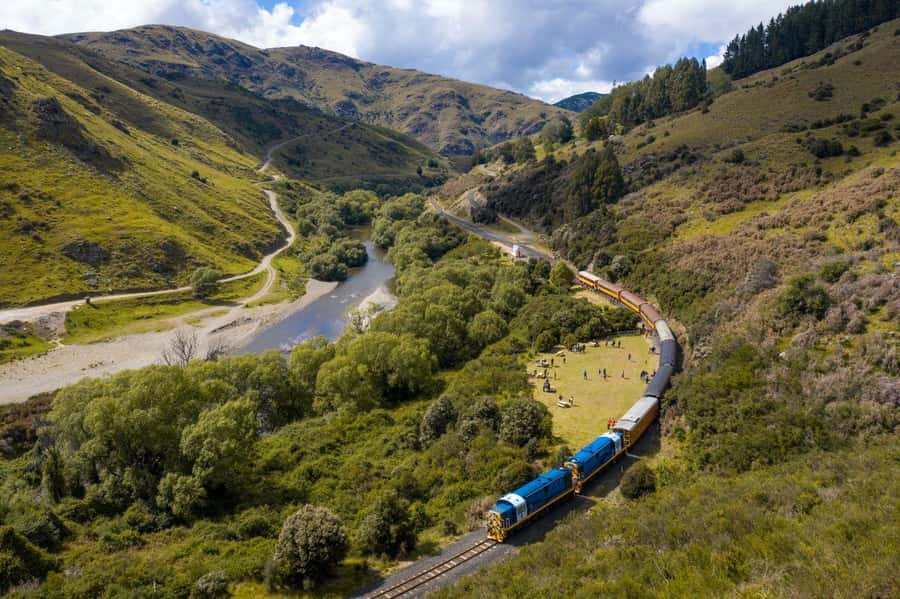
- The train is the grand finale: Allow about two hours for cliffs, river valleys, viaducts, and tunnels before arriving at Dunedin Railway Station.
- This is transport with sightseeing built in: At $173 per person, the price needs to be judged against the guided transfer, snacks, hotel pickup, and train ticket together.
Why this Queenstown to Dunedin route is worth considering
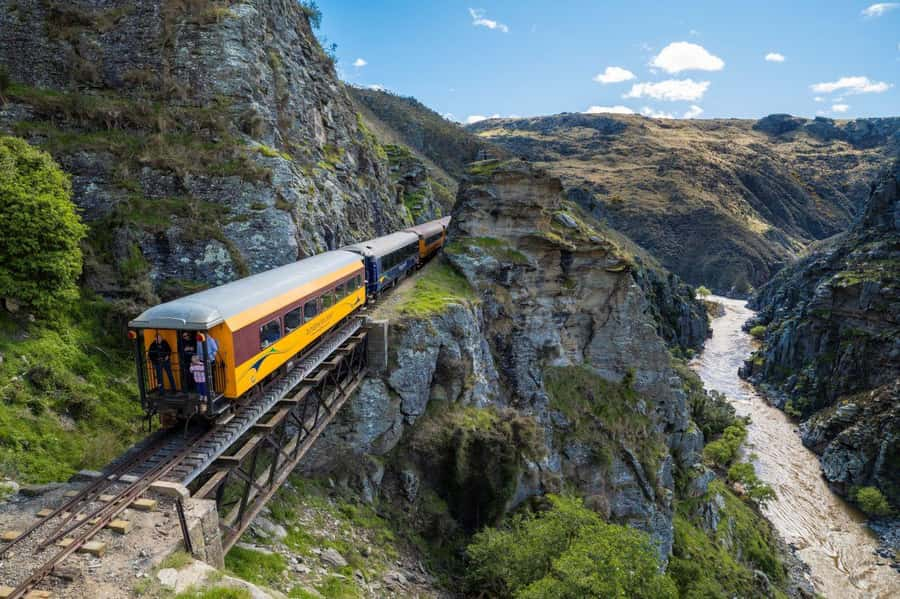
A direct trip between Queenstown and Dunedin gets you from one city to the other. This experience gives the journey a purpose. You see Central Otago by road, stop in places that are easy to miss, and then take one of New Zealand’s best-known scenic rail routes into Dunedin.
I like this format for a one-way trip because you do not have to return to Queenstown. Your luggage and your travel plans continue east with you, while the day includes enough sightseeing to feel like part of your holiday rather than a long transfer.
The small group size also helps. A maximum of 16 people allows for a more manageable vehicle and a guide-led road section. You get hotel pickup in Queenstown and drop-off at Dunedin Railway Station, which is especially useful if you are carrying bags or changing cities that day.
The experience costs $173 per person. That is not the cheapest way to move between Queenstown and Dunedin, but it includes the vehicle, guide, water, snacks, hotel pickup, and Taieri Gorge Train ticket. You are paying for both transport and access to places such as St Bathans that would be awkward to visit on a simple city-to-city journey.
Other rail and coach journeys out of Dunedin:
- Dunedin: Scenic Railway Tour Through the Taieri Gorge
★ 4.7 · 73 reviews - From Queenstown: Milford Sound Cruise and Coach Day Tour
★ 4.7 · 1,681 reviews - From Queenstown: Milford Sound Day Trip on Premium Coach
★ 4.6 · 976 reviews
Leaving Queenstown through Gibbston and Kawarau Gorge
Pickup is available from a long list of Queenstown hotels, hostels, resorts, and central meeting points. If your accommodation is not listed, choose the nearest available location. If your accommodation has not yet been confirmed, The Station, Home of Adventure, is the temporary pickup choice.
After a safety briefing, the vehicle heads east. The first part of the route passes through the Gibbston wine region and the Kawarau Gorge. You get a quick introduction to two very different sides of the area: cultivated vineyards on one hand, and steep, rocky country shaped by rivers on the other.
This is not a stop-heavy opening. Much of the early section is a scenic drive, so sit by the window if you can and keep your camera ready. The road itself is part of the experience, with changing views of water, cliffs, farmland, and Central Otago’s open spaces.
The guide leads this section, adding context as you go. No individual guide names are provided, so the quality of the road commentary will depend on the person leading your departure. The important point is that you are not simply being driven to a train station. The route has planned historical and scenic stops along the way.
Lake Dunstan and Cromwell’s gold country
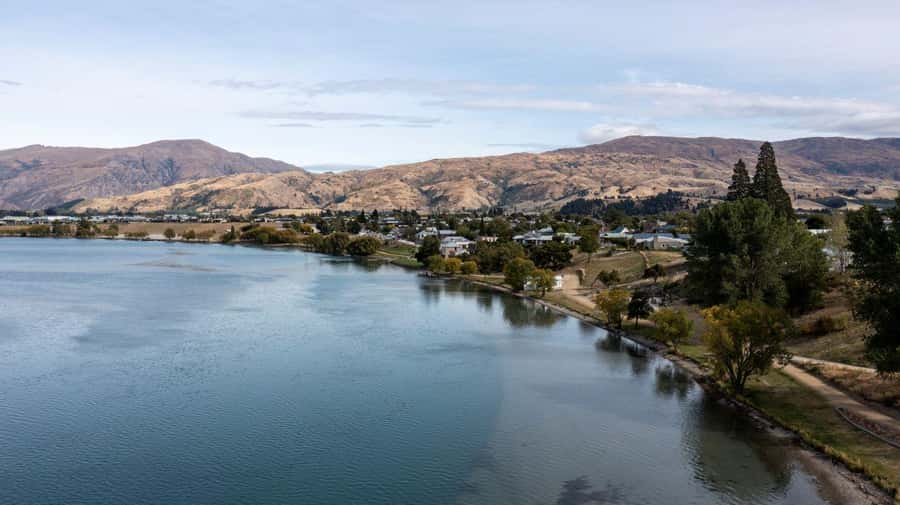
The vehicle continues beside Lake Dunstan and through Cromwell. Lake Dunstan is a strong visual change from the tighter Queenstown area. The water, broad valleys, and dry interior surroundings give Central Otago a more spacious feel.
Cromwell is linked to the area’s gold-mining past and sits near the meeting point of the Clutha and Kawarau Rivers. On this trip, Cromwell is mainly experienced from the road rather than through a long walking visit. That distinction matters. You get the setting and the story, but you should not expect an extended town tour here.
This part of the route helps explain why the rest of the day works so well. Central Otago is not one single type of scenery. The drive takes you from vineyards to gorge country, then past a large lake and into historic inland settlements. By the time you reach the older towns, you have a clear sense of how isolated and varied the region can be.
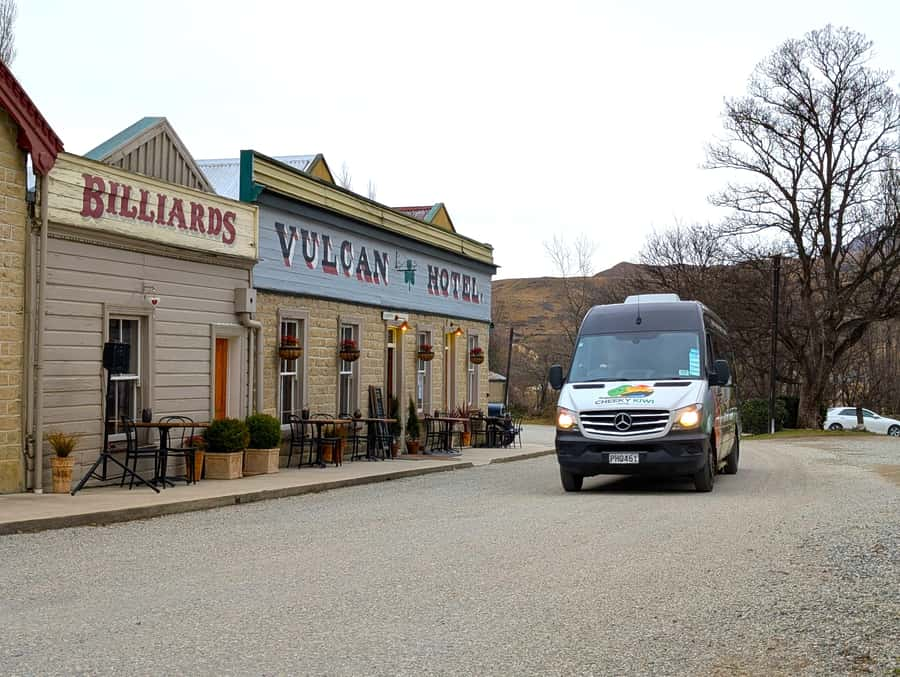
Morning tea at 1898 Dunstan House in Clyde
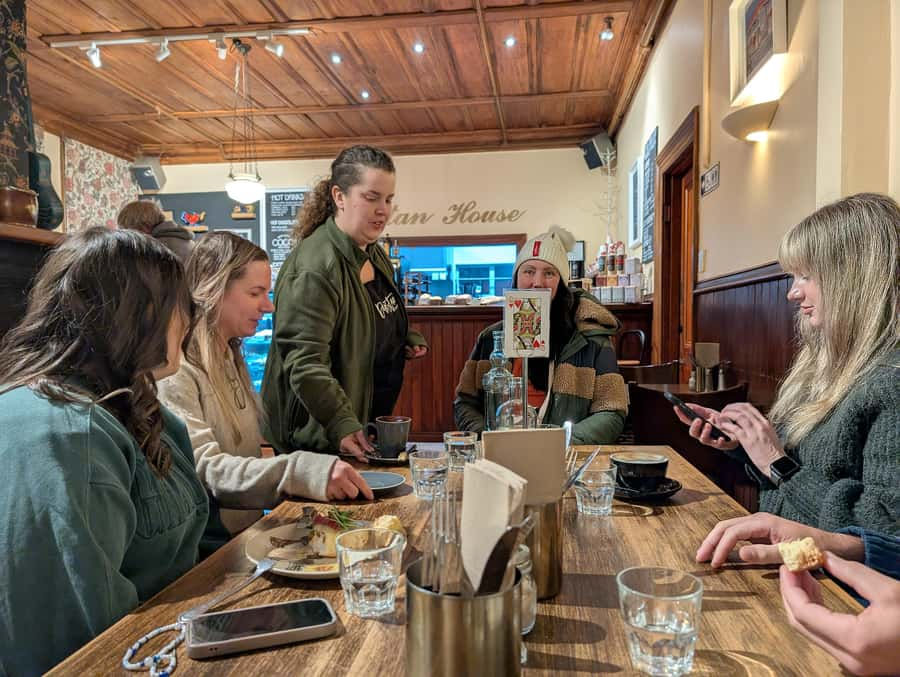
Clyde is the first planned break, with about 15 minutes for coffee, tea, brunch, or sightseeing. Morning tea is available for purchase at Dunstan House, a restored hotel dating from 1898.
I like this stop because it is practical as well as atmospheric. A long road journey needs a proper pause, and an old hotel connected with gold prospectors and early road traffic gives that pause some character. The antique feel of the building adds something that a roadside café cannot.
The time is short, so keep your visit focused. If you want food, order promptly. If you are more interested in the building, use the stop to look around and take a few photographs. The tour provides water and snacks, but your morning tea at Dunstan House is not included in the price.
Clyde is also a good place to reset before the smaller historic settlements. The drive has already covered a fair amount of ground, and the remaining road section becomes more focused on old bridges, gold-mining stories, and quiet inland communities.
Same base, a different kind of day:
- Dunedin: Wildlife and Penguin Tour
★ 4.6 · 239 reviews - Dunedin: Speight’s Brewery Guided Tour with Tasting
★ 4.8 · 170 reviews - Dunedin: Otago Peninsula with Guided Penguin Reserve Tour
★ 4.7 · 66 reviews - Dunedin City & Otago Peninsula Scenery Day Tour
★ 4.7 · 49 reviews
Ophir and the 1880 suspension bridge
The next brief stop is near Ophir, where you have about five minutes for photographs and a quick look at the 1880 suspension bridge over the Manuherikia River. This is a very short visit, so think photo stop rather than full exploration.
The bridge is an appealing piece of engineering in a quiet setting. It gives you a close look at how earlier communities crossed the river and moved through this difficult country. The surrounding scenery is also worth noticing, with the river and open Central Otago setting framing the structure.
Five minutes goes quickly. You will want your camera ready before leaving the vehicle. If you prefer long walks or time to study historic structures in detail, this stop may feel rushed. Its value comes from adding one more specific, memorable detail to the day rather than offering a major sightseeing session.
St Bathans, Blue Lake, and a vanished gold town
St Bathans is the most distinctive road stop, with about 30 minutes to walk, take photographs, and look around. The settlement grew during the gold rush, and its old buildings give the place a quiet, almost ghost-town atmosphere.
The main sights are the surviving historic buildings and Blue Lake, a body of water created by mining. That origin gives the lake an unusual story. It is not simply a natural scenic viewpoint, but a visible reminder of how strongly gold shaped Central Otago.
You should wear comfortable shoes here. The stop includes walking, and the ground or weather may not always be ideal. The provided guidance also recommends sunscreen, water, comfortable clothes, and a camera. Weather can shift quickly, so bring layers even if Queenstown is warm when you leave.
Thirty minutes is enough for a taste of St Bathans, not a deep examination of every building. I see that as a fair compromise. The tour has to reach Pukerangi in time for the train, and St Bathans is unusual enough to justify the stop even without a longer visit.
If old settlements interest you, this is likely to be one of the most rewarding parts of the day. If you mainly want big natural views, the later train journey will probably be your highlight.
The change at Pukerangi
At Pukerangi, the road journey ends and the rail journey begins. You receive another safety briefing, then say goodbye to your road guide before boarding the Taieri Gorge Train.
This handover is worth understanding before you book. The tour is not one continuous guided vehicle ride into Dunedin. It is a coordinated road-and-rail experience, with the guide accompanying you on the road section and the train taking over for the final part.
Pukerangi is remote and high in the Otago interior. The station provides the transition point between the small settlements and the railway. You should have your belongings together when leaving the vehicle, especially if you are continuing onward from Dunedin.
Two hours on the Taieri Gorge Train
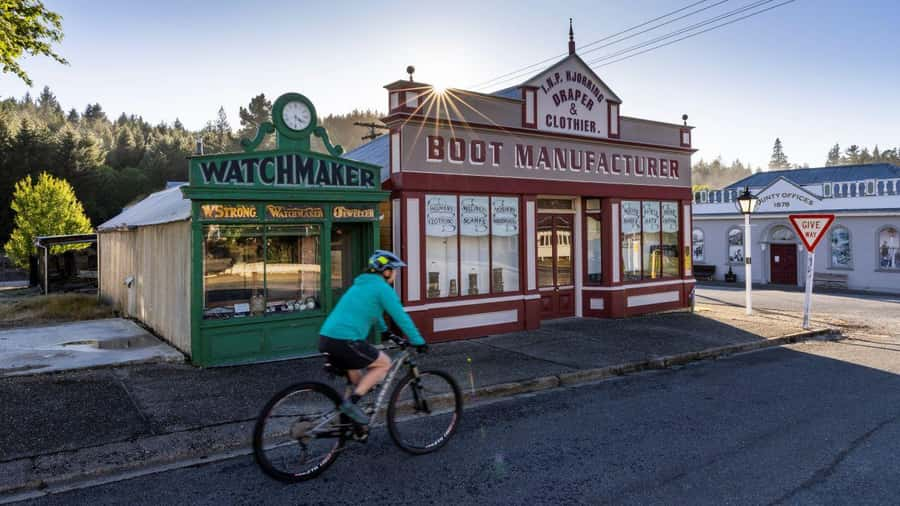
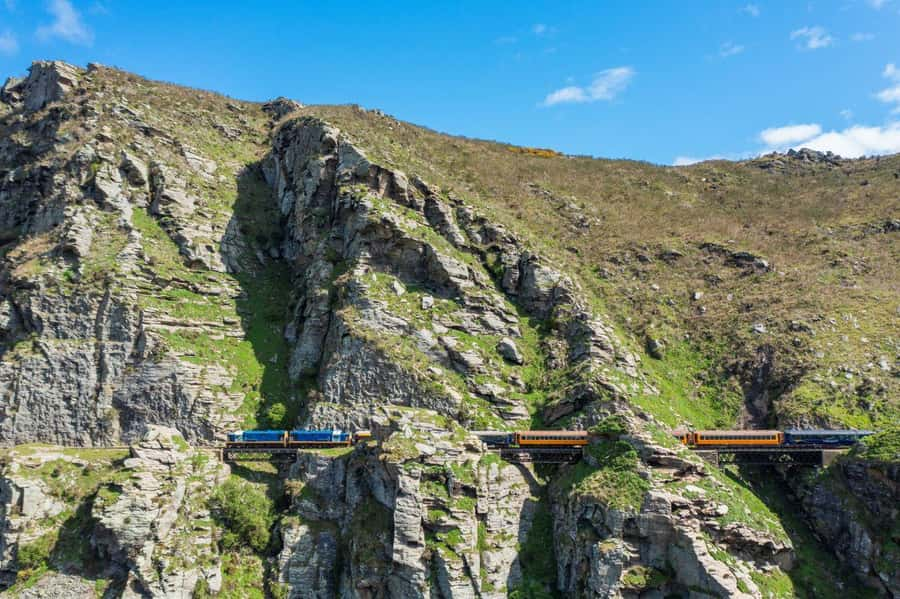
The Taieri Gorge Train is the grand finish. The rail journey to Dunedin takes about two hours and passes through deep gorges, high viaducts, tunnels, cliffs, and river valleys.
After the road section, the train lets you settle in and watch the country change from a different angle. You are no longer following the road through the region. The railway reaches places where the views feel more enclosed and dramatic, with the track threading through rough Otago country.
This is the part to keep flexible time for. Scenic rail travel is about watching the route unfold, not ticking off a list of stops. Have your camera ready, but also give yourself time to look up from it. The combination of rock walls, old tunnels, bridges, and river views is the reason the train ticket adds real value to the trip.
The train ride is listed as a panoramic journey, but exact seating arrangements and onboard services are not specified. Bring water, and remember that drinks are not allowed in the tour vehicle during the road portion. The provided snacks and water help, but you should not assume a full meal is included.
Arriving at Dunedin Railway Station
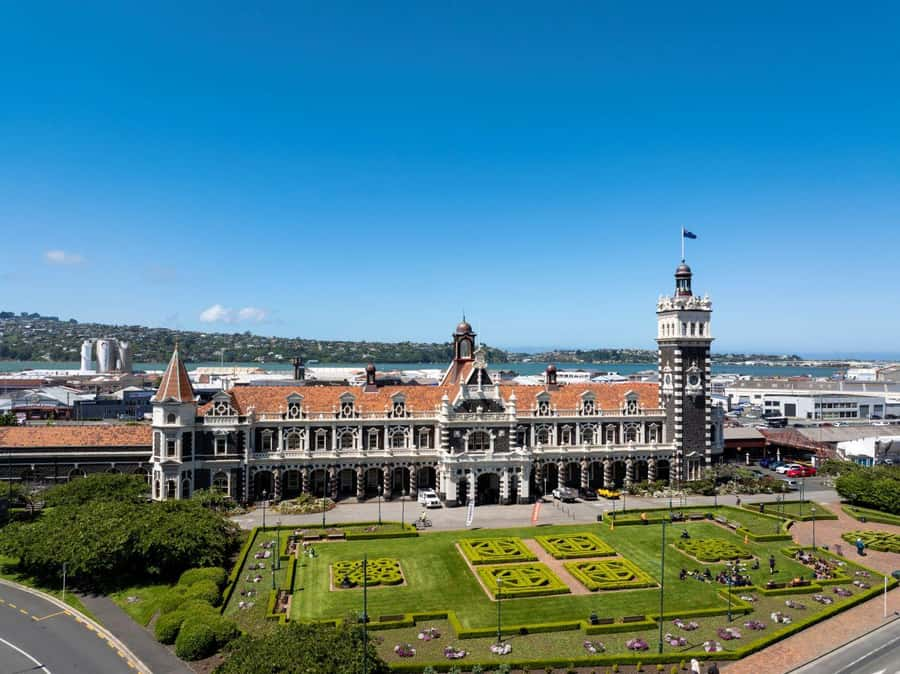
The journey ends at Dunedin Railway Station, an ornate Edwardian building that is one of the city’s best-known architectural landmarks. It is a fitting arrival point after a day built around transport history, old settlements, and changing scenery.
Drop-off is at the railway station rather than at your Dunedin hotel. That works well if you are continuing by train or staying near the central city, but you should plan your next short transfer if your accommodation is elsewhere.
Dunedin itself is known for Scottish connections, culture, and grand architecture. This tour does not include a guided city visit, so treat the station as your arrival point rather than the start of a walking tour. You will need separate time if you want to explore Dunedin properly.
Comfort, pace, and practical limits
The Mercedes-Benz vehicle is a useful feature on a full-day route. You spend several hours on the road, and a comfortable vehicle matters more here than it would on a short city tour. The maximum group size of 16 is also a good middle ground: small enough to avoid a large coach feel, but large enough to keep the price below a private tour.
The schedule is active but not strenuous. You will walk in Clyde, Ophir, and St Bathans, with the latter offering the longest walking opportunity. Comfortable shoes are sensible, and you should be prepared for changing weather.
This experience is not suitable for wheelchair users. The mix of vehicle travel, historic sites, station transfers, and rail boarding creates access limits that you should consider before booking.
Smoking is not allowed in the vehicle, and drinks are not allowed there either. The tour operates in English, and all guest names are required at booking.
Who should book this journey?
I would recommend it to you if you are moving from Queenstown to Dunedin and want the transfer to become a sightseeing day. It suits people who enjoy old settlements, scenic transport, short walks, and changing views more than people who want a slow, single-location tour.
It is also a good choice if you do not have a rental car. St Bathans and the Ophir bridge are difficult to fit into a basic intercity journey, while this trip connects them with a guide, vehicle, and train ticket.
You may want another option if you dislike fixed schedules or prefer long visits at each stop. Ophir is only about five minutes, Clyde about 15, and St Bathans about 30. The day gives you a broad sample of the region rather than hours in one town.
The $173 price is easiest to justify when you value convenience. You are getting pickup, guided road transport, water, snacks, and the scenic rail ticket, all while ending in Dunedin. A direct transfer may cost less, but it will not give you the same range of stops or the Taieri Gorge rail experience.
Final verdict: book it for the journey, not just the destination
Book this trip if you want a memorable way to cross Central Otago and appreciate the idea of arriving in Dunedin by train. The best features are the varied route, small group, and beautiful valleys and farmland, along with the rare chance to combine St Bathans with the Taieri Gorge Railway in one day.
Skip it if you need wheelchair access, want a leisurely pace, or plan to spend serious time in each historic settlement. For most independent visitors making the Queenstown to Dunedin move, though, this is a well-planned transport day with enough history and scenery to make the eight hours feel worthwhile.
FAQ
How long does the Queenstown to Dunedin experience take?
The full experience lasts about eight hours, including the road journey, stops, train boarding, and the Taieri Gorge Train ride.
Is this tour one-way from Queenstown to Dunedin?
Yes. It begins with pickup in Queenstown and ends at Dunedin Railway Station.
What transport is used?
You travel in a Mercedes-Benz vehicle from Queenstown to Pukerangi, then board the Taieri Gorge Train from Pukerangi to Dunedin.
How large is the group?
The small-group experience allows a maximum of 16 people.
Is hotel pickup included?
Yes. Pickup is included from the listed Queenstown hotels, hostels, resorts, and meeting points.
Where does the tour finish?
The tour finishes at Dunedin Railway Station.
Is food included?
Water and snacks are provided. Morning tea at Dunstan House is available to purchase but is not included.
How much walking is involved?
The experience includes walking in historic towns and sites, particularly during the stops in Clyde and St Bathans. Comfortable shoes are recommended.
Is the tour suitable for wheelchair users?
No. The experience is not suitable for wheelchair users.
What should I bring?
Bring comfortable shoes, a camera, sunscreen, water, and comfortable clothing. Weather can change quickly, so dress for changing conditions.
Just added in Dunedin
- Private Dunedin City Highlights and Otago Peninsula Day Tour★ 4.3 · 7 reviews
- From Dunedin: City, Otago Peninsula & Albatross Guided Tour★ 4.7 · 35 reviews
- Dunedin: Small Group City Highlights Tour★ 5.0 · 3 reviews
- Dunedin: Otago Peninsula with Guided Penguin Reserve Tour★ 4.7 · 66 reviews
- Dunedin: Peninsula with Lanarch Castle gardens & Olveston★ 5.0 · 8 reviews
- Dunedin: Scenic Railway Tour Through the Taieri Gorge★ 4.7 · 73 reviews
- Dunedin City & Coastal Views 3-Hour Small-Group Tour★ 4.9 · 23 reviews
- Dunedin: Larnach Castle & Gardens Admission Ticket★ 4.6 · 36 reviews
Train Experiences, compared.
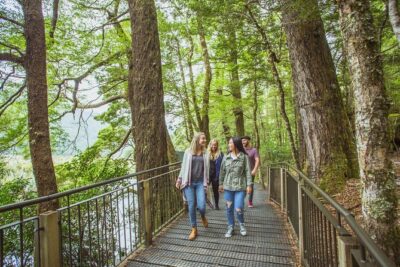
Milford Sound Coach and Cruise tour from Queenstown
Read our review →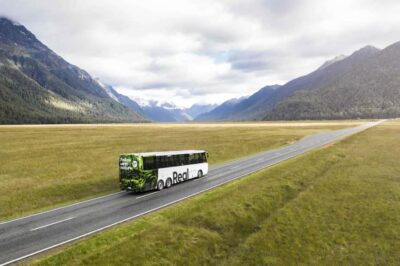
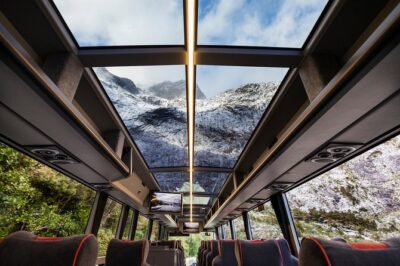
Milford Sound Premium Coach & Cruise from Queenstown with Lunch
Read our review →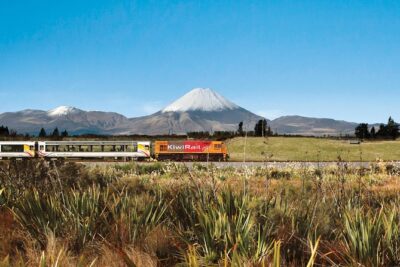
Northern Explorer Train Journey from Wellington to Auckland
Read our review →
Milford Sound Coach & Cruise from Queenstown: Panoramic Views
Read our review →Browse the lists this tour appears in