
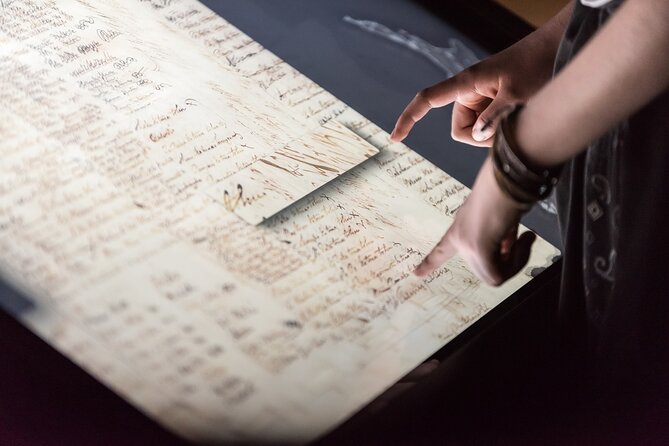
Reviewed · BAY OF ISLANDS CRUISES
Waitangi Treaty Grounds Admission
The most important moment here is also the simplest to picture: you can stand on the exact grounds where the Treaty of Waitangi was signed in 1840. This is the place to begin understanding how Māori chiefs and the British Crown shaped the country now called New Zealand, and why that agreement still matters.
I like the hourly guided tour, which gives you a clear route through the site and explains the people behind the treaty. I also like the two-day admission, since the museum, heritage buildings, performance, and grounds can easily fill four hours. The main drawback is that a short visit can feel rushed, and cultural performance times may not line up neatly with your arrival.
Key points to know
- The treaty signing site: Stand where New Zealand’s founding document was signed in 1840.
- A two-day pass: Return on the next day for the museum, historic buildings, and displays you missed.
- A 50-minute guided tour: Tours run hourly and include headsets so you can follow the guide clearly.
- A lively Māori performance: Expect a powhiri welcome, poi, stick games, songs, weapon demonstrations, and haka.
- A serious museum visit: Te Kōngahu Museum examines Māori, British, and New Zealand history through objects and multimedia displays.
- Easy access from Paihia: The grounds are about a 10 to 15-minute walk from Paihia, with shuttle buses also available from the tender drop-off point.
Why Waitangi matters more than a quick photo stop
The Waitangi Treaty Grounds are not just a pretty place with an important sign. This is where the Treaty of Waitangi, or Te Tiriti o Waitangi, was first signed by representatives of the British Crown and North Island Māori chiefs.
The treaty is often described as New Zealand’s founding document. That description is useful, but it can also make the story sound tidy. The grounds help you see that the agreement involved different languages, different expectations, and a relationship that continues to shape New Zealand.
I recommend starting with the 20-minute introductory film, Waitangi: Birthplace of a Nation. It gives you the basic story before you walk around. That matters because the site includes several buildings, ceremonial objects, museums, and outdoor areas. Without an introduction, you may see a lot but miss how the pieces fit together.
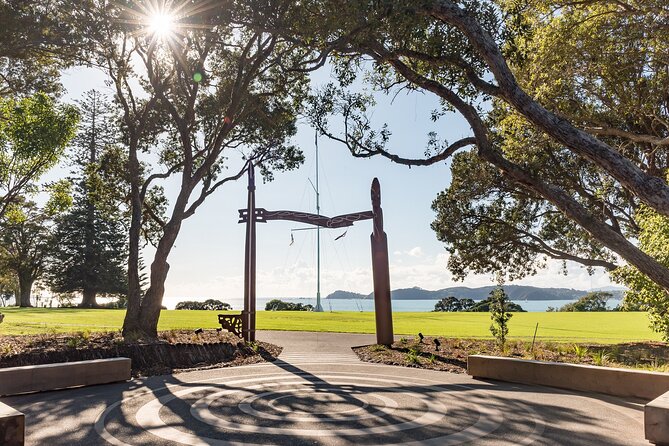
The setting is peaceful, with views across the Bay of Islands. That calm can feel at odds with the difficult questions raised by the treaty. This contrast is part of the experience. You are in a beautiful place, but the story is not simply a celebration. It asks you to think about partnership, power, promises, and the continuing relationship between Māori and the Crown.
Other boats out into the Bay of Islands from Paihia:
- Paihia/Russell: Hole in the Rock Cruise with 2 Island Stops
★ 4.8 · 1,002 reviews - Paihia: Cape Reinga and Ninety Mile Beach Trip with Lunch
★ 4.6 · 877 reviews - Paihia/Russell: Hole in the Rock, Dolphins & Island Cruise
★ 4.6 · 821 reviews
The 50-minute guided tour gives the grounds a clear shape
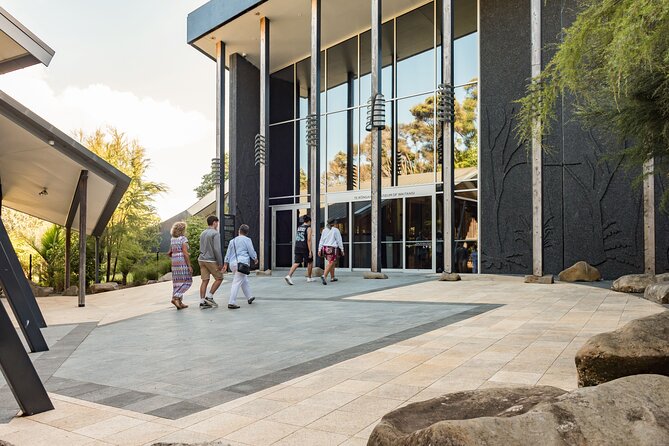
The guided tour runs every hour on the hour and lasts about 50 minutes. I would make this one of your first priorities, even if you normally prefer exploring independently.
The grounds include several important places, and a guide helps you connect them. You see a copy of the treaty in the Visitor Centre, visit heritage buildings, view a ceremonial waka, and stop at the location where the treaty was signed. Headsets are provided, so you should be able to hear the commentary clearly while walking.
The strongest part of the tour is the human detail. Guides explain the people involved and offer context about how the treaty came into being. Guides named in feedback include Cece, also referred to as C.C., and Sisi, or Amanda. The quality of your tour depends partly on who leads it, but the experience is designed to be both informative and approachable.
The tour also helps you get your bearings. The grounds are spread out, and it is easy to underestimate how much there is to see. After the walk, you can return to the museum or heritage buildings with a better sense of where everything sits.
A small scheduling issue is worth noting. The tours run at set times, and if you arrive just after one begins, you may have a wait before the next one. One visitor arrived at noon and had to wait until 2 pm for an available tour. If your day includes a boat trip or another timed activity, check the tour and performance times early.
The waka and heritage buildings make the history tangible
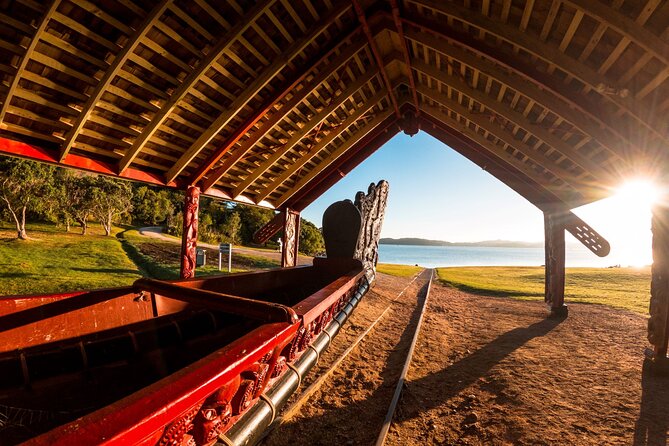
The site includes the world’s largest ceremonial waka, or war canoe. Its size gives you an immediate sense of the skill, labor, and cultural importance behind Māori canoe traditions.
This is not an object you should rush past on the way to the museum. Take time to look at the carved details and consider its role in ceremony and collective identity. The waka is one of the most memorable physical features of the visit because it gives scale to a story that can otherwise feel abstract.
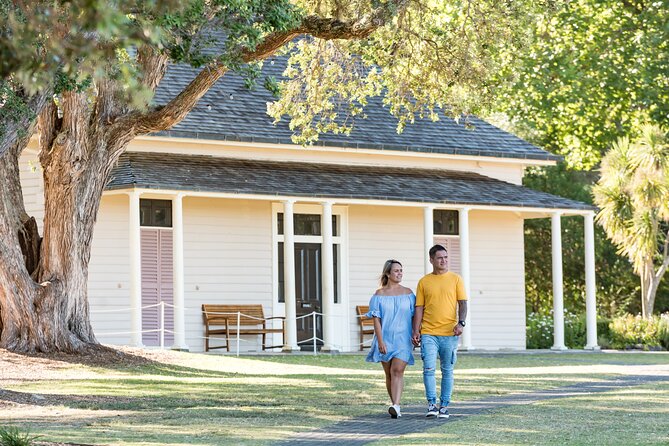
The grounds also include historic buildings such as the Mission House. Its simple appearance and careful presentation offer a different view of early contact between Māori and European communities. The building is also a quiet place, and the setting adds a reflective quality that the busier performance area does not have.
Signage helps you move between the main points, and the grounds are well maintained. You should still allow time for walking and reading. This is not a quick indoor museum followed by a single viewpoint.
Te Kōngahu Museum deserves more than a quick look
Te Kōngahu Museum of Waitangi opened in 2016 and holds permanent and changing exhibitions. It brings together taonga, or treasured cultural objects, connected with Waitangi and Māori history.
The displays use objects, photographs, multimedia, and visual material to explain the story. An education center is located on the first floor. The museum is especially useful after the guided tour because you can pause over subjects that the outdoor walk covers more briefly.
I would allow at least an hour for the museum, and more if you enjoy reading exhibition panels. Several people who tried to fit everything into one visit found that they needed the second day. The two-day pass is not just a marketing extra. It changes the pace from rushing between scheduled activities to choosing what deserves your attention.
The museum also provides balance. The cultural performance is energetic and welcoming, while the museum gives you space to consider the wider story. Some displays may feel moving, particularly those relating to Māori service members and the effects of New Zealand’s past. The site does not reduce the country’s story to one easy viewpoint.
Same base, a different kind of day:
- Hole in the Rock Cruise & Island Tour – with two island stopovers
★ 5.0 · 701 reviews - The Rock Adventure Overnight Cruise
★ 5.0 · 457 reviews - Bay of Islands Tall Ship Sailing on R. Tucker Thompson Including BBQ Lunch
★ 5.0 · 361 reviews - From Paihia: Scenic Cruise with Roberton Island Stopover
★ 4.8 · 332 reviews
The 30-minute cultural performance is lively and interactive
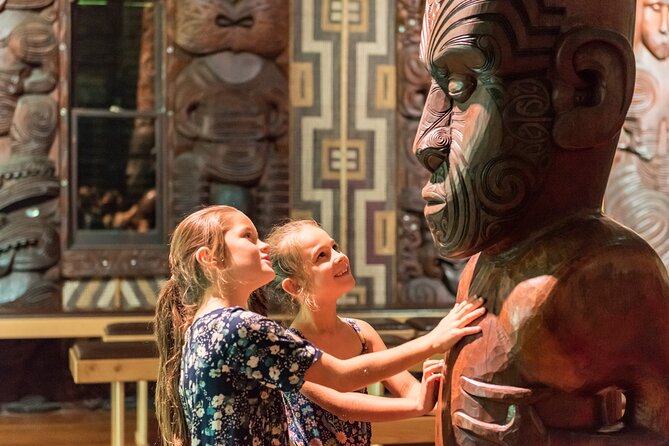
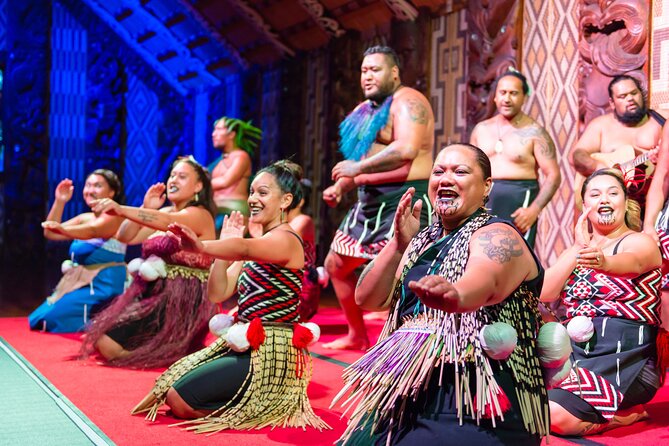
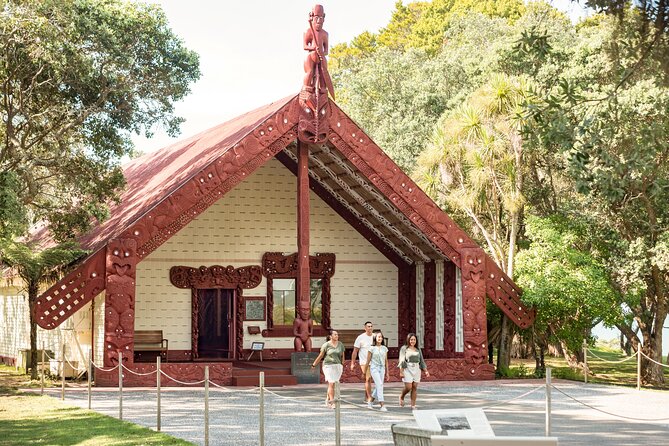
The performance takes place outside the meeting house, where the resident group Te Pitowhenua welcomes you with a traditional powhiri. You then enter a meeting house filled with carved designs that represent history and genealogy.
The show lasts about 30 minutes. It includes poi twirling, Māori weapon demonstrations, stick games, singing, and haka. The performers also offer an opportunity to meet them, ask questions, and take photographs afterward.
The show is energetic without being difficult to follow. You do not need prior knowledge of Māori customs to understand the basic purpose of the welcome and the role of the different performances. The presentation is clearly designed to be accessible to visitors, which some people will appreciate.
That accessibility is also the main point to consider. If you have attended other Māori cultural performances, this one may feel more visitor-friendly and less formal or traditional by comparison. It remains a useful introduction, but it should not be your only way of learning about Māori culture.
The young performers bring good energy, and the combination of music, movement, games, and haka keeps the half hour moving. I would not skip it, especially since it adds a living, human element to the museum and guided tour.
Allow four hours, or use the second day
You can see the main highlights in a few hours, but I would plan on four hours or more if you want the visit to feel relaxed. A sensible order is:
- Watch the introductory film.
- Join the next available guided tour.
- Attend the cultural performance.
- Visit Te Kōngahu Museum.
- Explore the heritage buildings, waka, and outdoor grounds at your own pace.
You can reverse the order if the performance is about to begin. The key is to check the schedule when you arrive rather than assuming every activity will be available immediately.
The pass is valid for two consecutive days. That makes it useful for a longer Bay of Islands stay, and it is especially helpful if rain interrupts your first visit. The attraction operates in all weather, so bring suitable clothing and shoes. The grounds are outdoors, and you should be ready for walking between buildings.
If you only have one hour, attend the cultural performance or join the guided tour, depending on timing. One short visit can still be worthwhile, but you will not do justice to the museum and displays.
The $45.92 price: good value if you use the pass
At $45.92 per person, this is not a cheap walk-around attraction. The price makes more sense when you count what is included: the film, guided tour, cultural performance, museums, heritage buildings, waka, and two consecutive days of entry.
The hourly tour and live performance add value because you receive interpretation rather than simply access to a historic site. You also avoid having to arrange separate museum and cultural activities elsewhere.
The strongest value comes from returning on day two. If you use only a single hour of your pass, the cost feels high. If you watch the film, take the tour, attend the performance, visit the museum, and return for anything missed, it becomes a solid full-day cultural experience.
Food and drinks are not included. There is a café for snacks, but plan separately if you need a full meal. Hotel pickup and drop-off are also not included, so make your own way to the grounds.
Getting there from Paihia and the Bay of Islands
Waitangi is close to Paihia. The walk from Paihia takes about 10 to 15 minutes, according to the practical information available for the visit. That makes the attraction easy to combine with time in town.
Shuttle buses are available from the tender drop-off point. If you arrive by boat, check the timing of the shuttle against your entry plans. Walking may be simple, but weather and mobility needs can change that choice.
The opening hours listed for the operating periods are 9 am to 5 pm daily. Since the tour and performance follow schedules within those hours, arriving early gives you more choices. Children must be accompanied by an adult, service animals are allowed, and a moderate level of physical fitness is recommended.
There is a free cancellation option if you cancel at least 24 hours before the start time. Changes or cancellations within 24 hours are not accepted for a refund.
Who will enjoy this most
I would recommend Waitangi Treaty Grounds to first-time visitors to New Zealand, anyone interested in Māori culture, and people who want to understand the country beyond beaches and boat trips.
Families can use the performance and waka to keep younger visitors engaged, though the museum includes serious material and reading. History fans will appreciate the guided commentary and exhibitions, while people with only a passing interest can still enjoy the views, buildings, and live performance.
This is less suited to anyone looking for a quick photo stop or a purely lighthearted cultural show. The treaty’s story includes conflict and unresolved issues. That seriousness is not a flaw, but you should arrive ready to listen and think.
Should you book the Waitangi Treaty Grounds?
Yes, if you have the time. The combination of the treaty signing site, hourly guided tour, Te Kōngahu Museum, ceremonial waka, heritage buildings, and Māori performance makes this one of the most useful cultural stops in the Bay of Islands.
Book it with at least half a day in mind, and use the second day if your schedule allows. If you are short on time, check the performance and tour schedule before you arrive. The visit is best when you can slow down, hear the story from a guide, and give the museum more than a hurried glance.
FAQ
Where are the Waitangi Treaty Grounds?
The Waitangi Treaty Grounds are in the Bay of Islands, close to Paihia in New Zealand.
How much does admission cost?
Admission costs $45.92 per person.
How long is the admission valid?
The pass is valid for two consecutive days.
What does admission include?
Admission includes all listed activities, the introductory film, guided tour, cultural performance, heritage buildings, ceremonial waka, Te Kōngahu Museum of Waitangi, and other included site access.
How long is the guided tour?
The guided tour lasts about 50 minutes and runs every hour on the hour.
Is the cultural performance included?
Yes. A 30-minute Māori cultural performance by Te Pitowhenua is included.
What happens during the cultural performance?
The performance includes a powhiri welcome, poi twirling, Māori weapon demonstrations, stick games, singing, and haka.
Can I visit the museum with my admission?
Yes. Admission includes entry to Te Kōngahu Museum of Waitangi, which has permanent and changing exhibits, multimedia displays, and an education center.
Are food and drinks included?
No. Food and drinks are not included, although a café is available for snacks.
Can I cancel for a refund?
You can cancel for a full refund if you cancel at least 24 hours before the experience start time. Cancellations within 24 hours are not refunded.
Just added in Paihia
- Phantom Sailing Bay of Islands★ 5.0 · 177 reviews
- Bay of Islands Cruise & Island Tour – Snorkel, Hike,Swim,Wildlife★ 5.0 · 177 reviews
- Bay Combo Tour – 60 mins (min 2)★ 5.0 · 173 reviews
- Bay of Islands: Catamaran Sail, Wildlife Island & Lunch★ 4.9 · 173 reviews
- Waitangi Treaty Grounds: 2-Day Pass★ 4.6 · 179 reviews
- Full-Day Bay of Islands Tour by Vigilant Yacht Charters★ 5.0 · 219 reviews
- Far North New Zealand Tour Including 90 Mile Beach and Cape Reinga from Paihia★ 4.5 · 216 reviews
- Hole in the Rock Scenic Cruise including Dolphins and Island stop★ 4.5 · 225 reviews
Bay of Islands Cruises, compared.
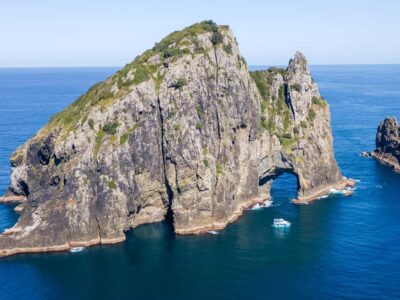
Paihia/Russell: Hole in the Rock Cruise with 2 Island Stops
Read our review →
Cape Reinga and Ninety Mile Beach Trip with Lunch
Read our review →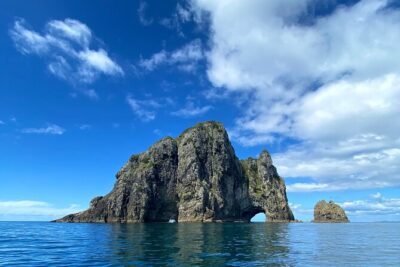
Hole in the Rock Cruise & Island Tour – with two island stopovers
Read our review →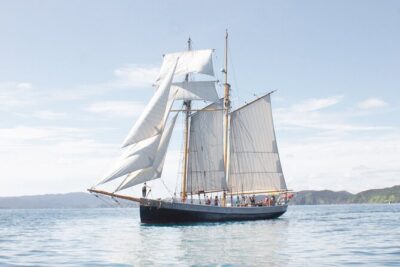
Bay of Islands Tall Ship Sailing on R. Tucker Thompson Including BBQ Lunch
Read our review →
Bay of Islands Glow Worm Caves & Scenic Shore Excursion
Read our review →
Bay of Islands: 4.5 Hour Day Cruise and Island Getaway Tour
Read our review →Browse the lists this tour appears in