
Reviewed · WILDLIFE
Oamaru: Penguins Evening Viewing Ticket
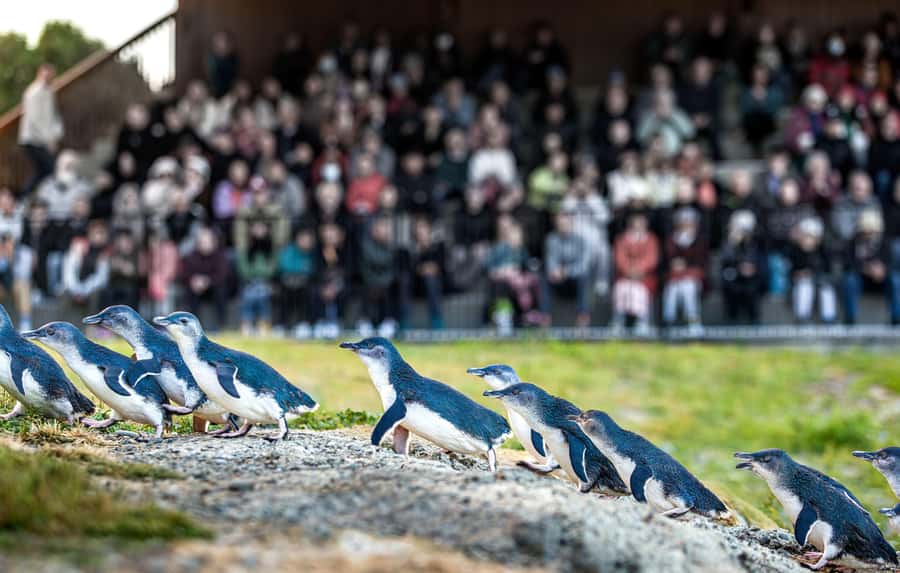
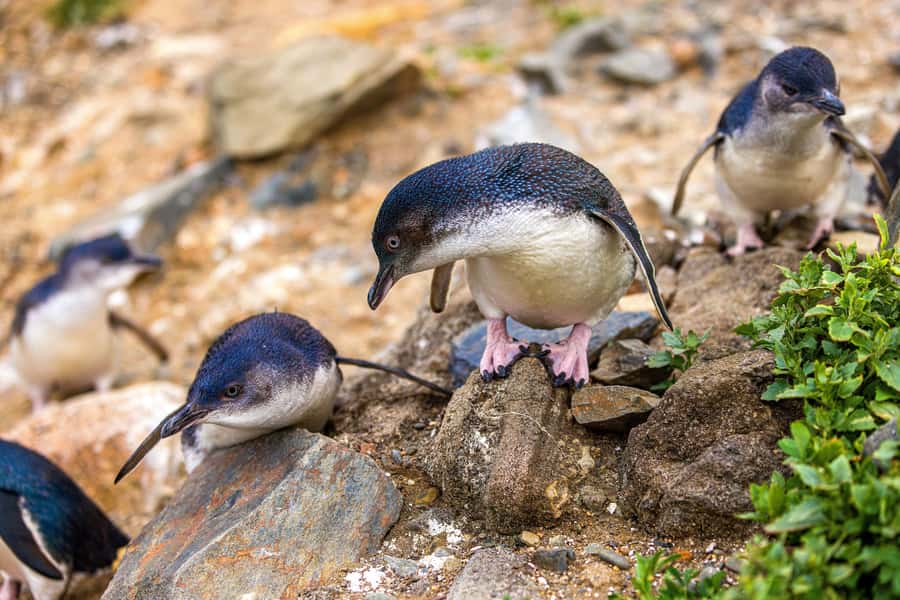
The best part of this Ōamaru evening is the homecoming. After a day at sea, tiny blue penguins appear at the beach, gather in little groups, then scramble up the stones toward their nesting boxes. I like the close viewing distance of 10 to 15 metres and the way the guides let the action speak for itself once the birds arrive.
I also like that your $28 ticket helps fund penguin research and protection, rather than paying only for a show. The main drawback is simple: you sit outside for a long time in the cold, often in near darkness, and the number of penguins can vary sharply from fewer than 30 in winter to more than 200 in summer.
Key points to know before you book
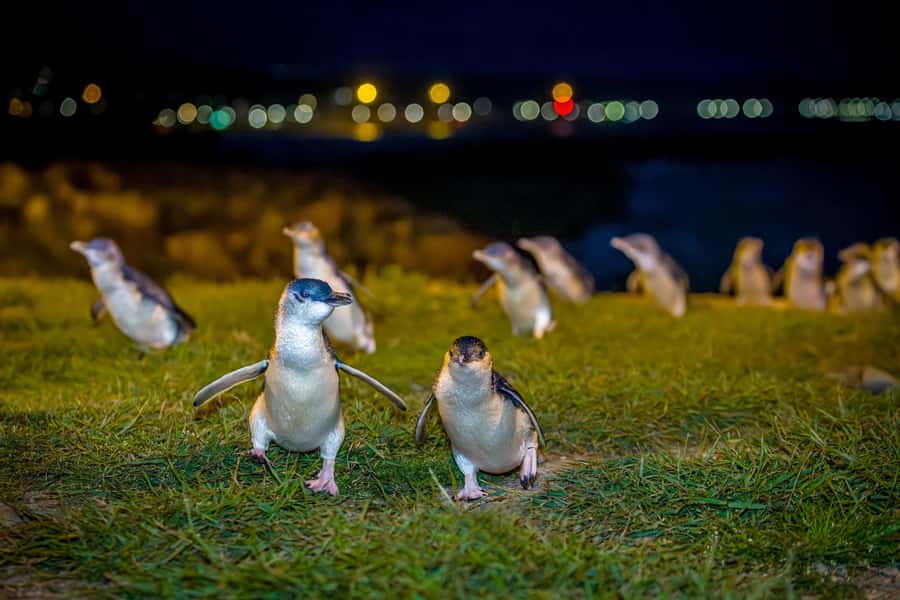
- The penguins return after sunset: Arrival times range from about 5:30 PM in winter to as late as 9 PM in summer.
- You may see hundreds, but no number is guaranteed: Recent evenings have had anything from around 100 to more than 400 penguins.
- Silence and no photography are firm rules: Flash and phone screens can disturb the birds, so cameras and phones must stay away in the seating area.
- The general admission seats are close: You watch the penguins from roughly 10 to 15 metres away as they cross the beach and ramp.
- Warm clothing matters: Bring enclosed shoes, long pants, a jacket, a hat, and extra layers for the chilly sea air.
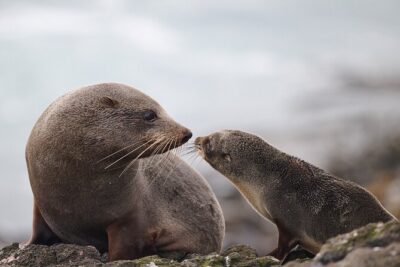
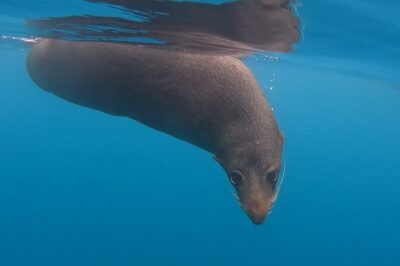
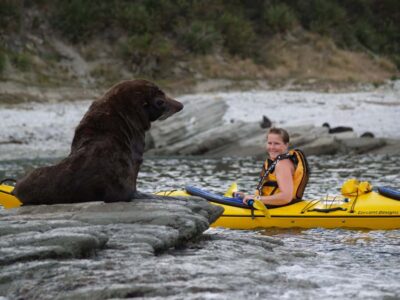
- Seals and seabirds may add a bonus: New Zealand fur seals and Otago Shags can sometimes be seen near the colony.
The homecoming that makes the evening special
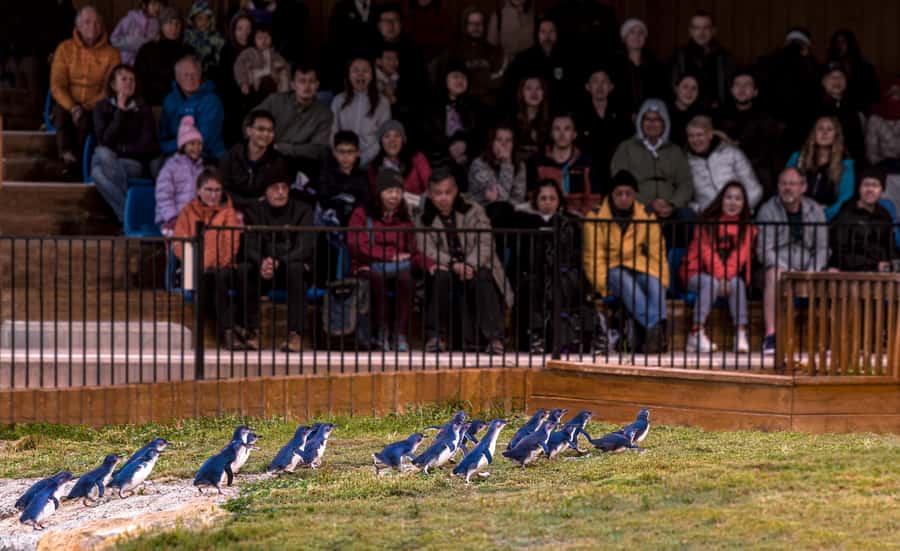
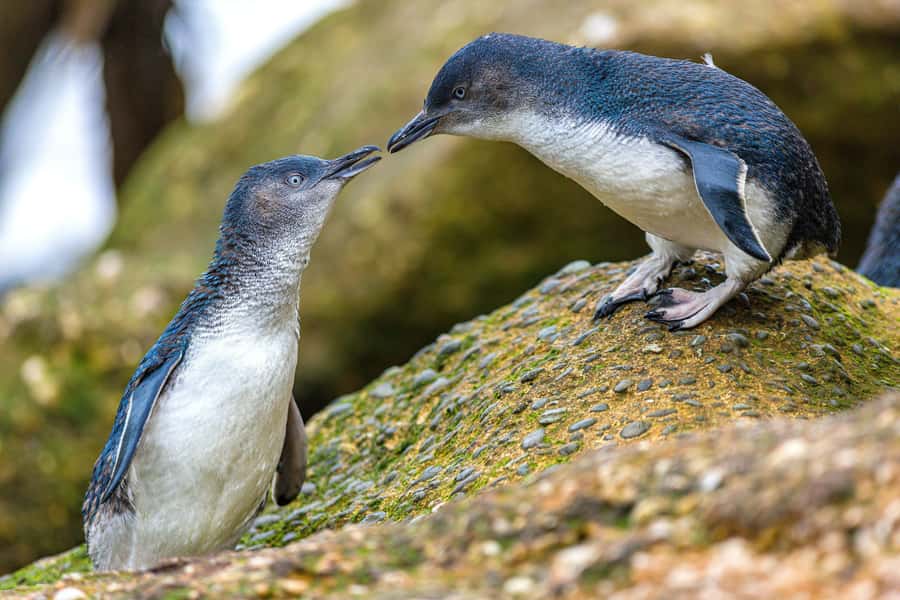
Ōamaru’s little blue penguins are the world’s smallest penguins, and their size makes the first sighting almost comical. You may see only a few small heads appear above the beach at first. Then more birds gather behind them, forming a compact group before making their way inland.
The penguins are returning from a day of fishing. Their route takes them up the beach and over a stony ramp before they cross into the colony and head for their nesting boxes. They do not march in a neat line. They pause, bunch together, hurry forward, and sometimes stop when something nearby catches their attention.
That unscripted movement is the heart of the experience. You are not watching trained animals perform on command. The timing depends on the birds, the light, the sea, and the conditions that evening.
Once they reach the colony, you may see them preen, call to one another, or disappear into the nesting area. On some evenings, a seal resting near the entrance has caused the penguins to stop and stare before one brave bird leads the way. Those small moments are worth paying attention to, since they are not part of any fixed schedule.
More wildlife in New Zealand:
- Clearwater Wildlife Tours (small group 10max) Otago Peninsula
★ 5.0 · 531 reviews - Guided Evening Penguin Viewing Otago Peninsula, Dunedin, New Zealand
★ 5.0 · 471 reviews - Dunedin: Wildlife and Penguin Tour
★ 4.6 · 239 reviews
What happens during the 90-minute visit
Arrive at the Ōamaru Blue Penguin Colony on Waterfront Road about 10 minutes before your scheduled start. Checking in is followed by a short walk or guided movement to your assigned seating area.
The seating faces the beach, the stone ramp, and the colony entrance. General admission places you about 10 to 15 metres from the route used by the penguins. That is close enough for a good view, but you are still watching from a managed distance that helps protect the birds.
The local guide gives commentary during the experience. You will hear about the penguins’ biology and ecology, their breeding habits, and the work carried out by the colony. The explanations also cover why protecting this small population matters in New Zealand.
Guides speak English and Chinese. The commentary has been praised for being clear and useful, although some people have found the microphone hard to hear or wanted more facts. If you have hearing needs, tell the team when you arrive. One guide prepared a written version of the script for a deaf visitor, which shows that the staff can make practical adjustments.
The tone changes when the penguins begin to arrive. The commentary becomes quieter, and the audience is expected to remain seated and silent. This is not needless theatre. Noise and sudden movement can frighten the birds and interrupt their route into the colony.
After the main viewing, the experience ends as the penguins settle into their nesting area. Depending on the arrangements that evening, you may be able to see parts of the colony and watch birds near their nesting boxes. Several people particularly enjoyed walking through the nesting area afterward, where the penguins could be seen and heard at close range.
Why the no-photo rule matters
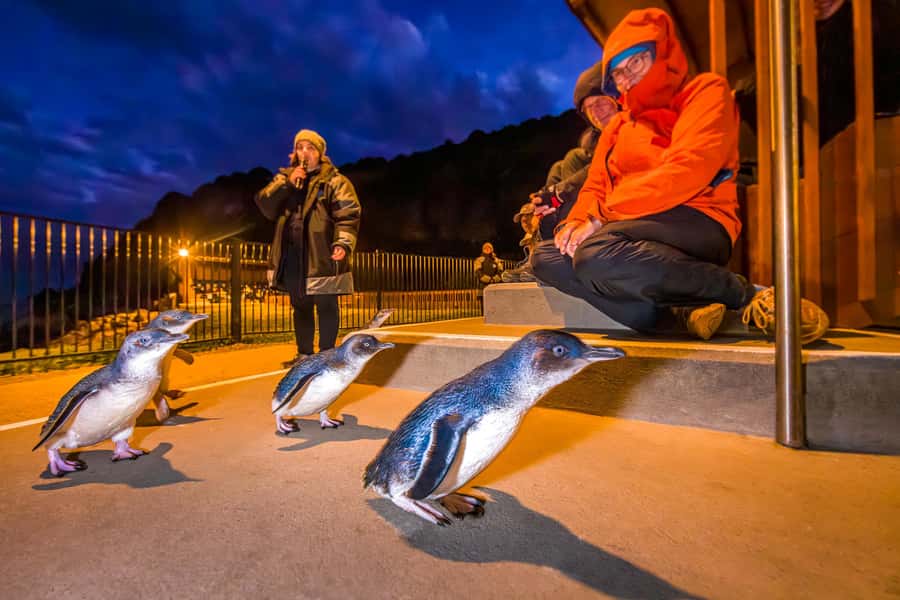
You cannot take photographs or video during this experience. Cameras, phones, and flashes are not allowed in the seating area.
That rule may frustrate you, especially when a penguin waddles directly into view. It also changes the way you watch. Instead of checking a screen, you pay attention to the birds, the pauses in their journey, and the sudden rush when a group decides to move.
The reason is practical. Flash and bright lights are not good for the penguins’ eyes, and phone use can create noise and movement at exactly the wrong time. Staff actively enforce the rule, so do not assume you can quietly take one picture.
I think this is one of the better places to accept a no-photo policy. The colony is built around protecting wild penguins, and the ticket supports that work. You will need to keep the memory in your head rather than your camera roll, but the restriction is part of being a considerate observer.
How many penguins will you see?
This is the biggest variable in the experience. Penguin numbers can be over 200 in summer and under 30 in winter. Some recent evenings have produced around 100 to 160 birds, while other nights have brought more than 300 or even 400.
Summer offers the possibility of larger arrivals, but the timing can be late, with penguins sometimes coming home as late as 9 PM. Winter arrivals can begin around 5:30 PM, but the group may be much smaller.
Do not treat the published numbers as a promise. The colony cannot make every penguin return on schedule, and the birds may come in waves rather than all at once. A quiet night can still be worthwhile if you enjoy watching the behaviour closely, but you should not book expecting a guaranteed count.
The viewing area is arranged so that penguins may pass near different sections of the seating. Some people in standard seats have had groups move through the central area directly in front of them. Your exact angle will affect what you see.
Same base, a different kind of day:
- Hobbiton Movie Set: Guided Tour Ticket
★ 4.9 · 8,167 reviews - Waitomo: Glowworm Caves Guided Tour by Boat
★ 4.5 · 4,908 reviews - Rotorua Canopy Tours: 2.5Hour Native Forest Zipline Adventure
★ 5.0 · 4,563 reviews - Hobbiton™ Movie Set Walking Tour from Shires Rest
★ 5.0 · 3,577 reviews
General admission or premium seating?
The ticket described here is a general admission evening viewing ticket. It provides a close view from the main seating area and includes the guide’s commentary.
Premium seating has received strong praise from people who wanted a better angle or a closer position. It may also include access to a walkway through the nesting area after the main viewing, depending on the ticket and arrangements available when you book.
The choice is not entirely simple. Premium seating can put you closer to the birds, but one viewing angle may show the penguins at closer range without giving you the best view of them climbing the rocks. General admission can still work well, especially if birds cross the central seating area.
If you are comparing ticket types, pay attention to the actual sightline rather than assuming the most expensive seat is best in every way. Premium seating is most appealing if you care about being near the colony entrance and possibly walking through the nesting area afterward. General admission offers good value if you mainly want to watch the return from the beach.
The cold is part of the calculation
You sit outdoors and remain fairly still while waiting for the penguins. Even if rain is not falling, the evening sea air can feel very cold.
Wear enclosed footwear, long pants, a warm jacket, and a hat. Add extra layers if you tend to feel cold. A scarf and woolly hat are sensible choices, especially in the colder months or during a late summer viewing when you remain outside after sunset.
Rain protection is also useful. The seating may provide shelter, but that does not remove the cold. A wet evening can still be excellent for penguin numbers, so do not cancel the idea simply because the forecast is poor. Just dress for standing and sitting outside for 90 minutes.
This matters most for families. Young children may become bored during the wait, then struggle with the cold and the instruction to stay quiet. If you are bringing small children, consider their patience and tolerance for a quiet outdoor evening before booking.
Wildlife beyond the penguins
The penguins are the reason to come, but they are not always the only wildlife nearby. New Zealand fur seals may rest on the rocks or near the colony entrance. Their presence can create a second point of interest while you wait for the penguins to move past.
Otago Shags and other seabirds may also be seen around a nearby wharf. These sightings are not guaranteed, but they add useful context. The colony is part of a wider coastal area, not an isolated penguin stage.
A seal can also change the penguins’ behaviour. They may pause, watch it carefully, and then follow the first bird that decides the route is safe. You get to see the animals respond to one another, which is more interesting than a perfectly predictable procession.
What you learn from the guides
The commentary covers the basic natural history you need to understand what is happening. You will learn about the penguins’ biology, ecology, breeding habits, and the colony’s work to protect them.
The conservation message is not an extra lecture added to fill time. It explains why the viewing rules matter and how your admission helps support research and protection. The colony uses the visitor program to fund work connected with the penguins, so the ticket has a purpose beyond observation.
The quality of the commentary can depend on where you sit and how clearly the microphone carries. Some people have wanted more information before the penguins appeared, while others found the explanations thorough and well timed. If you want a long natural history talk, this may feel light. If you want enough context to understand the homecoming, it should meet the need.
The guides also keep control of the audience. That is important here. A few noisy or phone-using people can affect everyone’s view and disturb the birds. Firm instructions may feel strict at first, but they protect the experience for the penguins and the people who have come to watch quietly.
Is the $28 ticket good value?
At $28 per person, the ticket is reasonably priced for a 90-minute wildlife experience, especially because admission helps support conservation and research work.
The value depends on what you want. If you need guaranteed close-up photographs, this is not for you. Cameras are prohibited, and the penguins are small. If you want a managed chance to see wild little blue penguins return from the sea, with expert explanation and a clear conservation purpose, the price is easier to justify.
You are paying for access to a protected viewing area, staff direction, local interpretation, and the chance to watch a natural event without approaching the birds. You are not paying for a fixed show. The penguins decide when they arrive and how long they pause.
General admission is the sensible choice for many people. Premium seating may be worth the extra cost if the better position and nesting-area access are available to you. Either way, arrive early enough to look through the Discovery Centre display before heading to the viewing area. It adds useful background and gives you something to do before the birds arrive.
Who will enjoy this most?
I would choose this for adults, older children, wildlife fans, and anyone who values conservation over souvenirs and photographs. It suits a South Island itinerary that includes Ōamaru and leaves you free in the evening.
It is also a good option for visitors with mobility needs. The experience is wheelchair accessible, and one visitor with an elderly mother who had mobility issues found the seating and views workable for the group.
You should think twice if you dislike cold evenings, cannot sit quietly for a long period, or need a guaranteed amount of wildlife activity. The event is controlled by nature. Some nights are packed with penguins, while others are quieter.
The strict phone rule also matters. If you know you will be tempted to record the birds, this will be frustrating. If you are happy to put the phone away and watch carefully, the rule helps make the evening calmer and more respectful.
Should you book the Ōamaru penguin viewing?
Yes, if you are in Ōamaru and want a responsible chance to see little blue penguins in the wild. The homecoming can be extraordinary, with hundreds of small birds hurrying up from the beach, and the conservation work gives your ticket real value.
Book with sensible expectations. Bring serious warm clothing, arrive early, accept that numbers vary, and treat the no-photo rule as part of the experience. Choose premium seating if the sightline and nesting-area access matter to you, but general admission can still deliver a very good view.
The best reason to go is not simply that penguins are cute. It is that you get to watch a real nightly routine while staff protect the birds from the very people who have come to see them.
FAQ
How long does the Ōamaru penguin viewing last?
The experience lasts 90 minutes. Starting times vary, so check availability for the date you want.
How close will I be to the penguins?
General admission seating is about 10 to 15 metres from the area where the penguins come up the beach and enter the nesting area.
Can I take photographs or video?
No. Photography and video are strictly prohibited, including phone use in the seating area. Flash and light can harm or disturb the penguins.
What should I wear?
Bring warm clothing, including enclosed footwear, long pants, and a jacket. A hat, scarf, and extra layers are also useful because the evening can become very cold.
Are penguin numbers guaranteed?
No. Arrival numbers vary by season and evening. The colony may receive more than 200 penguins in summer and fewer than 30 in winter.
Is the experience wheelchair accessible?
Yes, the activity is wheelchair accessible. Live commentary is available in English and Chinese.
Just added in New Zealand
- Auckland: Half-Day Sea Kayak Tour to Motukorea Island★ 5.0 · 6 reviews
- From Methven: Hot Air Balloon Flight in Canterbury with Wine★ 4.8 · 48 reviews
- West Coast Treetop Walk★ 4.5 · 131 reviews
- From Tauranga: Dolphin and Wildlife Cruise★ 4.5 · 96 reviews
- Napier: Afternoon Wine Tasting + visit Silky Oaks Chocolates★ 5.0 · 135 reviews
- Hokitika: West Coast Treetop Walkway Entrance Ticket★ 4.5 · 82 reviews
- Half Day Dolphin & Wildlife Cruise – Tauranga★ 4.5 · 103 reviews
- Milford Sound: Self-Guided Milford Track Day Walk★ 4.5 · 114 reviews
Wildlife, compared.
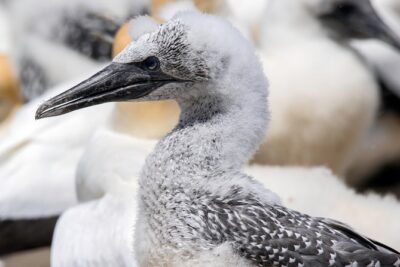
Gannet Safaris Overland tour to Cape Kidnappers Gannet Colony
Read our review →
Clearwater Wildlife Tours (small group 10max) Otago Peninsula
Read our review →
Guided Evening Penguin Viewing Otago Peninsula, Dunedin, New Zealand
Read our review →
Browse the lists this tour appears in