
Reviewed · WILDLIFE
Rotorua: The National Kiwi Hatchery Kiwi Encounter Tour
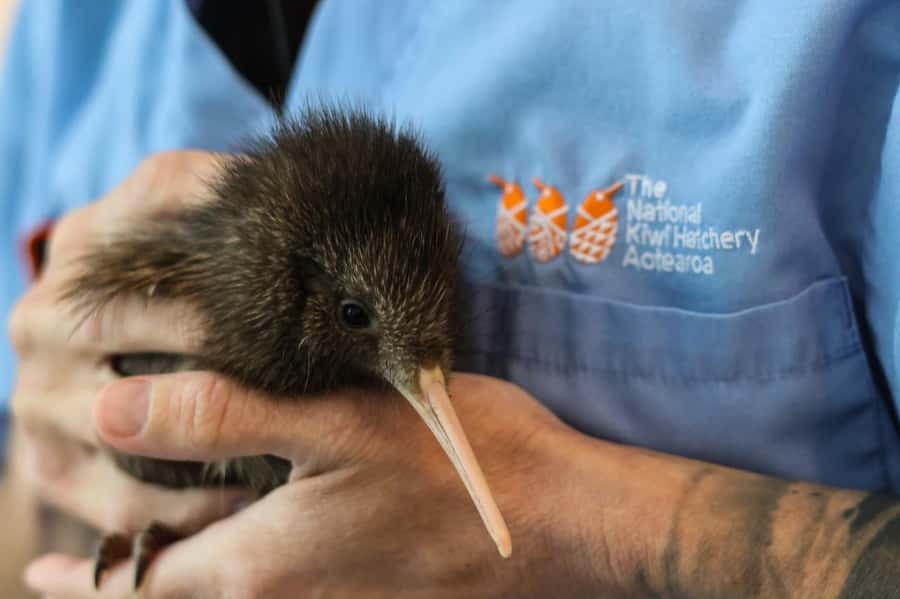
Rotorua’s National Kiwi Hatchery takes you behind the scenes of a serious rescue effort, where eggs are incubated, chicks are raised, and endangered kiwi are prepared for a safer life in the wild. The most exciting moments are never guaranteed: you might watch a health check, see a chick being fed, or spot a bird only a day old.
I like the clear conservation purpose and the fact that every dollar of the $44 ticket goes back into the hatching programme. I also like the guides, who explain complicated work in a friendly way. The main consideration is timing: outside September to March, you will not see eggs and newborn chicks, though adult kiwi remain in the nocturnal house all year.
Key points to know before booking
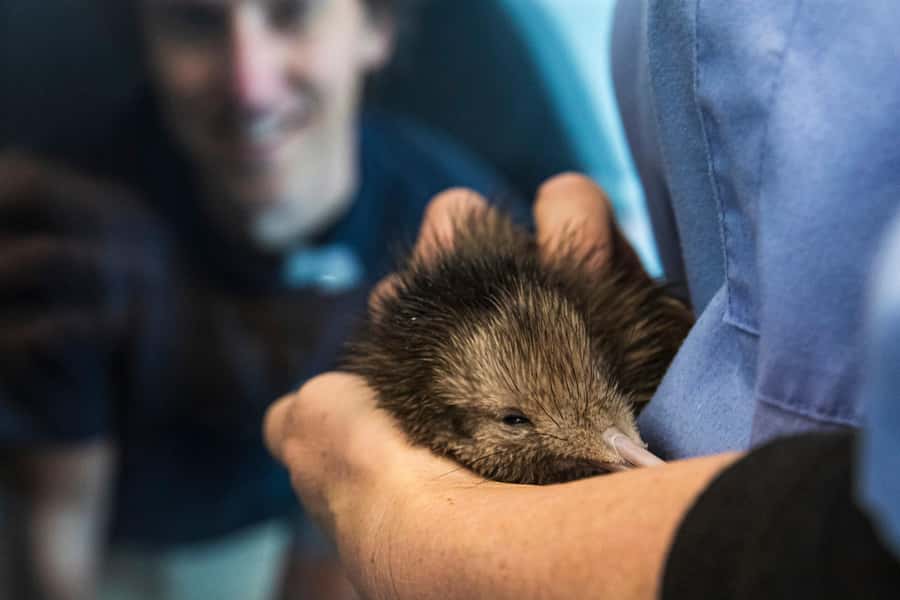
- Newborn chicks are possible from September to March: You may see eggs, candling, feeding, health checks, or chicks at different ages.
- Adult kiwi are visible all year: The nocturnal house gives you a chance to watch these shy birds foraging under red light.
- Your ticket funds conservation: The full $44 price supports the hatchery rather than simply covering an entertainment attraction.
- The tour lasts one hour: It is easy to fit into a Rotorua day, especially with other Agrodome activities nearby.
- No photography or video is allowed: This protects the birds and means you should arrive ready to watch rather than record.
- Children must be at least five: The facility does not admit younger children.
Why the kiwi hatchery matters
The kiwi is New Zealand’s national icon, but seeing one in the wild is difficult. These birds are nocturnal, secretive, and threatened by predators. The hatchery helps by breeding and raising kiwi in controlled conditions before supporting their return to the wild.
This is not a simple animal viewing stop. You are seeing the practical work behind conservation: eggs being monitored, chicks being checked, and young birds receiving care at a fragile stage of life. The hatchery has successfully hatched more than 2,500 kiwi chicks, giving the short tour a useful sense of scale.
I appreciate that the experience explains the problem rather than only presenting a cute bird. You learn why kiwi need help and what people are doing about it. That makes the visit more meaningful than a quick glimpse through glass.
The hatchery is a not-for-profit charitable trust. Since it is not government funded, ticket sales and other purchases help keep the programme going. At $44 per person, the price is reasonable if you want a worthwhile wildlife experience and care about where your money goes.
More wildlife in Rotorua:
- Rotorua: 6 Ziplines, Swing-Bridges & Wildlife Encounters
★ 4.9 · 347 reviews - Rotorua: Authentic Kiwi Farm Experience at the Agrodome
★ 4.8 · 270 reviews - National Kiwi Hatchery – Kiwi Encounter Guided Tour
★ 5.0 · 228 reviews
Arriving at the Agrodome north of Rotorua
The National Kiwi Hatchery is at the Agrodome, about 10 minutes north of Rotorua city centre. There is free parking onsite, and you should arrive at least 15 minutes before your scheduled departure.
The hatchery itself is separate from the main farm attraction. At check-in, a shuttle takes you across the property to the hatching facility. The ride is short, about four minutes according to the practical experience of one visitor, but it adds a small step to the visit. Do not assume that parking at the Agrodome means you are already standing at the hatchery entrance.
The shuttle may pass farm animals and other Agrodome activities, including sheep, alpacas, and pigs. That gives you a quick look at the wider property, but the kiwi tour remains its own experience.
If you use a wheelchair, contact the hatchery after booking. You may need to drive directly to the hatching facility rather than use the usual check-in and shuttle arrangement. The activity is listed as wheelchair accessible, but this extra instruction matters for planning.
The one-hour route through kiwi care
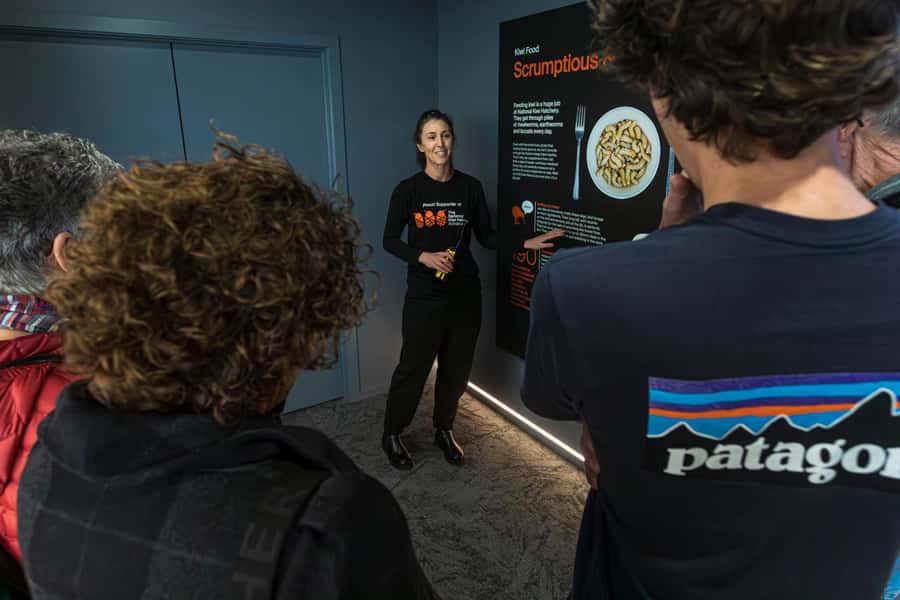
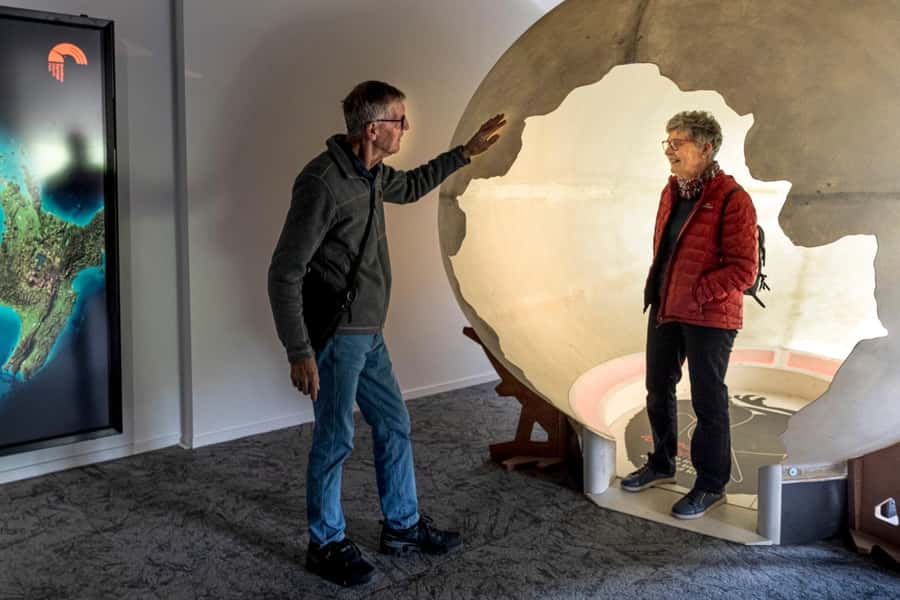
The tour moves through the hatchery in a clear order, with the guide matching the explanation to each part of the facility. You are not simply left to look at displays. The guide explains what happens at the egg, chick, juvenile, and adult stages.
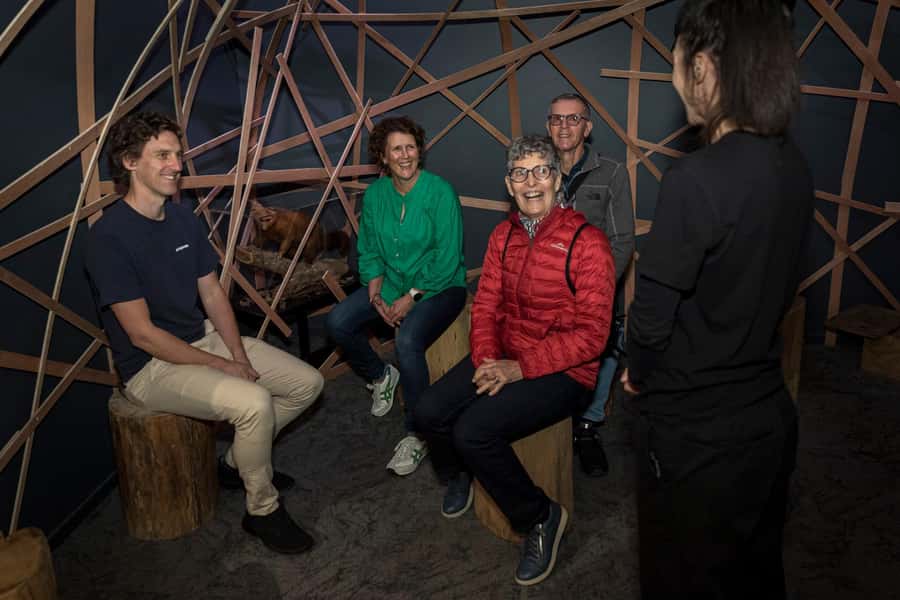
Guides have been a major strength of this visit. Mya has been praised for clear explanations, while Kai is known for a kind and funny approach. Teresa is remembered for her humour and for making extra effort to show young birds when possible. Nico and Max have also led tours described as warm, engaging, and well informed.
Guide names can change, of course, but the format stays the same. You can expect an English-speaking guide who explains kiwi life, conservation, incubation, and chick care while leaving time for questions. This is useful because kiwi biology is full of surprises, and a good guide helps you understand what you are seeing instead of reducing it to a photo stop.
The group can pause at different sections, so you may see the work of the husbandry team rather than only finished displays. The best visits connect the stages: egg, hatchling, growing chick, and adult bird.
Eggs, candling, and the chance of a newborn
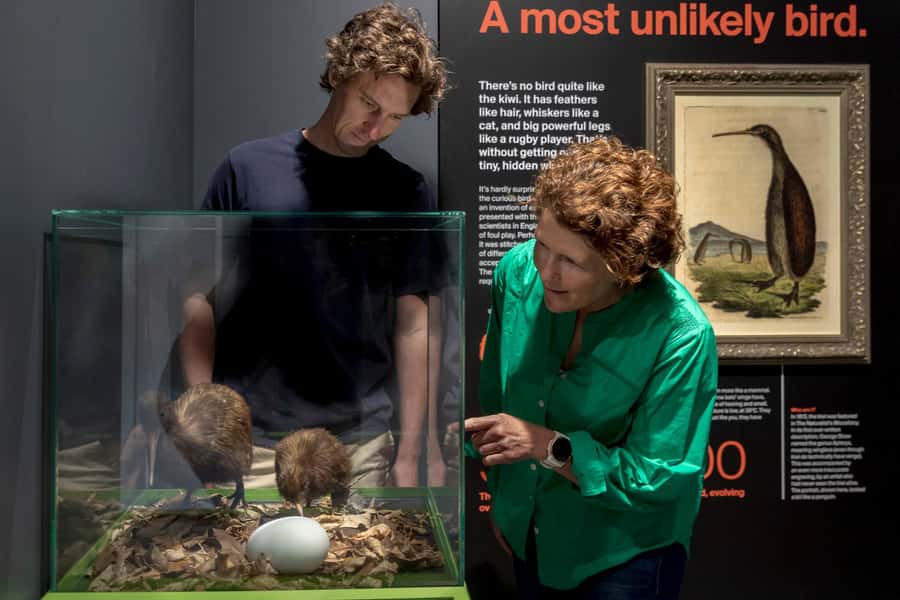
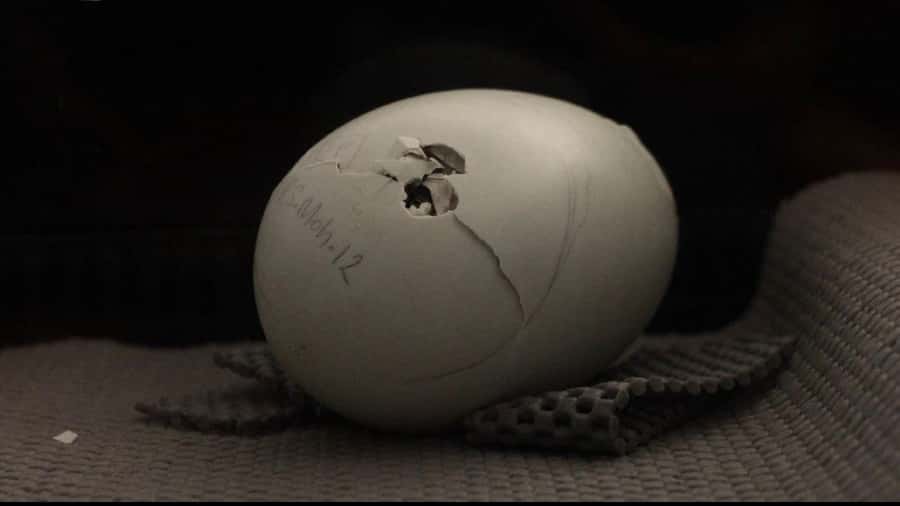
The most exciting part of a visit during hatching season is seeing the early stages of a kiwi’s life. From September through March, you have the best chance of seeing eggs and chicks.
You might see eggs being candled, which means using light to examine development inside the shell. You might also see an egg close to hatching or a chick that has just emerged. Some visitors have seen birds only 30 minutes or one day old, but this is a lucky moment, not a scheduled feature.
The hatchery also cares for chicks at several ages. You may see a newborn in an incubator, a slightly older chick in the nursery, or a young bird receiving a health check. Feeding can be another highlight. The work is careful and controlled, and the staff handle the birds for their welfare, not to create a show.
This is where you should keep expectations sensible. A hatchery cannot promise a birth during your one-hour visit. Even in the September to March season, the number of eggs or chicks on view will vary. Still, the chance of seeing several stages of development gives the visit real value.
Same base, a different kind of day:
- Rotorua Canopy Tours: 2.5Hour Native Forest Zipline Adventure
★ 5.0 · 4,563 reviews - Mitai Maori Village: Cultural Experience and Dinner Buffet
★ 4.7 · 3,575 reviews - Rotorua: Wai-O-Tapu Geothermal Park Entry Ticket
★ 4.6 · 2,601 reviews - Rotorua’s Ultimate Zipline: 6 ziplines, 400 m Tandem, Cliff Walk
★ 5.0 · 2,557 reviews
Adult kiwi in the nocturnal house
Adult kiwi are available to see throughout the year in the nocturnal house. The room is kept dark to match the birds’ natural activity pattern, with red lighting used so you can watch them without exposing them to bright light.
Kiwi are unusual birds. They cannot fly, have strong legs, and use their long bills to search for food. One of the fun parts of the tour is discovering how unlike a typical bird they are. You may hear the guide explain why they are active at night and how their care differs from that of other native species.
Sightings can be brief or excellent. Some visits produce two visible adult brown kiwi, while others offer several birds moving through their enclosures. You should not expect every kiwi to remain in an open position for easy viewing. These are living animals with their own schedules.
A useful timing tip comes from the operating rhythm of the nocturnal house: a morning visit around 9 a.m. may give you a better chance of seeing active birds as they wake from their artificial night. This is a helpful suggestion, not a guarantee, and you should still check the available start times when booking.
No cameras, no flash, and better attention
The hatchery does not allow flash photography or video recording. The facility has also stopped allowing photography altogether after some people failed to follow the flash rule.
That may disappoint you, especially if you see a newly hatched chick. I understand the policy. Kiwi are sensitive nocturnal birds, and the hatchery is a working conservation facility rather than a photo studio. Without a phone raised in front of every viewing window, you can pay attention to the guide and the animals.
Some people would like to buy official images in the shop, but the available information does not confirm that this is offered. Bring the memory, not the camera, and treat the no-photo rule as part of responsible wildlife viewing.
What the $44 price really buys
At $44, this is not the cheapest quick activity in Rotorua. The tour lasts only one hour, and food and drinks are not included. You also need to make your own way to the Agrodome, since hotel pickup and drop-off are not provided.
The value improves when you remember what the ticket supports. The full ticket price goes to the kiwi hatching programme, and the hatchery is not government funded. You are paying for a guided visit, transport from the check-in area, access to the facility, and conservation work that continues after your hour is over.
That makes the tour a better choice than an attraction where your fee mainly buys entertainment. You still need to decide if an hour is enough time for your budget. For most people, I think it works well as a focused Rotorua activity, especially if you combine it with other plans nearby.
Souvenirs also support the work, and the hatchery shop has been praised for reasonable pricing. A café at the wider site offers drinks, including oat flat whites, but food and drinks are not part of the tour itself.
Who will enjoy this most
I would choose this tour if you want to see a kiwi and understand the conservation effort behind it. It suits bird lovers, families with children aged five and over, and anyone who prefers a small, purposeful activity to a large staged attraction.
It is especially good for a Rotorua morning. You can arrive early, check in, take the shuttle, and finish in time for another activity. Since the Agrodome has other animals and experiences, you may find it easy to combine the hatchery with more time on the property.
The tour is less suitable if you need guaranteed close-up animal contact, guaranteed newborn chicks, or a chance to take photographs. The birds may be visible but not always perfectly positioned, and the hatchery’s rules rightly put their welfare first.
Children under five cannot enter. That is a firm restriction, so families should plan around it rather than assume a young child can wait inside with an adult.
Best season and best timing
Plan between September and March if eggs and chicks are your priority. This is the period when the hatchery is most likely to show the early stages of kiwi development.
From April through August, the tour can still be worthwhile. You may see adult kiwi in the nocturnal house, and the guides continue to explain breeding, conservation, and the path young birds take before release. One visit in April included four kiwi, including young adults close to returning to the wild and a bird that needed hand feeding.
If you can choose among start times, a morning booking may help with active adult kiwi. Arrive 15 minutes early, since missing check-in could cut into your one-hour experience.
My verdict: book it if the purpose matters
I recommend the National Kiwi Hatchery Kiwi Encounter if you want a genuine look at New Zealand wildlife protection rather than a quick mascot encounter. The guides bring the work to life, the nocturnal house gives you a chance to see adult kiwi all year, and the hatching season can provide remarkable moments with eggs and newborn chicks.
Book from September to March if baby kiwi are your main goal. Choose another activity, or adjust your expectations, if photography and guaranteed sightings matter most.
For $44, the strongest reason to go is simple: your visit helps fund the very programme you are seeing. That turns a short Rotorua stop into a practical contribution to the survival of New Zealand’s national bird.
FAQ
How long is the National Kiwi Hatchery Kiwi Encounter Tour?
The guided tour lasts one hour.
How much does the tour cost?
The listed price is $44 per person.
Where is the National Kiwi Hatchery?
It is located at the Agrodome, about 10 minutes north of Rotorua city centre. Free parking is available onsite.
What is included in the experience?
Your ticket includes the one-hour guided tour, an English-speaking guide, viewing opportunities in the hatchery and nocturnal house, a shuttle from the Agrodome check-in area, and a donation to the hatchery facility.
Can I see kiwi eggs and chicks all year?
Eggs and chicks are most likely to be available during hatching season, from September through March. Outside those months, you can still see resident adult kiwi in the nocturnal house.
Are adult kiwi available outside hatching season?
Yes. The nocturnal house offers the chance to see live adult kiwi all year round.
Can I take photos or record video?
No. Flash photography and video recording are not allowed, and photography is not currently permitted at the facility.
Are children under five allowed?
No. Children under five cannot enter the facility because of the kiwi welfare requirements.
Is the tour wheelchair accessible?
Yes, the activity is listed as wheelchair accessible. Customers using a wheelchair should contact the hatchery after booking, as they may need to drive directly to the hatching facility instead of using the usual shuttle arrangement.
Just added in Rotorua
- Rotorua: Scenic Flight over Mt Tarawera & Waimangu Valley★ 4.9 · 25 reviews
- Mt Tarawera Helicopter Tour with Volcano Landing★ 5.0 · 40 reviews
- Mt. Tarawera Volcano Scenic Floatplane Tour from Rotorua★ 5.0 · 42 reviews
- 15-Minute Crater Lakes Flight by Floatplane from Rotorua★ 4.5 · 11 reviews
- Whaka Geothermal Trails Self-Guided Tour★ 3.5 · 44 reviews
- Lake Rotoiti Evening Kayak Tour including Hot Springs, Glowworm Caves and BBQ Dinner★ 5.0 · 60 reviews
- Mountain Jade Highlights Tour★ 5.0 · 31 reviews
- Rotorua Highlights Inc. Te Puia & Secret Spot Hot Tubs Day Tour★ 4.5 · 129 reviews
Wildlife, compared.
Gannet Safaris Overland tour to Cape Kidnappers Gannet Colony
Read our review →

Clearwater Wildlife Tours (small group 10max) Otago Peninsula
Read our review →
Guided Evening Penguin Viewing Otago Peninsula, Dunedin, New Zealand
Read our review →
Browse the lists this tour appears in