
Reviewed · MAORI CULTURAL EXPERIENCES
Te Puia: Te Rā Guided Day Tour + Haka Cultural Performance
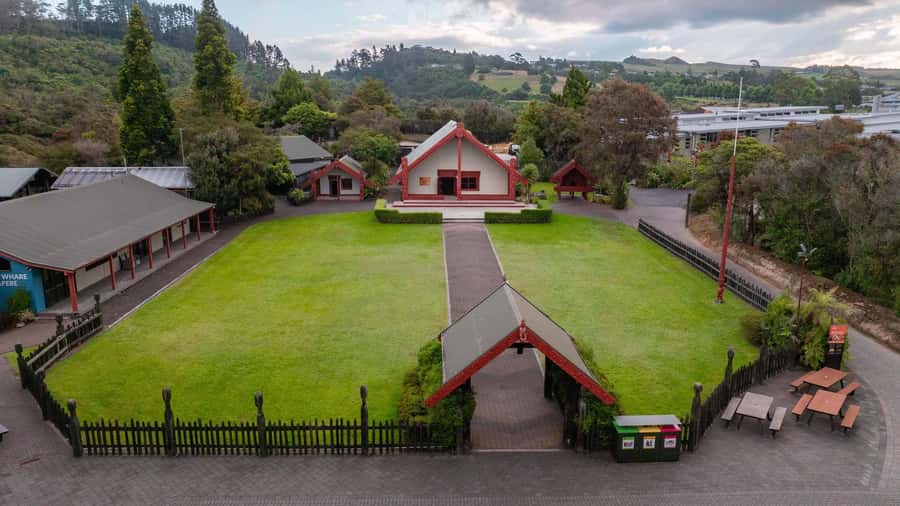
Pōhutu Geyser erupts naturally at Te Puia, and it is only the beginning. This two-hour experience joins geothermal wonders with Māori culture, the Kiwi Conservation Centre, and a haka performance inside the carved meeting house Te Aronui a Rua.
I like the way the guided walk gives the steaming valley a human story, not just a series of photo stops. I also like the chance to see Māori carving and weaving traditions at the New Zealand Māori Arts and Crafts Institute, then watch poi, waiata, and haka in one compact visit.
The main consideration is pace. The walk lasts 90 minutes, and groups can be large. One booking also reported that children made the outing harder to follow, while another found the welcome ceremony partly blocked by a large family group. Plan your viewing position and ask questions early.
Key points to know before you book

- Pōhutu Geyser erupts without human assistance, often at regular intervals, so you may see it more than once during your visit.
- The 30-minute performance includes a pōhiri, waiata, mōteatea, poi, and haka inside the carved meeting house Te Aronui a Rua.
- The Kiwi Conservation Centre is included, but photography of the kiwi is not allowed.
- A 90-minute guided walk covers several different interests, from boiling geothermal features to Māori arts and ancestral stories.
- The $80 price is strongest for first-time visitors to Rotorua, especially if you want nature, culture, and wildlife in one booking.
- Check mobility details before paying, because the supplied information describes the activity as wheelchair accessible but also says it is not suitable for wheelchair users or people with mobility impairments.
Why this two-hour Te Puia experience works
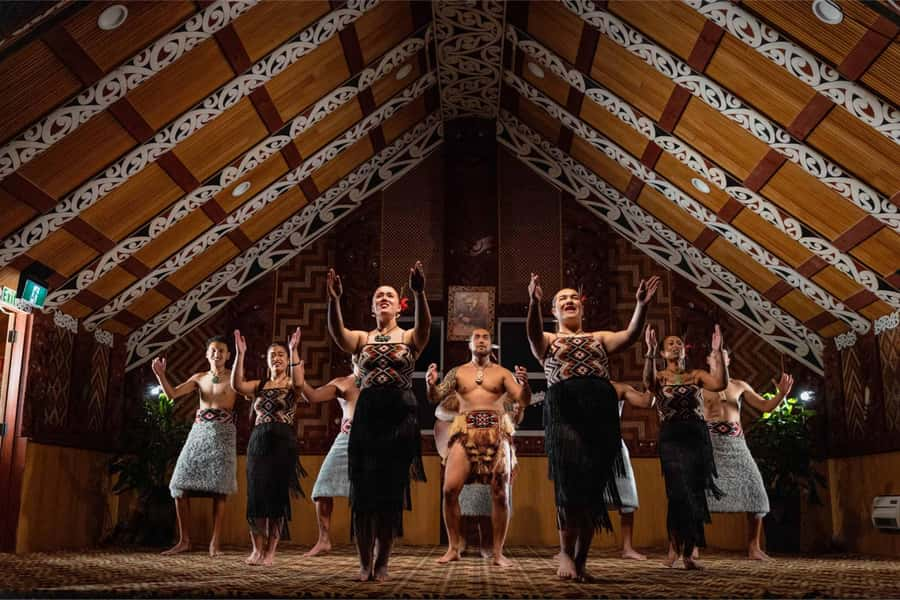
Rotorua can easily become a choice between geothermal parks and Māori cultural shows. Te Puia combines both. For $80 per person, you get a guided 90-minute walk, entry to the Kiwi Conservation Centre, access to the New Zealand Māori Arts and Crafts Institute, and a 30-minute cultural performance.
That combination matters if your time in Rotorua is short. You are not simply looking at a geyser, then driving across town for another activity. The day has a clear rhythm: walk, learn, watch, and return to the main entrance at 20 Hemo Road.
I would not call this a quiet or private experience. It is Te Puia’s most popular daytime program, and group size can affect how easily you hear the guide or see the performance. Still, the range of experiences packed into two hours gives it good value, especially for a first visit.
The guide speaks English and introduces Māori traditions, family connections, ancestral stories, and the work carried out at Te Puia. The best guides bring warmth and personal pride to this material. Jay, named in one particularly positive account, was praised for making the cultural background clear and engaging. Your guide may be different, but the format gives you room to ask questions along the way.
Other Maori cultural experiences around Rotorua:
- Mitai Maori Village: Cultural Experience and Dinner Buffet
★ 4.7 · 3,575 reviews - Cultural Experience & Seasonal Māori Cuisine at Te Pā Tū
★ 5.0 · 1,546 reviews - Mitai Maori Village Cultural Experience in Rotorua
★ 4.5 · 1,294 reviews
Starting at 20 Hemo Road in Rotorua
You check in at Te Puia’s main entrance on Hemo Road. Transportation is not included, so you need to make your own way there. Food and drinks are also not part of the $80 price, so bring water and think about when you will eat.
Arrive ready to walk outdoors. Comfortable shoes, a hat, sunscreen, and water are sensible choices. Rotorua’s geothermal areas can be exposed, and the walk includes uneven outdoor conditions according to the practical guidance for the activity. Smoking is not allowed.
The advertised duration is two hours, but the experience is not over in the sense that you have to leave immediately after the performance. The scheduled program ends after the 30-minute show, and you can ask staff whether your admission allows further independent time on the site. Do not build a tight onward booking around an assumption about extra access.
The 90-minute guided walk through the geothermal valley
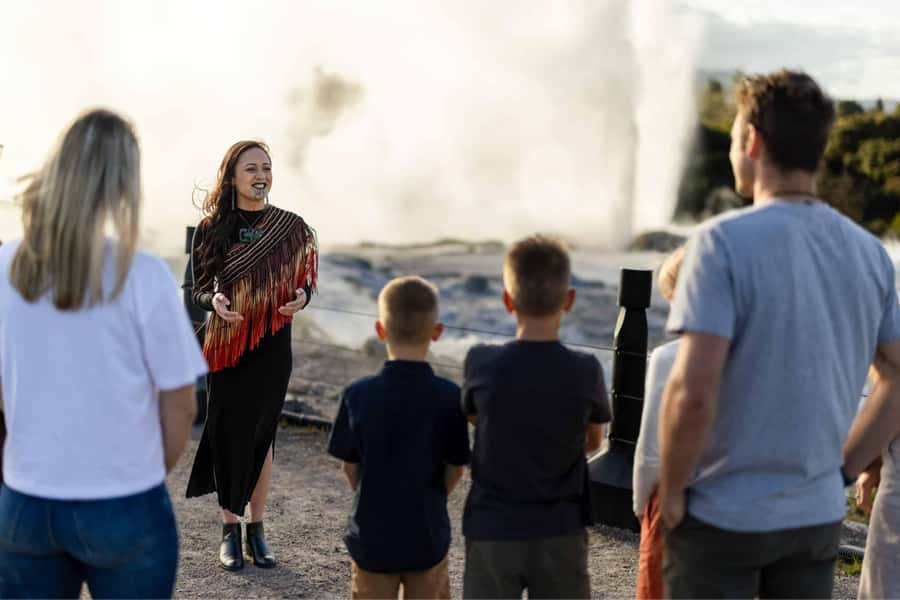
The first part lasts about an hour and a half. Your guide leads you through Te Puia’s geothermal valley, explaining what you are seeing while adding Māori stories and cultural context. That pairing is the real strength of the walk.
Geothermal features can blur together after a few stops. Steam, mud, pools, and sulfurous smells are impressive, but you may not remember which pool was which. A good guide gives each sight a purpose and connects the place to local traditions and ancestral knowledge.
Pōhutu Geyser
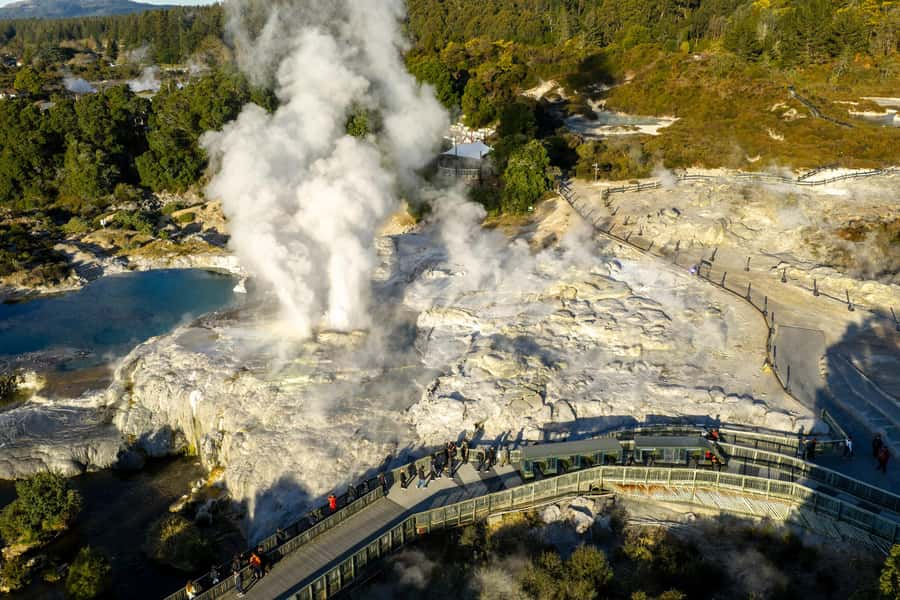
Pōhutu is the star of the geothermal section. The key point is that it erupts naturally, without the human assistance used at some other geothermal attractions. It also erupts at regular intervals, which improves your odds of seeing real action during a 90-minute visit.
One account rated Pōhutu more impressive than the geyser at Wai-O-Tapu, particularly because the surrounding geothermal area felt more scenic. That is a personal comparison, not a promise that you will prefer it, but it captures why this stop earns time.
Do not treat the first eruption as your only chance. If the timing works, you may see the geyser again later while wandering independently. Keep your camera ready, but listen to the guide too. The story of the place is more useful than a rushed photograph.
The geothermal valley is also a practical reason to wear proper shoes. You will be outside for much of the first 90 minutes, and stopping to take photographs can make the group spread out. Stay close enough to hear the guide, especially if the group is large.
A few more things to do in Rotorua worth a look
- Rotorua: Hell’s Gate Outdoor Mud Spa & Guided Walk
★ 4.7 · 1,140 reviews - Rotorua Duck Boat Guided City and Lakes Tour
★ 5.0 · 604 reviews - Whakarewarewa Village Guided Tour
★ 4.5 · 477 reviews - Te Puia: Te Rā Guided Day Tour
★ 4.6 · 396 reviews
The Kiwi Conservation Centre
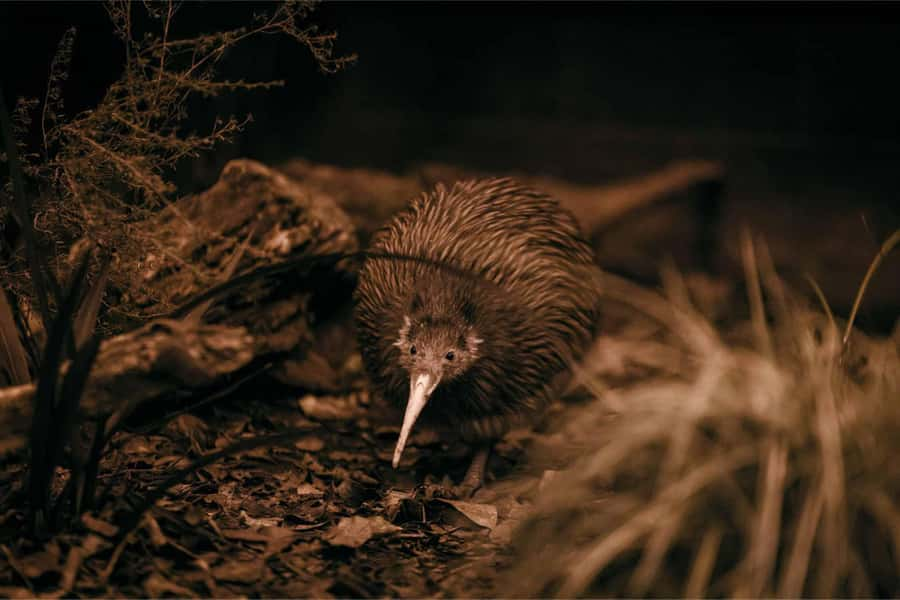
The Kiwi Conservation Centre adds a different kind of interest. The kiwi is nocturnal and famously difficult to see in the wild, so the centre gives you a reasonable chance to view New Zealand’s national bird in a protected setting.
Seeing a kiwi for the first time was a major highlight for several people who enjoyed this activity. The centre had three kiwi birds at the time described in the available information, and the guide explained their role in conservation. Numbers and conditions can change, so treat that detail as a snapshot rather than a guarantee.
Photography of the kiwi is not allowed. That rule can disappoint if you are hoping for a souvenir image, but it also keeps the focus on watching the bird rather than chasing a perfect shot. You should expect a viewing experience, not a photo opportunity.
The centre works well in the middle of this tour because it slows the pace after the open geothermal valley. You move from dramatic steam and eruptions to a quieter encounter with native wildlife. If wildlife is your main reason for booking, remember that the performance and geothermal walk make up most of the experience.
Māori arts at the New Zealand Māori Arts and Crafts Institute
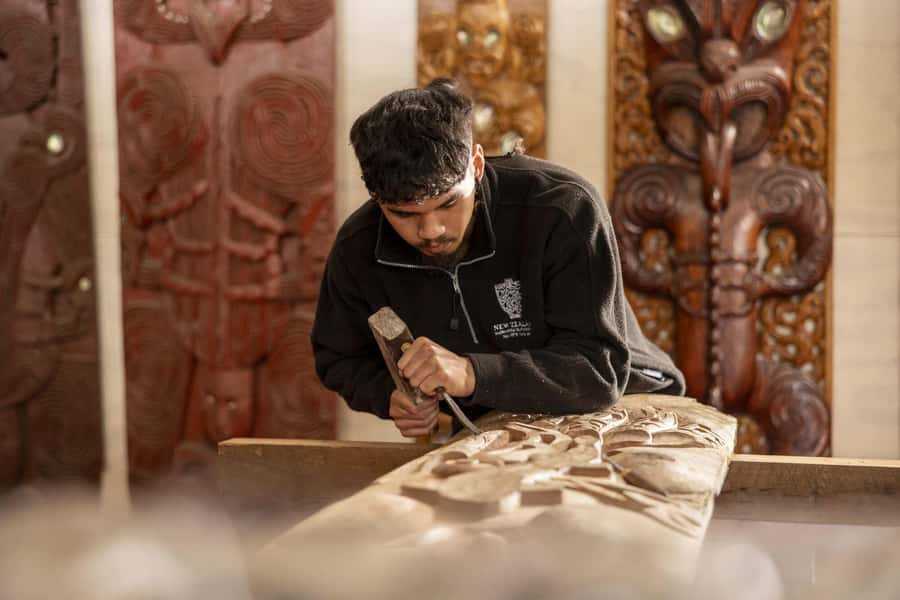
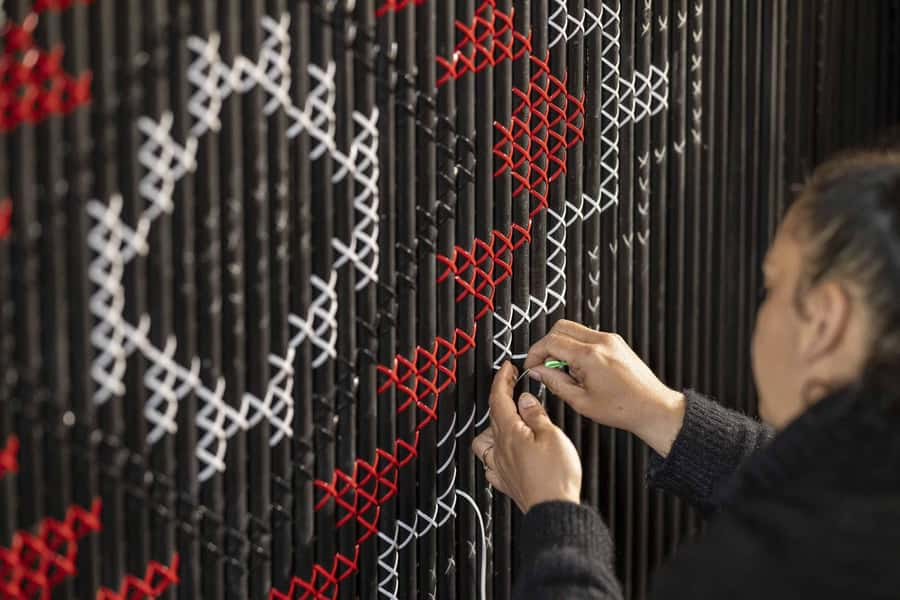
The New Zealand Māori Arts and Crafts Institute gives the tour its strongest link to living cultural practice. You learn about carving in wood and natural stone, along with the work involved in preserving these skills.
This is more useful than seeing finished objects in a shop with no explanation. The institute shows that Māori art is not only decoration. It carries family, community, and cultural meaning, and the guide helps explain why the techniques continue to matter.
The site also connects with the establishment of a Māori school in the 1920s. That history is one of the more striking details included in the visit. It shows how the institute helped protect traditional skills at a time when formal teaching and preservation were important.
Give this part your attention even if the geyser is your main goal. The valley gives you spectacular natural sights, but the institute explains the human work that keeps Māori arts present and practiced. You may also see carving and jewellery made from natural materials.
Inside Te Aronui a Rua for the cultural performance
The 30-minute performance takes place in the carved meeting house Te Aronui a Rua. This is not a background show added at the end of a sightseeing tour. It is the cultural centrepiece, and the change from outdoor walk to indoor performance gives the day a satisfying second act.
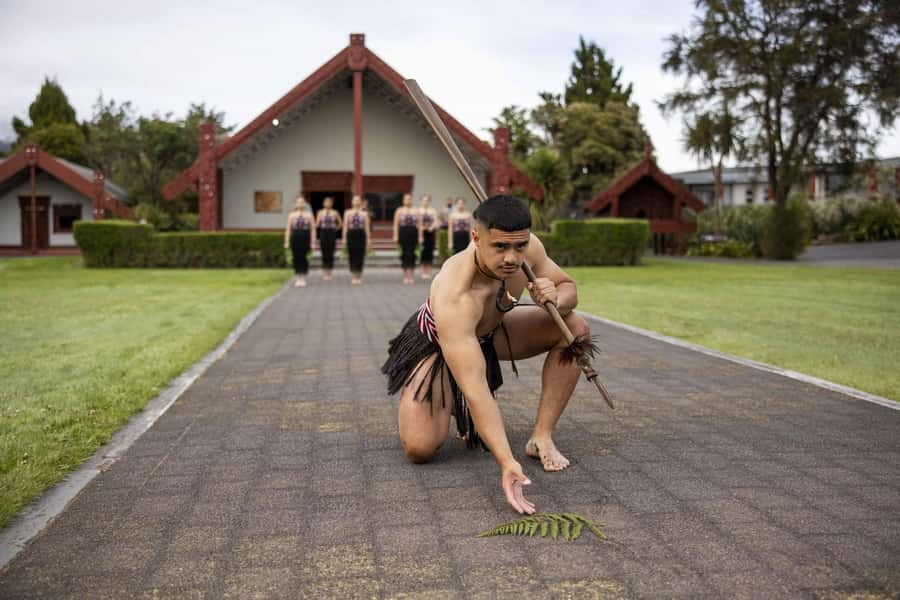
The program includes a pōhiri, or traditional Māori welcome, followed by waiata, traditional song, mōteatea, poi, and haka. You should be prepared for the welcome as a cultural ceremony, not only as theatre. Listen carefully, watch the performers, and follow any instructions given before the performance begins.
The haka is likely to be the most memorable part for many people. It has force, precision, facial expression, rhythm, and a clear sense of purpose. The poi performance offers a different mood and visual style, while the waiata and mōteatea add musical and ceremonial depth.
Your view can depend on where you sit or stand. One person had trouble seeing the welcome because a large family group was positioned in front of the main action. If you care about an unobstructed view, arrive promptly and choose your place thoughtfully rather than assuming every seat offers the same sightline.
The show is suitable for people who want an introduction to Māori performance traditions, but it is still wise to approach it respectfully. Photography is allowed, yet cultural sensitivities apply. Follow the guidance from Te Puia staff, and avoid treating the performance like a loud sporting event.
How the timing affects your day
The official schedule is simple:
- Check in at the main entrance.
- Join the 90-minute guided walk.
- Watch the 30-minute cultural performance.
- Finish back at 20 Hemo Road.
Two hours is long enough to cover the headline sights but short enough to fit into a busy Rotorua day. I like that efficiency, especially if you are also visiting another geothermal area or have an evening meal booked.
The drawback is that the schedule leaves little room for lingering during the guided portion. You cannot stop for as long as you might at every pool, carving display, or wildlife viewing point. If you prefer to set your own pace, ask staff about independent access after the guided program.
A midday start can also affect your meal plans. One person found that a tour running from noon until after 2 p.m. left no time for a hangi lunch. The activity does not include food, so check the start time and plan lunch before or after it.
Is $80 good value?
At $80, this is not the cheapest way to see a geyser in Rotorua. Its value comes from combining several separate interests: geothermal activity, guided interpretation, Māori arts, kiwi conservation, and a cultural performance.
If you paid separately for each type of experience, you would spend more time arranging transport and moving between sites. Te Puia puts them together in one location, with a guide to explain the connections. For a first-time visitor, that makes the price reasonable.
The value is weaker if you only want geothermal scenery. A dedicated geothermal park may give you more freedom to wander and photograph pools at your own speed. It is also less suitable if you dislike group tours or prefer a long, quiet look at each feature.
I would call the $80 price fair for the full package, with the cultural performance doing much of the work. The haka, poi, welcome, and songs are not filler. They are the part that turns a geothermal visit into a broader introduction to Rotorua and Māori culture.
Group size, children, and accessibility
The activity suits adults, families, and anyone making a first visit to Te Puia. Children may enjoy the geyser and kiwi centre, but the guided format requires them to stay with the group and listen. One account found that children in the group caused distractions, so families should prepare younger children for a structured walk rather than a free play session.
Group size is another practical issue. A smaller group would make it easier to ask questions and keep a clear view during the performance. Since the activity is popular, you should expect a shared experience rather than personal guiding.
The accessibility information needs clarification. The activity details describe it as wheelchair accessible, yet the same information says it is not suitable for wheelchair users or people with mobility impairments. Because the route includes a 90-minute outdoor walk, contact Te Puia before booking if you have mobility needs. Do not rely on the general accessibility label alone.
Free cancellation is available up to 24 hours before the start time, and you can reserve now and pay later. Those terms help if your Rotorua schedule is still shifting, but check the exact booking conditions attached to your chosen departure.
Who should book Te Puia’s Te Rā and Haka experience?
I recommend it if you want a balanced introduction to Rotorua in one well-organized visit. It is especially useful for first-time visitors, families with older children, couples, and anyone who wants cultural context instead of a quick photograph beside a geyser.
You should also book it if the haka is high on your New Zealand list. The performance is the emotional high point, while the geothermal walk and kiwi centre give the rest of the visit variety.
You may want a different option if you need a fully accessible route, dislike fixed schedules, want a private guide, or plan to spend several hours photographing geothermal pools. Confirm the mobility arrangements, start time, and any extra independent access before paying.
For most people, the combination is the reason to choose it. You get Pōhutu Geyser, a kiwi viewing area, Māori arts, and a strong cultural performance without turning the day into a complicated series of bookings. If you have two hours and want more than scenery, this is a sensible Rotorua choice.
FAQ
Where does the Te Rā Guided Day Tour and Haka begin?
Check in at the Main Entrance of Te Puia, 20 Hemo Road, Rotorua. The experience finishes back at the same location.
How long does the experience last?
The scheduled experience lasts two hours. It includes a 90-minute guided walk followed by a 30-minute Māori cultural performance.
What does the cultural performance include?
The performance includes a pōhiri, waiata, mōteatea, poi, and haka. It takes place in the carved meeting house Te Aronui a Rua.
Is food included in the $80 price?
No. Food and drinks are not included, so bring water and plan a meal before or after the activity.
Can I take photographs?
Photography is allowed, but you should respect cultural sensitivities and follow staff instructions. Photography of the kiwi is not allowed.
Is the tour wheelchair accessible?
The activity information gives conflicting guidance. It describes the experience as wheelchair accessible but also says it is not suitable for wheelchair users or people with mobility impairments. Contact Te Puia before booking to confirm whether the route meets your needs.
Just added in Rotorua
- Thrilling Riverbug Adventure on the Rangitāiki River★ 5.0 · 4 reviews
- Te Puia: Tuku Iho Trail with Cultural Show★ 5.0 · 5 reviews
- Te Puia: Te Pō Indigenous Combo – Tour, Dinner + Haka★ 4.4 · 52 reviews
- Tauranga: Wai-o-Tapu with Redwood Forest Walk or Forest Spa★ 5.0 · 4 reviews
- Taupo: Orakei Korako Geothermal Park and Cave Entry Ticket★ 4.6 · 158 reviews
- Rotorua: White Island, Mount Tarawera & Waimangu Volcanic …★ 4.4 · 5 reviews
- Rotorua: Wai Ariki Hot Springs & Spa 1hr Restorative Bathing★ 4.8 · 16 reviews
- Rotorua: Velocity Valley – One Ride Pass★ 4.9 · 15 reviews
Maori Cultural Experiences, compared.
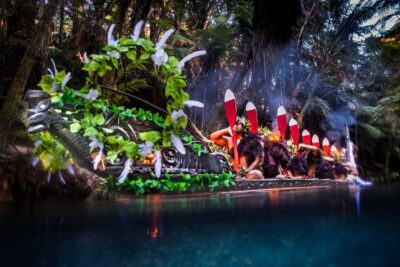
Mitai Maori Village: Cultural Experience and Dinner Buffet
Read our review →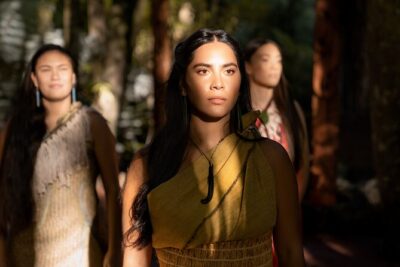
Cultural Experience & Seasonal Māori Cuisine at Te Pā Tū
Read our review →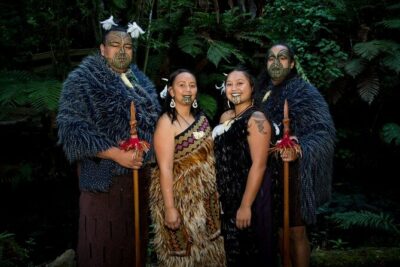
Mitai Maori Village Cultural Experience in Rotorua
Read our review →
Lake Taupo: Classical Sailing to the Māori Rock Carvings
Read our review →
Te Pa Tu Māori Cultural Experience with Dinner
Read our review →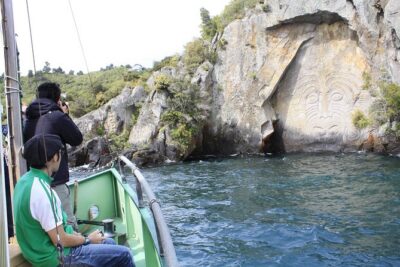
Lake Taupō Māori Rock Carvings Scenic Cruise aboard Ernest Kemp
Read our review →
Waitomo Caves & Rotorua – Te Puia Small-Group Tour from Auckland
Read our review →
Lake Taupo: Maori Rock Carvings 10.30 AM 1.5-Hour Cruise
Read our review →Browse the lists this tour appears in