
Reviewed · WILDLIFE
Otago Peninsula In-Depth Tour & Blue Penguins Pukekura Experience
At dusk, tiny little blue penguins emerge from the sea and waddle past the viewing platform at Pukekura, sometimes just metres away. That close, wild encounter is the heart of this five-hour Otago Peninsula tour, but the penguins are only the finale.
I like the small van group, capped at 11 people, and the way guides such as Jonathan, Danni, James, and Sian explain the peninsula’s birds, geology, Māori connections, and human past along the road. I also like that this is a real reserve run by a charitable trust, not a staged animal show.
The main drawback is timing. The penguins arrive after dark, so you may return to Dunedin around 11:30 p.m., and the coast can feel very cold while you wait. Bring proper warm clothing and expect a late evening.
Key points before you book
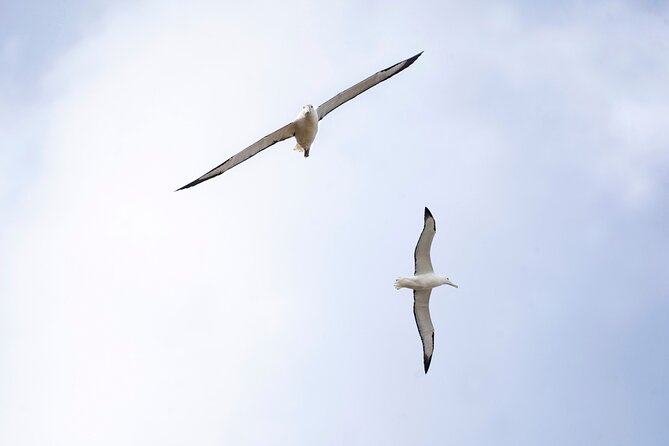
- Little blue penguins pass close to the platform: You watch wild penguins come ashore and walk toward their burrows.
- A small group handles the peninsula tour: The van carries no more than 11 people, giving you a better chance to ask questions and see roadside wildlife.
- The penguin viewing group is larger: Up to 75 people may join the viewing portion at Pukekura.
- The route covers much more than penguins: Expect explanations of geology, botany, Māori culture, local history, and birdlife.
- Cold and darkness are part of the experience: You need to manage stairs and about 300 metres of unaided walking.
- The tour offers wildlife protection with some booking reassurance: If fewer than five penguins are seen, a 30 percent refund is offered for bookings made through this channel.
Why the penguins are worth the late finish
The little blue penguin, also called the blue penguin, is the world’s smallest penguin. At Pukekura, you watch it return from the sea at the end of the day, often in small groups, then hurry across the beach and along the reserve toward its burrow.
This is not a penguin enclosure where birds are brought out on a schedule. The penguins decide when to come ashore. Some evenings they appear promptly. On others, you wait longer. That uncertainty is part of seeing a wild colony, though it can test your patience if you are tired or cold.
The viewing platform is designed to bring you close without placing you in the penguins’ path. You can take photographs, but flash is not allowed. Keep your camera ready, since the birds may pass quickly and the light will be low.
The experience is carefully managed by Blue Penguins Pukekura, a charitable trust focused on protecting the reserve and the peninsula’s largest penguin colony. That conservation purpose gives the evening more meaning than a simple wildlife photo stop. You are watching an active colony while following rules intended to keep the birds comfortable.
The penguins are the strongest reason to choose this tour, but you should not book it expecting a guaranteed number. The operator offers a 30 percent refund if fewer than five penguins are seen through this booking channel. Direct bookings may carry a different refund level, so check the terms before paying.
More wildlife in Dunedin:
- Dunedin: Wildlife and Penguin Tour
★ 4.6 · 239 reviews - Oamaru: Penguins Evening Viewing Ticket
★ 4.5 · 682 reviews
A small van from Dunedin to the peninsula
The tour begins at the Dunedin i-SITE Visitor Information Centre at 50 The Octagon. Pickup is offered, and the tour uses a small vehicle with a maximum of 11 people. That limit matters on a route with narrow roads, viewpoints, and plenty of passing commentary.
The first part of the drive takes about 30 minutes, including pickup time. You pass some of Dunedin’s notable buildings before heading toward the Otago Peninsula. This gives you a quick introduction to the city before the road opens into coastal scenery.
The guides do more than point out landmarks. Jonathan, Danni, James, Sian, and other members of the team are praised for explaining what you are seeing as the van moves along. They cover natural history, local stories, Māori mythology, birds, and the human history of the area.
I like this approach because you are not simply being driven to a penguin site. You get context first. By the time you reach Taiaroa Head, you have a better sense of why the peninsula supports so many different habitats and why it matters to both people and wildlife.
If you are prone to motion sickness, the winding roads may be worth considering. One visitor was able to sit in the front of the van to help with this, but seating arrangements are not guaranteed. Ask the guide early if you need a particular seat.
The Otago Peninsula tour explains what you are seeing
The main peninsula portion lasts about 1 hour and 45 minutes. This is where the tour earns its in-depth label.
The guide discusses the area’s geology, including how the peninsula was formed and why its cliffs and coastal features look the way they do. You also hear about plants, birds, marine life, Māori culture, and the settlement history of the region.
That mix is useful because wildlife makes more sense when you understand the ground beneath it. The same coast that creates dramatic viewpoints also provides feeding areas and nesting sites. The guide connects those subjects as you drive, rather than treating each one as an isolated fact.
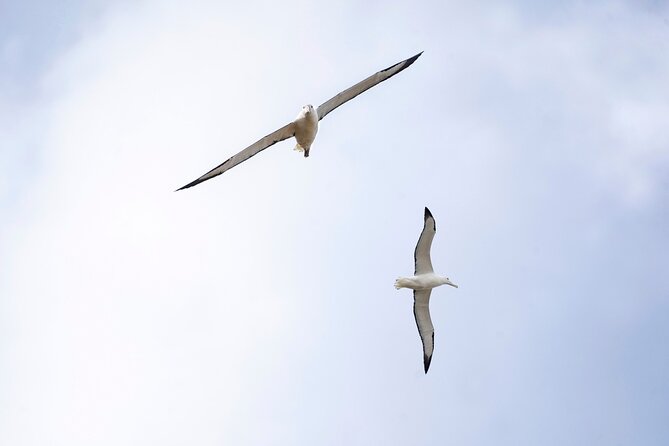
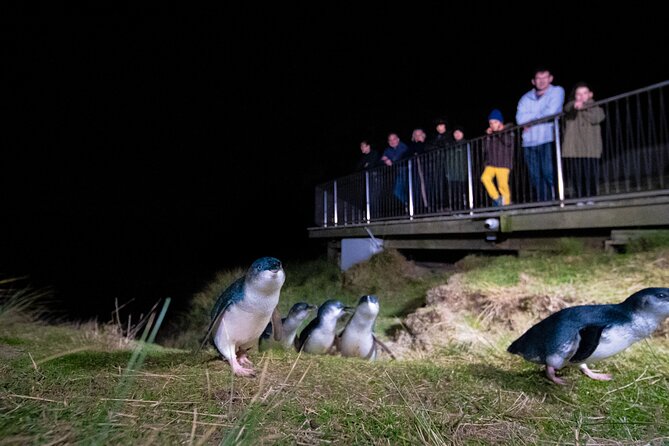
You may stop at viewpoints or pause when the guide spots something worth seeing. Albatross can be visible flying overhead, and seals may be seen near Pukekura. Other birds are often pointed out along the route. These sightings are seasonal and depend on weather, wind, and animal behavior, so the tour cannot promise every species.
That uncertainty is worth accepting. On one rainy outing, the lack of wind meant no albatross were seen, yet the penguin viewing was excellent. On another day, albatross were spotted along with several other birds. The route gives you a good chance to see wildlife, but it is not a checklist excursion.
The guide’s role is especially valuable here. If you drove the peninsula alone, you might pass the same birds, viewpoints, or historic details without recognizing them. The small group also makes it easier to stop, listen, and ask questions than it would be on a large coach.
Taiaroa Head and Pukekura add cultural weight
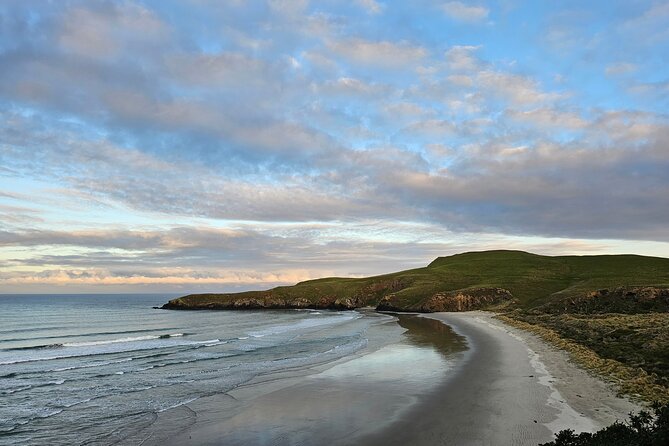
Taiaroa Head sits at the end of the Otago Peninsula. The site is known as Pukekura and has major significance to Māori, as well as importance as a wildlife reserve.
The guide leads you to cliff viewing locations, where you may look for seals and albatross before the penguin program begins. The cliffs and open sea also make this the most exposed part of the trip, so windproof clothing is useful even if the afternoon felt mild in Dunedin.
This section helps you understand that Pukekura is not simply a convenient place to see cute animals. It is a place with cultural meaning and a working conservation purpose. The best guides bring those threads together without turning the outing into a lecture.
You may also have time to look around the visitor displays before the evening viewing. The indoor area can help fill the waiting period, though you should not count on having unlimited time for every display, shop, or exhibit. The key event remains the penguins coming ashore.
What the blue penguin viewing is really like
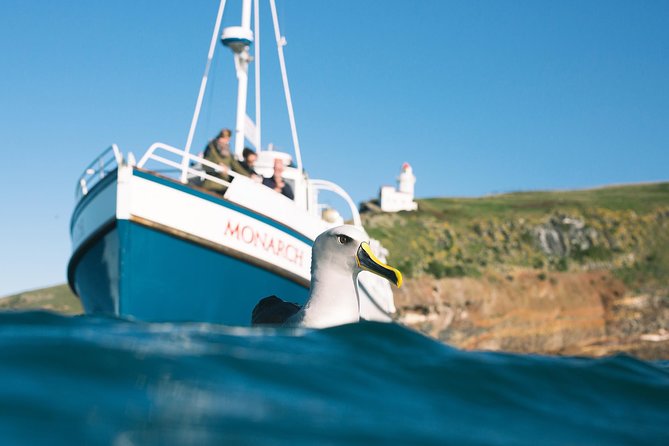
After the peninsula tour, you join other visitors for the Blue Penguins Pukekura Experience. The overall shared group can reach 75 people, which is much larger than the 11-person van group. That difference is important if you are booking because you want a private wildlife encounter.
Even with the larger viewing group, the platform is arranged so people can see the penguins as they leave the beach and head toward their burrows. The birds may pass only a few metres away. You are close enough to watch their waddling gait, hear their calls, and see how small they really are.
The wait can be part of the fun, but it can also be the least comfortable portion. The penguins come ashore after dark, and the temperature drops. Bring a warm jacket, hat, and layers. An umbrella is not allowed on the platform because it could create an eye hazard for other people.
Photography is allowed without flash. A phone or camera with a night setting may help, but no camera can guarantee sharp images in low light. I would treat photos as a bonus and give your attention to the colony itself.
The penguins may arrive late. That does not mean the evening has failed. The guides can use the waiting time to explain the colony, the birds’ daily routine, and the reserve’s conservation work. If you need an early night, this is probably not the right activity.
The return to Dunedin is late but handled for you
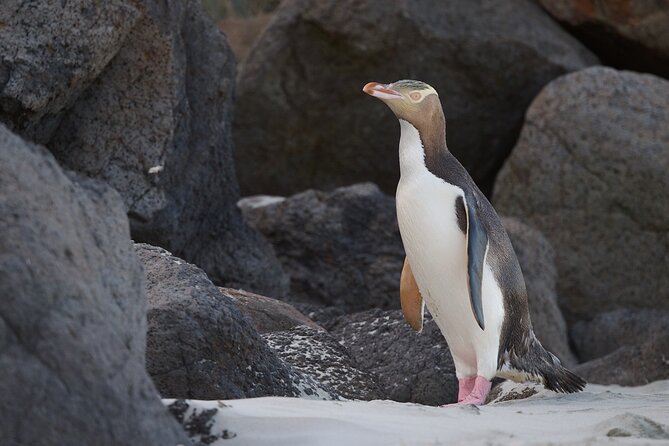
The return drive takes about 45 minutes. Depending on drop-offs, the vehicle may use Portobello Road or Castlewood Road, including a possible drop-off at Larnach Castle.
Several accounts describe hotel or motel drop-off after the penguin viewing, and pickup is offered for the tour. Confirm the exact pickup and return arrangements when booking, especially if you are staying outside central Dunedin.
A late return is one of the tour’s practical costs. Some outings finish around 11:30 p.m. You will be in a vehicle rather than driving the peninsula’s winding roads in the dark, which is a real benefit. The guide can also continue pointing out details on the way back, though you may be ready for sleep by then.
Price and value at $102.39
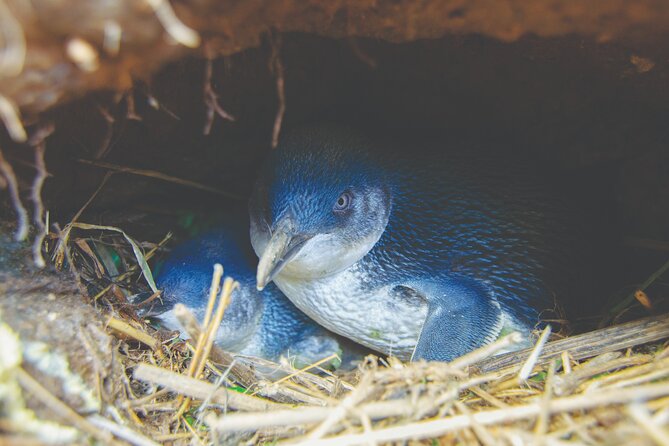
At $102.39 per person, this is not the cheapest way to visit the Otago Peninsula. It is also not merely an admission ticket to a penguin viewing platform.
Your price covers roughly five hours, transport from Dunedin, a guided tour of the peninsula, wildlife interpretation, viewpoint stops, the Pukekura visit, and the blue penguin viewing experience. You are paying for both access and the time of guides who know how to read the area.
The small group is a strong part of the value. A maximum of 11 people means a quieter van, easier conversation, and a better chance of hearing the guide. The shared penguin portion means the experience is not fully private, but the animals and reserve are the reason for the larger arrangement.
I think the price makes the most sense if you do not have a car, do not want to drive after dark, or want the peninsula explained rather than simply crossed. It is also useful for a short Dunedin stay because it combines several subjects into one evening.
If you already plan to spend a full day on the peninsula and visit several sites independently, the added tour time may be less valuable. In that case, decide if the guided interpretation and organized penguin viewing justify the extra cost.
Who will enjoy this tour most

I would recommend this experience to anyone who puts wildlife first but also wants to understand the place around it. It suits solo visitors particularly well because pickup, transport, and the small group make the evening easy to manage. Guides also make a difference if you are new to New Zealand’s birds, Māori stories, or local geography.
It works for families with older children. Children must be at least six years old, and the vehicles do not carry small child restraints. The walking route requires about 300 metres of unaided walking and roughly 60 stairs to the viewing platform, so this is not suitable for very young children or anyone who cannot manage stairs.
You should also be comfortable spending much of the outing outdoors. There is no umbrella use on the platform, and the cold after dark can be serious. Pack more warmth than you think you need.
This tour is less suitable if you want a quick, guaranteed wildlife encounter or need to be back early. The penguins are wild, the timing is not exact, and the return can be late. Those are not flaws in the reserve, but they are important planning facts.
Practical details that improve the evening
Wear warm layers, a proper jacket, and a hat. After sunset, the exposed coast can feel far colder than central Dunedin.
Wear shoes suitable for walking and stairs. The distance is not long, but the platform access includes about 60 stairs.
Keep your camera ready without using flash. The penguins can appear suddenly, and low light will make photography harder than daytime sightseeing.
If you are sensitive to motion sickness, tell the guide at the start. The route includes winding roads, and one visitor found a front seat helpful.
Allow the full five hours, and possibly a late return. Do not schedule an early morning activity immediately afterward unless you are comfortable with a short night.
Book ahead during busy periods. The experience has been booked repeatedly, and the van holds only 11 people, even though the penguin viewing group is larger.
Should you book the Otago Peninsula penguin tour?
Book it if you want a guided introduction to Dunedin’s peninsula followed by a close look at wild little blue penguins. The strongest parts are the small van, the guides’ broad knowledge of birds and local history, the scenic stops, and the chance to see penguins walk past at close range.
Skip it if you dislike cold evenings, stairs, waiting, or late returns. Also skip it if you need a guaranteed animal count or a private viewing group.
For most wildlife-focused visitors, the combination is hard to beat: a thoughtful tour of the Otago Peninsula first, then an evening spent watching the world’s smallest penguin come home. Just dress warmly and let the penguins keep their own schedule.
FAQ
Where does the tour begin?
The main meeting point is the Dunedin i-SITE Visitor Information Centre at 50 The Octagon, Central Dunedin. Pickup is offered, and exact arrangements should be confirmed when booking.
How long does the experience last?
The full experience lasts approximately five hours. Some outings return to Dunedin around 11:30 p.m. because the penguins come ashore after dark.
How many people are in the tour group?
The vehicle carries a maximum of 11 people. The Blue Penguins Pukekura viewing experience is shared with other visitors, with up to 75 people joining that portion.
What age must children be to participate?
Children must be at least six years old. The vehicles do not carry small child restraints.
Can I take photographs?
Yes. Photography is allowed during the penguin viewing, but flash photography is not permitted.
What happens if fewer than five penguins are seen?
A 30 percent refund is offered for bookings made through this channel if fewer than five penguins are seen. If poor weather cancels the activity, you can choose another date or receive a full refund.
Just added in Dunedin
- Dunedin: Speight’s Brewery Guided Tour with Tasting★ 4.8 · 170 reviews
- Dunedin: Wildlife and Penguin Tour★ 4.6 · 239 reviews
Wildlife, compared.
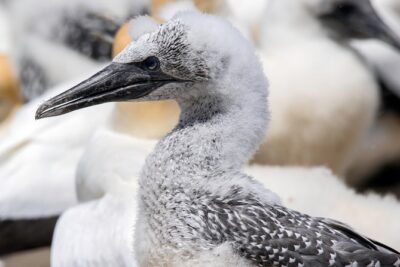
Gannet Safaris Overland tour to Cape Kidnappers Gannet Colony
Read our review →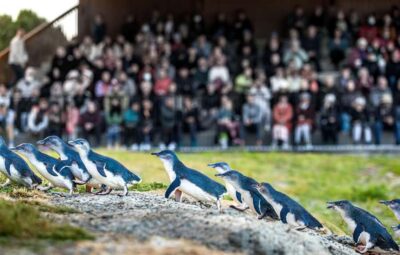
Clearwater Wildlife Tours (small group 10max) Otago Peninsula
Read our review →
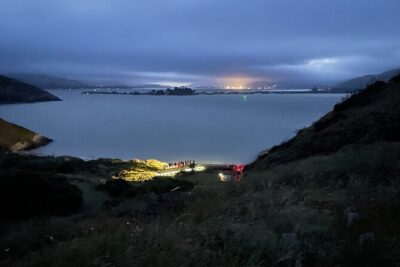
Guided Evening Penguin Viewing Otago Peninsula, Dunedin, New Zealand
Read our review →
Browse the lists this tour appears in