
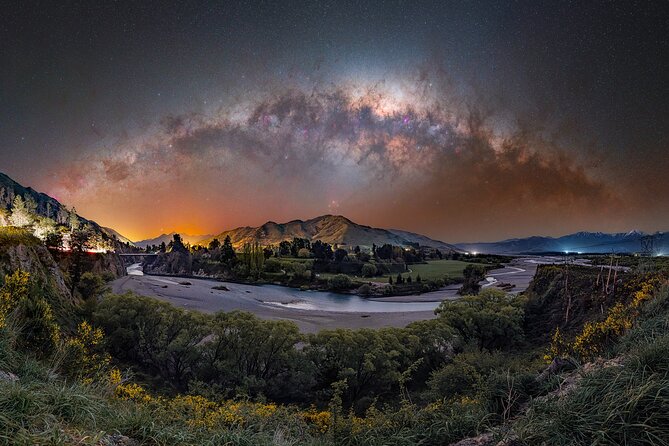
Reviewed · TOURS IN CHRISTCHURCH
Hanmer Springs Star Tours at Manuka Skies
Manuka Skies takes you beyond the town lights into a native-forest stargazing sanctuary, where the sound of a spring-fed stream and the call of a Morepork owl accompany your tour of the southern sky. You begin with the naked eye, then move to telescopes and astro binoculars.
I especially like the mix of astronomy and conservation. I also like the small group limit of 10 people, which gives the guide room to explain what you are seeing instead of rushing everyone through a telescope. The main catch is weather: cloudy skies can cancel the evening, and you may need to keep another night free.
Key points at a glance
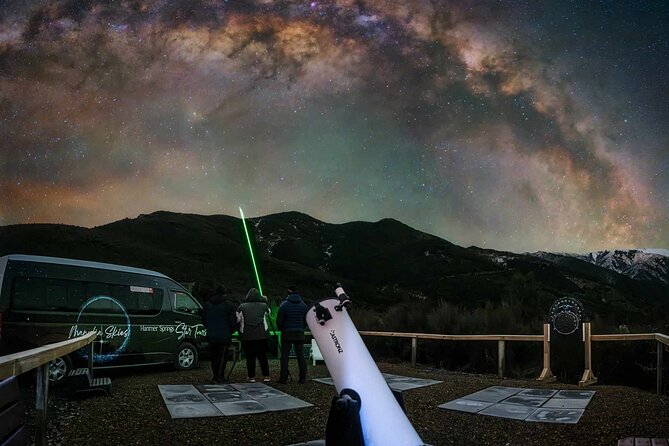
- Low-light setting outside Hanmer Springs: Manuka Skies offers a darker sky than the town center, surrounded by native forest and wildlife.
- A clear progression through the sky: Start with stars and constellations, then use a guided Celestron telescope, manual telescopes, and astro binoculars.
- Southern Hemisphere highlights: Learn to find the Southern Cross and use the night sky for basic navigation.
- A calm natural setting: A spring-fed stream runs nearby, and Morepork owls nest in the area.
- Small groups matter: The maximum group size is 10, a useful limit for telescope time and questions.
- Weather affects the plan: You can receive a full refund or move to another date if poor conditions cancel the tour.
Leaving Hanmer Springs for a darker sky
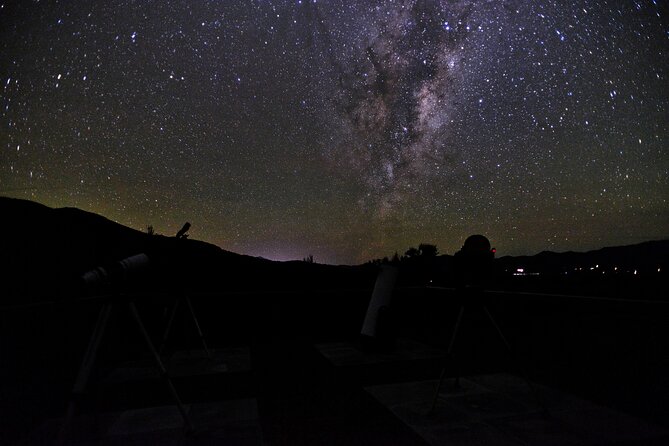
The experience begins in Hanmer Springs, with pickup offered from the town. From there, you head into the surrounding hills toward Manuka Skies. That short transfer matters because the quality of a stargazing night depends heavily on light pollution. A darker setting lets you see more stars with your own eyes before any telescope is used.
This is not an observatory in a city building. Manuka Skies is part of a forested sanctuary, with the night sky connected to the land below it. The setting gives the evening a slower, more natural feel. You are not simply looking upward at a display. You are listening to water moving down the mountain, watching for wildlife, and learning why the site is cared for as a sanctuary.
Manuka Skies acts as Kaitiaki, meaning guardian or caretaker of the place. That idea shapes the experience. The aim is to reconnect the sky with the forest rather than treat astronomy as a stand-alone attraction. You should expect a quiet outdoor setting, not a bright entertainment venue.
The exact conditions on arrival will depend on the season and weather. Dress for being outdoors at night, and think about comfort as much as appearance. A beautiful rural location can also feel cold once the sun has gone down. The supplied information does not list clothing or equipment requirements, so you should check those details when booking if you are unsure.
Other trips people book in Christchurch:
- Christchurch Hop-On Hop-Off Tram
★ 4.5 · 841 reviews - Christchurch Gondola and Tram City Tour Combo
★ 4.5 · 725 reviews - Christchurch: Hop-On Hop-Off Tour by Vintage Tram
★ 4.6 · 717 reviews
Starting with the Southern Cross and the naked eye
The first part of the tour uses no telescope at all. Your guide introduces different stars and constellations, including the Southern Cross, and helps you learn how to find your way around the southern sky.
This opening is important. A telescope can show you something impressive, but it is easier to appreciate the view once you understand where you are looking. The naked-eye session gives you a simple map before the more detailed viewing begins.
The Southern Cross is especially useful for visitors from the Northern Hemisphere or anyone not used to New Zealand’s night sky. It is one of the best-known southern constellations, but recognizing it in a real sky is different from seeing it on a map. Your guide can help you connect the points of light and understand how the constellation fits into the wider sky.
The session also gives you time to adjust to the darkness. Your eyes need time to become comfortable with a low-light setting. If you arrive expecting the main event to begin the instant you step out of the vehicle, you may miss the value of this quieter introduction.
Guide Brent is named in connection with the tour, and the experience is built around explanation rather than simply pointing a telescope at an object. That makes the evening a good fit if you want to learn basic sky orientation, not just take a quick look through a lens.
The Celestron telescope and far-off targets
After the naked-eye introduction, the tour moves to a Celestron electronically guided telescope. This is the main tool for viewing objects that cannot be seen clearly with your unaided eyes.
The examples provided include the Omega Cluster and the Sombrero Galaxy. These targets show why a guided telescope adds real value. A cluster can appear as a concentrated group of stars, while a distant galaxy gives you a sense of the enormous scale beyond our own part of space. What you see on a particular night depends on the weather and what is visible from the site at that time.
An electronically guided telescope also helps the guide locate and follow targets. That can save time compared with searching manually, especially during a two-hour visit. Instead of spending the whole evening trying to find one object, you can move through several parts of the sky.
Still, you should keep your expectations sensible. A telescope view is not the same as a colorful space photograph. Some objects may appear faint or small, and clouds or haze can limit what is possible. The value is in seeing a real object through the instrument and understanding what it is, not in expecting a screen-like image.
The small group cap helps here. With no more than 10 people, the guide can explain each target and give everyone a fair chance to look. A larger crowd would make telescope time feel more hurried. This limit is one of the strongest practical reasons the $80.05 price can make sense.
Manual telescopes for a freer look
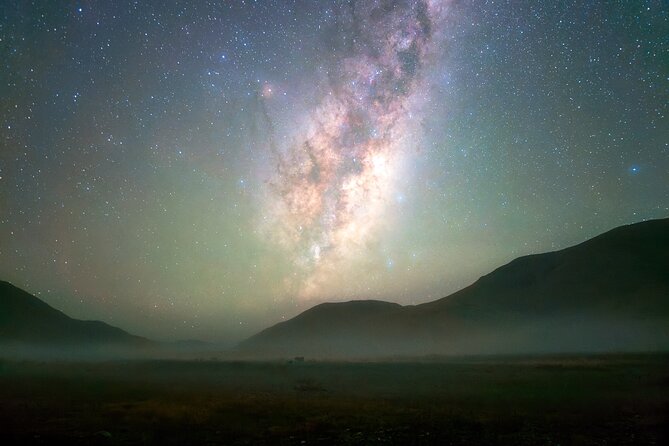
Manuka Skies also provides manual telescopes. These offer a different experience from the electronically guided Celestron scope.
The guided telescope is useful when the guide wants to locate particular deep-sky objects efficiently. Manual telescopes give you more freedom to explore. You can look around the sky without following only a fixed sequence of targets.
That difference suits curious visitors who want to compare objects or learn how a telescope works. It also gives the evening a more hands-on quality. You are not only waiting for a preset view. You can take part in finding your own section of the sky.
The manual setup may require more patience. An electronically guided scope does much of the locating work, while a manual instrument leaves more of that process to the person using it. If you want quick, polished views, the Celestron will likely be the easier part. If you enjoy learning by trying, the manual telescopes add useful variety.
This is also where the guide’s role matters most. Clear instruction can turn a manual telescope from a confusing piece of equipment into an enjoyable way to understand the sky. With the group limited to 10, you have a better chance to ask for help and try again.
Same base, a different kind of day:
- Christchurch: Tram, Punt and Gondola Ride Combo Ticket
★ 4.7 · 608 reviews - International Antarctic Centre General Admission Ticket
★ 4.5 · 484 reviews - Waipara Wine Tour from Christchurch – including Lunch & Tastings
★ 4.5 · 462 reviews - TranzAlpine Train, Arthur’s Pass and Castle Hill Day Trip
★ 5.0 · 426 reviews
Astro binoculars, lounges, and a slower pace

The tour’s astro binoculars provide yet another way to look upward. They are used with lounges, allowing you to lie back and scan the sky in a relaxed position.
This may sound like a small feature, but it changes the physical experience. Telescope viewing often means standing, taking turns, and concentrating on one target. Reclining with binoculars lets you look across a wider area and spend longer simply watching the sky.
The binoculars work with an interactive star finder. You can test your ability to identify and navigate between objects rather than relying completely on the guide. That turns the final part of the evening into a practical exercise.
I like this variety because no single viewing method suits everyone. Some people want a specific galaxy through a powerful telescope. Others prefer to lie back and take in the broader sky. Families and mixed-age groups may find the binocular setup especially useful because it offers something different from a technical telescope session.
There is also a useful change in pace. After the detailed discussion of stars and distant objects, the lounges encourage you to slow down. The experience is not only about collecting names. It is also about becoming comfortable under a dark sky.
Forest, water, and Morepork owls
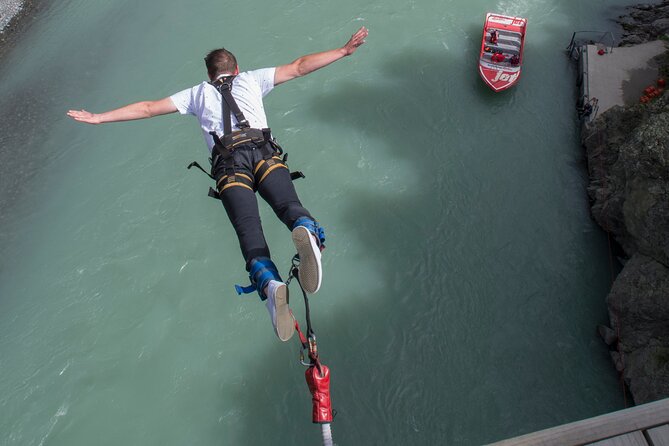
The natural setting is one of the strongest parts of Manuka Skies. Native forest surrounds the site, and a spring-fed stream flows down the mountain nearby.
The stream gives you a steady sound during quiet moments. That helps distinguish this from a standard roadside viewing point. You may also hear Morepork owls, native owls that nest in the area. Hearing them is possible, but wildlife is never guaranteed, so treat it as an added chance rather than a scheduled part of the tour.
This setting adds meaning to the Kaitiaki idea. The site is presented as a sanctuary for astronomy and wildlife, not simply a convenient place with fewer lights. You can enjoy the stars while also paying attention to the forest and the sounds around you.
The balance is worth noting. A natural site can be more atmospheric than a purpose-built indoor venue, but it may also involve uneven outdoor conditions and cooler temperatures. The supplied information does not provide a detailed surface description or accessibility statement. If you have mobility concerns, ask the provider before booking.
What two hours feels like
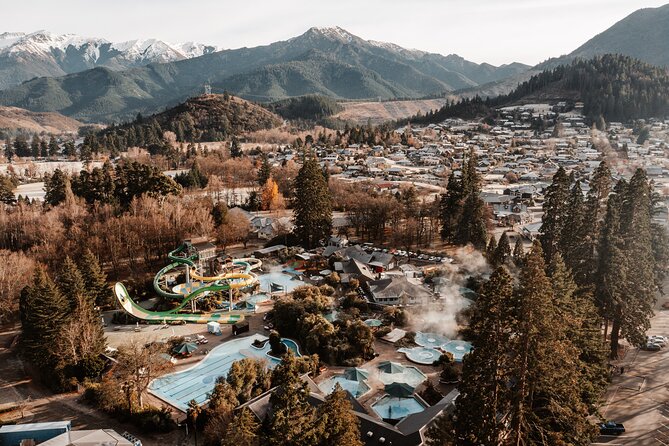
The tour lasts about two hours. That is long enough for a proper introduction, several telescope views, and time with the binoculars without turning the evening into an all-night commitment.
The sequence has a sensible shape:
- You travel from Hanmer Springs to Manuka Skies.
- The guide introduces the naked-eye sky and major constellations.
- You learn about the Southern Cross and basic night-sky navigation.
- The Celestron telescope brings distant objects into view.
- Manual telescopes offer a freer way to explore.
- Astro binoculars and lounges provide a relaxed final viewing option.
The order may vary with cloud, visibility, and what is available in the sky. That flexibility is necessary. Astronomy cannot be run like a museum timetable, and the guide may need to adjust the plan around conditions.
Two hours should suit most people who want a focused evening. If you already spend a lot of time on amateur astronomy, you may want a longer or more technical session than this. For a first introduction, the length is more approachable.
Is $80.05 good value?
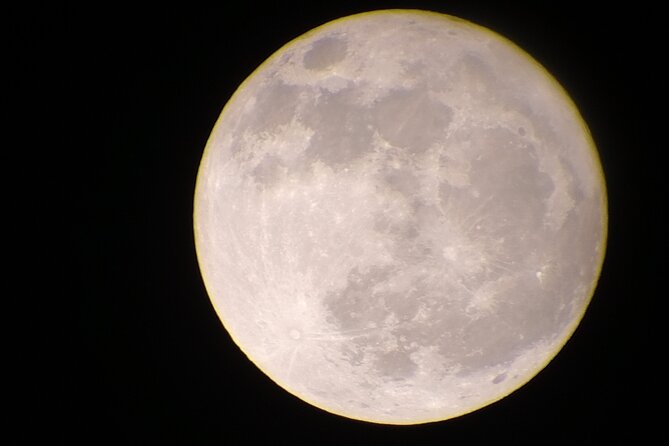
At $80.05 per person, this is not a casual free look at the sky. You are paying for transport availability, a guide-led session, a low-light rural site, several types of equipment, and a small group capped at 10.
I think the price is easier to justify if you value the full setting rather than only telescope access. The spring-fed stream, forest, wildlife focus, and guided explanation make this more than a quick stop at a viewing platform. The Celestron telescope is also paired with manual scopes, astro binoculars, lounges, and a star finder, so the evening does not depend on one piece of equipment.
Value depends heavily on weather. A clear night can make the price feel reasonable, while a cancellation means you need to rearrange your plans. The good news is that poor weather brings the choice of another date or a full refund.
The small group is another value point. A cheaper activity with a large crowd may give you less time at the telescope and fewer chances to ask questions. Here, the group limit suggests a more personal format, although actual time at each instrument will still depend on the number of people booked.
Who should book this evening?
I would recommend Manuka Skies to first-time stargazers, couples, families, and visitors who want a calm outdoor activity after spending time in Hanmer Springs. It suits you if you like learning a little science while enjoying a quiet natural setting.
It is also a good choice if the Southern Hemisphere sky is new to you. The Southern Cross and the basic navigation lesson give the evening a clear purpose, rather than leaving you to guess at random points of light.
You may want to think twice if your schedule is fixed to one night only. Poor weather can cancel the experience, and a cloudy sky limits the main attraction. It may also be less suitable if you want a highly technical astronomy course or a long session focused only on advanced telescope work.
Book early if your dates are limited. The activity is booked an average of 44 days ahead, which suggests that planning matters, especially during busy periods. Confirmation is provided when you book, and most people can participate.
Weather, refunds, and practical planning
Good weather is required. If the provider cancels because conditions are poor, you can choose another date or receive a full refund.
You can cancel for a full refund up to 24 hours before the experience begins. Cancellations or changes made within 24 hours are not refunded or accepted, and the cut-off follows local time.
Pickup is offered, while the stated starting point is Hanmer Springs, New Zealand. The booking includes a mobile ticket, and confirmation arrives at the time of booking.
Because the activity takes place outdoors at night, check the forecast before you leave town and avoid filling your schedule so tightly that you cannot move the booking if needed. The weather policy is fair, but it cannot create stars through cloud.
Should you book Hanmer Springs Star Tours?
Book it if you want more than a telescope view. Manuka Skies combines southern-sky instruction, guided and manual instruments, relaxed binocular viewing, and a forest sanctuary with its own stream and birdlife.
The strongest reasons to go are the small group size, the variety of equipment, and the setting away from town lights. The main reason to hesitate is the weather risk, especially if your Hanmer Springs stay is brief.
If you have two hours, a flexible evening, and an interest in seeing the sky as part of the natural world, this is a thoughtful choice. If you need a guaranteed indoor attraction or a fixed schedule, keep the weather policy in mind before paying.
FAQ
Where does the stargazing tour begin?
The stated starting point is Hanmer Springs, New Zealand. Pickup is offered.
How long does the experience last?
The experience lasts about two hours.
How much does the tour cost?
The listed price is $80.05 per person.
How many people can join the tour?
The activity has a maximum group size of 10 people.
What can I see with the naked eye?
The guide discusses stars and constellations, including the Southern Cross, and teaches basic night-sky navigation.
What telescopes are available?
The experience includes a Celestron electronically guided telescope and a range of manual telescopes.
Are binoculars included?
Yes. Astro binoculars are available, along with lounges and an interactive star finder.
What happens if poor weather cancels the tour?
You can choose a different date or receive a full refund if the experience is canceled because of poor weather.
Can I cancel for a full refund?
Yes. You can cancel at least 24 hours before the start time for a full refund. Changes or cancellations made less than 24 hours before the start time are not accepted or refunded.
Just added in Christchurch
- Amuri Jet Adventures – Hanmer Springs Quad Biking tour★ 5.0 · 49 reviews
- Waipara Valley Winery Tour Wine Tastings and Scenic Views★ 5.0 · 5 reviews
- Wine trail and Christchurch City – Luxury, Small Group Tour★ 5.0 · 15 reviews
- Willowbank Wildlife Reserve Day Entry★ 4.5 · 94 reviews
- Waimakariri River Jet Boating from Christchurch★ 4.0 · 9 reviews
- Arthur’s Pass Tour From Christchurch With Jet Boat & TranzAlpine★ 5.0 · 8 reviews
- Southern Alps Scenic★ 5.0 · 8 reviews
- Tranz Alpine Train Tour★ 5.0 · 92 reviews
Tours in Christchurch, compared.
International Antarctic Centre General Admission Ticket
Read our review →
Waipara Wine Tour from Christchurch – including Lunch & Tastings
Read our review →
TranzAlpine Train, Arthur’s Pass and Castle Hill Day Trip
Read our review →
Browse the lists this tour appears in