
Reviewed · WILDLIFE
Willowbank Wildlife Reserve Day Entry
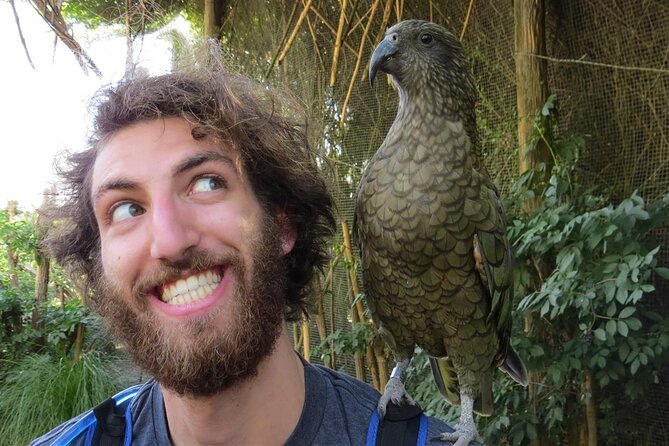
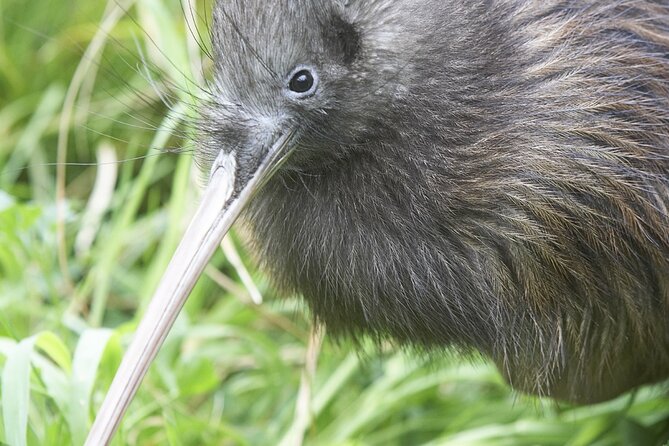
The main reason to come here is simple: you are guaranteed to see a kiwi. The kiwi house recreates nighttime conditions, so you will need quiet feet and patient eyes, but this gives you a far better chance than searching for one in the wild. You can also see native species such as kea, kaka, takahe, tuatara, and other New Zealand wildlife in one easy stop.
I like the freedom to move at your own pace, and I like the mix of hands-on farm animals with rarer native species. You can feed some animals, pat sheep and alpaca, and watch capybara, lemurs, wallabies, and monkeys. The main consideration is that the kiwi house is genuinely dark, and some paths are gravel with limited signage.
Key points to know before you go
- Guaranteed kiwi viewing: The kiwi house is dark, but a sighting is included with admission.
- A flexible Christchurch stop: Plan on roughly 1 to 3 hours, with no fixed tour group pacing you.
- Close to the airport: Willowbank works well on an arrival day, departure day, or as part of a city outing.
- Hands-on animal encounters: You can feed some animals and pat selected farm animals, with deer known to approach eagerly for food.
- Good for families: Children have animals to interact with, plus places to climb, explore, and learn.
- Bring patience for the kiwi house: The birds are nocturnal, quiet, and easier to spot after your eyes adjust.
A Kiwi Sighting Without a Nighttime Search
New Zealand’s kiwi is one of the country’s most famous animals, but seeing one in nature is difficult. These birds are nocturnal, shy, and usually found in protected areas rather than beside busy sightseeing routes. Willowbank solves that problem with a dedicated kiwi house and a guaranteed viewing.
That guarantee matters. You do not need to book a late-night forest walk or hope that a dark shape crosses a trail. Instead, you enter a purpose-built nighttime setting during the day. The room is dark because kiwi are active after sunset, and the low light helps keep their normal rhythm.
You may need to wait quietly near the viewing areas. One visitor only spotted a kiwi after another person pointed it out, and that is useful advice. Do not rush through the room. Let your eyes adjust, listen for movement, and scan slowly near the edges of the enclosure.
The dark room may not suit everyone. If you have trouble adjusting to low light, you could miss a bird that is standing only a short distance away. The experience is still worthwhile, but it rewards patience rather than a quick glance.
More wildlife in Christchurch:
- Christchurch: Orana Wildlife Park Admission
★ 4.5 · 119 reviews - Uniquely Kiwi Landsailing Adventure
★ 5.0 · 66 reviews - Akaroa: Scenic Coastline Wildlife Cruise
★ 5.0 · 32 reviews
Following Willowbank’s Wildlife Trail
Willowbank is designed as a self-guided walk. You are not tied to a guide, a timed group, or a fixed route speed. Most people will spend about two hours, while a slower family visit or a lunch stop can stretch closer to three.
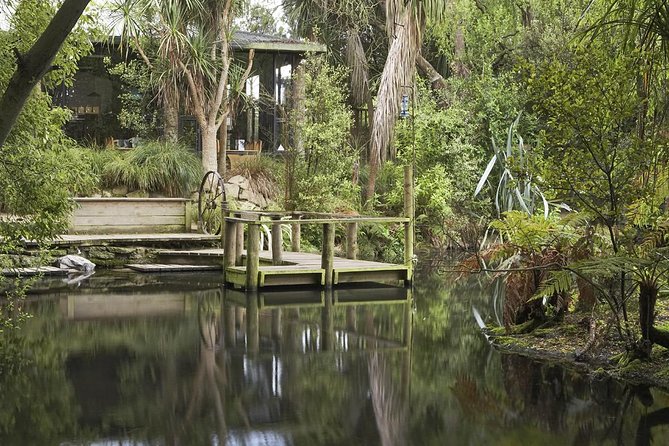
The paths lead through a series of animal areas with greenery, water, and wooden walkways. The setting is more relaxed than a standard urban zoo, and parts of the route make you feel as if you are moving through a natural reserve. One path crosses wooden walkways over water, adding some variety to an otherwise level stroll.
The route is generally easy to walk, but some gravel paths could use clearer signs. Keep an eye on the direction markers, especially if you are trying to see everything within a limited schedule. If you have only one or two hours, walk steadily and save time for the kiwi house toward the end.
You may find some animals roaming freely or moving close to the path. Ducks and other birds can follow people carrying food, and deer may make a determined approach when they see a feeding pouch. That is fun for many children, but you should keep your food controlled and follow the reserve’s instructions.
Native New Zealand Animals in One Place
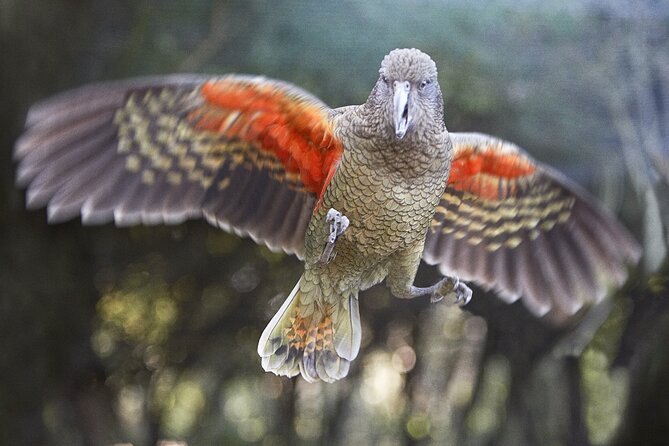
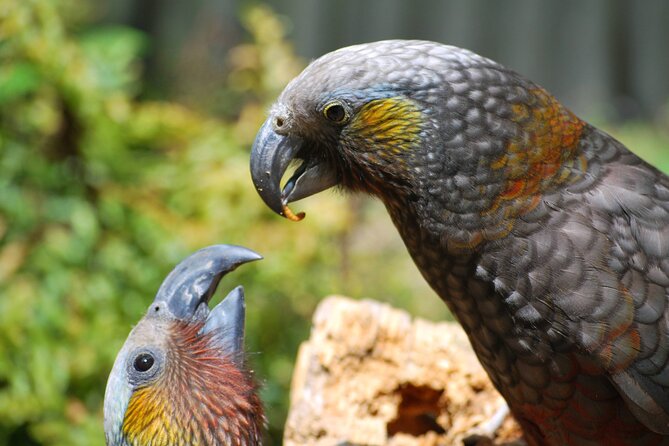
The reserve’s strongest educational value comes from putting several distinctive New Zealand species together. You can look for kea, kaka, takahe, tuatara, and kiwi without traveling to separate parts of the South Island.
Kea and kaka are especially useful introductions to New Zealand birdlife. Takahe are another important native species to see, and tuatara offer a close look at one of the country’s most unusual reptiles. The displays give you a chance to connect the animals with New Zealand rather than treating them as a random collection of exhibits.
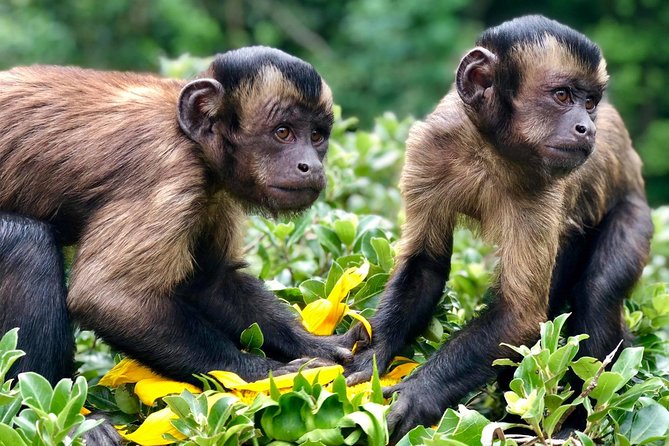
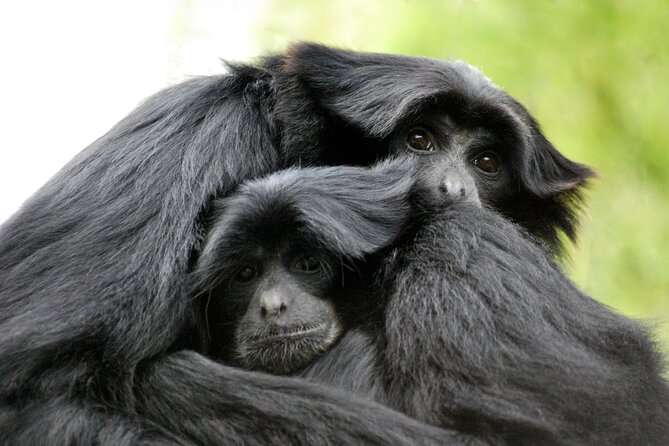
The native animals are only part of the visit. Willowbank also has introduced species such as monkeys, lemurs, capybara, and wallabies. Capybara are a favorite for many people because of their calm appearance and unusual size. Otters are another popular stop, especially for children.
This mix can be a strength or a weakness, depending on what you want. If your goal is only to see rare New Zealand wildlife, the farm animals and introduced species may feel like extra padding. If you are visiting with children or want a varied half-day outing, the broader collection keeps the walk interesting.
Feeding Deer and Patting Farm Animals
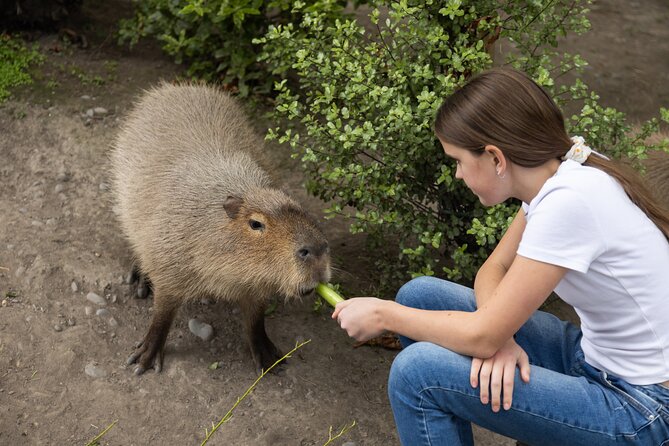
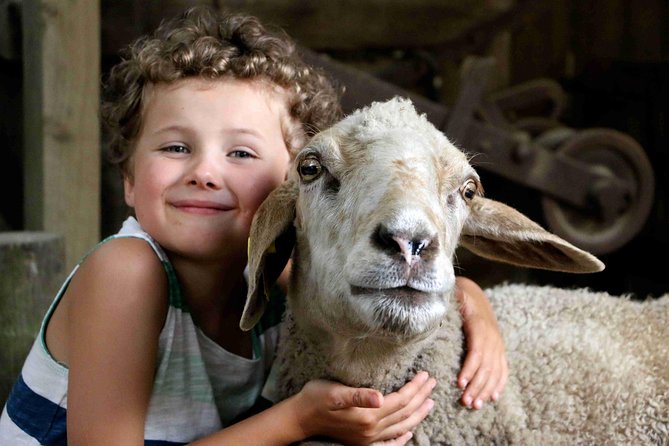
Willowbank is more interactive than a wildlife park where every animal stays far behind a barrier. You can feed some animals and pat selected farm animals, including sheep, rabbits, and alpaca.
That hands-on element gives children something to do beyond looking through fences. It also helps younger visitors notice animal behavior. A sheep may be calm, an alpaca may hang back, and a deer may move in with surprising confidence once it sees food.
The feeding experiences are not the same as a private animal encounter. You should expect a public, self-guided setting rather than a personal session with a keeper. Still, the chance to interact with animals makes this a useful choice for families who need a visit with movement and variety.
Take care with the deer. They are known to approach quickly and can ambush you for food. Keep children close, hold food securely, and do not let excitement turn into rough handling. The reserve’s focus is on well-cared-for animals, and calm behavior helps keep the experience pleasant for everyone.
Farm animals may be less exciting for adults who have seen them many times before. But they provide a gentle start to the walk and make the visit work for mixed-age groups. While one person studies native birds, another can enjoy rabbits, sheep, or alpaca nearby.
Same base, a different kind of day:
- Christchurch Hop-On Hop-Off Tram
★ 4.5 · 841 reviews - Christchurch Gondola and Tram City Tour Combo
★ 4.5 · 725 reviews - Christchurch: Hop-On Hop-Off Tour by Vintage Tram
★ 4.6 · 717 reviews - Christchurch: Tram, Punt and Gondola Ride Combo Ticket
★ 4.7 · 608 reviews
Why the Reserve Works for Families
I would put Willowbank high on the list for families with younger children. The walk is manageable, animals are spread through a pleasant setting, and children can feed or pat some of them. There are also places to climb, explore, and learn, so the visit is not built around quiet observation alone.
The reserve can work for a multigenerational group as well. Grandparents may prefer the gentle paths and cafe, parents can focus on the native species, and children can spend time with the farm animals. Because you set your own pace, the group can pause without holding up a guide.
The park is not only for children. Adults interested in conservation and New Zealand wildlife will find the kiwi house and native species worthwhile. The strongest adult appeal is the chance to see a kiwi without organizing a separate, specialized night activity.
Expect some noise from birds, including uncaged or free-moving species. That adds life to the setting, though it may not feel peaceful at every point. If you want a quiet visit, go slowly and spend extra time in the less crowded parts of the path.
Planning the Timing Around Christchurch
The ticket allows you to arrive at any time during the day, which is useful when you are fitting Willowbank between flights, a city visit, or a cruise schedule. The reserve is close to Christchurch Airport, and the location makes it practical for a first or last stop in the city.
The stated visit time is about one to three hours. Two hours is a sensible target if you want to follow the route, pause at the main exhibits, and see the kiwi. Add time if you plan to eat at the cafe or spend longer with the interactive animals.
Check the day’s opening hours before setting out, especially if you are arriving late. One visitor reached the reserve at 2 p.m. and had about three hours before closing. That was enough for a visit, but a late start leaves less room for a slow family pace.
Transport to and from the reserve is not included in the admission price. The reserve is near public transportation, and a shuttle from Cathedral Square has been described as a convenient option. If you are coming from the airport, city center, or port, allow time for your own transfer and do not treat the ticket as a transport package.
Mobile tickets are accepted, and paper tickets are also available. Pre-booking can save time on a busy travel day, while flexible arrival makes the ticket easier to fit around other plans.
Is NZ$22.65 Good Value?
At NZ$22.65 per person, Willowbank offers solid value if you want a self-paced wildlife visit rather than a short single-animal encounter. The guaranteed kiwi viewing alone gives the ticket a clear purpose, and you also receive access to native species, introduced animals, farm animals, and interactive areas.
The price works especially well for families because one admission covers several types of activity. You are not paying for a brief photo stop. A typical visit lasts around two hours, and you can stretch it to three if you include lunch and extra time with the animals.
Food and drinks cost extra, as does transport to the reserve. There is a cafe with food choices for children and adults, plus a retail store. If you are watching your budget, you should treat these as optional additions rather than part of the entry price.
Value depends on your interests. Someone seeking a large, formal zoo may find the reserve smaller or less polished in places, especially where path signs could be clearer. Someone looking for an easy Christchurch activity with a guaranteed kiwi and plenty of animal variety will likely find the price reasonable.
Food, Facilities, and Comfort
The cafe gives you a practical reason to stay longer. It has been used for family lunches and offers choices suitable for children, so you do not have to leave the reserve when hunger arrives. The food and drinks are not included, but having them available makes the half-day plan easier.
A retail store is also on site. That can be handy for a souvenir or a last look around after the animal walk, especially if Willowbank is your final Christchurch stop.
The paths are walkable, but expect a mix of surfaces. Wooden walkways cross water in places, while some routes are gravel. The reserve is not presented as a demanding hike, and most people can take part, but comfortable shoes remain a sensible choice.
The setting is attractive and green, with habitats arranged along a clear walking route. Do not expect every section to feel equally spacious. One comment raised concerns about limited room for wallabies, so visitors who focus closely on enclosure size may have mixed reactions. The best approach is to judge the visit as a wildlife reserve with interactive areas, not as an open-country animal sanctuary.
Who Should Book Willowbank?
I would recommend Willowbank to families, first-time visitors to New Zealand, cruise passengers with a free half-day, and anyone who wants a reliable kiwi sighting near Christchurch. It is also a good fit if you prefer to explore independently rather than follow a guide.
The reserve suits you particularly well if you enjoy variety. In one visit, you can move from farm animals to capybara, then to native birds and the kiwi house. That range prevents the outing from depending on one exhibit.
You may want to choose another activity if you are looking for a remote wildlife experience, a long guided conservation tour, or a very quiet nature walk. Willowbank is accessible and hands-on, but it is still a visitor attraction with families, animal sounds, and shared paths.
Children must be accompanied by an adult. Most people can participate, and the maximum group size is listed as 200, though you are not placed into a fixed group for the walk.
My Practical Verdict
Book Willowbank if you want a dependable kiwi sighting, flexible timing, and a relaxed mix of native, introduced, and farm animals. At NZ$22.65, it gives you enough to do for a useful half-day without demanding a full-day commitment.
Plan at least two hours, save the kiwi house for a calm visit, and allow your eyes time to adjust in the dark. Add lunch if your schedule permits. If your Christchurch plans already pass near the airport or Cathedral Square, Willowbank is an easy and sensible addition.
Skip it only if your priority is untouched wilderness or a highly guided wildlife experience. For most families and first-time visitors, the hands-on animals, attractive paths, and guaranteed kiwi make this a practical way to meet New Zealand wildlife in one stop.
FAQ
How long does a visit to Willowbank Wildlife Reserve take?
The estimated visit lasts about 1 to 3 hours. Two hours should allow time to walk the paths, see the animals, and visit the kiwi house.
Is kiwi viewing guaranteed?
Yes. Admission includes guaranteed kiwi viewing in the kiwi house.
What animals can I see at Willowbank?
You can see native species including kiwi, kea, kaka, takahe, and tuatara. The reserve also has monkeys, lemurs, capybara, wallabies, sheep, rabbits, alpaca, and other animals.
Can I feed or pat the animals?
You can feed some animals and pat selected farm animals, including sheep, rabbits, and alpaca. Follow the reserve’s instructions, especially around deer.
Is food included with admission?
No. Food and drinks are not included, but Willowbank has a cafe with food options. A retail store is also available.
Is transportation included?
No. Transportation to and from the reserve is not included. Willowbank is near public transportation, and a shuttle from Cathedral Square has been available.
Can I cancel the booking for a refund?
Yes, you can receive a full refund if you cancel at least 24 hours before the experience start time. Cancellations or changes made less than 24 hours ahead are not accepted for a refund.
Just added in Christchurch
- Hanmer Springs Star Tours at Manuka Skies★ 5.0 · 11 reviews
- Amuri Jet Adventures – Hanmer Springs Quad Biking tour★ 5.0 · 49 reviews
- Waipara Valley Winery Tour Wine Tastings and Scenic Views★ 5.0 · 5 reviews
- Wine trail and Christchurch City – Luxury, Small Group Tour★ 5.0 · 15 reviews
- Arthur’s Pass Tour From Christchurch With Jet Boat & TranzAlpine★ 5.0 · 8 reviews
- Waimakariri River Jet Boating from Christchurch★ 4.0 · 9 reviews
- Southern Alps Scenic★ 5.0 · 8 reviews
- Tranz Alpine Train Tour★ 5.0 · 92 reviews
Wildlife, compared.
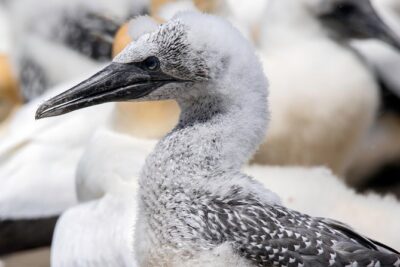
Gannet Safaris Overland tour to Cape Kidnappers Gannet Colony
Read our review →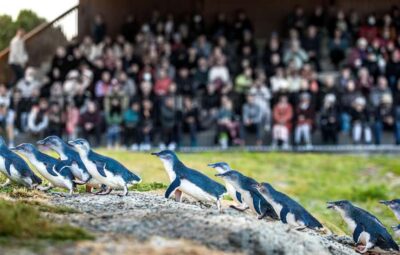
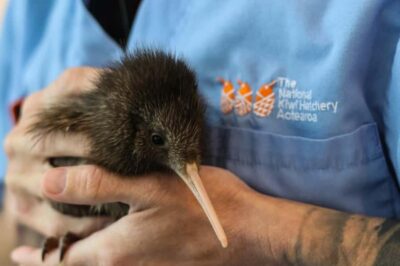
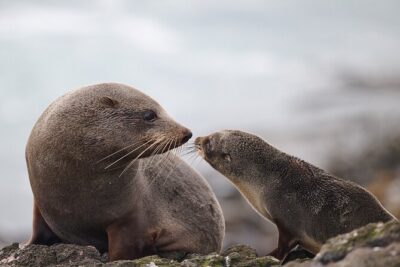
Clearwater Wildlife Tours (small group 10max) Otago Peninsula
Read our review →
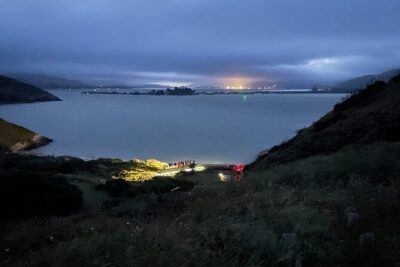
Guided Evening Penguin Viewing Otago Peninsula, Dunedin, New Zealand
Read our review →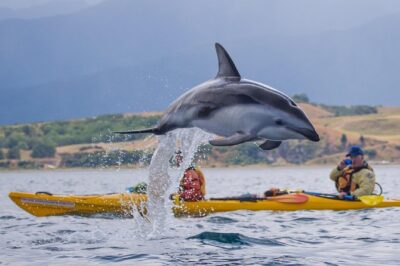
Browse the lists this tour appears in