
Reviewed · SKYDIVING & BUNGY
Skydive Mt. Cook – 70+ Seconds of Freefall from 16,500ft
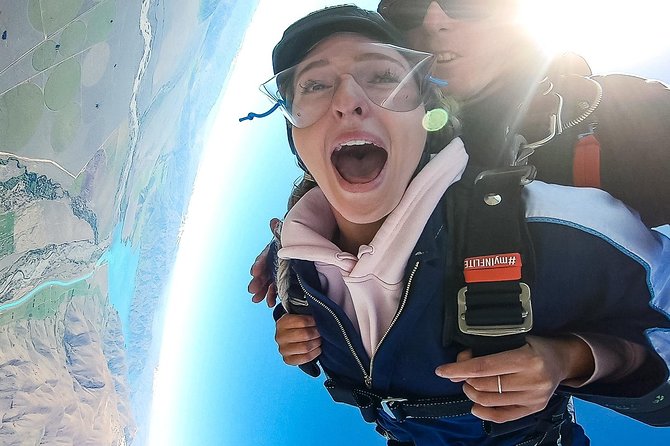
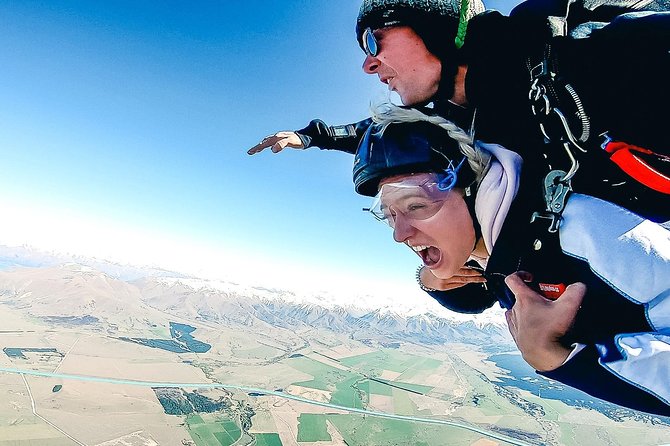
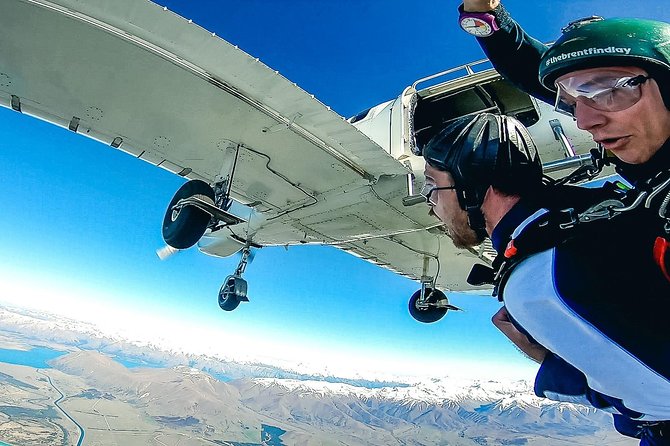
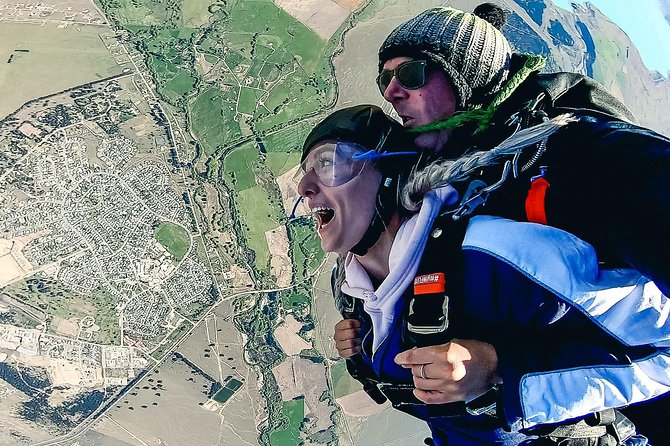
The main attraction here is simple: you step out at 16,500 feet and get more than 70 seconds of freefall above some of the South Island’s best scenery. Snow-covered peaks, glaciers, lakes, and Aoraki/Mt Cook National Park spread out below you.
I like the small maximum group of nine, which should make the airport process feel less crowded. I also like the crew’s upbeat style. One review specifically praises the happy, bubbly staff for making the jump more enjoyable. The main drawback is the weather. Poor conditions can cancel the experience, so you need some flexibility in your schedule.
Key points at a glance
- 16,500-foot jump: More than 70 seconds of freefall before the parachute phase.
- Aoraki/Mt Cook views: You may see snow-capped mountains, glaciers, lakes, and the national park from above.
- Pukaki Airport meeting point: The experience starts and ends at Skydive Mount Cook, 2 Swallow Drive, Pukaki Airport.
- Small group size: A maximum of nine people keeps the operation relatively intimate.
- About two hours: Allow a reasonable block of time rather than treating this as a quick add-on.
- Weather matters: You can receive a full refund or choose another date if poor weather forces cancellation.
Why 16,500 feet makes this jump special
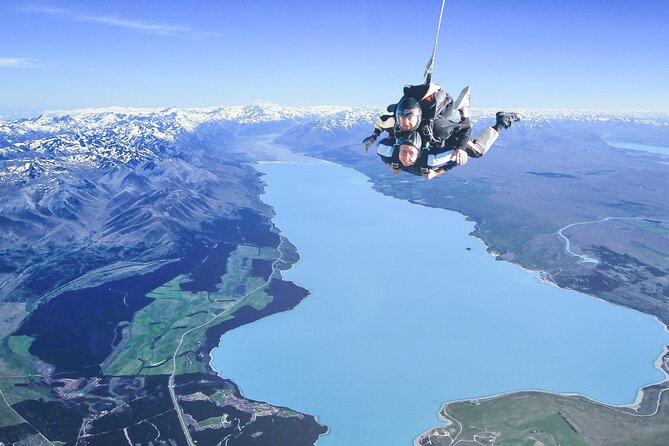
Many parachute jumps give you a thrilling freefall. This one adds a powerful sense of place. You are not simply dropping over a town or a flat patch of countryside. The setting includes the Southern Alps, glaciers, lakes, and Aoraki/Mt Cook National Park.
From 16,500 feet, you get more than 70 seconds of freefall. That number matters. It gives you enough time to take in the scale of the scene, though the first moments will probably be devoted to the basic shock and excitement of leaving the aircraft.
I like that the experience is tied so clearly to the Mt Cook region. If you are already visiting the South Island for mountain scenery, this is a way to see the area from a completely different angle. You are not just looking at one famous peak from a viewpoint. The whole surrounding region becomes part of the experience.
The scenery will depend on visibility. The supplied information promises the chance to see the major natural features of the area, but no flight can guarantee a perfect view on every day. That is why the weather policy matters so much here.
Other ways to jump near Mount Cook:
- Mount Cook: Tandem Skydive Experience
★ 4.6 · 66 reviews - Skydive Mt. Cook – 45+ Seconds of Freefall from 13,000ft
★ 5.0 · 14 reviews - Skydive Mt. Cook – 20+ Seconds of Freefall from 10,000ft
★ 5.0 · 5 reviews
Arriving at Pukaki Airport
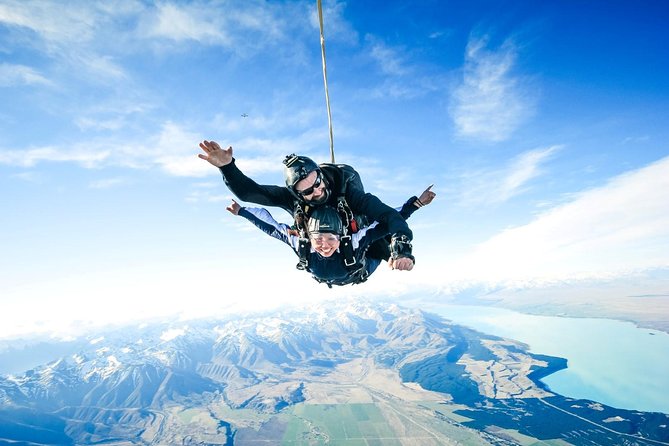
You meet at Skydive Mount Cook, 2 Swallow Drive, Pukaki Airport, Pukaki, Twizel 7999, New Zealand. The activity ends back at this same point.
That simple start and finish is useful when planning your day. You do not need to arrange a separate return transfer from another location. The meeting point is also near public transportation, according to the available details, though no specific route or schedule is provided.
Give yourself enough time to reach the airport without rushing. A parachute jump is not the sort of activity you want to begin while worrying about the clock. The full experience lasts about two hours, so plan around it rather than trying to squeeze it between two tightly timed activities.
The airport setting also gives the experience a practical, working feel. This is an active flight operation, not a staged attraction with a long trail of exhibits. You arrive, prepare, fly, jump, and return to the same base.
The preparation and flight portion
The exact preparation steps are not provided, so I would avoid assuming a detailed safety briefing, clothing list, or aircraft routine. What is clear is that you meet the crew at the airport and take part in a scheduled experience lasting roughly two hours.
That time includes more than the freefall itself. You should expect time for check-in, preparation, the flight, the jump, and the return to the meeting point. The freefall lasts more than 70 seconds, but the entire booking is not a 70-second activity.
The crew is an important part of the experience. The strongest praise in the supplied feedback focuses on the staff’s friendly, happy, and encouraging manner. That is valuable here because a good attitude from the crew can make the preparation feel less intimidating.
No individual guide names are provided, so I cannot tell you who will be leading your particular session. The experience is operated by Inflite Ski Planes Limited. The available information also says most people can participate and that service animals are allowed, but it does not provide a detailed list of physical requirements.
More than 70 seconds above the South Island
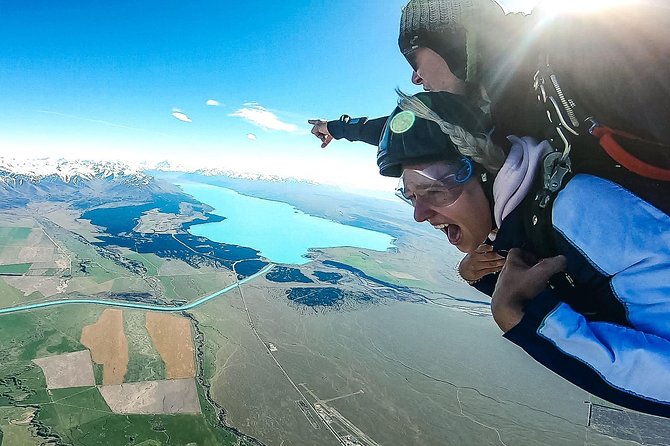
The freefall is the heart of the experience. From 16,500 feet, you will have more than 70 seconds before the parachute stage begins. That is long enough for the jump to feel like a major part of your day, rather than a brief thrill over the ground.
The views are the other half of the experience. You may see:
- Snow-capped mountains
- Glaciers
- Lakes
- Aoraki/Mt Cook National Park
These are not minor background details. They are the reason to choose this location instead of any generic parachute jump. The Mt Cook area is famous for its large mountain forms and open spaces, and the height gives you a broad view of how those features fit together.
Still, keep your expectations sensible. Freefall is fast, and your attention will be split between the sensation, the instructions, and the view. You may not calmly inspect every glacier or identify every peak. The value comes from the overall scene and the rare chance to see this part of New Zealand from high above.
Same base, a different kind of day:
- Mount Cook: Scenic Helicopter Flight with Alpine Landing
★ 4.8 · 442 reviews - Mt Cook Small Group Scenic Day Tour from Queenstown
★ 5.0 · 407 reviews - Mt Cook & Tasman Glacier lookout Small Group Tour from Queenstown
★ 5.0 · 296 reviews - Mount Cook: Ski Plane and Helicopter Glacier Combo Flight
★ 4.6 · 271 reviews
The crew can shape the whole experience
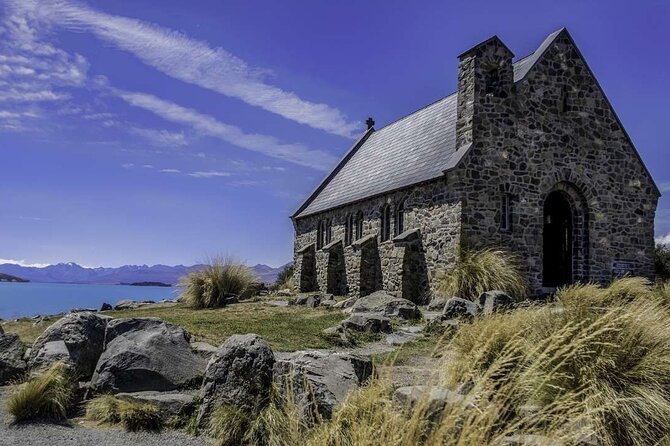
A parachute jump is not only about altitude. You are placing a lot of trust in the people who prepare you and guide the activity. The available feedback gives special credit to a crew described as inspiring, happy, and bubbly.
I would treat that as a meaningful point when comparing this experience with other options. Friendly staff cannot change the weather or guarantee a clear view, but they can make the process feel more welcoming. That matters before the jump, when nerves are often at their highest.
The cheerful approach also fits the idea of an authentic Kiwi experience presented by the operator. That phrase can be overused in tourism, but here it points to a local outdoor activity set in one of the country’s best-known mountain regions.
The score provided is 4.8 from five reviews. That is a strong rating, but the sample is small. I would take it as an encouraging sign, not as a complete picture of every possible experience.
Is $341.08 a fair price?
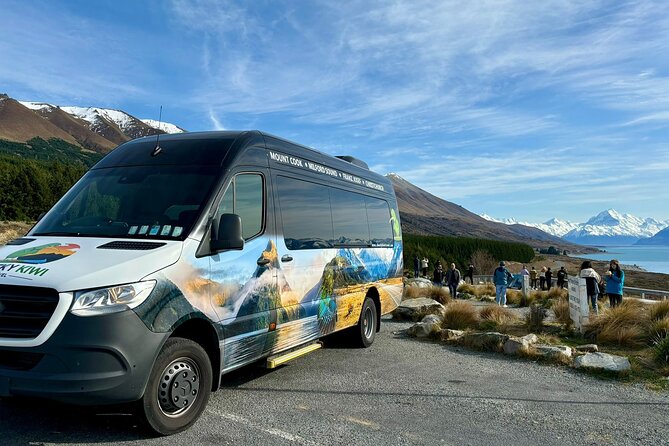
At $341.08 per person, this is a serious purchase, not a casual add-on. The value depends on what you want from your South Island trip.
You are paying for a high-altitude jump, more than 70 seconds of freefall, the mountain setting, the flight operation, and the staff support needed to run the experience. If you already plan to visit the Mt Cook area and want one major adventure, the price may feel justified.
The location does much of the value work. A standard parachute jump can provide the thrill of freefall, but this one is built around the scenery of Pukaki and Aoraki/Mt Cook National Park. If the views are your main reason for booking, choose a day when the forecast gives you the best chance of clear conditions.
The price may feel less appealing if you are mainly seeking a quick adrenaline hit. In that case, the scenic setting is still a benefit, but you may not care enough about the mountain views to pay the premium.
There were five or more bookings in the previous month, which suggests ongoing interest, but that figure does not tell you how full your preferred date will be. The group limit of nine is useful because it places a ceiling on the number of people sharing the operation.
Weather is the main planning issue
This activity requires good weather. If poor conditions force a cancellation, you can choose another date or receive a full refund.
That policy is reassuring, but it does not remove the practical problem of fitting the jump into your itinerary. I would avoid scheduling it on your final possible day in the region if the jump is a major trip goal. A weather delay is much easier to handle when you have spare time.
You can cancel for a full refund if you do so at least 24 hours before the experience starts. Cancellations made less than 24 hours before the start time are not refunded, and changes inside that window are not accepted. The cut-off follows local time.
In practical terms, check the weather early, but do not assume an early forecast is final. Keep your schedule open enough to use a new date if the operator cancels for conditions.
Who will enjoy this most
I would recommend this experience to you if the following points sound right:
- You want a major adventure rather than a gentle sightseeing activity.
- You are already exploring the South Island and value mountain scenery.
- You like the idea of seeing glaciers, lakes, and Aoraki/Mt Cook National Park from above.
- You can keep your schedule flexible for weather.
- You are comfortable paying $341.08 for a high-altitude experience.
It may not be the best choice if you dislike heights, need a fixed timetable, or are mainly looking for a low-cost way to see the Mt Cook region. The activity lasts about two hours, and the weather may affect the plan.
Most people can participate, according to the available details, but no full health or fitness requirements are supplied. If you have concerns about participation, contact the operator before booking rather than relying on general wording.
Practical booking advice for Pukaki
Book with your wider route in mind. The meeting point is at Pukaki Airport, and the activity returns there, so you should plan your own transport to and from the airport unless your wider arrangements already cover it.
The mobile ticket is convenient. Keep the booking available on your phone, and make sure you know the meeting address before setting out. Confirmation is provided at the time of booking.
Because the group limit is nine, I would book ahead if your South Island dates are fixed. The current booking activity shows that people are reserving places, even though it does not guarantee that every session will sell out.
Also, leave room in your day after the jump. The stated duration is approximate, and flight-based activities can take longer than the simplest schedule suggests. A relaxed plan will serve you better than a tight chain of bookings.
Should you book Skydive Mt. Cook?
Book this if you want a high-altitude freefall matched with genuine alpine scenery and you can accept weather-related uncertainty. The combination of 16,500 feet, more than 70 seconds of freefall, and views toward mountains, glaciers, lakes, and Aoraki/Mt Cook National Park gives it a clear identity.
I would be more cautious if you are focused only on price or need an activity that runs at a guaranteed time. The review sample is small, and the weather can change the plan. But the friendly crew, small group limit, strong rating, and full refund option for weather cancellations make this a sensible choice for an adventurous South Island itinerary.
FAQ
Where does the experience start?
It starts at Skydive Mount Cook, 2 Swallow Drive, Pukaki Airport, Pukaki, Twizel 7999, New Zealand.
Where does the experience end?
The activity ends back at the meeting point at Pukaki Airport.
How high is the jump?
The jump is from 16,500 feet.
How long is the freefall?
The freefall lasts more than 70 seconds.
How long does the full experience take?
The full activity lasts approximately two hours.
What scenery can I see?
The experience offers views of snow-capped mountains, glaciers, lakes, and Aoraki/Mt Cook National Park.
How many people can join?
The activity has a maximum of nine participants.
Is the activity available by mobile ticket?
Yes. A mobile ticket is available, and confirmation is provided at the time of booking.
What happens if bad weather cancels the experience?
You can choose another date or receive a full refund if poor weather causes the cancellation.
Just added in Mount Cook
- Mt Cook to Christchurch One-Way Small Group Tour via Lake Tekapo★ 5.0 · 16 reviews
- Skydive Mt. Cook – 45+ Seconds of Freefall from 13,000ft★ 5.0 · 14 reviews
- Mount Cook: Mountains High 40-Minute Helicopter Flight★ 5.0 · 53 reviews
- Skydive Mt. Cook – 20+ Seconds of Freefall from 10,000ft★ 5.0 · 5 reviews
- Mt Cook & Lake Tekapo 2-Day Small Group Tour from Queenstown★ 5.0 · 15 reviews
- Mt Cook to Queenstown Small Group Tour (One-Way)★ 4.5 · 25 reviews
- Mount Cook: Alpine Vista Helicopter Flight with Alpine Landing★ 4.5 · 39 reviews
- Mount Cook and The Glaciers 55-Minute Helicopter Flight★ 4.5 · 133 reviews
Skydiving & Bungy, compared.
15,000ft Tandem Skydive in Tauranga – Bay of Plenty
Read our review →

Browse the lists this tour appears in