
Reviewed · HIKING & TREKKING
Rotorua Hiking: Mt Tarawera Guided Volcanic Crater Experience
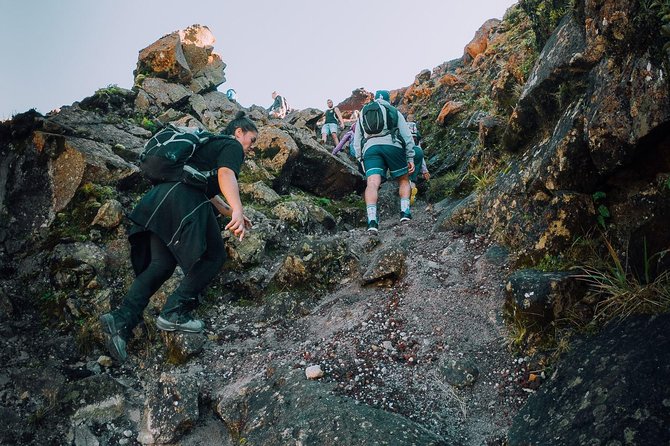
Mt Tarawera is not a tame hill with a tidy path. It is a raw volcanic mountain of red scoria, loose slopes, sharp ridges, and a crater that feels far removed from Rotorua’s spa hotels. The optional scree run into the crater is the tour’s signature thrill: you slide and jog down a steep slope of volcanic gravel into the caldera, then climb back out with a better sense of the mountain’s power.
I like two things in particular. First, your guide turns a strenuous walk into a story about the 1886 eruption, Māori connections to the maunga, and the forces that shaped Waimangu Valley. Second, pickup, 4WD transport, and a small group make a remote place easier to reach. The main caution is simple: this is not an easy hike, especially on loose ground or in strong wind.
Key points before you book
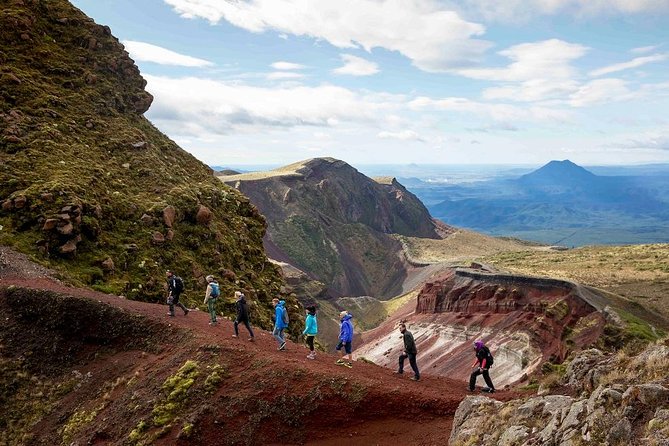
- The crater is the star: Reach Mt Tarawera’s rim for wide views, then take the optional scree run into the volcanic crater.
- Expect a real workout: You need moderate fitness, coordination, and comfort with uneven, steep ground.
- Guides add meaning: Guides such as Jesse, Hauri, Chucky, Deborah, Jack, Dan, and Daniel have been praised for their patience, humor, cultural knowledge, and care.
- The ride is part of the adventure: Hotel pickup leads to a bumpy 4WD journey through bush and remote volcanic country.
- Pack for exposure: Wind and cold can arrive quickly at the summit, even when Rotorua feels mild.
- Plan for your feet: Wear proper hiking boots, high socks, and clothing that protects you from loose scoria.
Why Mt Tarawera feels different from a normal Rotorua walk
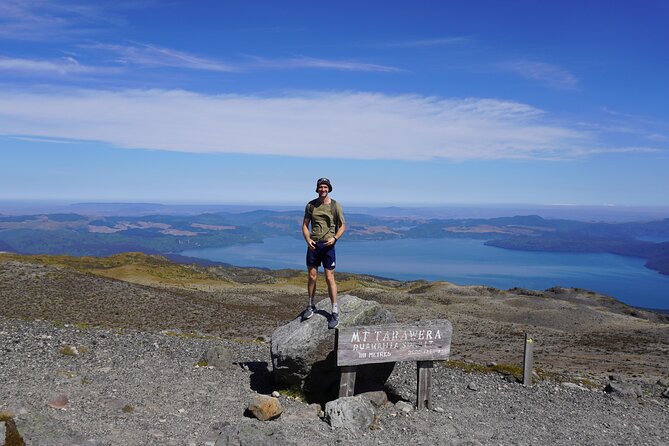
Rotorua offers plenty of geothermal attractions, but Mt Tarawera gives you a more physical look at the region’s volcanic past. You are not simply viewing steaming pools from a boardwalk. You are walking over the material thrown up by a major eruption and looking into the crater that helped reshape the area.
The mountain erupted on June 10, 1886. That eruption destroyed the famous Pink and White Terraces and helped create Waimangu Volcanic Valley, described here as the world’s youngest geothermal valley. Your guide explains this connection as you move through the country, so the scenery has a clear story behind it.
I like that the experience links geology with Māori history and local culture. The mountain is treated as a maunga, not just a photo stop. Guides have shared stories about the area and its people, giving the walk a stronger sense of place than a self-guided climb would provide.
The scenery changes as you go. You may begin among bush and rough access roads, then move across open volcanic ground, red-brown scoria, ridges, and high viewpoints. From near the summit, the view reaches toward Waimangu Valley and the wider central North Island.
More hiking & trekking in Rotorua:
- Volcanic Valley Self Guided Walking and Hiking at Waimangu
★ 4.5 · 248 reviews - Whaka Trails and Maori Village Combo Tour
★ 4.5 · 180 reviews - Whaka Geothermal Trails Self-Guided Tour
★ 3.5 · 44 reviews
From Rotorua pickup to the rough access road
The tour lasts about four and a half hours, with morning and afternoon departures available. Free pickup and drop-off are offered from your Rotorua hotel or motel, although you should confirm the exact pickup time and place after booking.
The first listed stop is Kaitiaki Adventures. This is the practical starting point for meeting your professional Kiwi guide and sorting out the group before heading toward the mountain. The maximum group size is 20, though some departures may be much smaller. A small group matters here because the route includes loose ground, pauses for photographs, and sections where the guide needs to keep an eye on everyone’s footing.
The road toward Mt Tarawera is not a polished tourist transfer. You travel by 4WD through bush and along bumpy access roads. Some people enjoy this as part of the adventure. Others may find the ride rough, especially if they expected a sightseeing coach or a jeep-style vehicle.
A short toilet stop is made before the walk begins, with a portable toilet available near the trail start. There is no lunch included, so eat beforehand or carry food if your schedule requires it. The supplied information does not promise a meal stop during the tour.
Waimangu Valley puts the volcano in context
The route includes Waimangu Volcanic Valley, one of the most important reference points for understanding Mt Tarawera. The 1886 eruption destroyed the Pink and White Terraces and changed the region’s geothermal activity. Seeing or discussing Waimangu helps connect the mountain above you with the steaming volcanic country below.
This part is valuable even if your main goal is the crater hike. Without some context, Mt Tarawera can look like a dramatic pile of red rock. With the geological explanation, you begin to understand why the valleys, crater shapes, and geothermal features appear as they do.
The tour does not present Waimangu as a separate, extended walking visit. It is one of the places connected to the route and the story of the eruption. If you want a full Waimangu sightseeing experience, you should treat that as a separate Rotorua activity rather than expecting this half-day hike to cover everything.
The hike to the crater rim
The walking section begins from a high point near Mt Tarawera and follows winding volcanic trails toward the crater rim. It is described as suitable for people with moderate physical fitness, but that phrase deserves a careful reading.
The route includes uphill work, uneven surfaces, loose scoria, and steeper sections. You may stop several times to rest, hear stories, and take photographs. Guides have been praised for setting a sensible pace, waiting patiently, and helping people who need extra support.
The walk is manageable for a reasonably fit person who is comfortable outdoors, but it is not a gentle stroll. You should be able to handle a sustained half-day outing over rough ground. Coordination matters as much as strength because loose volcanic gravel can shift under your boots.
Height is another factor. The route includes exposed-feeling slopes and steep ground, particularly on the descent. If you are afraid of heights, or if uneven downhill terrain makes you anxious, this may not be the right Rotorua activity for you.
The reward is a series of changing views rather than one single lookout. Short sections of trail lead to broad views over the volcanic country. At the summit area, the 360-degree outlook is the moment to pause. On a clear day, the views toward Waimangu Valley and the surrounding region are a major reason to choose this tour.
Weather can change the experience sharply. Cloud or rain may block the long views, and wind can make the exposed sections feel cold. The operator requires good weather and may offer another date or a full refund if conditions force cancellation.
Same base, a different kind of day:
- Rotorua Canopy Tours: 2.5Hour Native Forest Zipline Adventure
★ 5.0 · 4,563 reviews - Mitai Maori Village: Cultural Experience and Dinner Buffet
★ 4.7 · 3,575 reviews - Rotorua: Wai-O-Tapu Geothermal Park Entry Ticket
★ 4.6 · 2,601 reviews - Rotorua’s Ultimate Zipline: 6 ziplines, 400 m Tandem, Cliff Walk
★ 5.0 · 2,557 reviews
The scree run into the volcanic crater
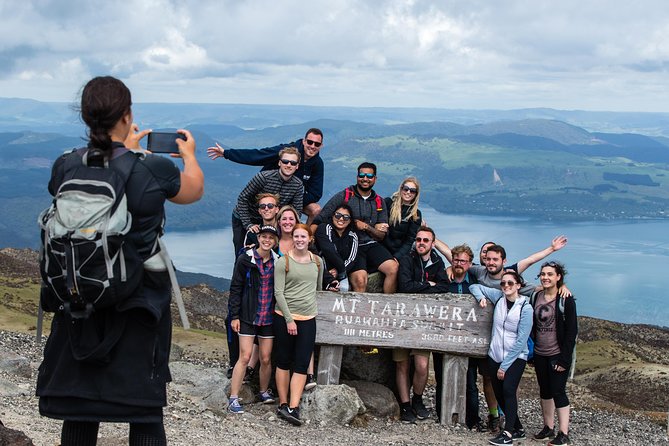
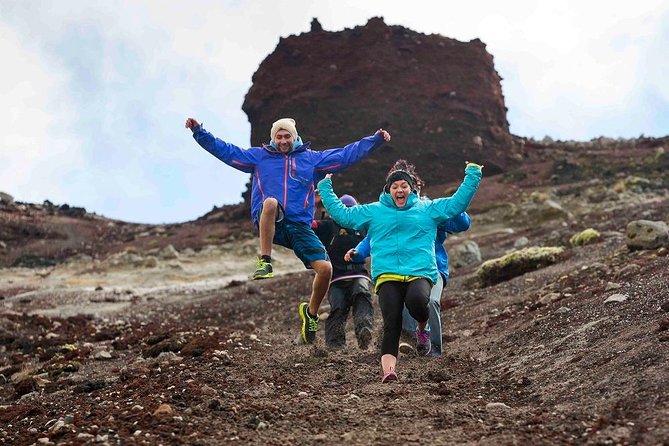
The optional scree run is the most memorable part for many people. From the crater rim, you can slide or run down loose volcanic gravel into the heart of the crater. It is fun, unusual, and a little intimidating.
You do not need to take part in the scree run. That choice is important because the descent is steep and the ground is unstable. The return climb can also be tiring. If you prefer to remain at the rim, you can still experience the main views and volcanic setting.
If you do go down, expect scoria to work its way into your boots. High socks are a useful tip because loose stones can rub around your ankles. Proper hiking boots are strongly recommended, and boot hire may be available during the booking process.
One person arrived in trainers and slipped on the scree badly enough to need assistance before stopping the hike. Other people have completed the route in sneakers, but that does not make ordinary trainers the best choice. Footwear with grip and ankle support gives you more control, especially on the descent.
Guides make the difference
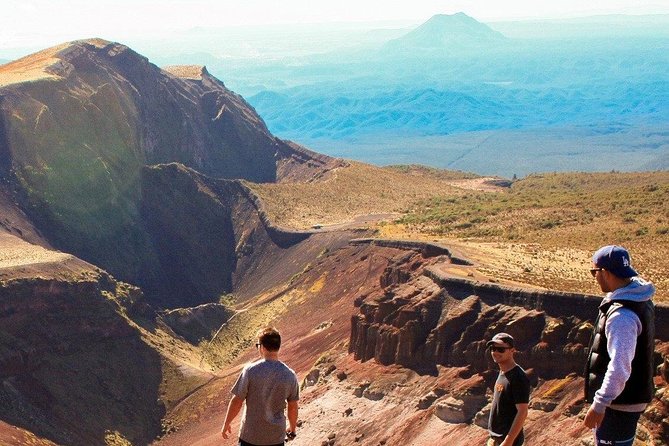
The guide is more than someone pointing out the route. On this walk, a good guide manages pace, safety, geology, local stories, weather, and group confidence at the same time.
Guides named in the supplied material include Jesse, Hauri, Chucky, Deborah, Jack, Jacky, Napier, Chuckie, Dan, Daniel, AJ, and Frank. Their styles may differ, but the strongest pattern is clear: the experience depends heavily on the person leading your group.
Guides have been praised for being funny, patient, friendly, and careful. Chucky was singled out for sharing Māori history, while Daniel was praised for creating a strong connection between the mountain, its story, and its spiritual meaning. Dan, Jack, Jesse, Hauri, Frank, and others were also described as supportive and informative.
That cultural element gives the hike more depth. You are not just collecting summit photos. You are hearing about the place from guides who care about the maunga and who bring local meaning to the route.
Good guiding also matters when conditions turn difficult. One guide team avoided areas affected by severe wind gusts, and several groups were given time to rest rather than being pushed along. That is exactly what you want on loose volcanic ground.
How hard is the Mt Tarawera experience?
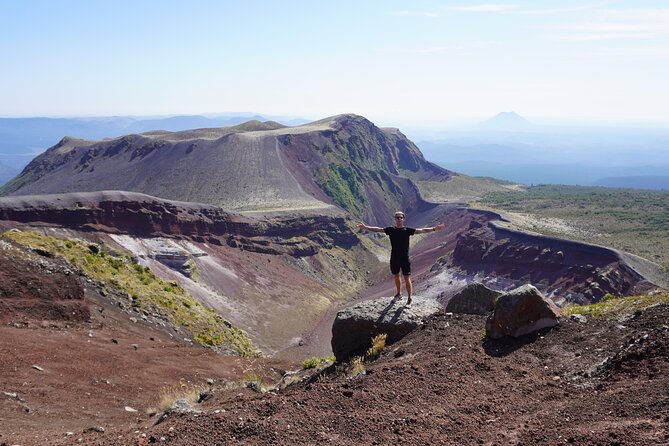
The safest description is moderate to strenuous, depending on your fitness, balance, weather, and comfort with heights. The operator asks for a moderate physical fitness level, but some sections will feel harder than that wording suggests.
You should prepare for:
- Uphill walking over uneven volcanic ground
- A steep or awkward descent
- Loose scoria around your feet
- Wind and cold near exposed viewpoints
- A climb back from the crater if you choose the scree run
- A bumpy 4WD ride before and after the hike
This is not a technical climbing trip, and the route is guided. Still, you should not book it expecting a flat scenic walk. A reasonably fit, coordinated person can find it very rewarding. Someone who rarely hikes, dislikes steep descents, or has poor balance may struggle.
Wear sturdy hiking boots and high socks. Carry water. Dress in layers, even if Rotorua is warm when you leave town. Bring weather protection and allow yourself to move at the group’s pace.
Is the price of $121.01 good value?
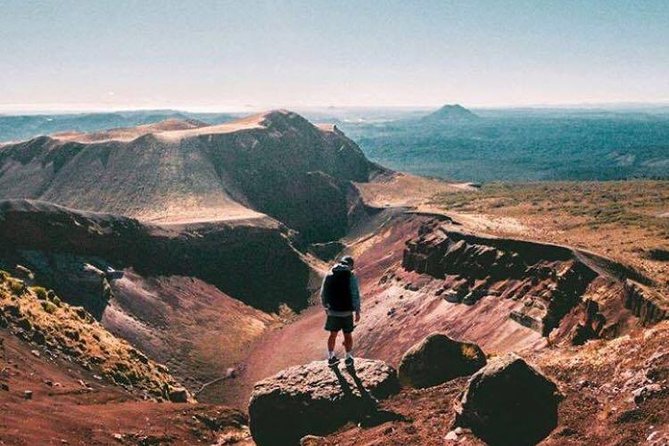
At $121.01 per person, this is not the cheapest way to spend half a day around Rotorua. The value comes from combining transport, access to a remote volcanic site, a professional guide, cultural interpretation, and a guided crater walk in about four and a half hours.
You are paying for more than a viewpoint. The 4WD transfer takes you away from the main tourist circuit, and the guide helps you travel safely across terrain where it would be easy to lose the route or misjudge a slope. Hotel pickup and drop-off also save you from arranging transport.
The price is less attractive if you expect a relaxed walk, polished facilities, or a long stay on the mountain. There is no lunch included, and the 4WD ride can be rough. Weather can also limit the views, so this is an activity where conditions affect the value.
For me, the tour makes the most sense if you want a physical outing with stories and a strong sense of place. If you only want to look at volcanic scenery from a comfortable vehicle, choose a less strenuous Rotorua attraction.
Who should book this hike?
I would recommend Mt Tarawera to you if you enjoy active sightseeing, unusual geology, and guided outdoor experiences. It suits people who want something more memorable than a standard lookout and who are ready to work for their views.
It is especially good for:
- Moderately fit walkers
- People interested in volcanoes and geology
- Visitors who want Māori cultural context
- Small groups and families with older children who can manage rough ground
- Anyone excited by the scree run into a crater
- Visitors with only a half-day available
I would think twice if you have a strong fear of heights, poor balance, or no suitable footwear. The tour is also a weaker choice for anyone wanting a quiet, easy nature walk.
Booking, weather, and cancellation details
You can choose a morning or afternoon departure, which makes the hike easier to fit around other Rotorua plans. Confirmation is provided at booking, and free cancellation is available up to 24 hours before the start time for a full refund.
Changes or cancellations made less than 24 hours before the start time are not accepted for a refund. Since the experience depends on good weather, a cancellation caused by poor conditions brings the choice of another date or a full refund.
Should you book Mt Tarawera?
Book it if you want to stand on volcanic ground, hear the story of the 1886 eruption, and work your way to a crater rim with wide views. The combination of remote access, local guiding, Māori history, and the optional scree run makes this one of the more distinctive active outings near Rotorua.
Do not book it expecting an easy hike. Bring proper boots, high socks, water, warm layers, and a good attitude toward bumpy roads and loose ground. If you are moderately fit and comfortable with heights, Mt Tarawera can be a powerful half-day experience. If not, choose a gentler way to explore Rotorua’s volcanic country.
FAQ
How long does the Mt Tarawera experience last?
The experience lasts approximately four hours and 30 minutes.
Is hotel pickup included?
Yes. Free pickup and drop-off are offered from Rotorua hotels and motels.
Can I choose a morning or afternoon departure?
Yes. Morning and afternoon tour options are available.
Is lunch included?
No. Lunch is not included.
How physically difficult is the hike?
You should have a moderate level of physical fitness. The route includes uphill walking, uneven ground, loose scoria, and steep sections.
Is the scree run into the crater required?
No. The scree run is optional.
What footwear should I wear?
Proper hiking shoes or boots are recommended. High socks help keep loose scoria from rubbing your ankles.
What happens if poor weather cancels the tour?
You will be offered another date or a full refund if the experience is canceled because of poor weather.
Just added in Rotorua
- 15-Minute Crater Lakes Flight by Floatplane from Rotorua★ 4.5 · 11 reviews
- Whaka Geothermal Trails Self-Guided Tour★ 3.5 · 44 reviews
- Rotorua: Scenic Flight over Mt Tarawera & Waimangu Valley★ 4.9 · 25 reviews
- Mt Tarawera Helicopter Tour with Volcano Landing★ 5.0 · 40 reviews
- Mt. Tarawera Volcano Scenic Floatplane Tour from Rotorua★ 5.0 · 42 reviews
- Rotorua Highlights Inc. Te Puia & Secret Spot Hot Tubs Day Tour★ 4.5 · 129 reviews
- Lake Rotoiti Evening Kayak Tour including Hot Springs, Glowworm Caves and BBQ Dinner★ 5.0 · 60 reviews
- Mountain Jade Highlights Tour★ 5.0 · 31 reviews
Hiking & Trekking, compared.
Waitomo’s Hidden Gem: Small-Group Off the Beaten Track Tour
Read our review →
Queen Charlotte Track: Cruise & Self-Guided Hike from Picton
Read our review →
2.5 Hour Glacier Hike with Helicopter Transfer
Read our review →
Fox Glacier: Up to 3 Hours Hike with Helicopter Transfer
Read our review →
Otago Central Rail Trail One Day Wonder Cycle tour
Read our review →Browse the lists this tour appears in