
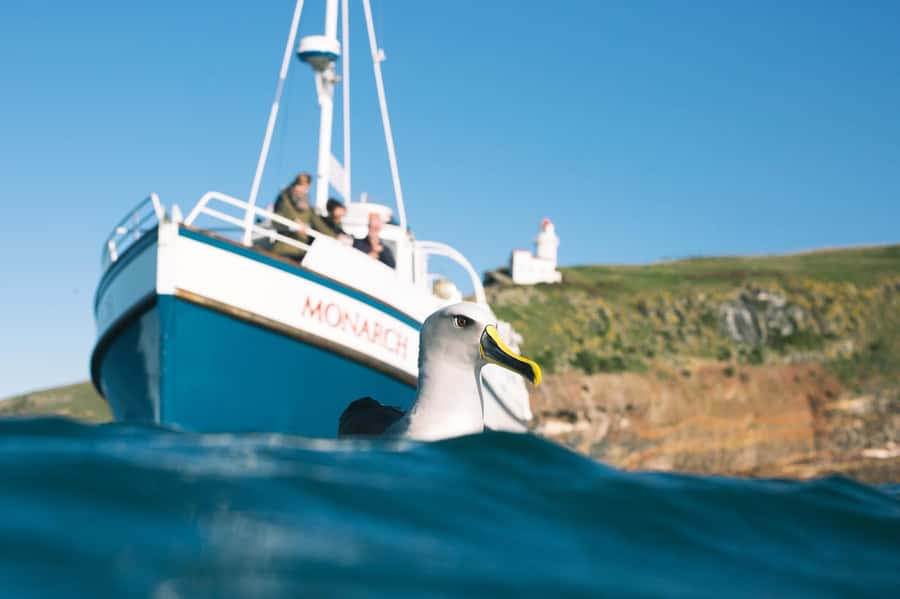
Reviewed · WILDLIFE
Dunedin: Monarch – One Hour Wildlife Cruise
The biggest draw here is the chance to watch royal albatross soaring above Taiaroa Head, where the world’s only mainland colony lives. I like that the cruise also gets close to New Zealand fur seals and sea lions, and that the crew links the wildlife to local geology and military history rather than offering a silent sightseeing ride.
I also like the short, focused format. One hour is enough to reach the harbour mouth and open Pacific without swallowing half your day. The catch is the drive: Wellers Rock Wharf sits 45 to 60 minutes from central Dunedin, and a brisk southerly wind can make the boat feel chilly. People prone to seasickness should think twice.
Key points to know before you go
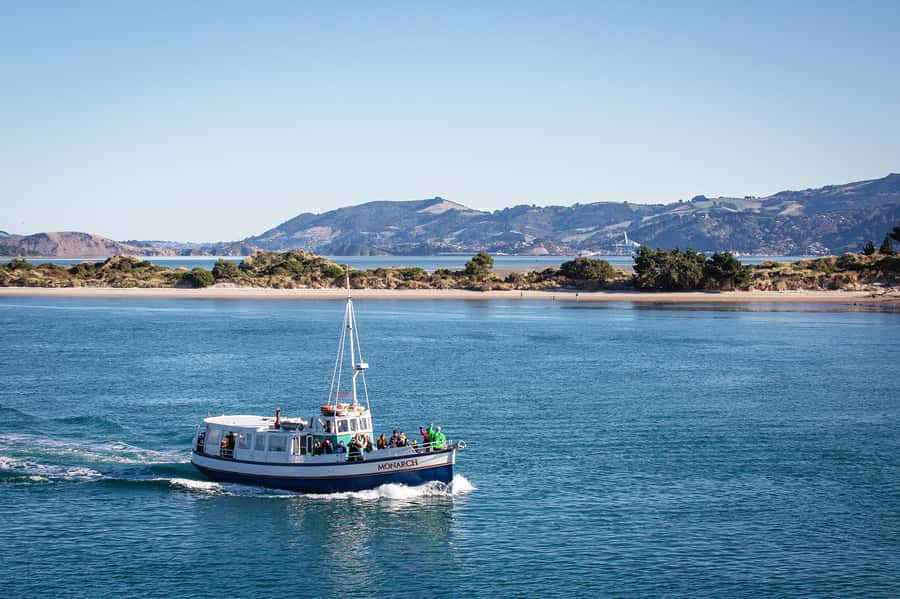
- Royal albatross at Taiaroa Head: Watch birds with wingspans of roughly three metres glide on the updrafts above the cliffs.
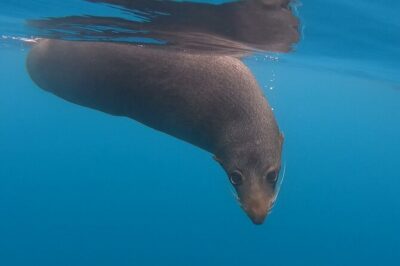
- Fur seals at a breeding rookery: See them resting, sparring, playing, and swimming around the rocks.
- Sea lions at Aramoana Beach: Look across the harbour channel toward tidal sandflats where sea lions may bask.
- A boat ride with context: The crew covers wildlife, local geology, and military remains during the cruise.
- A useful one-hour length: You get a concentrated wildlife outing without committing to a full-day tour.
- Bring warm layers: Wind is part of the setting, especially on a cool southerly day.
Why the royal albatross makes this cruise special
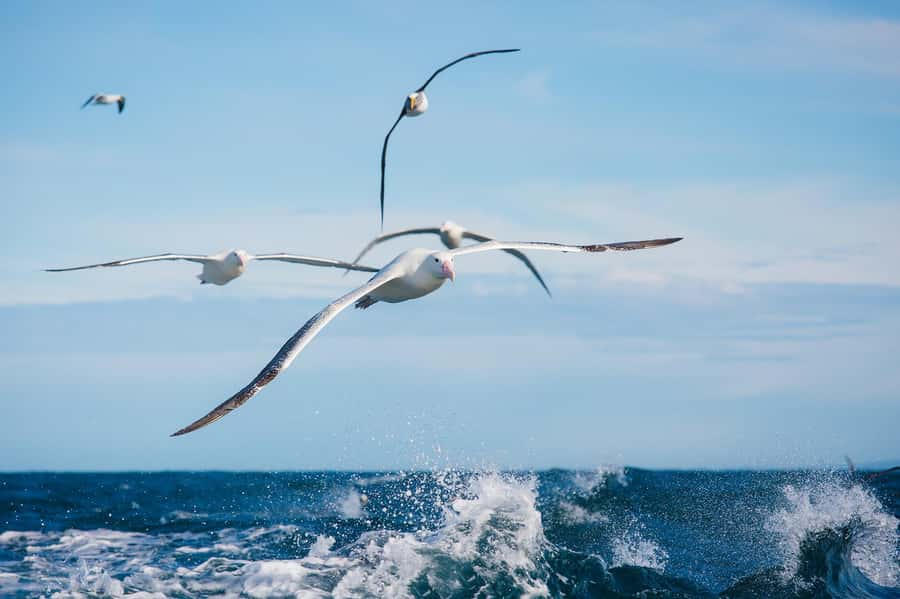
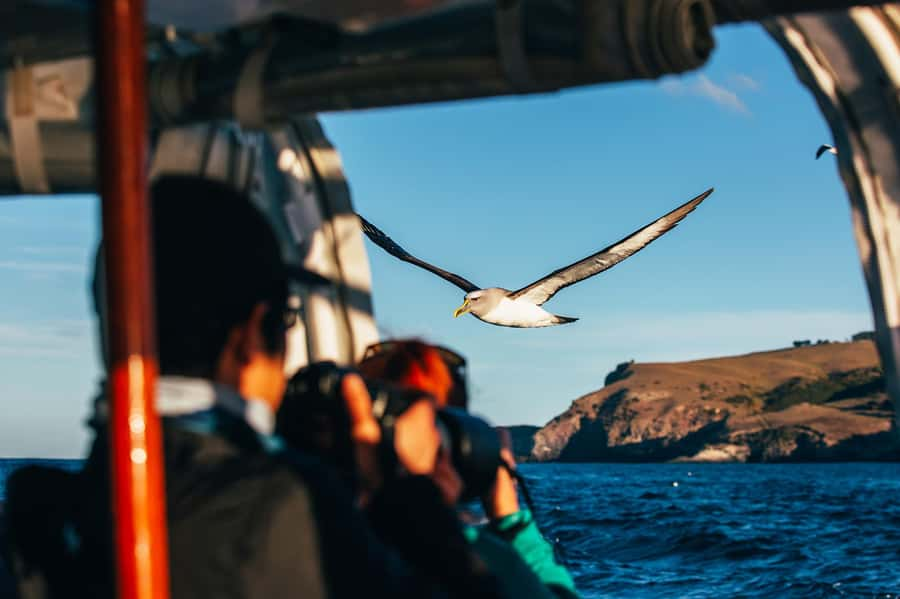
Royal albatross are the star of this trip, and the setting makes the sighting more meaningful than a quick look at a bird flying past. Taiaroa Head rises above the harbour entrance, with a lighthouse perched high on volcanic cliffs. The colony lives on the headland, and the boat gives you an uninterrupted view from the water.
You may see an albatross returning from the ocean at low height before catching the updraft along the hillside. Then the bird can climb with very little visible effort and circle above the colony. With wingspans reaching about three metres, these birds are hard to mistake for ordinary seabirds.
The viewing depends on nature, of course. You are not guaranteed a particular number of birds, and the cruise does not replace a visit to a land-based colony viewing facility. Its value is the angle: you see Taiaroa Head, the cliffs, the lighthouse, and the birds working the air currents as part of one broad coastal scene.
I like that the cruise reaches the harbour entrance instead of staying inside calm water. The boat moves into the Pacific Ocean for a short stretch, where smaller albatross species, petrels, and cormorants may appear. Blue penguins, dusky dolphins, Hector’s dolphins, and other marine mammals are also possible, but these are occasional sightings rather than promises.
More wildlife in Dunedin:
- Dunedin: Wildlife and Penguin Tour
★ 4.6 · 239 reviews - Dunedin: Otago Peninsula with Guided Penguin Reserve Tour
★ 4.7 · 66 reviews - From Dunedin: City, Otago Peninsula & Albatross Guided Tour
★ 4.7 · 35 reviews
From Wellers Rock Wharf into the Otago Harbour
You need to make your own way to Wellers Rock Wharf. The drive from central Dunedin takes about 45 to 60 minutes, depending on your route and conditions, so this is not a quick city-centre activity. Set aside the drive in both directions when planning your day.
That journey is part of the appeal for people who want to see more of the Otago Peninsula. You follow the harbour toward a rugged coastline, and the cruise begins in a setting that already feels far removed from Dunedin’s streets.
The boat is described as sturdy, cosy, clean, and tidy, which matters on a short wildlife outing. You do not need a luxury vessel for this trip, but you do want a stable platform and clear sightlines. The compact one-hour schedule means there is little wasted time once you leave the wharf.
The crew provides live commentary in English throughout the ride. You hear about animal behaviour, the area’s geology, and the human past around the harbour entrance. That extra context helps you understand why the cliffs, sandflats, rocks, and headlands attract different species.
Aramoana Beach and the harbour’s military remains
One early highlight is Aramoana Beach, known here for its tidal sandflats. Look toward the shore for sea lions stretched out in the sun. They may be sprawled across the sand, resting after feeding, or moving between the flats and the water.
Sea lions are larger and more active than the fur seals you see later on the rocky outcrops. If you are lucky, you may catch one shifting position or heading into the water. Still, expect a natural wildlife view, not an arranged performance. Some animals may be asleep or partly hidden by the shape of the shore.
Across the harbour channel, you can also see signs of the area’s military past. Lookouts and gun emplacements were built into the rocky hill, with tunnels connecting parts of the defence system. From the water, these remains add a human layer to a trip that could otherwise focus only on birds and marine mammals.
I appreciate this combination because the cruise does not treat the coast as scenery alone. You get to see how people used the harbour entrance for protection, while the commentary explains the geology that shaped the hills and cliffs. It gives the one-hour trip a wider frame without turning it into a history lecture.
Taiaroa Head, the lighthouse, and the albatross colony
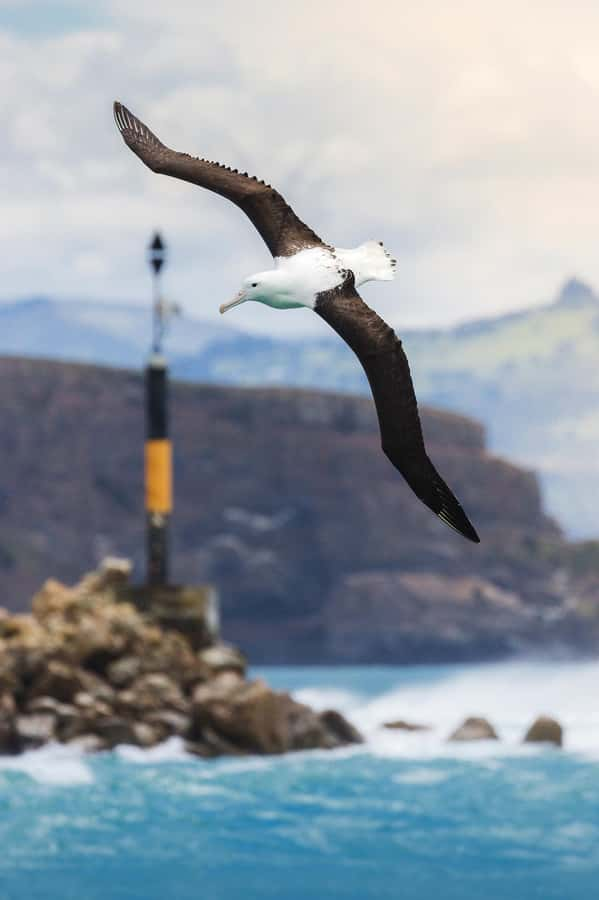
As the boat reaches the area near Taiaroa Head, keep your camera ready. The historic lighthouse sits high above the volcanic cliffs, and it was the first lighthouse built on New Zealand’s South Island, dating from 1864.
The lighthouse is photogenic from the water, but the real attraction is the view beyond it. Royal albatross use the headland’s air currents, and the boat offers a broad look at the colony’s setting. You may see them glide low over the ocean, rise on the updrafts, and circle near the nesting area.
This is a good place to watch the sky rather than stare only at the cliffs. A bird can appear quickly, pass across your view, and be gone. If you want photographs, a waterproof camera is sensible, and you should avoid waiting for the perfect pose. The birds are not there for your camera schedule.
The southern coast can be cool even when Dunedin feels mild. Bring a warm jacket, hat, and sunscreen. The wind can be brisk, and bright light reflecting off the water can catch you by surprise. A hat with a secure fit is more useful than a loose fashion hat.
Same base, a different kind of day:
- Dunedin: Speight’s Brewery Guided Tour with Tasting
★ 4.8 · 170 reviews - Dunedin: Scenic Railway Tour Through the Taieri Gorge
★ 4.7 · 73 reviews - Dunedin City & Otago Peninsula Scenery Day Tour
★ 4.7 · 49 reviews - Dunedin: Larnach Castle & Gardens Admission Ticket
★ 4.6 · 36 reviews
The fur seal colony at the rocky outcrops
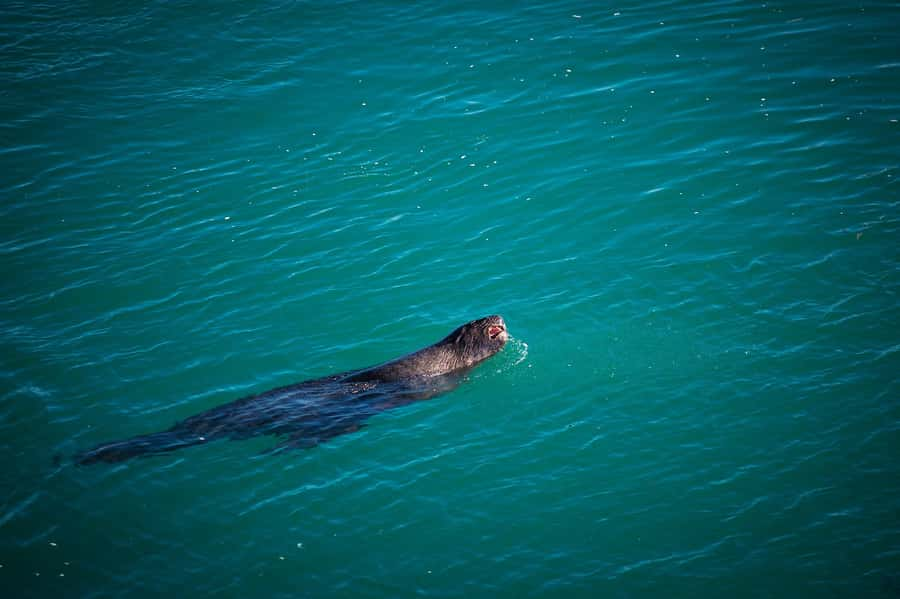
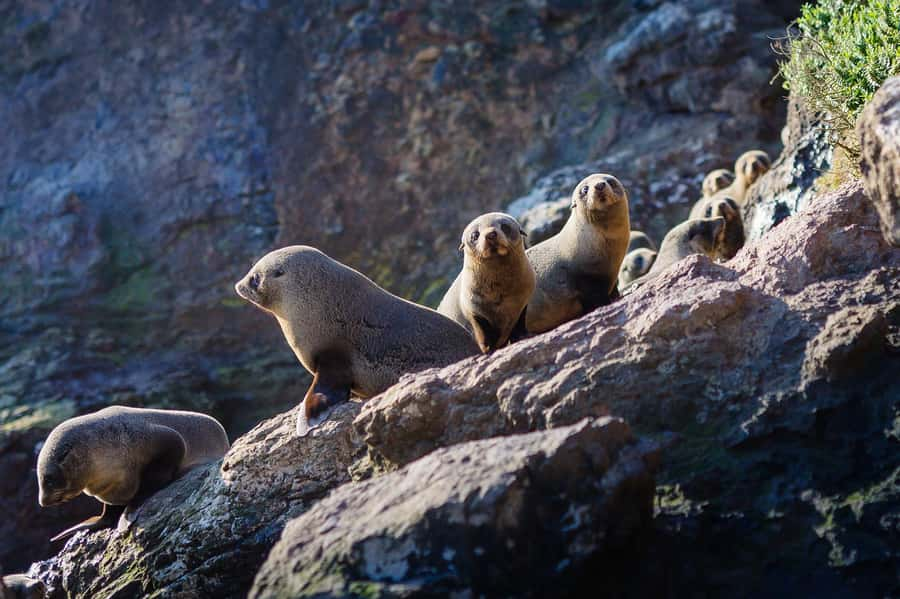
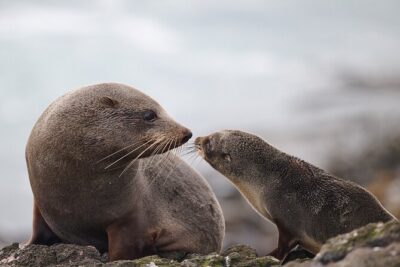
The boat then approaches rocky outcrops extending into the sea. These rocks are home to a large New Zealand fur seal colony and serve as a breeding rookery. This is usually the most entertaining part of the cruise because the seals are not all doing the same thing.
Some may be asleep on the rocks. Others may jostle, fight, or play near the water. You may also see them swimming around the colony, disappearing behind the rocks before surfacing again. Their movements give you more to watch than a single static animal on a distant beach.
The boat’s position matters here. You are not walking onto the rookery, and you should not expect to step ashore. The distance protects the animals while still allowing you to watch their behaviour from the water. Keep your camera waterproofed, since spray and wind are part of a coastal cruise.
I would treat this as a chance to observe patterns rather than count animals. Notice how the seals use the rocks, how some stay near the water, and how the colony changes as individuals move around. The crew’s commentary helps you know what you are seeing, especially if this is your first close view of New Zealand fur seals.
A short run into the Pacific Ocean
After exploring the harbour entrance, the boat travels a short way into the Pacific Ocean. This shift can change the feel of the ride. The water may be more exposed, and the southerly wind can feel sharper once there is less shelter from the harbour.
This section is where you might spot ocean birds that do not always come close to the inner harbour. Smaller albatross species, cormorants, and petrels may pass by. Blue penguins, dusky dolphins, Hector’s dolphins, and other marine mammals are also possible.
The word might matters. Wildlife cruises work with changing conditions, animal movements, and visibility. You should book this for the chance to see a range of species, not for a guaranteed dolphin encounter. The royal albatross colony, fur seals, sea lions, and coastal scenery are the core attractions.
If you are prone to seasickness, this is the part to consider most carefully. The activity is specifically not suitable for people who often become seasick. Take the warning seriously, since even a short trip into open water can feel uncomfortable for some people.
What the crew adds to a one-hour trip
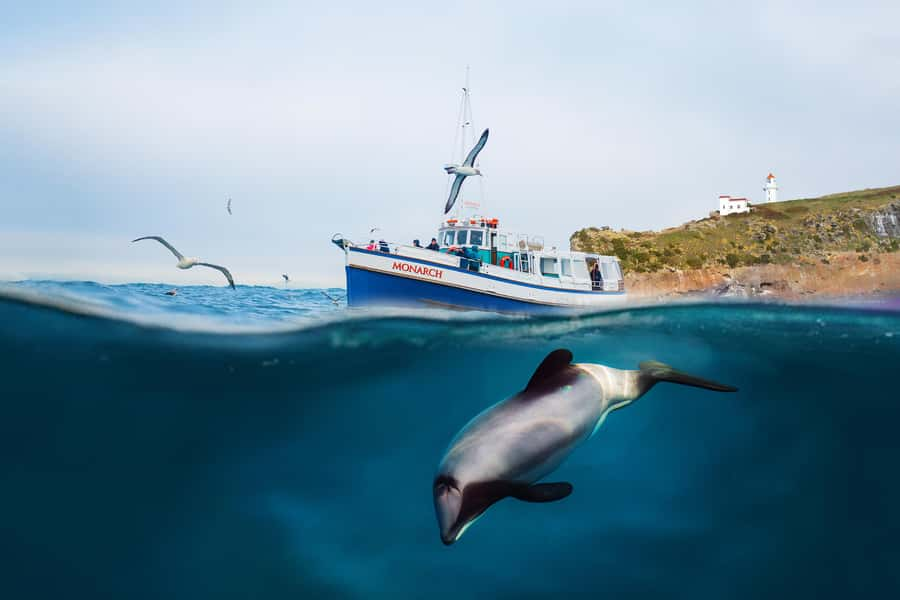
A one-hour cruise can easily become a rushed wildlife checklist. The commentary keeps it from feeling that way. The crew explains what you are looking at while also covering local history and geology, so the views have some meaning behind them.
The staff are an important part of the experience. The boat is kept cosy, clean, and tidy, and the guide is expected to know the subject well. No individual guide names are provided, so you should not book expecting a particular person.
The English commentary suits visitors who want clear explanations as they go. If you enjoy asking questions about birds, seals, or the harbour, listen closely and use the time on board. There is no separate language option listed.
Is $41 good value for one hour?
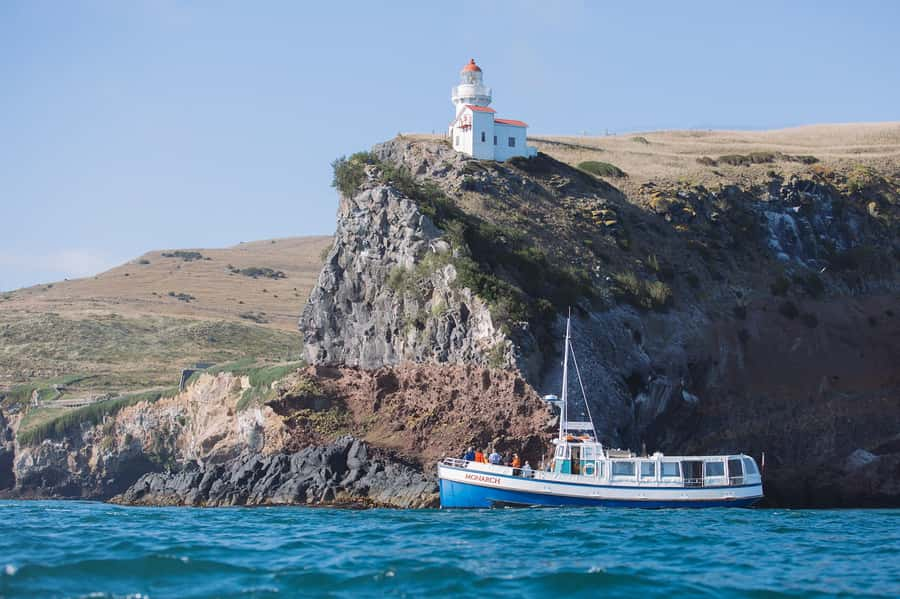
At $41 per person, this is not the cheapest way to see the Otago Peninsula, but the price is reasonable if you want a focused boat trip rather than a long land tour. You are paying for access to the harbour entrance, views of Taiaroa Head from the water, wildlife opportunities, and live commentary.
The one-hour length is both a strength and a limit. I like it for a tight schedule, a family day with limited patience, or a first look at the peninsula before deciding how much more time to spend there. You do not lose an entire afternoon if the weather turns poor or the wildlife stays distant.
On the other hand, the drive adds nearly two hours of road time if you count the return journey from central Dunedin. You also need to pay for your own transport, and food and drinks are not included. The value improves if you are already touring the Otago Peninsula and can fit the wharf into your route.
The flexible booking terms help with planning. You can cancel up to 24 hours ahead for a full refund, and you can reserve now and pay later. Starting times vary, so check availability before building the rest of your day around the cruise.
Practical advice for a better outing
Dress for the boat, not just the city. Wear warm clothing, bring a hat, and use sunscreen. The wind can be cool and brisk, even when the forecast looks comfortable on land.
A camera is worth bringing, but protect it. The activity information specifically recommends a waterproof camera, which tells you what to expect around spray and exposed coastline. Keep your equipment secure and be ready to watch with your eyes instead of chasing every bird through a viewfinder.
Plan extra time for the drive to Wellers Rock Wharf. You should allow 45 to 60 minutes from central Dunedin, then arrive with enough time to find the meeting point without rushing. The cruise itself lasts only one hour, so a late arrival can cost a large share of the experience.
The boat is not suitable for wheelchair users, and electric wheelchairs are not permitted. Baby strollers, bikes, drones, fishing, smoking, vaping, alcohol, drugs, and feeding animals are also not allowed. Climbing, diving, and intoxication are prohibited. These rules protect passengers, wildlife, and the boat.
Who should book the Monarch wildlife cruise?
I would choose this cruise if you want a short, direct introduction to Otago Peninsula wildlife and do not mind driving out from Dunedin. It suits photographers, bird lovers, families who prefer a manageable outing, and anyone who wants to see the coast from the water.
It is especially useful for people with a full Dunedin schedule. You can see a royal albatross colony, fur seals, sea lions, coastal geology, and military remains without signing up for a full-day program.
I would hesitate if you need guaranteed dolphin sightings, dislike wind, or often feel sick on boats. I would also think twice if you do not have enough time for the drive to Wellers Rock Wharf. The cruise is short, but the outing is not a quick hop from central Dunedin.
For most visitors who accept those limits, the combination of royal albatross and fur seals makes the $41 worthwhile. Book it for the coast, the bird colony, and the chance encounters with marine life. Treat dolphins and penguins as welcome extras, not the reason to go.
FAQ
Where does the cruise depart from?
The cruise departs from Wellers Rock Wharf on the Otago Peninsula.
How long does the wildlife cruise last?
The cruise lasts one hour.
How far is Wellers Rock Wharf from central Dunedin?
You should allow 45 to 60 minutes to drive from central Dunedin to the wharf.
What wildlife might I see?
You may see royal albatross, New Zealand fur seals, sea lions, smaller albatross species, cormorants, and petrels. Blue penguins, dusky dolphins, Hector’s dolphins, and other marine mammals are also possible.
Can I see the royal albatross colony from the boat?
Yes. The cruise provides views of the world’s only mainland colony of royal albatross near Taiaroa Head.
Are meals or drinks included?
No. Food and drinks are not included.
Is transportation from Dunedin included?
No. You need to make your own way to Wellers Rock Wharf.
What language is the tour conducted in?
The live commentary is in English.
What should I bring?
Bring warm clothing, a hat, a camera, sunscreen, and a waterproof camera.
Is the cruise suitable for wheelchair users or people prone to seasickness?
The activity is not suitable for wheelchair users or people prone to seasickness.
Just added in Dunedin
- Queenstown to Dunedin Incl Taieri Gorge Train (One-Way)★ 4.3 · 3 reviews
- Private Dunedin City Highlights and Otago Peninsula Day Tour★ 4.3 · 7 reviews
- From Dunedin: City, Otago Peninsula & Albatross Guided Tour★ 4.7 · 35 reviews
- Dunedin: Small Group City Highlights Tour★ 5.0 · 3 reviews
- Dunedin: Otago Peninsula with Guided Penguin Reserve Tour★ 4.7 · 66 reviews
- Dunedin: Peninsula with Lanarch Castle gardens & Olveston★ 5.0 · 8 reviews
- Dunedin: Scenic Railway Tour Through the Taieri Gorge★ 4.7 · 73 reviews
- Dunedin City & Coastal Views 3-Hour Small-Group Tour★ 4.9 · 23 reviews
Wildlife, compared.
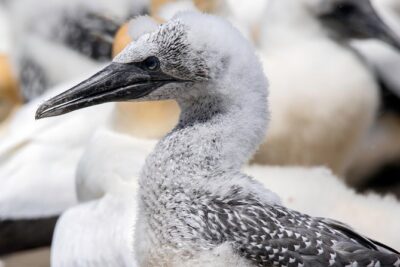
Gannet Safaris Overland tour to Cape Kidnappers Gannet Colony
Read our review →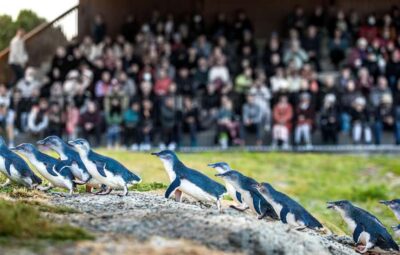
Clearwater Wildlife Tours (small group 10max) Otago Peninsula
Read our review →
Guided Evening Penguin Viewing Otago Peninsula, Dunedin, New Zealand
Read our review →
Browse the lists this tour appears in