
Reviewed · MAORI CULTURAL EXPERIENCES
Whaka Trails and Maori Village Combo Tour
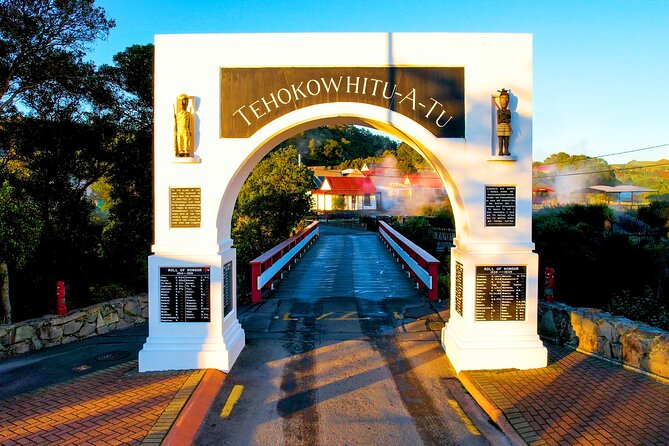
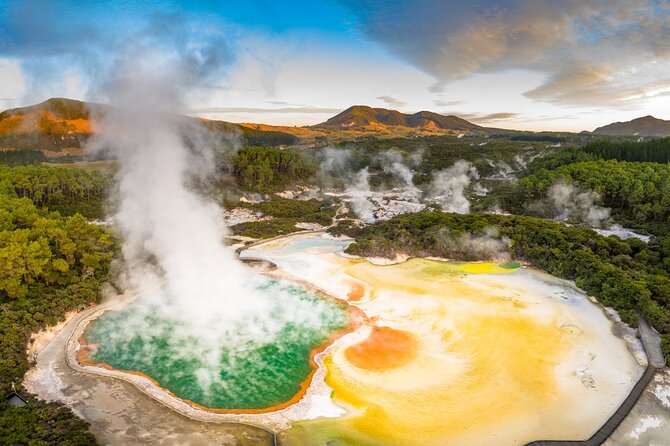
Rotorua’s geothermal heat is not just something to look at here. At Whakarewarewa, The Living Māori Village, steam rises beside homes, cooking happens in hot pools, and the Pohutu Geyser erupts from the earth nearby. A local guide connects the scenery to daily life, Māori culture, family stories, and the science below your feet.
I like the small maximum group of 20, which gives you a fair chance to hear the guide and ask questions. I also like the simple combination of a guided village visit and a self-guided geothermal walk, plus the memorable taste of corn cooked in a hot pool. The main consideration is that this is an easy, educational visit rather than a full cultural performance or meal experience, and some of the walk is on your own.
Key points to know before you go
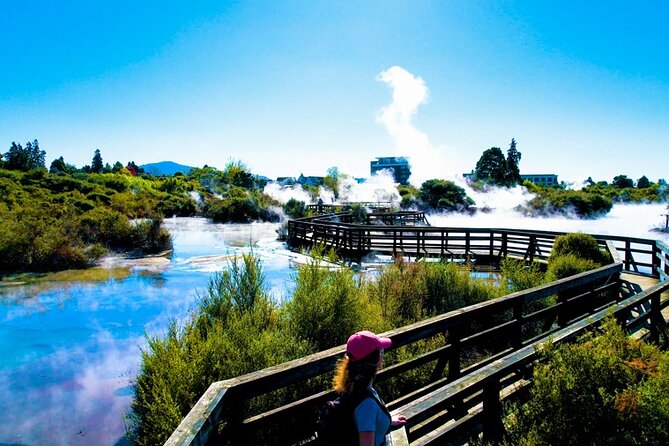
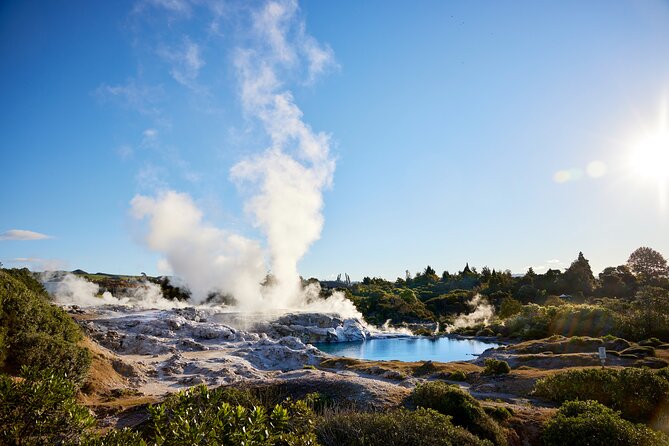
- Pohutu Geyser from two viewing platforms: The geyser can erupt up to twice an hour, so you have a good chance of seeing it active.
- A real living community: The village is home to Māori residents, and the tour explains how geothermal heat is used for cooking, bathing, and heating water.
- Corn cooked by the earth: A small tasting of corn cooked in the largest hot pool gives the tour a practical, tasty link to local customs.
- Self-guided geothermal trails: After the guided visit, you can walk through less-developed areas with bubbling mud, hot springs, steam vents, and other thermal features.
- Guides bring different personal stories: Guides including Angela, Daniel, Mirama, Michael, Ben, and Waimairia are praised for explaining family ties, village life, and Māori traditions.
- Good value for a short Rotorua stop: At $54.30 per person, the price covers the guided village tour and geothermal trail access, with no transport, lunch, drinks, or coffee included.
Why Whakarewarewa feels different from a standard geothermal park
Rotorua has several places where you can see geysers and steaming pools. Whakarewarewa adds something a regular viewing park cannot: people live here and have adapted their daily routines to the heat beneath them.
That changes the way you read the scenery. A steam vent is not only a dramatic photo. It can explain how food is cooked, how water is heated, or how washing and bathing work in the community. The guide shows you how geothermal energy has been used for generations, rather than leaving you to stare at a pool and guess what it means.
The village tour also gives you a look at living Māori culture. This is not simply a collection of reconstructed buildings. Your guide may describe growing up in the village, family heritage, community customs, and the practical side of life around hot springs and mud pools. Guides named in the tour feedback include Angela, Daniel, Mirama, Michael, Ben, and Waimairia, and their styles appear to vary. Some are especially funny and relaxed, while others focus more on family history and tradition.
I would approach the visit with respect. You are entering a place that people call home, not just a themed attraction. Listen carefully, ask polite questions, and remember that the most valuable part of the tour is the chance to understand how the community lives with an active geothermal area.
More hiking & trekking in Rotorua:
- Rotorua Hiking: Mt Tarawera Guided Volcanic Crater Experience
★ 5.0 · 283 reviews - Volcanic Valley Self Guided Walking and Hiking at Waimangu
★ 4.5 · 248 reviews - Whaka Geothermal Trails Self-Guided Tour
★ 3.5 · 44 reviews
The guided village tour connects culture with geothermal science
The main guided visit takes about an hour. You walk through the village with a local guide and stop at hot springs, pools, and other natural features. Along the way, the guide explains Māori customs, village history, family connections, and the ways geothermal heat supports everyday life.
The strongest part of the tour is the link between the cultural information and the ground itself. You do not learn about cooking methods in an abstract way, then move on to a separate thermal park. You see the hot water and steam nearby, then learn how people use it.
One of the clearest examples is the corn tasting. Corn on the cob is cooked in the hot pool, and you get to sample it during the visit. It is a small portion, not a substitute for lunch, but it makes the explanation real. I find this sort of detail more useful than a long list of dates because you can understand the tradition through your senses.
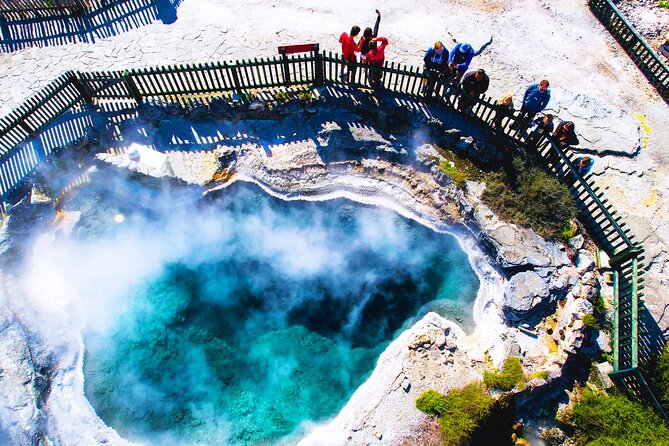
The tour also includes views of the famous Pohutu Geyser. You visit two lookout platforms, giving you different angles on the geyser and the surrounding thermal area. Pohutu can erupt up to twice per hour, although nature does not follow a tour timetable. You may see a full eruption, steam building before an eruption, or the geyser in a quieter moment.
The guides are a major part of the experience. Daniel is described as funny, welcoming, and willing to answer questions. Angela receives praise for making the village and its story easy to understand. Mirama has shared information about her family heritage and home, while Michael has explained how geothermal heat is used for cooking and bathing. Your guide will depend on the departure, but the personal connection is central to the format.
Pohutu Geyser gives the visit its dramatic center
Pohutu is the visual star of the tour. From the lookout platforms, you can watch steam and water rise above the geothermal area, with hot pools and vents around it. This is the point where you will want your camera ready, but do not spend the entire stop staring at a screen.
The geyser is also useful as a reminder that Rotorua’s geothermal activity is ongoing. The village is not built beside a dormant relic. Steam, bubbling water, and hot ground are part of the setting today, and the residents have learned how to use the heat while respecting its power.
The two viewing platforms help spread the group and give you a better chance of finding a clear view. Still, keep your expectations sensible. Eruptions are natural events, not a guaranteed stage show at an exact minute. If you are hoping for a carefully timed spectacle, this may feel less predictable than a purpose-built performance.
The geothermal smells can also be strong. That is part of Rotorua, not a fault with the tour. Sulfur and steam are the price of seeing the real thing up close. I would bring a light layer because the walk includes exposed outdoor areas, but the supplied tour information does not promise a particular weather setup or indoor alternative.
The self-guided trails reveal a wilder side of the site
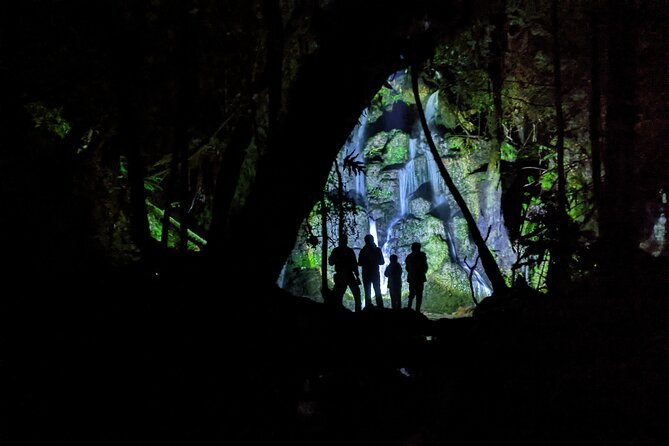
After the guided village visit, you can take a leisurely walk on the Whaka Geothermal Trails. This portion is self-guided, so you set your own pace and spend more time at the features that interest you.
The trails provide access to less-touched geothermal areas. Expect bubbling mud, steaming pools, hot springs, and open views of the raw ground. The area has a Jurassic Park feel, although you should treat it as a geothermal site rather than a place for wandering off the marked route.
This is where the combination becomes more useful than a village tour alone. The guide gives you meaning and context, while the trail gives you time to look closely. I like being able to pause for photographs or walk quietly after the more social guided section.
The self-guided format is both a benefit and a limitation. You have freedom, but no guide is explaining every pool as you go. If you want to learn the most, pay close attention during the village talk and ask your questions before setting out. The best experience comes from combining the two parts rather than rushing through the trail.
Allow enough time for both sections. The supplied timing lists a roughly two-hour visit for the village and geothermal trails, with a separate one-hour description for the guided viewing portion. In practical terms, plan on about one to three hours, depending on your pace and how long you spend on the trails.
Other Maori cultural experiences around Rotorua:
- Mitai Maori Village: Cultural Experience and Dinner Buffet
★ 4.7 · 3,575 reviews - Cultural Experience & Seasonal Māori Cuisine at Te Pā Tū
★ 5.0 · 1,546 reviews - Mitai Maori Village Cultural Experience in Rotorua
★ 4.5 · 1,294 reviews - Rotorua: Te Pa Tu Māori Cultural Experience with Dinner
★ 4.8 · 1,193 reviews
What the price includes, and what it does not
The listed cost is $54.30 per person. That covers entry to the Whaka Geothermal Trails and the guided village tour. For a short Rotorua activity, I consider that fair value, especially because you are paying for local interpretation rather than only access to thermal features.
The value depends on what you want. If you only need a quick photo of a geyser, a shorter viewing stop may suit you better. If you want a cultural explanation, a local guide, a taste of geothermal cooking, and time on a thermal trail, this package gives you several experiences in one visit.
Do not arrive expecting lunch. Coffee, tea, bottled water, and lunch are not included. The corn tasting is a cultural and culinary sample, not a meal. Bring water and plan food separately, particularly if you are visiting at a meal time.
The activity starts and ends at 17 Tryon Street in Whakarewarewa, Rotorua. It is near public transportation, but transport to the meeting point is not part of the price. The maximum group size is 20, which is a useful middle ground: large enough to keep the tour lively, but small enough that the guide should be audible and accessible.
Who will enjoy this Rotorua experience most
I would recommend the tour to anyone who wants more than a quick geothermal photo stop. It suits families, couples, solo visitors, and older children who can manage an easy walking tour. One family found that both a teenager and a younger child enjoyed the stories, food tasting, and village visit.
The activity is also a good choice if your Rotorua schedule is tight. You receive cultural background, geothermal viewing, a geyser lookout, a food sample, and a walking trail without needing several separate bookings.
It may be less suitable if you want a long Māori performance, a large feast, or a highly choreographed attraction. The focus here is the village, the geothermal setting, and conversation with a local guide. The experience is strongest when you are curious and willing to listen.
Most people can participate, and service animals are allowed. The supplied information does not give a detailed mobility description, so contact the provider if you need specific advice about surfaces, slopes, or trail conditions.
Practical tips for a better visit
Arrive at 17 Tryon Street with enough time to check in. The activity returns to the same meeting point, so you do not need to arrange a separate end location.
Wear shoes suited to an outdoor walk. The trail is described as leisurely, but you will be moving around geothermal features and viewing areas. Bring water because bottled water is not included, and carry a light rain layer if the forecast looks unsettled.
Keep your camera ready at the geyser platforms, but listen while the guide explains what you are seeing. The stories about community cooking, hot-water bathing, and family life give the photographs their meaning.
Ask questions. The guides are used to explaining how people live in a geothermally active area, and the strongest moments often come from the answers rather than the prepared route. If your guide is Daniel, you may find his humorous style especially engaging. If you meet Angela, Mirama, Michael, Ben, or Waimairia, expect the emphasis to vary with their own family knowledge and way of telling the story.
Give yourself time for the trail. The guided village portion is the part you cannot recreate on your own, but the trail is where you can slow down and take in the steam vents, mud, and pools without a group moving on.
Is the Whaka Trails and Māori Village Combo worth booking?
Yes, if you want a compact Rotorua activity that joins Māori community life with real geothermal features. The local guide, corn tasting, Pohutu viewing platforms, and self-guided trail make this more useful than a quick stop at a geyser lookout.
At $54.30, I think it is a sound choice for families and first-time Rotorua visitors, especially if you have only a few hours. Book it if you value explanation and personal stories. Skip it if your priority is a full Māori stage show, a substantial meal, or a long guided hike.
The main reason to choose it is simple: you do not just see geothermal heat. You learn how a living community works with it every day.
FAQ
Where does the Whaka Trails and Māori Village tour start?
The tour starts at 17 Tryon Street, Whakarewarewa, Rotorua 3010, New Zealand.
Where does the activity finish?
The activity ends back at the meeting point on Tryon Street.
How long does the experience take?
The overall visit takes approximately one to three hours. The village and trail portion is listed at about two hours, while the guided Pohutu viewing portion is listed at about one hour.
What is included in the ticket?
The ticket includes access to the Whaka Geothermal Trails and the guided tour of the living Māori village.
Is food included?
A tasting of corn cooked in the largest hot pool is included as part of the village experience. Lunch, coffee, tea, and bottled water are not included.
Will I see Pohutu Geyser erupt?
The tour includes views of Pohutu Geyser from two lookout platforms. It can erupt up to twice per hour, but eruptions are natural events and cannot be guaranteed at an exact time.
Is the geothermal trail guided?
The village visit is guided by a local guide. The geothermal trail is a self-guided walk that you can take at your own pace.
How large is the tour group?
The activity has a maximum group size of 20 people.
Can I cancel for a refund?
You can cancel at least 24 hours before the experience starts for a full refund. Cancellations or changes made less than 24 hours before the start time are not accepted for a refund. If poor weather causes the activity to be canceled, you will be offered another date or a full refund.
Just added in Rotorua
- 15-Minute Crater Lakes Flight by Floatplane from Rotorua★ 4.5 · 11 reviews
- Whaka Geothermal Trails Self-Guided Tour★ 3.5 · 44 reviews
- Rotorua: Scenic Flight over Mt Tarawera & Waimangu Valley★ 4.9 · 25 reviews
- Mt Tarawera Helicopter Tour with Volcano Landing★ 5.0 · 40 reviews
- Mt. Tarawera Volcano Scenic Floatplane Tour from Rotorua★ 5.0 · 42 reviews
- Rotorua Highlights Inc. Te Puia & Secret Spot Hot Tubs Day Tour★ 4.5 · 129 reviews
- Lake Rotoiti Evening Kayak Tour including Hot Springs, Glowworm Caves and BBQ Dinner★ 5.0 · 60 reviews
- Mountain Jade Highlights Tour★ 5.0 · 31 reviews
Maori Cultural Experiences, compared.
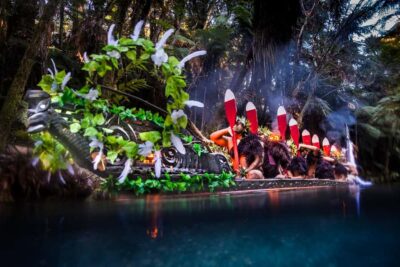
Mitai Maori Village: Cultural Experience and Dinner Buffet
Read our review →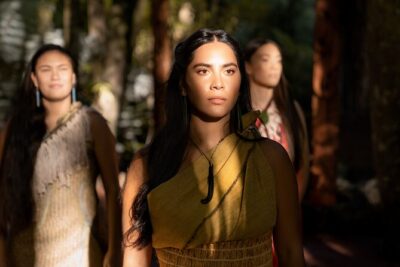
Cultural Experience & Seasonal Māori Cuisine at Te Pā Tū
Read our review →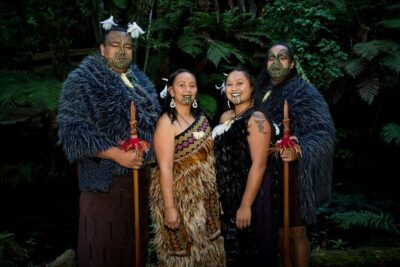
Mitai Maori Village Cultural Experience in Rotorua
Read our review →
Lake Taupo: Classical Sailing to the Māori Rock Carvings
Read our review →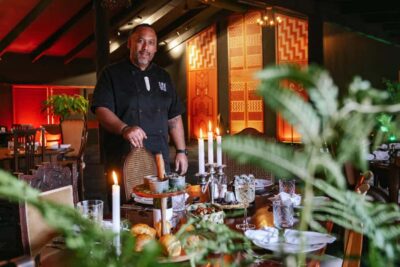
Te Pa Tu Māori Cultural Experience with Dinner
Read our review →
Lake Taupō Māori Rock Carvings Scenic Cruise aboard Ernest Kemp
Read our review →
Waitomo Caves & Rotorua – Te Puia Small-Group Tour from Auckland
Read our review →
Lake Taupo: Maori Rock Carvings 10.30 AM 1.5-Hour Cruise
Read our review →Browse the lists this tour appears in