
Reviewed · WILDLIFE
Dunedin: Wildlife and Penguin Tour
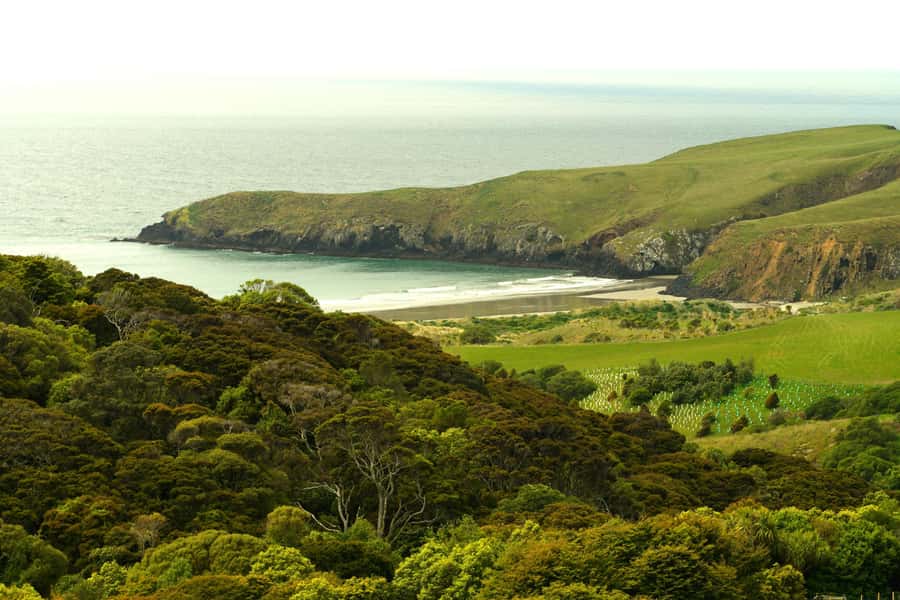
Yellow-eyed penguins are the star here, but they are not a guaranteed sight. This private reserve protects hoiho, kororā, seals, sea lions, and native birds, and your $44 ticket helps support habitat restoration and penguin care. I like the mix of close-up rehabilitation work and a real reserve walk, plus the chance to see animals in the wild rather than behind a zoo fence.
I also like the calm pace. Guides such as Emma and Eden have been praised for their enthusiasm, and the bus commentary makes good use of the short ride. The main consideration is simple: wildlife follows its own timetable. You may see yellow-eyed penguins on the beach, or you may see them only in rehabilitation, while little penguins, seals, and sea lions fill the gap.
Key points at a glance
- Yellow-eyed penguins are never guaranteed, since their numbers are declining and sightings change with the season and time of day.
- The 2-kilometre guided walk takes you through a private reserve on the Otago Peninsula.
- The rehabilitation centre can provide close views of penguins when birds are present.
- Wildlife can include little penguins, New Zealand fur seals, sea lions, forest birds, shorebirds, and other native species.
- Rain jackets are available, but you should still bring sturdy shoes and warm outdoor clothing.
- The $44 price supports conservation, making this more than a standard sightseeing outing.
Why the Otago Peninsula reserve matters
The Otago Peninsula is one of the best places around Dunedin to look for coastal wildlife, but this experience is not simply a drive to a lookout. The reserve is privately managed and devoted to restoring habitat and protecting native animals, including the endangered yellow-eyed penguin, or hoiho.
The conservation work gives the visit more meaning. You are not just hoping to spot a penguin for your camera. You are seeing a place where native vegetation, nesting areas, and animal recovery all form part of the same effort.
Yellow-eyed penguins are especially fragile. Their numbers are in decline, and even a well-run reserve cannot promise a sighting. That honesty is important. If you need a guaranteed penguin encounter, this may frustrate you. If you want to understand why penguin protection takes patience and careful limits on human contact, it is a better fit.
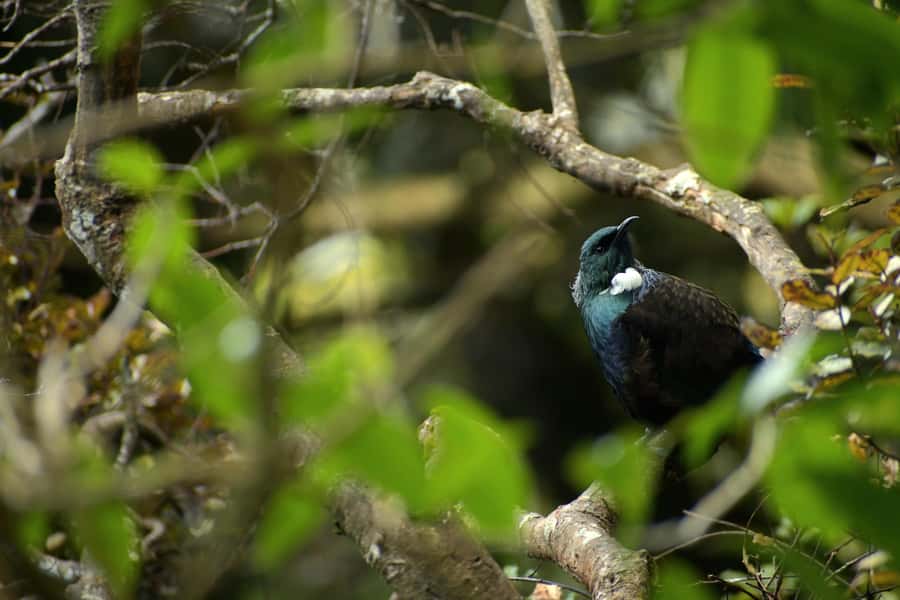
The reserve also protects more than penguins. Fur seals, sea lions, shorebirds, forest birds, and other native species may appear along the route. The wildlife list is broad enough that a quiet penguin day can still be a rewarding animal-watching trip.
More wildlife in New Zealand:
- Oamaru: Penguins Evening Viewing Ticket
★ 4.5 · 682 reviews - Clearwater Wildlife Tours (small group 10max) Otago Peninsula
★ 5.0 · 531 reviews - Guided Evening Penguin Viewing Otago Peninsula, Dunedin, New Zealand
★ 5.0 · 471 reviews
The theatre introduction sets the conservation story
The experience begins at reception at 45 Pakihau Road, followed by a theatre presentation about the reserve and its conservation work. This opening gives you useful context before you head outside.
You learn about the attempt to return the reserve to a more natural state, the habits of yellow-eyed penguins, and the work needed to protect the birds and other animals living there. I like this order. It helps you understand why the guide asks you to keep your distance, stay quiet, and follow set paths later in the tour.
The presentation also prepares you for the limits of wildlife viewing. Yellow-eyed penguins may be ashore on one day and absent the next. Their activity changes through the year and from morning to afternoon. A good guide can improve your chances, but no guide can control the animals.
The short film or theatre session is not the most active part of the tour, so children with short attention spans may need a little patience. Still, it gives the walk a purpose. You begin to see the reserve as a working conservation site rather than just a scenic stop.
A rare look inside the rehabilitation centre
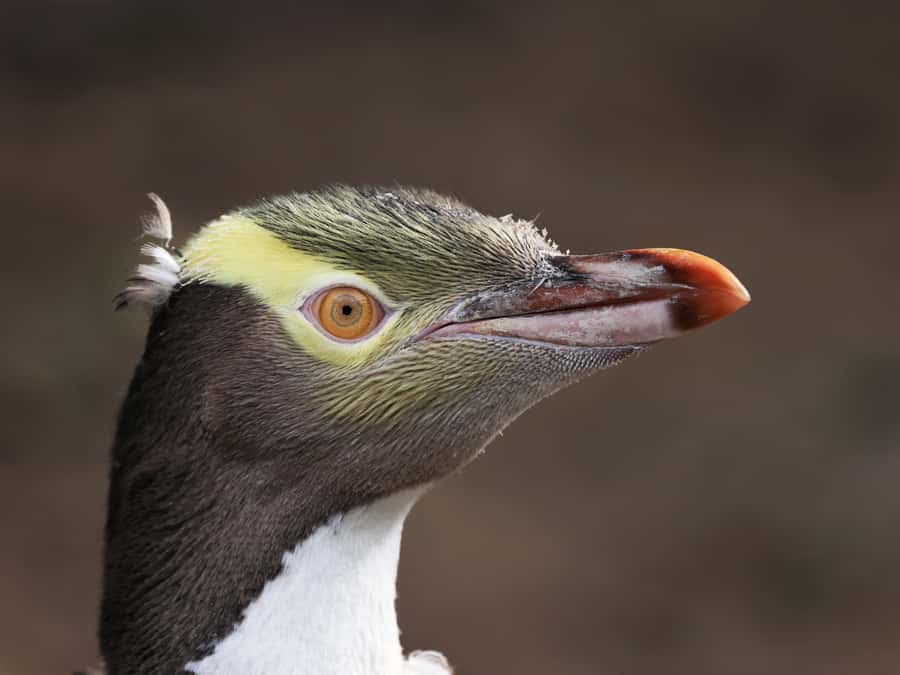
When penguins are present, the tour includes an exclusive visit to the rehabilitation centre. This is where you may get your closest look at yellow-eyed penguins and other penguin species.
The centre can be the most dependable part of the penguin experience. Wild birds may stay hidden, but a rehabilitation visit has the potential to put you near animals receiving care. At times, several different penguins have been present, including birds that were later released.
You should keep expectations realistic. The centre is designed around the animals, not around perfect viewing angles. One past departure found the rehabilitation area difficult to see clearly, and the centre may limit access or visibility to avoid disturbing the birds. That can be disappointing if you expect a close, open display.
I see that limitation as part of the conservation message. Penguins are sensitive to people, noise, and pressure. A viewing area that feels less convenient may be protecting the very animals you came to see. The tour specifically prohibits touching animals, and you should follow every instruction from the guide.
This is also where binoculars can help. Some departures have had binoculars available for use, and they are listed among the suggested items to bring. Even at the rehabilitation centre, careful observation is better than expecting a staged animal encounter.
The short bus ride is part of the tour
After the indoor introduction and possible rehabilitation visit, you board a bus into the reserve. The ride is short, but the guide continues explaining the area and pointing out details along the way.
That commentary matters because the tour lasts only 90 minutes. A silent transfer would eat into your wildlife time, but a guide who keeps talking can turn the ride into part of the interpretation. Several guides, including Emma and Eden, have been praised for their strong interest in penguins and the reserve.
The bus also reduces the amount of walking you need to do before reaching the main viewing area. You still need to complete a guided nature walk, but you are not spending the whole tour hiking from the entrance.
Some departures are divided into smaller groups, which can make it easier to hear the guide and stop for photos. Group size can affect how personal the experience feels, so ask about the particular departure if that is important to you.
Same base, a different kind of day:
- Hobbiton Movie Set: Guided Tour Ticket
★ 4.9 · 8,167 reviews - Waitomo: Glowworm Caves Guided Tour by Boat
★ 4.5 · 4,908 reviews - Rotorua Canopy Tours: 2.5Hour Native Forest Zipline Adventure
★ 5.0 · 4,563 reviews - Hobbiton™ Movie Set Walking Tour from Shires Rest
★ 5.0 · 3,577 reviews
The 2-kilometre nature walk
The main outdoor section covers about 2 kilometres, or 1.25 miles, on a guided nature walk. You should wear comfortable walking shoes and outdoor clothing. The route is not suitable for wheelchair users, people with mobility impairments, people with low fitness, or visitors with visual impairments.
This is not a fast march from one animal to the next. The guide may stop to point out plants, bird activity, nesting areas, or movement along the coast. One of the better features of the experience is the flexible pace. If the group wants to pause for photos or spend more time watching an animal, the guide may allow it rather than pushing everyone along.
The walk gives you the chance to see the reserve as a living habitat. Look for movement near the shore, low penguin shelters, birds in the forest and open areas, and seals or sea lions resting nearby. The setting is part of the appeal, but the route is still a wildlife walk, not a scenic stroll with guaranteed views.
Bring binoculars if you own them. They help you scan the reserve without stepping closer to animals. If you forget them, binoculars may be provided, but availability should not be assumed.
What you might see along the route
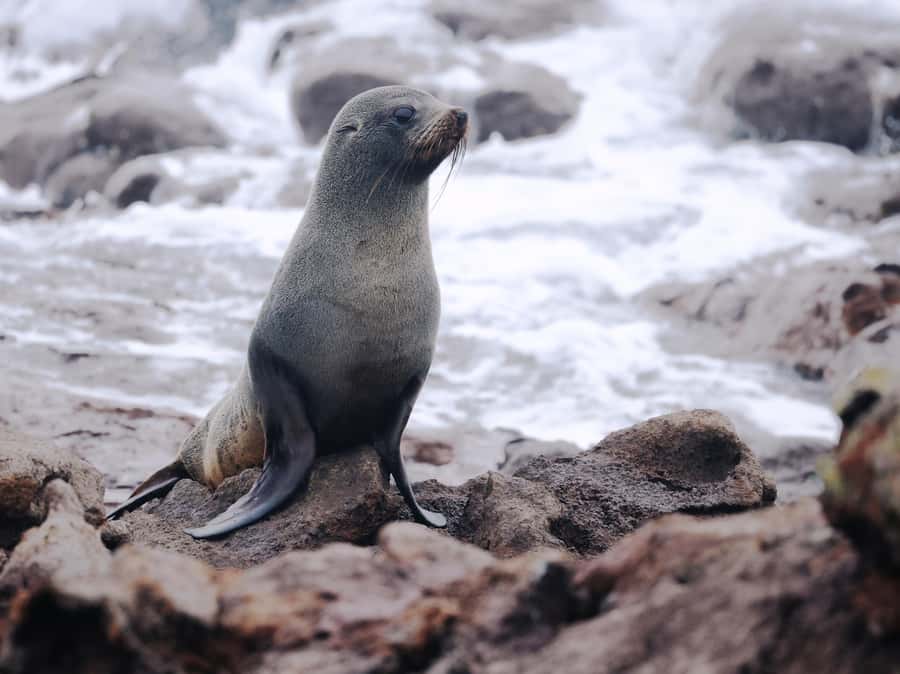
The reserve is home to hoiho, also called yellow-eyed penguins, and kororā, or little penguins. It also supports New Zealand fur seals, New Zealand sea lions, and several types of land and shore birds.
Little penguins may appear in or near their nest boxes. These small blue penguins can be easier to spot than yellow-eyed penguins, particularly when the larger birds are not coming ashore. They are still wild animals, so the guide cannot promise a sighting.
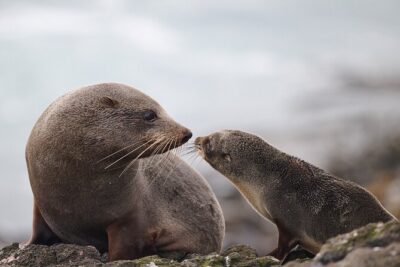
Sea lions and fur seals may provide some of the closest wildlife encounters. They can be active, sleepy, curious, or completely uninterested in your group. That unpredictability is part of the fun, but it also means you must let the guide manage the distance.
Yellow-eyed penguins are the prize sighting. You might see them near the beach, along the reserve, or in the rehabilitation centre. Some departures have seen wild penguins and several kinds of penguins in one visit. Others have missed yellow-eyed penguins in the wild but still seen little penguins, seals, sea lions, and birds.
This variation is not a flaw in the tour. It is the basic reality of observing rare animals. The strongest approach is to treat yellow-eyed penguins as a possible bonus and the reserve, conservation story, and wider wildlife as the main experience.
The guides make a real difference
A wildlife tour depends heavily on its guide, and the named guides connected with this experience include Emma and Eden. Their role goes beyond pointing at animals. They explain penguin behaviour, habitat restoration, the pressures facing hoiho, and the need to keep viewing respectful.
Emma has been noted for her enthusiasm and care for the reserve. Eden has also been praised for explaining the work being done to restore native plants and protect wildlife. Those personal details matter because a flat lecture can make conservation feel distant, while a guide who clearly cares can help you understand why small rules matter.
Good guiding is also practical. The best guides keep the bus ride useful, answer questions, watch the group’s pace, and allow time for photographs. They also know when not to push closer to an animal.
You should not expect a private one-on-one guide. This is a shared 90-minute tour, and the quality of the experience may depend partly on group size and wildlife activity that day. Still, the guide’s commentary is one of the strongest reasons to choose this over simply visiting a viewpoint on your own.
Is $44 a fair price?
At $44 per person, I consider this a good value for a short wildlife outing, especially if you care about conservation. Your ticket includes the theatre presentation, rehabilitation centre access when available, bus transport into the reserve, the guided walk, and possible use of rain jackets.
The tour lasts 90 minutes, so the price is not low if you judge it only by time. The value comes from access. You are visiting a private eco-reserve, entering a rehabilitation centre when penguins are present, and receiving interpretation about endangered wildlife and habitat work.
The price is also easier to justify if you see several kinds of wildlife. Fur seals and sea lions may appear close by, while birds and little penguins add variety. If your only goal is a guaranteed yellow-eyed penguin photograph, no ethical wildlife tour can promise that, and you should not judge the cost on that basis.
Food and drinks are not included. Bring your own water and snacks if needed, though the tour is short enough that most people will not need a meal during the activity.
Weather, clothing, and practical limits
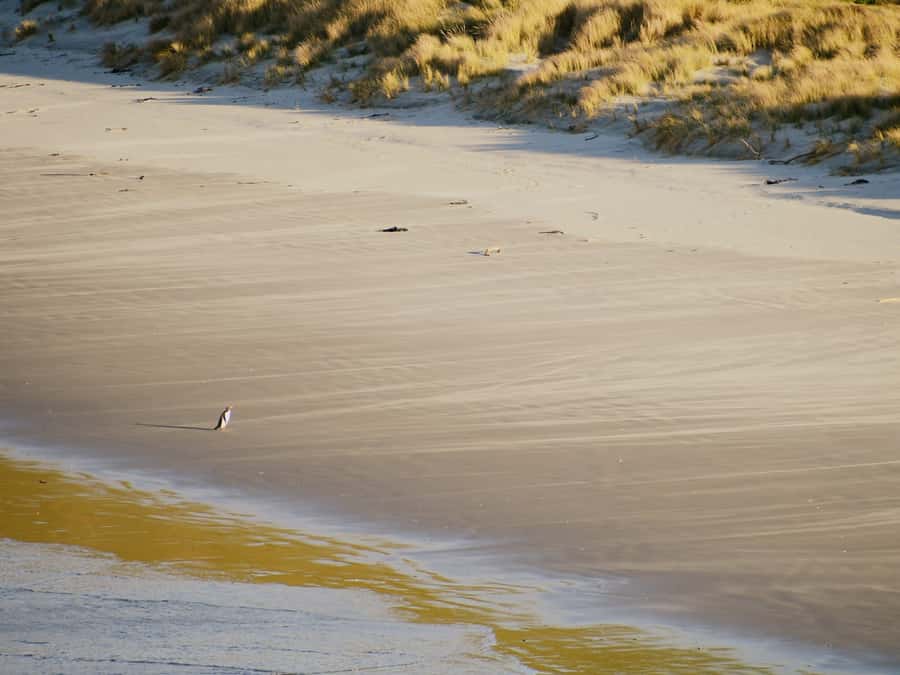
Otago Peninsula weather can change, so wear layers and bring outdoor clothing even if the sky looks clear at check-in. Rain jackets are available, but comfortable walking shoes remain your responsibility.
A camera is useful, but do not let it distract you from watching the animals. Binoculars are even more valuable because they let you see wildlife while keeping a respectful distance.
Smoking is not allowed, and touching animals is prohibited. These are basic rules, but they matter in a reserve protecting sensitive species. Keep your voice low when the guide asks, stay with the group, and follow directions around penguins, seals, and sea lions.
The tour is not suitable for wheelchair users, people with mobility impairments, people with low fitness, or people with visual impairments. The 2-kilometre walk and outdoor conditions require a reasonable level of mobility.
Cancellation is flexible if your plans are uncertain. You can cancel up to 24 hours before the activity for a full refund, and the reserve offers a reserve-now, pay-later option. The tour is conducted in English.
Who should book this experience?
I would choose this tour if you want a short, guided wildlife outing that combines education, conservation, and a chance to see animals in a protected setting. It suits visitors who enjoy learning how a reserve works, not just collecting a quick photo.
It is especially useful if you have limited time on the Otago Peninsula. The bus ride reduces the distance to the reserve, and the 90-minute format fits neatly into a busy Dunedin day.
Families with older children may enjoy the penguins, seals, and sea lions, though the theatre section and careful wildlife rules require attention. Nature photographers should bring a camera and binoculars, but should be prepared for distant or brief sightings.
I would hesitate to book it if you need guaranteed access to yellow-eyed penguins, cannot manage a 2-kilometre walk, or expect a large, open rehabilitation display. The animals come first, and that can mean limited views.
Should you book the Dunedin Wildlife and Penguin Tour?
Book it if you want to support a real conservation project while exploring a private reserve with a guide who can explain what you are seeing. The strongest combination is the rehabilitation centre, the chance of wild penguins, and close encounters with seals and sea lions.
Go with flexible expectations. You may see yellow-eyed penguins in the wild, or you may see them in care, while little penguins and marine mammals provide the day’s main sightings. For $44, the experience offers solid value, particularly for anyone who wants the conservation story as well as the wildlife.
FAQ
Where does the tour begin?
Check in at reception at 45 Pakihau Road on the Otago Peninsula.
How long does the experience last?
The guided wildlife and penguin experience lasts 90 minutes, including the bus ride, rehabilitation centre access when available, and nature walk.
What animals might I see?
Possible sightings include yellow-eyed penguins, little penguins, New Zealand fur seals, sea lions, forest birds, shorebirds, and other native wildlife.
Are yellow-eyed penguins guaranteed?
No. Yellow-eyed penguins are wild and endangered, and sightings vary by season and from day to day. The tour will make the best possible effort, but viewing is not guaranteed.
Can I visit the rehabilitation centre?
The tour includes access to the rehabilitation centre when penguins are present. Viewing conditions may vary because the animals’ welfare comes first.
What should I bring?
Bring comfortable walking shoes, outdoor clothing, a camera, and binoculars if you have them. Rain jackets are available as part of the tour.
Is the tour suitable for wheelchair users?
No. The experience is not suitable for wheelchair users, people with mobility impairments, people with visual impairments, or people with a low level of fitness.
Just added in New Zealand
- Auckland: Half-Day Sea Kayak Tour to Motukorea Island★ 5.0 · 6 reviews
- Hokitika: West Coast Treetop Walkway Entrance Ticket★ 4.5 · 82 reviews
- Half Day Dolphin & Wildlife Cruise – Tauranga★ 4.5 · 103 reviews
- Milford Sound: Self-Guided Milford Track Day Walk★ 4.5 · 114 reviews
- Rotorua via Kiwi/lakes country & a visit to iconic Whakarewarewa★ 4.5 · 66 reviews
- Mou Waho Island: 3-Hour Cruise and Guided Nature Walk★ 4.9 · 66 reviews
- Tauranga Private Excursion: Rotorua -Te Puia-Geysers & Kiwi’s★ 4.5 · 115 reviews
- Napier: Afternoon Winery Tour Tasting at 3 Great Wineries★ 4.7 · 147 reviews
Wildlife, compared.
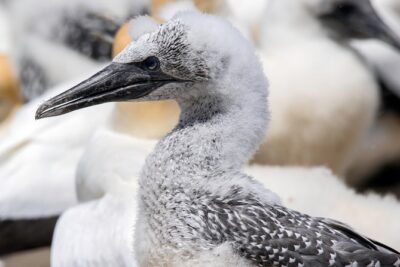
Gannet Safaris Overland tour to Cape Kidnappers Gannet Colony
Read our review →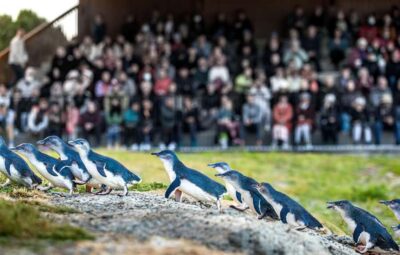
Clearwater Wildlife Tours (small group 10max) Otago Peninsula
Read our review →
Guided Evening Penguin Viewing Otago Peninsula, Dunedin, New Zealand
Read our review →
Browse the lists this tour appears in