
Reviewed · WILDLIFE
Seal Coast Safari – Exclusive access to Wellington’s secret coast
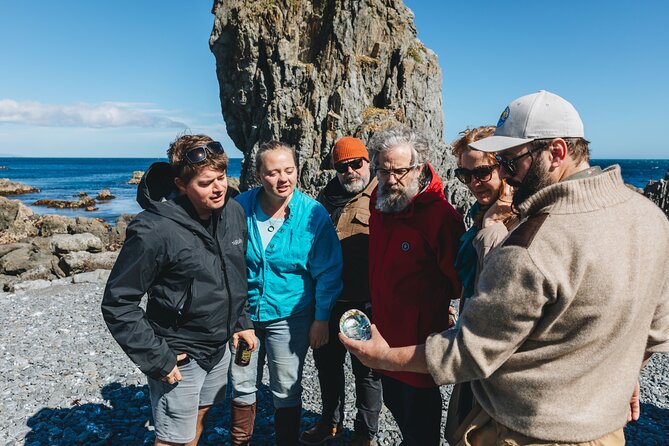
The real prize here is Wellington’s rough south coast, where a private farm track leads down to a fur seal colony beside the old Karori Rock lighthouse. You get wide Cook Strait views, a chance to spot the South Island, and a side of Wellington that is far removed from the city center.
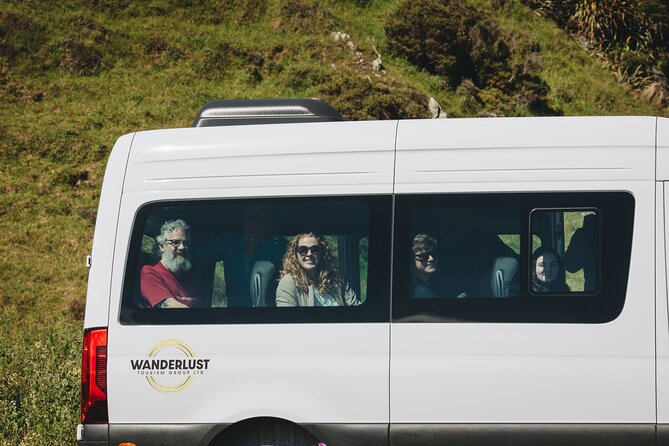
I like the small groups of up to 10 and the comfortable Mercedes 4WD vans. I also like the mix of native forest, working farmland, wind turbines, farm animals, and wild coast. The main catch is the steep, winding drive, which can be uncomfortable if you have neck problems or dislike curvy roads.
Key points to know before booking
- Private access through Terawhiti Station: The route crosses one of New Zealand’s oldest and largest stations, giving you views that ordinary sightseeing buses cannot reach.
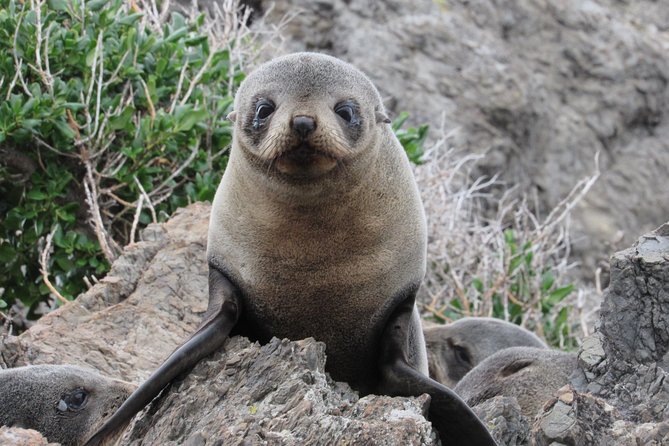
- Fur seals at Karori Rock: The colony rests near Wellington’s leaning lighthouse, in a rugged setting where the animals are seen in their natural surroundings.
- Two very different nature stops: Otari-Wilton’s Bush offers native forest and birds, while Cape Terawhiti delivers open ocean, cliffs, rocks, and strong coastal scenery.
- Experienced local guides: Guides including Sara, Grant, Hamish, Chewy, Chris, Marc, and Blue provide commentary on Wellington’s plants, animals, farming, history, and conservation work.
- Cruise-friendly timing: Pickup and drop-off are available at the cruise ships, and the operator says it has not missed a ship drop-off.
- A true half-day outing: The tour lasts about 3 hours and 30 minutes, with morning and afternoon departures, tea, coffee, snacks, and free cancellation up to 24 hours ahead.
Why Wellington’s south coast is worth your half-day
Wellington is often sold through its museums, harbor, cable car, and film connections. Those are worthwhile, but this safari takes you beyond the usual city route. The south coast feels remote surprisingly quickly, with open farmland giving way to ocean, rock, wind, and wildlife.
The tour is especially useful if you have limited time in Wellington. In one outing, you see native bush, a working farm, coastal views, a historic lighthouse, and New Zealand fur seals. You do not need to plan several separate trips or rent a vehicle for roads that are better handled by a local driver.
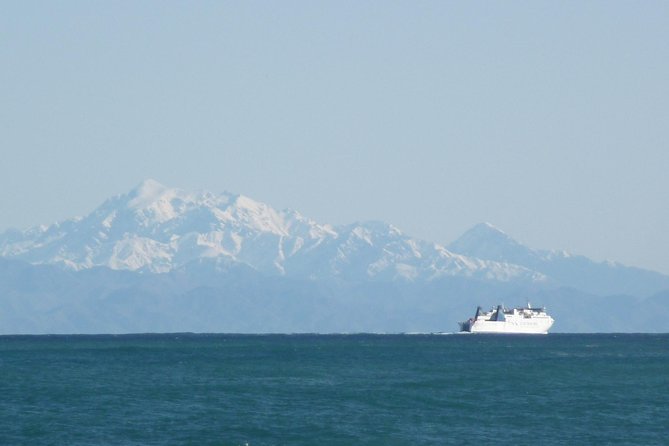
The setting also gives you a more grounded view of the region. You may see cows and sheep on the farm, spot goats along the route, and look across the Cook Strait toward the South Island on a clear day. Wind turbines add another recognizable feature to the high ridges.
This is not a polished wildlife park. The seals rest on rocks beside the sea, and sightings depend on the animals being there. That is part of the appeal, but it also means you should come for the whole outing rather than treating the seals as the only reason to book.
More wildlife in Wellington:
- Wellington: Half Day Seal Coast Safari
★ 4.9 · 245 reviews - Small Group Daytime 2-Hour Eco Wildlife Tour at Zealandia
★ 5.0 · 223 reviews - Gannet Safaris Overland tour to Cape Kidnappers Gannet Colony
★ 5.0 · 942 reviews
Otari-Wilton’s Bush brings native plants into the picture
The first stop is Otari-Wilton’s Bush, a 100-hectare area of ancient and regenerating forest. It is also New Zealand’s only botanical garden dedicated entirely to native plants.
You spend about 30 minutes here. That is enough for an introduction to local trees, plants, and birdlife, but not enough for a long walk through the entire reserve. Guides point out native species and explain parts of New Zealand’s natural history as you move through the garden.
This stop gives the tour better balance. If you went straight from the city to the coast, you would get the dramatic views, but you would miss the plant life that helps explain the country’s environment. The forest also provides a quieter start before the more rugged drive through the farm.
Bird sightings can add to the visit. One outing included kākā and kererū, two native birds that make the garden more than a quick scenic stop. Since wildlife is never guaranteed, think of this as a chance to look and listen, not a fixed bird-watching session.
The short visit is also a practical point to understand. If you want a long botanical garden walk, this tour will feel rushed. If you like a compact introduction before moving on, the timing works well.
Terawhiti Station turns the drive into part of the tour
After leaving the city suburbs, the van turns onto private access through Terawhiti Station. This is one of the oldest and largest stations in New Zealand, and the private road is a major reason to choose this experience instead of driving to a standard lookout.
The farm section lasts about an hour and a half, including the route toward the coast and stops for views. You travel in a 4WD Mercedes van, which matters here. The roads are steep and winding, with a descent toward sea level that several guides handle rather than leaving you to navigate it yourself.
I would not treat this as a simple transfer. The drive is one of the central attractions. You pass working farmland, see cattle and sheep, and may spot goats. High ridges open to large views over Wellington and the water, with wind turbines appearing across the farm country.
On a clear day, you may see the South Island across Cook Strait. This is one of the best reasons to keep your camera ready during the drive. The view changes as the van climbs and descends, so the most useful photo stop may not be the one you expect.
The ride does have a rougher edge. One clear warning is the combination of steep, curving roads and a remote coastal route. Most people can take part, but the activity is not recommended for people with neck problems. If winding roads make you uneasy, sit where you feel most secure and tell the guide before setting off.
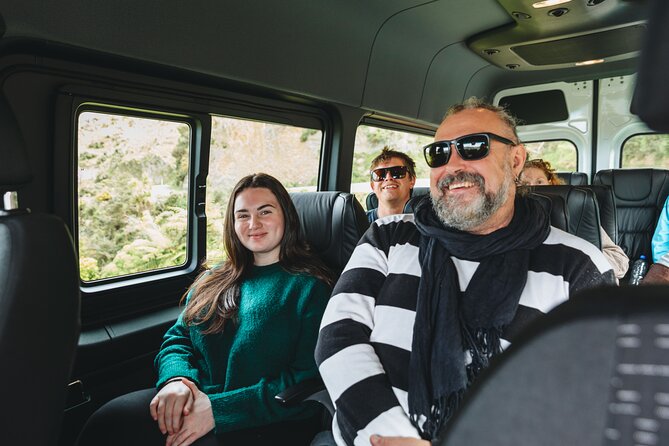
The van fleet is a strong part of the value. You are not being taken into the countryside in a basic shuttle. The Mercedes 4WD vehicles are designed for comfort while still handling the farm roads, and the small group size gives you better views and easier access to the guide.
Cape Terawhiti and the leaning lighthouse
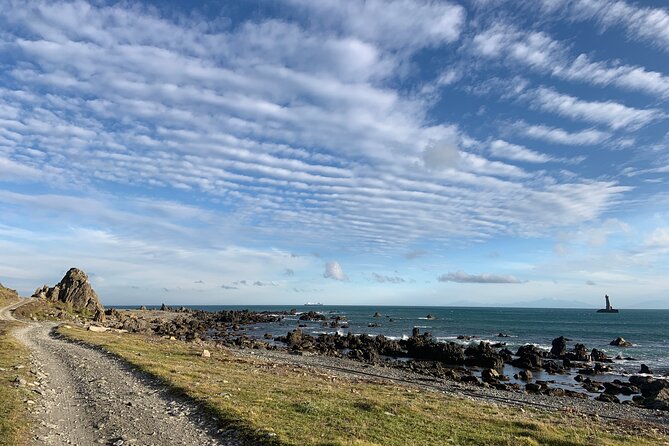
As the route drops toward the coast, Karori Rock lighthouse comes into view. It is commonly called the leaning lighthouse and was built in 1915 after the sinking of the SS Penguin.
The lighthouse gives the coastal stop a sense of place beyond wildlife viewing. You are looking at a working stretch of coast with a past tied to shipping and sea travel, not simply a scenic rock shelf. The guide explains the lighthouse and the history of the seal colony as part of the visit.
The coastal stop lasts about an hour. Some outings have included roughly 30 minutes on the beach with the seals, while the rest of the time goes to the surrounding coast, photos, and the route down and back. Do not expect a full afternoon beside the water.
The scenery is open and exposed. You get rocks, ocean, distant ridges, and broad views across the Cook Strait. The coast can feel far removed from central Wellington, even though you are only a half-day from the city.
Tea, coffee, drinks, and small snacks are provided. One practical note: supplies should include hot drinks, but there has been an occasion when that service was missed. If you have specific needs, it is sensible to ask your guide early in the outing.
Same base, a different kind of day:
- Wellington: Wētā Workshop Guided Tour Ticket
★ 4.7 · 997 reviews - Wētā Workshop Experiences Tour – Wellington
★ 5.0 · 875 reviews - Wellington: Return Cable Car Ticket
★ 4.6 · 714 reviews - Half Day Tour of Wellington
★ 4.5 · 638 reviews
Watching the fur seals in a natural setting
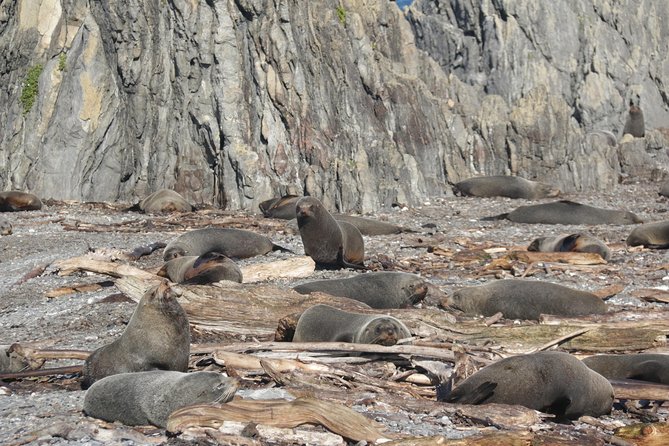
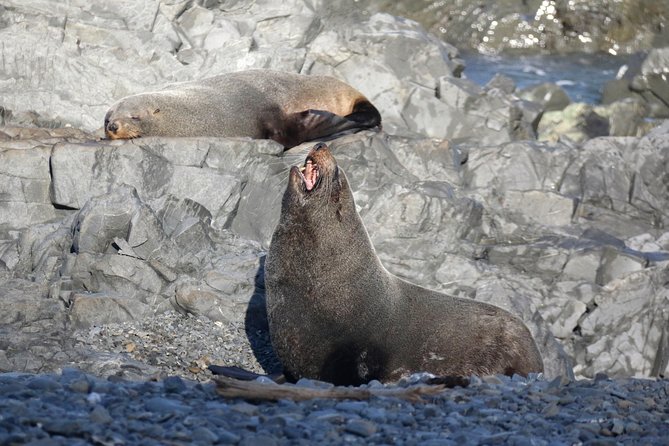
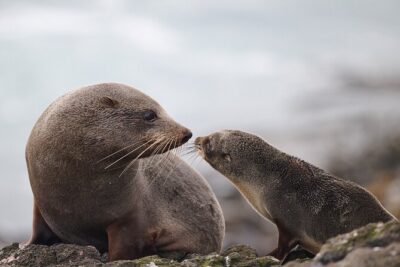
The colony is Wellington’s only fur seal colony. The animals rest along the rocky coast near Karori Rock, where you can watch them without the barriers and artificial setting of a zoo.
Your guide explains how to say hello properly. That means observing the seals without crowding or disturbing them. The experience is best when you let the animals set the pace. They may be resting, shifting on the rocks, or simply ignoring everyone, which is exactly what a wild seal should do.
You can expect good photo chances, but the exact distance and visibility will vary. The tour description promises access to the colony, not a guaranteed close encounter with every seal. Bring a camera with enough reach for wildlife photos and keep your attention on the rocks as well as the water.
The setting is the key advantage. You see the fur seals in the same rough coastal environment that supports them, with the lighthouse, ocean, and farmland route forming one connected experience. It feels more memorable than a quick stop at a marked viewing platform.
The operator also supports the Capital Kiwi conservation project. That gives the trip a useful conservation link, especially when the guide discusses native plants, birds, and efforts to protect New Zealand wildlife.
The guides shape the experience
The route is fixed, but the quality of the day depends heavily on the person behind the wheel and the commentary. The guiding team includes Sara, Grant, Hamish, Chewy, Chris, Marc, Blue, Natalie, and others.
Sara is known for careful driving, humor, and detailed knowledge of the farm property. Grant has guided both this outing and other local tours, with commentary ranging from native plants and birds to Wellington history. Hamish is a strong choice for those who enjoy natural history and farming stories, while Chewy is described as warm, enthusiastic, and accommodating.
Chris, Marc, Blue, and Natalie have also led outings along the coast. The important point is that you may not get a particular guide, but the company trains its hosts across different subjects. That helps the ride feel like a guided journey rather than a simple shuttle to the seals.
The guides also adjust the feel of the day. Some put more energy into humor and conversation. Others focus on the plants, farm operations, or coastal history. Ask questions as you go. The private access and local knowledge are major parts of what you are paying for.
Is $121.01 a fair price?
At $121.01 per person, this is not the cheapest way to spend a morning or afternoon in Wellington. You are paying for more than a seal lookout, though.
The price includes transport in a small 4WD vehicle, access through private farmland, the native botanic garden visit, guide commentary, snacks, tea and coffee, and pickup and drop-off options. For cruise passengers, the ship pickup is particularly valuable because it removes the need to arrange transport across town and reduces the risk of returning late.
A rental car would not give you the same access to private farm roads, and you would still need to manage the steep coastal route yourself. Public transport cannot reproduce this itinerary. For a small group outing that combines several stops, the price is reasonable if you value convenience and local guiding.
The value drops if your only goal is to see seals for as long as possible. The tour includes a substantial amount of driving, the forest stop, and the farm route. Book it for the full combination of coast, wildlife, plants, history, and views.
Timing, pickup, and comfort
You can choose a morning or afternoon departure. That flexibility helps if you are fitting the outing around a cruise schedule, a city visit, or another Wellington activity.
Pickup and drop-off are available from hotels and directly from cruise ships. The operator has specific experience with cruise excursions and says it has never missed a drop-off. Still, you should provide accurate ship details and follow the pickup instructions carefully.
The group limit is 10 people. That is small enough for direct conversation and easier viewing at stops, though the actual number on your departure may be lower. Some outings have had only six people in the van.
Wear practical clothing and shoes suited to a coastal stop. The information provided does not promise a long hike, but the route reaches a rocky, exposed shoreline. Weather can change, and the tour requires good conditions. If poor weather cancels it, you are offered another date or a full refund.
Free cancellation is available up to 24 hours before the start time. Changes or cancellations inside that window are not refunded.
Who should book the Seal Coast Safari?
I would choose this tour if you want to leave central Wellington and see a less familiar part of the region without driving yourself. It suits nature lovers, first-time visitors, cruise passengers, photographers, and anyone who prefers a small group over a large coach.
It is also a good fit if you like variety. The seals are the headline, but the native garden, farm roads, wind turbines, lighthouse, and Cook Strait views fill out the day.
I would think twice if you have neck problems, strongly dislike winding roads, or need a long, guaranteed seal-viewing session. The ride is part of the adventure, and the coastal wildlife remains wild.
For most people, I would book it on a clear day if possible. The South Island views and farm-country scenery gain a lot from good weather. Choose the morning or afternoon slot that gives you the least rushed schedule, then leave room to enjoy the drive instead of counting every minute at the beach.
FAQ
How long does the Seal Coast Safari last?
The tour lasts approximately 3 hours and 30 minutes.
Is hotel pickup available?
Yes. Pickup and drop-off are available from hotels, and direct pickup from cruise ships is also offered.
Can cruise ship passengers take this tour?
Yes. The operator offers dockside pickup and drop-off for cruise passengers and has experience timing the outing around ship visits.
What is the maximum group size?
The tour has a maximum of 10 participants.
Are morning and afternoon departures available?
Yes. You can choose a morning or afternoon tour.
What wildlife might I see?
The main wildlife attraction is the Wellington fur seal colony. At Otari-Wilton’s Bush, you might also see native birds such as kākā and kererū. The farm route includes cows, sheep, and possibly goats.
Is the tour suitable for people with neck problems?
The tour is not recommended for people with neck problems because the route includes steep and curving roads.
What happens if bad weather cancels the tour?
If poor weather causes cancellation, you are offered a different date or a full refund. You can also cancel for a full refund up to 24 hours before the experience begins.
Just added in Wellington
- Martinborough Winery and Foodie Day Tour with vineyard lunch★ 5.0 · 39 reviews
- Private Martinborough Foodie Delights Tour from Wellington★ 5.0 · 23 reviews
- Remutaka Rail Trail Mountain Bike Explorer Cycle Tour★ 5.0 · 30 reviews
- Wellington Remutaka Rail Trail eBike Cycle Tour★ 5.0 · 23 reviews
- From Wellington: Remutaka Rail Trail eBike Tour★ 4.9 · 54 reviews
- Remutaka Rail Trail Mountain Bike Explorer Cycle Tour★ 5.0 · 49 reviews
- Walking Food Odyssey Wellington★ 5.0 · 46 reviews
- Wellington Electric Bike Rental★ 5.0 · 159 reviews
Wildlife, compared.
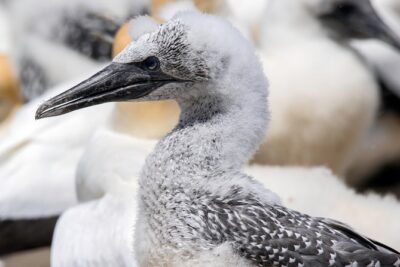
Gannet Safaris Overland tour to Cape Kidnappers Gannet Colony
Read our review →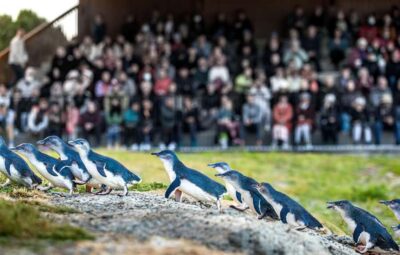
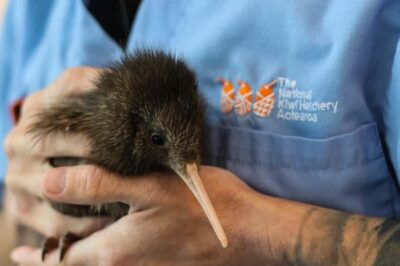
Clearwater Wildlife Tours (small group 10max) Otago Peninsula
Read our review →
Guided Evening Penguin Viewing Otago Peninsula, Dunedin, New Zealand
Read our review →
Browse the lists this tour appears in