
Reviewed · BAY OF ISLANDS CRUISES
Waitangi Treaty Grounds: 2-Day Pass
The most important document in New Zealand was signed here, but Waitangi Treaty Grounds is far more than a place to take a quick photograph. You’ll see the treaty signing site, enter two strong museums, walk through native bush, and watch a Māori performance in a beautifully carved meeting house. I especially like the local guided tour and the chance to hear the story from a Māori point of view.
I also like the two-day validity, which gives you time to take the tour, see the performance, study the museums, and return for the walks without rushing. The main drawback is that the grounds are spread out, with uneven surfaces and some walking on slopes. You’ll need a moderate level of fitness, even though the site is wheelchair accessible.
Key points at a glance
- The treaty signing site: Stand where New Zealand’s founding document was signed and learn why its Māori and English versions caused lasting problems.
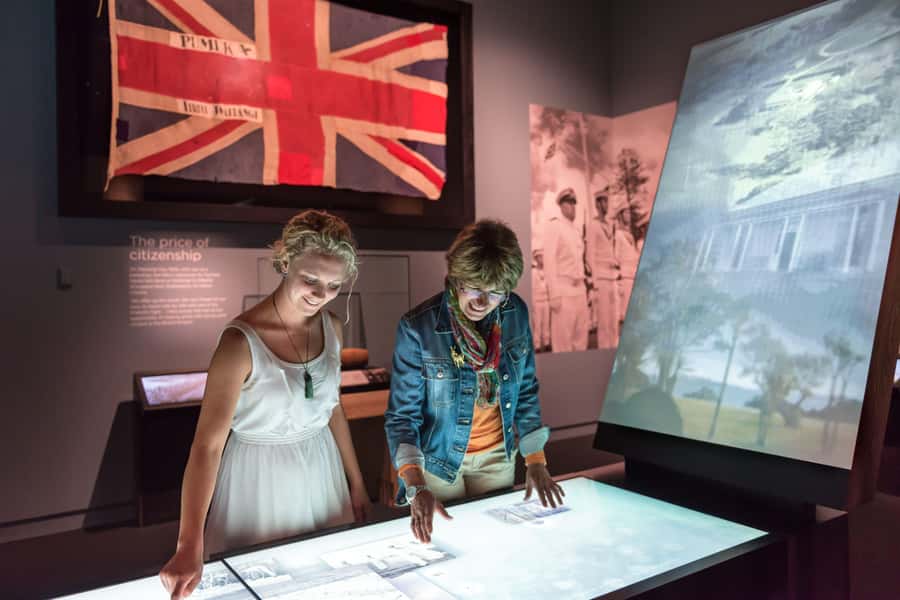
- Two excellent museums: Te Kōngahu Museum of Waitangi and Te Rau Aroha Museum add context, objects, films, and visual displays.
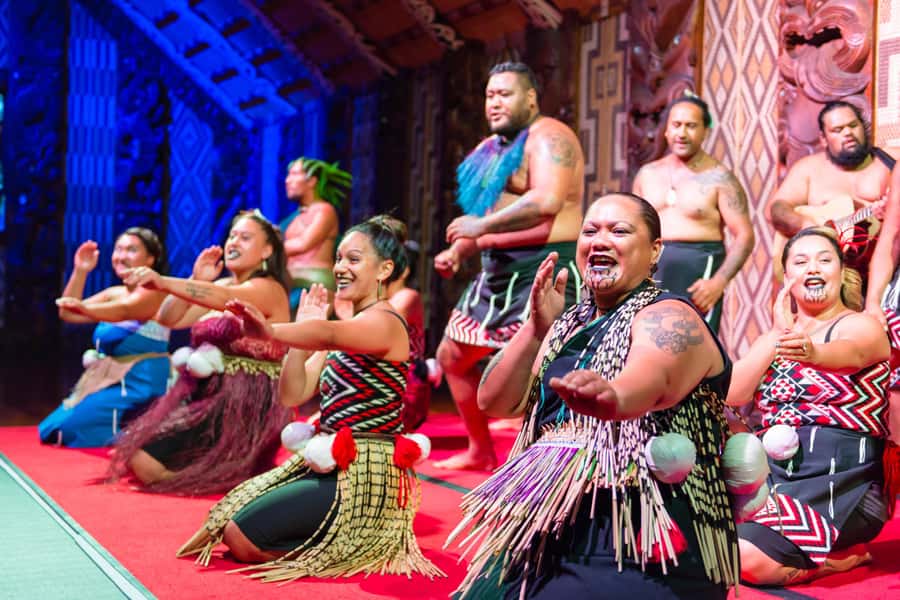
- A powerful Māori performance: A 30-minute presentation includes pōwhiri, poi, weaponry, stick games, singing, and haka.
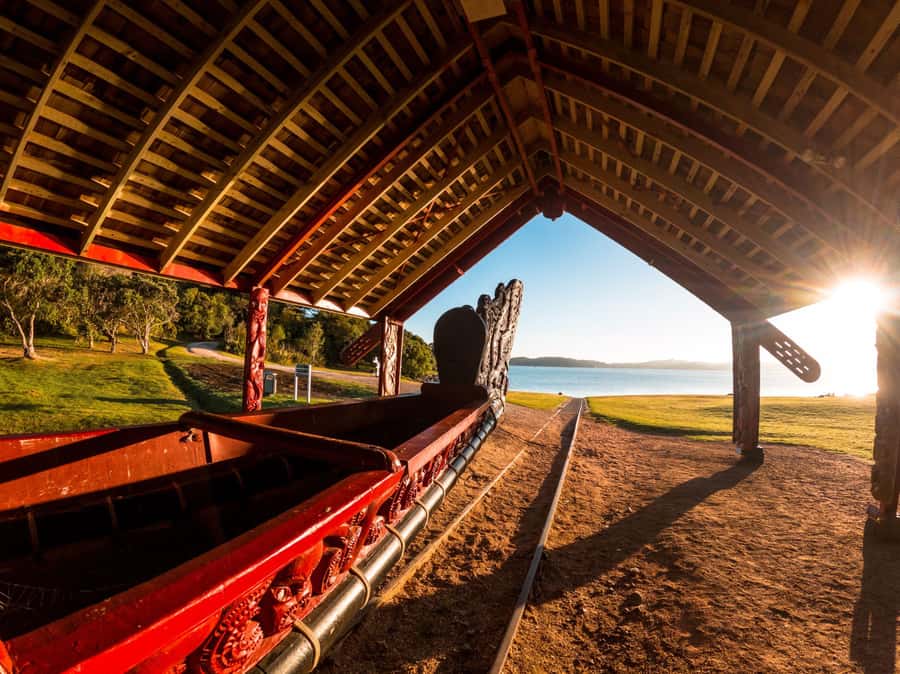
- The world’s largest ceremonial waka: The enormous carved war canoe is one of the site’s most striking sights.
- Bay of Islands views: Bush paths and open grounds give you broad views across the water.
- A useful two-day pass: At $41 per person, the pass is best value when you use the museums, tour, performance, and walks rather than treating it as a short stop.
Why Waitangi matters beyond the photo stop
Waitangi is the place where the Treaty of Waitangi was first signed in 1840. The document set out an agreement between Māori chiefs and the British Crown, but its two language versions did not say exactly the same thing. That difference shaped New Zealand’s later relationship between Māori communities and the Crown.
You do not need to arrive with a background in New Zealand history. The introductory film and guided tour give you the basic framework before you move through the rest of the grounds. I like this order because the site can otherwise feel beautiful but confusing: you see carved buildings, canoes, and open lawns without knowing how they fit together.
The grounds also make clear that this is not a simple story of one signing and everything that followed. The tour addresses the treaty’s aims, the misunderstandings around its wording, and the ways its promises were not honored. That balance matters. You get ceremony and national pride, but also the harder parts of the past.
Other boats out into the Bay of Islands from Paihia:
- Paihia/Russell: Hole in the Rock Cruise with 2 Island Stops
★ 4.8 · 1,002 reviews - Paihia: Cape Reinga and Ninety Mile Beach Trip with Lunch
★ 4.6 · 877 reviews - Paihia/Russell: Hole in the Rock, Dolphins & Island Cruise
★ 4.6 · 821 reviews
Begin with the introductory film
Your visit includes an introductory film about the Treaty of Waitangi. It is a sensible first step, especially if you are visiting New Zealand for the first time or are not familiar with the country’s founding story.
The film helps you place the buildings and the signing site in context. Afterward, the guided tour feels less like a collection of dates and more like a story with people, competing intentions, and lasting consequences.
The exact starting times can vary, so check availability when you book. The pass is open from 9am to 5pm, and the two-day format lets you arrange the film, tour, performance, and museum visits around your wider Bay of Islands plans.
The 50-minute guided tour with a local guide
The guided tour is one of the best reasons to pay for admission rather than simply walking around the grounds. It lasts about 50 minutes, and headsets are provided so you can hear the guide clearly.
That small detail matters. Outdoor tours can be hard to follow when a group spreads out, when wind comes off the water, or when several people are standing near a popular building. The headset keeps the explanation audible as you move between stops.
Guides such as James and Roze have been praised for a warm, entertaining style, but the real strength of this part of the visit is the local perspective. The stories are not presented as a dry list of dates. You hear about the people involved, the meaning of the treaty, and the ways Māori and British understandings differed.
The tour is long enough to give you a solid foundation but short enough to leave time for the museums and performance. If you enjoy detailed interpretation, you may wish it lasted longer. That is where the two-day pass helps. You can return to the displays and continue learning at your own pace.
The treaty signing site and heritage buildings
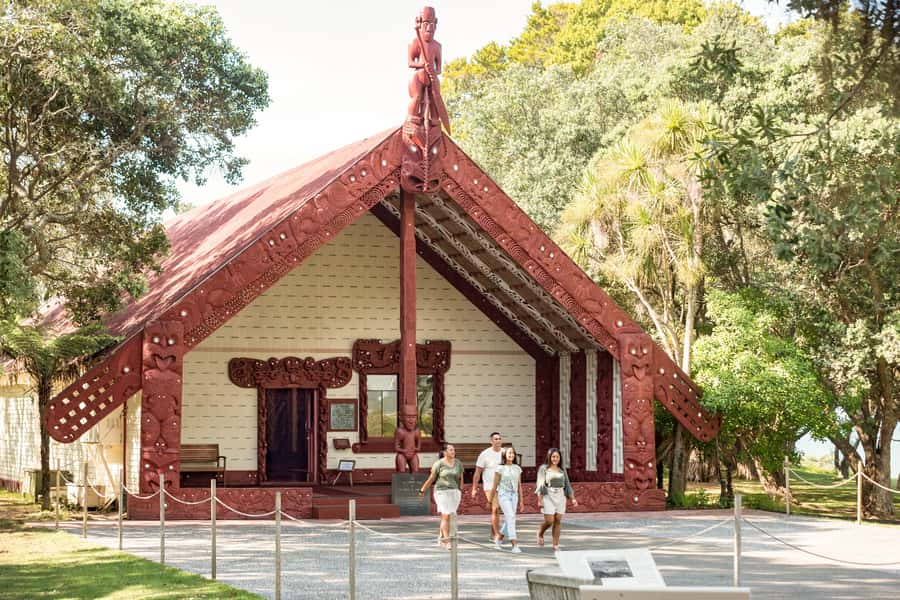
One of the key moments is simply standing in the place where the treaty was signed. It is not a grand theatrical scene. Its importance comes from knowing that decisions made here affected the future of an entire country.
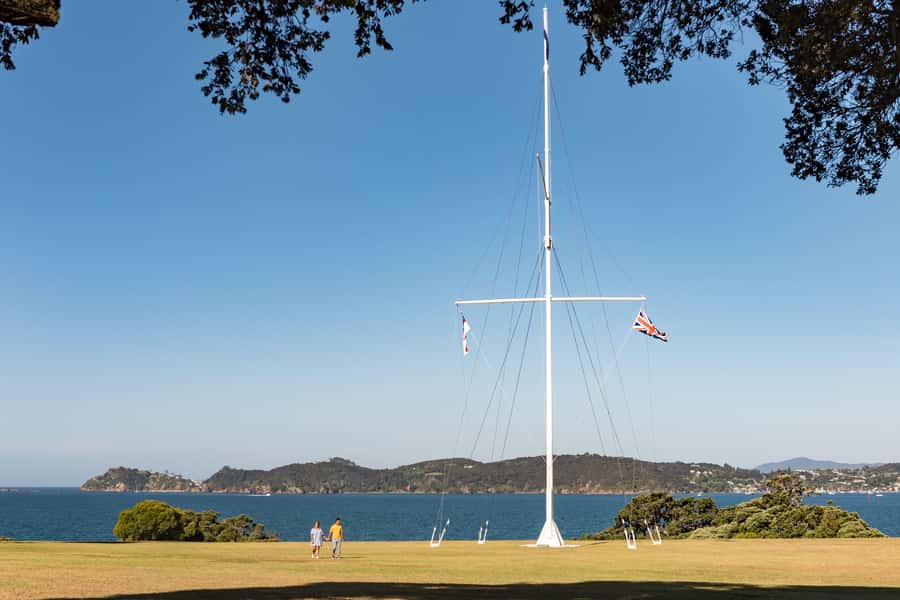
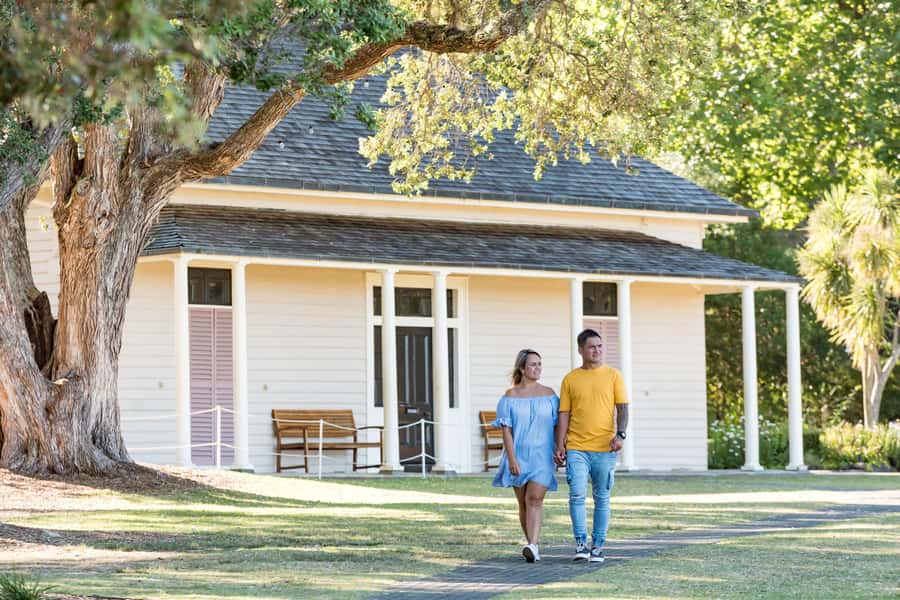
The grounds include heritage buildings and carefully maintained outdoor areas. Take your time between the formal stops. You’ll find that the setting is part of the experience: open views, lawns, carved structures, and paths through the site give you room to think about what you have just heard.
The site’s beauty can also create a tension. It is easy to focus on the Bay of Islands scenery and forget that the treaty led to disputes and broken promises. The guided interpretation keeps the visit grounded in both the place and the events connected to it.
A few more things to do in Paihia worth a look
- Timber Trail – Ongarue to Pureora Shuttle 2 Day Ride
★ 5.0 · 186 reviews - Photography Tour from Queenstown to Glenorchy – 1/2 Day
★ 5.0 · 32 reviews
Te Kōngahu Museum of Waitangi
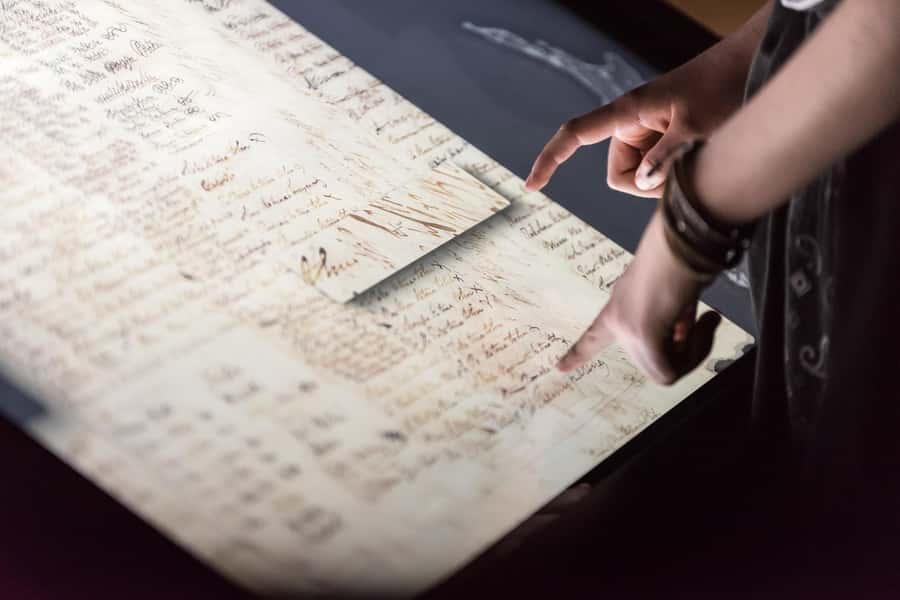
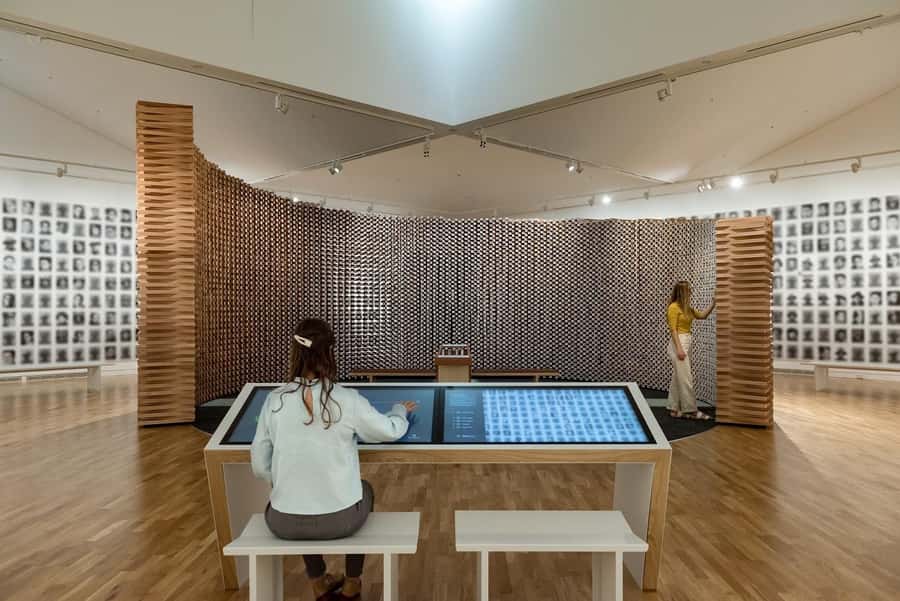
Te Kōngahu Museum of Waitangi focuses on the treaty and the people, objects, and ideas connected with it. Permanent and changing exhibits use multimedia and visual displays, making this a good stop for readers who want more than a guide’s overview.
You’ll see taonga, or treasured cultural objects, and displays that help explain Māori traditions and the treaty’s place in New Zealand’s story. The museum is especially useful after the guided tour, when you already understand the basic outline and can spend more time with the details.
I would allow at least an hour for the museum if you like reading labels and examining displays. One visitor described reading every plaque, which is possible here if you are willing to give the exhibits time. If your schedule is tight, you can still get something from a shorter visit, but rushing through it weakens the value of the pass.
Te Rau Aroha Museum and the wartime story
The second museum, Te Rau Aroha Museum, presents the story of Māori service and sacrifice in wartime. Its displays have made a strong impression on many people, including those who expected the treaty site to focus only on 1840.
This museum adds a different layer to the visit. It shows how Māori communities responded to national service and conflict, and it connects military history with identity, duty, and memory. The displays are moving without needing to turn the visit into a history lecture.
Give yourself enough time here to take in the material. If you have children or teenagers with you, this may be a useful place to talk about how national stories are formed and whose contributions are remembered. The subject matter can be serious, so it may not suit a rushed or lighthearted stop between other activities.
The ceremonial waka and Māori design
The world’s largest ceremonial waka, or Māori canoe, is one of the most memorable objects on the grounds. Its size is impressive, but the important point is what the waka represents: collective work, seafaring skill, ceremony, and Māori identity.
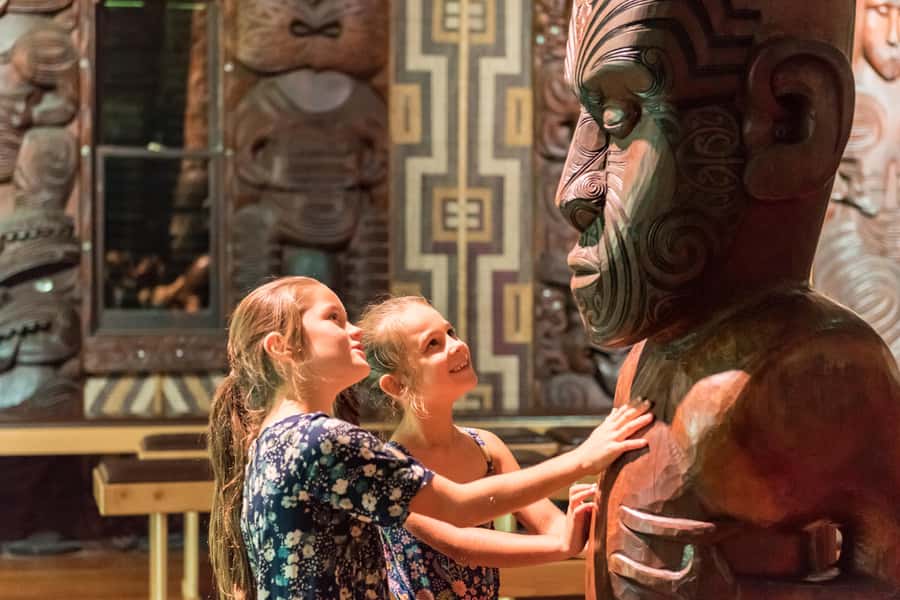
Look closely at the carving and construction rather than treating it as a large outdoor object to photograph and pass. The waka helps you understand why the meeting house, carvings, performance, and stories belong together as parts of a living culture.
The buildings and carvings are not simply decorative scenery. They carry meaning, and the guided tour helps explain what you are seeing. Without that context, you might appreciate the workmanship but miss much of its message.
The 30-minute Māori cultural performance
The cultural performance takes place in a magnificently carved meeting house. A performing arts group welcomes you with a traditional Māori pōwhiri, then presents singing, poi twirling, Māori weaponry, stick games, and a haka.
This is a high-energy part of the day, but it is not just entertainment placed beside the historical material. The performance gives you a direct sense of Māori language, movement, music, welcome, and storytelling. The shift from museum displays to live performance makes the cultural material easier to remember.
Plan your day around the performance time. It lasts 30 minutes, and missing it would mean losing one of the pass’s central inclusions. The haka can be especially striking, while the singing and harmonies give the presentation a broader range than a single dramatic finale.
Some visitors describe the performance as emotional, even goosebump-inducing. That response makes sense, but you should also approach it respectfully. You are being welcomed into a cultural presentation, not watching a theme-park show.
Bush walks and Bay of Islands views
The grounds include self-guided bush walks with views over the Bay of Islands. These paths give you a break from the museums and a chance to experience the site at a slower pace.
The walks are also where the practical limitation of the visit becomes most obvious. Surfaces can be uneven, and some areas may be difficult for people with limited mobility or wheelchair users. The wider site is wheelchair accessible, but accessibility does not mean every path will feel easy.
Wear sensible shoes and allow more time than the headline tour length suggests. The guided tour takes 50 minutes, and the performance takes another 30, but the best visit is not over in 80 minutes. You’ll want time for the museums, waka, buildings, views, and walking paths.
How long should you allow?
You can see the main parts in about four hours if you keep moving. That gives you time for the guided tour, performance, museums, and a walk through the grounds.
I would prefer a full day, especially if you enjoy museums or want to read the displays carefully. The two-day pass is useful because you do not have to force everything into one long visit. Use one day for the guided tour, performance, and main buildings, then return for the museums and bush paths.
The grounds are open from 9am to 5pm. A morning arrival gives you the most flexibility, particularly if you want to fit in the cultural performance and still have time for the museum collections.
Getting there from Paihia
The visitor center is at 1 Tau Henare Drive in Waitangi. From Paihia, you can walk along the waterfront road, cross the one-lane bridge, and follow the signs. The walk takes about 25 minutes, while driving takes about two minutes.
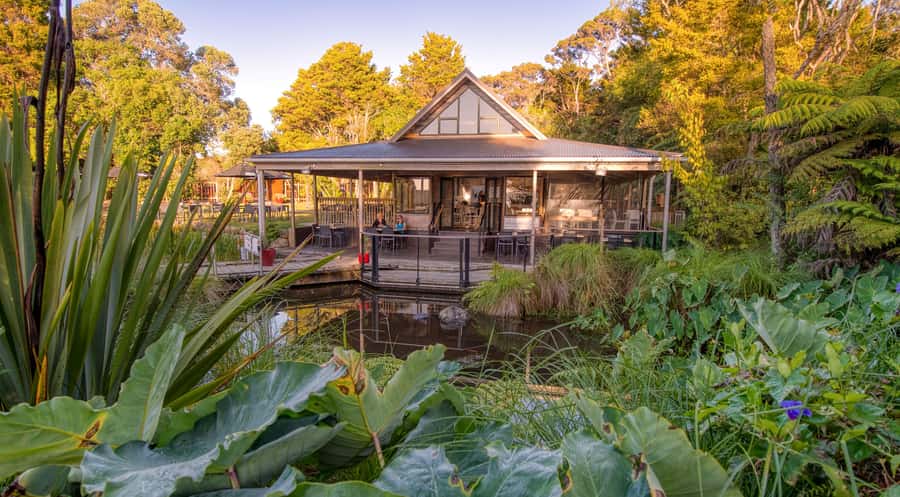
The walk is practical if you are already staying in Paihia and the weather is cooperative. It also avoids the need to arrange separate transport for a very short distance. If rain arrives, there is a café where you can shelter, although café opening hours may vary.
The site is also reachable from a cruise ship stop in the Bay of Islands. One reported route from the ship involved a walk of about 10 minutes to the grounds, but your exact timing will depend on where you come ashore and the day’s transport arrangements.
Is the $41 price good value?
At $41 per person, the pass offers strong value if you use the full program. Admission includes the 50-minute guided tour, headsets, introductory film, 30-minute Māori performance, both museums, historic buildings, the waka, and the walking areas.
A shorter visit focused only on the signing site would make the price feel less worthwhile. This is not a quick monument stop. The value comes from the combination of interpretation and access: a guide explains the place, museums add detail, and the performance gives you a living cultural presentation.
The two-day validity improves the calculation. You can spread the visit across two consecutive days instead of sacrificing the rest of your Bay of Islands plans. If your schedule allows only one hour, I would question the cost. If you can give the grounds half a day or more, the price is easier to justify.
The booking terms also offer some flexibility: you can cancel up to 24 hours ahead for a full refund, and a reserve-now, pay-later option is available. These terms are useful if your North Island schedule is still shifting.
Who will enjoy this experience most?
I would recommend Waitangi Treaty Grounds to anyone who wants to understand New Zealand rather than simply see its scenery. It suits adults, families, history fans, and visitors interested in Māori culture.
The performance makes it accessible for people who do not enjoy museum-heavy sightseeing. The museums, in turn, give more depth to anyone who wants to read, reflect, and ask difficult questions about the treaty.
Families should note that children must be accompanied by an adult, and unaccompanied minors are not allowed. The site suits a family day out, but younger children may not have the patience for every museum display. Build in breaks and use the outdoor areas to vary the pace.
People with limited mobility should plan carefully. The site is wheelchair accessible, but uneven surfaces may make some parts challenging. Contact the grounds directly if you need more specific assistance than the general accessibility information provides.
Should you book the Waitangi Treaty Grounds pass?
Book it if you want a serious, well-rounded introduction to New Zealand’s founding story, with Māori culture presented through both explanation and performance. The strongest parts are the local guide, the two museums, the waka, and the meeting-house presentation.
I would not book it as a rushed add-on between other Bay of Islands activities. You need time to absorb the material, and the setting deserves more than a quick walk-through. If you can use the pass over two days, the $41 price is particularly fair.
For most people visiting Paihia or Waitangi, this is one of the area’s most worthwhile cultural stops. Come ready to walk, listen, read, and think. The site is beautiful, but its real value lies in helping you understand the agreements, misunderstandings, and Māori voices that shaped New Zealand.
FAQ
How long is the guided tour?
The guided tour lasts 50 minutes. Headsets are provided so you can hear the local guide clearly.
How long is the Māori cultural performance?
The cultural performance lasts 30 minutes and includes a pōwhiri, poi twirling, Māori weaponry, stick games, singing, and a haka.
Can I use the pass on two separate days?
Yes. The pass is valid for two consecutive days.
What museums are included?
Admission includes Te Kōngahu Museum of Waitangi and Te Rau Aroha Museum.
What are the opening hours?
The Waitangi Treaty Grounds are open from 9am to 5pm.
Where is the meeting point?
The meeting point is the Waitangi Treaty Grounds Visitor Center at 1 Tau Henare Drive, Waitangi, in the Bay of Islands.
How do I get there from Paihia?
From Paihia, the grounds are about a 25-minute walk or a two-minute drive. Follow the waterfront road, continue across the one-lane bridge, and follow the signs.
Is the site wheelchair accessible?
Yes, the site is wheelchair accessible, but uneven surfaces may be difficult for some wheelchair users and people with limited mobility.
Can I cancel my booking?
You can cancel up to 24 hours in advance for a full refund. A reserve-now, pay-later option is also available.
Just added in Paihia
- Bay of Islands Cruise & Island Tour – Snorkel, Hike,Swim,Wildlife★ 5.0 · 177 reviews
- Bay Combo Tour – 60 mins (min 2)★ 5.0 · 173 reviews
- Bay of Islands: Catamaran Sail, Wildlife Island & Lunch★ 4.9 · 173 reviews
- Phantom Sailing Bay of Islands★ 5.0 · 177 reviews
- Far North New Zealand Tour Including 90 Mile Beach and Cape Reinga from Paihia★ 4.5 · 216 reviews
- Hole in the Rock Scenic Cruise including Dolphins and Island stop★ 4.5 · 225 reviews
- Full-Day Bay of Islands Tour by Vigilant Yacht Charters★ 5.0 · 219 reviews
- Bay of Islands: Discover the Bay Cruise with Island Lunch★ 4.6 · 265 reviews
Bay of Islands Cruises, compared.
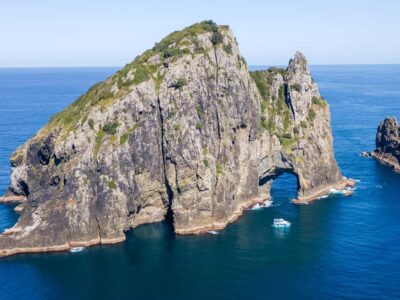
Paihia/Russell: Hole in the Rock Cruise with 2 Island Stops
Read our review →
Cape Reinga and Ninety Mile Beach Trip with Lunch
Read our review →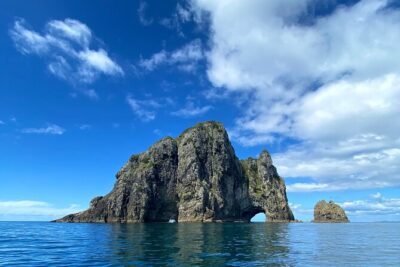
Hole in the Rock Cruise & Island Tour – with two island stopovers
Read our review →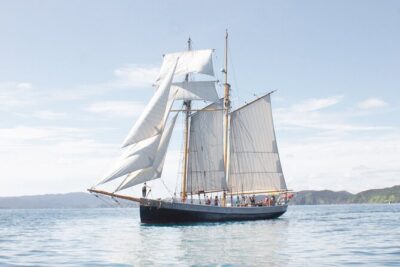
Bay of Islands Tall Ship Sailing on R. Tucker Thompson Including BBQ Lunch
Read our review →
Bay of Islands Glow Worm Caves & Scenic Shore Excursion
Read our review →
Browse the lists this tour appears in