
Reviewed · WHALE WATCHING
Kaikoura: Whale Watching Cruise
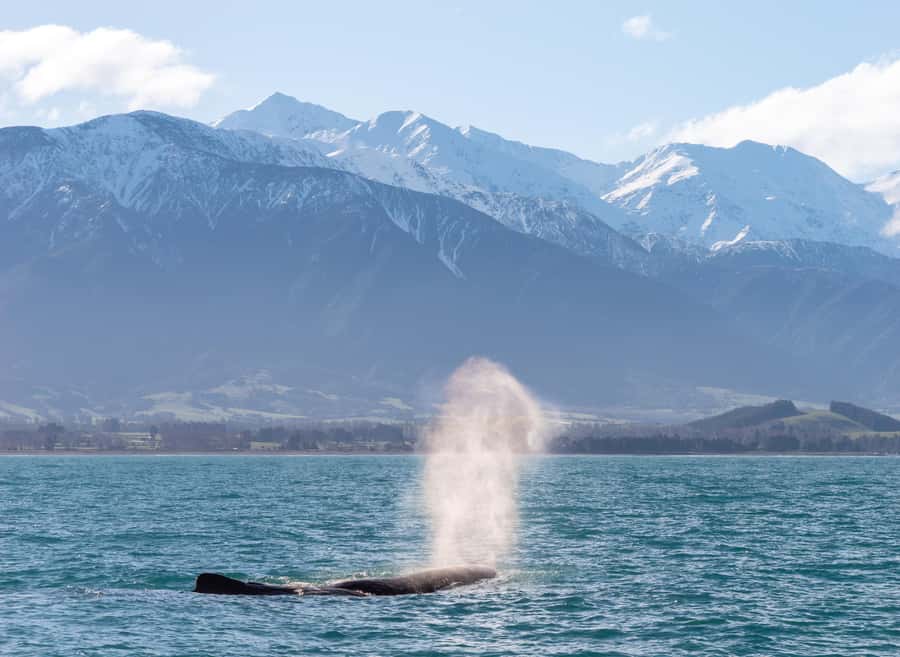
Kaikoura’s sperm whales live close to shore, thanks to the deep underwater canyon just off the coast. That makes this one of New Zealand’s best chances to see the world’s largest toothed predator in the wild, often with the Kaikoura mountains rising behind you. The whale may surface for several minutes, breathe, then show its tail before heading down again.
I like two things right away: the well-run boat operation, with short bus transfers and clear safety instructions, and the strong focus on science, Māori connections, and animal welfare. Guides such as Caolan, Mikayla, and Captain Jack have been singled out for clear, lively explanations. The catch is simple: this is the open ocean, and rough water can make some people very seasick.
Key points to know before booking
- Sperm whales are the main event: They live in Kaikoura waters year-round, so the trip is built around finding them rather than simply hoping for a passing sighting.
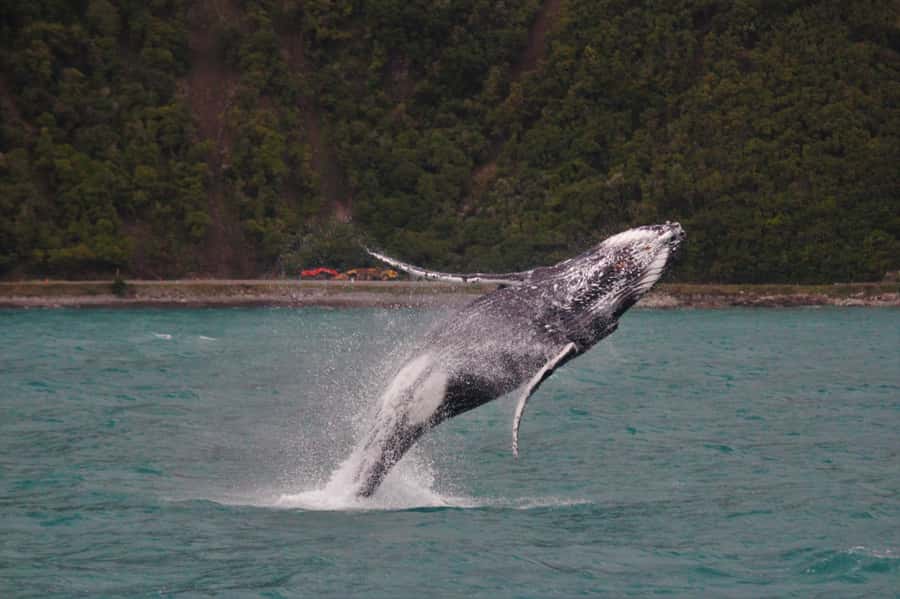
- Wildlife can pile on: Dolphins, fur seals, albatross, orcas, pilot whales, humpback whales, and seabirds have all been seen on recent trips.
- Plan on 3 hours 15 minutes: About two hours are spent on the water, with the rest used for check-in, the safety briefing, and bus transfers.
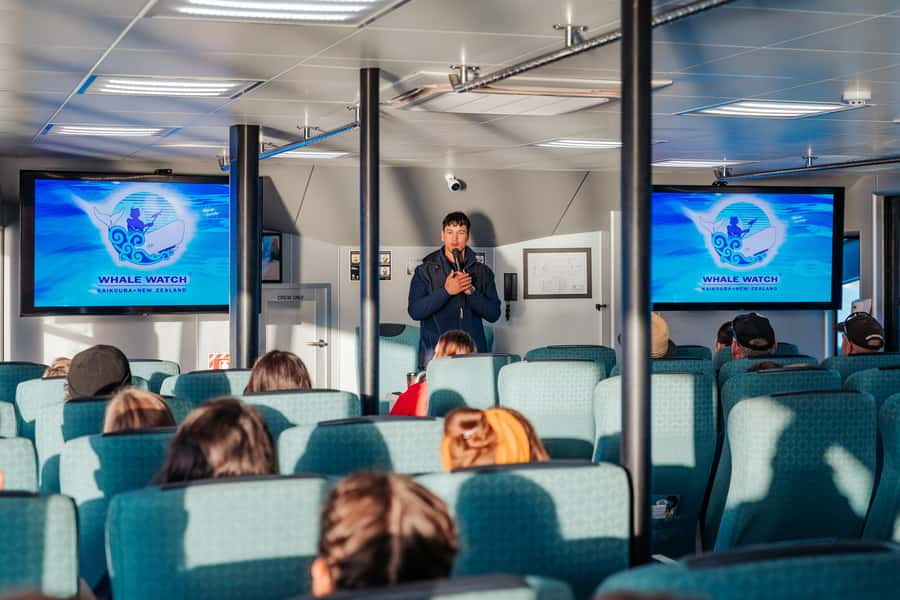
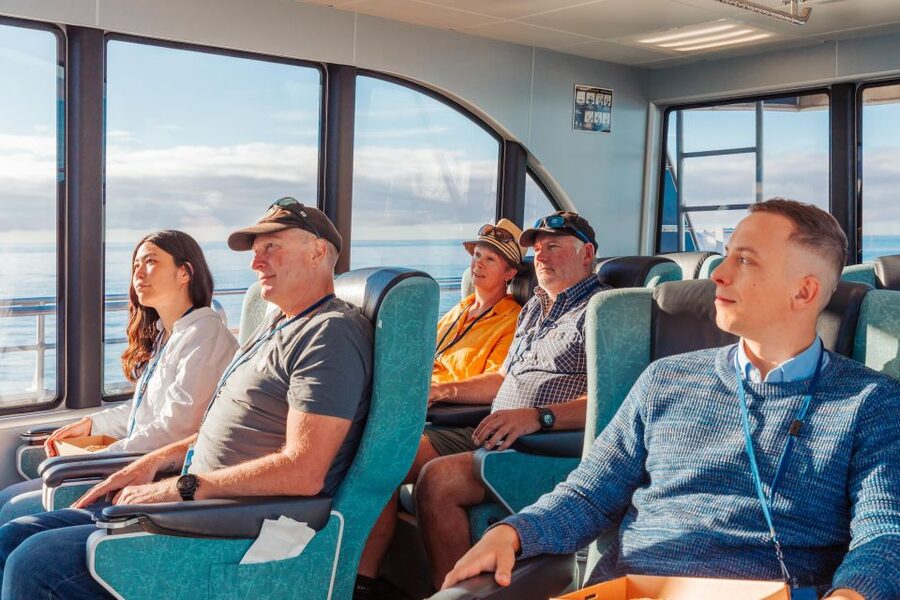
- The catamaran gives you options: Use the outdoor decks for fresh air and photos, or sit inside in air-conditioned comfort with screens and wildlife animations.
- Sea conditions matter: The minimum age is three, but children may not be allowed to board if the sea is rough.
- The $104 price buys a full marine encounter: You are paying for the cruise, crew commentary, transport to the boat, vessel facilities, and a serious chance to see whales, not a guaranteed photo opportunity.
Why Kaikoura is such a good place for whale watching
Kaikoura is not just a pretty coastal town with a whale tour attached. The sea floor drops sharply offshore, creating a deep marine canyon near the coast. That underwater setting brings food into the area and helps explain why giant sperm whales can be found here throughout the year.
That matters to you because the boat does not need to travel for hours before reaching likely whale territory. You still spend time searching, and nature does not follow a schedule, but the location gives this trip a strong natural advantage.
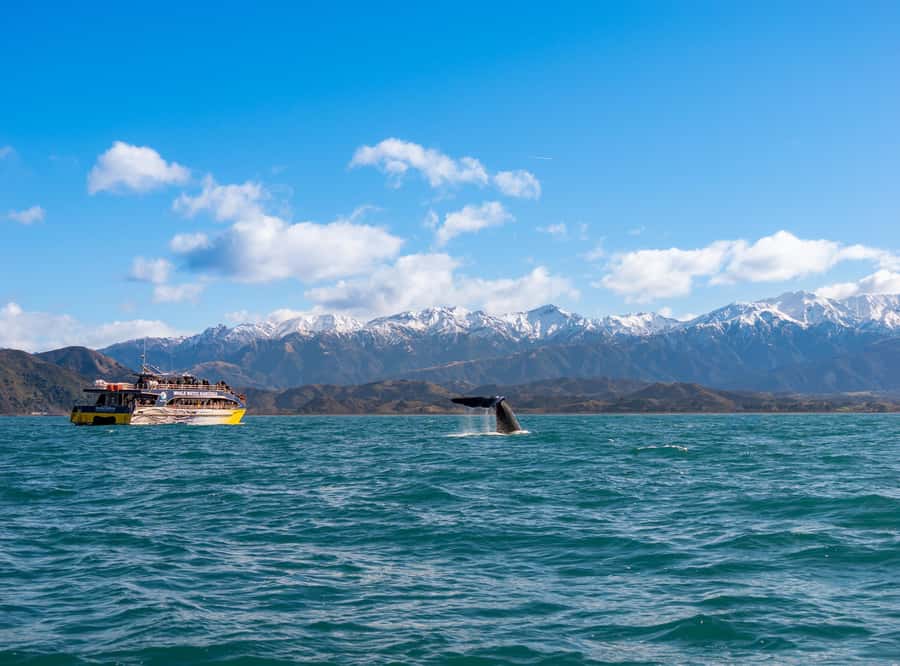
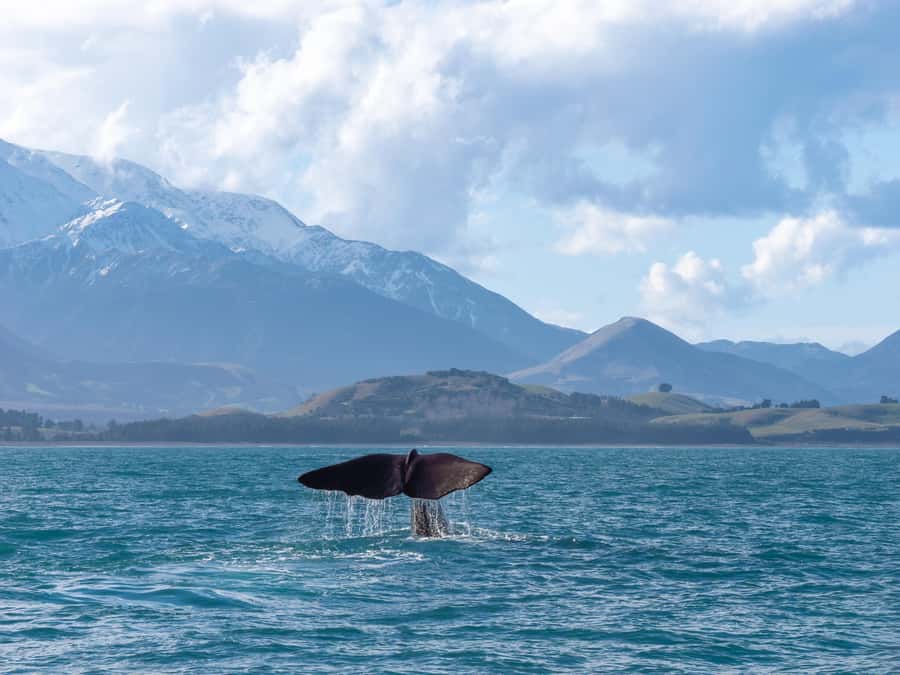
The views are part of the experience. From the boat, you can look back toward the mountainous coastline while watching the open sea ahead. On a clear day, the contrast between dark water and steep coastal peaks gives the trip a memorable sense of place.
The crew also presents Kaikoura as a living habitat rather than a stage set. Commentary covers whale behavior, marine science, local ecology, and indigenous knowledge. For me, that makes the trip more worthwhile even during the stretches when no animal is visible.
More whale watching in Kaikoura:
- Whale Watching in Kaikoura by Boat
★ 4.5 · 2,906 reviews - Kaikoura: Whale Watching Flight with Commentary
★ 4.6 · 823 reviews - Kaikōura Whale Watching Scenic Flight (40 Minutes)
★ 5.0 · 221 reviews
Check-in, buses, and the first part of the morning
You begin at the Whale Watch Kaikōura office, the stated meeting point for the experience. Allow the full 3 hours 15 minutes from arrival at check-in to the end, not just the advertised two hours on the water.
The usual flow includes check-in, a safety briefing, and a short bus transfer to the boat. This is useful because you do not need to work out how to reach the harbor or arrange separate transport. Clear directions and organized boarding are important here, especially if you are visiting Kaikoura on a tight schedule.
Your exact sailing time may change. Weather and availability can affect departure times, and the operator confirms the final time by email after booking. Build some flexibility into your day rather than arranging an important connection immediately afterward.
At check-in, take seasickness seriously. Tablets are available for purchase at the office, but the information advises taking precautions before you arrive. One recent trip was described as extremely choppy, with many people unable to enjoy the boat because they were ill. That is not a minor detail. If you are prone to motion sickness, prepare before boarding.
A modern catamaran with room to spread out
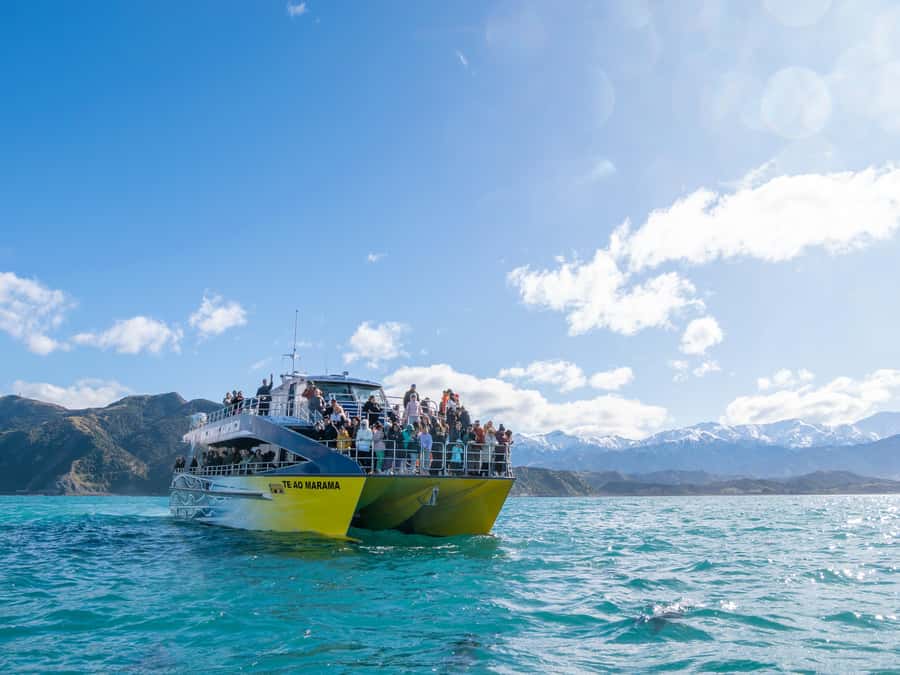
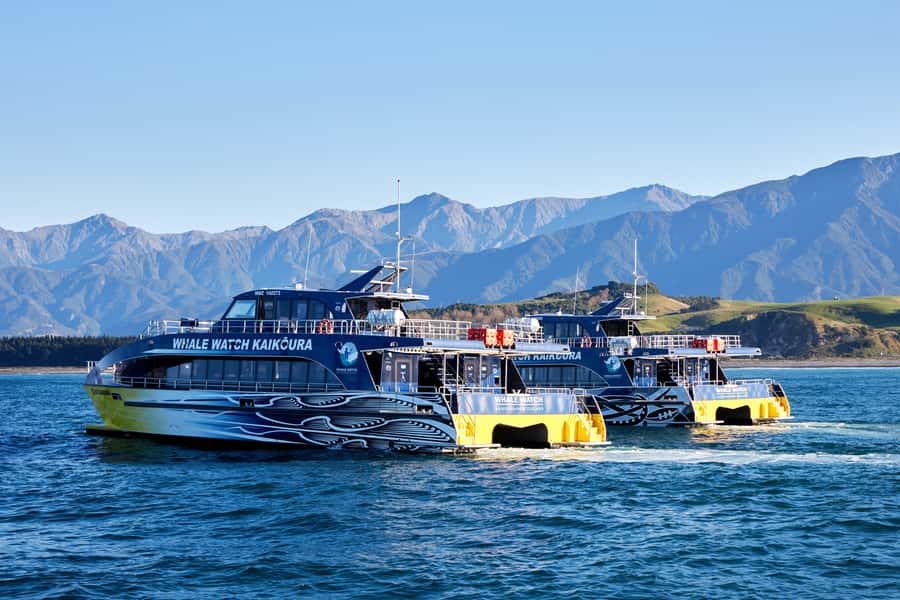
The boat is a catamaran with large outdoor decks, comfortable indoor seating, air conditioning, and nonpolluting toilets. Engines designed to reduce underwater noise are a meaningful feature on a wildlife trip. They help limit disturbance while the crew searches for animals.
The outdoor areas are where you will want to be when a whale surfaces. There is room to move around and take photographs, and the vessel is designed to give people several viewing positions. It can still feel busy when the boat is full, but passenger numbers are kept below the vessel’s full capacity.
Inside, plasma screens show marine wildlife animations and help explain what you are looking for. This is handy when the boat is moving between sightings or when the wind makes the outside deck uncomfortable. The cabin also gives you a place to sit during the briefing and to take a break from the weather.
The boat has received strong praise for being clean, spacious, and powerful in rough water. Do not read that as a promise of a smooth ride. A catamaran may handle wind and waves well, but it cannot remove ocean motion. If you want a calm, gentle cruise, this may not be the right activity.
Searching for the giant sperm whale
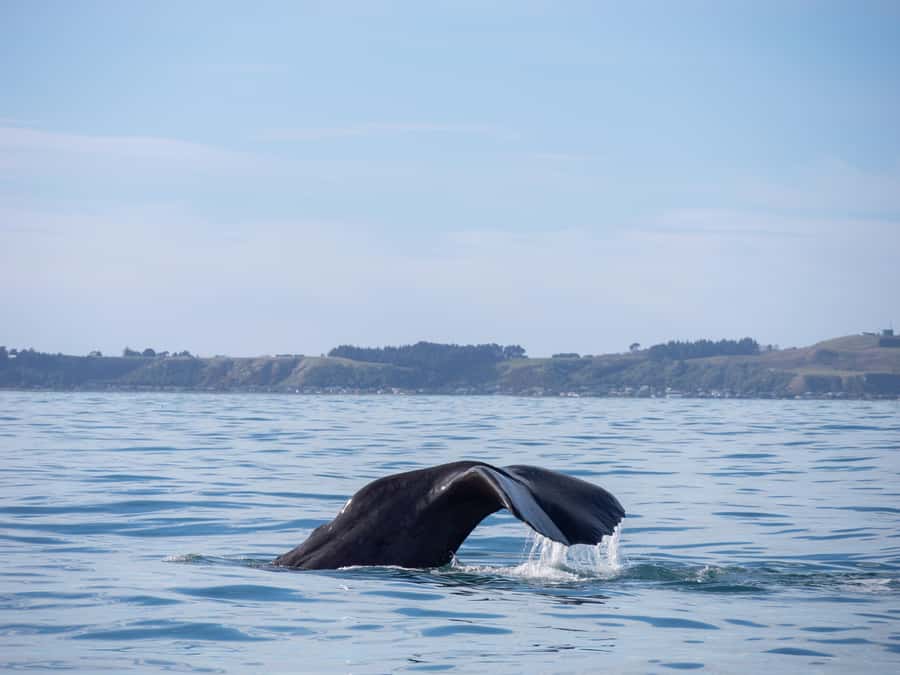
The crew uses marine information and underwater sound to locate whales. You may hear an announcement when a whale is expected to surface, and the crew works to position the boat without crowding the animal.
A sperm whale usually gives you a brief but rewarding sequence. It rises to breathe, remains visible for a while, and then begins its long descent. The final tail display is the classic photograph, but it is also the moment when the whale seems to shift from ordinary animal to something much larger and more mysterious.
Timing matters. You may wait through several quiet stretches, then suddenly hear that a whale is nearby. Keep your camera ready, but do not spend the entire encounter staring at a screen. The whale’s location and surfacing time are not staged, and the best view may last only moments.
Sightings vary widely. Some trips have produced one sperm whale, while others have found two or three. A few have included several whale sightings, but you should not treat that as the normal result. You can have an excellent trip with one good sighting, and you can also have a less satisfying day if whales remain distant.
That uncertainty is part of the value and the risk. You are entering the animal’s home, not visiting an aquarium. The trip is strongest for people who accept that the crew can search carefully but cannot control what appears.
Same base, a different kind of day:
- Wildlife Sea Kayaking Tour – Kaikoura
★ 5.0 · 467 reviews - Seal Kayaking Adventure in Kaikoura
★ 5.0 · 422 reviews - Kaikoura: Half-Day Wildlife Kayaking Tour
★ 4.6 · 390 reviews - Seal Swimming Tour from Kaikoura
★ 5.0 · 276 reviews
Dolphins, seals, albatross, and surprise sightings
The sperm whale is the headline animal, but the supporting cast can make the day. Dusky dolphins are often the most energetic encounter. Large pods have been seen swimming beside the boat, leaping, and making repeated acrobatic jumps. A pod of roughly 300 dolphins has been described on one outing, while other trips have encountered around 100.
Dolphins are also a useful reminder to keep watching between whale sightings. The action may happen close to the boat, where you can see movement across a wide stretch of water rather than a single animal surfacing in one place.
Fur seals may appear close to the boat, and wandering albatross can be seen flying over the water. Other seabirds reported on trips include Cape petrels. You might also see orcas, pilot whales, humpback whales, blue whales, sharks, and little blue penguins, but these are possible extras rather than promised parts of the route.
One trip included orcas and dusky dolphins after two sperm whale sightings. Another included a blue whale, while others saw only a sperm whale and seabirds. That range is worth keeping in mind when comparing this outing with a fixed wildlife attraction. The variety is genuine, but it is never guaranteed.
Commentary that adds more than names
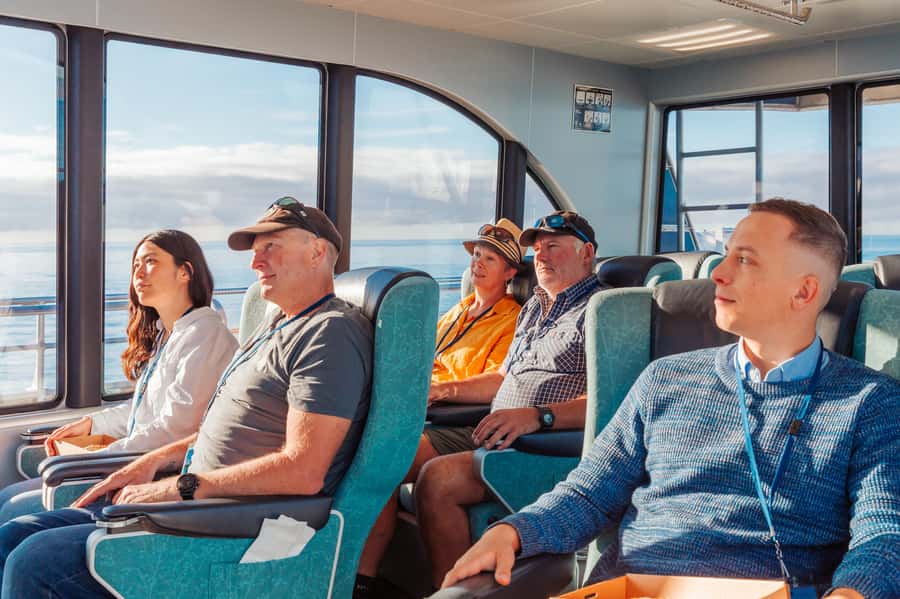
The onboard narration explains what the crew is seeing and why the animals behave as they do. It also covers the habitat and includes Māori knowledge connected with the marine environment.
I particularly value the use of local Ngāi Tahu connections in the way this experience presents Kaikoura’s whales. That gives the trip a stronger local voice than a basic ride that points at animals and lists their names.
Guides have been praised for being friendly, clear, and occasionally funny. Caolan, Mikayla, and Captain Jack are among the crew members specifically mentioned for strong delivery and good animal spotting. Crew members change, so do not book expecting one particular person, but the standard of presentation appears to be a central part of the operation.
The screens and award-winning animations help fill in the science, especially for children or anyone new to marine biology. The commentary can become repetitive on the return ride, since the route back may cover some of the same material. That is a small weakness, but it matters if you prefer constant new information.
The real cost of a $104 cruise
At $104 per person, this is not a cheap add-on. Food and drinks are not included, and the advertised cruise time is about two hours, not the full 210 minutes spent on the complete outing.
Still, I think the price is reasonable if whale watching is one of your main reasons for visiting Kaikoura. It includes the boat, crew narration, safety procedures, transfer buses, indoor facilities, viewing decks, and the work involved in finding wild animals. A good sighting of a sperm whale, especially one that shows its tail, can make the cost feel justified.
The value is less certain if you are trying to fill a spare hour or want guaranteed close-up wildlife. You might spend part of the trip traveling between locations, waiting, or watching from a distance. You also need to budget for the physical cost of the sea if you are sensitive to motion.
The free-cancellation policy allows cancellation up to 24 hours before departure for a full refund. You can also reserve now and pay later, which helps if your South Island route is still changing. Bad weather can lead to rescheduling, so keep your plans flexible.
Weather, accessibility, and who should go
The operator runs the cruise only in suitable weather. If conditions are poor, your time may be changed, and the exact departure can differ from the time you first request.
The minimum age is three, although the final decision for young children depends on sea and weather conditions at check-in. Children under three are not suitable for this experience.
The cruise is wheelchair accessible, which makes it more usable than many small-boat wildlife outings. You should still allow extra time for check-in and follow the operator’s instructions about transfers and boarding.
I would choose this trip if you enjoy wildlife, coastal scenery, and learning how animals live in their own habitat. It is especially suited to visitors who can handle a moving boat and who will appreciate dolphins, seals, and birds even if the whale sighting is brief.
I would think twice if you are highly prone to seasickness, have a rigid schedule, or need a guaranteed close encounter. The crew can work hard, use underwater sound, and make several stops, but no operator can order a whale to surface beside the boat.
Should you book the Kaikoura whale cruise?
Yes, if you have a flexible half-day and whale watching is high on your South Island list. The combination of year-round sperm whales, strong crew commentary, mountain views, and a well-equipped catamaran makes this one of Kaikoura’s most worthwhile nature outings.
Book it with realistic expectations. Prepare for motion sickness, leave room in your schedule for a weather change, and bring clothing suitable for wind and spray. Keep your eyes open for dolphins and albatross, not just the whale.
If you can accept the uncertainty of wild animals, the experience offers much more than a boat ride. If you need calm water and a guaranteed animal performance, spend your $104 elsewhere.
FAQ
How long does the complete experience take?
Allow about 3 hours 15 minutes in total. This includes check-in, the safety briefing, bus transfers, and just over two hours on the water.
How long is the cruise itself?
The cruise lasts about two hours. The full activity duration is listed as 210 minutes because it also includes time on land before and after the cruise.
What animals might I see?
The main target is the giant sperm whale. You might also see fur seals, dolphins, wandering albatross, other seabirds, orcas, pilot whales, humpback whales, blue whales, sharks, and little blue penguins.
Is a whale sighting guaranteed?
No. The cruise searches for whales in their natural environment, so sightings depend on weather, sea conditions, and animal behavior.
What should I do if I get seasick?
Take precautions before arriving at the office. Motion sickness tablets are available for purchase there, but the boat can be very choppy, so prepare in advance if you are sensitive to motion.
Is the tour suitable for young children?
Children must be at least three years old. The minimum age may also depend on sea and weather conditions at check-in.
Is the cruise wheelchair accessible?
Yes, the activity is listed as wheelchair accessible.
Can I cancel or pay later?
You can cancel up to 24 hours in advance for a full refund. The reserve-now, pay-later option lets you book without paying immediately.
Just added in Kaikoura
- Kaikoura: Sunset Evening Kayaking Tour★ 4.7 · 128 reviews
- Kaikōura: Zipline and Native Forest Adventure Trip★ 5.0 · 175 reviews
- Kaikoura Whale Watch Day Tour from Christchurch★ 4.5 · 170 reviews
- Kaikōura Whale Watching Scenic Flight (40 Minutes)★ 5.0 · 221 reviews
- Kaikoura: Whale Watching Flight with Guided Commentary★ 4.5 · 216 reviews
- Half Day Zipline Adventure in Kaikoura★ 5.0 · 258 reviews
- Seal Swimming Tour from Kaikoura★ 5.0 · 276 reviews
- Kaikoura: Half-Day Wildlife Kayaking Tour★ 4.6 · 390 reviews
Whale Watching, compared.
Auckland Dolphin and Whale Watching Eco-Safari Cruise
Read our review →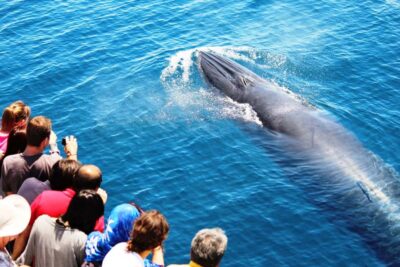
Whale and Dolphin Watching Half-Day Eco Cruise
Read our review →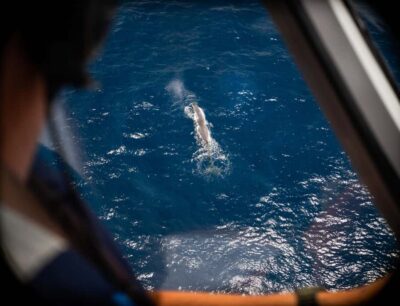
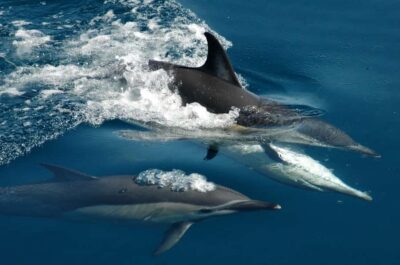
Tikapa Moana Whales, Dolphins and Islands Cruise
Read our review →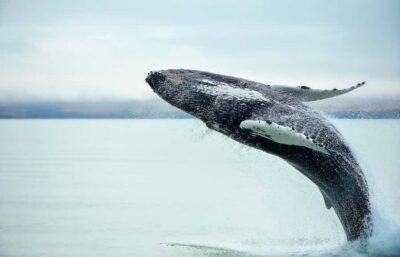
Kaikōura Whale Watching Scenic Flight (40 Minutes)
Read our review →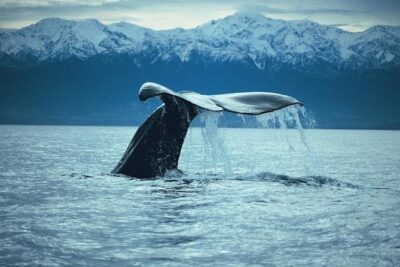
Kaikoura Whale Watch Day Tour from Christchurch
Read our review →Browse the lists this tour appears in