
Reviewed · CANOES & KAYAKS
Akaroa: Guided Sunrise Sea Kayaking Tour
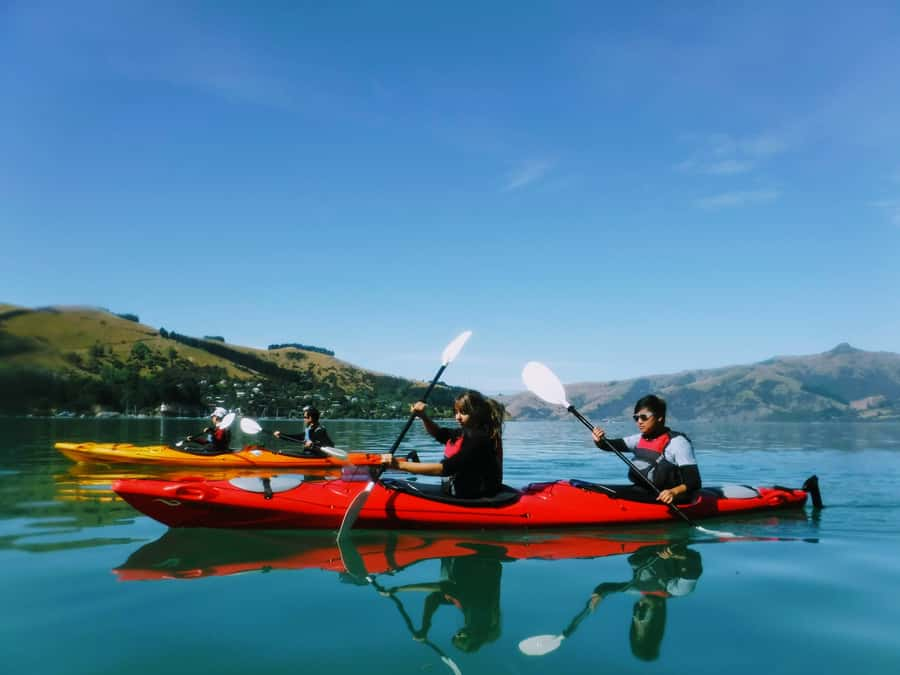
Akaroa Harbour is at its best before the day gets busy. This three-hour sunrise kayak trip puts you on the water ahead of the tour boats, when the harbour can feel almost private and the early light catches the volcanic hills. I like the direct launch from Akaroa and the chance to explore with a local nature guide rather than simply paddle without context.
I also like the strong wildlife focus. Hector dolphins may swim near the kayaks, while fur seals, cormorants, and white-flippered penguins are all possible sightings. The main consideration is simple: wildlife is never promised, and cold conditions can make the morning feel brisk even when the water is calm.
Key points to know before booking
- First on the harbour: The early start usually means quiet water before other boats begin their tours.
- Direct launch from Akaroa: You spend more of the three hours paddling because there is no separate transfer to a launch site.
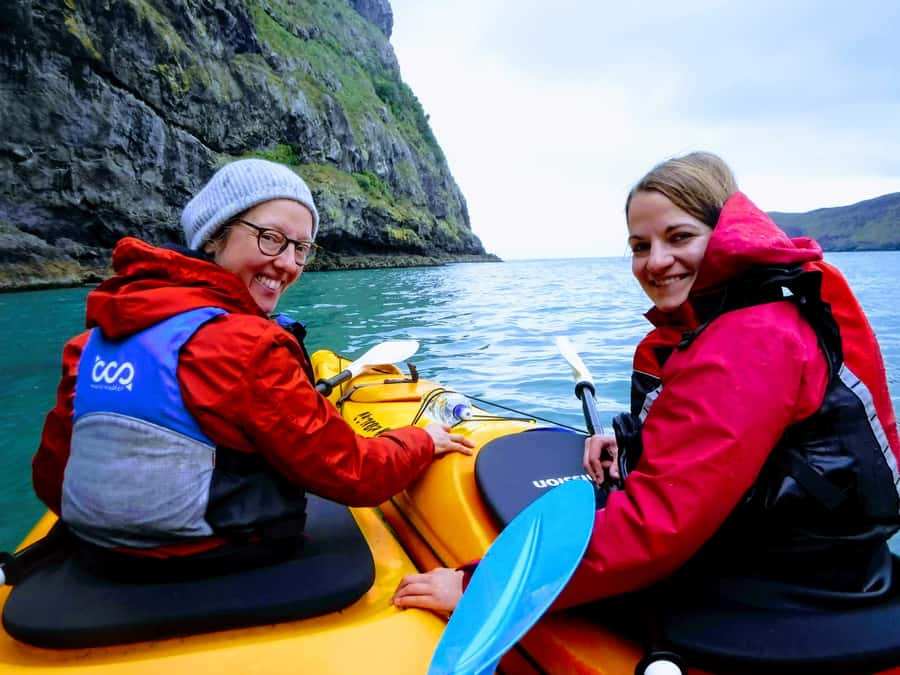
- Small-group nature guiding: Your guide leads the group and explains local wildlife, plants, conservation areas, and Akaroa’s past.
- Hector dolphins are possible: These protected New Zealand dolphins have been seen close to the kayaks, but sightings depend on nature.
- Safety comes first: You receive a full briefing and paddling instruction before heading into the harbour.
- Bring warm, practical clothing: A windbreaker, sun hat, and drinks are advised. Jeans and large bags are not allowed.
Why sunrise is the right time for Akaroa Harbour
The biggest appeal here is timing. You are not simply taking a kayak tour at a convenient hour. You are getting onto the harbour before the rest of the boating day begins.
That matters in Akaroa. The tour starts near the town centre, and the kayaks launch directly from there. You do not spend part of your booking riding in a vehicle to another shore, waiting for equipment, or sitting through a long safety process away from the water. Once the briefing is done, the group can get paddling.
Early morning can bring calm conditions and clear reflections across the harbour. The light is often soft, and the lack of boat traffic makes it easier to hear your guide. The quiet also suits wildlife watching. Hector dolphins, fur seals, seabirds, and penguins are less likely to be crowded out by a busy morning on the water.
Of course, sunrise trips require an earlier start than a relaxed holiday morning. You should be ready to get moving while much of Akaroa is still quiet. If you dislike early starts or tend to feel cold on the water, this may not be your ideal excursion. For most people who can manage the timing, the peaceful setting is the main reward.
More canoes & kayaks in Christchurch:
- Sea Kayaking Christchurch, Lyttelton Harbour & Quail Island
★ 4.5 · 7 reviews - Christchurch: Sea Kayaking Tour of Lyttelton Harbour
★ 5.0 · 6 reviews - Cathedral Cove Kayak Tour
★ 5.0 · 887 reviews
Meeting at the Akaroa Bowling Club
The meeting point is outside the Akaroa Bowling Club, by the picnic tables. Put Akaroa Bowling Club into Google Maps rather than relying on a vague town-centre search.
Check your phone messages or email the day before. The meeting location can change if the wind direction makes another launch point more suitable. This is a small but important detail. Akaroa Harbour conditions can vary, and the operator may choose a safer or more sheltered place to begin.
Arrive prepared to leave large bags and luggage behind. Jeans are not allowed, so wear practical clothes that can handle spray and a cool breeze. Bring a windbreaker, sun hat, and drinks. The information provided does not list wetsuits or other personal gear, so you should not assume that every item of outdoor clothing is supplied.
The first 20 minutes: briefing and getting on the water
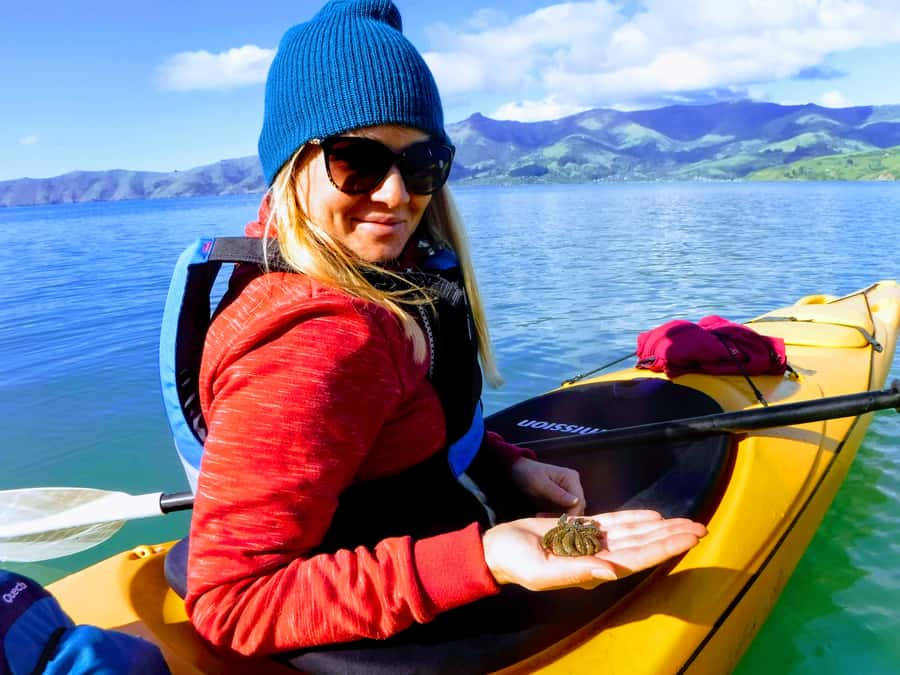
Before paddling out, you receive a safety briefing. This covers the basics you need for the kayak and helps you feel more settled if you have limited sea-kayaking experience.
The guide then leads the group onto the water. The outfit is designed around small, intimate groups, which gives the guide a better chance to keep an eye on everyone and answer questions as you go. Guides have included Peter, John, Alex, Seamus, Shaun, Lee, Jake, and others, so the exact person leading your trip will vary.
Safety is treated seriously without turning the outing into a formal lesson. That balance comes through in the way the guides work. John and Seamus have been praised for keeping the mood relaxed while paying close attention to safety. Peter has been described as friendly and reassuring on the water, while Alex has brought together wildlife, local culture, and Akaroa’s past.
Your first few minutes are about finding a comfortable rhythm. The guide sets the pace, so you are not expected to race ahead. If you are new to kayaking, this is useful. You can concentrate on steady paddling and enjoying the harbour rather than trying to keep up with a fast group.
Paddling through the marine reserve
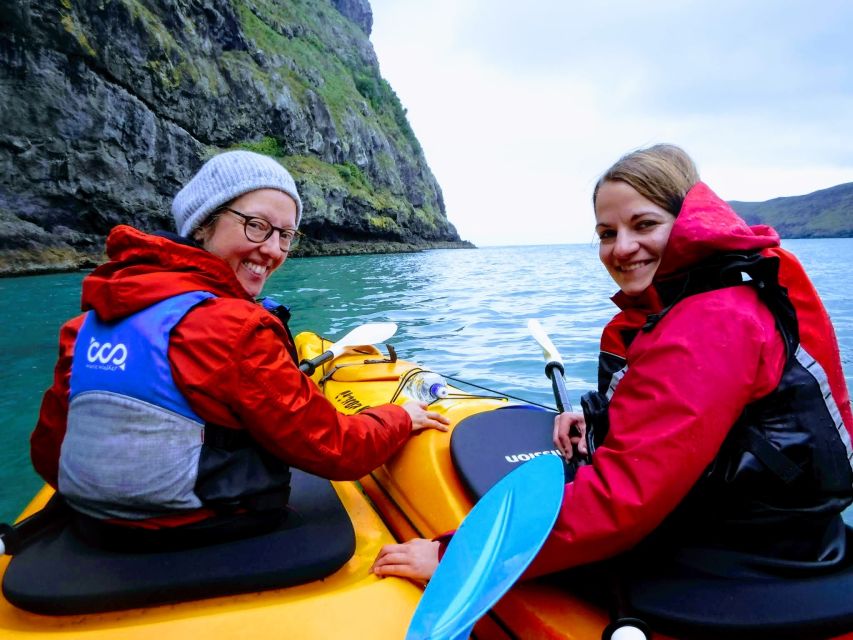
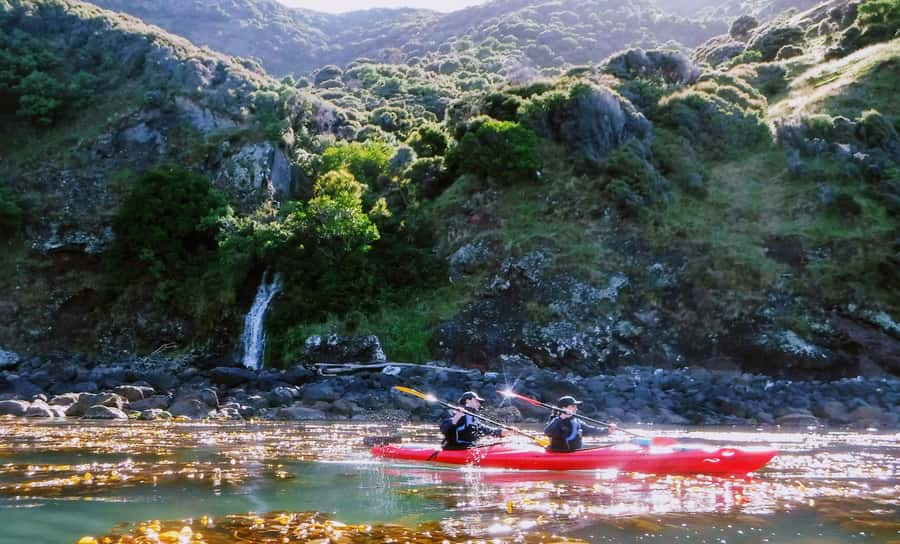
The main part of the trip takes place inside the marine reserve. The guide pauses at points of interest to explain the surrounding environment, local flora and fauna, and the conservation work that protects the area.
These short stops add real value. Without them, you would still get a pleasant morning on the harbour, but you might miss the reasons certain areas matter. You learn to look beyond the surface of the water, watching the rocks, shoreline, and open harbour for signs of animal life.
The route is shaped by conditions and wildlife rather than by a fixed sightseeing checklist. That is worth understanding before you book. You are not guaranteed a particular cove, animal, or viewpoint. The guide has to balance the group’s safety, the wind direction, and the need to avoid disturbing protected areas.
The operator describes the trip as a sustainable way to experience Akaroa because the group travels quietly by kayak and is led through conservation areas with care. That does not mean you should expect a formal conservation lecture. Instead, the experience is built around low-impact movement, careful observation, and staying with a small group.
You will have around three hours in total, with the maximum practical amount of time on the water because the launch is in Akaroa. That makes this a better choice for paddlers who want an active outing, not a short introductory ride followed by lots of transport.
A few more things to do in Christchurch worth a look
- Full Day Guided Walking Tour and Picnic around Godley Head
★ 5.0 · 147 reviews - Lyttelton Shore Excursion – Guided Walking Tour and Picnic
★ 5.0 · 57 reviews - Christchurch: Guided Crater Rim Walk with Coastal Scenery
★ 5.0 · 56 reviews - Half Day Guided Walking Tour on Banks Peninsula
★ 5.0 · 40 reviews
Wildlife watching, from seals to Hector dolphins
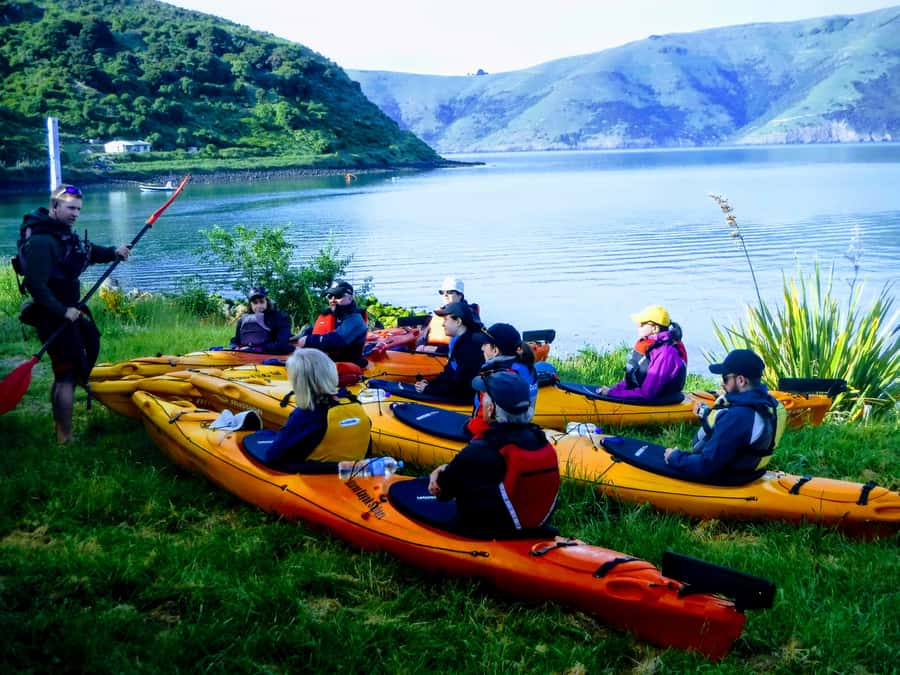
Wildlife is the reason many people choose this tour, but it is important to keep expectations sensible. You may see Hector dolphins, yet no guide can promise them on a particular morning.
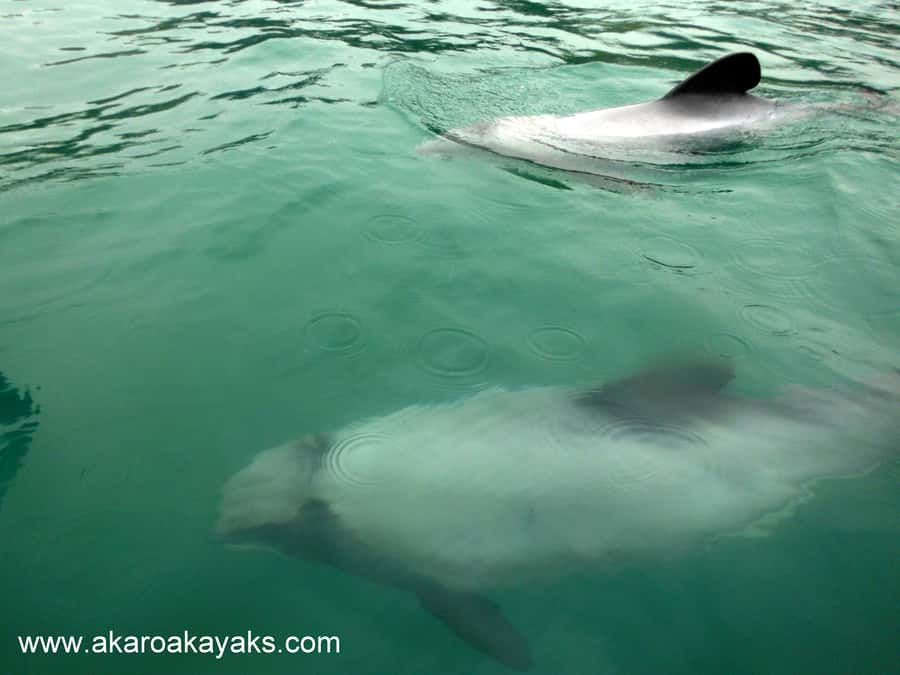
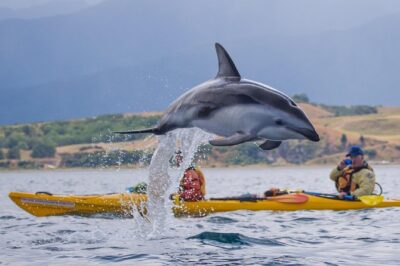
Hector dolphins are protected and endangered, and they are found only in New Zealand. Seeing one near a kayak can be an extraordinary moment. One morning, dolphins were reported swimming around the kayaks, creating the kind of close encounter that people remember long after the holiday ends. On another outing, the group did not see dolphins but still enjoyed birds and the harbour.
That difference is not a flaw in the tour. It is the nature of wildlife watching. If dolphins do not appear, you still have the marine reserve, the morning light, and the guide’s explanations. You should book this for the whole experience rather than treating it as a dolphin guarantee.
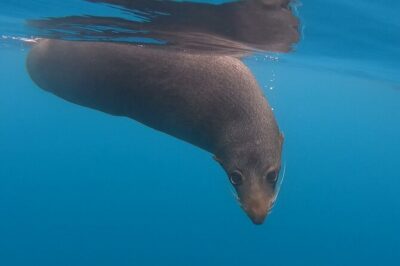
You might also see New Zealand fur seals swimming or resting on rocks. Cormorants may be working underwater for food, and white-flippered penguins can sometimes be seen preening. The guide can help you identify what you are seeing and explain how these animals fit into the harbour environment.
Bring patience. Wildlife may appear for only a few seconds, and the first thing you notice might be a splash, a dark shape, or a bird disappearing below the surface. The quiet pace of kayaking helps because there is less engine noise and less disturbance than on a larger vessel.
The guide’s role makes the difference
A good guide matters on a kayak trip, and this operation has a strong record of guides who combine safety with local knowledge.
Peter has been praised for being dynamic, friendly, and reassuring. Shaun brought years of tour-leading experience and added stories about the local area. Lee made the commentary about history and birds interesting, while John’s instructions and environmental explanations helped the group feel comfortable.
Alex has also been singled out for covering wildlife, culture, and Akaroa’s past. Those subjects give the outing more depth than a simple paddle around the shoreline. You begin to understand Akaroa as a place shaped by both its marine environment and its settlement story.
There is one useful criticism to keep in mind. On one calm morning, the guide sometimes spoke while facing away from the group, making it hard to hear. This is a practical issue in a kayak, where wind, water, and distance can quickly soften a voice. If you cannot hear an explanation, say so. The group format should make it possible for the guide to repeat or reposition.
The commentary is in English. If you enjoy asking questions and learning as you go, you will get more from the trip than if you treat it as a silent scenic paddle.
What the three hours feel like
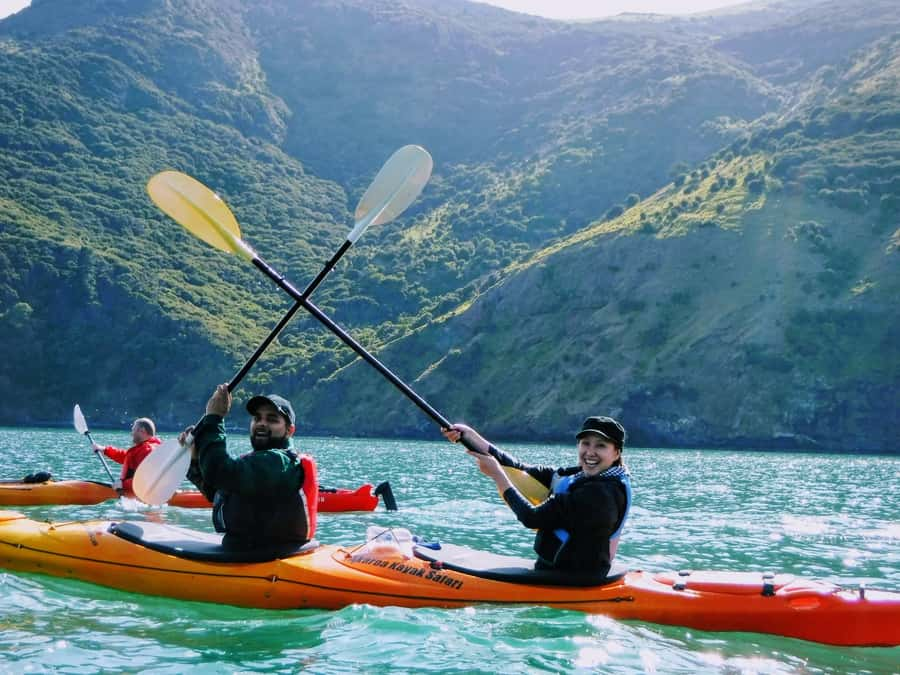
The pace is active but not framed as a workout. You paddle, pause, listen, and scan the water. The guide decides when to stop for information and when to keep moving, depending on the conditions and possible wildlife.
Many people find that the time passes quickly. That makes sense because the trip combines steady activity with frequent visual distractions. A seal on a rock, a group of birds, or a sudden movement in the water can break up the paddling in a natural way.
Calm weather makes the experience easier and more rewarding. One morning was perfectly still but cold, with fewer animals visible. This is a good reminder to dress for temperature, not just wind. A windbreaker and sun protection are both useful, since early cloud or calm water does not guarantee warmth.
The three-hour duration also gives you enough time to settle into the kayak. A shorter trip might end just as you become comfortable with the paddling technique. Here, you have room to get your bearings and enjoy the setting without hurrying from one stop to the next.
Is $92 good value?
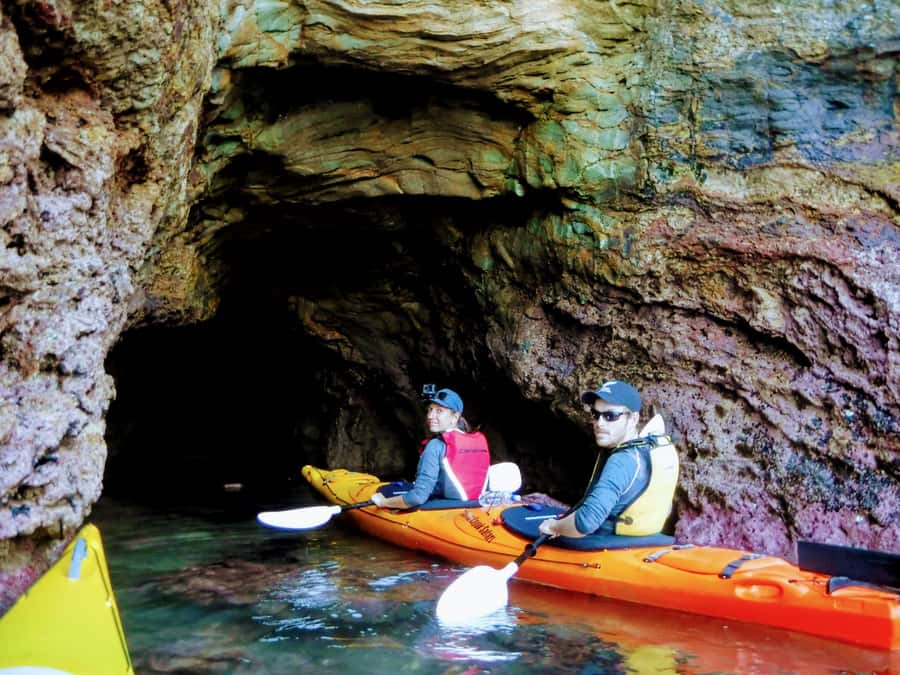
At $92 per person, this is not the cheapest way to see Akaroa Harbour, but it offers a strong amount of water time. The price includes the guide, safety briefing, and kayak, with no separate launch transfer taking up part of the booking.
I see the value in three areas. First, you get three hours rather than a quick introductory paddle. Second, you are accompanied by a guide who can explain wildlife, conservation, culture, and local history. Third, the early start gives you access to the harbour before other tour boats are active.
The value depends on what you want. If you only want a short scenic activity, a three-hour tour may feel like more time and cost than necessary. If you want a close look at Akaroa’s marine environment and prefer a quiet, low-impact outing, the price is reasonable.
The wildlife possibility also adds value, but it should not be counted as a guaranteed feature. You are paying for access, guiding, equipment, and time in the marine reserve. Any dolphin encounter is a wonderful extra, not the product itself.
Who should book this kayak tour?
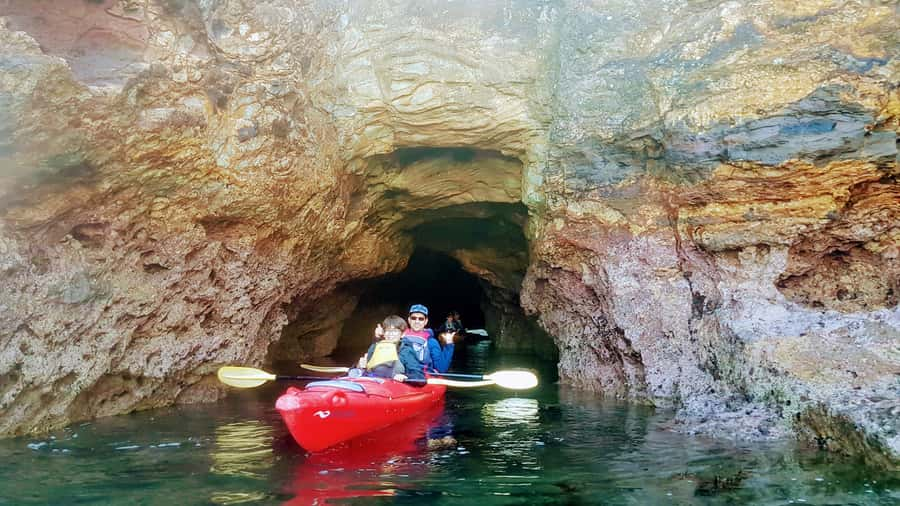
I would choose this tour if you want an active way to see Akaroa and are happy to start early. It suits couples, solo visitors, and small groups who enjoy nature, local stories, and a slower look at the harbour.
It is especially good for people who want to avoid a busy boat excursion. Being first on the water gives the morning a peaceful quality, and the kayak lets you move quietly through the reserve.
You should think twice if you dislike cold mornings, cannot manage three hours of paddling, or want a guaranteed animal sighting. You should also avoid bringing large luggage or wearing jeans, since the operator specifically rules both out.
The guides make this more approachable for less experienced paddlers. You receive safety instructions, stay with the group, and can settle into the rhythm at the guide’s pace. Still, this is a sea-kayaking activity, not a sightseeing cruise, so you should be comfortable with being active outdoors.
Booking details and useful planning tips
The tour lasts three hours, and start times depend on availability. The guide speaks English. You can cancel up to 24 hours before departure for a full refund, and the booking option allows you to reserve now and pay later.
Keep your phone or email available the day before in case the wind changes the meeting point. That message may be important for both safety and punctuality.
Pack only what you need. A windbreaker, sun hat, and drinks are specifically advised. Leave luggage and large bags elsewhere, and do not wear jeans. Since early mornings can feel cold even on calm water, practical layers are a better choice than dressing only for the forecast in town.
Should you book the sunrise paddle?
Book it if you want quiet harbour time, a small-group guide, and a real chance of seeing marine wildlife without committing to a motorboat trip. The direct launch and three-hour duration give you more time on the water, while the early start helps you enjoy Akaroa before the harbour fills with activity.
Do not book it only for the dolphins. Some outings see them close to the kayaks, and others produce seals, birds, and beautiful scenery instead. If you can accept that uncertainty, this is a well-priced, thoughtful way to experience Akaroa’s marine reserve.
FAQ
Where does the kayaking tour meet?
Meet outside the Akaroa Bowling Club and wait by the picnic tables. You can search for Akaroa Bowling Club in Google Maps.
Can the meeting point change?
Yes. Check your phone messages or email the day before because the meeting point may change based on wind direction.
How long does the tour last?
The guided kayaking tour lasts three hours.
What wildlife might I see?
Possible sightings include Hector dolphins, New Zealand fur seals, cormorants, and white-flippered penguins. Wildlife sightings are not guaranteed.
Are Hector dolphins guaranteed?
No. Hector dolphins are possible, but sightings depend on natural conditions and animal movements.
What is included in the price?
The tour includes a guide, a safety briefing, and a kayak.
What should I bring?
Bring a windbreaker, sun hat, and drinks.
Can I bring jeans or a large bag?
No. Jeans and luggage or large bags are not allowed.
What language is the tour conducted in?
The tour is conducted in English with a live English-speaking guide.
Just added in Christchurch
- Hanmer Springs Star Tours at Manuka Skies★ 5.0 · 11 reviews
- Amuri Jet Adventures – Hanmer Springs Quad Biking tour★ 5.0 · 49 reviews
- Waipara Valley Winery Tour Wine Tastings and Scenic Views★ 5.0 · 5 reviews
- Wine trail and Christchurch City – Luxury, Small Group Tour★ 5.0 · 15 reviews
- Willowbank Wildlife Reserve Day Entry★ 4.5 · 94 reviews
- Waimakariri River Jet Boating from Christchurch★ 4.0 · 9 reviews
- Arthur’s Pass Tour From Christchurch With Jet Boat & TranzAlpine★ 5.0 · 8 reviews
- Southern Alps Scenic★ 5.0 · 8 reviews
Canoes & Kayaks, compared.
Small-Group Kayak Adventure from Franz Josef Glacier
Read our review →
Dart River Canoe and Jet Boat Experience from Queenstown
Read our review →Browse the lists this tour appears in