
Reviewed · WILDLIFE
Akaroa: Scenic Coastline Wildlife Cruise
Akaroa’s best wildlife cruise is not about racing after dolphins in a crowded boat. It is a relaxed trip aboard Wairiri, a 41-foot kauri launch built in 1964, where Tony shares decades of local knowledge and lets wildlife set the pace. I like the small group size and the chance to explore close to the coast, where a larger vessel cannot go.
I also like the human touch: Tony and Muffy are happy to answer questions, and Scruffy the boat dog joins afternoon trips. The main consideration is that wildlife sightings are never guaranteed, and the cruise can be cancelled in poor sea or weather conditions. This is a small boat trip, not a sheltered sightseeing ride, so conditions matter.
Key points at a glance
- A 1964 kauri launch: Wairiri gives the cruise a character that a modern tour boat cannot match.
- Tony’s local stories: Your captain has explored Banks Peninsula’s waters since the 1960s.
- Small-group viewing: Limited numbers give you more room to move around and a better chance of seeing the coast from different sides of the boat.
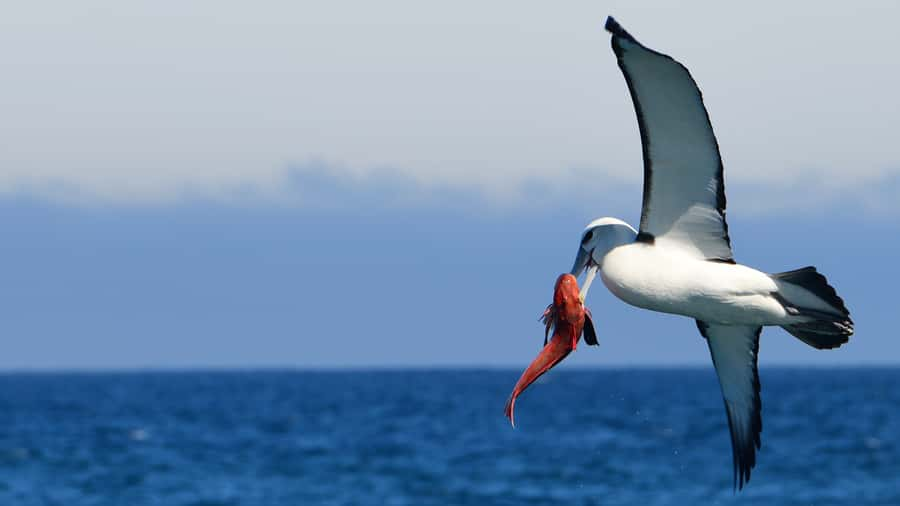
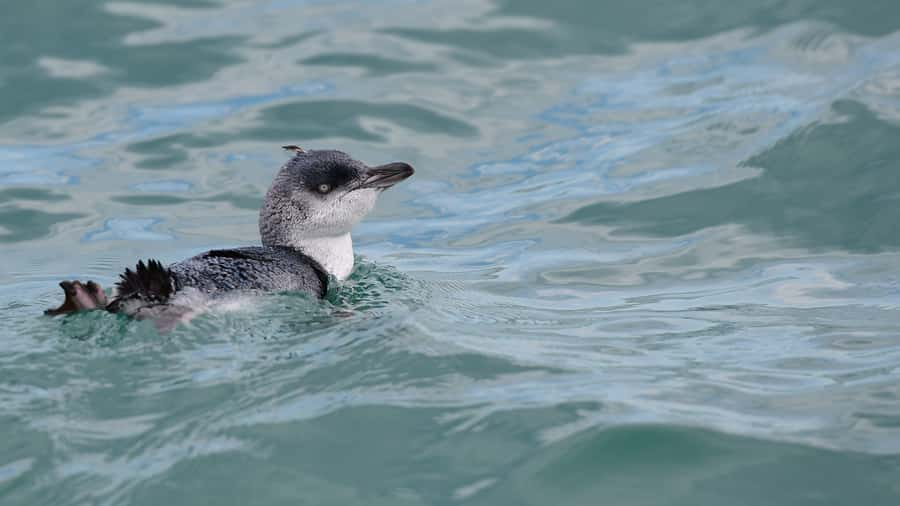
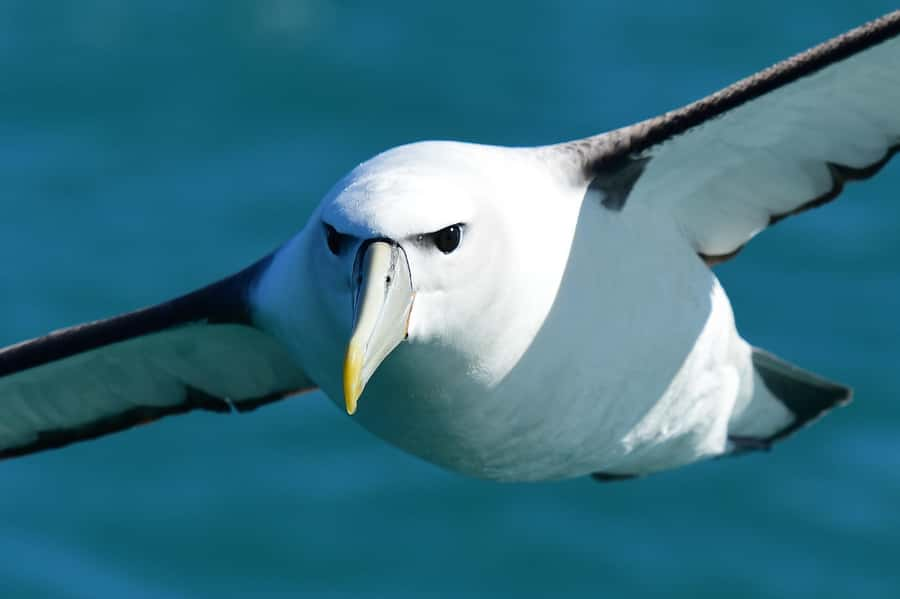
- Wildlife without a chase: Dolphins, little blue penguins, seabirds, and other marine life may appear, with the crew taking a respectful approach.
- A lobster pot may come aboard: Depending on the trip, you might see a lobster, octopus, conger eel, starfish, or sand shark.
- A flexible 2.5-hour outing: The cruise is long enough to reach the open parts of Akaroa Harbour without taking up your whole day.
Why this small Akaroa cruise feels different
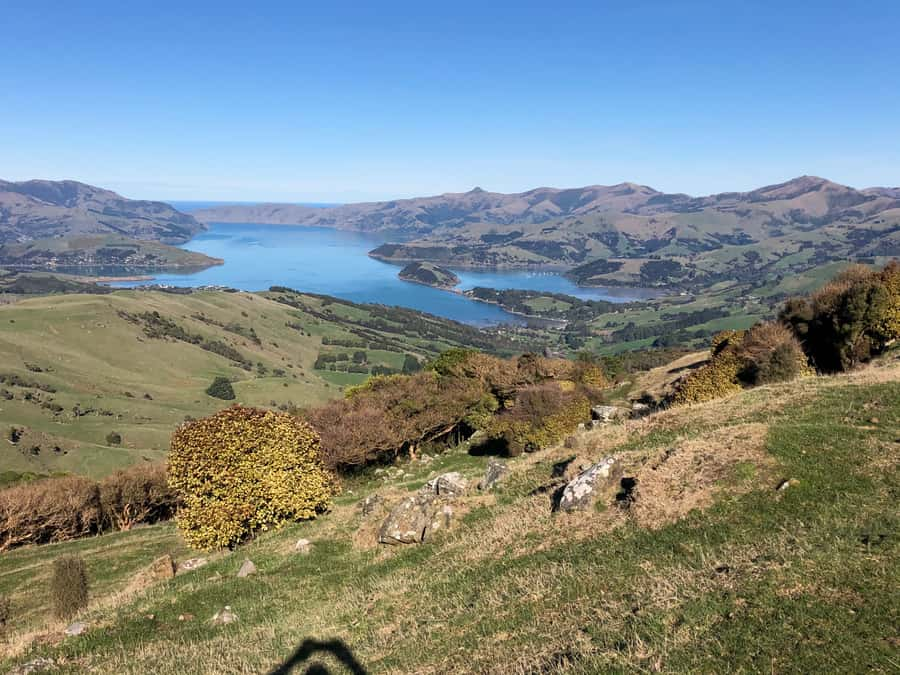
Akaroa Harbour sits inside the remains of an ancient volcanic area, and the coastline is the main attraction from the moment Wairiri leaves the jetty. The water, headlands, coves, and steep volcanic cliffs give the trip plenty to look at even before an animal appears.
The boat makes a real difference. At 41 feet, Wairiri is large enough to feel steady and comfortable, but small enough to approach sections of coast that larger vessels may need to pass by. You are not simply looking out through a window. You can move around the boat for a better angle, watch the water from different sides, and adjust your position when wildlife appears.
That flexibility matters for photographs. It also makes the cruise feel less fixed and formal. Instead of staying in one seat for the entire 150 minutes, you can pay attention to where the action is and where the light falls.
The boat itself is part of the experience. Wairiri is a kauri launch built in 1964, so you get a traditional New Zealand vessel rather than a standard commercial ferry. It has character, and the older design fits the quiet, personal feel of the trip.
More wildlife in Christchurch:
- Christchurch: Orana Wildlife Park Admission
★ 4.5 · 119 reviews - Willowbank Wildlife Reserve Day Entry
★ 4.5 · 94 reviews - Uniquely Kiwi Landsailing Adventure
★ 5.0 · 66 reviews
Leaving from Drummonds Jetty
You meet the boat at Drummonds Jetty, 59E Beach Road, opposite the Akaroa Fish ‘n Chips shop. Look for the Coast Up Close boat and arrive 15 minutes before departure for boarding.
There is no hotel pickup or drop-off, so you need to make your own way to the jetty. Food and drinks are also not included. That keeps the arrangement simple, but you should plan ahead if you need refreshments before or after the cruise.
Once aboard, the first few minutes are useful for settling in and finding your preferred viewing spot. A small boat gives you more choice, but it also means you should pay attention during boarding and follow the crew’s instructions.
The cruise lasts 2.5 hours. That is a good length for a wildlife trip in Akaroa. You have enough time to travel beyond the immediate waterfront, watch for animals, and hear local stories without spending an entire day at sea.
Tony’s Akaroa stories add context
Tony has been exploring the waters around Banks Peninsula since the 1960s. That long connection gives the cruise a personal angle that goes beyond naming birds or pointing out a headland.
You will hear stories about the area, the water, and Tony’s own adventures. His role is not limited to steering the boat. He talks with passengers, answers questions, and explains what makes the coast and its wildlife special.
That personal contact is one of the strongest reasons to choose this cruise. The experience is built around conversation as much as scenery. If you like asking questions, you should find plenty of room for that here. The tour is offered in English and German.
Muffy is also part of the crew, and the warm, informal style of the pair helps keep the trip from feeling like a scripted presentation. The crew’s approach is friendly and direct, with time for questions rather than a long stream of memorized facts.
Afternoon departures may also include Scruffy, the boat dog. Scruffy is not guaranteed on every trip, but the possibility adds a nice bit of local character for people who enjoy animals both on and off the water.
Along the volcanic coastline of Banks Peninsula
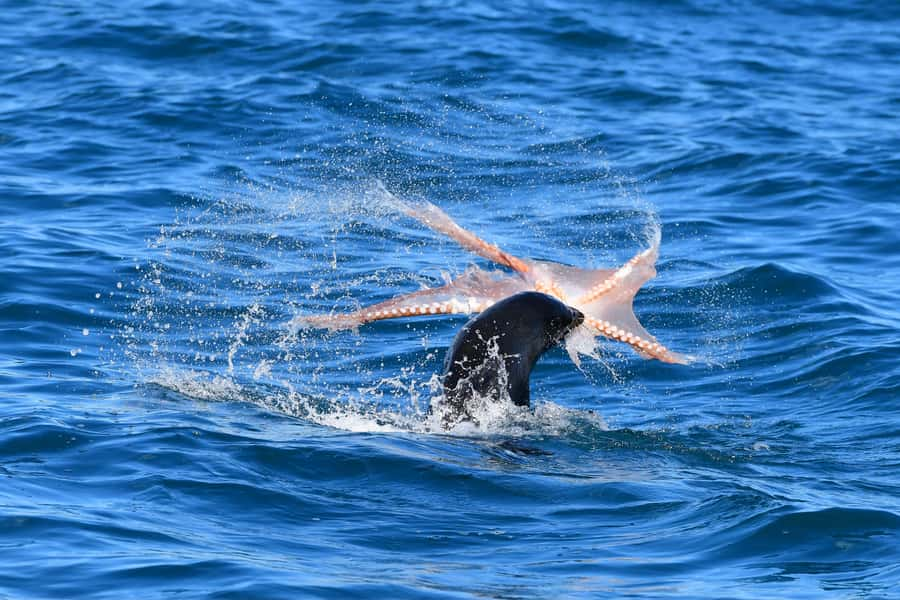
The cruise explores Akaroa Harbour and the wider coast of Banks Peninsula. The harbour’s volcanic origins are visible in its shape, rocky edges, and steep coastal forms.
I like this part of the trip because it gives you more than a short ride around town. The boat heads toward a wider stretch of the harbour and coastline, where the views feel more open and the water traffic is less central to the experience.
The exact route depends on sea conditions and wildlife activity. There is no promise of a set sequence of stops, and that is normal for a wildlife cruise. The crew needs to work with the water, the weather, and the animals rather than follow a rigid timetable.
From the boat, you can look for changing views of the coast and watch how the shoreline forms small bays and rocky sections. A smaller vessel can move closer to these features, giving you a more immediate view than you might get from a large boat.
You should also keep your expectations realistic. This is not a trip with scheduled landings or walks. You remain aboard Wairiri for the cruise, so the value comes from the moving views, the commentary, and the chance to spot wildlife.
Same base, a different kind of day:
- Christchurch Hop-On Hop-Off Tram
★ 4.5 · 841 reviews - Christchurch Gondola and Tram City Tour Combo
★ 4.5 · 725 reviews - Christchurch: Hop-On Hop-Off Tour by Vintage Tram
★ 4.6 · 717 reviews - Christchurch: Tram, Punt and Gondola Ride Combo Ticket
★ 4.7 · 608 reviews
Dolphins, penguins, and seabirds
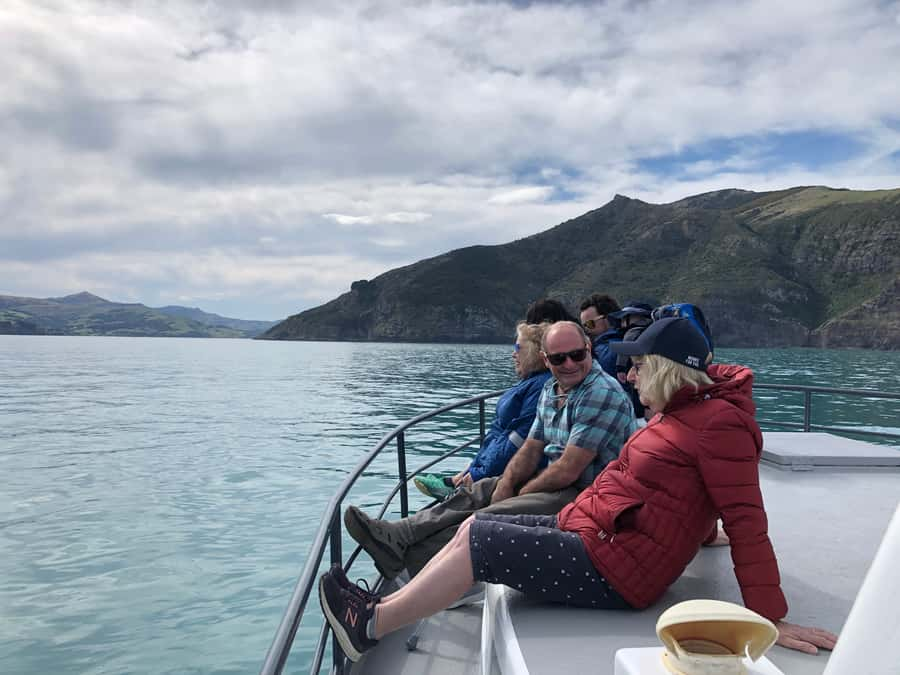
The main wildlife possibilities include little blue penguins and a range of seabirds. Dolphins may also appear, and a recent trip recorded plenty of dusky dolphins, also called hunter dolphins.
No crew can promise a particular animal on a particular departure. Wildlife moves freely, and sightings depend on the season, the sea, and luck. Still, the cruise gives you a good setting for watching because the boat can work along the coast and pause when something catches the crew’s attention.
The crew’s attitude toward dolphins is especially appealing. Rather than hounding them, Tony allows the dolphins to approach the boat. That approach is better for the animals and creates a calmer experience for you. You may get a close look, or you may see dolphins at a distance, but the focus remains on respectful observation rather than a frantic chase.
Bring patience. Wildlife watching works best when you scan the water, listen for changes in the crew’s tone, and avoid expecting constant action. The coastline, birds, and stories fill the quieter stretches.
The small boat helps here. You have less distance between you and the water, and you can move to improve your view. Larger boats can carry more people, but they also make it harder to shift position quickly when an animal appears.
The lobster pot adds a hands-on surprise
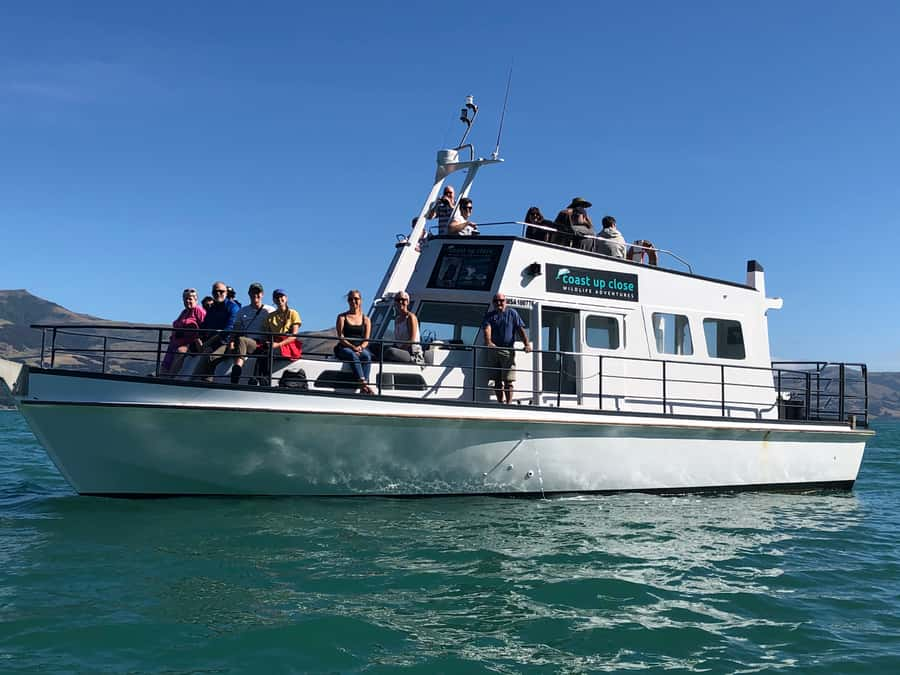
Tony often has a lobster pot in the water, and on some trips the crew pulls it up. You never know what might be inside.
Possible catches include lobster, octopus, conger eel, starfish, and sand sharks. This part of the cruise connects the scenery with the working life of the harbour. You are not only looking at the coast from a distance. You may get a brief look at marine creatures that live below the surface.
The pot is not guaranteed, so treat it as an extra rather than a central promise. If the crew retrieves one during your trip, it can be one of the most memorable moments, especially for children and anyone interested in marine life.
It also gives Tony another way to explain the local environment. The creatures in the pot offer a practical connection to the water beneath the boat, while the seabirds and dolphins show you what is happening above it.
What the small group means for you
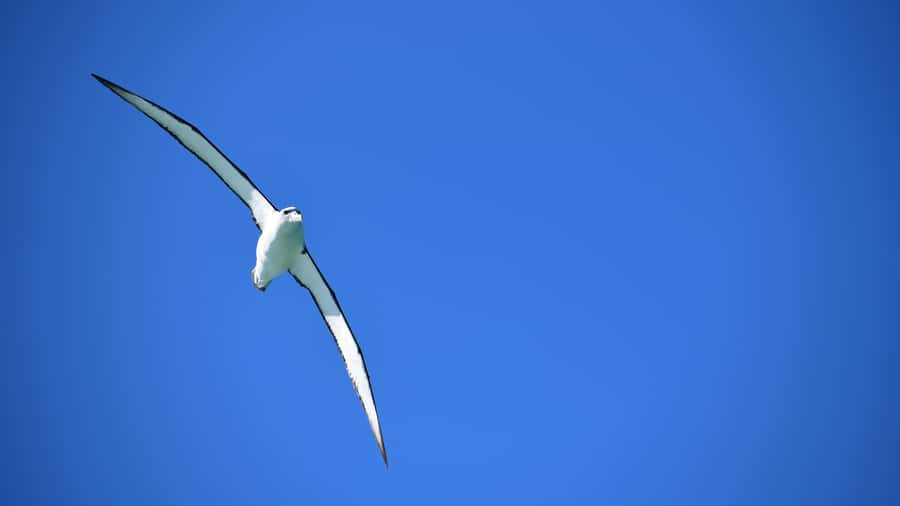
Limited tour numbers are one of the clearest advantages of this experience. You get more space to move around Wairiri, and the crew can keep the atmosphere conversational.
That does not mean you will have the boat entirely to yourself. It means the experience is less crowded than a large commercial cruise, with fewer people competing for the same rail or camera angle.
Small groups also make it easier to ask questions. If you want to know more about the coastline, a bird, the boat, or Tony’s time on the peninsula, you can raise the subject without trying to attract attention in a large crowd.
There is a tradeoff. A smaller boat has less room than a big vessel, and movement on board may be more noticeable in rough conditions. The tour is not suitable for wheelchair users, and the operator may cancel if sea or weather conditions are unsafe.
If you are sensitive to motion, check the forecast before you go and choose a day when conditions look settled. The operator’s ability to cancel for unsuitable conditions is a useful safety measure, but it means your plans need some flexibility.
Is $65 a fair price?
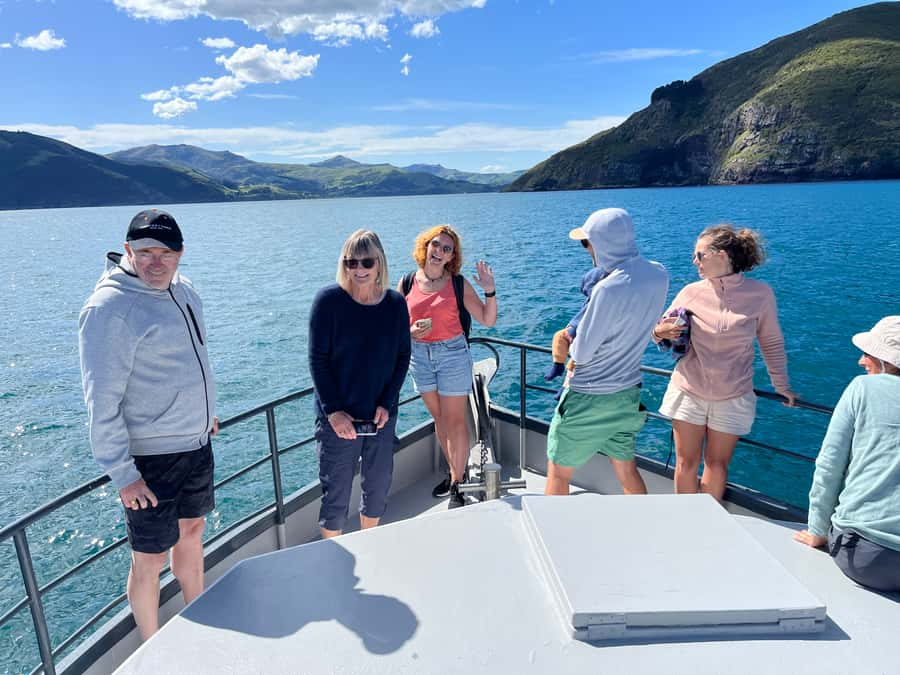
At $65 per person, this is reasonably priced for a 150-minute cruise with a captain, wildlife viewing, local commentary, and a small-group setting.
The value is strongest if you want more than a basic harbour ride. You are paying for access to a smaller boat, a longer outing, and Tony’s experience on these waters. The possibility of dolphins, penguins, seabirds, and a lobster pot adds interest, but the price should not be judged only by how many animals you see.
A wildlife trip can have a quiet day. If dolphins stay out of sight, you still have the volcanic coast, the old kauri launch, and the captain’s stories. I would choose this cruise for the overall time on the water, not as a guaranteed animal checklist.
Compared with a large boat, the extra value comes from scale and atmosphere. You can get closer to the coast, change viewing positions, and talk more easily with the crew. If you prefer a big, stable vessel with plenty of indoor space, another cruise may suit you better.
The reserve-now, pay-later option also helps if your schedule is still moving. You can hold a place without paying immediately, and cancellation is free up to 24 hours before departure. Those terms matter because sea conditions can affect the operation.
Who will enjoy this cruise most?
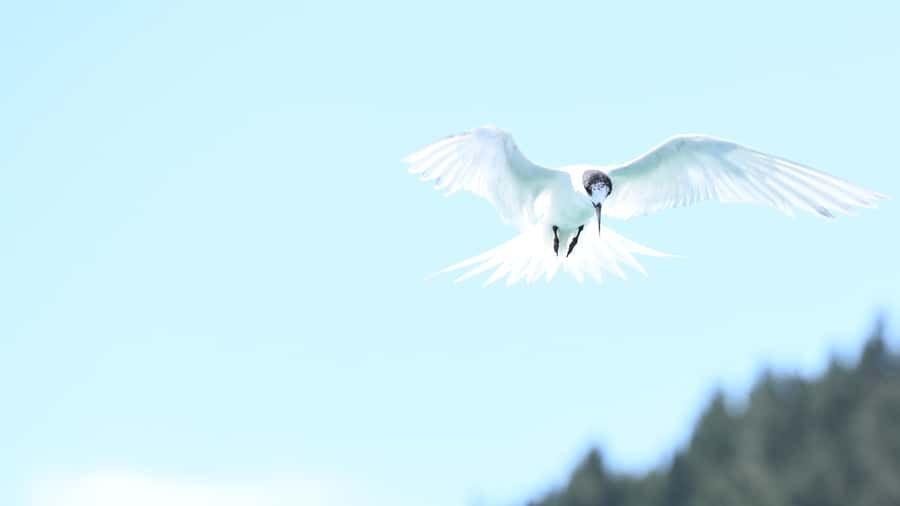
I would recommend this trip to you if you enjoy nature, small boats, local stories, and a relaxed pace. It suits couples, families, solo visitors, and anyone who wants a personal view of Akaroa Harbour.
It is especially good for people who dislike large tour groups. The small capacity and open viewing areas give the cruise a more informal feel, and Tony and Muffy can spend time talking with passengers.
Families may enjoy the variety. The boat ride, dolphins, birds, old launch, and possible lobster pot give children several things to watch for. Scruffy may be aboard on afternoon departures, though you should not book solely on the chance of seeing the dog.
Photographers should appreciate the ability to move around the boat. You can look for a clearer angle when the coast or wildlife appears, though your results will still depend on weather, light, and animal behavior.
I would think twice if you need wheelchair access, dislike being on a smaller vessel, or want a guaranteed dolphin encounter. This is also not the right choice if you expect hotel transport, meals, or a shore excursion.
Practical details before you board
Wear clothing that can handle wind and changing conditions. The tour is on open water, and even a calm day in town may feel cooler aboard the boat.
Arrive 15 minutes early at Drummonds Jetty. The meeting point is easy to identify because it is opposite the Akaroa Fish ‘n Chips shop, and you should look for Coast Up Close and Wairiri.
Smoking, alcohol, and drugs are not allowed. Food and drinks are not included, so plan for those separately.
The cruise is offered in English and German. The captain is included, but there is no hotel pickup or drop-off.
The operator can cancel if sea or weather conditions are not suitable. If that happens, the flexible cancellation and payment terms reduce the risk of booking ahead, but you should still avoid placing an important same-day connection immediately after the cruise.
Should you book the Coast Up Close cruise?
I would book this cruise if your ideal Akaroa outing combines wildlife with local character. The old kauri launch, Tony’s long connection to the peninsula, the small group, and the respectful approach to dolphins give it more personality than a standard sightseeing ride.
Book it especially if you want time to look for seabirds and penguins, hear real stories, and explore the coastline from a boat that can get closer than larger vessels. The possible lobster pot retrieval is another unusual bonus.
I would choose something else only if you need wheelchair access, prefer a large boat, or want a guaranteed animal sighting. For most people who can accept the uncertainty of nature and the possibility of changing sea conditions, $65 buys a thoughtful 2.5-hour outing with plenty to see and hear.
FAQ
How long is the Akaroa wildlife cruise?
The cruise lasts 150 minutes, or 2.5 hours.
Where does the cruise depart from?
Meet at Drummonds Jetty, 59E Beach Road, opposite the Akaroa Fish ‘n Chips shop. Look for the Coast Up Close boat.
How early should I arrive?
You should arrive 15 minutes before departure for boarding.
What wildlife might I see?
Possible sightings include little blue penguins, seabirds, dolphins, lobster, octopus, conger eel, starfish, and sand sharks. Wildlife sightings are not guaranteed.
Is hotel pickup included?
No. Hotel pickup and drop-off are not included.
Is food or drink included?
No. Food and drinks are not included in the cruise price.
Is the cruise suitable for wheelchair users?
No. The activity is not suitable for wheelchair users.
Just added in Christchurch
- Hanmer Springs Star Tours at Manuka Skies★ 5.0 · 11 reviews
- Amuri Jet Adventures – Hanmer Springs Quad Biking tour★ 5.0 · 49 reviews
- Waipara Valley Winery Tour Wine Tastings and Scenic Views★ 5.0 · 5 reviews
- Wine trail and Christchurch City – Luxury, Small Group Tour★ 5.0 · 15 reviews
- Willowbank Wildlife Reserve Day Entry★ 4.5 · 94 reviews
- Waimakariri River Jet Boating from Christchurch★ 4.0 · 9 reviews
- Arthur’s Pass Tour From Christchurch With Jet Boat & TranzAlpine★ 5.0 · 8 reviews
- Southern Alps Scenic★ 5.0 · 8 reviews
Wildlife, compared.
Gannet Safaris Overland tour to Cape Kidnappers Gannet Colony
Read our review →
Clearwater Wildlife Tours (small group 10max) Otago Peninsula
Read our review →
Guided Evening Penguin Viewing Otago Peninsula, Dunedin, New Zealand
Read our review →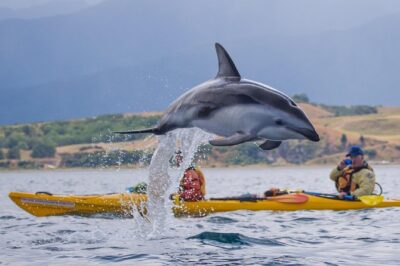
Browse the lists this tour appears in