
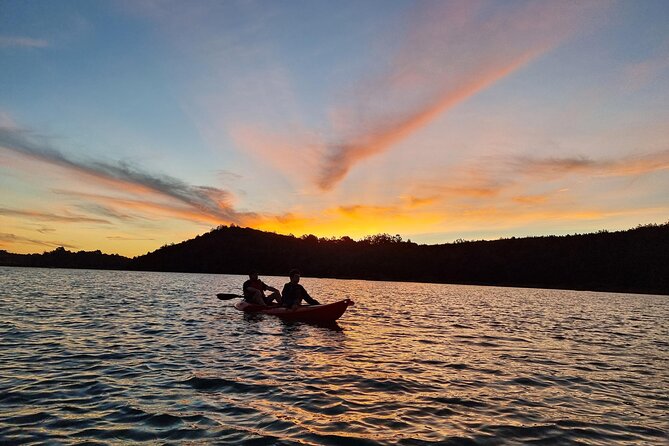
Reviewed · CANOES & KAYAKS
Bioluminescence Kayak Tour – Est. 1994
The water is the show here. Stir it with your paddle and tiny flashes of blue-green light may flicker around the blade, like sparks beneath the sea. In the dark waters of the Long Bay-Okura Marine Reserve, Auckland feels far away, and the sounds of the Hauraki Gulf and native birds take over.
I like the small one-to-six guide ratio, which gives first-time kayakers room to ask questions and learn without feeling rushed. I also like that all gear and instruction are included, with guides such as Eloise, Gareth, Josh, Madison, Peter, Ben, Keith, Maddy, and Sam praised for their calm, friendly approach. The main caution is simple: bioluminescence is natural and variable, so the glow may be subtle and difficult to photograph.
Key points to know before you book
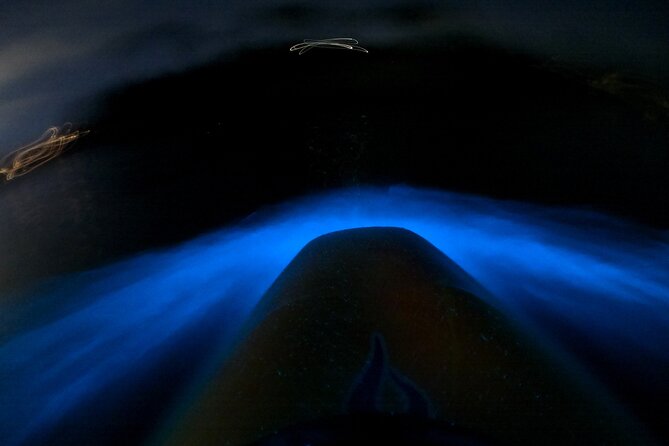
- The glow appears when the water moves: Paddle strokes, waves, and splashes can trigger brief blue-green flashes.
- Beginners are welcome: Qualified guides provide kayaking and safety instruction before heading out.
- The setting changes after sunset: The protected reserve, stars, and dark water are part of the appeal, even when the plankton is faint.
- Stable boats are provided: You use stable sea kayaks or sit-on-top kayaks, with safety equipment included.
- The meeting point is not at the coast: Start at 2/20 Ascension Place in Rosedale, with the exact coastal location confirmed before 3.30pm.
- Bring a change of clothes: You may get wet, and changing facilities may not be open after the tour.
Why Auckland’s night water can glow
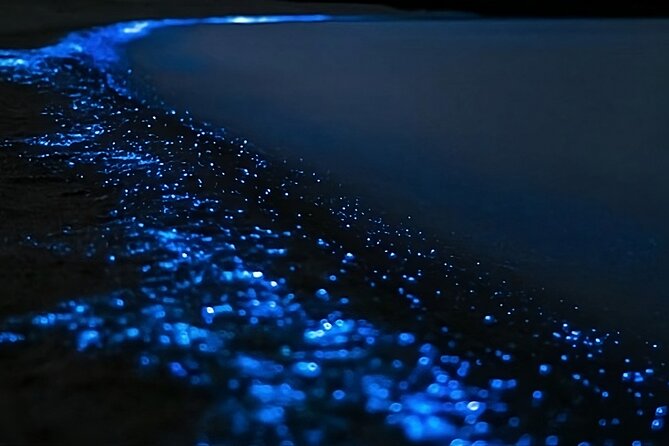
Bioluminescence is produced by tiny ocean organisms that emit light when disturbed. You do not simply sit in a boat and watch a glowing sea. The effect appears as you paddle, trail your hand, or create a small wave.
At its best, the water looks sprinkled with moving stars. Several outings have produced strong displays, with bright flashes around paddles and waves. On other nights, the glow has been limited to a few quick sparks. That difference is not a flaw in the equipment or guiding. It is part of seeing a natural event.
This is why I would set your expectations carefully. The promotional images may suggest a steady blue river of light, but the real effect can be much softer. You may see a clear burst when your paddle moves, then nothing for several seconds. You may see several types of bioluminescence, and some people have also spotted glow worms during the outing.
The darkness helps. Auckland’s city lights are left behind, and the night sky becomes part of the attraction. On a clear evening, stars and planets add another layer to the scene. Even if the plankton is faint, you are still kayaking across protected coastal water at night, which gives the two hours a distinct mood.
More canoes & kayaks in Auckland:
- Auckland: Night Kayak Tour in Glowing Bioluminescent Waters
★ 4.9 · 259 reviews - Sunset kayak tour to Rangitoto Island
★ 5.0 · 168 reviews - Day sea kayak tour Rangitoto Island
★ 5.0 · 79 reviews
From Rosedale to the launch point
The listed meeting point is 2/20 Ascension Place, Rosedale, Auckland 0632. The activity operates within a 6-mile, or 10-kilometer, radius of the North Shore Canoe & Kayak Store in Mairangi Bay. The exact launch location is confirmed on the day before 3.30pm, so do not assume that the booking address is where you will put your kayak in the water.
That late confirmation matters because conditions and the best launch area can change. Check your messages before setting out, and allow time to reach the confirmed location. The meeting point is near public transportation. One person made the journey by Auckland bus and returned to central Auckland by Uber, showing that you do not necessarily need a rental car, though your return transport should be planned in advance.
The tour ends back at the meeting point. The total activity lasts about two hours, but you should allow extra time for arrival, fitting equipment, and changing afterward.
Learning to kayak before sunset
You do not need previous kayaking experience. The guides explain basic paddling and safety, then help you get comfortable in a stable sea kayak or sit-on-top kayak.
That makes this a useful choice for a first night paddle. Some people arrive nervous, especially if they have never kayaked before. Clear instructions and steady support can make the first few minutes much easier. Getting out of the kayak may be more awkward than paddling it, so take your time when returning to shore.
The guide-to-guest ratio is listed as one guide for every six people, with a maximum group size of 24. That is a practical balance. You are not receiving a private lesson, but the group is small enough for guides to keep an eye on technique and safety.
Boat choice may matter if you have back trouble. A sit-on-top or kayak with a backrest can be more comfortable, and one person specifically advised asking for a boat with back support. If you have a preference, raise it before launching rather than waiting until you are already on the water.
All kayaking and safety gear is supplied. You should still wear clothing that can get wet and bring dry clothes for afterward. A short rain shower has not ruined every outing, but it can make the return trip less comfortable.
Paddling into the Long Bay-Okura Marine Reserve
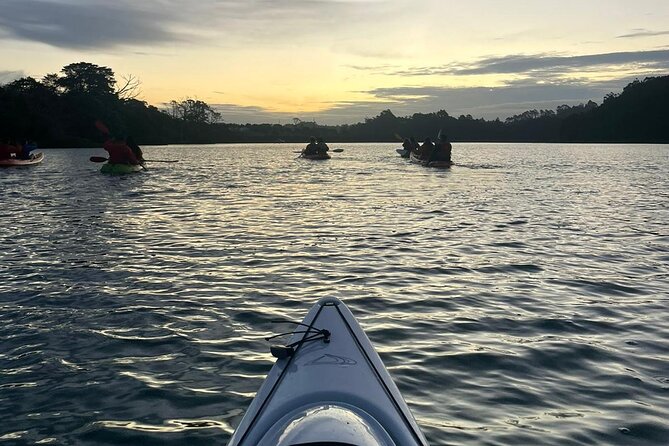
The main outing takes place in the protected waters of the Long Bay-Okura Marine Reserve. The route is not a long-distance endurance paddle. It is a short night adventure designed to give you time on the water, instruction, and repeated chances to look for glowing plankton.
The guides lead the group along the northern coast of Auckland, pointing out areas where the light may be visible. The reserve is especially appealing before full darkness, when you can still appreciate the coast and surroundings. Once the sky darkens, those views fade, but the stars and water become more important.
This change from twilight to night gives the trip a natural rhythm. You begin with enough light to get settled, then gradually rely on the guide and the sound of the water. Paddling becomes quieter and more focused. A few flashes beneath the kayak can feel surprisingly dramatic because there is so little else competing for your attention.
The guides also add context about the phenomenon and conservation in the area. Names that appear in the tour’s guiding team include Gareth, Eloise, Josh, Elena, Paul, Peter, Ben, Keith, Maddy, Madison, and Sam. Individual guide assignments vary, but the strongest pattern is clear: the staff pay close attention to safety, explain the science, and stay patient with beginners.
Same base, a different kind of day:
- Waiheke Island: Ferry & Hop-On Hop-Off Explorer Bus Tickets
★ 4.6 · 3,311 reviews - Hobbiton & Waitomo Caves Guided Day Trip from Auckland incl lunch
★ 5.0 · 2,677 reviews - From Auckland: Hobbiton & Waitomo Caves Day Trip with Lunch
★ 4.9 · 2,505 reviews - Auckland Dolphin and Whale Watching Eco-Safari Cruise
★ 4.5 · 1,790 reviews
What the bioluminescence really looks like
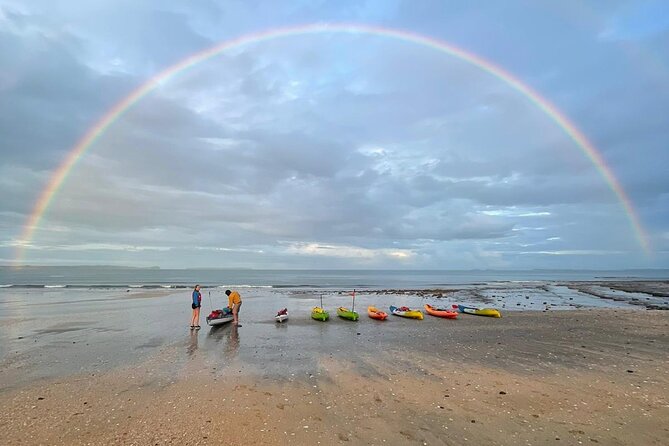
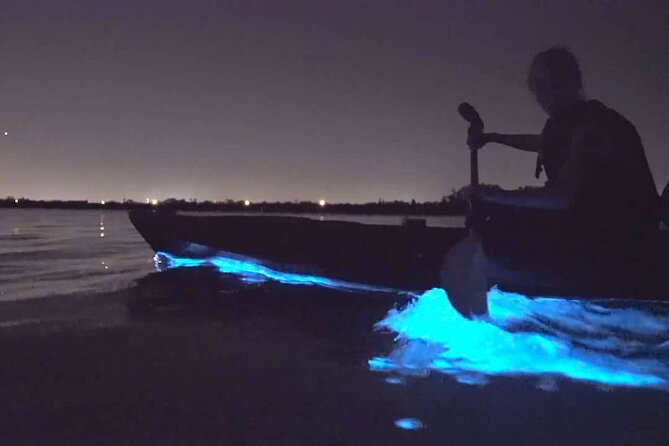
You should picture underwater stars, not a glowing swimming pool. The organisms produce light when the water is disturbed, so you may see quick points of color around the paddle, a sparkling wake, or bright spots in a small wave.
Some outings have produced what people described as an Avatar-like glow, with water lighting up around the boats. Others have had only a modest display. A few people felt the light was not as bright as expected, especially when compared with well-known bioluminescence locations such as the Bay of Islands.
That comparison is useful. This Auckland tour offers a convenient way to try the activity near the city, but it cannot promise the intensity of a strong night in another region. Weather, water conditions, moonlight, and plankton activity all affect what you see, and the tour company cancels when weather makes the outing unsuitable.
Phone photography is another point to understand. The glow may be too weak and too brief for ordinary cameras to capture well from a moving kayak. You may come away with poor photos even after seeing something beautiful in person. Treat the light as a moment to watch rather than a guaranteed social-media image.
Guides, safety, and the feel of the group
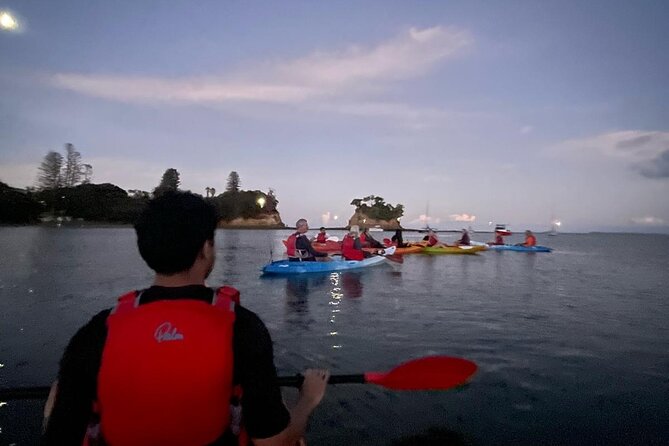
Safety is one of the strongest reasons to book a guided night paddle rather than attempt one alone. The staff provide the equipment, explain how to handle the kayak, and keep the group together in the dark.
Guide quality can make a major difference here. Eloise has been singled out for friendly instruction and strong safety awareness. Gareth and Madison have been praised for keeping the outing lively, while Peter and Ben helped make the experience feel relaxed and well organized. Sam has also helped guests who arrived in unsuitable clothing by providing extra items to wear.
The guides do not simply point toward glowing water and leave you to manage. They look for good viewing areas, explain what is happening, and help you make the most of each patch of light. That is particularly helpful when the bioluminescence is faint.
The one-to-six ratio also helps if you feel unsure in the boat. You can ask for a technique reminder, and the guides have a better chance of noticing when someone needs help. Most people can participate, but you should be comfortable taking part in a water-based activity and following safety instructions.
Price, timing, and what you receive
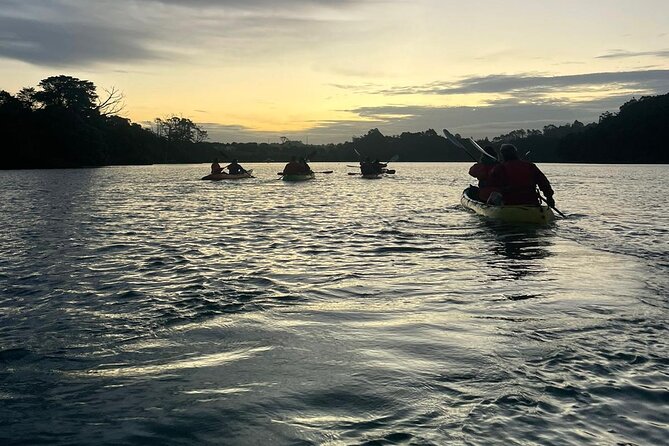
The advertised price is $73.85 per person for roughly two hours. For that cost, you receive the kayak, safety equipment, instruction, guiding, and the chance to paddle in a protected coastal reserve after dark.
I consider that fair value if you have never kayaked at night and want a properly supported introduction. Renting equipment separately would not give you the same local guidance or help finding the best areas for bioluminescence. The price also covers the part that is hardest to arrange alone: safe access to the water in darkness.
The value is less certain if your only goal is a dramatic glowing-water photograph. The light can be faint, and cameras often fail to record it. You are paying for a guided night on the water with a chance to see bioluminescence, not a guaranteed spectacle.
The activity has had more than 10 bookings in a recent month and carries a rating of 4.2 from 187 reviews. That suggests broad satisfaction, but not universal agreement about the brightness of the plankton. I would book it for the setting, the novelty, and the guided paddle, with the glow treated as a natural bonus that may be excellent or modest.
Practical clothing and transport advice
Wear clothes that can handle splashes. Several outings have involved wet clothing or rain, and jeans are not suitable for the activity. Bring a complete change of clothes, especially if you are heading straight to dinner or returning to a hotel afterward.
Changing areas may not be open once the paddle ends, so do not rely on being able to take a full shower or change comfortably on site. A dry bag or waterproof pouch for essentials is sensible, though the provided information does not specify storage arrangements, so ask the operator if you need to bring a phone or other valuables.
The tour is near public transportation, but the coastal launch point is confirmed on the day. Public transport may work for the outward journey, while a rideshare can be simpler late at night. Plan the return before you launch, particularly if you are staying in central Auckland.
The company offers free cancellation when you cancel at least 24 hours before the start time. Changes or cancellations inside that window are not refundable. If poor weather or low numbers force the operator to cancel, you are offered another date or a full refund.
Who should book this night paddle?
This suits first-time kayakers, couples, families, and anyone looking for a memorable evening beyond Auckland’s city center. You do not need strong paddling skills, and the calm, protected setting can make the activity approachable.
It is also a good fit if you enjoy natural events that cannot be controlled. You will appreciate the outing more if you can enjoy stars, quiet water, and the sound of the coast even when the plankton is not bright.
I would hesitate if you need guaranteed dry clothing, have serious back concerns without confirming boat options, or want a polished photo of glowing water. The sea is part of the deal, and darkness makes photography difficult.
Should you book the Bioluminescence Kayak Tour?
Yes, if you want a well-supported night adventure and understand that the glow varies. The best parts are the stable boats, clear beginner instruction, small guide ratio, and the unusual chance to paddle through a protected marine reserve after dark.
Book with sensible expectations. On the right night, your paddle may trail blue sparks through the water while stars shine overhead. On a weaker night, you may see only short flashes, but you will still have a peaceful coastal paddle and a chance to learn something about Auckland’s marine life. Bring dry clothes, plan your transport, and let the experience be about the moment rather than the photograph.
FAQ
How long does the Bioluminescence Kayak Tour last?
The activity lasts approximately two hours, and it ends back at the meeting point.
Where does the tour start?
The listed meeting point is 2/20 Ascension Place, Rosedale, Auckland 0632, New Zealand. The exact coastal location is confirmed before 3.30pm on the day of the tour and is within 10 kilometers of the North Shore Canoe & Kayak Store in Mairangi Bay.
Do I need kayaking experience?
No. The guides teach kayaking and provide safety instruction, making the activity suitable for first-time kayakers.
What equipment is included?
All kayaking and safety equipment is included. The tour uses stable sea kayaks or sit-on-top kayaks.
How many people are in each group?
The guide-to-guest ratio is one guide for every six guests, and the maximum group size is 24 people.
Will I definitely see bright bioluminescence?
No. The amount of visible bioluminescence varies with conditions. The light may be strong and appear around paddles and waves, or it may be subtle and difficult to photograph.
What happens if the weather is poor?
The activity requires good weather. If it is canceled because of poor weather or because the minimum number of participants is not reached, you are offered another date or a full refund.
Just added in Auckland
- Auckland: Half-Day Sea Kayak Tour to Motukorea Island★ 5.0 · 6 reviews
- Auckland Food Walking Tour★ 5.0 · 73 reviews
- Auckland: Segway to North Head Volcano Summit★ 4.9 · 53 reviews
- The Tastebud Tour, award winning food tour of Auckland★ 5.0 · 124 reviews
- Day sea kayak tour Rangitoto Island★ 5.0 · 79 reviews
- Auckland: Rotorua Wai-O-Tapu, Te Puia with Haka★ 4.9 · 161 reviews
- Sunset kayak tour to Rangitoto Island★ 5.0 · 168 reviews
- Hobbiton Movie Set Tour with lunch from Auckland★ 5.0 · 168 reviews
Canoes & Kayaks, compared.
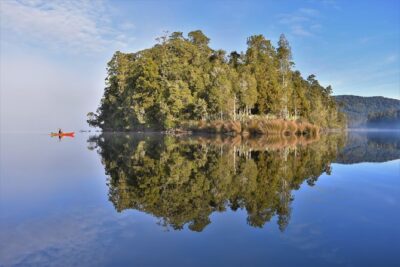
Small-Group Kayak Adventure from Franz Josef Glacier
Read our review →
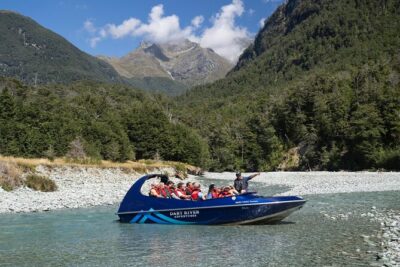
Dart River Canoe and Jet Boat Experience from Queenstown
Read our review →Browse the lists this tour appears in