
Reviewed · FRANZ JOSEF & FOX GLACIER TOURS
Mount Cook: 3 Hour Heli Hike to the Tasman Glacier
Flying onto the Tasman Glacier puts you in the middle of Aoraki/Mount Cook National Park, not just looking at it from a trail or viewpoint. The helicopter flight is spectacular, but the real prize is the two-hour glacier hike, where you walk across uneven ice beneath Aoraki and Mount Tasman.
I like the smooth mix of flight and walking, and I like the care shown by the pilots, ground crew, and guides. Guides such as Scott, Kerry, Maddie, Jess, and Matt have helped make the outing both safe and engaging. The main catch is the $564 price, plus the fact that weather can cancel or shorten the experience.
Tasman Glacier heli hike at a glance
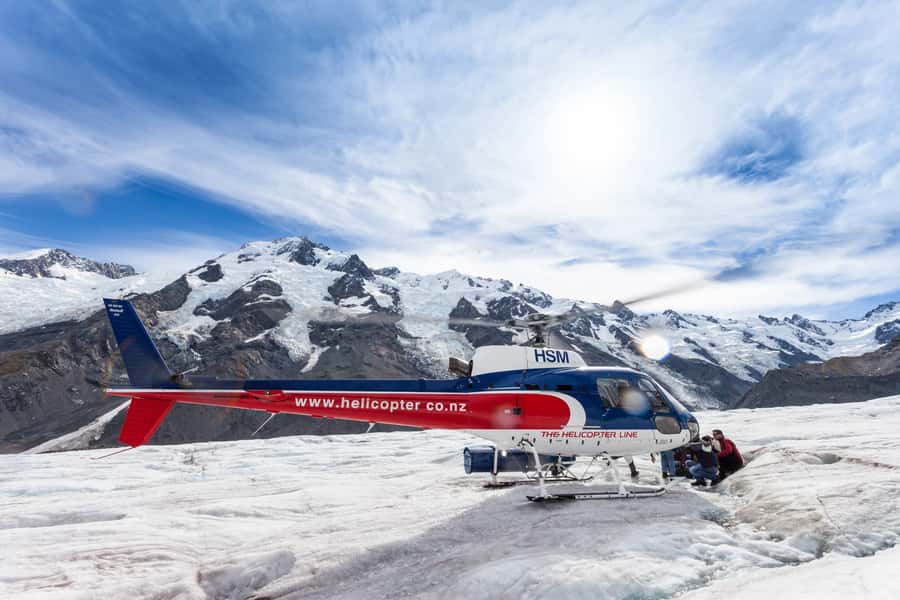
- Land directly on the glacier: The helicopter carries you over Tasman Glacier Lake and ice formations before setting down on the glacier.
- Two hours on the ice: Expect uneven, snowy terrain, glacier formations, and possible ice caves, depending on conditions.
- Small groups: Numbers are limited to 10, allowing the guide to keep an eye on everyone.
- A spectacular return flight: The route includes views toward the 1,000-meter Hochstetter Icefall on Aoraki’s eastern face.
- Full equipment provided: Glacier boots, crampons, and a waterproof jacket if needed are supplied.
- Weather matters: A clear morning can turn cloudy quickly, and poor conditions may mean a delay, alternate date, or refund.
Why this Tasman Glacier experience is special
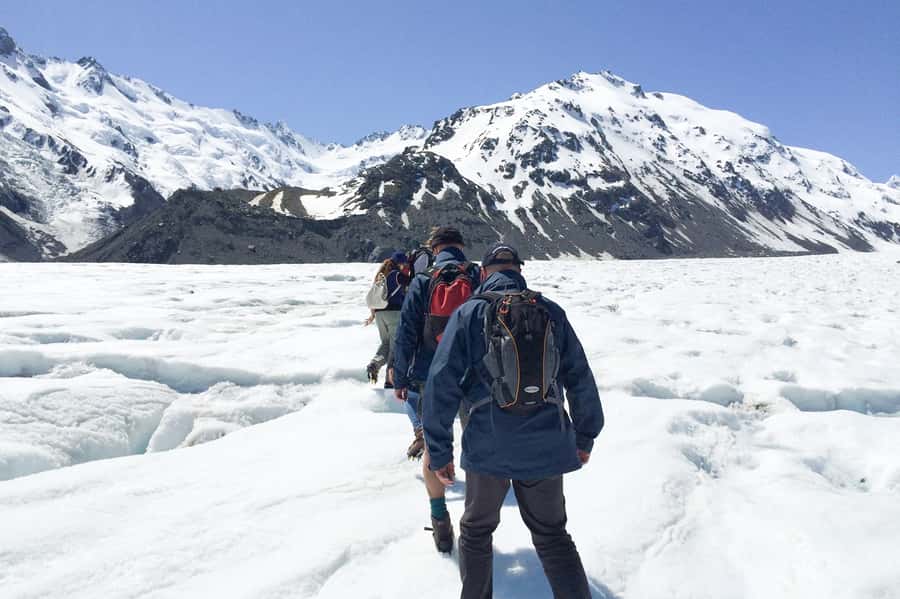
Aoraki/Mount Cook is New Zealand’s highest mountain, and the Tasman Glacier gives you a close look at the frozen world beneath the Southern Alps. From the air, you see the glacier as a broad sweep of white and blue ice, marked by crevasses, ridges, snow, and dark lines of rock.
From the ground, the scale changes. The glacier is not a flat sheet of ice. It can feel surprisingly undulating, with packed snow, sloping sections, ice walls, and rougher patches underfoot. Your guide chooses a safe route and explains how to move with crampons, where to step, and how glacier features form.
That mix is what gives the trip its value. A scenic flight alone is memorable, but walking on the glacier gives you time to notice the details. You might see ice caves or tunnels if conditions allow, though you should not book this expecting a guaranteed cave visit. Recent snowfall, weather, and the changing glacier all affect what the guide can safely show you.
The flight also gives you a view that is difficult to get on foot. The trip passes above Tasman Glacier Lake and close to the Hochstetter Icefall, a huge frozen feature on Aoraki’s eastern side. This is a powerful reminder that the glacier is part of a moving, changing mountain system, not a static tourist attraction.
More scenic helicopter flights in New Zealand:
- Mount Cook: Scenic Helicopter Flight with Alpine Landing
★ 4.8 · 442 reviews - Mount Cook: Ski Plane and Helicopter Glacier Combo Flight
★ 4.6 · 271 reviews - Mount Cook: 3-Hour Tasman Glacier Helicopter Ride and Hike
★ 4.9 · 235 reviews
Check-in at Mount Cook Airport
The activity begins at Mount Cook Airport, where the operator’s office is upstairs. If you are staying in Mount Cook Village, hotel pickup and drop-off are included, which removes one small transport problem in an area where options are limited.
Your booked time is the check-in time, not the moment you board the helicopter. Allow at least 45 minutes after check-in for the safety briefing and equipment fitting. The formal briefing takes about 20 minutes, followed by fitting for glacier boots, crampons, and a waterproof jacket if required.
This is a useful part of the process, not wasted time. The flight crew needs to check passenger safety, and the ground team needs to make sure your equipment fits before you leave. One practical point is worth stressing: wear warm clothing from the start. Bring a hat, gloves, sunglasses, sunscreen, and sturdy closed-toe shoes, even if the village feels mild.
One piece of advice comes directly from the practical side of the experience: do not assume the supplied gear replaces your own warm layers. A waterproof jacket may be available, but you still need proper clothing underneath. Conditions can change quickly, and several people have found the glacier cold when rain or snow moved in.
The 15-minute flight to the Tasman Glacier
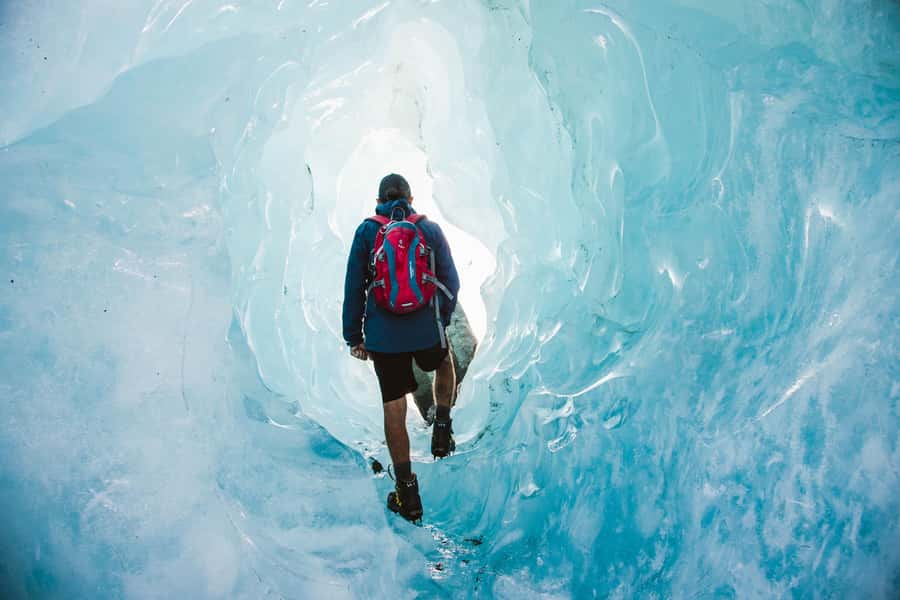
Once aboard, the helicopter climbs from Mount Cook Airport toward the glacier. The flight takes about 15 minutes, but it is not simply a transfer. The route opens views across the Southern Alps, snow-covered peaks, lakes, and the wide frozen upper reaches of the Tasman Glacier.
The pilots have been praised for smooth handling and for sharing information during the flight. That matters here because you are looking down on a complicated mix of ice, rock, snow, and water. From the air, you can better understand the route of the glacier and the scale of the surrounding mountains.
The helicopter landing is part of the thrill. You are not arriving at a marked viewing platform. You are setting down on a selected section of glacier judged suitable for the group and the day’s conditions. The landing place may vary, and so may the exact walking route.
Keep your camera or phone ready, but follow the crew’s instructions closely around the helicopter. Selfie sticks, drones, and tablets are not allowed. The rules are there for passenger and aircraft safety, not to spoil your photo plans.
Two hours walking on living ice
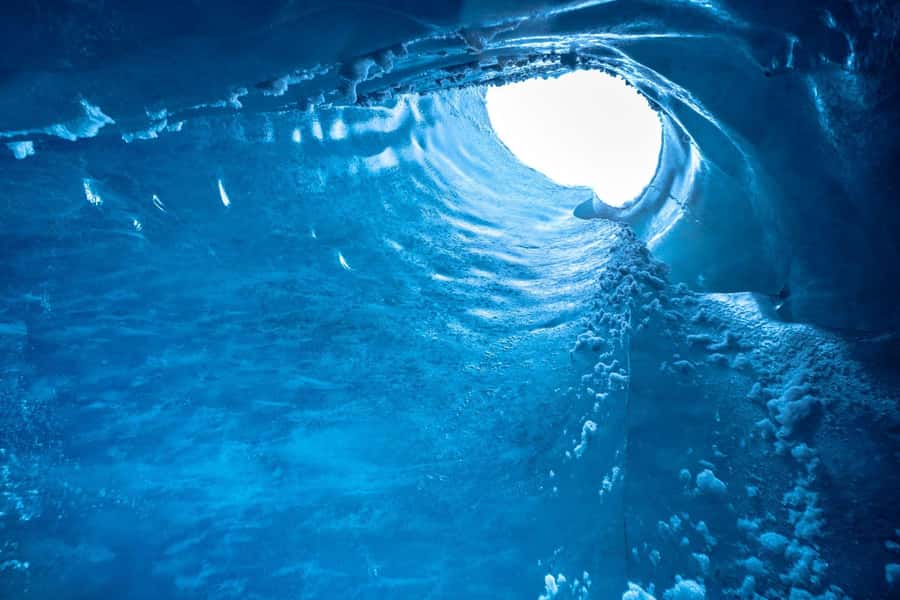
The glacier walk is the heart of the trip. You spend about two hours on the ice with a professional English-speaking guide, using glacier boots and crampons for grip.
Crampons change the way you walk. You need to lift your feet enough to avoid catching the points, take steady steps, and listen to instructions on uneven sections. The trip requires moderate fitness and hiking ability, but it is not described as a technical mountaineering climb.
That said, do not mistake the word hike for a gentle stroll. One guide has adjusted the pace when a participant began to tire, and another outing was described as physically demanding, especially across snowy paths. You should be comfortable walking for two hours in cold conditions and managing uneven ground.
The pace is usually set by the group. If you want a hard, fast workout, this may feel too gentle. A guide needs to balance different abilities, stop for explanations, and keep everyone together. The benefit is that you have time to study ice formations, take photos, and learn how to move safely rather than rushing across the glacier.
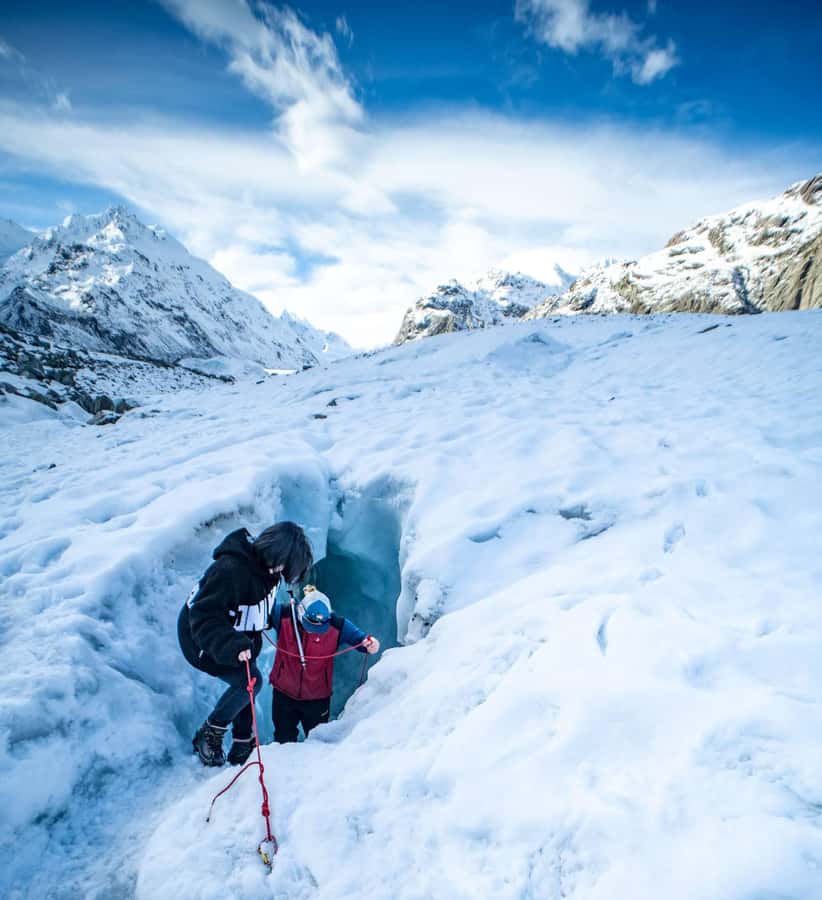
The route may include seracs, crevasses, snow-covered channels, and ice caves, but none should be treated as guaranteed features. Heavy snowfall has sometimes hidden formations that would otherwise be visible. On another day, a group was able to enter a large ice cave. The glacier changes, and the guide’s judgment controls what you can explore.
Guides add much of the experience’s character. Scott has been singled out for his explanations of glacier features and the natural environment, as well as his ability to take photos. Kerry has been praised for making the hike engaging, while Jess has shown groups how ropes can be secured for rescue or ice climbing. The names may vary by departure, but the guide’s role is central.
Other Mount Cook and Tekapo days from New Zealand:
- Lake Tekapo: Alpine Stargazing Experience with a Guide
★ 4.5 · 626 reviews - Lake Tekapo: Stargazing Experience
★ 4.9 · 607 reviews - Mt Cook Small Group Scenic Day Tour from Queenstown
★ 5.0 · 407 reviews - From Christchurch: Mount Cook & Lake Tekapo Day Tour & Lunch
★ 4.6 · 405 reviews
The return flight and Hochstetter Icefall
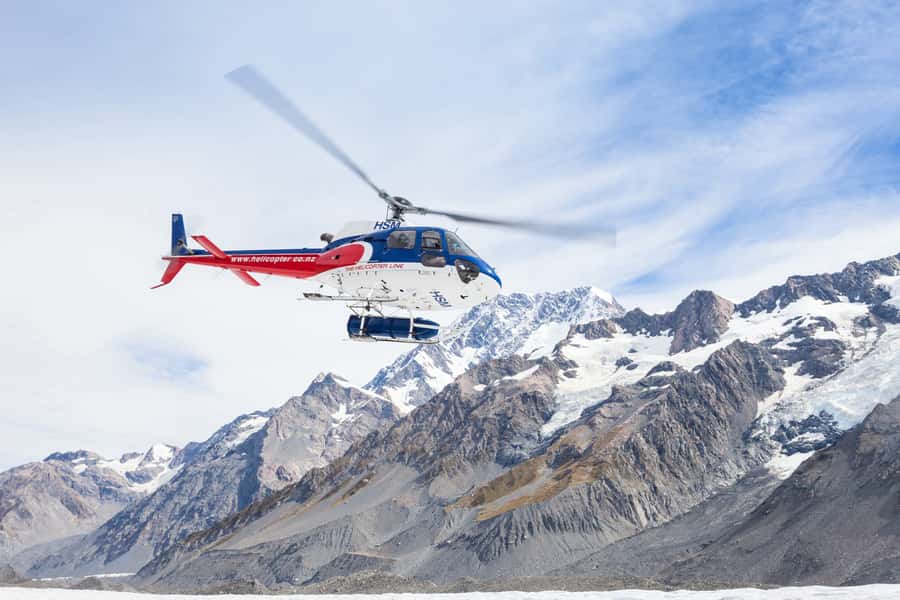
After the hike, the helicopter collects the group for the return flight through Aoraki/Mount Cook National Park. This is not just a repeat of the outward journey.
The route can take you close to the Hochstetter Icefall on Aoraki’s eastern face. At around 1,000 meters high, it is one of the most striking features visible from the air. The icefall has a steep, broken form that shows why the flight adds so much to the day.
The return trip also gives you a second chance to see the surrounding peaks from a new angle. Cloud can move in quickly, even after a clear start, so visibility is never something to take for granted. Several departures have benefited from perfect conditions after earlier trips were canceled, which tells you how much luck and flexibility matter here.
Is $564 good value?
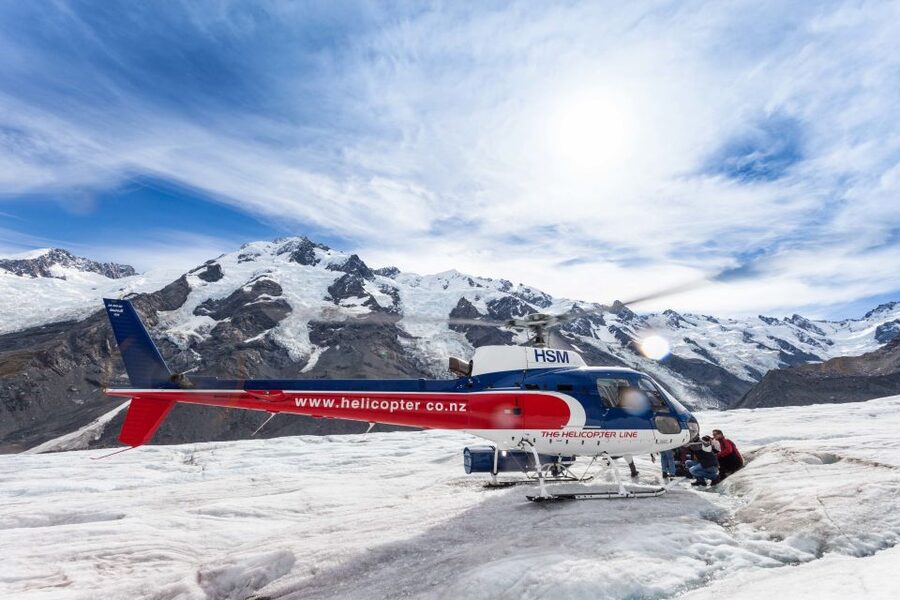
At $564 per person, this is a major splurge. You are paying for a scenic helicopter flight, a glacier landing, two hours with a guide, specialist equipment, and the logistics of operating in a remote alpine setting.
Compared with a standard scenic flight, the hike gives you a far more active connection with the glacier. Compared with a glacier walk reached by road or trail, the helicopter provides access to terrain that would otherwise take far longer to reach. If your priority is to get onto the ice rather than simply see it, the cost is easier to justify.
I would be cautious if you are mainly looking for a long, strenuous hike. The walking can be limited by weather, snowfall, group pace, and safe access to ice features. One person wanted a faster and harder outing, while another found the hike shorter than expected. The two-hour glacier portion includes stops, safety guidance, photography, and interpretation.
The experience earns its price best when you value the complete package: helicopter views, direct glacier access, specialist gear, and expert supervision. It is less convincing if you want maximum hiking distance for your money.
Weather, fitness, and age limits
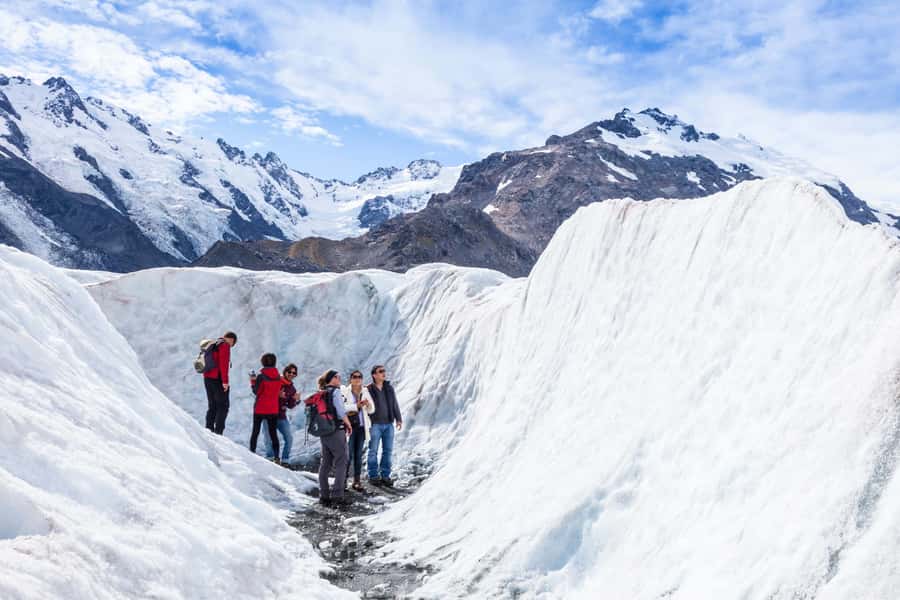
Weather is the biggest practical risk. The flight runs only in suitable conditions and also depends on minimum passenger numbers. If the operator cancels, you can choose another date or receive a full refund.
Build flexibility into your Mount Cook plans. Do not place this on the final few hours of a tightly timed itinerary if you can avoid it. A weather delay may be manageable when you have extra time, but frustrating when you are catching transport elsewhere.
You must be at least 10 years old, and the activity is not recommended during pregnancy. There is also a maximum weight of 150 kilograms per person, including equipment.
You need moderate fitness and hiking ability. The glacier is uneven, and snow can make the route more tiring than it first appears. Wear sturdy closed-toe shoes for the start of the day, then use the supplied glacier boots and crampons once fitted.
What to bring and what to leave behind
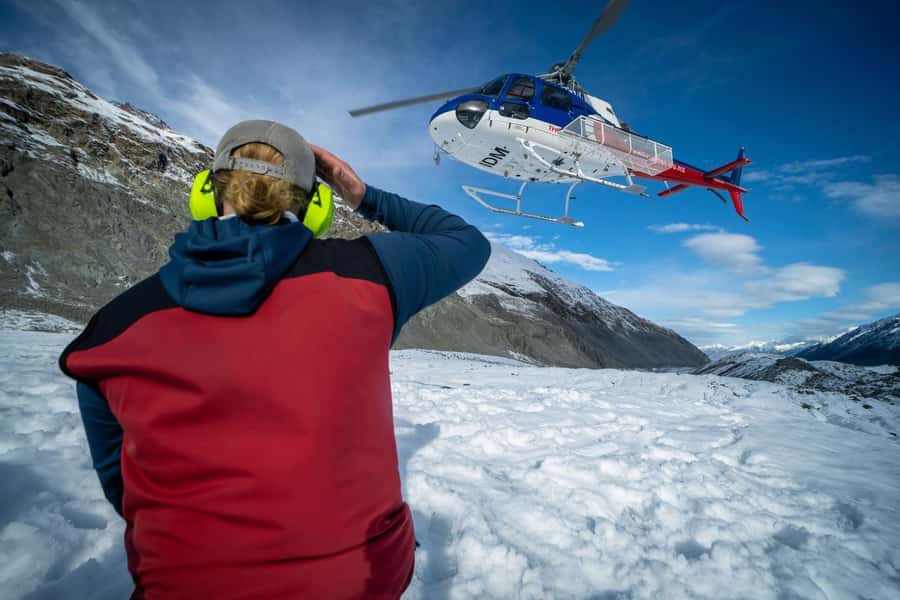
Bring warm layers, rain gear, sunglasses, sunscreen, a phone or camera, and comfortable shoes. Warm gloves and a hat are especially sensible, even if you are visiting in summer.
You cannot bring drones, selfie sticks, or mobile tablets. A normal phone or camera is allowed, and there are plenty of photo opportunities on the glacier and during both helicopter flights.
Pack lightly. You do not want extra items getting in the way while you are being fitted with equipment or moving around the helicopter. The crew’s instructions take priority at every stage.
Who will enjoy it most
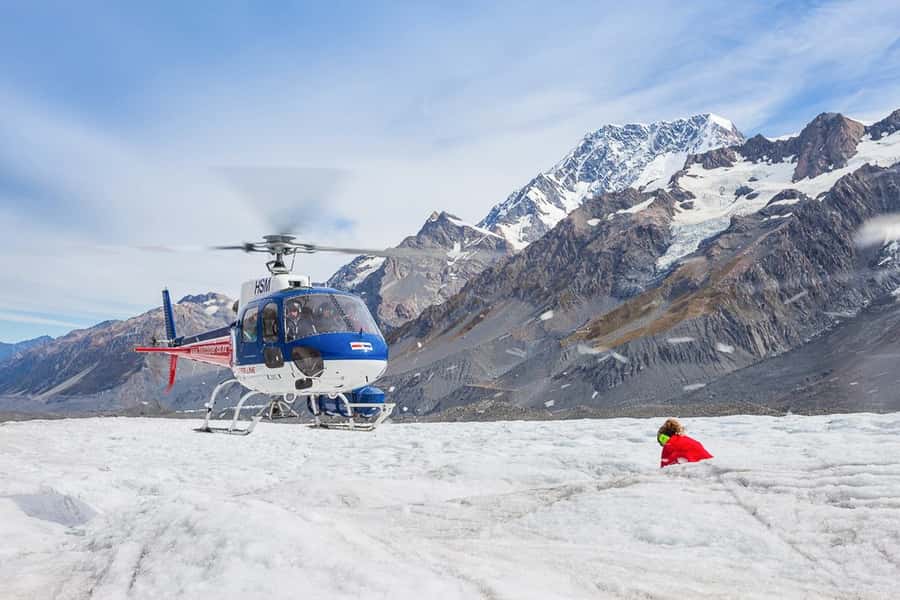
This is a strong choice for you if:
- You want to walk on the Tasman Glacier rather than only view it from a distance.
- You are comfortable paying for a premium, once-in-a-trip experience.
- You enjoy mountain scenery, photography, and a guided outdoor activity.
- You can handle two hours of uneven walking in cold conditions.
- You have enough flexibility to cope with a weather delay.
- You appreciate a small group and close supervision.
It may not suit you if you dislike flying, have limited mobility, want a hard-paced hike, or need a guaranteed route through caves and ice formations. It is also not suitable for children under 10 or anyone over the stated weight limit.
Should you book the Tasman Glacier heli hike?
I would book this if seeing Aoraki from the air and standing on the Tasman Glacier are both high on your New Zealand wish list. The flight alone is memorable, but the two hours on the ice turn the outing into something more personal and active.
Book with a spare day in your schedule if possible, and arrive dressed for cold, wet weather. Expect excellent scenery, careful equipment checks, and guides who make the glacier easier to understand. Do not expect a long mountaineering day or guaranteed caves.
For a once-only Mount Cook splurge, this is one of the stronger options. The cost is high, but the combination of helicopter access, glacier walking, and close views of the Southern Alps is difficult to match.
FAQ
How long does the Tasman Glacier heli hike take?
The activity lasts three hours. This includes a safety briefing, equipment fitting, a 15-minute flight to the Tasman Glacier, about two hours hiking, and a 15-minute return flight.
Where does the tour begin?
It begins at Mount Cook Airport. The operator’s office is upstairs in the airport building.
Is hotel pickup included?
Yes. Hotel pickup and drop-off in Mount Cook Village are included.
How long do I spend walking on the glacier?
The scheduled glacier hike lasts about two hours.
Is glacier equipment provided?
Yes. Glacier boots and ice crampons are included. A waterproof jacket is also available if required.
Do I need hiking experience?
You need moderate fitness and hiking ability. The glacier can be uneven and snowy, and the activity requires steady walking in crampons.
What is the minimum age?
Participants must be at least 10 years old.
What is the maximum passenger weight?
The maximum weight is 150 kilograms per person, including equipment.
Can the flight be canceled because of weather?
Yes. The flight depends on favorable weather and minimum passenger numbers. If it is canceled, you can choose an alternative date or receive a full refund.
Can I bring a drone or selfie stick?
No. Drones, selfie sticks, and mobile tablets are not permitted. You may bring a phone or camera.
More hiking & trekking in New Zealand
- Waitomo’s Hidden Gem: Small-Group Off the Beaten Track Tour
★ 5.0 · 431 reviews - Queen Charlotte Track: Cruise & Self-Guided Hike from Picton
★ 4.8 · 383 reviews - Bike the Wanaka and Hawea Trails
★ 5.0 · 346 reviews - Franz Josef: 2.5 Hour Glacier Hike with Helicopter Transfer
★ 4.7 · 322 reviews
More glacier trips from New Zealand
- Franz Josef Glacier: Helicopter Flight & Alpine Landing
★ 4.8 · 619 reviews - Franz Josef Glacier Heli-Hike
★ 4.5 · 618 reviews - Heli Hike Fox Glacier
★ 5.0 · 563 reviews - Franz Josef: 35min Helicopter Trip over Two Glaciers
★ 4.8 · 451 reviews
Just added in New Zealand
- Auckland: Half-Day Sea Kayak Tour to Motukorea Island★ 5.0 · 6 reviews
- Akaroa: Pohatu Penguins Scenic Nature 2-Hour or 4-Hour Tour★ 4.9 · 125 reviews
- Waipara Wine Experience for 2 or more, inc tastings and lunch★ 5.0 · 147 reviews
- Wine Tour with Wine Tasting from Wanaka★ 4.5 · 67 reviews
- Christchurch: Guided Crater Rim Walk with Coastal Scenery★ 5.0 · 56 reviews
- Monteith’s Brewery Tour★ 4.5 · 93 reviews
- From Methven: Hot Air Balloon Flight in Canterbury with Wine★ 4.8 · 48 reviews
- West Coast Treetop Walk★ 4.5 · 131 reviews
Franz Josef & Fox Glacier Tours, compared.
Franz Josef Glacier: Helicopter Flight & Alpine Landing
Read our review →
Small-Group Kayak Adventure from Franz Josef Glacier
Read our review →
Mount Cook, Lake Tekapo and Tasman Glacier Tour from Christchurch
Read our review →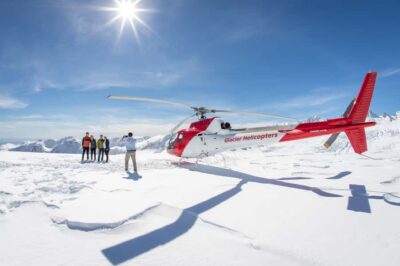
Franz Josef & Fox Glaciers Helicopter Flight & Snow Landing
Read our review →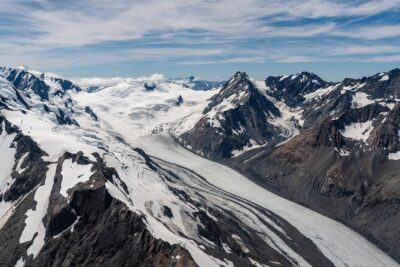
Pilot’s Choice: 2 Glaciers & Snow Landing – 35min
Read our review →Browse the lists this tour appears in