
Reviewed · MOUNT COOK & LAKE TEKAPO TOURS
Mount Cook, Lake Pukaki: Billion Star Dining
The clever part of Billion Star Dining is the pairing: you begin with a serious meal at The Moraine, then move from the dining room to a small observatory under the Mackenzie Country sky. I like the fresh, inventive food and the chance to see the rings of Saturn or the bands of Jupiter through a proper 9-inch reflector telescope. It is more than simply looking up and hoping for stars.
I also like the wine-cellar welcome drink and the small group, limited to 10 people. The main catch is simple: stargazing depends on weather, so clouds can remove half the experience even though dinner still goes ahead. One booking had excellent food and setting, but no stars because of poor conditions.
Key points
- Dinner comes first at The Moraine: You get a full fine-dining meal rather than a snack before the astronomy session.
- The observatory has a retractable roof: As it opens, the walls frame the night sky around you.
- A 9-inch reflector telescope: Expect possible views of Saturn’s rings, Jupiter’s bands, star clusters, nebulae, and planets.
- The welcome drink has a purpose: In the wine cellar, your guide introduces the Southern sky before you head outside.
- Small groups keep the astronomy personal: The experience is limited to 10 participants and conducted in English.
- Weather controls the second half: Dinner proceeds in poor weather, but the stargazing portion may not.
Dinner at The Moraine before the stars come out
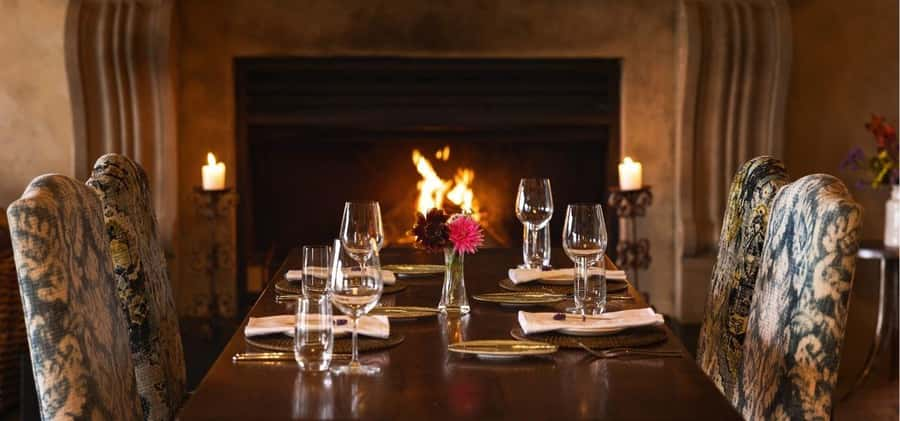
This experience begins at The Moraine, part of Mt Cook Lakeside Retreat near Lake Pukaki. The meal is presented as fine dining, with fresh and innovative cuisine. That matters because the evening is not built around a quick meal followed by a telescope session. Dining is one of the two main events.
I like this format. A star tour can feel short if it consists only of standing outside in the cold. Here, you have time to settle in over dinner before turning your attention to the sky. The meal gives the evening a clear rhythm: food first, astronomy second.
The available details do not provide a set menu, so you should not book expecting named dishes or a particular dietary arrangement unless you confirm that directly. What is clear is that the food has earned especially strong praise, with the meal described as outstanding. The setting also receives high marks, which makes sense in a remote South Island location where the surroundings are part of the appeal.
Give yourself the full four hours. This is not a quick observatory stop tacked onto a busy sightseeing day. The value comes from combining a substantial meal, a drink, a guided introduction, and telescope time into one evening.
Other Mount Cook and Tekapo days from Christchurch:
- From Christchurch: Mount Cook & Lake Tekapo Day Tour & Lunch
★ 4.6 · 405 reviews - Mount Cook, Lake Tekapo and Tasman Glacier Tour from Christchurch
★ 5.0 · 353 reviews - Mount Cook & Lake Tekapo Day Tour from Christchurch with Lunch
★ 4.5 · 217 reviews
A wine-cellar introduction to the Southern sky
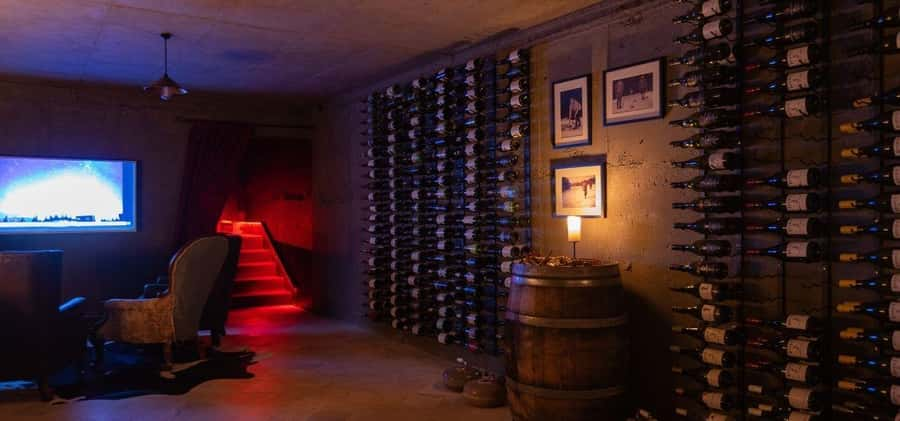
Before the observatory visit, you enjoy a welcome drink in the wine cellar. This is a useful transition rather than a decorative extra. Your guide introduces the Southern sky and explains what you are about to see, giving you some context before the roof opens.
For visitors used to the northern hemisphere, the Southern sky can feel unfamiliar. The experience is conducted in English, and a live guide leads the astronomy portion. The guide’s role is important here: a telescope becomes far more rewarding when someone helps you understand what is in view and where to look next.
The supplied information does not name the astronomer, so I would not promise a particular guide. I can say that the astronomy host is expected to lead the sky briefing and telescope viewing. Direct feedback describes the astronomer as brilliant, and another booking praised how passionate the staff were about their work. That enthusiasm is valuable because astronomy is not only about equipment. It is also about learning how to read the sky.
The wine cellar setting also gives you a warm indoor start before the colder part of the night. Still, bring warm clothing. Even with an observatory roof and walls, you should plan for cool conditions around Lake Pukaki.
Inside Pukaki Observatory’s retractable-roof room
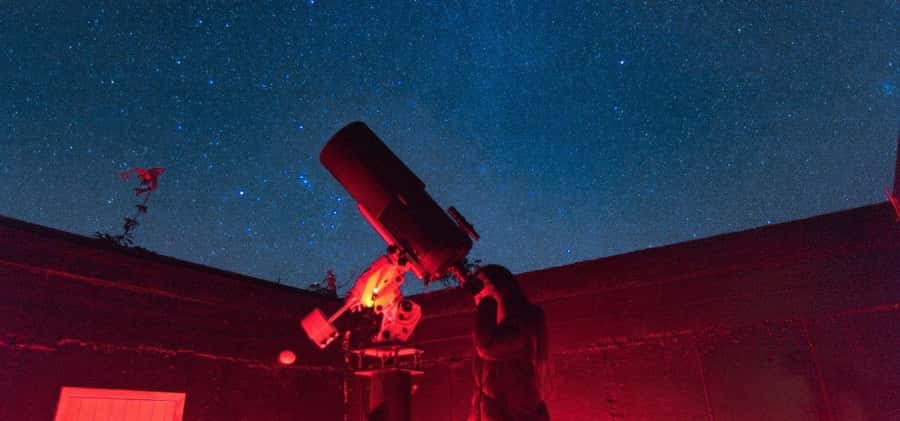
The observatory is purpose-built for stargazing. Its retractable roof opens above a 9-inch reflector telescope, while the observatory walls frame the sky. This is a stronger arrangement than simply carrying a small telescope into a field, especially when the weather is calm and the roof can be opened.
The telescope is large enough to show more than a general blur of light. Depending on the night and what is visible, you may see the rings of Saturn, the bands of Jupiter, star clusters, nebulae, and planets. These sights are not guaranteed in a fixed order, and the sky changes with the season and conditions, but the equipment gives the guide useful tools for a proper viewing session.
The retractable roof is one of the experience’s best details. It lets you begin in a defined observatory space and then opens that room directly to the sky. The walls frame the view, which helps keep your attention on the objects being discussed instead of leaving you to scan an enormous black sky without direction.
You should keep your expectations sensible. A 9-inch telescope will not make the sky look like a glossy space photograph. It gives you a chance to observe real celestial objects through an optical instrument, with the guide explaining what you are seeing. The pleasure is in the direct view, especially when you recognize the rings of Saturn or the cloudy shape of a nebula for yourself.
What you might see on a clear night
The program specifically highlights Saturn, Jupiter, star clusters, nebulae, and planets. Saturn’s rings are often the kind of sight that stays with people because the planet looks like an object rather than a bright point. Jupiter’s bands offer another clear target, while clusters can appear as dense groups of tiny stars.
Nebulae are more subtle. Their appearance depends on the object, the telescope, and the night, and they may not look as colorful as photographs. That does not make them uninteresting. Seeing a nebula through the telescope gives you a direct connection to a large cloud of gas and dust in space, even if the view is faint.
On special nights, you may also see the Aurora Australis, the Southern Lights. Treat this as a bonus, not a promise. The aurora requires the right solar activity, darkness, and clear skies. It is not the central reason to book, but the possibility adds a rare edge to an already sky-focused evening.
Weather is the biggest factor. Stargazing can be cancelled or limited by cloud, and one confirmed booking had the dinner and location but missed the stars because of weather. The dining portion continues in bad weather, so the night is not lost, but you should be comfortable paying for an evening that may become mainly a meal and an indoor introduction.
A few more things to do in Christchurch worth a look
- Mitai Maori Village: Cultural Experience and Dinner Buffet
★ 4.7 · 3,575 reviews - Rotorua: Te Pa Tu Māori Cultural Experience with Dinner
★ 4.8 · 1,193 reviews - Dinner at Walter Peak High Country Farm and Cruise from Queenstown
★ 4.5 · 576 reviews - Auckland Harbour Sailboat Cruise Including Three Course Dinner
★ 4.5 · 476 reviews
Why the small group matters
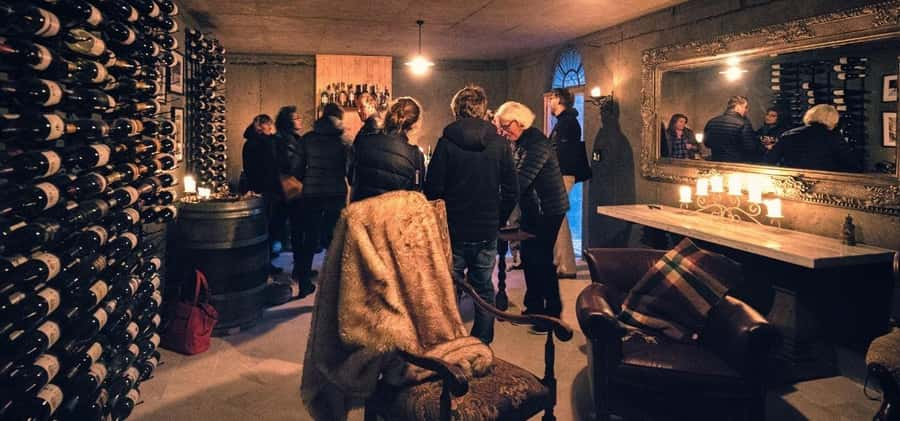
The group is limited to 10 participants. That is a useful size for astronomy because telescope viewing works best when people can hear the guide and take turns without a large crowd gathering around the eyepiece.
A small group also suits the meal better than a large coach-style arrangement. You are not being moved through a crowded sequence of stops. The experience has a more personal shape, with dinner, a guided briefing, and time at the observatory.
The four-hour duration leaves room for the evening to unfold without rushing. Exact start times vary, so check availability for the date you want. The experience is designed for the night sky, meaning the timing will be tied to darkness and the schedule of the venue rather than to a standard daytime sightseeing slot.
Children under 10 are not permitted. That makes the experience better suited to adults, older children, couples, and small groups of friends who are happy to spend an evening over a meal and focused astronomy. It is not a family activity for very young children.
Finding the retreat near Lake Pukaki

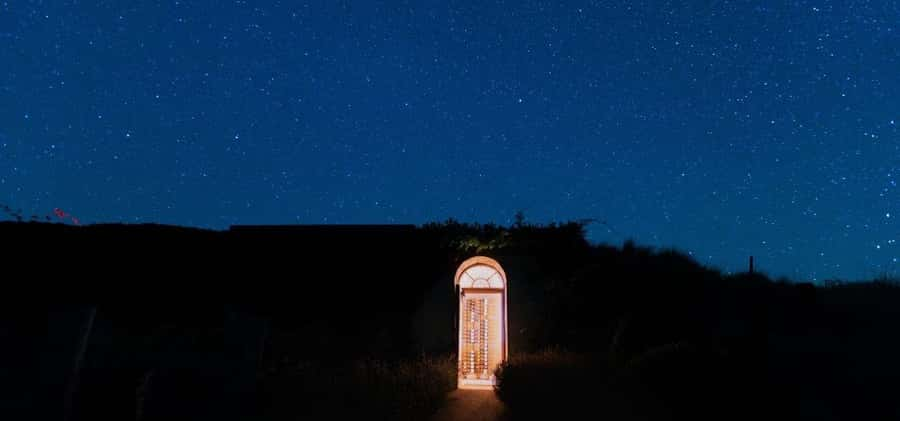
The meeting point is at the entrance gate to the property. The gate is 860 metres from the SH80 and SH8 turnoff, and the observatory is another 1.2 kilometres from the gate. Follow the signs to the Observatory.
These distances are worth noting because the observatory is not directly at the main-road turnoff. In the dark, you will want to arrive with enough time to identify the gate and follow the signs calmly. The supplied directions do not state that transport from the turnoff is included, so do not assume a shuttle or transfer.
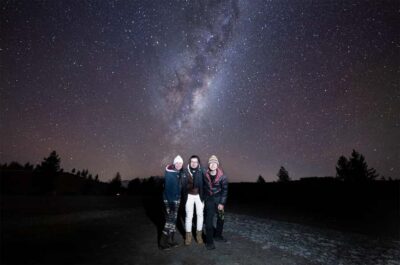
The experience is based in the South Island near Mount Cook and Lake Pukaki, an area known for exceptionally dark skies. The location is a major part of the appeal, but the exact quality of your view still depends on cloud and visibility on the night you attend.
If you are planning a larger route through the region, place this evening where you can reach the retreat without rushing from another activity. You need to be at the property for dinner and the astronomy session, and the remote setting rewards a little extra planning.
Is $224 per person good value?
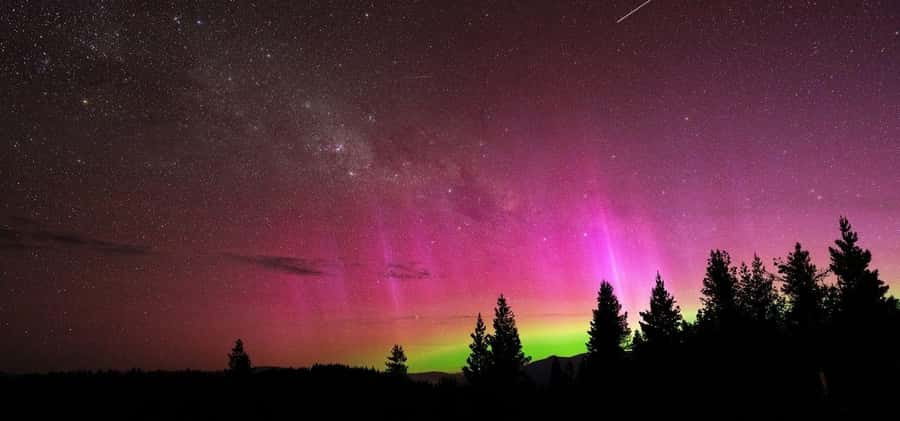
At $224 per person, this is not a casual night out. You are paying for fine dining at The Moraine, a welcome drink, a live English-language astronomy session, access to Pukaki Observatory, and use of the 9-inch reflector telescope.
I think the price can make sense if you value both halves of the evening. A standard restaurant meal gives you dinner, but not a guided look at Saturn or Jupiter. A basic stargazing event may offer the sky, but not a refined meal and wine-cellar introduction. This package joins the two in one four-hour program.
The value is less certain if you are booking mainly for the Aurora Australis or a guaranteed telescope target. Neither can be promised. A cloudy night may leave you with the dining portion and the introductory setting, so weather risk is part of the purchase.
The strongest reasons to pay the price are the meal quality, the small group, and the purpose-built observatory. Feedback gives particular emphasis to the outstanding food, the beautiful setting, and the astronomer’s skill. Those are the parts most likely to make the evening worthwhile even if the sky does not cooperate perfectly.
Free cancellation up to 24 hours before the activity and the option to reserve now and pay later add practical flexibility. They do not remove the weather risk, but they make it easier to fit the evening into a changing New Zealand itinerary.
How to prepare for a cold, dark evening
Bring warm clothing. That is the most important practical advice. You may spend time outside or in an open-roof observatory, and evening temperatures can drop even when the daytime weather felt comfortable.
Arrive ready for a slower evening. You are not rushing from point to point. The structure is dinner, a drink and sky introduction, then telescope viewing. Let the meal and astronomy session take their proper time.
I would also keep your expectations flexible. A clear night may bring planets, clusters, and nebulae. A special night might add the Southern Lights. A cloudy night may mean that the dinner proceeds while the astronomical viewing does not. That is not a flaw in the telescope or the guide. It is simply the nature of looking at the sky.
Who should book Billion Star Dining?
I would recommend this for adults and children aged 10 or older who want a polished evening rather than a basic stargazing stop. It suits couples looking for a special dinner, friends who enjoy astronomy, and visitors who want a guided introduction to the Southern sky without committing to a long observatory program.
It is also a good choice for people who appreciate expert explanation. You do not need to know constellations or planets before arriving. The guide introduces the sky and helps you use the telescope, so curiosity matters more than prior knowledge.
I would hesitate if you need a guaranteed outdoor sight or if $224 feels high for a weather-dependent activity. You should also think twice if you dislike cool evenings, formal dining, or a schedule built around darkness.
Should you book it?
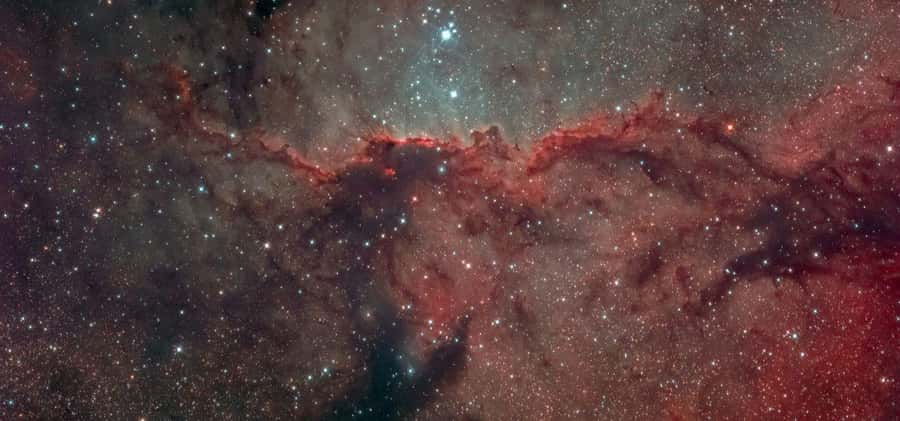
Book Billion Star Dining if you want the best of two different evenings in one package: a high-quality meal and a guided look at the Southern sky. The outstanding food, wine-cellar welcome, small group, and retractable-roof observatory give it more substance than a simple star tour.
Just make the booking with clear eyes. The dinner is dependable, but stars, planets, and the Aurora Australis depend on weather and timing. If you can accept that uncertainty, this is a memorable way to spend an evening near Lake Pukaki. If a cloud-covered sky would ruin the night for you, choose it only if you would still be happy paying $224 for the dining experience and setting alone.
FAQ
How long does Billion Star Dining last?
The experience lasts four hours.
What is included in the price?
The price includes fine dining at The Moraine, a stargazing experience at Pukaki Observatory, a welcome drink, and use of the 9-inch reflector telescope.
Is the stargazing guaranteed?
No. Stargazing is weather dependent. The dining portion continues in bad weather, but the star viewing may not take place.
What might I see through the telescope?
Depending on visibility and the night, you may see the rings of Saturn, the bands of Jupiter, star clusters, nebulae, and planets. On special nights, the Southern Lights may also be visible.
Is the experience suitable for children?
Children under 10 are not permitted. The activity is conducted in English and is limited to 10 participants.
What should I bring?
Bring warm clothing, since the stargazing portion takes place during the evening and the observatory roof can be opened to the night sky.
Just added in Christchurch
- Hanmer Springs Star Tours at Manuka Skies★ 5.0 · 11 reviews
- Amuri Jet Adventures – Hanmer Springs Quad Biking tour★ 5.0 · 49 reviews
- Waipara Valley Winery Tour Wine Tastings and Scenic Views★ 5.0 · 5 reviews
- Wine trail and Christchurch City – Luxury, Small Group Tour★ 5.0 · 15 reviews
- Willowbank Wildlife Reserve Day Entry★ 4.5 · 94 reviews
- Waimakariri River Jet Boating from Christchurch★ 4.0 · 9 reviews
- Arthur’s Pass Tour From Christchurch With Jet Boat & TranzAlpine★ 5.0 · 8 reviews
- Tranz Alpine Train Tour★ 5.0 · 92 reviews
Mount Cook & Lake Tekapo Tours, compared.

Mt Cook Small Group Scenic Day Tour from Queenstown
Read our review →
Mount Cook, Lake Tekapo and Tasman Glacier Tour from Christchurch
Read our review →
Tekapo Shuttle: Mt Cook Day Tour via Pukaki & Tasman Lake
Read our review →
Mt Cook & Tasman Glacier lookout Small Group Tour from Queenstown
Read our review →Browse the lists this tour appears in