
Reviewed · WHITE WATER RAFTING
Rafting Rotorua: Kaituna River White Water Experience
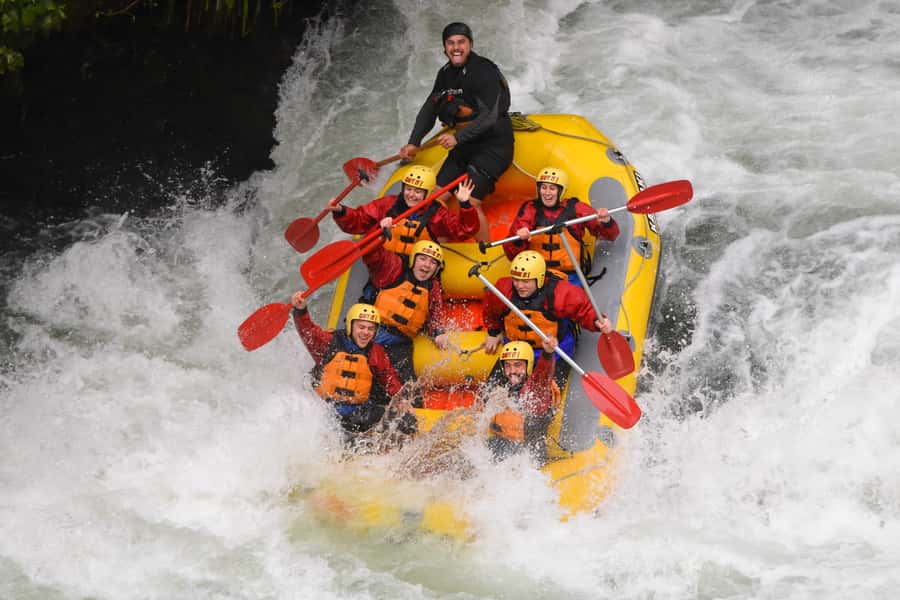
The headline is hard to beat: you raft over 7-metre Tutea Falls, the highest commercially rafted waterfall in the world. Before that drop, you work through 14 rapids and two more waterfalls in a narrow, bush-covered section of the Kaituna River.
I like two things right away. First, the guides make this accessible to first-timers, with clear commands and careful safety training. Second, the trip gives you more than wet thrills: Māori ideas about Kaitiakitanga, caring for and protecting the land, are part of the experience. The main drawback is simple: the rafting itself lasts about an hour, while the full pick-up and return outing can take around three and a half hours.
Key points to know before you book
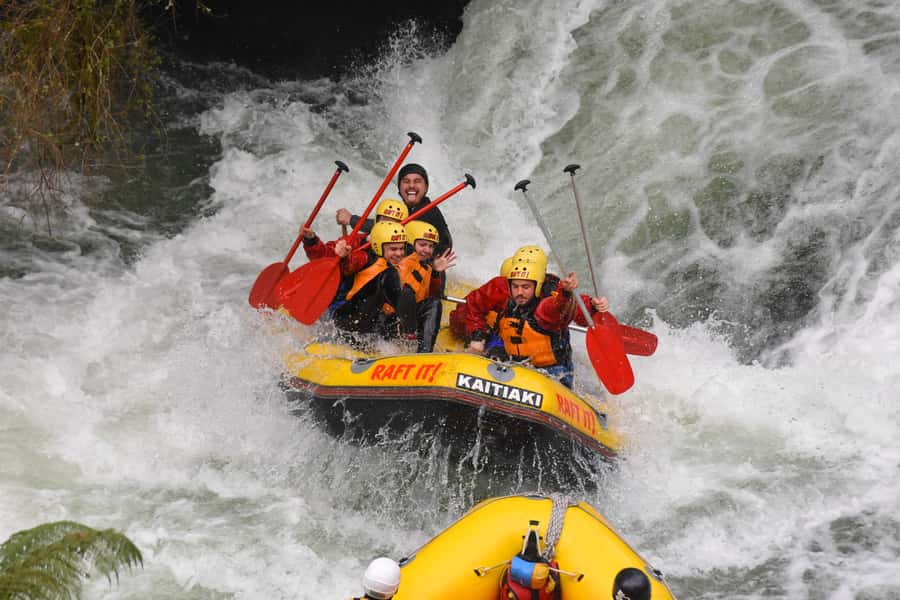
- Tutea Falls is the big test: You raft the world’s highest commercially rafted waterfall at 7 metres.
- Fourteen rapids keep the river moving: Expect a busy run rather than one short waterfall stunt.
- First-timers are welcome: Guides provide training, safety equipment, and steady instructions before the serious rapids.
- Rotorua transport is included: Courtesy pick-up and drop-off are available from central accommodation and the Rotorua Information Centre.
- Māori culture is part of the outing: The guides explain Kaitiakitanga and the connection between the river, people, and place.
- Plan to get soaked: Bring swimwear, a towel, comfortable shoes, and a jacket for before or after the river.
Why the Kaituna River is such a good rafting choice
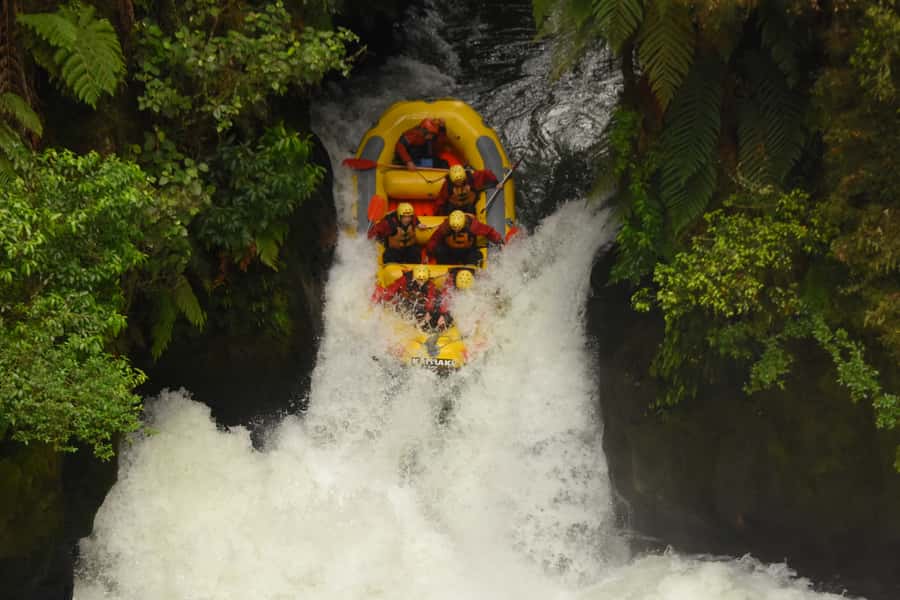
Rotorua is famous for geothermal pools, Māori cultural shows, and volcanic scenery. The Kaituna River adds a different side of the region. Here, the action takes place in steep native bush, where the river cuts through a green canyon and the sound of moving water fills the space around you.
The river section near Ōkere is compact but energetic. You do not spend the day floating through long quiet stretches waiting for something to happen. The route packs in 14 rapids and three waterfalls, so the trip feels active from start to finish.
I also like the balance of scenery and action. The canyon walls and native forest give you something to look at between commands, while the river provides the reason to be here. A short viewpoint and photo stop add another chance to appreciate the setting before you return to town.
This is not a gentle scenic cruise. You will paddle, follow instructions, get splashed, and possibly spend time in the water. That is exactly why it works so well for people who want a real adventure without signing up for a multi-day expedition.
More rafting near Rotorua:
- Rotorua Rafting: Kaituna River White Water Rafting & Free Sauna
★ 5.0 · 1,952 reviews - Rafting Rotorua Kaituna White Water Rafting | Kaitiaki Adventures
★ 5.0 · 759 reviews - Rotorua Rafting: Kaituna River Rafting Experience-Free Sauna
★ 4.9 · 401 reviews
From Rotorua hotel to the River Base
You can drive yourself or use the courtesy transport. The rafting base is about 15 minutes from central Rotorua, and transport is available from central accommodation, including the Rotorua i-SITE Visitor Information Centre.
The pick-up arrangement matters. Add your accommodation or chosen pick-up point when booking, then allow plenty of time for the complete outing. The rafting activity is listed as 150 minutes, but the full hotel-to-hotel experience can take about three and a half hours.
At the River Base, you can change clothes and use the changing rooms and lock boxes. There is also free parking if you drive, along with an onsite volleyball court. That makes the base useful for groups where some people are rafting and others need a little time before or after the river.
You receive the river gear here. The package includes a life jacket, wetsuit, booties, splash jacket, and other safety equipment. Bring your own swimwear and towel. Comfortable shoes are also listed, along with a jacket for the cooler parts of the day.
The equipment takes away much of the guesswork for first-timers. You do not need to arrive with specialist rafting clothing. You do need to be ready to get wet, and you should avoid bringing anything valuable onto the river.
Safety training before the first rapid
After changing, you receive a full safety briefing. This is not a box-ticking exercise. The guides explain how to sit in the raft, paddle, respond to commands, and deal with a capsize or unexpected swim.
A short bus ride takes you from the base to the Ōkere section of the Kaituna River. There, you practise the basic rafting skills before the more demanding water begins. That early instruction is especially helpful if you have never handled a paddle or are unsure how you will react to a waterfall.
The guide team is one of the strongest parts of this experience. Recent trips have been led by guides including Aoife, Jack, Kyle, Reiya, Ben, Connor, Gilly, Nixie, and Meya. Names and crews change, but the pattern is clear: the guides combine high energy with repeated reminders about safety and technique.
That mix matters. A guide who only shouts encouragement can make a nervous person feel rushed. Here, the best part of the briefing is the combination of clear commands and calm support. First-time rafters, older participants, and people who do not swim have all been accommodated within the stated safety setup, though you should always discuss concerns with the operator before booking.
Working through 14 rapids and three waterfalls
Once the raft is on the river, the guide takes charge of the rhythm. You paddle when told, lean when instructed, and keep your attention on the next command. The group needs to work together, but you do not need previous rafting experience.
The 14 rapids give the ride a steady sense of progress. Some sections are about teamwork and timing. Others are about holding on and enjoying the rush. The narrow canyon keeps the experience visually interesting, with native bush rising around the water and limited room for the river to spread out.
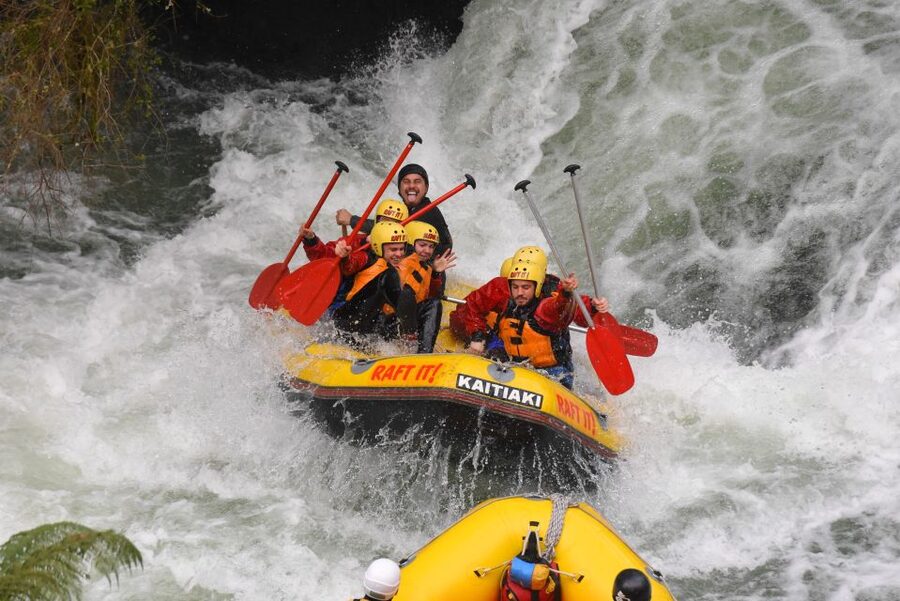
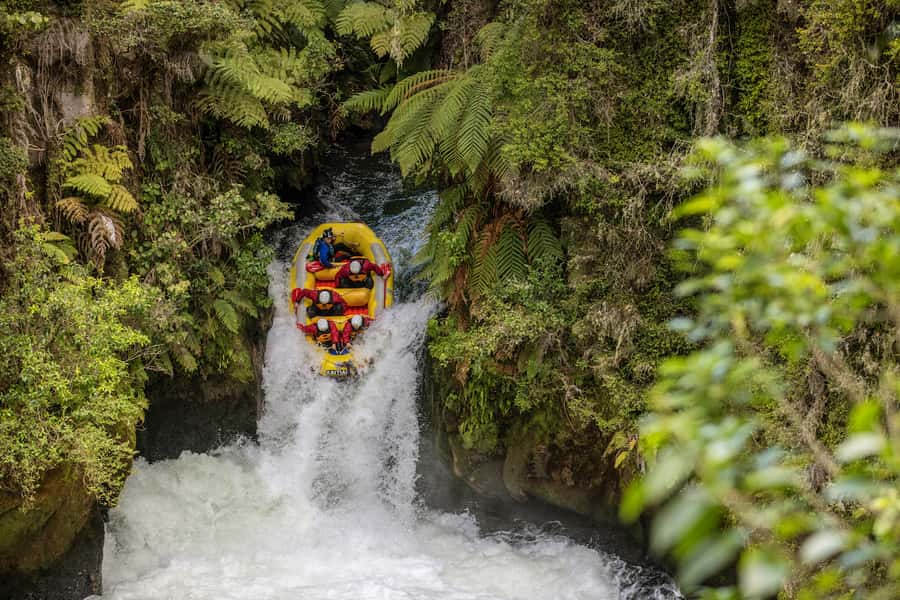
The three waterfalls are the signature feature. Two prepare you for the largest drop, while Tutea Falls provides the moment most people book the trip to experience. At 7 metres, it is a serious-looking fall, even with a raft and professional guide between you and the drop.
Your raft may go over cleanly, or the water may make the moment far less tidy. One recent participant described a capsize at the big waterfall, followed by a safe recovery and plenty of laughter. That is a useful reminder that rafting is controlled adventure, not a guaranteed dry ride.
The training is there for precisely this reason. If the raft tips or you end up in the river, you have already been shown what to do. The guides stay involved and help return people to the raft. You should still expect a strong burst of nerves at the edge of Tutea Falls.
Same base, a different kind of day:
- Rotorua Canopy Tours: 2.5Hour Native Forest Zipline Adventure
★ 5.0 · 4,563 reviews - Mitai Maori Village: Cultural Experience and Dinner Buffet
★ 4.7 · 3,575 reviews - Rotorua: Wai-O-Tapu Geothermal Park Entry Ticket
★ 4.6 · 2,601 reviews - Rotorua’s Ultimate Zipline: 6 ziplines, 400 m Tandem, Cliff Walk
★ 5.0 · 2,557 reviews
Swimming, splashing, and the parts between the rapids
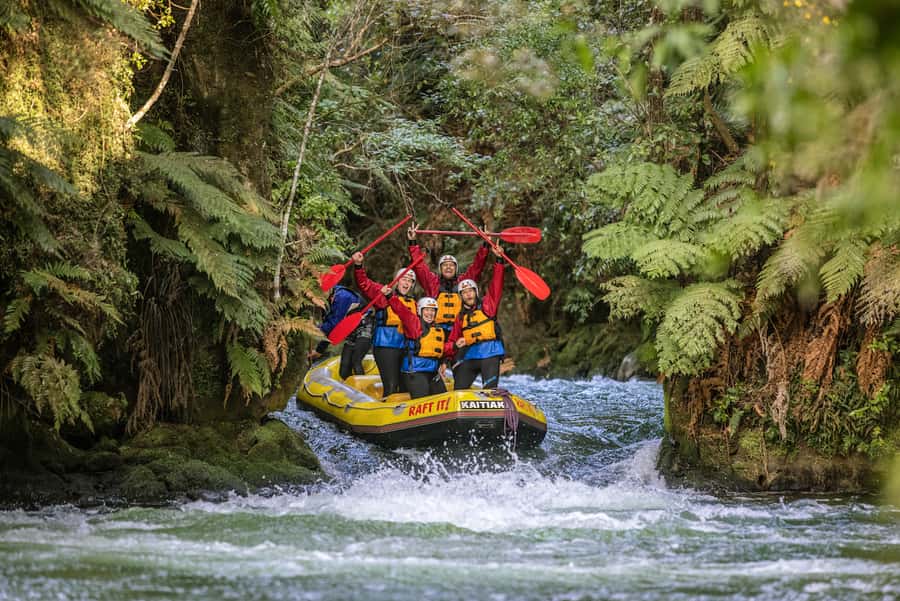
The outing can include extra time in the water, such as swimming down a rapid or getting another dip beneath a waterfall, when the guide considers it suitable. These moments give the trip a playful side and let you enjoy the river at a slower pace.
Do not assume every part of the water time will be optional or identical for each departure. Conditions, guide decisions, and the needs of the group matter. Listen carefully when the crew explains what is safe.
This is also where the right expectations help. You might spend time soaked, cold, or waiting for the next instruction. That is part of a river trip, not a fault in the design. The wetsuit and splash jacket help, but bring a towel and dry clothing for afterward.
Several people have found the experience less frightening than expected because the guides stay close and explain what is happening. Others have called it genuinely scary, especially before the largest fall. Both reactions are reasonable. If you want a thrill with a clear safety structure, it fits. If you dislike sudden drops or cold moving water, you may prefer one of Rotorua’s calmer activities.
Māori culture and Kaitiakitanga on the river
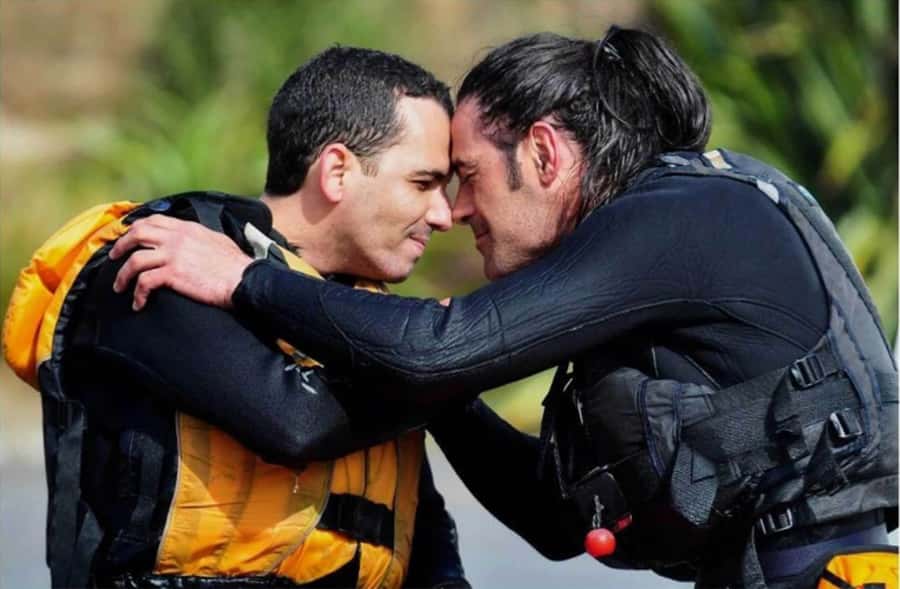
The cultural element gives this trip a stronger sense of place. The guides introduce Kaitiakitanga, the Māori idea of guardianship and protection of the natural world. That turns the river from a simple obstacle course into a living part of the region.
The idea is especially fitting on the Kaituna. You are not only passing through the bush and water for entertainment. You are being asked to notice the relationship between people, river, forest, and responsibility.
The cultural content does not replace the rafting. This remains a fast, physical activity. Instead, it adds context during the briefing, the river journey, and the quieter moments between rapids.
I like this approach because it connects the adventure to New Zealand rather than making it feel interchangeable with rafting anywhere else. You still get the adrenalin, but you also gain a better sense of why the river matters locally.
The viewpoint and the trip back to Rotorua
After the river section, there is a 15-minute photo stop at a viewpoint. It gives you a chance to see the surroundings from outside the raft and recover from the water.
That short stop is useful because the river trip can feel compressed. You are busy listening, paddling, and reacting, so you may not have much time to look around. The viewpoint lets you take in the steep forest and canyon setting without trying to keep a paddle in the correct position.
Back at the River Base, you can change and collect yourself. Professional photos are available to purchase after the trip, either individually or as the full album. You can also access them online after returning home.
Photos are not included in the $83 price, so treat them as an optional extra. They may be worthwhile if you want proof of the waterfall drop, since it is difficult to take your own camera while managing a paddle and staying secure in the raft.
GoPro use is allowed on a chest mount only if the guide approves it. A chest mount is more sensible than holding a camera, but approval is still at the guide’s discretion.
Is $83 good value?
At $83 per person, the price includes a lot of the costly parts of a rafting outing: return transport from central Rotorua, local guides, the raft trip, wetsuit, booties, splash jacket, life jacket, helmet, and safety equipment.
You are paying for about an hour on the water, not 150 minutes of continuous rafting. The rest of the listed 150-minute activity includes preparation, transport to the river, and the return to base. If you count hotel pick-up and drop-off, the whole commitment can reach roughly three and a half hours.
I consider the price fair for the amount of equipment, instruction, transport, and river access provided. It is especially good value if you use the courtesy pick-up rather than arranging a separate taxi. Photos cost extra, and food and drinks are not included, so budget for those separately if needed.
The value is strongest for someone who wants one major Rotorua adventure rather than a passive sightseeing outing. You get scenery, physical activity, cultural context, and a memorable headline moment in one booking.
Who should book this rafting trip?
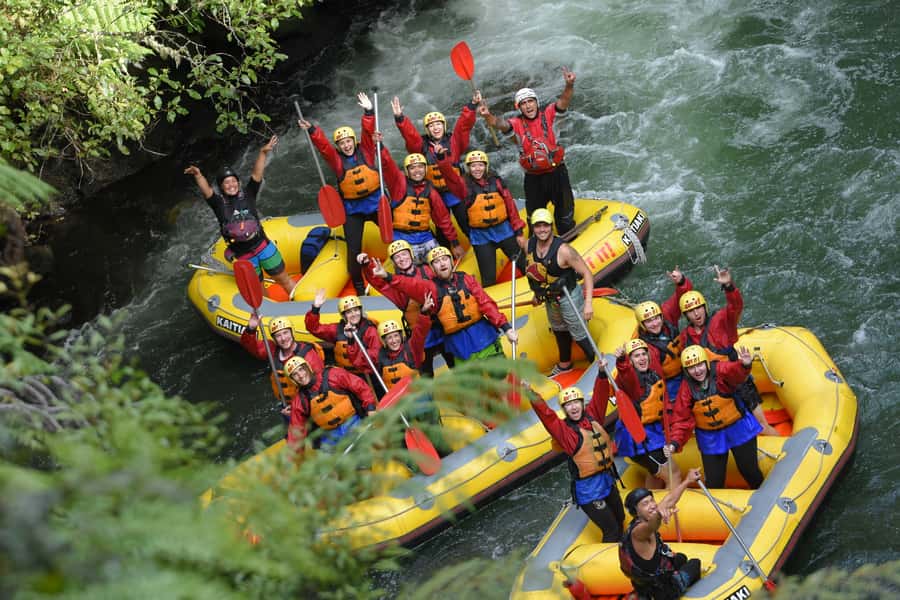
This is a strong match for first-time rafters who want professional instruction and a clear route through the activity. The guides are used to calming nerves, and the safety briefing gives you a plan before the water becomes serious.
It also suits experienced rafters looking for a short, concentrated run with a famous waterfall. The trip is not long enough to replace a full-day expedition, but the 14 rapids and three waterfalls make the available river time count.
Families with teenagers can consider it, but the minimum age is 13. Children under 13 cannot join, and the activity is not suitable during pregnancy. You should be comfortable with cold water, physical movement, and the possibility of ending up outside the raft.
I would be cautious about booking if you strongly dislike water getting in your face, sudden drops, or shared physical activities. The guides do their part, but they cannot make Tutea Falls feel like a calm boat ride.
The language of the live guide is English or Japanese. That is worth checking when choosing a departure if clear safety instructions in your preferred language are important.
Should you book Kaitiaki Adventures?
Yes, if you want Rotorua’s most memorable water adventure and you are ready for a real thrill. Tutea Falls is the deciding feature, but the 14 rapids, forest canyon, Māori perspective, and well-organised equipment make the outing feel like more than one dramatic drop.
Book it if you want active fun, can handle getting soaked, and appreciate guides who keep the mood upbeat while taking safety seriously. Skip it if you want a quiet scenic ride or if three and a half hours of changing, transport, training, and rafting sounds like too much for one activity.
For most adventurous visitors aged 13 and over, $83 is a sensible price for a well-supported half-day from Rotorua. Bring swimwear, a towel, a jacket, and the nerve to paddle toward the highest commercially rafted waterfall in the world.
FAQ
How long does the Kaituna River rafting experience last?
The activity duration is 150 minutes, with approximately one hour on the water. From hotel pick-up to drop-off, the full outing can take about three and a half hours.
Is hotel transportation included?
Yes. Courtesy pick-up and drop-off are available from central Rotorua accommodation, including the Rotorua i-SITE Visitor Information Centre. You should provide your pick-up location when booking.
Can I drive to the rafting base?
Yes. The River Base is about 15 minutes from Rotorua city center, and free parking is available onsite.
What equipment is provided?
The experience includes river gear and safety equipment, including a life jacket, wetsuit, booties, and splash jacket.
What should I bring?
Bring swimwear, a towel, comfortable shoes, and a jacket. You should also expect to get wet during the rafting.
What is the minimum age?
The minimum age is 13. Children under 13 cannot participate.
Can pregnant women join the rafting trip?
No. The activity is not suitable for pregnant women.
Are photos included in the price?
No. Professional photos are available to purchase after the trip, either individually or as the full album. They may also be available online after you return home.
Just added in Rotorua
- Whaka Geothermal Trails Self-Guided Tour★ 3.5 · 44 reviews
- Rotorua: Scenic Flight over Mt Tarawera & Waimangu Valley★ 4.9 · 25 reviews
- Mt Tarawera Helicopter Tour with Volcano Landing★ 5.0 · 40 reviews
- Mt. Tarawera Volcano Scenic Floatplane Tour from Rotorua★ 5.0 · 42 reviews
- 15-Minute Crater Lakes Flight by Floatplane from Rotorua★ 4.5 · 11 reviews
- Rotorua Highlights Inc. Te Puia & Secret Spot Hot Tubs Day Tour★ 4.5 · 129 reviews
- Lake Rotoiti Evening Kayak Tour including Hot Springs, Glowworm Caves and BBQ Dinner★ 5.0 · 60 reviews
- Mountain Jade Highlights Tour★ 5.0 · 31 reviews
White Water Rafting, compared.
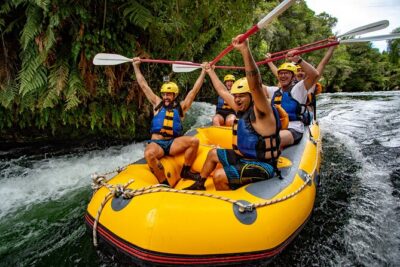
Rotorua Rafting: Kaituna River White Water Rafting & Free Sauna
Read our review →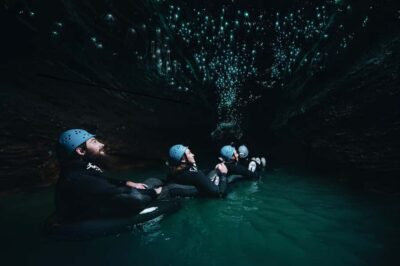
Waitomo Caves: Labyrinth Black Water Rafting Experience
Read our review →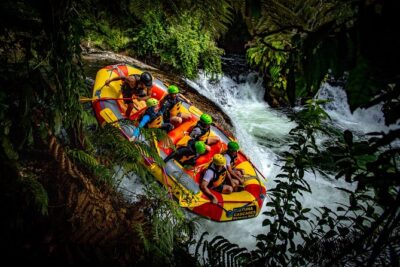
White Water Rafting – Kaituna Cascades, The Originals
Read our review →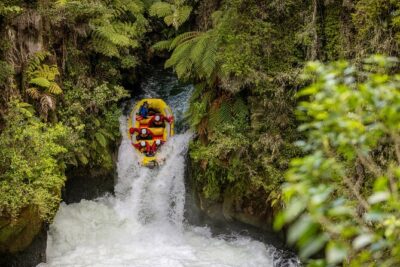
Rafting Rotorua Kaituna White Water Rafting | Kaitiaki Adventures
Read our review →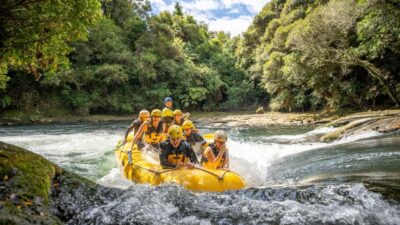
Rotorua Rafting: Kaituna River Rafting Experience-Free Sauna
Read our review →
Family Adventures Rafting and Sightseeing Trip in Queenstown
Read our review →
Kaituna River and Tutea Falls Whitewater Rafting
Read our review →
Browse the lists this tour appears in