
Reviewed · MAORI CULTURAL EXPERIENCES
Rotorua: Māori Cultural Performance with Dancing
Rotorua’s Māori culture comes alive in a compact performance of singing, haka, poi dancing, and stick games at Whakarewarewa The Living Māori Village. The show is staged, but its setting in a living Māori village gives the half-hour presentation a stronger sense of place than a stand-alone theater act.
I like the clear cultural explanations and the warm, spirited singing. I also like the short 30-minute format, which fits neatly before or after other Rotorua activities. The main thing to consider is that this is a performance only, not a full village tour, and one past attendee was disappointed that photographs with performers were not available afterward.
Key points at a glance
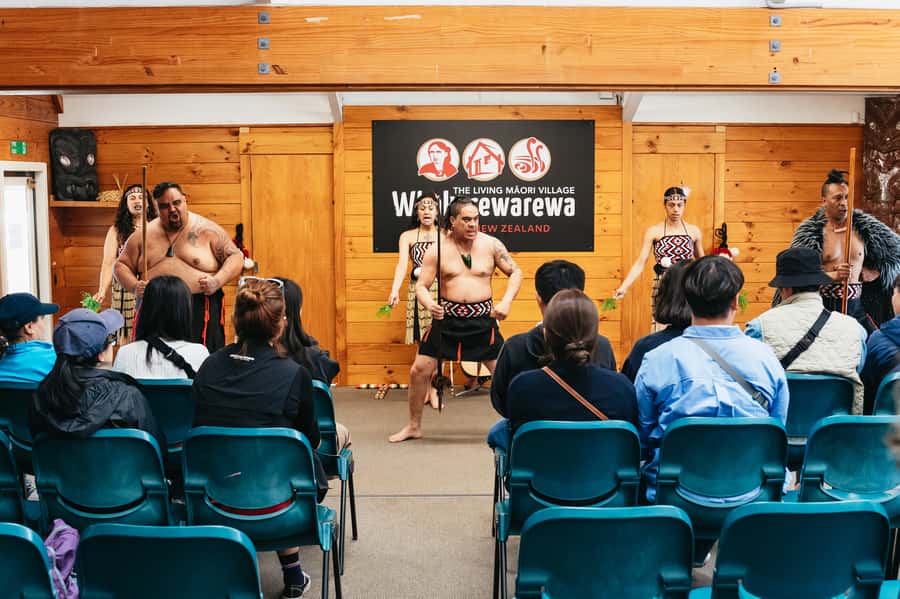
- The haka is performed live, with the force and facial expression that make this Māori challenge so memorable.
- Poi dancing and stick games add movement, rhythm, and skill beyond the better-known haka.
- Traditional songs are explained, including background to the much-loved Pokarekare Ana.
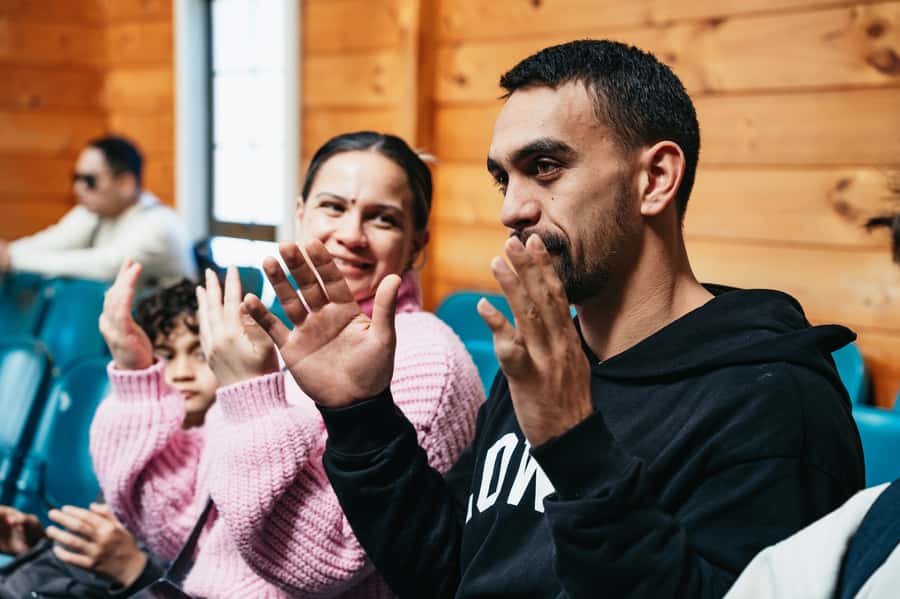
- Audience participation keeps the show lively, with a chance to try some of the movements yourself.
- Free seating makes timing important, so arrive early if you want a place near the front.
- The $20 price covers the performance and host only, not a guided village visit or other activities.
A short performance with real cultural focus
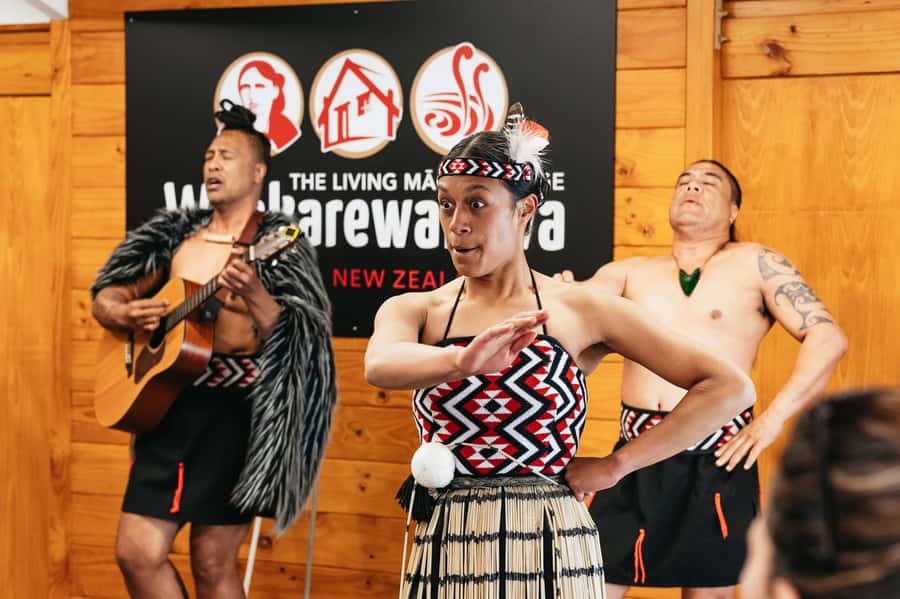
I like this experience because it does not pad a simple cultural introduction with a buffet dinner, souvenir program, or a long list of unrelated activities. For $20, you receive a focused half-hour of Māori song and dance, with enough explanation to give the movements and music meaning.
That narrow focus is useful in Rotorua. The city offers several Māori cultural experiences, some of them large evening programs with meals and extended tours. This option is better suited to you if you want a brief introduction, already have a full day planned, or are traveling with children and teenagers who may prefer a lively show to a long lecture.
The performance takes place at Whakarewarewa The Living Māori Village. That matters. You are not simply watching a dance troupe in an anonymous hall. The show is connected to a living village setting, and the cultural presentation is provided by the people associated with that place.
At the same time, keep your expectations in check. This is still a staged performance. It gives you a welcoming and entertaining introduction to Māori arts, but 30 minutes cannot explain every aspect of Māori life, history, language, or ceremony. I would treat it as a first step, not a complete cultural education.
Other Maori cultural experiences around Rotorua:
- Mitai Maori Village: Cultural Experience and Dinner Buffet
★ 4.7 · 3,575 reviews - Cultural Experience & Seasonal Māori Cuisine at Te Pā Tū
★ 5.0 · 1,546 reviews - Mitai Maori Village Cultural Experience in Rotorua
★ 4.5 · 1,294 reviews
Checking in at the village entrance
You begin by checking in at the admissions building to receive your tickets. An English-speaking host or greeter then shows you where the performance takes place.
The arrangement is straightforward, but the village setting means you should allow a little time to get oriented. If you are combining the show with a separate guided village tour, follow the staff’s directions carefully so you arrive at the performance area without rushing.
Seating is free, not assigned. That small detail affects the experience more than you might expect. If seeing facial expressions and hand movements matters to you, arrive early and aim for a front-row or near-front position. A past attendee specifically advised getting in first for the best spot, and another noted that the limited seating kept the room from feeling crowded.
The show itself lasts 30 minutes. That is long enough to present several forms of Māori performance without asking you to sit through a full afternoon program. It is also short enough to work for families, visitors on a tight schedule, or anyone fitting Rotorua into a larger North Island road trip.
The opening songs set the mood
The performance begins with traditional singing and an introduction to what you are about to see. The harmonies are an important part of the experience. This is not simply a sequence of athletic dances, and the vocal work gives the program warmth and feeling.
You may hear explanations about the meaning or background of particular songs. The song Pokarekare Ana receives special attention, including its story and the reason it has such an emotional place in Māori and New Zealand culture. Even if you do not know the song beforehand, the explanation helps you listen to it as more than a pleasant melody.
I especially value this balance of context and performance. The short explanations prevent the show from becoming a string of impressive movements without meaning. They also make the experience easier to appreciate if you know little about Māori culture.
The information is delivered in English, so you can follow the story as it unfolds. Still, the presentation remains a performance rather than a classroom lesson. Expect clear, basic background rather than a long historical discussion.
The haka brings power and ceremony
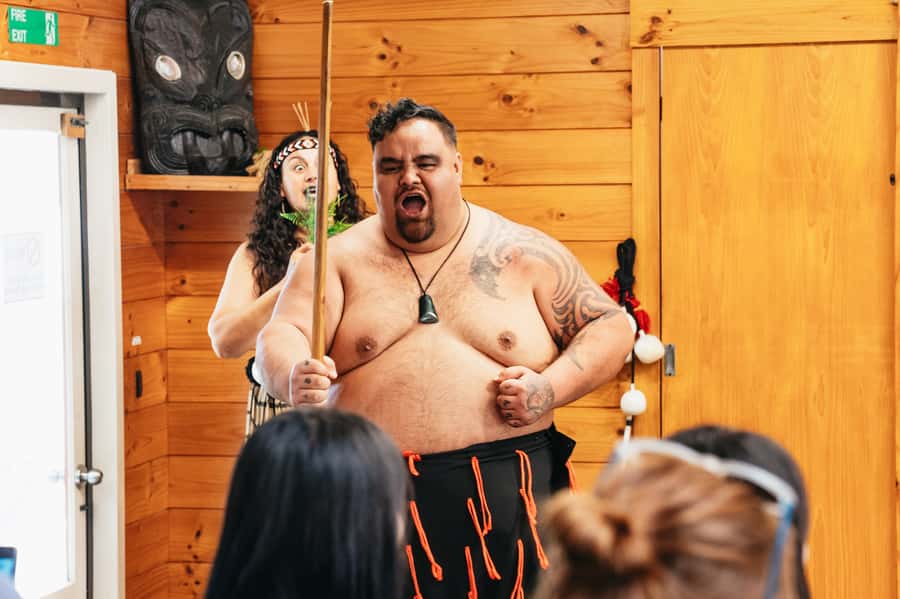
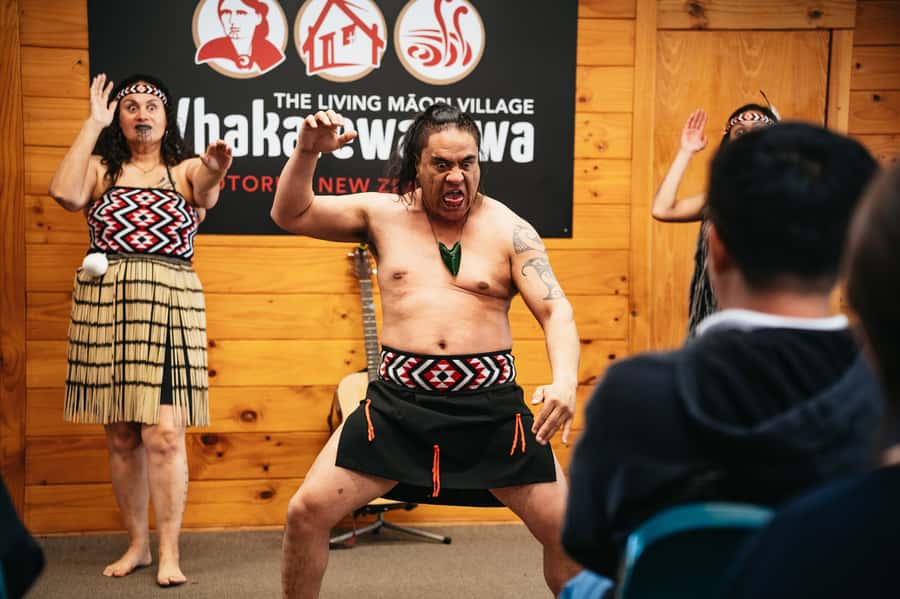
The haka is the moment many people are waiting for, and the live staging gives it much more impact than a quick video clip. The performers use forceful movement, strong vocal delivery, facial expressions, and precise group timing.
It is worth watching the faces as closely as the feet. The haka is not only about shouting or stamping. Its gestures and expressions communicate strength, welcome, challenge, pride, and shared purpose, depending on the form being presented.
The show helps you see why the haka has become one of New Zealand’s best-known cultural expressions, while also placing it within a wider program of song and dance. That broader setting is important. Māori performance is not limited to the haka, and this experience gives you several other forms to consider.
For younger members of your group, the haka provides an immediate hook. Teenagers in particular may respond to its energy, while the explanations help keep the experience from being reduced to a photo opportunity or a spectacle.
Same base, a different kind of day:
- Rotorua Canopy Tours: 2.5Hour Native Forest Zipline Adventure
★ 5.0 · 4,563 reviews - Rotorua: Wai-O-Tapu Geothermal Park Entry Ticket
★ 4.6 · 2,601 reviews - Rotorua’s Ultimate Zipline: 6 ziplines, 400 m Tandem, Cliff Walk
★ 5.0 · 2,557 reviews - Rotorua Rafting: Kaituna River White Water Rafting & Free Sauna
★ 5.0 · 1,952 reviews
Poi dancing and stick games add rhythm
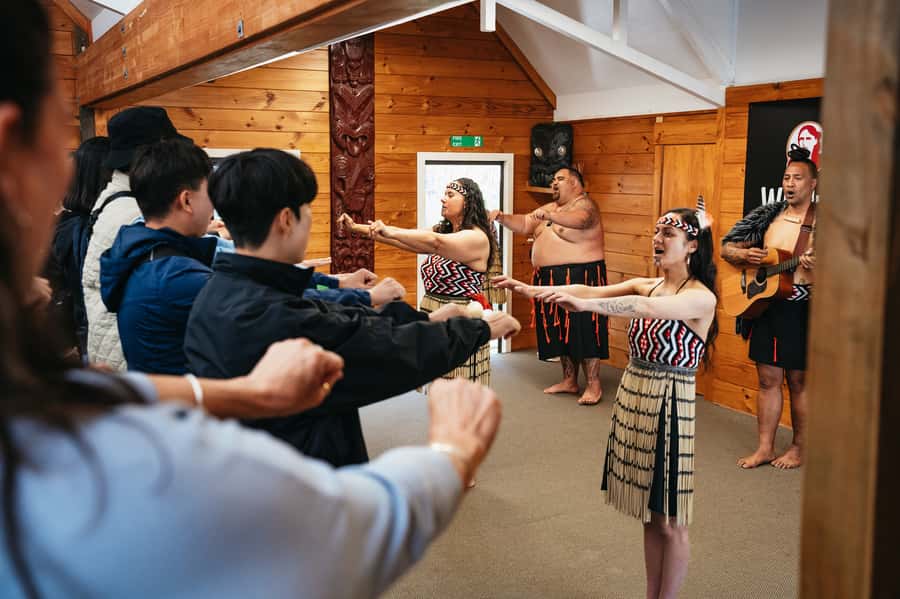
After the singing and haka, the poi dance brings a different kind of movement. Performers swing the poi with accuracy and control, matching the motion to the rhythm and song.
The poi section is visually lighter than the haka, but it requires plenty of coordination. Watch the hands and shoulders, since the skill lies in keeping the poi moving in a controlled pattern while maintaining the timing of the group.
Stick games offer another change of pace. These traditional games combine rhythm, concentration, and cooperation. They are entertaining to watch because the performers must keep the pattern moving between them, but they also show how play, music, and physical skill can overlap in Māori culture.
Together, these segments make the half-hour feel varied. You are not watching one long haka followed by a quick goodbye. The program moves between vocal harmony, energetic group movement, poi technique, and stick work, so each part has its own character.
Audience participation keeps the show approachable
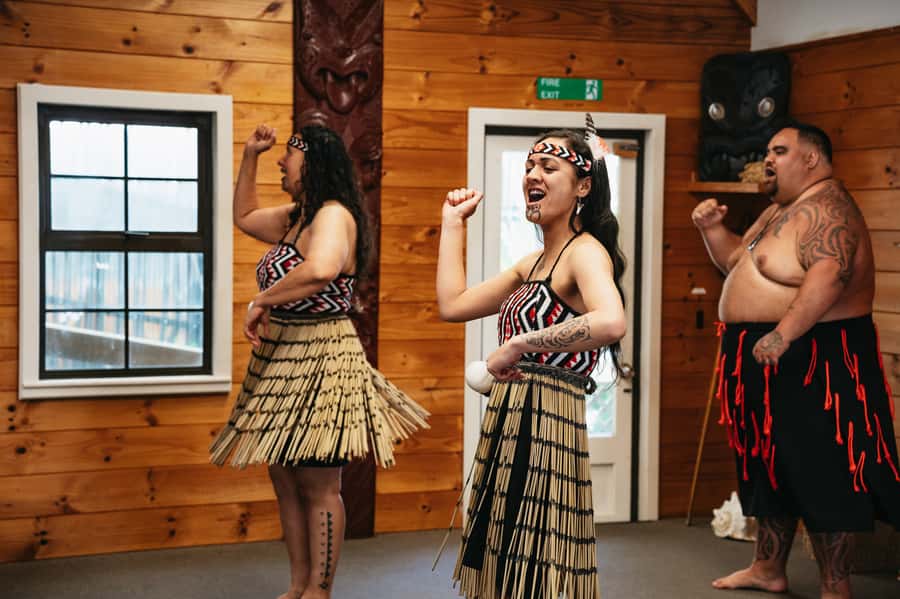
One portion invites the audience to try some of the movements. It is simple, good-natured participation rather than a test of skill, so you do not need dance experience.
I think this works well because it changes your role for a moment. Instead of sitting back and judging the performance, you get a small sense of how much timing and coordination these movements require. Even basic steps can be harder than they look when you are trying to follow along.
The participation also makes the show a good choice for families. Children and teenagers can take part without needing to understand every detail of the cultural background. Adults who prefer a quieter experience can simply watch and enjoy the humor of the moment.
You should not expect a long workshop or personal instruction. The activity is a short audience segment within the performance. Its purpose is to make the presentation friendly and memorable, not to teach you a complete Māori dance.
Why the living village setting matters
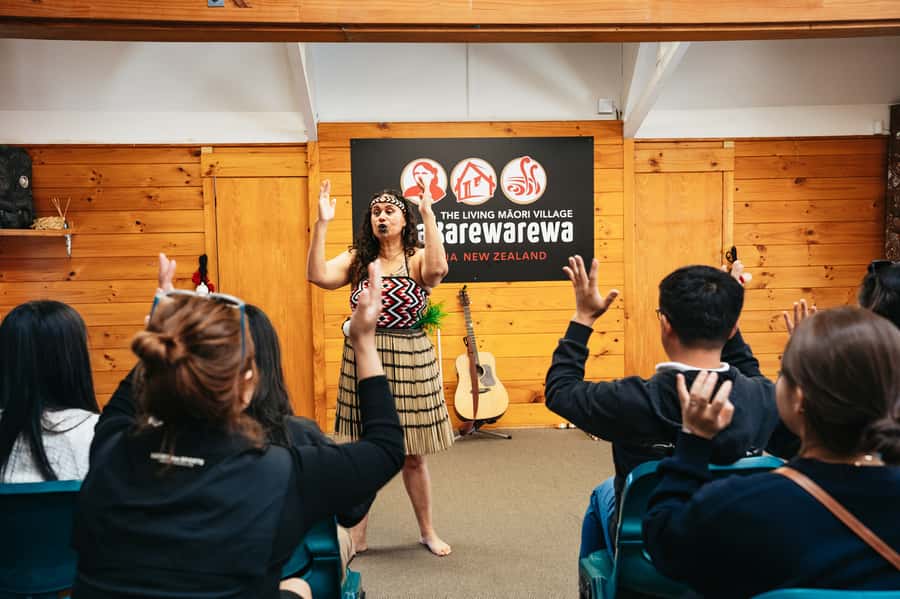
Whakarewarewa The Living Māori Village gives the performance a setting connected to daily Māori life. One past attendee described neighbors joining in the singing from behind the audience, which added a spontaneous and personal touch to the presentation.
That detail should not be treated as a guaranteed part of every show. Still, it points to what makes the location different from a generic stage. You are visiting a place presented as a living Māori village, not only a venue built for tourists.
The setting also makes it easy to pair the show with a separate village tour. A village visit can add context about communal life, cooking, and the sharing of available resources. Those activities are not included in the $20 performance ticket, so check what you are booking before you arrive.
If you have time, combining the performance with a guided village visit gives you a fuller afternoon. If you have only 30 minutes, the show still works on its own. I would simply avoid assuming that the performance ticket includes access to every village activity.
How good is the $20 value?
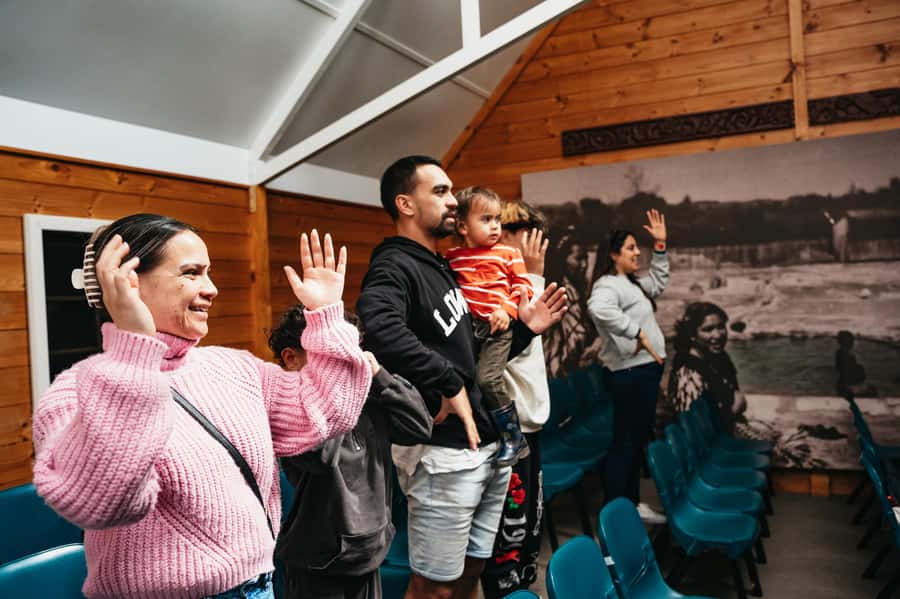
At $20 per person, this is an easy cultural add-on to a Rotorua itinerary. You receive a live performance, an English-speaking host, and a compact introduction to several Māori art forms.
The value is strongest if you want one or more of the following:
- A short cultural activity between other Rotorua plans
- A live haka without committing to a full dinner program
- An introduction suitable for children or teenagers
- A performance connected to a living Māori village
- A low-cost way to add Māori culture to your North Island trip
The value is less clear if you want a full guided visit, extensive cultural interpretation, or a meal. Those are outside the stated inclusions. You may need to book or pay separately for a village tour and other activities.
I also would not choose this solely for a post-show photo. One attendee had hoped for a chance to take pictures with the performers and did not find that opportunity available. Policies and arrangements can change, but you should not count on a formal photo session.
Who will enjoy this most?
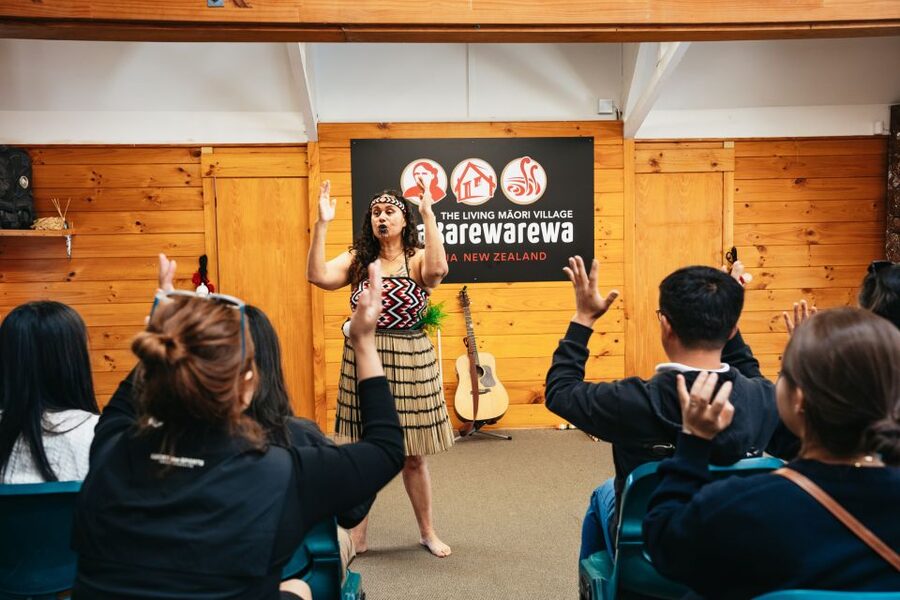
I recommend the performance to first-time visitors who want a friendly introduction to Māori culture without spending an entire evening at a large production. It is also a practical choice for families because the program is short, visual, musical, and participatory.
It suits you if you enjoy live performance and want to hear the meaning behind what you see. The explanations about songs and dances add useful context, while the haka, poi, and stick games keep the pace moving.
It may be less satisfying if you have already taken a long Māori cultural tour and want something new and detailed. In that case, the performance may feel like a concise recap or a pleasant second look rather than a major standalone attraction.
I would also think about seating if you have limited mobility or need a particular viewing angle. The activity is wheelchair accessible, but seats are free rather than reserved. Check in with the host if you need help finding a suitable place.
Practical timing and booking advice
The meeting point is the admissions building, where you check in and receive your tickets. Starting times vary, so check availability when you choose your date.
Arrive early for free seating, especially if you care about a clear view of the performers. Early arrival is also sensible if the show follows a separate village tour, since you do not want to cross the site at the last moment.
The experience is offered in English. The host and cultural explanations are in English, making the show accessible to English-speaking visitors who want the stories behind the songs and dances.
You can cancel up to 24 hours before the activity for a full refund. A reserve-now, pay-later option is also available, which helps if your Rotorua schedule depends on weather or other plans. The activity is wheelchair accessible.
Should you book this Māori performance?
Book it if you want a short, affordable, lively introduction to Māori culture in Rotorua. The best parts are the strong singing, the haka, the varied dance forms, and the setting at Whakarewarewa The Living Māori Village.
I would pair it with the village tour if you want more context about Māori communal life and the location. Choose only the performance if your schedule is tight or you prefer a direct cultural show without dinner and extra activities.
For $20 and 30 minutes, the risk is small. Just remember that it is a staged introduction, free seating matters, and village tours are not included. Arrive early, find a good place, and let the performers show you how much variety sits behind the word haka.
FAQ
How long is the Māori cultural performance?
The performance lasts 30 minutes.
What does the $20 ticket include?
The price includes the live performance and a host. It does not include a tour of the village or other village activities.
What will I see during the performance?
You will see traditional Māori singing and dancing, including the haka, poi dancing, stick games, and other performance elements.
Is the performance in English?
Yes. The host or greeter and the cultural explanations are in English.
Where do I check in?
Check in at the admissions building to receive your tickets. A host will then show you to the performance.
Do I need to arrive early for seating?
Seating is free, so arriving early is recommended if you want a preferred place, especially near the front.
Can I cancel the booking?
Yes. You can cancel up to 24 hours in advance for a full refund. A reserve-now, pay-later option is also available.
Just added in Rotorua
- Mt. Tarawera Volcano Scenic Floatplane Tour from Rotorua★ 5.0 · 42 reviews
- 15-Minute Crater Lakes Flight by Floatplane from Rotorua★ 4.5 · 11 reviews
- Whaka Geothermal Trails Self-Guided Tour★ 3.5 · 44 reviews
- Rotorua: Scenic Flight over Mt Tarawera & Waimangu Valley★ 4.9 · 25 reviews
- Mt Tarawera Helicopter Tour with Volcano Landing★ 5.0 · 40 reviews
- Rotorua Highlights Inc. Te Puia & Secret Spot Hot Tubs Day Tour★ 4.5 · 129 reviews
- Lake Rotoiti Evening Kayak Tour including Hot Springs, Glowworm Caves and BBQ Dinner★ 5.0 · 60 reviews
- Mountain Jade Highlights Tour★ 5.0 · 31 reviews
Maori Cultural Experiences, compared.
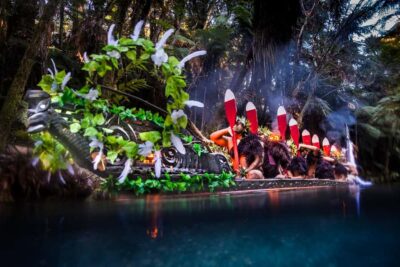
Mitai Maori Village: Cultural Experience and Dinner Buffet
Read our review →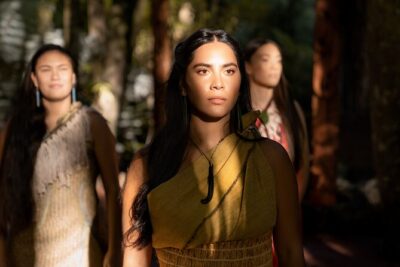
Cultural Experience & Seasonal Māori Cuisine at Te Pā Tū
Read our review →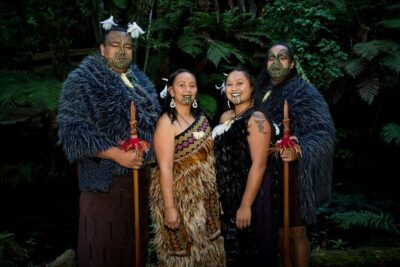
Mitai Maori Village Cultural Experience in Rotorua
Read our review →
Lake Taupo: Classical Sailing to the Māori Rock Carvings
Read our review →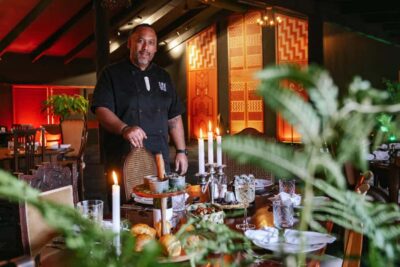
Te Pa Tu Māori Cultural Experience with Dinner
Read our review →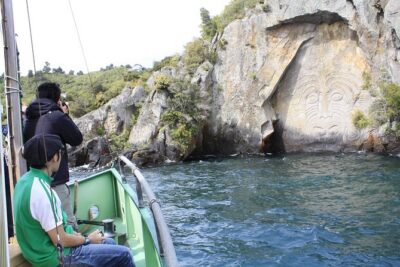
Lake Taupō Māori Rock Carvings Scenic Cruise aboard Ernest Kemp
Read our review →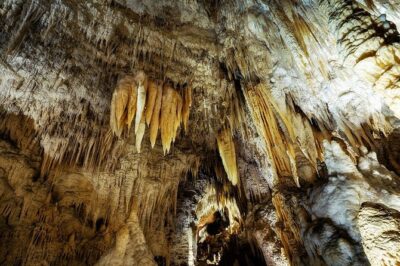
Waitomo Caves & Rotorua – Te Puia Small-Group Tour from Auckland
Read our review →
Lake Taupo: Maori Rock Carvings 10.30 AM 1.5-Hour Cruise
Read our review →Browse the lists this tour appears in