
Reviewed · WALKING TOURS
Christchurch: Ōtautahi Meander Walking Tour with Tastings
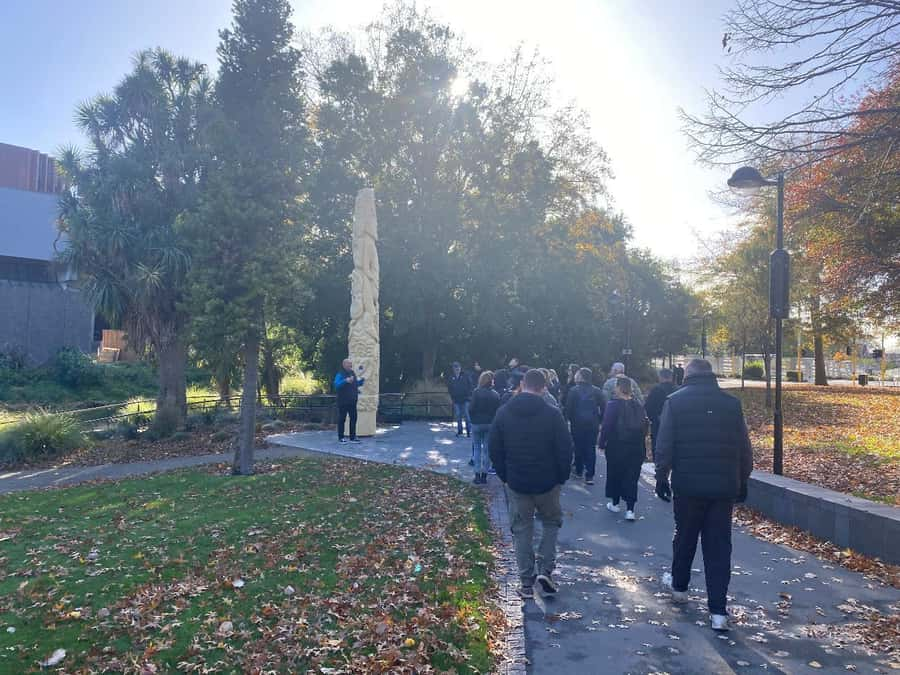
Christchurch’s Māori name, Ōtautahi, gives this walking tour its focus. Instead of treating the city as a collection of rebuilt streets and monuments, your guide connects Māori food-gathering places, pā sites, settler stories, and the earthquake to the streets you are walking through.
I like the way the tour joins cultural history with local food, and I like its human scale. Guides such as Ash, Riwa, Riwai, and Spud bring different personal strengths, but the common thread is clear storytelling and plenty of time for questions. The main consideration is its two-hour length: you get a useful introduction, not a full study of Christchurch.
Key points
- Ōtautahi comes first: Learn what Christchurch’s Māori name means and why that name matters.
- Māori and settler stories share the route: The tour presents both ways of life rather than treating them as separate chapters.
- Old food-gathering places meet the modern city: Hear about mahinga kai and pā sites as you walk through present-day Christchurch.
- Manaakitanga shapes the welcome: A traditional greeting introduces the Māori principle of caring for your people.
- Morning tea has a local focus: Tastings from artisan producers turn the walk into a small food tour as well.
- A compact city orientation: The Bridge of Remembrance meeting point and two-hour format make this easy to fit into a Christchurch morning.
Starting at the Bridge of Remembrance
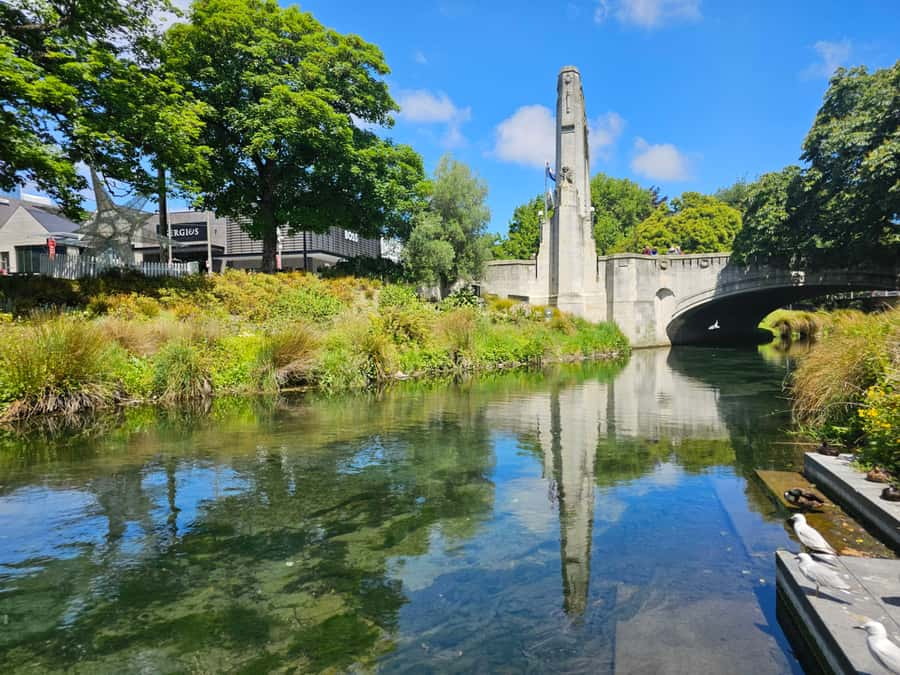
Meet your guide in front of the Bridge of Remembrance, on the shopping precinct side. This is a practical starting point in central Christchurch, so you can reach it without a hotel transfer and continue exploring the city afterward.
The bridge is also a fitting place to begin. It links the modern center with Christchurch’s public memory, giving your guide a natural opening for stories about place, people, and change. From here, the tour moves on foot through central streets and laneways.
You should arrive ready to walk, not simply to listen in one fixed spot. Wear comfortable shoes, bring water, and carry sunscreen and a sun hat. A camera is useful, since the route brings together city details, public spaces, and food stops.
The tour is conducted in English. It is listed as wheelchair accessible, though the exact laneways and tasting stops are not described in detail. If you use a wheelchair, it is sensible to confirm any route concerns before booking.
More walking tours in Christchurch:
- Full Day Guided Walking Tour and Picnic around Godley Head
★ 5.0 · 147 reviews - Ōtautahi: Christchurch Small-Group Inner City Food Walking Tour
★ 5.0 · 85 reviews - Lyttelton Shore Excursion – Guided Walking Tour and Picnic
★ 5.0 · 57 reviews
What Ōtautahi means to the story

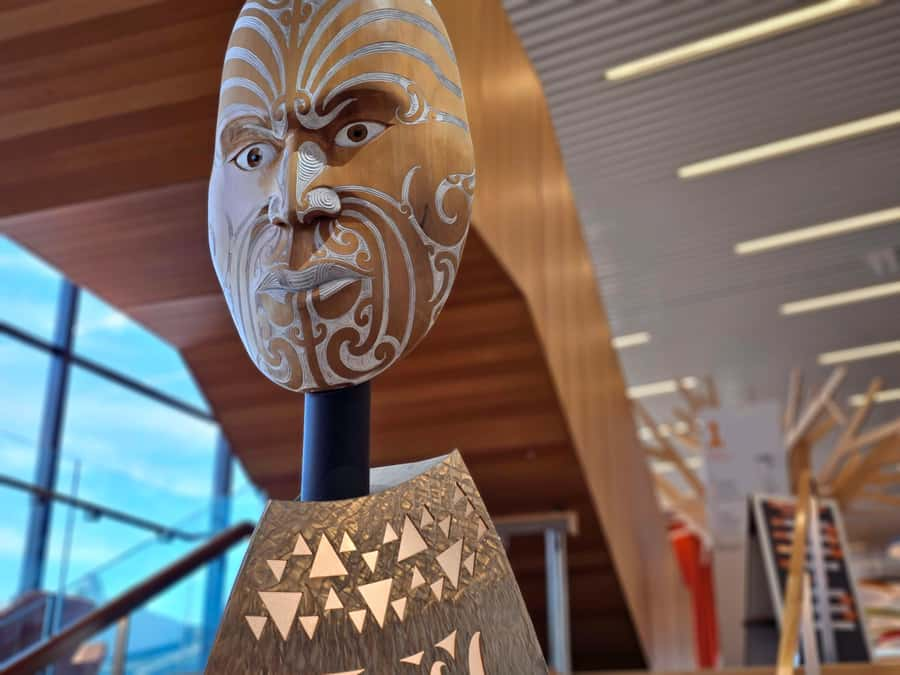
The first job of the tour is to explain the name Ōtautahi. That matters because it shifts your view of Christchurch from a place named and developed through European settlement to a place with a much older Māori identity.
Your guide then sets up the two strands that run through the morning: Māori life and settler life. You are not asked to choose one story over the other. Instead, the tour looks at how both have shaped the city and how those stories continue to sit beside each other.
That approach is one of the strongest reasons to book this walk. A standard city orientation can tell you when a building was completed or how a street changed after the earthquake. This tour adds the question of whose place it was, how people used the area, and what values still guide the community.
The guides named in connection with the experience include Ash, also known as Ashley, along with Riwa, Riwai, and Spud. Your guide will vary, but each is expected to lead in English and explain the cultural material directly rather than leaving you to decode it from plaques and signs.
Māori stories, settler life, and the value of context
The tour covers traditional Māori and settler ways of life. That phrase can sound broad, but it is useful in practice because it keeps the walk from becoming a simple list of dates.
You might hear how Māori communities understood and used the area before the city took its current form. You will also hear how settlers shaped Christchurch and how those changes affected the city’s identity. The goal is not to turn two hours into a university lecture. It is to make the streets around you easier to read.
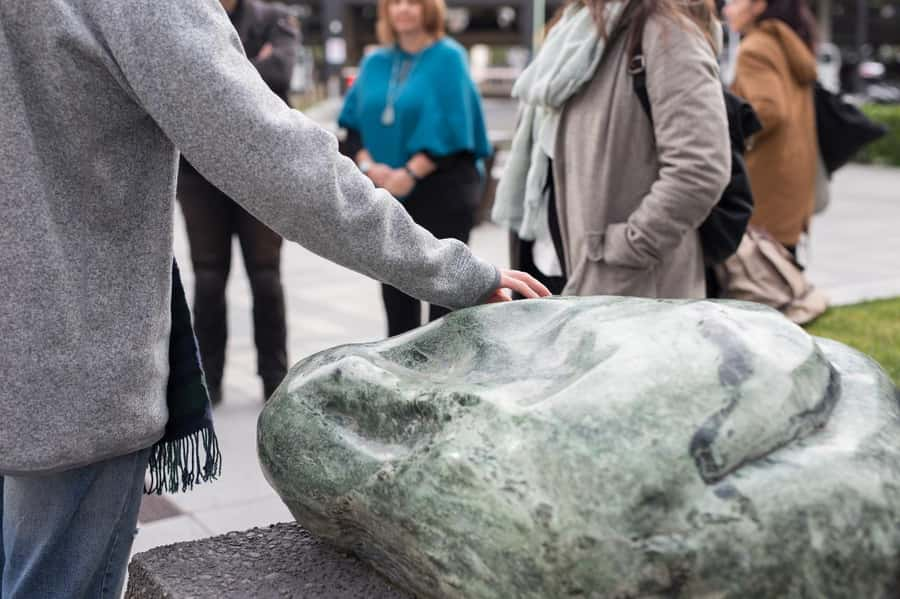
I especially like that the tour includes the principle of manaakitanga, often explained as care for your people. Your guide also introduces the whakataukī, Kia atawhai ki te iwi. The idea gives the tour a clear moral center: history is not only about buildings and events, but also about how people treat one another.
A traditional Māori greeting is part of the welcome. This helps establish the tone before the walk begins. It also gives you a small but meaningful point of contact with Māori culture, rather than presenting it as an abstract subject.
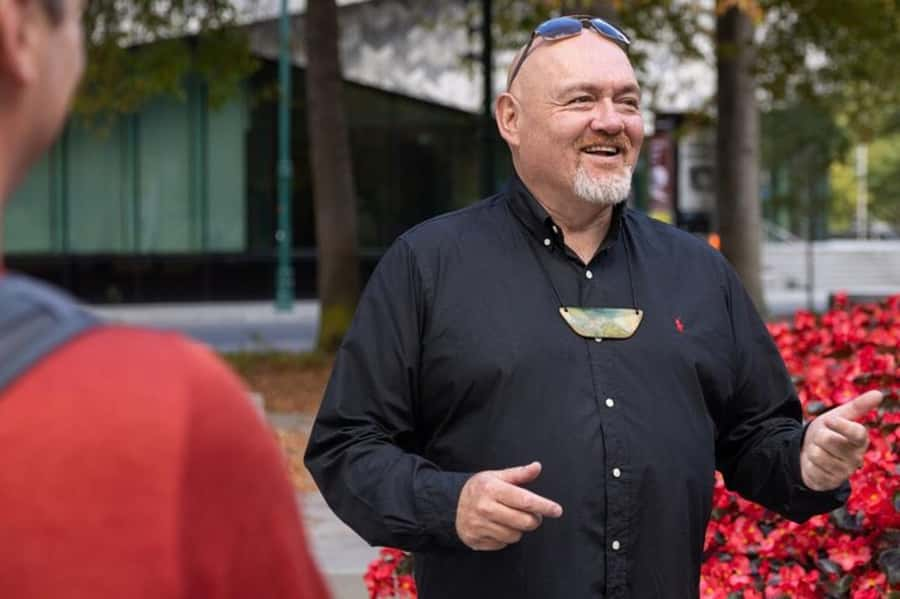
The quality of this section depends heavily on the guide. Ash has been praised for a warm, enthusiastic approach, while Riwa or Riwai has been associated with a strong understanding of both Māori and European heritage. That range is useful to know when choosing the tour, but the exact guide is not guaranteed.
Walking past mahinga kai and pā sites
One of the more interesting features is the reference to traditional mahinga kai, or food-gathering places, and pā, or Māori village sites. These are not simply remote archaeological stops. The tour explains how such places are woven into the city you see today.
That makes the walk more rewarding than a route that only points out grand civic buildings. Christchurch’s central streets can look modern and orderly, especially after major rebuilding, but the tour asks you to picture the earlier patterns of food, settlement, movement, and community.
Do not expect every site to look like a preserved village. The information provided does not promise reconstructed buildings or large archaeological remains. The value is in the explanation, and in learning to notice that a modern city may occupy a place with much older uses and meanings.
This is also where the short format has a limit. You will gain a clear introduction to the sites and their significance, but not a detailed archaeological study. If you want a long museum visit or extensive time at one location, add another Christchurch attraction to your plans.
Same base, a different kind of day:
- Christchurch Hop-On Hop-Off Tram
★ 4.5 · 841 reviews - Christchurch Gondola and Tram City Tour Combo
★ 4.5 · 725 reviews - Christchurch: Hop-On Hop-Off Tour by Vintage Tram
★ 4.6 · 717 reviews - Christchurch: Tram, Punt and Gondola Ride Combo Ticket
★ 4.7 · 608 reviews
Christchurch after the earthquake
The walk also brings in the impact of the Christchurch earthquake. That gives the tour a direct connection to the city’s recent past, not only its Māori and colonial beginnings.
A good city walk should help you understand what you are seeing now. In Christchurch, that means recognizing that some streets, buildings, public spaces, and businesses have been shaped by loss, repair, and change. The earthquake is not treated as the whole identity of the city, but it is an important part of the present-day story.
The guide’s role matters here. A personal, patient explanation can make the subject easier to understand than a quick reference on a sign. Ash has been singled out for explaining both the earthquake and the people of Christchurch in a friendly way, while other guides have been praised for linking culture and city history.
Because the tour lasts only two hours, the earthquake section will be part of a larger route rather than a dedicated disaster-history walk. That balance suits visitors who want context without spending an entire morning on one event.
Laneways and local tastings
The final ingredient is food. You wander through Christchurch’s laneways and stop for morning tea and tastings from local artisan producers.
This is more than a snack break. Food gives the tour a practical connection to place. After hearing about mahinga kai and Māori relationships with food, you get to sample products made by local businesses in the modern city. The tasting element also keeps the walk relaxed and gives you a reason to pause between history stops.
The exact menu is not specified, so do not book expecting a fixed meal or a particular dish. It is described as morning tea and special tastings, and the experience can include coffee and indulgent local foods. One morning may include a stronger coffee stop, while another may place more emphasis on artisan treats.
That uncertainty is worth noting for anyone with strict dietary needs. The available information does not list vegetarian, vegan, gluten-free, or allergy arrangements. Ask before booking if food restrictions are important to you.
The tastings are a good fit for a morning arrival in Christchurch. You receive something to eat without giving up a separate lunch stop, and you finish with a better idea of local producers to revisit later. One practical point: a comment describing lunch may refer to a related experience, while this activity itself includes morning tea and tastings, not a full lunch.
The guides make the difference
This tour is built around a live guide, so the quality of the morning depends less on a printed route and more on the person leading it. That is not a weakness, but it is worth understanding before you pay.
Ash, also referred to as Ashley, has been associated with an especially personable and enthusiastic style. Riwa or Riwai has been praised for bringing Māori and European heritage together through connection, cooperation, and mutual respect. Spud has also led the walk with an entertaining approach.
You may not receive the same guide on every departure. That means the precise balance between personal stories, city facts, and cultural explanation can vary. Still, the repeated praise for friendly guides and patient answers suggests that questions are welcome, which is important on a subject that can easily become too general.
I would come prepared with a few questions of your own. Ask about the meaning of places you pass, how Māori and settler stories are presented together, or how the earthquake changed the city center. A small group can make those conversations easier, though no official group size is provided.
Is $95 a fair price?
At $95 per person, this is not the cheapest way to walk around Christchurch. You can explore the center independently for free, and you can buy coffee and snacks on your own.
The price makes more sense if you value interpretation. You are paying for a two-hour guided route, a traditional greeting, cultural explanation, Māori and settler history, local food tastings, and the chance to ask questions as you go. A self-guided walk can show you the same streets, but it will not necessarily explain mahinga kai, pā sites, or manaakitanga in a connected way.
The value is strongest for a first visit, especially if you want an introduction before exploring on your own. It also suits visitors who prefer experiences that support local producers and include food without becoming a full cooking class or restaurant meal.
I would be less quick to recommend it to someone who wants a long, detailed architectural tour or a large meal. The tour is compact, and the included food is morning tea and tastings. Think of it as a guided cultural orientation with snacks, not a full-day sightseeing program.
Free cancellation up to 24 hours before the start and the reserve-now, pay-later option make planning easier. Hotel pickup and drop-off are not included, so you need to make your own way to the Bridge of Remembrance.
Who will enjoy this Christchurch walk?
I would choose this tour if you want to understand Christchurch through people, place, and food rather than only through buildings. It is a strong match for first-time visitors, culturally curious couples, solo visitors, and families who can manage a two-hour walk.
The pace appears moderate, with time for tastings and questions rather than a rushed march between landmarks. That should suit many ages, and one guide has been praised for making the experience work for a wide age range.
It also works well near the start of a South Island trip. The walk gives you useful context for Ōtautahi before you head to other parts of Canterbury or New Zealand. You may leave with a clearer sense of how Māori identity, European settlement, local business, and earthquake recovery fit into the city you are visiting.
You should think twice if you dislike guided conversation, have limited time in the city, or need a guaranteed food menu. The walk is in English, and its cultural content is central rather than incidental.
Should you book the Ōtautahi Meander?
Book it if you want a thoughtful introduction to Christchurch that combines Māori and settler stories with a traditional greeting, local food, and a look at places connected to mahinga kai and pā. The friendly guides, including Ash, Riwa, Riwai, and Spud, are a major part of its appeal.
Skip it if you are seeking a long museum-style history lesson, a full meal, or a fixed list of major landmarks. For most visitors, though, the two-hour format is a useful balance: enough time to learn how Ōtautahi took shape, with coffee and tastings to keep the morning grounded in the city you can see today.
FAQ
Where does the Ōtautahi Meander Walking Tour begin?
Meet your guide in front of the Bridge of Remembrance, on the shopping precinct side.
How long does the tour last?
The walking tour lasts two hours.
What language is the tour conducted in?
The live tour is conducted in English.
What food is included?
The price includes morning tea and food tastings from local artisan producers. A specific menu is not provided.
Is the tour wheelchair accessible?
The activity is listed as wheelchair accessible. The exact laneway and tasting-stop details are not specified, so confirm route needs in advance if necessary.
What should I bring?
Bring comfortable shoes, a sun hat, sunscreen, water, and a camera.
Just added in Christchurch
- Hanmer Springs Star Tours at Manuka Skies★ 5.0 · 11 reviews
- Amuri Jet Adventures – Hanmer Springs Quad Biking tour★ 5.0 · 49 reviews
- Waipara Valley Winery Tour Wine Tastings and Scenic Views★ 5.0 · 5 reviews
- Wine trail and Christchurch City – Luxury, Small Group Tour★ 5.0 · 15 reviews
- Willowbank Wildlife Reserve Day Entry★ 4.5 · 94 reviews
- Waimakariri River Jet Boating from Christchurch★ 4.0 · 9 reviews
- Arthur’s Pass Tour From Christchurch With Jet Boat & TranzAlpine★ 5.0 · 8 reviews
- Southern Alps Scenic★ 5.0 · 8 reviews
Walking Tours, compared.
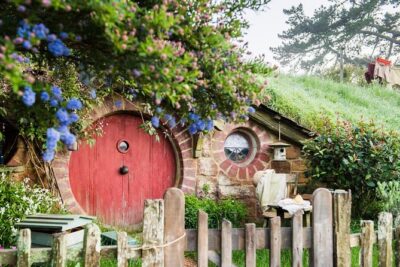
Hobbiton™ Movie Set Walking Tour from Shires Rest
Read our review →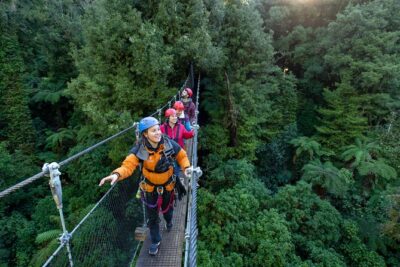
Rotorua’s Ultimate Zipline: 6 ziplines, 400 m Tandem, Cliff Walk
Read our review →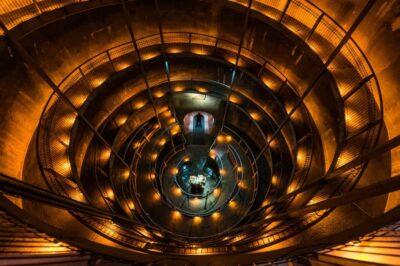
Waitomo Caves: Ruakuri Glowworm Cave Guided Walking Tour
Read our review →
Full-Day Milford Sound Tour with Cruise and Walks from Te Anau
Read our review →
Abel Tasman: Sea Shuttle Cruise and Walking Tour Combo
Read our review →
Browse the lists this tour appears in