
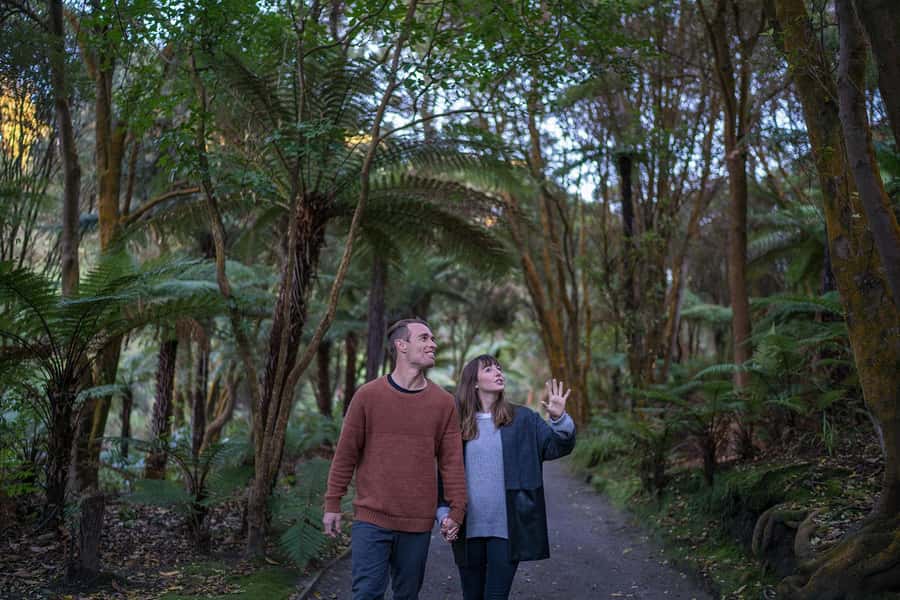
Reviewed · SPA & HOT SPRINGS
Rotorua: Hell’s Gate Outdoor Mud Spa & Guided Walk
Hell’s Gate gives you two very different Rotorua experiences in one visit: a walk through steaming geothermal country, followed by a soak in warm mud and sulfur water. The mud bath is limited to 20 minutes, which sounds brief until you are sitting in thick, hot mud and ready for a rinse.
I like the mix of wild scenery and hands-on relaxation, and I like that you can choose a self-guided walk or join a guide such as Liam, Tee, Zia, or Nati. The main drawback is that the sulfur smell clings to swimwear, towels, and sometimes hair, so bring old swimwear and accept that your bathing gear may never smell quite the same.
Key points
- Walk among active geothermal features: Follow a marked route past steaming pools, bubbling mud, hot water, native plants, and a waterfall.
- Choose your level of guidance: Use the included map at your own pace, or join an English-speaking tour when space is available.
- The mud bath is short but intense: Health rules limit each visit to 20 minutes.
- Māori culture is part of the visit: Learn about the area’s cultural meaning and try a carving activity for visitors aged 12 and over.
- Spa time follows the walk: Use the sulfur pools, mud foot pool, and cool plunge pool after exploring the reserve.
- Prepare for the chemistry: Leave jewelry behind and wear swimwear you do not mind washing repeatedly or replacing.
A geothermal reserve with a spa at the end
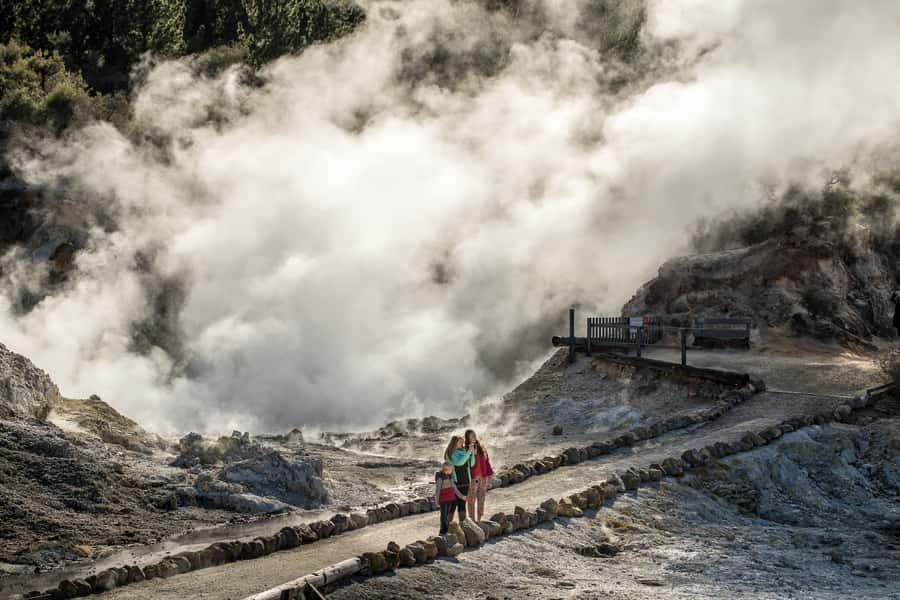
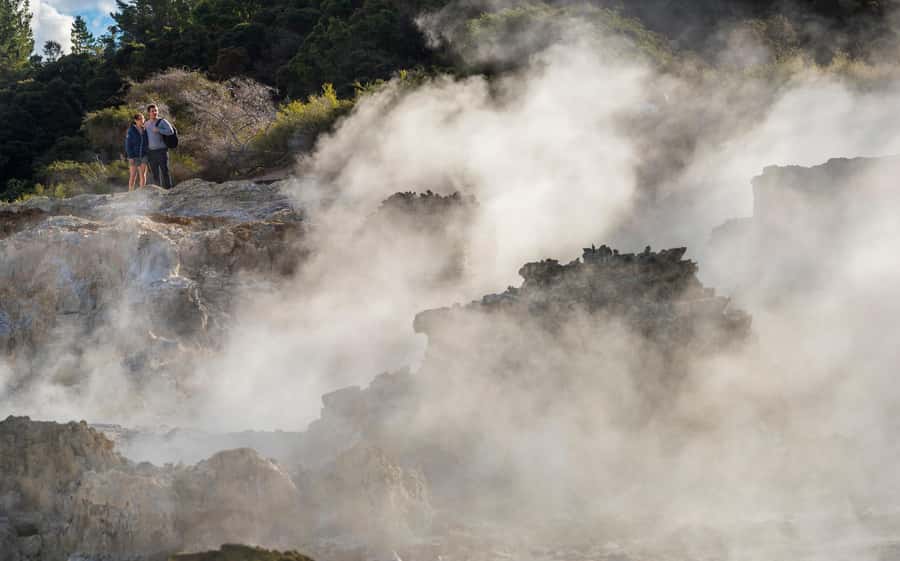
Hell’s Gate Geothermal Reserve sits about 15 minutes from central Rotorua on State Highway 30. The setting is not a tidy garden of isolated attractions. It is a broad, active thermal area where steam rises from the ground, mud bubbles in pools, and hot water cuts through the vegetation.
That raw quality is the reason I would choose Hell’s Gate over a simple thermal bathing stop. You first see the forces at work, then use the same geothermal environment for bathing. The visit has a clear rhythm: walk, learn, carve, soak.
The full experience takes about three hours. That gives you enough time to move at an easy pace and allow for the spa, though the exact balance depends on how long you spend on the walk and whether you join a guided tour.
More walking tours in Rotorua:
- Rotorua’s Ultimate Zipline: 6 ziplines, 400 m Tandem, Cliff Walk
★ 5.0 · 2,557 reviews - Volcanic Valley Self Guided Walking and Hiking at Waimangu
★ 4.5 · 248 reviews - Rotorua: Hell’s Gate Geothermal Walk
★ 4.4 · 217 reviews
The geothermal walk: steam, mud, and a waterfall
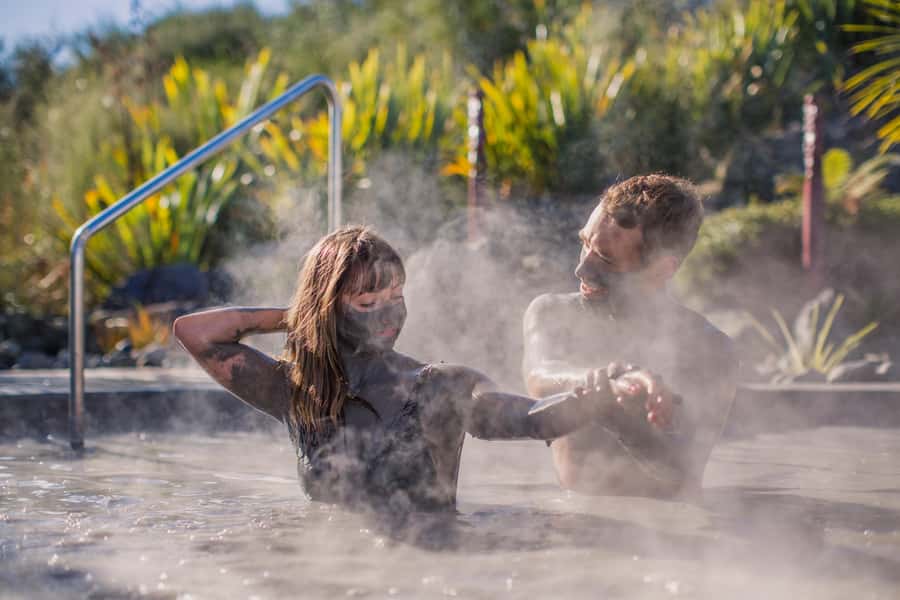
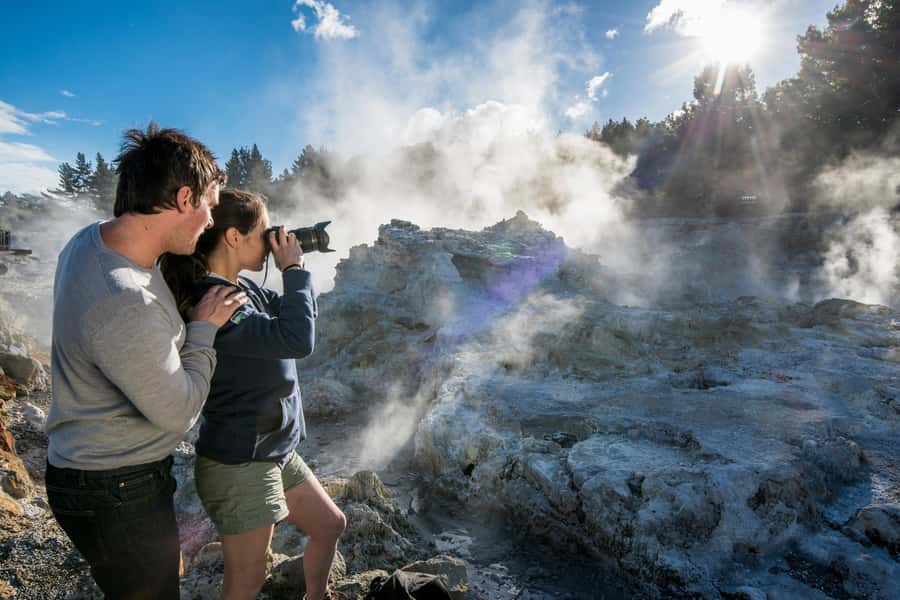
On arrival, you receive a map showing the geothermal route. The self-guided option is straightforward and lets you stop when you want, take photographs, and read the signs without keeping up with a group.
Expect an unusual mix of features. The walk passes steaming ground, mud pools, hot springs, and other signs of underground heat. One especially memorable detail is a waterfall among the steaming pools of mud and hot water. It is the sort of sight that helps you understand why this area feels unlike an ordinary park.
I like the self-guided format for couples, families, and anyone who wants a quiet pace. You can begin with the route, return to points that caught your attention, and time the bath for when you are ready.
The tradeoff is that a map cannot respond to your questions. It will explain the basic features, but a good guide adds stories about the plants, animals, geology, and Māori meaning of the area. Several guides are praised for bringing extra life to the walk. Liam is described as a strong guide, while Tee is noted for being informative, respectful, and fun. Nati, sometimes introduced with humor as the guide with the long name, is especially energetic and passionate about the geothermal area and Māori culture. Zia has also included a haka and cultural stories in the walk.
Guided tours run daily at listed times during the published seasonal schedule, but availability can change. Check the current start times when booking rather than assuming a guide will be available when you arrive.
Why the cultural stories matter
Hell’s Gate is not only a geology stop. The geothermal muds and sulfurous waters have been used by local Māori for more than 800 years, and the cultural meaning of the place is part of what gives the visit its depth.
A guide can connect the hot pools and mud vents with local traditions in a way that signs alone cannot. The strongest tours balance geological facts with Māori stories and respectful explanations. That is also why guide quality matters here. A quiet walk through steam is memorable, but a guide who can explain what you are seeing makes the area easier to understand.
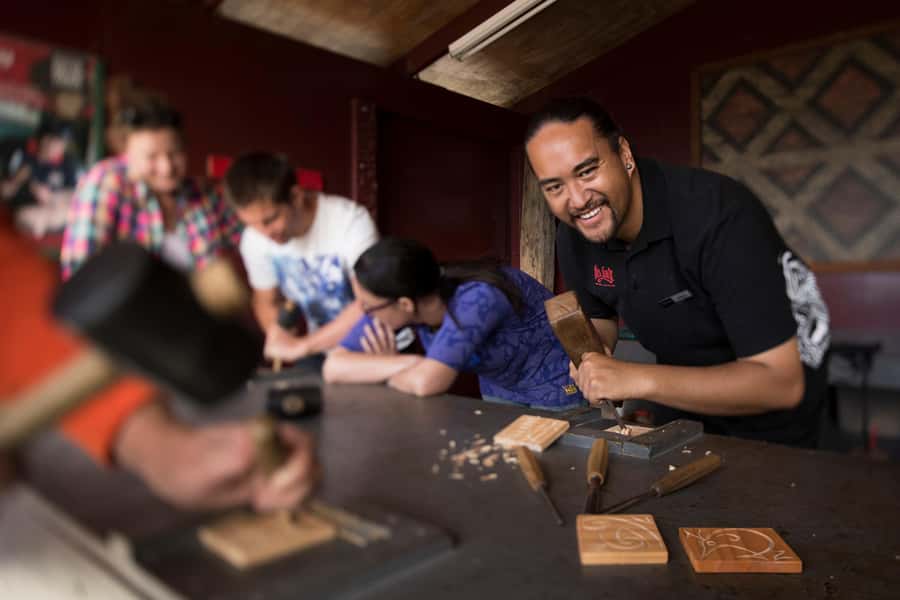
The cultural program can include Māori carving. Children must be at least 12 to take part. It is not the main reason to book Hell’s Gate, but it gives you a small, hands-on activity after the walk and before the spa. You can create a piece of art with a Māori symbol, making it a more personal souvenir than another photograph.
The carving session is not a long workshop, so set your expectations accordingly. Think of it as a short cultural activity included with the visit, not a full craft course.
The mud bath: thick, warm, and limited to 20 minutes
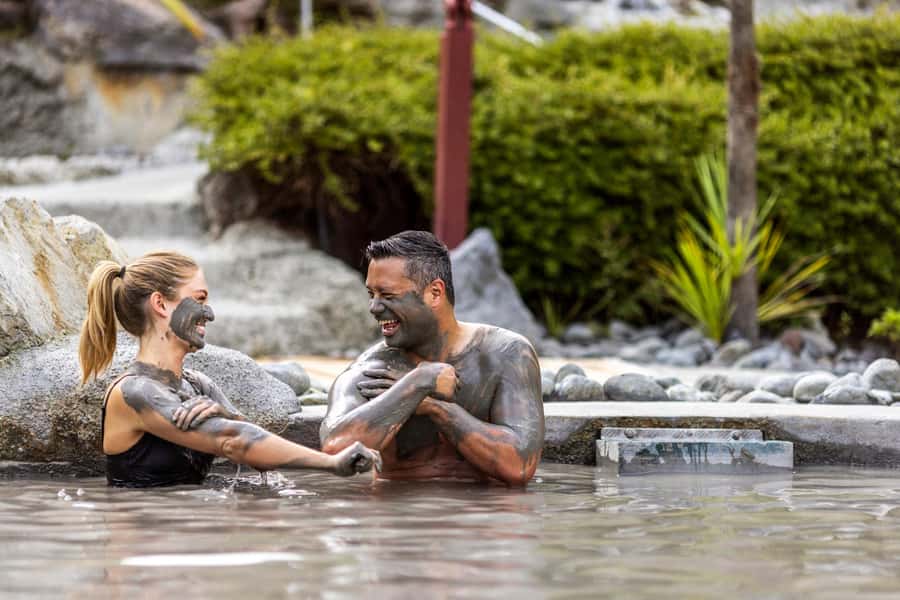
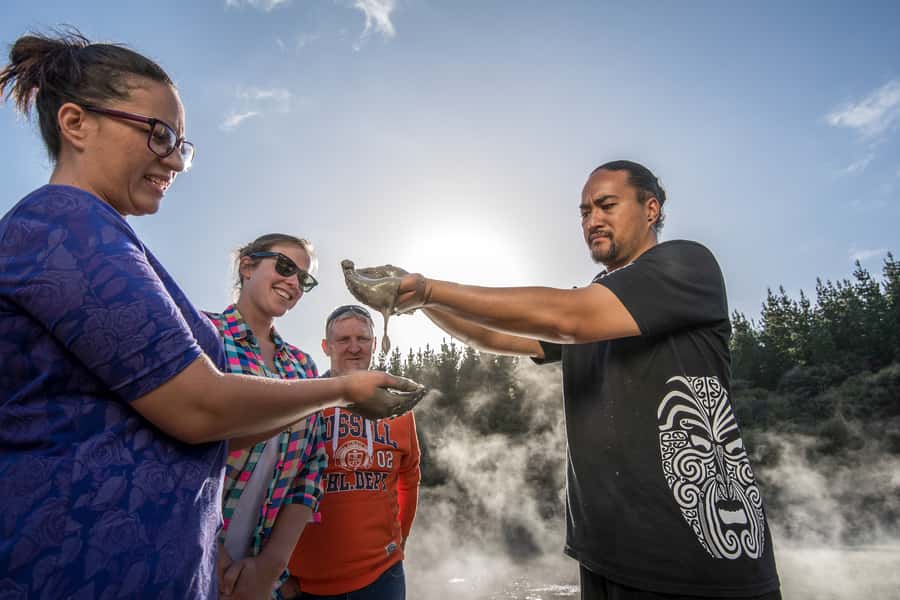
The mud bath is the most unusual part of the experience. The geothermal mud is warm and dense, and you spread it over your skin before sitting in the bath. The stated health and safety limit is 20 minutes per person per visit.
Some people may see that limit as a weakness, especially at a price of $68. I see it differently. Twenty minutes is enough time to enjoy the novelty without turning the bath into an overheated endurance test. Once you are covered in mud and sitting in warm conditions, the clock moves quickly.
The mud is said to open and clean the pores, while the sulfur water provides gentle exfoliation and cleansing. Treat those claims as part of the spa experience rather than a medical promise. The practical result is that your skin may feel smooth afterward, but the real value is the rare chance to bathe in geothermal mud in the same area where it naturally occurs.
The mud pool can feel surprisingly private, depending on timing. If you join the guided group all the way through, you may share the bathing area with others. If you explore independently and time your return well, the experience may feel less crowded.
After the mud bath, you rinse and continue to the sulfur spa. The change from thick mud to warm mineral water is the payoff. You can then use the cool plunge pool if you want to refresh before changing.
Other hot pools and geothermal parks around Rotorua:
- Rotorua: Wai-O-Tapu Geothermal Park Entry Ticket
★ 4.6 · 2,601 reviews - Rotorua: Hells Gate Outdoor Mud Bath & Spa Experience
★ 4.6 · 398 reviews - Wai-O-Tapu Thermal Wonderland, Rotorua, New Zealand
★ 4.5 · 379 reviews - Polynesian Spa Rotorua: Deluxe Lake Spa Hot Spring Bathing
★ 4.5 · 358 reviews
Sulfur spas and the practical smell problem
The sulfur pools are warm and relaxing, but sulfur has a strong smell. It is not a flaw in the facility. It is part of the chemistry that makes the bath what it is.
Your swimwear and towel will smell sulfurous afterward and need thorough cleaning. I would wear an old swimsuit and take an old towel if possible. The reserve also rents or sells swim items, subject to availability, so you have a backup if you do not want to risk your best gear.
Leave jewelry in your accommodation or vehicle. The chemical makeup of the mud and water can tarnish most jewelry, especially silver. The advice is to wait 24 to 48 hours before putting jewelry back on after the visit, but the simplest plan is not to bring it into the spa area.
Take care around your eyes and follow staff instructions. One visitor experienced eye irritation and received help from staff, including eye drops. That does not mean problems are expected, but geothermal water deserves respect. Do not treat it like an ordinary swimming pool.
Smoking, alcohol, drugs, and drones are not allowed. These rules make sense in an active thermal area, where safety and the condition of the site matter.
Is $68 good value for three hours?
At $68 per person, Hell’s Gate is not the cheapest way to see geothermal activity in Rotorua. Its value comes from combining several parts that would otherwise require separate planning: a geothermal walk, optional guiding, the mud bath, sulfur spas, the cool plunge pool, and Māori carving.
I think the price works best if you want both scenery and bathing. If you only want to look at hot pools, a shorter geothermal attraction may suit you better. If you only want a spa, a conventional thermal pool may offer more time in the water.
You also get flexibility. A self-guided visit lets you set your own pace, while a guide can add cultural and geological context. The included carving activity gives families and curious adults something to do beyond looking at pools.
The main value question is whether you will use the full package. Arriving just for the mud bath would make the price feel high. Allowing three hours for the walk, carving, mud bath, sulfur spa, and changing makes it more reasonable.
Family rules and health limits
The age rules are unusually specific, so check them before booking. Children must be at least 2.5 years old for the mud baths and at least six months old for the sulfur spa. The Māori carving activity is limited to children aged 12 and over.
Unaccompanied minors are not allowed. The experience is also not suitable for pregnant women, people with heart problems, people with high blood pressure, or people with mobility impairments.
Wear comfortable shoes for the geothermal route. You will want proper footwear for the walk, even though the main reward comes at the spa. Bring swimwear and a towel, or plan to rent or buy them onsite if available.
The reserve is in Tikitere at 351 State Highway 30. The location is close enough to Rotorua for an easy outing, but transportation is not included in the experience details. One solo visitor reached the site by Uber from central Rotorua, showing that a car is not the only possible option, though you should arrange your return carefully.
How to plan your three hours
I would start with the geothermal walk, especially if you have chosen the self-guided option. The route gives you time to see the reserve while you are still dry and dressed for walking.
If you want a guide, check the available times first. The published schedule lists guided tours at 10:30 AM and 2:30 PM for a previous October to March season, subject to availability. Those times may change, so confirm before building your day around them.
After the walk, try the carving activity if it is available and suitable for your group. Then allow time for the mud bath, rinse, sulfur spa, and cool plunge pool. The bathing area has allocated limits, which can help prevent overcrowding, but it also means you may need to fit your visit around the schedule onsite.
Bring water for the day, though the supplied information does not specify refreshment facilities. A cafe is present, and the staff there have been described as welcoming, but I would not rely on a particular meal service unless you confirm current opening details.
The activity allows cancellation up to 24 hours before the scheduled visit for a full refund, and a reserve-now, pay-later option is available. Those features help if your Rotorua plans depend on weather or changing transport arrangements.
Who will enjoy Hell’s Gate most?
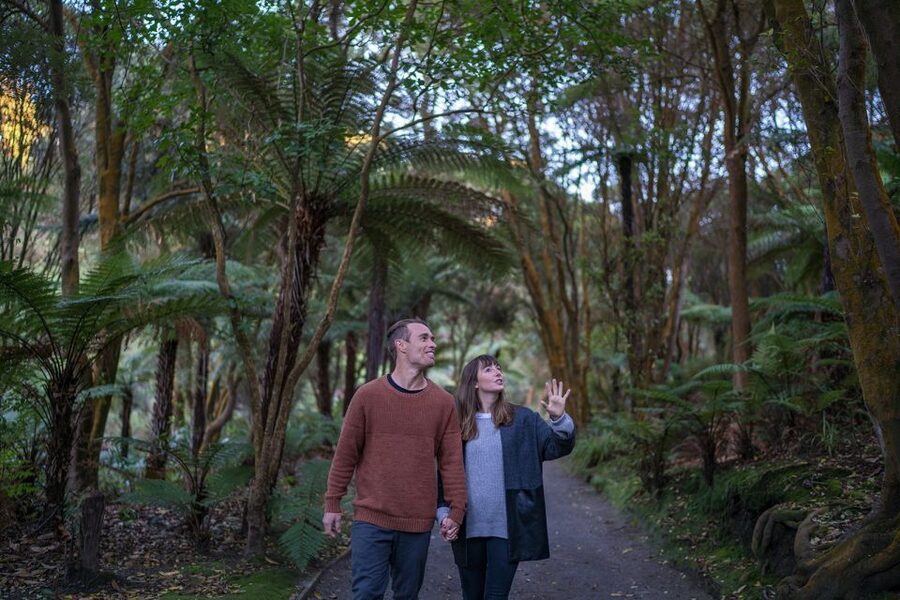
I would recommend this for you if you want an active geothermal visit with a relaxing finish. It suits couples, families who meet the age rules, solo visitors, and anyone curious about the link between Rotorua’s volcanic activity and Māori culture.
It is especially good for people who enjoy unusual experiences. A mud bath is not an everyday spa treatment, and the combination of bubbling mud, steaming ground, sulfur water, and carving feels distinct from a standard hot pool visit.
You may prefer another activity if you dislike strong sulfur smells, cannot walk comfortably through a geothermal reserve, or want a long, quiet spa session. The mud bath lasts only 20 minutes, and the walk is an important part of the experience.
The choice between guided and self-guided touring also matters. Independent visitors have enjoyed the clear route map and freedom to move at their own pace. For first-time visitors who want more context, I would make a guided tour a priority, especially with a guide such as Nati, Tee, Zia, Liam, Lati, or Niko when available.
Should you book Hell’s Gate?
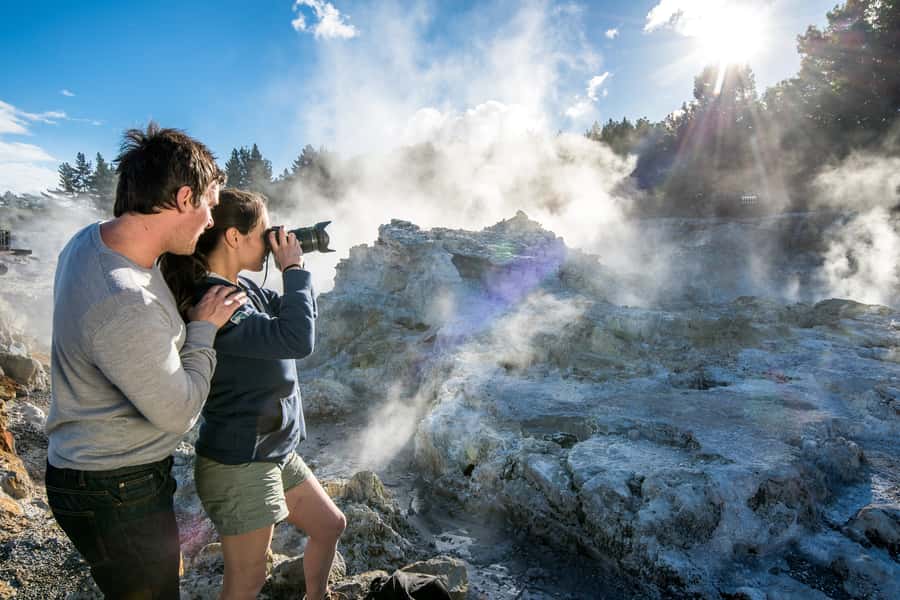
Yes, if you want more than a quick look at geothermal pools. For $68, you get an active walk through one of Rotorua’s most dramatic thermal areas, a chance to learn about Māori connections to the site, a short carving activity, and a mud and sulfur spa experience.
Book it with old swimwear, no jewelry, and enough time to enjoy the walk before soaking. Choose the guide if cultural stories and local detail matter to you. Choose the self-guided route if you value control over your pace and want a quieter bath.
I would skip it only if you are sensitive to sulfur smells, need a long spa treatment, or fall into one of the health or mobility groups for whom the experience is not suitable.
FAQ
How long does the Hell’s Gate experience take?
The experience lasts about three hours. This includes the geothermal walk, optional guided tour, Māori carving, mud bath, sulfur spa, and access to the cool plunge pool.
Is a guided tour included?
Daily guided tours are included as an optional part of the visit. You can also use the supplied map and complete the geothermal walk independently. Guided tours are in English and run subject to availability.
How long can I stay in the mud bath?
The mud bath has a 20-minute limit per person per visit for health and safety reasons.
What should I bring?
Bring comfortable shoes, swimwear, and a towel. Old swimwear is recommended because the sulfur smell can remain after washing. Swim items may also be rented or bought onsite, subject to availability.
Can children take part?
Children must be at least 2.5 years old for the mud bath and at least six months old for the sulfur spa. Children must be 12 or older to participate in Māori carving, and unaccompanied minors are not allowed.
Can I wear jewelry in the spa?
It is best to leave jewelry behind. The mud and water can tarnish most jewelry, especially silver. The guidance recommends waiting 24 to 48 hours before wearing jewelry again after the visit.
Just added in Rotorua
- Mt Tarawera Helicopter Tour with Volcano Landing★ 5.0 · 40 reviews
- Mt. Tarawera Volcano Scenic Floatplane Tour from Rotorua★ 5.0 · 42 reviews
- 15-Minute Crater Lakes Flight by Floatplane from Rotorua★ 4.5 · 11 reviews
- Whaka Geothermal Trails Self-Guided Tour★ 3.5 · 44 reviews
- Rotorua: Scenic Flight over Mt Tarawera & Waimangu Valley★ 4.9 · 25 reviews
- Mountain Jade Highlights Tour★ 5.0 · 31 reviews
- Rotorua Highlights Inc. Te Puia & Secret Spot Hot Tubs Day Tour★ 4.5 · 129 reviews
- Lake Rotoiti Evening Kayak Tour including Hot Springs, Glowworm Caves and BBQ Dinner★ 5.0 · 60 reviews
Spa & Hot Springs, compared.
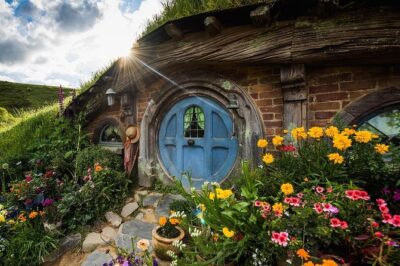
Hobbiton & Rotorua including Wai-O-Tapu – Small Group Tour from Auckland
Read our review →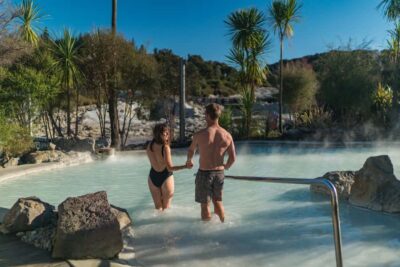
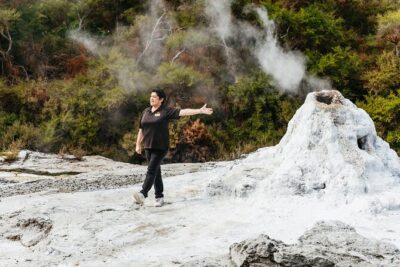
Wai-O-Tapu Thermal Wonderland, Rotorua, New Zealand
Read our review →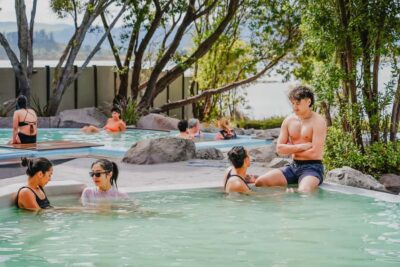
Polynesian Spa Pavilion Hot Pool Bathing (12+ yrs)
Read our review →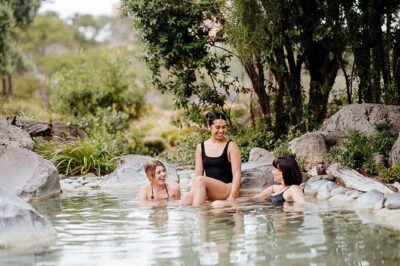
Polynesian Spa Rotorua: Deluxe Lake Spa Hot Spring Bathing
Read our review →
Wai O Tapu & Waimangu Eco Thermal Morning Tour
Read our review →Browse the lists this tour appears in