
Reviewed · STARGAZING TOURS
Hanmer Springs: Guided Stargazing Tour
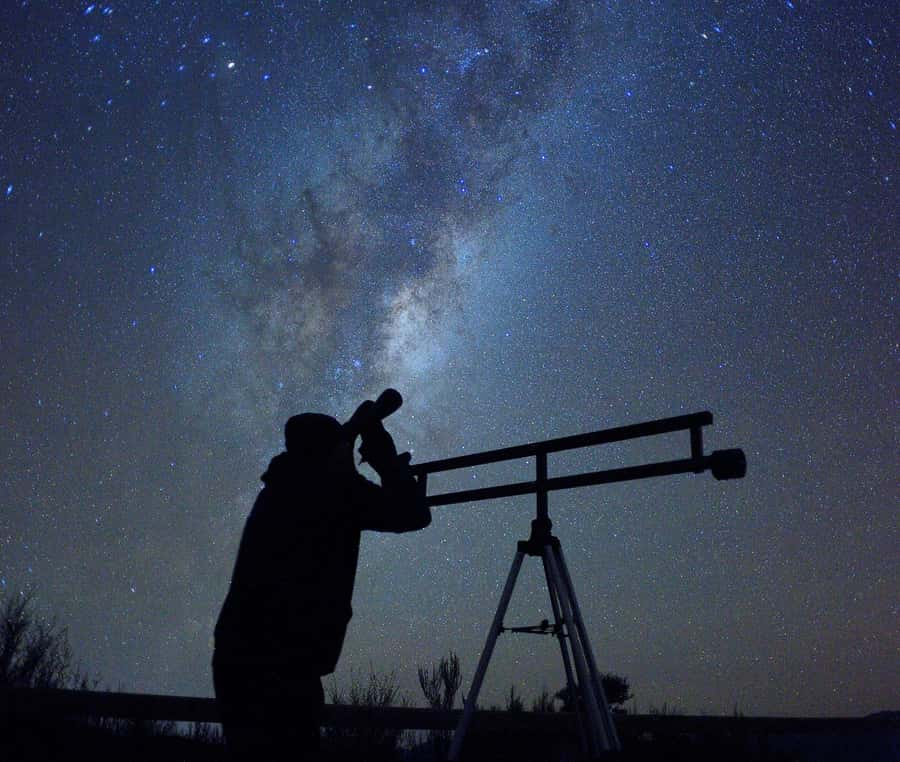
Hanmer Springs is a fine place to look up, but this tour does more than point at a few bright stars. You begin with the Southern Cross and naked-eye navigation, then move to electronic and manual telescopes that can reveal objects such as the Omega Cluster and Sombrero Galaxy. I like the mix of clear instruction and hands-on equipment, plus the warm drinks and lounge chairs that make two hours outside much easier.
I also like the small group, capped at 10 people, and the setting among native forest rather than beside a busy road. The main catch is simple: weather controls the whole experience, and the late summer start can be as late as 10:00 PM. Bring proper warm clothing, even if the afternoon felt mild.
Key points at a glance
- Southern Hemisphere star skills: Learn to identify the Southern Cross and use a star finder to get your bearings.
- Several ways to observe: Switch between an electronically guided telescope, manual telescopes, and astro binoculars.
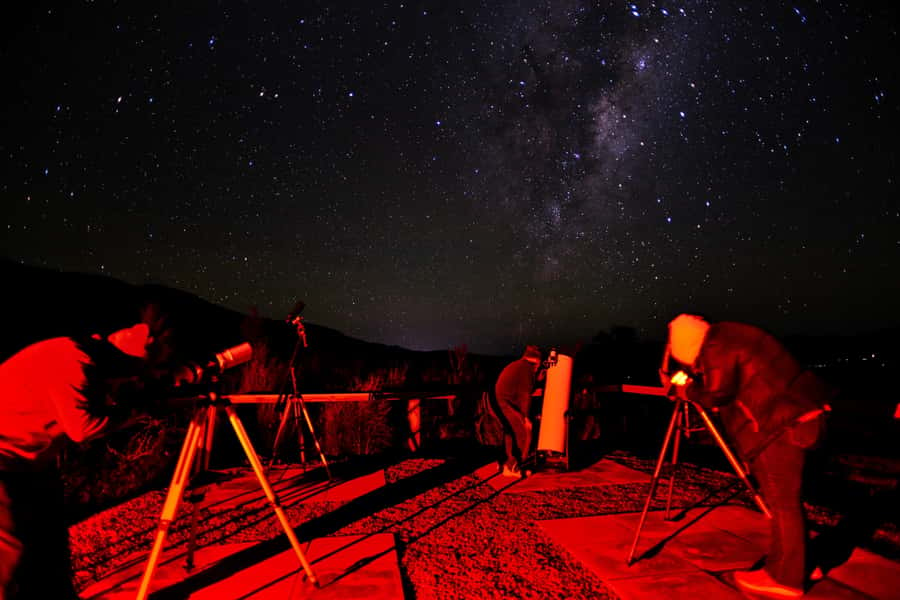
- A comfortable dark-sky base: Reclining lounges, blankets, hot drinks, snacks, and a complimentary red-light torch are included.
- A genuinely small group: The maximum of 10 people gives you more room to ask questions and try the equipment.
- Easy village transport: A free shuttle runs from the Jacks Pass Road stop beside the Hanmer Springs Thermal Pools.
- Flexible booking: The $77 price includes equipment, refreshments, transport, and a two-hour guided session, with cancellation allowed up to 24 hours ahead.
Leaving Hanmer Springs for the night sky
Your evening begins at the bus and shuttle stop on Jacks Pass Road, outside the public toilets and right beside the thermal pools. Parking is available next to the pickup point, so you can drive into the village and leave your car there while the tour runs.
The shuttle pickup is a small but useful detail. You do not need to find the dark-sky site yourself, and you can enjoy the experience without worrying about driving back after a late finish. The complete outing lasts about two hours from pickup to drop-off.
The starting time changes through the year. Winter departures typically begin around 7:30 PM, while summer starts can be around 10:00 PM. Check the exact time before booking, especially if you have an early start the next morning or young children in your group.
The site is described as being surrounded by native forest. That setting gives the evening a sense of separation from Hanmer Springs, though you should not expect a long walk or a wilderness expedition. The focus is the open night sky and the equipment, with the forest forming a quiet backdrop.
Other dark-sky nights around Christchurch:
- Christchurch: Lake Tekapo Stargazing & Mount Cook 2-Day Tour
★ 5.0 · 6 reviews - Lake Tekapo Stargazing & Mount Cook 2-Day Tour from Christchurch
★ 5.0 · 4 reviews - Lake Tekapo: Alpine Stargazing Experience with a Guide
★ 4.5 · 626 reviews
Hot drinks, snacks, and a sensible start
On arrival, you receive hot drinks and snacks before the main viewing begins. This is not a minor extra. Once the sun is down, even a calm evening can feel cold, and a warm drink gives you a useful break between looking through the scopes.
Blankets and lounge chairs are provided too. The chairs matter most when you use the astro binoculars, since you can recline and look upward without holding your neck at an awkward angle. This makes the session more relaxed than a standard telescope queue, where everyone takes a quick turn and steps away.
You still need to dress properly. Bring warm layers, a windproof jacket, gloves, and a hat. The operator specifically warns that conditions can change, and blankets are a backup rather than a substitute for outdoor clothing.
The tour does not permit alcohol or drugs. That rule is easy to understand at a small outdoor activity involving delicate equipment, darkness, and a shuttle ride.
First learn the sky without a telescope
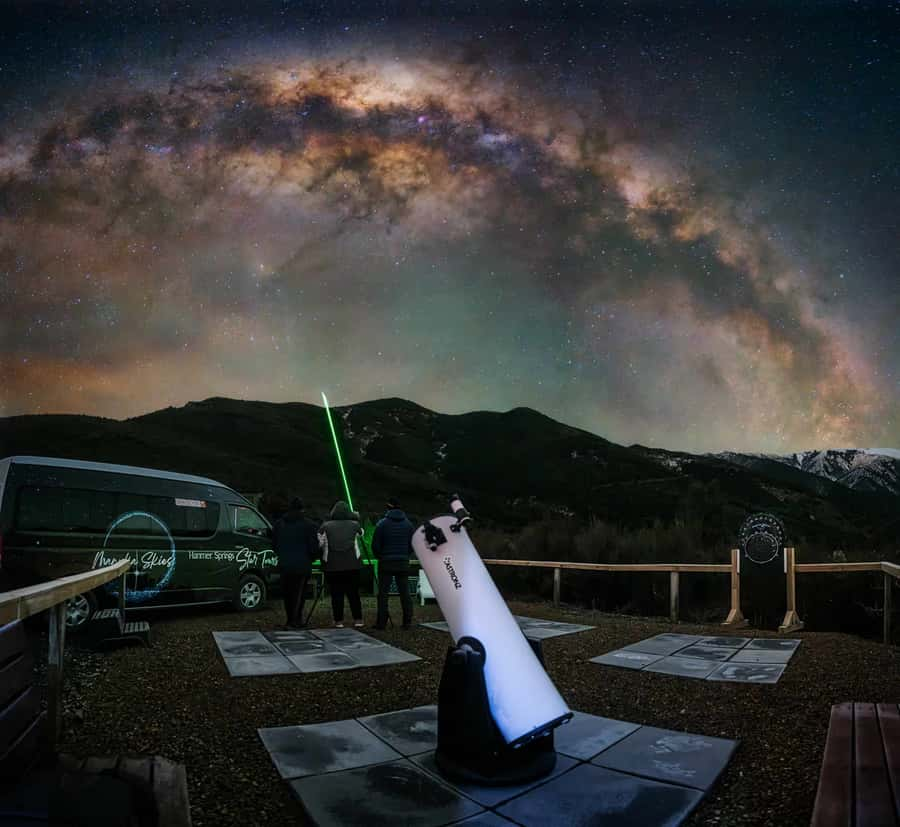
The guides start with the naked eye. This is one of the best choices in the program because it gives you a basic map before the machinery enters the picture.
You discuss stars and constellations, including the Southern Cross, one of the key shapes in the Southern Hemisphere sky. The goal is not just to hear a list of names. You begin to understand how the stars relate to one another and how you can use them to find your way around the sky.
That navigation element adds purpose to the evening. You can test yourself with an interactive star finder, then ask the guide for help when the shapes are harder to spot. You do not need previous astronomy experience, and the format should suit a first-time stargazer who wants more than a quick look through a telescope.
The English-speaking guides also add stories and history connected with the stars. The strongest praise for this part of the tour centers on the guides’ passion and clear explanations, so expect the human side of the experience to matter as much as the equipment.
The electronic telescope and distant targets
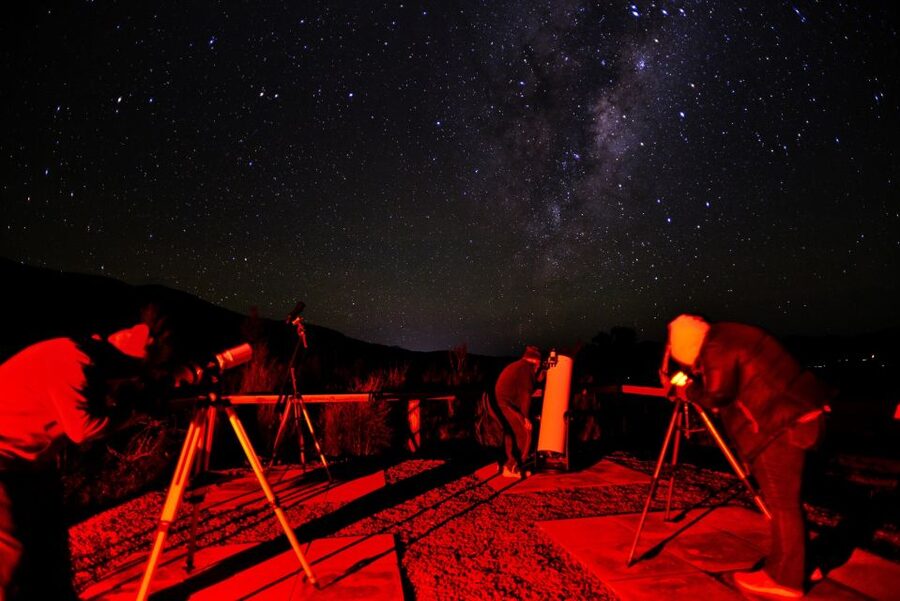
After the naked-eye introduction, you get close to the electronically guided telescope. This scope is used for deep-sky objects that are too faint or distant to see clearly with your eyes alone.
The listed examples include the Omega Cluster and the Sombrero Galaxy. You may not see every named object on every evening, since visibility depends on the season, conditions, and what is available in the sky at that time. Still, these examples show the scale of the session. This is not limited to identifying the Moon or a few bright stars.
An electronically guided telescope is helpful for a small group because it can locate and track targets without requiring you to know how to position the instrument yourself. The guide can explain what you are looking at, then give you time to study it.
The strongest value here is not just magnification. It is the chance to connect a faint shape in the eyepiece with a clear explanation of what it is. For many people, that makes the universe feel less abstract.
A few more things to do in Christchurch worth a look
- Full Day Guided Walking Tour and Picnic around Godley Head
★ 5.0 · 147 reviews - Akaroa: Guided Sunrise Sea Kayaking Tour
★ 4.8 · 59 reviews - Lyttelton Shore Excursion – Guided Walking Tour and Picnic
★ 5.0 · 57 reviews - Christchurch: Guided Crater Rim Walk with Coastal Scenery
★ 5.0 · 56 reviews
Manual telescopes for a more active session
The electronic scope is only one part of the equipment. Several manual telescopes are available for free use, giving you a more active role.
You can try finding objects yourself, with the guides nearby to help. This is a good fit if you enjoy learning by doing and do not mind a little trial and error. It also prevents the evening from becoming a passive demonstration.
The manual scopes may be less immediately simple than the electronic telescope. You will need to follow instructions and adjust your view, and not every person in your group will want the same level of involvement. That is why the mix works well: you can spend time with the guided scope, then use the manual equipment when you feel ready.
The tour also includes astro binoculars. Used from the lounge chairs, they offer a wide, comfortable view of the sky. They do not replace the telescope for faint deep-sky objects, but they can help you see star patterns in a more natural way.
Testing your navigation skills from a lounge chair
The lounge setup is a pleasant touch. Lie back, use the binoculars, and work with the interactive star finder while the guides offer help.
This part gives the evening a gentle rhythm. You are not standing in one spot the whole time, waiting for a turn or holding a telescope at eye level. You can look up, compare what you see with the finder, and ask questions as you go.
It is also where the tour feels most accessible to beginners. The equipment may sound technical, but the activity is broken into manageable steps. First you learn a few points in the sky. Then you test your memory and orientation. After that, you can try the scopes with more confidence.
You receive a red-light torch to use during the session. Red light is useful because it helps you move around and read information without being as harsh on your night vision as a bright white torch. You also receive an information brochure covering what you have learned, which gives you something practical to take away from the evening.
What the small group means for your visit
The group limit is 10 people. That is small enough for the guide to help with the star finder, answer questions, and give people time on the equipment.
A small group does not guarantee that every person will spend equal time at every telescope. That depends on the number of people who want to use each item and on the night’s conditions. Still, the cap is more encouraging than a large coach group if you want to ask about a constellation or need help setting up a manual scope.
The experience is guided in English. If you want a quiet, self-directed viewing session with no explanations, this may feel more structured than you need. If you want to understand what you are seeing, the guidance is part of the price.
The tour has received a perfect 5.0 rating from the four listed ratings, with particular praise for the guides’ interesting explanations, passion, and knowledge of stars and history. That is a small sample, so I would not treat it as a guarantee, but it does point to the teaching style as a major strength.
Is $77 a fair price?
At $77 per person, this is not the cheapest way to spend an evening in Hanmer Springs. You could look at the sky for free from many outdoor spots, provided you have a clear view and know what to look for.
The price becomes easier to justify when you count what is included: shuttle transport from the village, an English-speaking guide, all telescopes and binoculars, lounge chairs, blankets, hot drinks, snacks, a red-light torch, and an information brochure. You are paying for access to a dark-sky location and for help making sense of what you see.
The guided instruction is the main value. A dark sky alone does not tell you which object is the Southern Cross or how to locate a galaxy. The electronic telescope and manual equipment also give you options that most casual sky watchers will not have with them.
I would consider it good value for someone who has a real interest in astronomy, enjoys practical instruction, or wants a distinctive evening activity in Hanmer Springs. It is less compelling if you mainly want a short look through a telescope and do not care about the explanations or hands-on parts.
Timing, weather, and comfort
The weather is the key risk. If conditions are too poor for the tour to proceed, you are notified 30 minutes before departure. That late decision makes sense for stargazing, since skies can change, but it means you should avoid planning a tightly timed dinner or another fixed activity immediately afterward.
Summer departures around 10:00 PM can be very late for families with young children. Winter starts around 7:30 PM may be easier for an early bedtime, although winter also means colder conditions. Check the seasonal start time when you choose your date.
Bring more warmth than you think you need. A hat and gloves are specifically recommended, along with a windproof jacket. Blankets, hot drinks, and lounge chairs help, but you will enjoy the experience more if your feet and hands stay warm.
The activity is not suitable for wheelchair users. That is an important practical limitation to check before booking. The tour is otherwise designed as a small outdoor experience, with shuttle pickup and drop-off within Hanmer Springs Village.
Free cancellation is available up to 24 hours in advance, and you can reserve now and pay later. Those terms help when your New Zealand route is still changing, though the weather decision is made much closer to departure.
Who will enjoy this Hanmer Springs stargazing tour?
I would choose this for couples, families with older children, and anyone who likes learning a little while doing something special at night. The mix of storytelling, navigation, telescopes, and binoculars keeps the session varied.
It is also a good choice for people who do not know much about astronomy. You are not expected to arrive with star charts or technical skills. The guide begins with the naked eye and builds from there.
You may prefer another activity if you dislike late nights, cold outdoor conditions, or any program that depends on clear weather. The two-hour length is reasonable, but it is still a full evening commitment once you include pickup and return.
The experience works best when you arrive ready to participate. Try the star finder, ask questions, and use the manual telescopes rather than waiting for the electronic scope to do everything. That hands-on approach is where this tour offers more than a simple look at the sky.
Should you book it?
Book this tour if you want an organized, beginner-friendly introduction to the Southern Hemisphere night sky, with proper equipment and a guide who can explain the stars clearly. The small group, lounge chairs, hot drinks, and choice of telescopes make the $77 price reasonable for a focused two-hour outing.
Think twice if you need a guaranteed activity, dislike late starts, or are not prepared for cold weather. For everyone else, this is a thoughtful way to spend an evening in Hanmer Springs, especially if learning to recognize the Southern Cross sounds more appealing than simply taking a few photographs of the stars.
FAQ
Where does the Hanmer Springs stargazing tour meet?
The shuttle departs from the bus and shuttle stop on Jacks Pass Road, outside the public toilets and next to the Hanmer Springs Thermal Pools. Car parking is available beside the pickup point.
How long does the experience last?
The complete tour takes about two hours, including shuttle pickup and drop-off.
What time does the tour start?
Start times change with the season. They typically begin around 7:30 PM in winter and around 10:00 PM in summer. Check availability for the exact departure time on your date.
What equipment is included?
The tour provides an electronically guided telescope, manual telescopes, astro binoculars, an interactive star finder, and a complimentary red-light torch. Blankets and lounge chairs are also provided.
What should I wear?
Bring warm clothing, a windproof jacket, gloves, and a hat. Weather can be unpredictable, and blankets are supplied for extra comfort.
What happens if the weather is poor?
If the tour cannot go ahead because of poor weather, you are notified 30 minutes before departure. You can also cancel up to 24 hours before the tour for a full refund.
Just added in Christchurch
- Hanmer Springs Star Tours at Manuka Skies★ 5.0 · 11 reviews
- Amuri Jet Adventures – Hanmer Springs Quad Biking tour★ 5.0 · 49 reviews
- Waipara Valley Winery Tour Wine Tastings and Scenic Views★ 5.0 · 5 reviews
- Wine trail and Christchurch City – Luxury, Small Group Tour★ 5.0 · 15 reviews
- Willowbank Wildlife Reserve Day Entry★ 4.5 · 94 reviews
- Waimakariri River Jet Boating from Christchurch★ 4.0 · 9 reviews
- Arthur’s Pass Tour From Christchurch With Jet Boat & TranzAlpine★ 5.0 · 8 reviews
- Southern Alps Scenic★ 5.0 · 8 reviews
Stargazing Tours, compared.
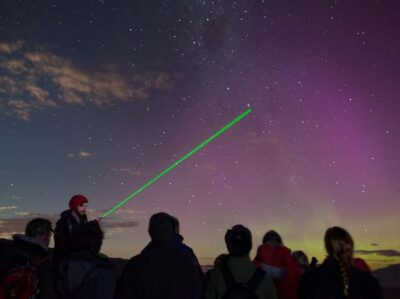

Mount John Observatory Stargazing Experience, Tekapo
Read our review →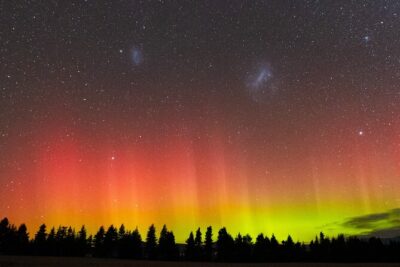
Silver River Stargazing Experience in Lake Tekapo
Read our review →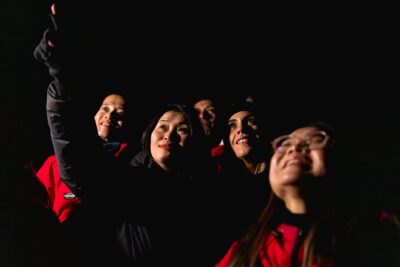
Stargazing Experience at Cowan’s Private Observatory
Read our review →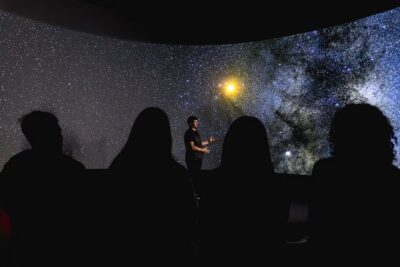
Dark Sky Indoor Maori Cultural Astronomy Experience
Read our review →Browse the lists this tour appears in