
Reviewed · MOUNT COOK & LAKE TEKAPO TOURS
Mount Cook Alpine Explorer Helicopter Flight with Alpine Landing
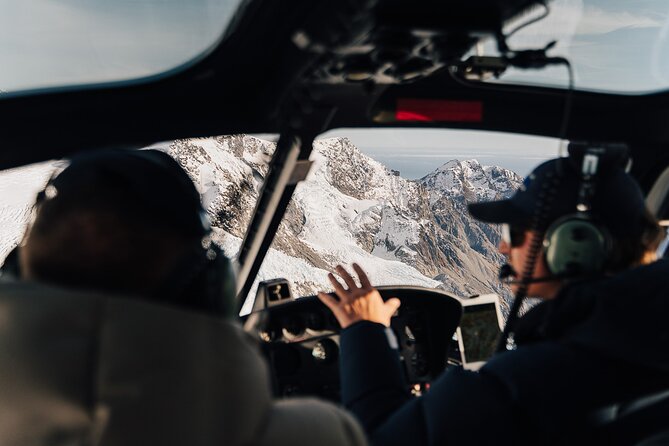
A snow landing high above Aoraki Mount Cook is the memorable heart of this flight. You rise over glacially scarred ridges, cross a mountain pass, and step out into the cold alpine air with New Zealand’s highest peak nearby. It is a rare chance to reach terrain that would take far longer, and far more effort, to access on foot.
I like the small six-person maximum, which gives the flight a more personal feel, and I like the pilot narration, especially when a pilot such as Greg or Dan points out glaciers, valleys, and ridgelines. The main catch is simple: the snow landing depends on the season and weather, and poor conditions can cancel the entire flight.
Key points to know before you book
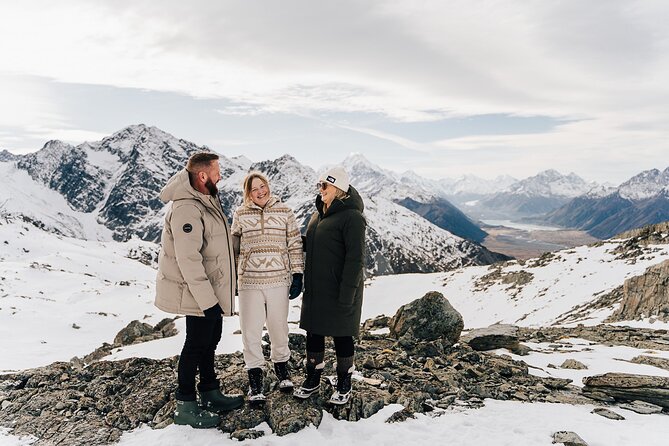
- The snow landing lasts about 10 minutes, giving you time to step out, take photographs, and look across Aoraki Mount Cook National Park.
- The flight begins at Glentanner Park, not directly in the village center, so allow time to reach the helicopter base.
- The route covers the Ben Ohau Range, Southern Alps, Tasman Valley, and Lake Pukaki, with the exact path shaped by weather.
- The helicopter carries up to six passengers, making this a more intimate flight than a large sightseeing aircraft.
- Snow is not guaranteed, especially during warmer months. You may land on an alpine site without a snowy surface.
- Weather and minimum passenger numbers matter, so keep some flexibility in your New Zealand itinerary.
A short flight with a very big view
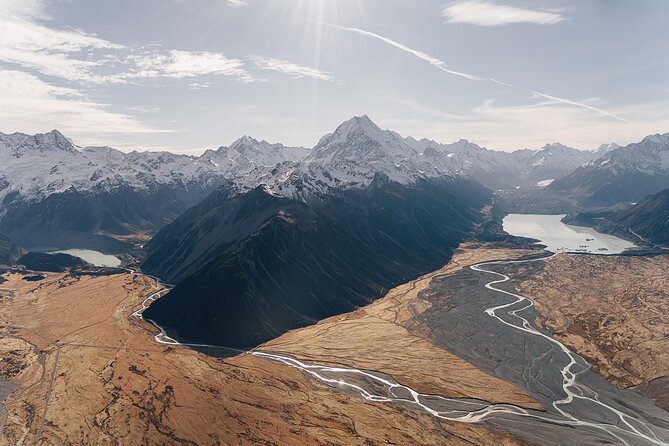
The Mount Cook Alpine Explorer is designed for people who want the drama of a helicopter flight without committing to a long, expensive expedition. The total trip takes about 35 minutes, including the alpine landing, with roughly 20 to 25 minutes in the air.
That short duration is useful if you are touring the South Island by car and have a full day planned around Aoraki Mount Cook. You get a strong sense of the region from above, rather than spending hours on a single activity. At the same time, the brief flight means the experience is tightly packed. You will not have long to settle in before the helicopter is crossing ridges and valleys.
The aircraft is a twin-engine helicopter with room for up to six passengers. That capacity matters. The trip feels more focused than a large sightseeing operation, and the pilot can provide direct commentary about what you are seeing. The exact seating arrangement and view from each seat can vary, so avoid assuming that one passenger will have a completely unobstructed view throughout the flight.
Your meeting point is The Helicopter Line at Glentanner Park on State Highway 80. The activity returns to the same place. You receive confirmation when booking, and the mobile ticket makes the check-in process straightforward.
More scenic helicopter flights in Mount Cook:
- Mount Cook: Scenic Helicopter Flight with Alpine Landing
★ 4.8 · 442 reviews - Mount Cook: Ski Plane and Helicopter Glacier Combo Flight
★ 4.6 · 271 reviews - Mount Cook: 3-Hour Tasman Glacier Helicopter Ride and Hike
★ 4.9 · 235 reviews
Leaving Glentanner Park for the Ben Ohau Range
After a safety briefing, you board and buckle in for the flight. The first major views open over the Ben Ohau Mountain Range, where steep ridges show the marks of ice and weather. From the ground, the mountains can appear like a solid wall. From the helicopter, you see the folds, gullies, and sharp changes in height that give the range its character.
The pilot’s commentary adds useful context. A flight over mountains can quickly turn into a blur of impressive peaks unless someone explains what you are looking at. The pilot helps connect the separate parts of the view: the ridges, the pass, the valleys, and the peaks of the Southern Alps.
I would pay close attention during this section because the flight moves quickly. If you want photographs, keep your camera ready, but do not spend the entire trip looking through a screen. The most striking views are often the broad ones, when the helicopter is high enough for the whole mountain system to come into view.
The aircraft may take an alternative route when conditions or visibility make it more suitable. That can change the balance of the flight, sometimes bringing you closer to Aoraki Mount Cook. Flexibility is useful here. The route is not simply a fixed line on a map, and the pilot has to work with mountain weather.
Crossing the Southern Alps toward Aoraki Mount Cook
The flight then heads toward a mountain pass through the Southern Alps. This is where the scale of the area becomes clear. You are not just looking at one famous summit. You are seeing the connected ranges, the broad valleys shaped by glaciers, and the high country surrounding Aoraki Mount Cook.
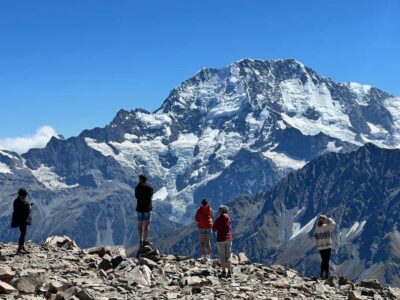
Aoraki Mount Cook rises to 3,724 metres, or 12,217 feet. Māori named it the cloud piercer, an apt name for a summit that often appears and disappears behind cloud. The mountain can look very different from the air than it does from a valley track. You gain a higher viewpoint and a wider sense of how the peak fits into the surrounding country.
The route may include views of glaciers and snowfields, though the exact sights depend on cloud and the chosen flight path. The flight is not a substitute for a longer mountain tour, but it gives you access to steep terrain that is otherwise difficult to reach. For many people, that is the central value of the experience.
A scenic flight can also be useful if your time in the national park is limited. A walk along the valley floor gives you a close view of rivers and peaks. This helicopter trip gives you height, distance, and a view across several valleys at once. The two experiences answer different questions about the park.
The alpine landing in Mount Cook National Park
The most unusual part of the trip is the landing in Aoraki Mount Cook National Park. The helicopter sets down at an alpine site, and you have about 10 minutes outside. When snow conditions are right, you can step onto a snowfield, walk a short distance around the aircraft, and take photographs with the mountains around you.
Ten minutes is not long, but it is enough to change the feel of the trip. You are no longer watching the mountains through a helicopter window. You are standing in the high country, with the cold air, open space, and snow underfoot. The pilot can also help with photographs, which is useful when everyone wants a picture of the moment.
Do not expect a full glacier walk or a long mountain excursion. One part of the experience that can surprise people is the difference between a snow landing and walking on a glacier. You may land on snow without actually exploring glacial ice. The stop is a scenic pause, not a technical alpine activity.
The landing surface also varies by season. A flight may operate safely and still stop at an alpine site without snow. That is an important distinction. If your main goal is to touch snow, ask about seasonal conditions before booking and keep in mind that the operator cannot guarantee a snowy surface. Some passengers have found that the scenic flight alone still felt worthwhile, while others felt a snow-focused booking should have been explained more clearly.
Wear warm clothing and sturdy footwear. Even if the helicopter cabin feels comfortable, the landing site can be cold and exposed. Sunglasses are sensible because bright snow can be hard on your eyes. Children under 15 kilograms must sit on a parent’s lap, and children must be accompanied by an adult.
Other Mount Cook and Tekapo days:
- Mt Cook Small Group Scenic Day Tour from Queenstown
★ 5.0 · 407 reviews - Mt Cook & Tasman Glacier lookout Small Group Tour from Queenstown
★ 5.0 · 296 reviews - Mount Cook: 3 Hour Heli Hike to the Tasman Glacier
★ 4.7 · 218 reviews - Mount Cook and The Glaciers 55-Minute Helicopter Flight
★ 4.5 · 133 reviews
Looking down the Tasman Valley
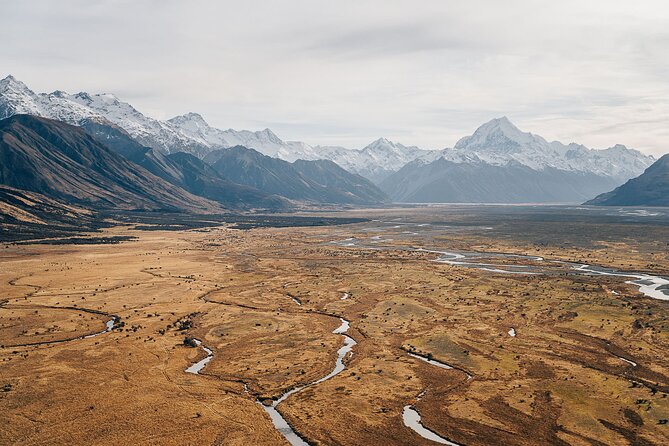
The return flight looks toward the Tasman Valley and Lake Pukaki. This gives you another kind of view, with the valley stretching below and rivers winding through the mountain country. From above, the routes of ice and water are easier to read than they are from the road.
The Tasman Valley is also one reason this flight offers more than a close view of Aoraki Mount Cook. The scenery changes as the helicopter moves from steep peaks and alpine snowfields toward larger valleys and the blue water of Lake Pukaki. You get contrast rather than a single repeated mountain view.
Pilot narration is especially useful on the return. The flight time passes quickly, and a clear explanation helps you place the valley, glaciers, and ranges in relation to one another. Pilots Greg and Dan have both been praised for giving informative commentary and helping with photographs, though your pilot will depend on the day.
The helicopter then returns to Glentanner Park. The complete experience is short enough to fit into a busy itinerary, but you should avoid scheduling an important departure immediately afterward. Mountain weather can affect timing, and poor conditions can prevent the flight from operating.
How much value do you get for $359.62?
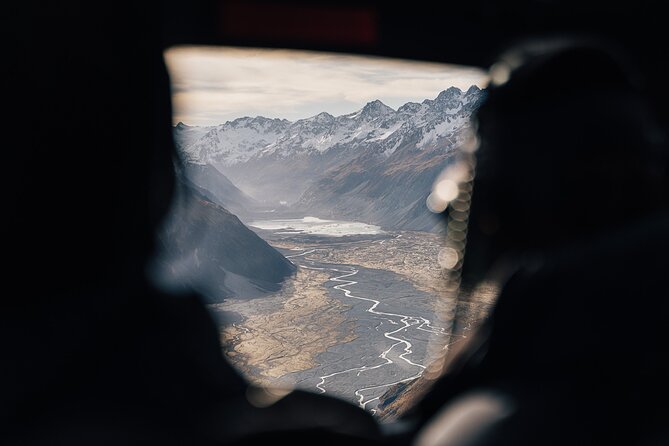
At $359.62 per person, this is a major holiday expense. You are paying for access, not just transport. The helicopter reaches high alpine terrain in minutes, and the landing gives you a brief physical connection with a part of the national park that most people see only from below.
The price makes the most sense if you value three things: aerial views, a small group, and the possibility of stepping onto a snowfield. It is also a practical choice if you have limited time and want to see the Ben Ohau Range, Southern Alps, Aoraki Mount Cook, and Tasman Valley in one compact outing.
The value is weaker if you are booking mainly for guaranteed snow. Snow is seasonal, and the weather can cancel or alter the plan. A scenic flight without snow can still be beautiful, but you should compare it with other flight options and understand what you are actually paying for.
There is also a practical risk in relying on a single flight during a tightly planned road trip. Flights have been cancelled because of wind, cloud, and other poor conditions. Keep a spare block of time if you can. If the operator cancels for weather or does not reach the minimum number of passengers, you are offered another date or experience, or a full refund.
The standard cancellation policy allows a full refund when you cancel at least 24 hours before departure. Changes or cancellations inside that window are not accepted for a refund, so check the local cut-off time carefully.
Who will enjoy this helicopter flight most?
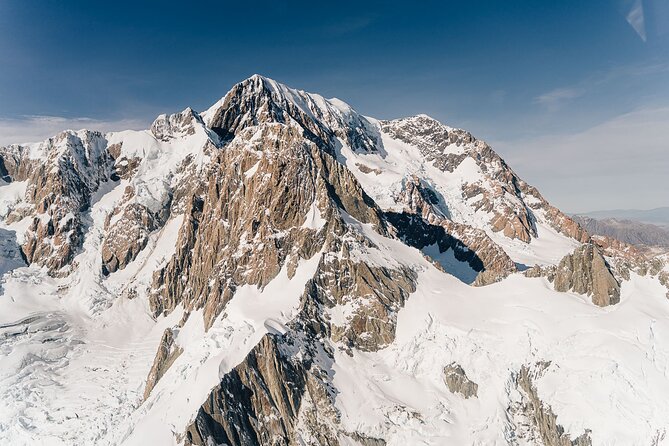
I would choose this experience if you want a clear, memorable overview of Aoraki Mount Cook National Park and do not have the time or ability to reach high alpine terrain on foot. It suits couples, families, and small groups who want something more personal than a large sightseeing flight.
It is also a good fit for photographers, provided you accept that the flight moves quickly and weather controls the view. The landing adds a useful pause for photographs, and the pilot may help take pictures. Bright snow, steep ridges, and broad valleys offer plenty of visual variety.
Families can participate, but the weight and seating rules matter. The total weight limit is 276 pounds per passenger, and children under 15 kilograms sit on a parent’s lap. Ask the operator if your group has any concerns about seating or weight before arrival.
I would think twice if you need a guaranteed snow experience, dislike weather-dependent plans, or want a long time outside the helicopter. This is a short scenic flight with a brief alpine stop, not a glacier hike or an extended mountaineering outing.
Practical advice for making the flight count
Try to book when your schedule has some flexibility. The company requires good weather, and the region can change quickly. A foggy morning at Glentanner may lead to a delay or a change in operating location, while stronger wind can ground all helicopters.
Arrive prepared for two different temperatures. The cabin may be comfortable, but the alpine landing can be cold. Wear layers, warm clothing, and suitable shoes. Sunglasses are especially useful if you land on bright snow.
Keep your expectations precise. The advertised flight lasts about 35 minutes, but only around 20 to 25 minutes are spent flying. About 10 minutes is set aside for the alpine landing. That is enough for a taste of the high country, but not enough for a long walk or a relaxed picnic.
If you want a longer aerial experience, a 40-minute flight or a departure from the Mount Cook aerodrome may be worth comparing. The shorter Glentanner flight can still bring you close to Aoraki Mount Cook, especially when the route is adjusted for the day’s conditions.
Should you book the Mount Cook Alpine Explorer?
Book it if you want the quickest way to see the mountain country around Aoraki Mount Cook from above, and if a possible snow landing sounds like an exciting bonus rather than a guarantee. The combination of pilot narration, a maximum of six passengers, a high alpine stop, and views toward Lake Pukaki gives the short flight real substance.
Skip it if your budget is tight or if the snow landing is the only reason you are interested. At $359.62, this is expensive for 35 minutes, and weather can cancel the whole outing. But if you can afford the cost and leave room for mountain conditions, this is one of the most efficient ways to experience the scale of the Southern Alps.
FAQ
How long does the Mount Cook Alpine Explorer flight take?
The total experience takes about 35 minutes, including the alpine landing. Actual flight time is approximately 20 to 25 minutes.
Where does the helicopter flight start?
It starts at The Helicopter Line at Glentanner Park, State Highway 80, Glentanner 7999, New Zealand.
Where does the activity finish?
The helicopter returns to the meeting point at Glentanner Park.
Is the snow landing guaranteed?
No. The landing is weather dependent, and snow depends on the season and conditions on the day.
How long do you spend outside the helicopter?
The alpine landing lasts approximately 10 minutes.
How many people can join the flight?
The helicopter carries a maximum of six travelers.
What should I wear?
Warm clothing and suitable footwear are recommended because temperatures at the alpine landing can be cold.
Can children join the flight?
Children must be accompanied by an adult. Children under 15 kilograms are required to sit on a parent’s lap.
What happens if bad weather cancels the flight?
You are offered a different date or experience, or a full refund. A minimum number of passengers is also required for the flight to operate.
Just added in Mount Cook
- Skydive Mt. Cook – 70+ Seconds of Freefall from 16,500ft★ 5.0 · 5 reviews
- Mt Cook to Christchurch One-Way Small Group Tour via Lake Tekapo★ 5.0 · 16 reviews
- Skydive Mt. Cook – 45+ Seconds of Freefall from 13,000ft★ 5.0 · 14 reviews
- Mount Cook: Mountains High 40-Minute Helicopter Flight★ 5.0 · 53 reviews
- Skydive Mt. Cook – 20+ Seconds of Freefall from 10,000ft★ 5.0 · 5 reviews
- Mt Cook & Lake Tekapo 2-Day Small Group Tour from Queenstown★ 5.0 · 15 reviews
- Mt Cook to Queenstown Small Group Tour (One-Way)★ 4.5 · 25 reviews
- Mount Cook: Alpine Vista Helicopter Flight with Alpine Landing★ 4.5 · 39 reviews
Mount Cook & Lake Tekapo Tours, compared.
Mt Cook Small Group Scenic Day Tour from Queenstown
Read our review →
Mount Cook, Lake Tekapo and Tasman Glacier Tour from Christchurch
Read our review →
Tekapo Shuttle: Mt Cook Day Tour via Pukaki & Tasman Lake
Read our review →
Mt Cook & Tasman Glacier lookout Small Group Tour from Queenstown
Read our review →Browse the lists this tour appears in