
Reviewed · MAORI CULTURAL EXPERIENCES
Te Puia: Te Rā Guided Day Tour
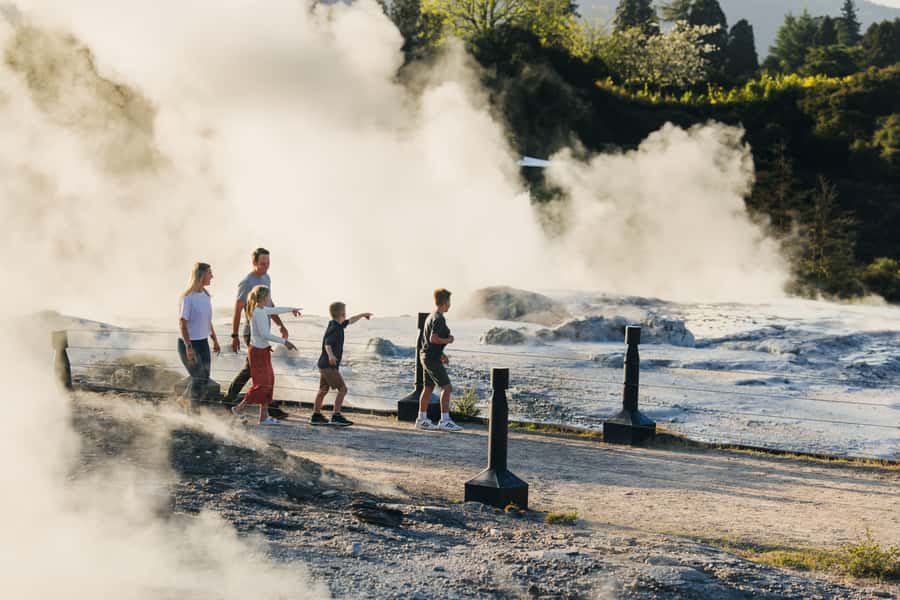
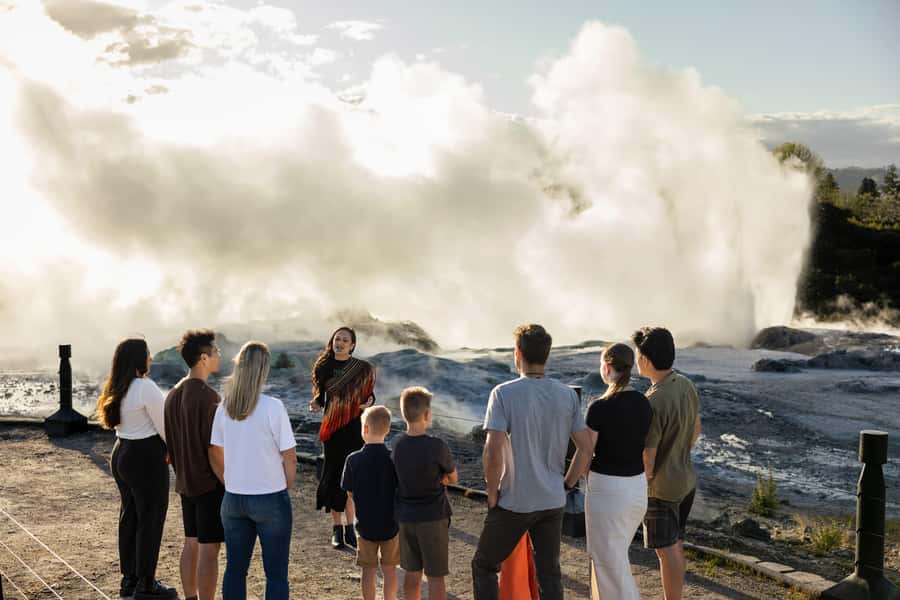
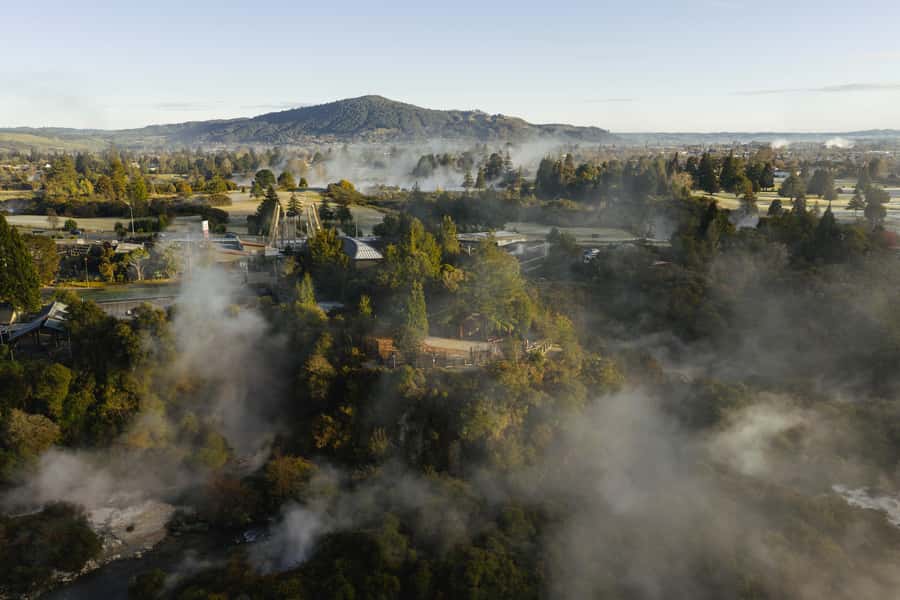
Pōhutu Geyser is the star here. It can erupt repeatedly, sending steam and water above the geothermal valley, while your guide explains the Māori meaning of the land around you. The tour then shifts from boiling mud and native bush to living culture at the Māori Arts and Crafts Institute, followed by a quiet look at kiwi in their nocturnal enclosure.
I like the clear mix of geothermal sights and Māori culture, and I like that your admission supports a working school where students learn carving and weaving. The main drawback is time: 90 minutes can feel tight, especially if you want more detail at the arts school or a longer look around the valley. Rain, steam and group size can also affect what you see.
Key points to know before you go
- Pōhutu Geyser is the main natural spectacle: Your guide helps you find good viewing places, but cold or wet weather can make the plume hard to see clearly.
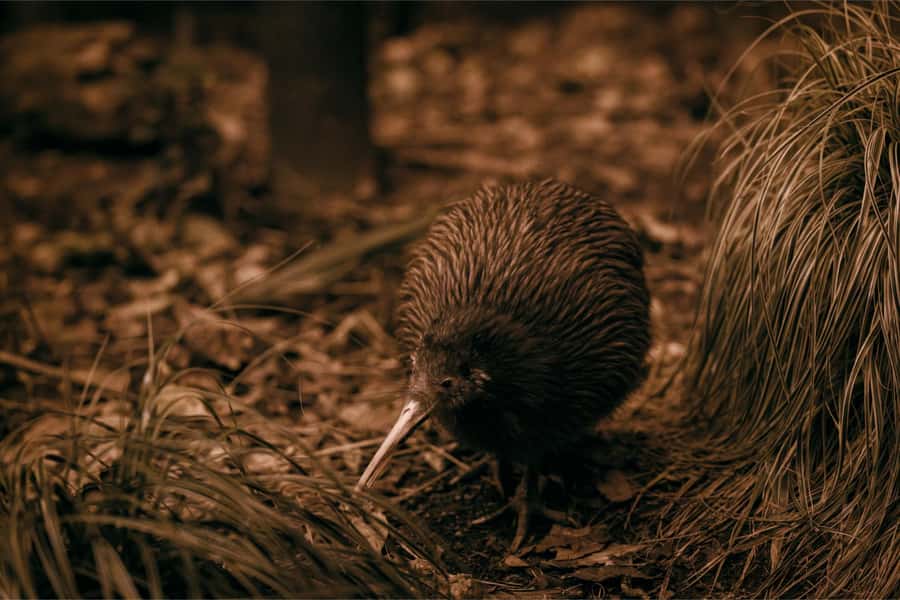
- The kiwi visit is brief but special: You enter a purpose-built nocturnal enclosure designed for this shy national icon.
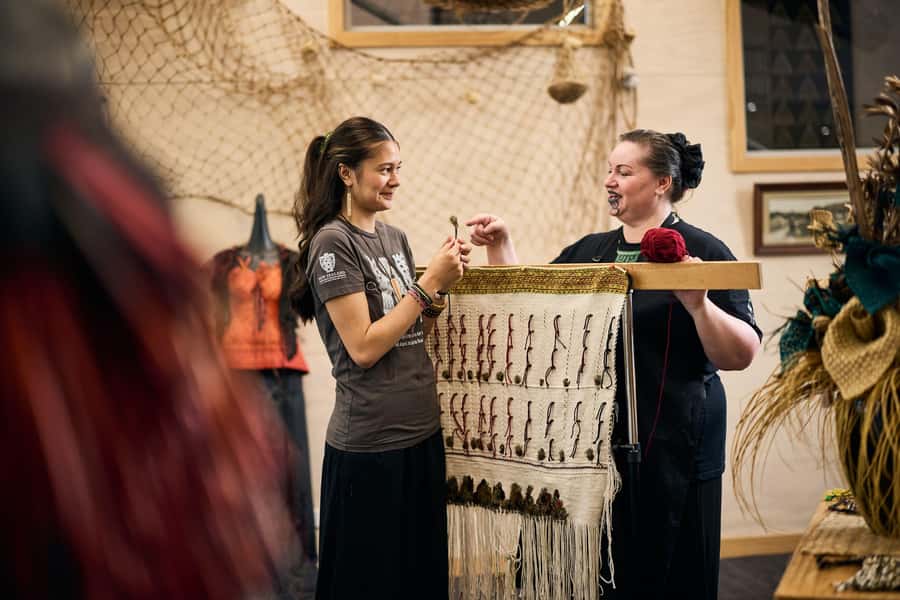
- The arts school is active, not just a display: You see traditional wood, stone, bone and weaving skills being taught.
- Guides make a big difference: Past tour guides include Makaere, Paul, Michael, Nate, Mita and Kohu, with repeated praise for their humor, warmth and strong grasp of Māori heritage.
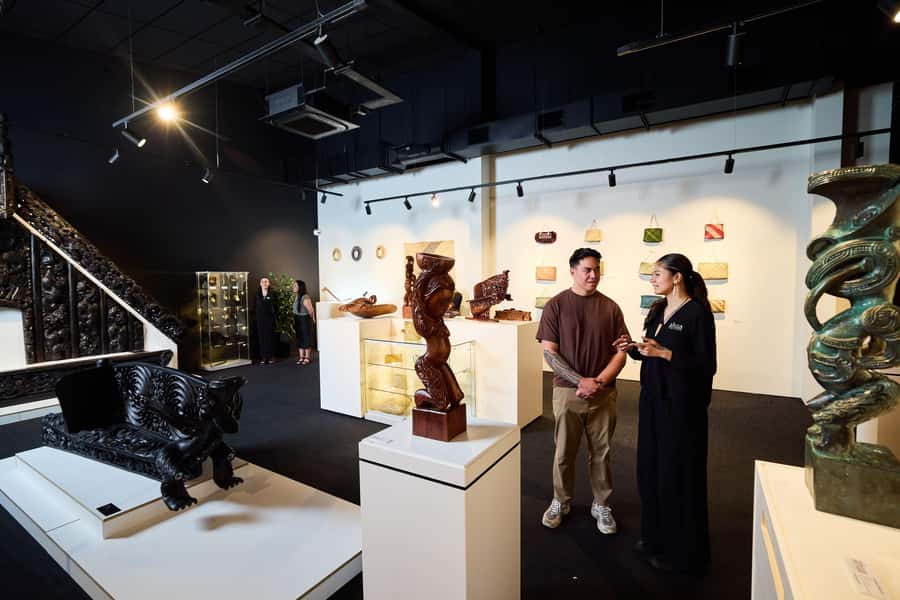
- The tour returns to Te Puia: You can spend more time on site afterward, including at the gift shop and Āhua Gallery.
- Wear practical shoes: Paths through a geothermal valley can be uneven or wet, and the tour moves at a steady pace.
Why Pōhutu Geyser gives this tour its spark
Rotorua has several geothermal attractions, but Te Puia brings the natural features together with Māori culture and conservation. That combination gives your visit more shape than a simple walk past hot pools.
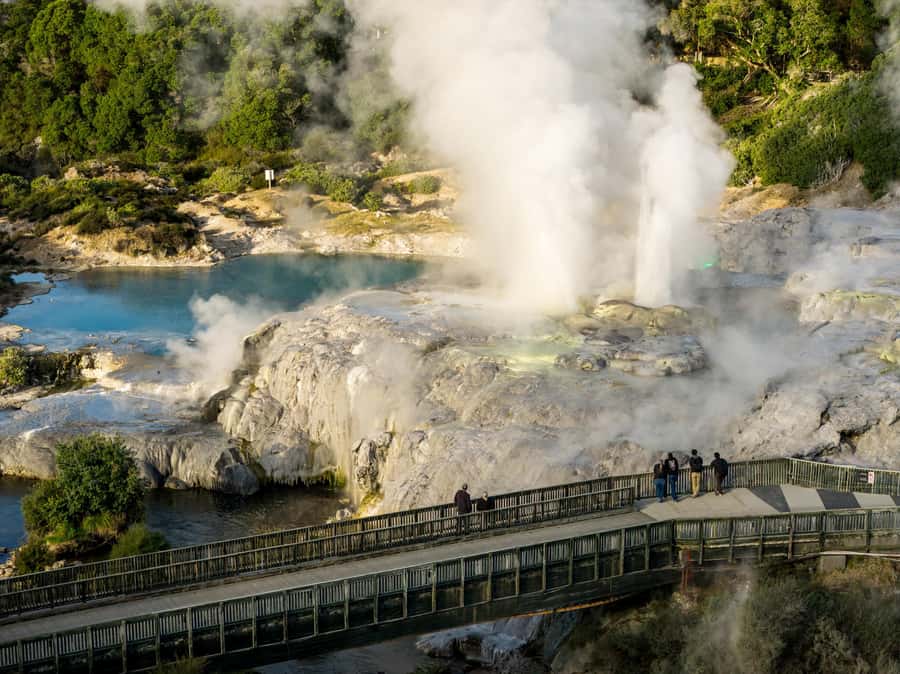
The first major stop is Pōhutu Geyser, the largest active geyser in the Southern Hemisphere. Eruptions are not something you should treat like a timed stage show, yet the geyser is active enough to provide a strong chance of seeing steam and water rise during your visit. Guides may also suggest the best place to stand, which matters when a plume is partly hidden by wind or cold-weather steam.
The valley includes bubbling mud, geysers, hot water and native bush. These sights are close enough to fit into a compact tour, but the ground is doing several different things at once. You might see mud quietly blipping away in one pool and a forceful burst of steam nearby.
I like the way the guide gives meaning to these sights instead of leaving you to stare at them without context. The geothermal activity is not just scenery. It is part of the character of Rotorua and part of the setting in which local Māori traditions developed.
The weather matters. One visitor had a good experience in the rain, while another found that cold, wet conditions made Pōhutu’s full plume hard to see because steam filled the view. Bring a light rain layer and wear shoes you can walk in comfortably. An umbrella may be useful, though it is worth remembering that you need to keep your attention on the path and the guide in a moving group.
Other Maori cultural experiences around Rotorua:
- Mitai Maori Village: Cultural Experience and Dinner Buffet
★ 4.7 · 3,575 reviews - Cultural Experience & Seasonal Māori Cuisine at Te Pā Tū
★ 5.0 · 1,546 reviews - Mitai Maori Village Cultural Experience in Rotorua
★ 4.5 · 1,294 reviews
The 90-minute route and what you actually see
The experience begins and ends at Te Puia in Rotorua. You need to arrive 15 minutes before departure, then join an English-speaking guide for the 90-minute walk.
The route is designed as a guided introduction rather than a long, open-ended visit. Expect the guide to lead you through the geothermal valley first, explain the features along the way, and bring you to the Kiwi Conservation Centre and the Māori Arts and Crafts Institute.
The order and exact amount of time at each point can vary, but the experience has three clear parts:
- Geothermal valley
- Kiwi Conservation Centre
- Māori arts and crafts school and Āhua Gallery
That structure works well if you want a broad first look at Te Puia. It is less suited to you if your priority is detailed geology, extended wildlife viewing or a slow examination of every artwork.
Large groups can affect the experience. One person found it difficult to hear the guide in a big group and suggested a microphone or radio system. If you are at the back, stay close enough to hear the explanations, especially outdoors where wind and geyser noise compete with the guide’s voice.
A quiet kiwi encounter in the conservation centre
The Kiwi Conservation Centre is one of the strongest reasons to choose this tour. Kiwi are nocturnal, shy and difficult to spot in the wild, so the specially designed dark enclosure gives you a realistic chance to see one at close range.
This is not a noisy animal attraction. You enter a controlled setting built around the bird’s needs, then look carefully for movement in the dim light. Your guide explains the conservation work and the importance of protecting New Zealand’s national icon.
Keep your expectations sensible. A kiwi sighting is never the same as watching a large animal in an open enclosure. The bird may be moving quietly, partly hidden or easy to miss if you rush. I would treat this as a valuable opportunity rather than a guaranteed photo stop.
The kiwi section also changes the pace of the tour. After the heat, steam and noise of the geothermal valley, the darker enclosure asks you to slow down. That contrast helps the conservation message land.
If you are visiting Rotorua with children, the kiwi may be the most memorable part for them. Adults who care about wildlife will also appreciate that the visit connects a famous symbol of New Zealand with an active conservation centre, rather than presenting the bird as a simple attraction.
Māori carving, weaving and a working school
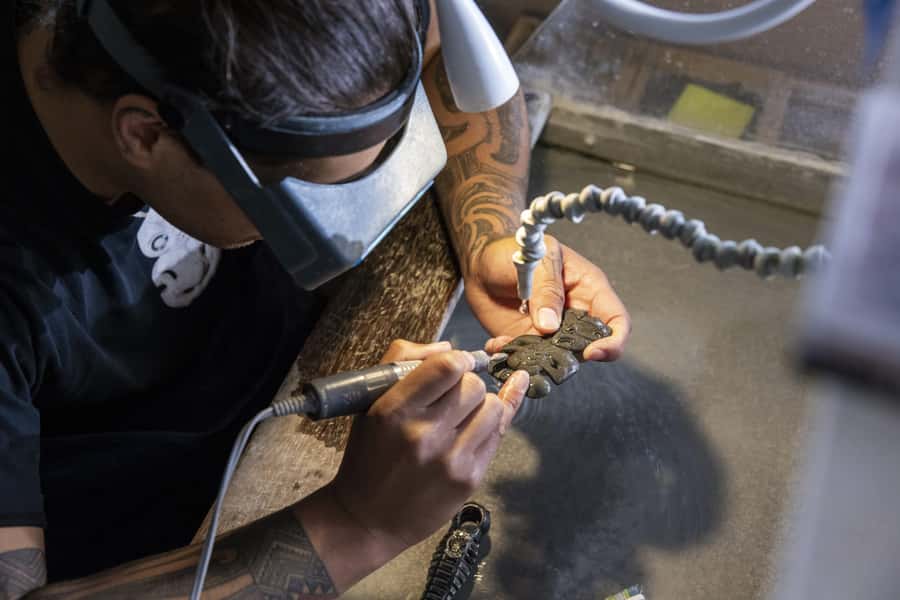
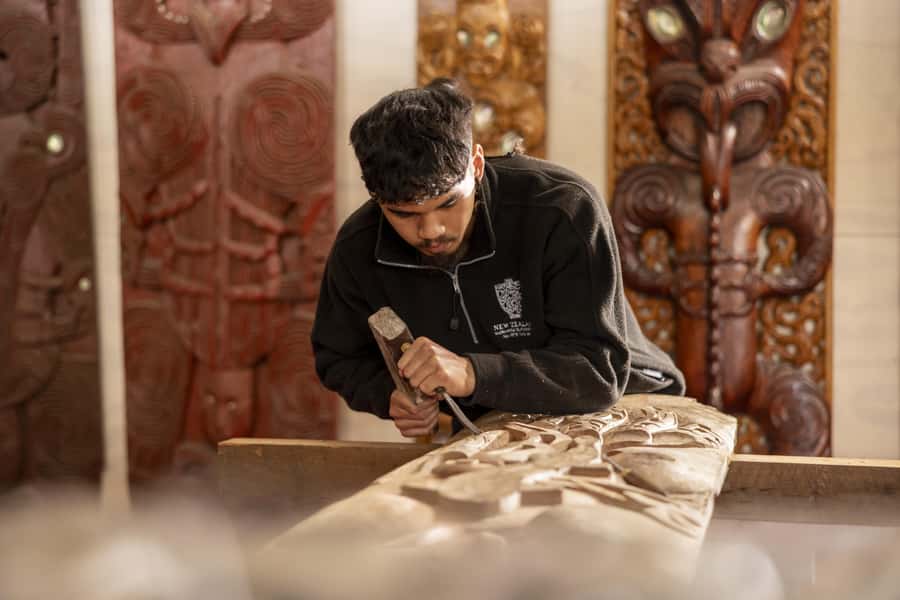
The New Zealand Māori Arts and Crafts Institute gives the tour its cultural heart. This is a school where students learn traditional skills in weaving and wood, stone and bone carving. You are not only looking at finished objects. You are seeing techniques continue through teaching and practice.
The carving rooms can be especially interesting because the craft is precise and physical. Your guide explains the materials, methods and cultural ideas behind the work. The Māori traditions presented here are connected to people and place, not separated into a display case with no explanation.
The school is also the part most likely to feel rushed. Some people want more time to look at the carvings and displays, while the group needs to stay on schedule. If the arts side interests you most, pay close attention during the guided portion and plan to spend extra time at Te Puia afterward if your ticket and schedule allow.
The Āhua Gallery is included, adding another place to see Māori art and design. The gift shop also gives you time to browse and buy presents, including locally connected craft items. That can be useful if you want a meaningful souvenir, though a shopping stop may feel less important if you came mainly for the geysers.
A particularly good feature is the link between admission and the school. Your $59 ticket is not paying only for a walk around hot pools. It also helps support an institution that teaches Māori arts and keeps those skills in active use. That gives the price more weight than a standard sightseeing entry ticket.
A few more things to do in Rotorua worth a look
- Rotorua: Hell’s Gate Outdoor Mud Spa & Guided Walk
★ 4.7 · 1,140 reviews - Rotorua Duck Boat Guided City and Lakes Tour
★ 5.0 · 604 reviews - Whakarewarewa Village Guided Tour
★ 4.5 · 477 reviews - Te Puia: Te Rā Guided Experience
★ 4.5 · 332 reviews
The guides shape the whole experience
The quality of the tour depends heavily on the person leading it. The named guides associated with this experience include Makaere, Paul, Michael, Nate, Mita and Kohu. The strongest praise centers on their clear explanations, humor, warmth and pride in Māori heritage.
That matters because Te Puia covers several subjects in a short period. You move from geothermal science to conservation and then to cultural history. A flat delivery would make that feel like three unrelated stops. A lively guide can connect them and help you understand why the whole site matters.
Michael was especially noted for his care for the environment, while Paul was described as both entertaining and well informed. Makaere received warm praise for being friendly and capable. Other guides, including Nate, Mita and Kohu, were also singled out for making the tour engaging.
Guides have different styles, so you should not expect an identical presentation every time. The common thread is a personal connection to the material. You may hear ancestral stories, explanations of Māori traditions and practical advice about where to stand for the geyser.
That human element is one of the best reasons to choose the guided format over simply walking around on your own. You get interpretation as the sights appear, not after you have already passed them.
Value at $59 per person
At $59 per person, the tour is reasonably priced if you want all three elements: geothermal features, kiwi conservation and Māori arts. Buying separate admission to several attractions could cost more, and you would lose the guide’s explanations between stops.
The value is strongest for a first visit to Rotorua. In 90 minutes, you receive an overview of Te Puia without giving up a full day. If you are fitting Rotorua between other North Island stops, that compact format is useful.
The value is weaker if you want to linger. The arts school deserves more time for careful viewing, and the geothermal valley can reward a slower walk. Some people found the route rushed, particularly around the geothermal area or the school. Fortunately, you can look around the site afterward, so check how much time your day allows before booking.
Food and drinks are not included, and hotel pickup and drop-off are not included. You make your own way to Te Puia in Rotorua. That is simple if you are already in town, but you need to build in travel time and arrive 15 minutes before the tour.
The booking terms are flexible: you can cancel up to 24 hours before the start for a full refund, and you can reserve now and pay later. Availability and starting times vary, so check the schedule before building the rest of your day around it.
Who should book this Te Puia tour?
I would choose this for you if you want a well-organized introduction to Rotorua that combines nature, culture and wildlife. It suits first-time visitors, families, short-stay visitors and anyone who prefers a guide to explain what they are seeing.
It is also a strong choice if Māori culture is a main reason for visiting New Zealand. The arts institute is more meaningful than a quick cultural performance alone because you see skills being taught and hear about the traditions connected to them.
You may want a different option, or extra time afterward, if you are a serious photographer, a geology enthusiast or someone who dislikes a fixed pace. The 90-minute schedule leaves little room to stop whenever you wish.
The site is listed as wheelchair accessible, but the activity is also marked as unsuitable for people with mobility impairments. That conflicting guidance deserves attention. If you have specific access needs, contact Te Puia before booking and ask about the exact route, walking distance and surfaces.
Practical tips for a better visit
Arrive 15 minutes early. You do not want to begin the tour hurriedly, especially because the guide’s opening explanation helps set the context for the entire visit.
Wear comfortable shoes and prepare for changing weather. Rain does not necessarily spoil the experience, but it can make the geothermal viewing less clear and the walk less comfortable. A waterproof layer is a sensible addition.
Stay close to the guide in large groups. Outdoor sound carries unevenly, and geysers, wind and group conversation can make explanations difficult to hear. If the group is crowded, move forward when possible.
Save some time after the tour if your schedule allows. The gallery, gift shop and wider Te Puia site give you a chance to revisit anything that felt too quick. This is particularly useful after the arts school, where the short guided stop may leave you wanting a closer look.
Do not plan the tour around a guaranteed perfect geyser photograph. Pōhutu is the main attraction, but steam, rain and light affect the view. The guide can help you find a good position, yet geothermal conditions and weather remain part of the experience.
Should you book Te Rā?
Yes, if you want a compact and fairly priced introduction to Te Puia. The strongest case is the combination of Pōhutu Geyser, a genuine kiwi encounter and a working Māori arts school, all explained by a guide who can connect the pieces.
Book it with realistic expectations. The tour is not a slow day spent studying every carving or waiting for ideal geyser conditions. It is a lively 90-minute overview, and some sections may feel hurried.
If you have more time, use the guided tour as your starting point, then explore Te Puia afterward. That approach gives you the guide’s context first and the freedom to return to the parts you liked best.
FAQ
How long is the Te Rā guided tour?
The tour lasts 90 minutes and begins and ends at Te Puia in Rotorua.
How much does the tour cost?
The listed price is $59 per person.
What is included in the tour?
Admission to Te Puia, the guided tour, Te Whakarewarewa Geothermal Valley, the Kiwi Conservation Centre, the New Zealand Māori Arts and Crafts Institute and the Āhua Gallery are included.
Is Pōhutu Geyser included?
Yes. The guided route takes you through the geothermal valley, including Pōhutu Geyser.
Can I see a kiwi?
The tour includes entry to the Kiwi Conservation Centre, where you can see kiwi in a specially designed nocturnal enclosure.
What language is the tour in?
The live tour guide speaks English.
Do I need to bring anything?
Comfortable shoes are recommended. Weather can affect the geothermal viewing, so suitable outdoor clothing is also sensible.
Is hotel transportation included?
No. Hotel pickup and drop-off are not included. You need to make your own way to Te Puia and arrive 15 minutes before the scheduled departure time.
Just added in Rotorua
- Rotorua: Scenic Flight over Mt Tarawera & Waimangu Valley★ 4.9 · 25 reviews
- Mt Tarawera Helicopter Tour with Volcano Landing★ 5.0 · 40 reviews
- Mt. Tarawera Volcano Scenic Floatplane Tour from Rotorua★ 5.0 · 42 reviews
- 15-Minute Crater Lakes Flight by Floatplane from Rotorua★ 4.5 · 11 reviews
- Whaka Geothermal Trails Self-Guided Tour★ 3.5 · 44 reviews
- Lake Rotoiti Evening Kayak Tour including Hot Springs, Glowworm Caves and BBQ Dinner★ 5.0 · 60 reviews
- Mountain Jade Highlights Tour★ 5.0 · 31 reviews
- Rotorua Highlights Inc. Te Puia & Secret Spot Hot Tubs Day Tour★ 4.5 · 129 reviews
Maori Cultural Experiences, compared.
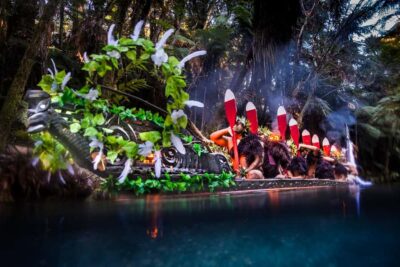
Mitai Maori Village: Cultural Experience and Dinner Buffet
Read our review →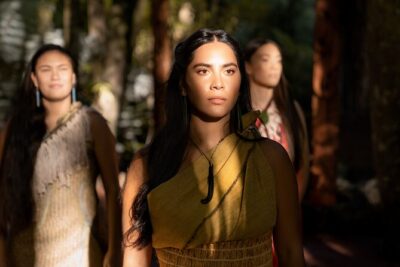
Cultural Experience & Seasonal Māori Cuisine at Te Pā Tū
Read our review →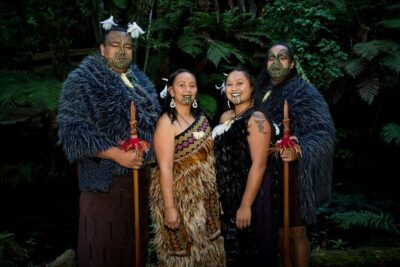
Mitai Maori Village Cultural Experience in Rotorua
Read our review →
Lake Taupo: Classical Sailing to the Māori Rock Carvings
Read our review →
Te Pa Tu Māori Cultural Experience with Dinner
Read our review →
Lake Taupō Māori Rock Carvings Scenic Cruise aboard Ernest Kemp
Read our review →
Waitomo Caves & Rotorua – Te Puia Small-Group Tour from Auckland
Read our review →
Lake Taupo: Maori Rock Carvings 10.30 AM 1.5-Hour Cruise
Read our review →Browse the lists this tour appears in