
Reviewed · TOURS IN WHITIANGA
Whitianga: 2-Hour Cathedral Cove and Volcanic Coast Cruise
Cathedral Cove is best seen from the water, where the famous arch, sea caves, pinnacles, and old volcanic cliffs form one continuous show. I like the way this cruise gets close to the coast in a small, purpose-built boat, rather than keeping you far offshore. I also like the guides’ mix of local stories, geology, Maori heritage, and wildlife notes. The main consideration is weather: wind and swell can shorten or cancel the trip, and wildlife sightings are luck of the draw.
You’ll meet at Whitianga Wharf for a two-hour circuit along about 12 kilometers of Mercury Bay coastline. Guides including Sam and Justin are praised for clear commentary, careful boat handling, and turning the boat so both sides get good views. Bring a jacket and sun protection, since conditions can change quickly on the water.
Key points at a glance
- Cathedral Cove from the sea: See Te Whanganui a Hei Marine Reserve, including its famous rock arch, without relying on the coastal walking route.
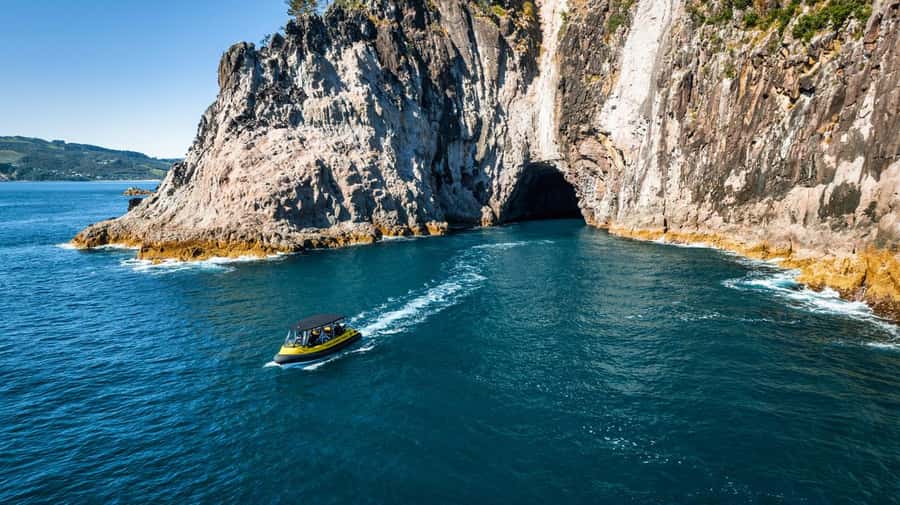
- Close-up volcanic scenery: The boat approaches sea caves, blowholes, pinnacles, beaches, and ancient lava formations.
- Comfortable small boat: Cushioned seats and a sunshade offer shelter, while the compact size allows closer coastal viewing.
- Strong live commentary: Guides such as Sam and Justin explain geology, wildlife, local stories, and Maori connections in English.
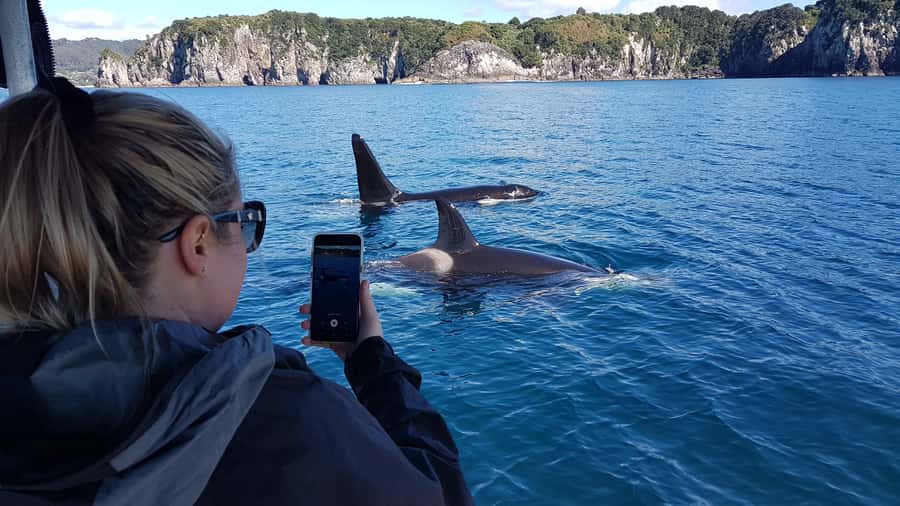
- Wildlife is possible: Dolphins, whales, orcas, penguins, snapper, and blue maomao have all been spotted, but none is guaranteed.
- Good value at $83: Two hours of scenery and guided interpretation make this a sensible choice if you want a focused Mercury Bay outing.
Why seeing Cathedral Cove from Whitianga makes sense
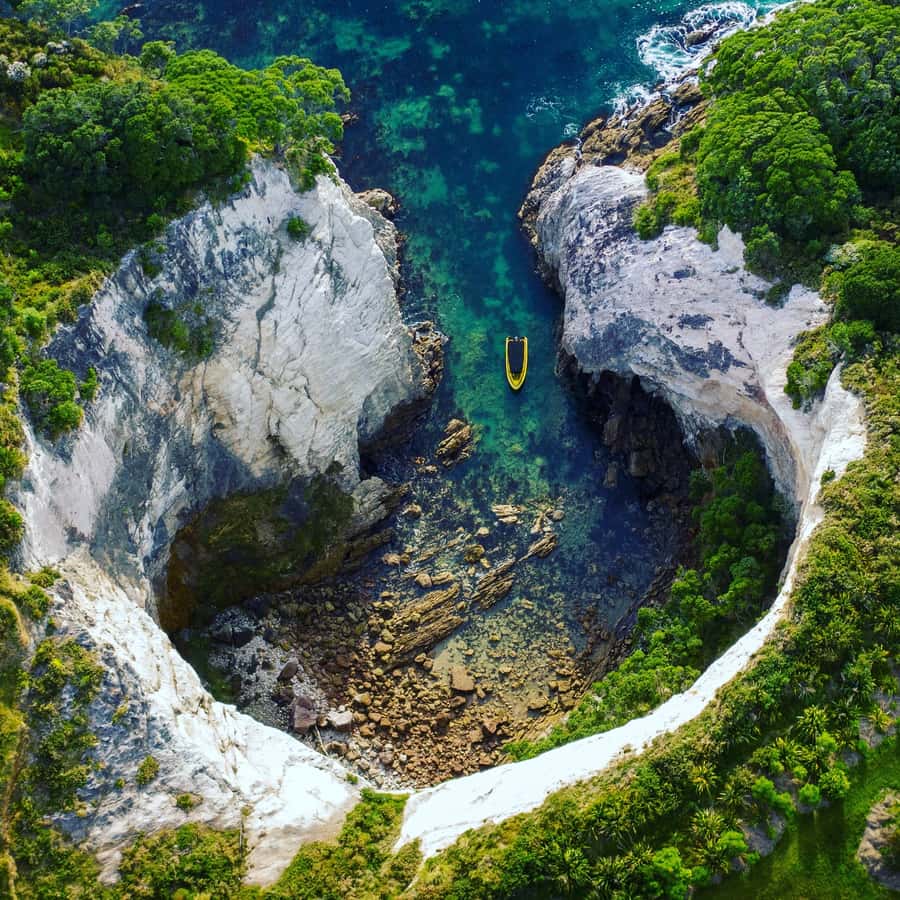
Cathedral Cove is the headline attraction, but the boat ride is not simply a taxi trip to one rock arch. From Whitianga, you get a moving tour of the coast around Mercury Bay, with beaches, islands, cliffs, and caves filling the time between the main sights.
The key advantage is perspective. On land, you approach Cathedral Cove from above and along a walking route. From the water, the cliffs rise directly beside you, and the scale of the caves becomes easier to appreciate. You can look into openings in the rock, see layers formed by volcanic activity, and watch the coastline change as the boat rounds each headland.
The cruise covers roughly 12 kilometers of rugged volcanic shore. That is enough ground to give you a proper sense of the bay, yet two hours is short enough to fit neatly into a day in Whitianga. You are not committing to a full-day sailing trip or a long expedition with hours of open water.
I would think of it as a scenic introduction to the Coromandel coast. It gives you the big visual stops, adds useful local explanation, and leaves time for other activities in the area.
A few more things to do in New Zealand worth a look
- Milford Sound: 2-Hour Small Boat Scenic Cruise
★ 4.8 · 2,561 reviews - 2-Hour Milford Sound Scenic Cruise
★ 5.0 · 1,520 reviews - Queenstown: 2-Hour Zipline Tour with 4-Lines
★ 4.7 · 462 reviews
Setting off from Whitianga Wharf
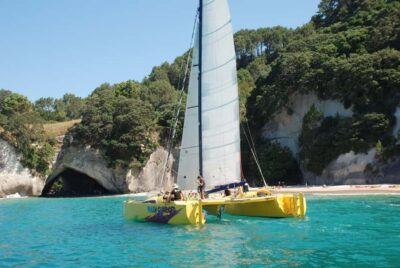
All trips leave from Whitianga Wharf on the Esplanade, at 14 Esplanade. Plan to arrive 15 minutes before departure. The yellow and black boat is usually parked at the jetty, but if the skipper is not aboard, you need to wait rather than walk down and board alone.
The boat is described as intimate without feeling cramped. That matters here. A smaller vessel can turn toward the rock formations and give you a more direct view than a larger boat might manage. Guides also make a point of rotating the boat, so passengers on both sides have time to see the sights and take photographs.
The ride can be smooth when the bay is calm. Several trips have also included faster stretches, which add a little excitement without changing the main purpose of the outing. This is still a sightseeing cruise, not a high-speed thrill ride.
The seating has cushions and there is a sunshade. Those are modest details, but they make a difference during a two-hour trip. You should still bring a warm jacket, sunglasses, a hat, sunscreen, and a camera. The advice to bring refreshments is worth following, since food and drinks are not included.
Beaches, islands, and the first coastal views
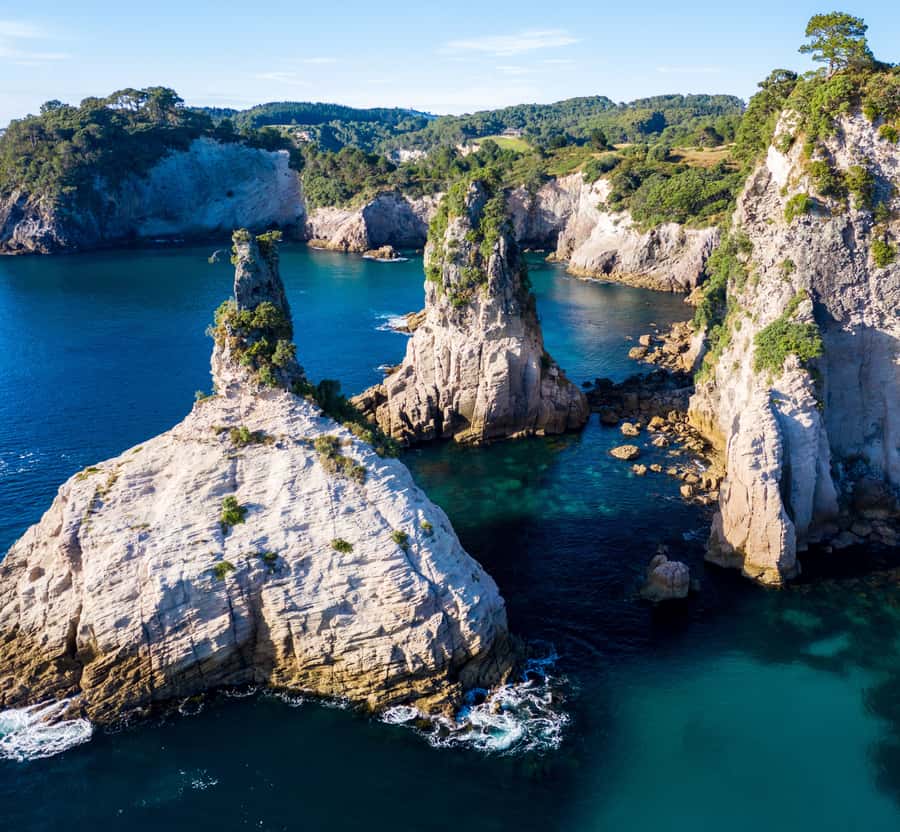
The route takes in beaches and coastal points around Mercury Bay, including Cooks Beach, Hahei, and Lonely Bay. Each one helps show the variety of the shoreline. Some sections are open and sandy, while others are tightly framed by cliffs, offshore rocks, and small islands.
The guide’s commentary is part of what gives these places meaning. Instead of seeing a succession of attractive beaches with no context, you hear about the formation of the coast, the plants and animals around the marine reserve, and stories connected with particular rock shapes and houses.
The commentary is live and in English. Guides such as Sam and Justin are frequently singled out for being easy to hear, friendly, funny, and willing to answer questions. That is especially useful if you are interested in geology. The coast is not just pretty scenery here. You can see evidence of ancient lava flows and volcanic activity in the rock faces.
The boat also gives you a chance to see the beaches without stopping for a long shore visit. That is both a strength and a limitation. You cover more coastline in two hours, but you should not book this expecting time to swim, picnic, or walk ashore at each beach.
Entering caves and reading the volcanic coast
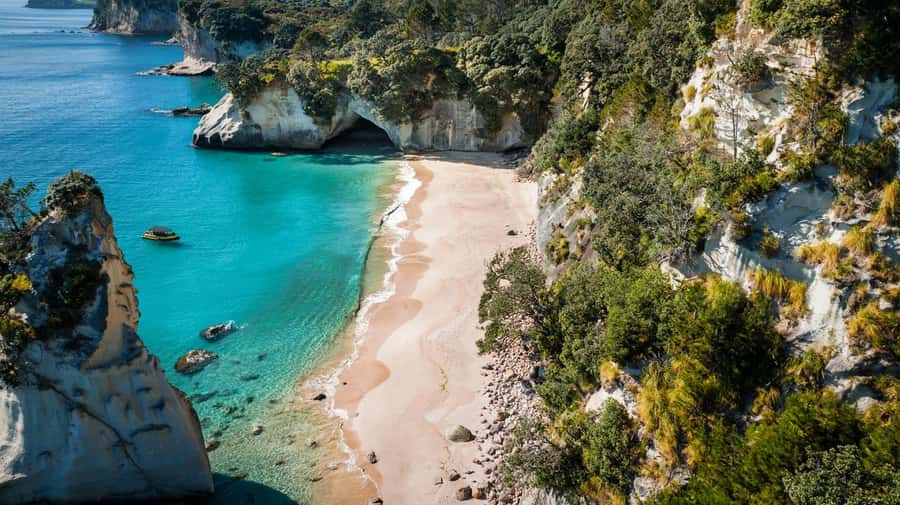
The best parts of the cruise often come between the named destinations. The boat moves close to large sea caves, blowholes, and tall rock pinnacles, depending on conditions. From water level, the cliffs can feel far more dramatic than they do from a distant lookout.
Orua Sea Cave is one particularly interesting feature mentioned during the trip. The guide may explain the geological story beneath the cave, including the meeting area of the Asian and Pacific tectonic plates. That kind of detail gives the scenery a useful frame. You are not only looking at a dark opening in the cliff, but connecting it to the forces that shaped the peninsula.
The exact route and closeness to the rocks depend on weather and sea conditions. Calm water allows the captain to approach more closely and pause for photographs. Windy conditions can mean a rougher ride, fewer close approaches, or a shorter cruise. One trip was cut by about 30 minutes because of wind, with part of the fare refunded. Another was canceled in poor weather with a full refund.
That is a sensible safety policy, but it is worth keeping in mind if your schedule is tight. Avoid placing this cruise immediately before an important onward connection.
Same base, a different kind of day:
- Hobbiton Movie Set: Guided Tour Ticket
★ 4.9 · 8,167 reviews - Waitomo: Glowworm Caves Guided Tour by Boat
★ 4.5 · 4,908 reviews - Rotorua Canopy Tours: 2.5Hour Native Forest Zipline Adventure
★ 5.0 · 4,563 reviews - Hobbiton™ Movie Set Walking Tour from Shires Rest
★ 5.0 · 3,577 reviews
Cathedral Cove and Te Whanganui a Hei Marine Reserve
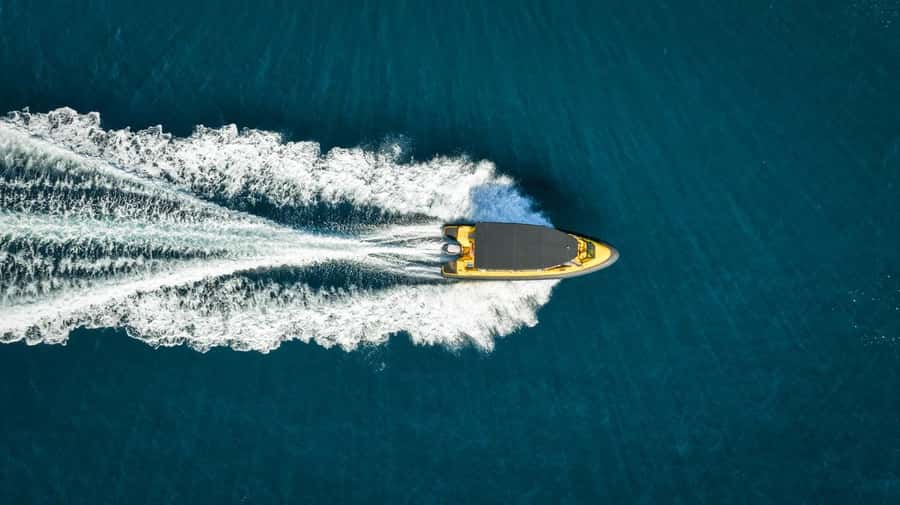
Cathedral Cove is the main event. Its Maori name is Te Whanganui a Hei, and the area is protected as a marine reserve. The large natural arch is the feature most people come to see, but the surrounding cliffs, water, and nearby formations make the view more than a single photo stop.
The boat lets you see the cove from several angles. Guides usually make room for photographs and turn the vessel so both sides have a fair chance. That small act of boat handling matters on a compact trip, since a great view can disappear quickly if you are seated on the wrong side.
You should understand that this experience includes Cathedral Cove viewing from the boat. It does not include a land visit, walking time, or a beach stop at the cove. If you want to stand beneath the arch or spend time on the beach, you need a separate land-based plan. The cruise is the better fit if your priority is seeing the cove as part of the wider coast and avoiding a longer walking approach.
The cove also has Maori heritage and is known as a filming location for Narnia. The guide can add context that you would miss from a quick photograph, including stories about the area and its natural features.
Wildlife: a welcome bonus, not the reason to book
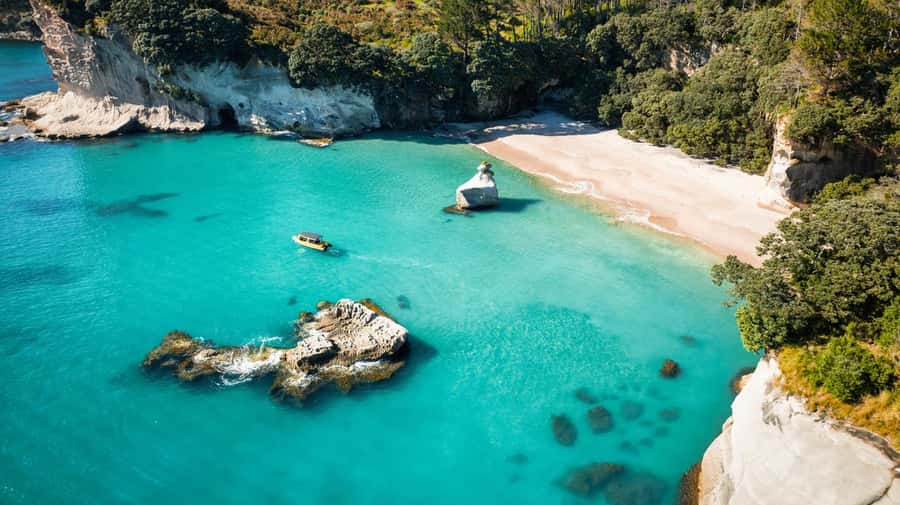
Keep your eyes on the water and the rocks. Dolphins, whales, and orcas may appear, and several trips have also included pilot whales, blue penguins, snapper, blue maomao, and other fish close to the boat.
These sightings are not guaranteed. I would book this for the coast first and treat wildlife as an extra. That approach keeps expectations realistic and lets you enjoy the trip even if the water remains empty.
The compact boat can help with close views of fish in clear water, particularly around the marine reserve. A camera with a zoom lens or binoculars may be useful, though you should also be ready to look up from the screen. Wildlife can appear without warning, and the best moment may last only a few seconds.
The guide’s wildlife commentary adds value even when no large animals show up. You learn about the habitat and the creatures that live around the cliffs and islands, rather than simply waiting for a dolphin fin.
How the guide shapes the experience
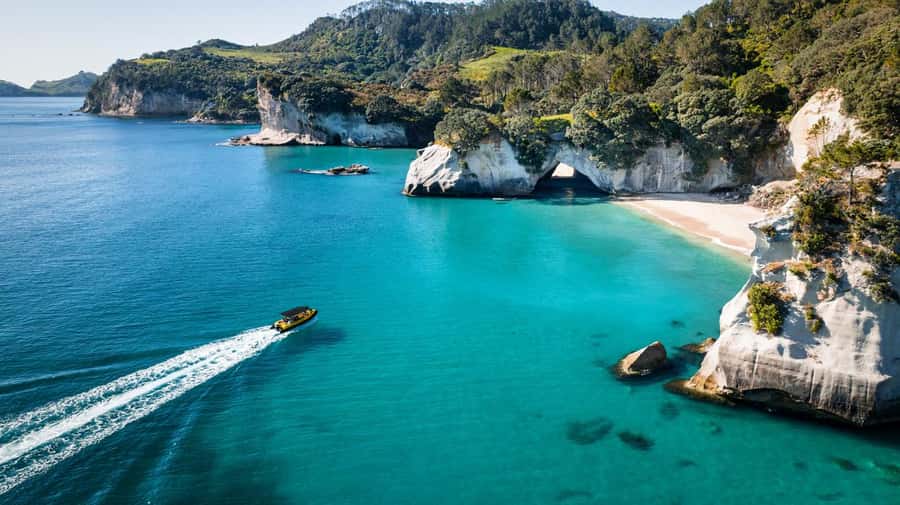
A good skipper matters on any boat tour, but especially on a short one. There is no time for a long orientation before the scenery begins. You want someone who can handle the boat, explain the coast, watch the weather, and still give you a chance to take photographs.
Sam and Justin are the names most often associated with this experience. Sam is noted for her boat handling, local stories, geology, and attention to passengers on both sides of the boat. Justin is praised for clear explanations, humor, personal stories from the area, and making time for questions.
The commentary is not presented as a formal lecture. It is more conversational, with information about rock formations, local history, flora, fauna, and the marine reserve mixed with practical safety instructions. Families can appreciate the fish and fast sections of the ride, while adults who enjoy geology or local culture will have plenty to listen for.
The guide also has to keep the tour moving. You may not stop for as long as you would during a private charter, and the boat cannot control wildlife encounters. Still, the attention to photo opportunities makes this feel less rushed than the two-hour length might suggest.
Comfort, weather, and what to bring
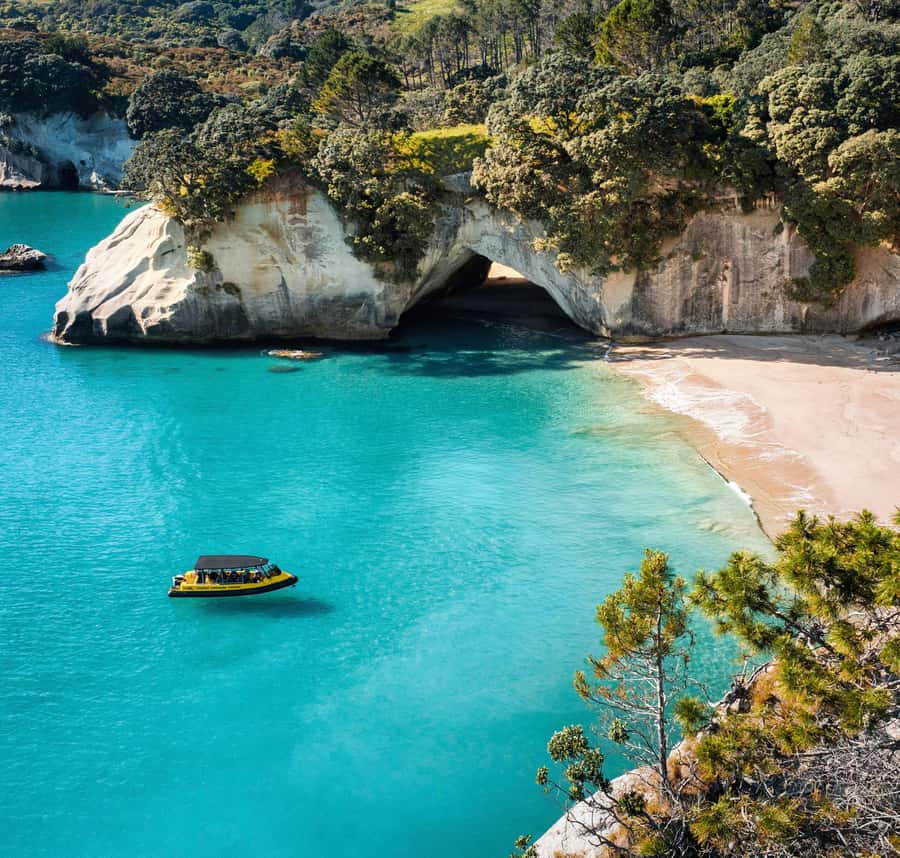
This is a boat trip, so comfort depends partly on the day. Calm weather can produce an easy, smooth ride and allow the captain to get close to the cliffs. Wind and rain can change the feel of the trip quickly.
Wear comfortable shoes for boarding and bring a jacket even on a sunny day. Sunglasses, a sunhat, sunscreen, a camera, and binoculars are useful. Refreshments are not included, so bring your own if you want something to eat or drink during the two hours.
The boat has cushioned seats and a sunshade, though one comment wished for softer seats and heated handrails. That gives you a fair idea of the comfort level: practical and pleasant, but not luxury yacht service. You are exposed enough to feel the weather, which is part of being on the coast.
If you are prone to seasickness, check the forecast and consider where you sit. The supplied information does not specify a dedicated motion-sickness policy, so ask the operator directly if you need that guidance.
Is $83 good value for two hours?
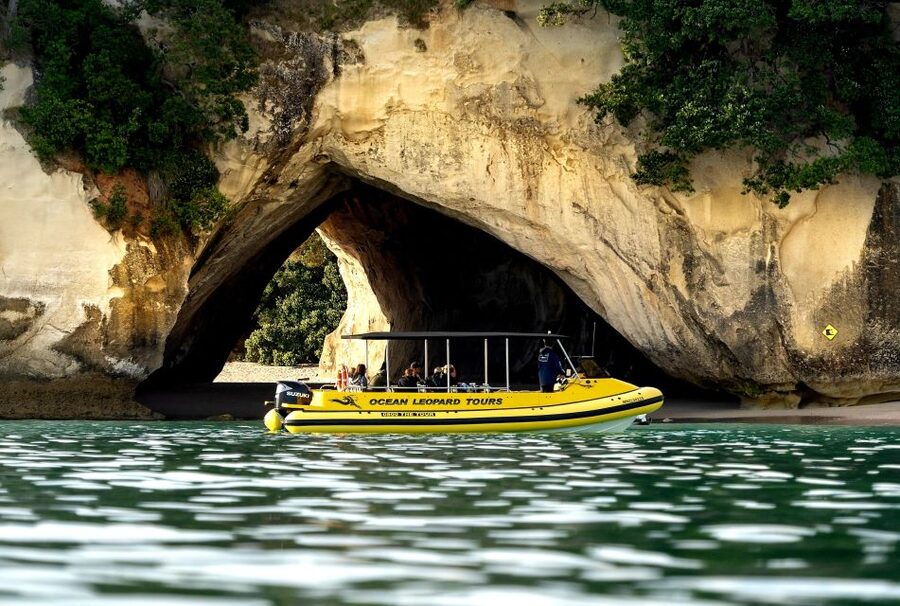
At $83 per person, this is not the cheapest way to see Mercury Bay, but the price is reasonable if you want a guided boat view of several major sights in a single outing. You get two hours on the water, live commentary, Cathedral Cove viewing, and a boat small enough to approach coastal features closely.
The value improves if you have limited time in Whitianga. Instead of arranging separate visits to Cooks Beach, Hahei, Lonely Bay, Cathedral Cove, and the volcanic formations, you see them as one connected stretch of coast. The boat ride also adds the water-level angle that a road trip or walking route cannot provide.
The price does not include food, drinks, or hotel transfers. You need to reach the wharf yourself and prepare for the weather. If you want a private charter, a full-day sailing trip, or guaranteed wildlife, this is not that product. If you want a focused and well-explained coastal tour, the cost is easier to justify.
Free cancellation up to 24 hours before departure and the option to reserve now and pay later provide some useful flexibility. Weather decisions remain important, so leave room in your itinerary where possible.
Who should book this cruise?
I would recommend it to first-time visitors who want an efficient look at the Coromandel coastline, couples seeking a scenic outing, families who prefer viewing Cathedral Cove from the water, and anyone interested in volcanic geology.
It also suits people who do not want to make a longer coastal walk but still want to see Cathedral Cove. The boat does the work, and the route adds beaches, islands, caves, and marine reserve scenery along the way.
You may want to choose something else if your main goal is spending time on Cathedral Cove beach, swimming, walking ashore, or having a private and quiet boat ride. You should also keep your plans flexible during unsettled weather.
Final call: book it if you want the coast, not just the cove
I would book this cruise if you want two well-used hours on the water and a broad look at Mercury Bay. The strongest reasons are the close coastal viewing, the comfortable small boat, and guides such as Sam and Justin, who add useful stories instead of leaving you with scenery alone.
Book with realistic expectations: Cathedral Cove is viewed from the boat, wildlife is a bonus, and weather can change the plan. For most visitors to Whitianga, the combination of volcanic cliffs, sea caves, beaches, live commentary, and a chance of dolphins makes $83 a fair price for a compact coastal experience.
FAQ
Where does the Cathedral Cove cruise depart from?
All tours depart from Whitianga Wharf at 14 Esplanade, Whitianga 3510, New Zealand. You should arrive 15 minutes before departure.
How long is the cruise?
The scheduled cruise lasts two hours. Strong wind or poor weather can shorten or cancel a trip for safety reasons.
Is Cathedral Cove visited on foot?
No. This activity includes viewing Cathedral Cove from the boat. It does not include a land visit or walking time at the cove.
What sights can I see during the cruise?
The route includes Cathedral Cove, Hahei, Lonely Bay, Cooks Beach, nearby islands, sea caves, blowholes, pinnacles, and volcanic rock formations along about 12 kilometers of coast.
Are food and drinks included?
No. Food and drinks are not included, so bring your own refreshments if needed.
What should I bring?
Bring comfortable shoes, sunglasses, a warm jacket, a camera, binoculars if you have them, a sunhat, sunscreen, and refreshments.
Just added in New Zealand
- Auckland: Half-Day Sea Kayak Tour to Motukorea Island★ 5.0 · 6 reviews
- Lake Cruise & Mou Waho Island Nature Walk★ 5.0 · 148 reviews
- Ōtautahi: Christchurch Small-Group Inner City Food Walking Tour★ 5.0 · 85 reviews
- Wine Tour & Maori Culture Wanaka★ 5.0 · 81 reviews
- Akaroa: Pohatu Little Penguins 3-Hour Evening Experience★ 4.8 · 119 reviews
- Sheep Farm Day Trip from Christchurch + Lunch and Winery visit.★ 5.0 · 51 reviews
- Wine Tour with Wine Tasting from Wanaka★ 4.5 · 67 reviews
- Akaroa: Pohatu Penguins Scenic Nature 2-Hour or 4-Hour Tour★ 4.9 · 125 reviews
Tours in Whitianga, compared.
Glass Bottom Boat Whitianga Cathedral Cove Cruise
Read our review →
2 Hour Cathedral Cove and Volcanic Coast Cruise with Shade Canopy
Read our review →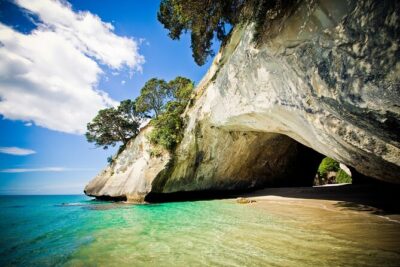
Cathedral Cove & Coromandel Peninsula Small-Group Day Tours
Read our review →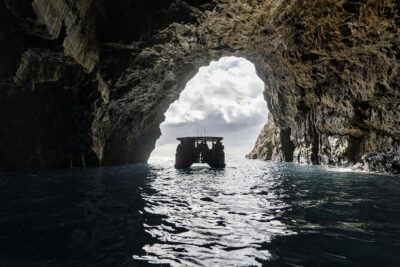
Browse the lists this tour appears in